
Reviewed · CYCLING TOURS
Kilimanjaro bike park safari
Wildlife sightings come with two wheels here. From Moshi, you travel to West Kilimanjaro for an eight-hour private outing that blends a safari with mountain biking. You pedal along red dirt roads through open wilderness, with chances to see zebras, impalas, wildebeest, giraffes, and many kinds of birds. I especially like the private format, which lets your group set its own pace, and the fact that lunch, bikes, helmets, water, and transport are included.
The main catch is physical: you need moderate fitness and confidence on a bicycle. Wildlife sightings are never guaranteed, and cycling in good weather is part of the appeal, so rain or poor conditions can affect the day. Still, the unusual mix of exercise, scenery, animals, and Maasai village life gives this trip a character you will not get from a standard vehicle safari.
In This Review
- Key points at a glance
- Why this safari feels different from a regular game drive
- The 7:00 am departure from Moshi
- Getting fitted with a bike and helmet
- Red dirt roads and wide Kilimanjaro views
- Wildlife viewing from a bicycle
- Maasai villages and the human side of the route
- Lunch, water, and the value of the package
- A private tour that lets you choose the pace
- Who should book this eight-hour adventure?
- Booking ahead and cancellation flexibility
- Should you book the Kilimanjaro Bike Park Safari?
- FAQ
- Where does the Kilimanjaro Bike Park Safari begin?
- What time does the tour start?
- How long does the tour last?
- Is this a private tour?
- What equipment is included?
- Is lunch included?
- What happens if bad weather cancels the tour?
Key points at a glance
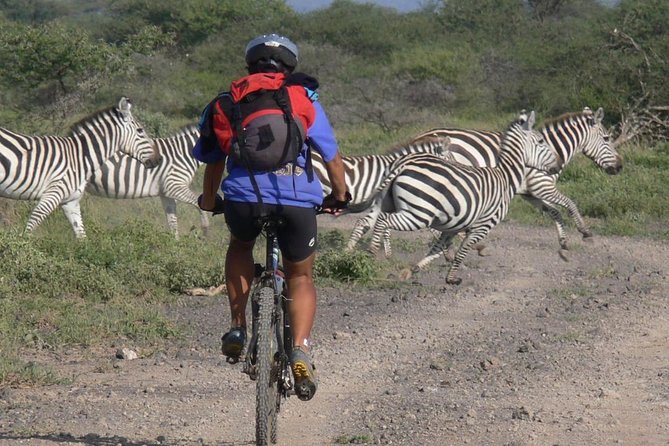
- Ride among African wildlife: You might spot zebras, impalas, wildebeest, giraffes, and birds while cycling through West Kilimanjaro.
- Private pacing: Only your group takes part, so you have more control over stops and riding speed.
- A full eight-hour outing: The 7:00 am start leaves time for transport, cycling, wildlife viewing, and lunch.
- Useful gear is included: Your bicycle, helmet, bottled water, and t-shirt are supplied.
- A taste of local life: The route can include views of Maasai villages and daily village activity.
- Strong value for active visitors: At $260.93 per person, the price covers transport, equipment, lunch, taxes, and a private experience.
Why this safari feels different from a regular game drive
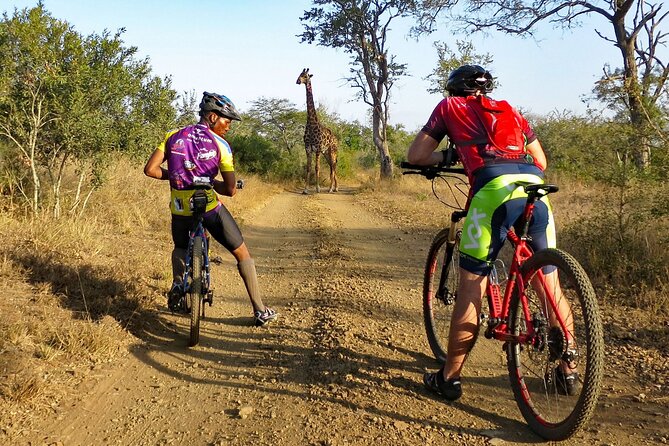
A vehicle safari gives you a wide view and a comfortable seat. This tour gives you a slower, more exposed way to see West Kilimanjaro. You hear the bicycle beneath you, feel the red dirt road, and move through the area under your own power.
That changes the mood. Instead of simply watching the scenery pass a window, you are part of it. A zebra herd in the distance becomes a reason to stop pedaling. A giraffe may pull your attention toward the horizon. Impalas and wildebeest can appear across the open ground, while birds add movement overhead.
I like this format for people who want wildlife viewing to feel active rather than passive. It is not just a bike ride with a few animal sightings added on. It is also not a classic safari vehicle trip with a short cycling section. The appeal is the combination.
The route takes you from Moshi toward West Kilimanjaro, an area known for open wilderness and game reserves. The scenery includes broad horizons, red dirt roads, and natural spaces used by wildlife and local communities. The tour also offers a chance to see Maasai villages and observe ordinary daily life, which adds a human side to the animal sightings.
A few more options to weigh up in Moshi
- 1-Day Moshi Villages bike tour
★ 5.0 · 59 reviews - Chagga Villages in Mount Kilimanjaro Cycling Day Trip
★ 5.0 · 42 reviews - Moshi city bike day trip
★ 5.0 · 17 reviews
The 7:00 am departure from Moshi
The day begins at 7:00 am, with round-trip transport from Moshi included. That is a practical advantage. You do not need to arrange separate transfers to the riding area, and you can focus on being ready for an early start.
The distance between Moshi and West Kilimanjaro makes transport an important part of the day. Since the experience lasts about eight hours, a morning departure gives the schedule enough room for the journey, riding, wildlife viewing, and lunch without making the outing feel rushed.
You should treat the start time seriously. This is not a late-morning activity that you can fit in after a relaxed breakfast. Have your clothes and personal items ready before pickup, and make sure you are prepared for a day outdoors.
The operator supplies bottled water, but you should still arrive ready for physical activity. A bicycle ride through open country calls for clothing that lets you move comfortably. The tour includes t-shirts, but the supplied information does not specify sizing or whether you may choose a particular style, so ask ahead if that matters to you.
Getting fitted with a bike and helmet
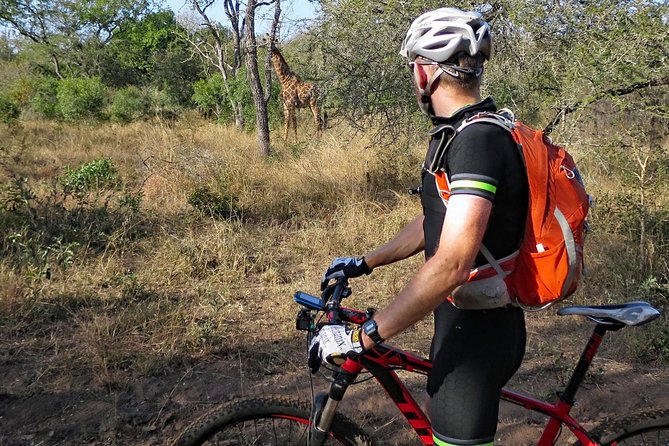
At the start of the cycling portion, Kili Bike Adventures provides the bicycle and helmet. The use of a helmet is an important practical detail, particularly on red dirt roads where the surface may be less predictable than pavement.
You need a moderate level of physical fitness and should feel confident riding a bike. That wording matters. You do not need to be described as an elite cyclist, but this is not the right choice if you are uncomfortable on a bicycle or unsure about handling a longer outdoor ride.
The private setup helps here. Your group is not tied to the pace of strangers, so you can ride at a speed that feels manageable. If one person wants more time to look at animals or enjoy the scenery, the group has more freedom to pause and continue together.
Still, private does not mean effortless. You are responsible for taking part in the cycling, and the tour is built around riding through the wilderness. If you are choosing between this and a vehicle safari because you want less physical exertion, the vehicle option would likely suit you better.
Red dirt roads and wide Kilimanjaro views
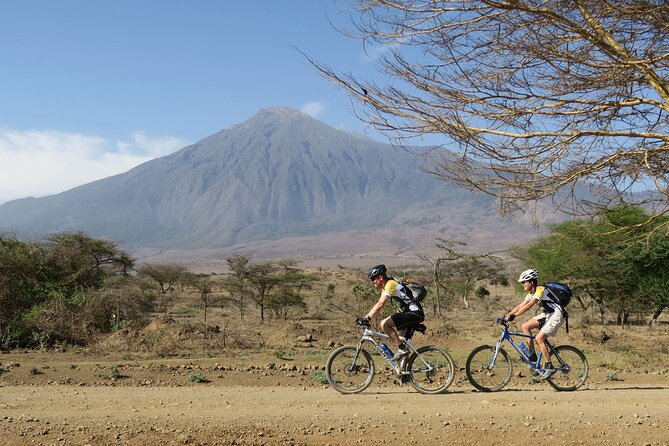
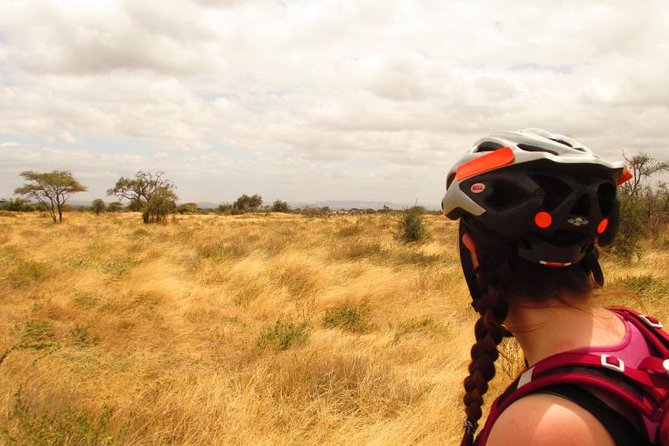
The cycling itself is the heart of the outing. You ride along red dirt roads with the sun overhead and open views stretching around you. The combination of color, sky, and space gives the route a strong sense of place.
I like that the setting is not reduced to a checklist of animals. The road, the horizon, the villages, and the wildlife all form part of the experience. You might remember the first zebra sighting, but you may also remember the feeling of pedaling through a huge open area with very little between you and the distant hills.
The ride offers a different relationship with distance. From a bicycle, a herd in the distance can seem more immediate because you are moving through the same space under your own effort. At the same time, you should keep expectations sensible. Wild animals choose where to go, and the tour cannot promise a particular sighting.
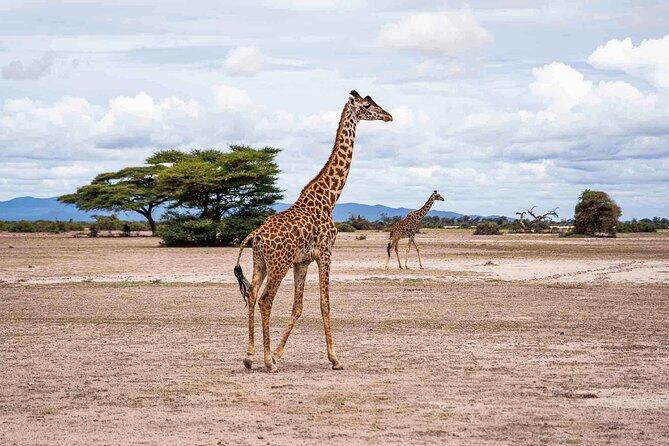
The information provided names zebras, impalas, giraffes, and wildebeest as animals you may see. Birdlife is also part of the setting. That list gives you a fair idea of what to watch for, but it should not be read as a guarantee that every animal will appear during your outing.
A different kind of day out entirely:
- Kilimanjaro climb by Lemosho Route (7-day)
★ 5.0 · 651 reviews - Safari Serengeti And Ngorongoro
★ 5.0 · 288 reviews - Kilimanjaro climb, Machame Route (7-day)
★ 5.0 · 262 reviews - Kilimanjaro Climbing Lemosho Route 8 Days.
★ 5.0 · 186 reviews
Wildlife viewing from a bicycle
Seeing wildlife while cycling is exciting, but it requires a little flexibility. You may spend part of the ride watching open ground before an animal comes into view. The reward is that sightings can feel especially memorable when they interrupt the rhythm of the ride.
Zebras and wildebeest may be visible across the open area. Impalas can add quick movement to the scene, while giraffes offer a very different kind of sighting because of their height and distinctive shape. Birds are easy to overlook if you focus only on larger animals, so it is worth giving your attention to the sky and nearby surroundings as well.
The tour description presents the outing as a way to experience one of Tanzania’s important game areas by bike. That means you should think of it as a wilderness ride with safari possibilities, not as a guaranteed animal parade. Your reward comes from the whole setting, including the quiet stretches between sightings.
This is one reason the private group matters. You can stop to appreciate a sighting without worrying about keeping a large group on schedule. You can also set a sensible pace for the least experienced cyclist in your party.
Maasai villages and the human side of the route
One of the more unusual details of this experience is the chance to see Maasai villages and people going about normal daily life. This adds context that a wildlife-only outing may lack.
You are not simply passing through an empty natural area. West Kilimanjaro is also lived-in country, with communities connected to the area around them. Seeing village life alongside wildlife makes the route feel more grounded and less like a staged animal display.
The supplied details do not promise a formal village visit, cultural presentation, or meeting with local residents. You should therefore expect views of villages and everyday activity rather than a separate cultural program. That distinction helps keep expectations clear.
Even from a respectful distance, this can be a meaningful part of the day. Keep your attention on the surroundings, not only on finding the next animal. The mixture of wildlife and community life is one of the strongest reasons to choose this experience over a standard cycling route.
Lunch, water, and the value of the package
Lunch and bottled water are included, along with the bicycle, helmet, t-shirt, private transportation, and all fees and taxes. Those inclusions make the advertised price of $260.93 per person easier to assess.
You are paying for more than an admission ticket. The price covers an eight-hour private activity, round-trip transport from Moshi, equipment, food, water, and access fees. If you would otherwise need to rent a bicycle, arrange a transfer, buy lunch, and join a separate wildlife outing, the total cost of a do-it-yourself plan could rise quickly.
The value is strongest for a small group that wants a private day and will use the included services. A solo participant or a person who does not care about private touring may look at the price differently. The experience is specialized, so it is worth paying for only if cycling and wildlife are both high on your list.
The exact lunch menu is not provided, so do not choose this tour based on a particular dish. Think of lunch as useful fuel during a long day outdoors. The included water is also welcome, though you may want to confirm any personal food or drink needs before booking.
A private tour that lets you choose the pace
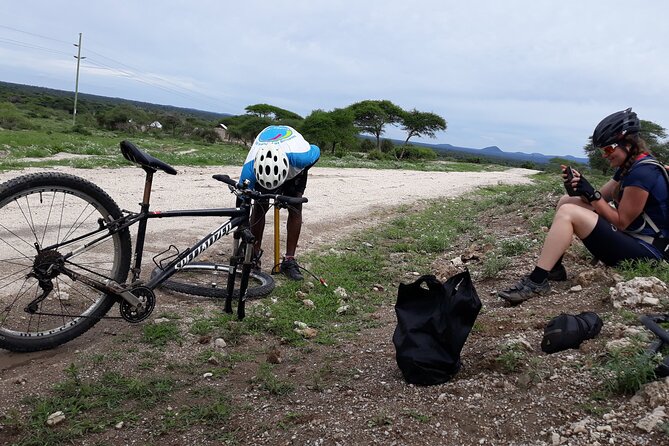
The private arrangement is one of the clearest strengths. Only your group participates, which gives the day a more personal rhythm than a large shared excursion.
If your group is made up of confident cyclists, you can keep moving. If you want to stop often for photos, wildlife, or the views, you have more room to do that. You also avoid the common problem of being paired with people who ride much faster or slower than you do.
There is a trade-off. A private tour can cost more per person than a group activity, especially if only one or two people are booking. The $260.93 price reflects that private service, so I would compare it with your group size and priorities rather than judging the price alone.
The private format also makes this a good choice for families or friends who already know how they travel together. Since the activity requires moderate fitness, it helps to be honest within your group about cycling ability before you reserve.
Who should book this eight-hour adventure?
I would recommend it to you if you meet most of these conditions:
- You are comfortable riding a bicycle.
- You have moderate physical fitness.
- You want wildlife viewing to include exercise.
- You prefer a private experience to a shared group.
- You like open scenery, red dirt roads, and local village views.
- You are willing to accept that animal sightings depend on nature.
The tour may not suit you if you want a relaxed vehicle-only safari, need a highly predictable schedule, or do not feel confident on a bike. It is also a poor match if your main interest is a formal cultural visit, since the available information only describes seeing Maasai villages and daily life along the way.
You should also consider the weather. The experience requires good conditions, and poor weather can lead to a new date or a full refund. That is fair for an outdoor activity, but it means you should leave some flexibility in your Tanzania schedule if this ride is important to you.
Booking ahead and cancellation flexibility
This experience is booked an average of 40 days in advance, so I would not leave it until the last moment if you have fixed dates in Moshi. Confirmation is provided when you book, and a mobile ticket makes the reservation easy to carry.
You can cancel for a full refund up to 24 hours before the local start time. Cancellations or changes made less than 24 hours before departure are not accepted for a refund, so check the timing carefully. Airport pickup and transfer are not included, which is separate from the included transport to and from Moshi.
Should you book the Kilimanjaro Bike Park Safari?
Book this tour if you want your safari day to be active, personal, and a little unconventional. The chance to cycle through West Kilimanjaro, see animals in open country, pass Maasai villages, and stop for lunch is a strong package for someone who enjoys being outdoors.
The key question is not simply how much you want to see. It is how you want to see it. If you want to pedal toward the next view and accept the uncertainty of wildlife, this is a memorable choice. If you prefer guaranteed comfort and minimal exertion, choose a vehicle-based safari instead.
At $260.93 per person, the tour offers solid value for a private eight-hour outing with transport, equipment, lunch, water, taxes, and fees included. I would book it for a fit couple, family, or small group that wants a different view of Kilimanjaro country and is ready to let the day unfold at bicycle speed.
FAQ
Where does the Kilimanjaro Bike Park Safari begin?
The experience begins in Moshi, Tanzania, with round-trip transportation offered from Moshi.
What time does the tour start?
The start time is 7:00 am.
How long does the tour last?
The activity lasts approximately eight hours.
Is this a private tour?
Yes. Only your group participates, and the private format lets you choose your pace.
What equipment is included?
The tour includes use of a bicycle, a helmet, and a t-shirt.
Is lunch included?
Yes. Lunch and bottled water are included in the tour price.
What happens if bad weather cancels the tour?
If poor weather causes a cancellation, you will be offered a different date or a full refund.
Just added in Moshi
- Zanzibar: Stone Town tour and Nakupenda beach with Lunch★ 5.0 · 1 review
- day trip lake manyara★ 5.0 · 2 reviews
- Mt Kilimanjaro 6 days Marangu route hike★ 5.0 · 3 reviews
- machame route★ 5.0 · 16 reviews
- Private Cycle to Kilimanjaro Bike Park Safari★ 5.0 · 6 reviews
- West Kilimanjaro cycling Adventures★ 4.5 · 8 reviews
- Wildlife Extravaganza: Manyara, Tarangire & Ngorongoro in 3 Days★ 5.0 · 3 reviews
- 3 Days Private E-Bike Tour in West Kilimanjaro★ 5.0 · 3 reviews
Cycling Tours, compared.
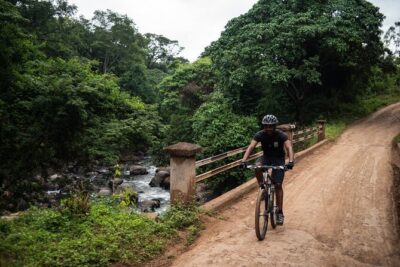
Chagga Villages in Mount Kilimanjaro Cycling Day Trip
Read our review →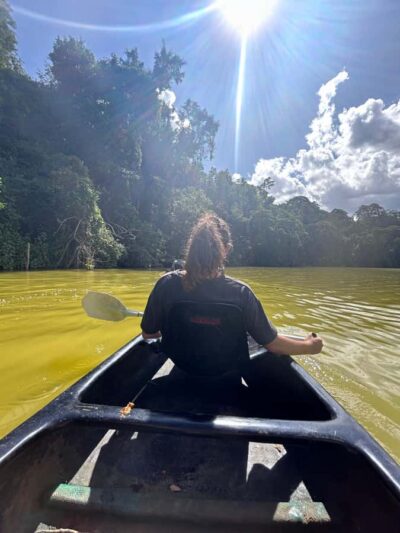
Canoeing/Kayaking &/or Cycling Adventure (with Lunch)
Read our review →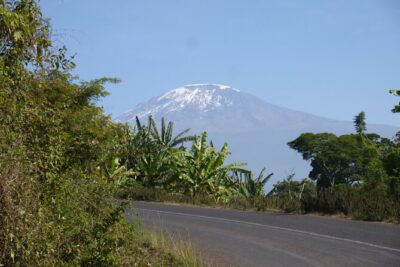
Top 6 Days Mt. Kilimanjaro Bike trek Tour by Marangu-Kilema Route
Read our review →
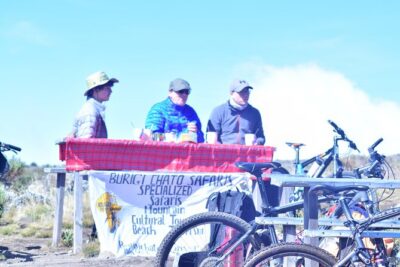
Cycling from Kilimanjaro to Ngorongoro Crater
Read our review →
Browse the lists this tour appears in