
Reviewed · CAMPING SAFARIS
10-Day Amazing Comfort Camping Safari
Wild Africa rewards patience. This 10-day safari links Tanzania’s strongest wildlife parks with local culture, birdlife, and unhurried game drives, all in a private group with pickup available. I like the flexible pace and the chance to walk in Arusha National Park with an armed ranger. I also like the family-run feel associated with guides such as Chris, Christopher, Japhet, Jaffed, and Warren, who are praised for careful animal spotting and personal help.
The main tradeoff is comfort camping at public campsites. You get a closer connection to the parks and a lower price than many lodge safaris, but you should be ready for basic facilities, long bumpy drives, and early starts. The $3,899 price is substantial, yet it covers park fees, camping gear, a private guide, water, and all listed meals.
In This Review
- Key points to know before booking
- Why this safari feels different
- Day 1: arriving at Arusha National Park
- Day 2: walking beneath Mount Meru
- Day 3: Mto Wa Mbu before Lake Manyara
- Day 4: bird country at Lake Manyara
- Day 5: crossing toward the Serengeti
- Day 6: a full day in the Serengeti
- Day 7: sunrise predators and the crater rim
- Day 8: descending into Ngorongoro Crater
- Day 9: elephants and swamps in Tarangire
- The camping, food, and practical value
- Who should book this safari?
- Should you book it?
- FAQ
- Where does the safari begin?
- How long does the safari last?
- Is this a private tour?
- What happens if my flight arrives after 3 pm?
- Are park fees included?
- Is camping equipment provided?
- Are meals included?
- Are optional activities included?
- What is the cancellation policy?
Key points to know before booking
- Walk among Arusha’s forests: A 2 to 4 hour nature walk with an armed ranger brings you close to waterfalls, fig trees, birds, and Mount Meru country.
- See four major safari areas: The route includes Arusha National Park, Lake Manyara, Serengeti, Ngorongoro Crater, and Tarangire.
- Sleep inside or beside the parks: Public campsites put you near wildlife country, but facilities are simpler than lodge accommodation.
- Make room for culture: The Mto Wa Mbu visit includes local food, plantations, crafts, markets, traditional homes, and banana beer.
- Expect strong birdwatching: Lake Manyara has more than 400 recorded bird species, while Tarangire is prized for elephants and dry-country birds.
- Travel privately: Only your own group participates, giving you more say over stops, walking time, and the daily rhythm.
Why this safari feels different
Many northern Tanzania safaris race from one famous park to the next. This one tries to slow the clock. You spend two nights in Arusha National Park, two in the Serengeti, and two in Tarangire, with time for walks, birdwatching, cultural visits, and game drives rather than one quick look at each place.
I especially like that the route begins with something other than a vehicle safari. The guided walk in Arusha National Park lets you notice plants, trees, tracks, and waterfalls at ground level. An armed ranger accompanies you, and the walk can last roughly two to four hours depending on what you want from the morning.
The private format matters here. You are not sharing decisions with a large busload of people. If you want to spend longer watching elephants, wait for better light, or take a shorter walk, you can discuss that with your guide. The stated aim is a safari at your own pace, though park rules and driving distances still set firm limits.
The company also presents itself as having a strong local community impact. That claim is hard to measure from the itinerary alone, but the use of a Tanzanian family-run operator and local cultural stops gives the trip a more grounded feel than a route made only of lodges and wildlife sightings.
More Camping Safaris in Arusha:
- 4 Days Group Camping Safari
★ 5.0 · 1,101 reviews - 5 Days Group Camping Safari
★ 5.0 · 730 reviews - 3 Days Serengeti & Ngorongoro Group Camping Safari
★ 5.0 · 574 reviews
Day 1: arriving at Arusha National Park
After landing at Kilimanjaro International Airport, your driver and guide take you toward Arusha National Park. The first night is at Momella Public Campsite, where the crew sets up the tents and gives you an introduction to the trip.
This first day can be wonderfully efficient if your flight arrives early. You reach the park, settle into camp, and wake up close to the next morning’s activities. Arusha National Park is also a fine opening chapter because it combines forest, lakes, waterfalls, steep cliffs, and views toward Mount Meru and, in favorable conditions, Kilimanjaro.
There is one important timing warning. If your flight arrives after 3 pm, you cannot drive into the park campsite that day. You will need a night in an Arusha lodge, and that extra accommodation is not included in the $3,899 price. I would confirm your arrival time before booking flights.
Day 2: walking beneath Mount Meru
After breakfast, you take a nature walk with an armed ranger. The route may include huge fig trees, waterfalls, and a good range of plant and bird life. You can ask for a shorter or longer walk, with the stated range around two to four hours.
This is one of the trip’s best ideas. You cannot appreciate a fig tree or forest floor in the same way from a safari vehicle. The walk gives you a better sense of scale and lets you use your ears and nose as well as your camera.
After a hot lunch back at camp, the afternoon turns to a game drive. Momella Lake is known for waterbirds, and the park’s mix of lakes, swamps, cliffs, and forest creates a varied first safari day. Views of Mount Meru and Kilimanjaro add drama, though mountain views depend on weather.
You can also discuss an optional walk toward Meru’s summit, but this costs extra. Do not treat that as part of the included program. For most people, the standard nature walk already gives the day a good balance of activity and rest.
Day 3: Mto Wa Mbu before Lake Manyara
The drive to Mto Wa Mbu covers about 150 kilometers and takes roughly three and a half hours on mostly paved roads. Instead of driving straight into the park, you spend an hour or two exploring the town and learning about the many cultural groups living in the area.
This is a useful change of pace. You may visit plantations, see local crafts, walk past market stalls, and taste banana beer in a local bar. Lunch comes from a Tanzanian woman cooking local dishes, which gives you a chance to eat something connected to the place rather than another standard safari meal.
The visit is not a polished museum tour. Mto Wa Mbu is a working town, and that is part of its value. You should expect movement, commerce, and ordinary daily life. The cultural portion helps explain the communities around the parks, including Maasai life and the presence of roughly 100 other cultural groups in the area.
Later, you continue into Lake Manyara National Park and camp at Endabash Public Campsite. The drive itself is manageable, but the day combines road time, a town visit, lunch, and a park transfer. If you prefer a slow afternoon, this will feel busy.
A few more options to weigh up in Arusha
- Balloon Safari & Bush Breakfast in Serengeti – Miracle Experience
★ 5.0 · 1,646 reviews - Tanzania Classic – 7 Days
★ 5.0 · 1,151 reviews - Materuni Waterfalls, coffee tour & Kikuletwa Hot Springs
★ 5.0 · 643 reviews - 7-Day Premium Luxury Tanzania Safari All-Inclusive
★ 5.0 · 426 reviews
Day 4: bird country at Lake Manyara
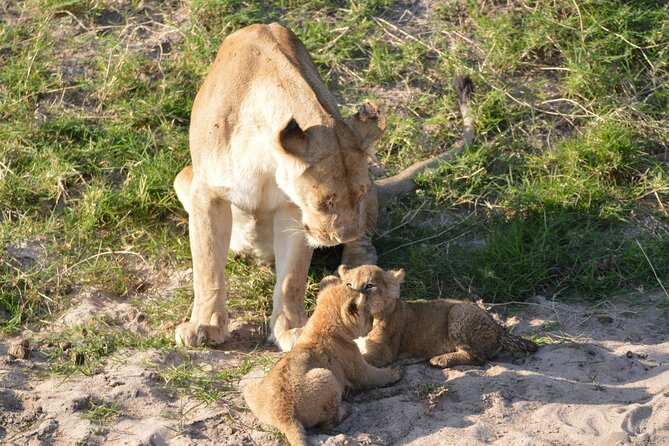
Lake Manyara is the strongest birdwatching stop on this route. More than 400 bird species have been recorded here, including pelicans, herons, storks, sacred and glossy ibis, and black egrets around the hippo pool.
An early morning game drive is planned before breakfast. That timing makes sense. The park is quieter, light is better for photographs, and predators are more active in the cool hours. You may also see thousands of flamingos when water levels are suitable.
The park is not only for bird specialists. The combination of lake, woodland, open areas, and wildlife makes it a good place for first-time safari visitors. More than 50 birds of prey have been recorded, including crowned eagles and African hawk-eagles.
The limitation is that sightings are never guaranteed. The same applies to the rest of the safari. A guide can read tracks and search likely areas, but nature does not follow a timetable. The trip’s slower approach improves your chances of a rewarding day without promising a particular animal.
Day 5: crossing toward the Serengeti
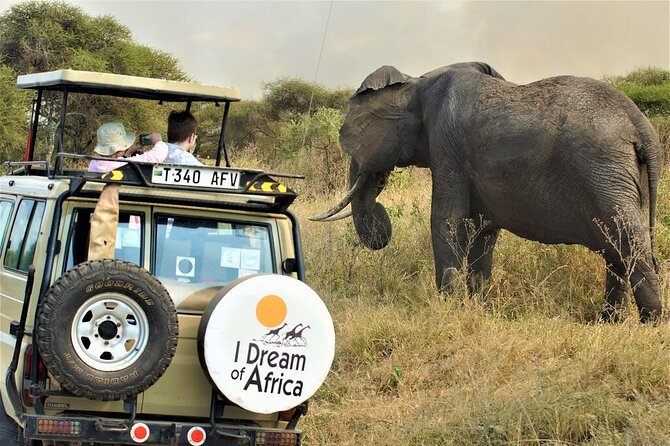
After breakfast, you leave with lunchboxes for Serengeti National Park. The route passes through the Ngorongoro Conservation Area, with views down toward the crater, then continues across the Serengeti toward the Seronera River area.
This is a long travel day: about 210 kilometers and roughly six hours, with partly paved roads followed by sandy and bumpy sections. The reward is that the transfer also becomes part of the safari. You are not simply moving between hotels. You may begin spotting animals and changing habitats as the road carries you across the park.
The Serengeti is also excellent for birds, with more than 500 recorded species. Five species found in the Serengeti-Mara ecosystem occur nowhere else, giving birdwatchers another reason to carry binoculars even on a big-mammal day.
You spend the night at Seronera Public Campsite. Camping in the park puts you close to the action, but remember that public camping is not lodge accommodation. Pack for basic conditions and bring patience for the road.
Day 6: a full day in the Serengeti
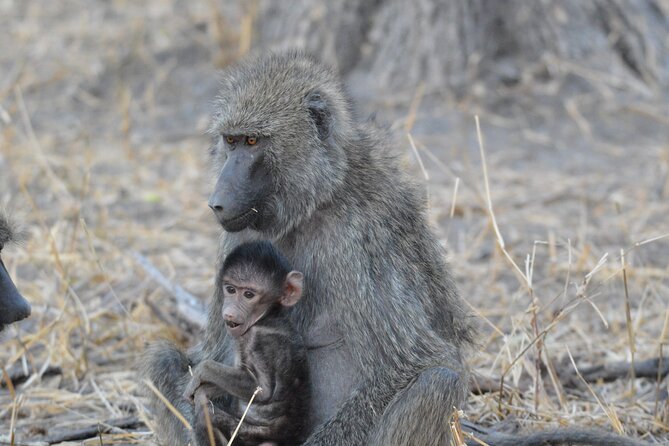
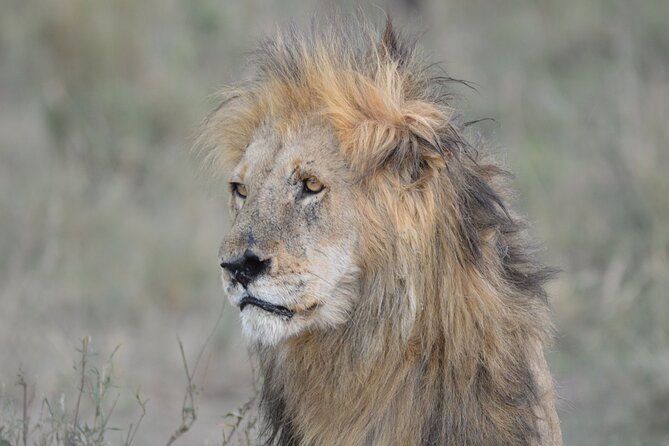
This is the safari’s major wildlife day. You spend the full day driving around the Seronera River and Mara River areas, looking for wildebeest, predators, giraffes, crocodiles, and other wildlife.
The itinerary includes the possibility of seeing a hunting cheetah, lions, or wildebeest crossing a river. Those are exciting possibilities, not promises. River crossings in particular depend on timing, animal movement, and luck.
I like the emphasis on less-known areas. In a private vehicle, you can talk with your guide about spending time away from the busiest routes. A good spotter makes a major difference here. Chris, also referred to as Christopher in the company’s feedback, receives special praise for explaining wildlife, plants, and animal behavior while finding hard-to-see creatures.
Past guests also credit him with helping people see the Big Five, including rhinos and cheetahs. That should encourage you, but it should not create unrealistic expectations. Even in the Serengeti, no guide can guarantee the full list.
Day 7: sunrise predators and the crater rim
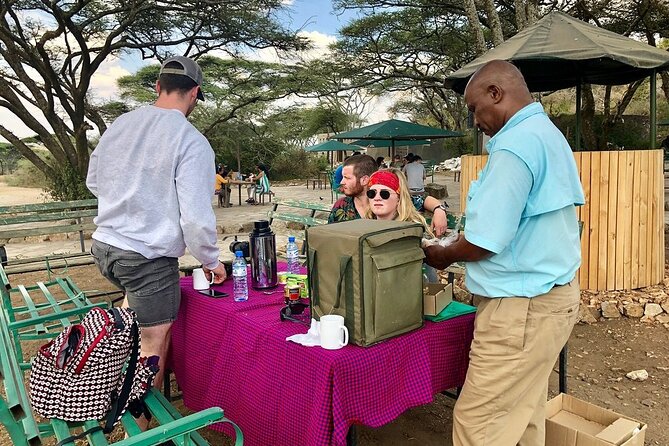
You begin with an early morning game drive while the bush is waking. Carnivores are often active at this hour, so the early start is not just a punishment for sleepy humans. It is the best time to search for hunting behavior.
At midday, you return to camp for brunch, then leave the Serengeti for the next campsite near Ngorongoro. The transfer gives you a break after the full day before, though it remains a substantial driving day.
An optional Maasai boma visit can be arranged at extra cost. This could add useful context about semi-nomadic life and age-old traditions, but it is not included in the base price. Ask what the visit involves and what fee applies before agreeing.
The night is at Simba Public Campsite on the crater edge. The location prepares you for the next morning’s descent, but the accommodation remains basic. If you are seeking private bathrooms, daily room service, and a quiet lodge veranda, this is the wrong style of safari.
Day 8: descending into Ngorongoro Crater
After breakfast, you drive down into Ngorongoro Crater. The descent itself is part of the experience, with wide views over the caldera before you reach the wildlife area below.
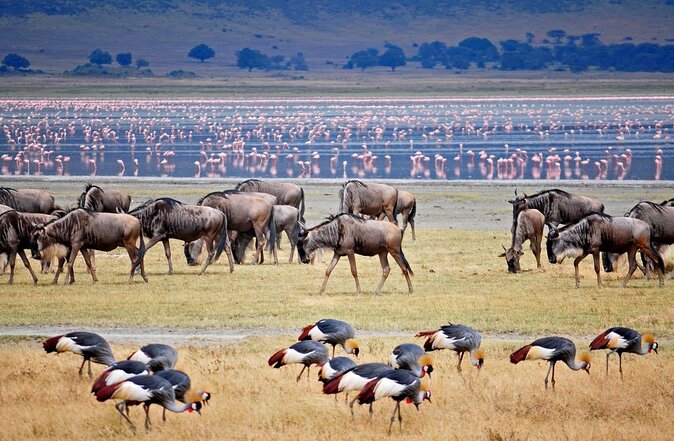
The crater is known for concentrated wildlife, and your guide will search for lions, rhinos, birds, and other animals. You may see flamingos around the lake when conditions are right, along with ostriches, kori bustards, crowned cranes, sandpipers, storks, and vultures.
This is a powerful day for anyone who wants a broad safari sample in one area. The crater’s enclosed setting can make animal watching feel especially rewarding. Still, the crater is popular, and the experience may feel busier than the more remote sections of the Serengeti.
The supplied schedule gives this stop only a few minutes in its brief timing field, but the written plan clearly describes a full crater game drive before continuing toward Tarangire. Treat the timing as approximate and ask for the exact day plan before departure.
Day 9: elephants and swamps in Tarangire
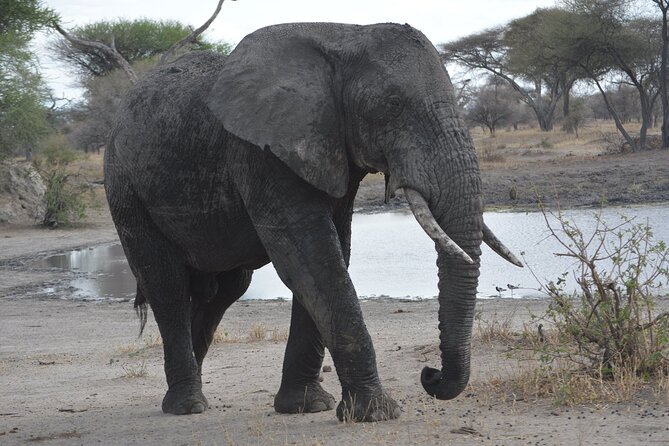
Tarangire is the final major wildlife stop, and it brings a different mood. The park is especially associated with elephants, which may gather near the river and sometimes come close to the campsite.
The game drive includes Larmaku Swamp, where elephants and other animals cool off and shelter beneath acacia trees. The swamp is also noted for its breeding bird life, while the park’s dry-country species include northern pied babblers and vulturine guineafowl.
The operator gives a 99.9 percent chance of seeing large herds of elephants. I would read that as strong confidence, not a scientific guarantee. Wildlife remains wild, but Tarangire is a sensible place to expect excellent elephant viewing.
A second night here gives you more than a quick drive-through. After the Serengeti and crater, Tarangire’s trees, swamps, and elephants provide a fitting change of scenery.
The camping, food, and practical value
At $3,899 per person, this is not a budget trip. It is also not priced like a high-end lodge safari. The value comes from the combination of a private vehicle and guide, park fees for non-residents, camping equipment, drinking water, and all listed breakfasts, lunches, and dinners.
The package includes ten breakfasts, ten lunches, and nine dinners. International flights, visas, insurance, tips, personal purchases, bath towels, and extra nights in Arusha are not included. A tipping guideline of $10 per person per day is supplied, so you should allow for that in your budget.
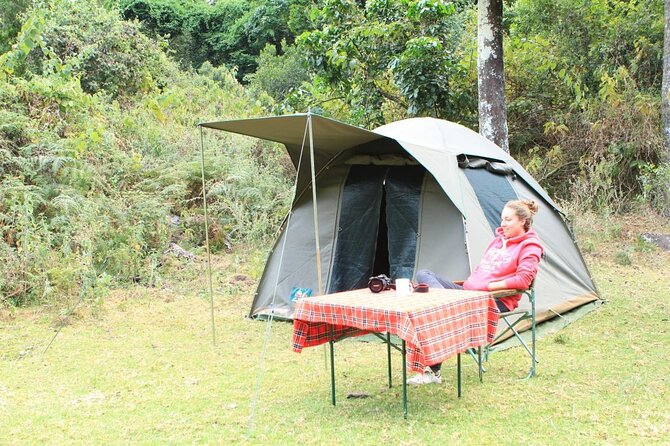
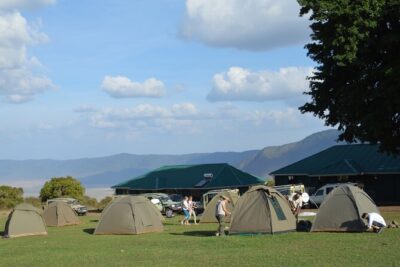
Comfort camping is the key phrase to examine closely. You receive camping equipment, but the itinerary uses public campsites. That means you trade hotel comforts for a closer relationship with the parks and a potentially more affordable private safari.
The tour asks for moderate physical fitness. The nature walk, long vehicle rides, early starts, and uneven roads all matter. I would bring sturdy walking shoes, a refillable water bottle, sun protection, warm layers for early mornings, and a small bag that is easy to manage at camp.
Who should book this safari?
I would recommend it to couples, small families, friends, and independent-minded visitors who want a private route without rushing from one lodge to another. It also suits anyone who values birdwatching, local culture, and walking as much as the Big Five.
The itinerary may appeal strongly to honeymooners, though comfort camping is a personal choice for a romantic trip. One couple used a safari with this operator as part of a honeymoon and praised the personal service and care for nature.
You should think twice if you need polished accommodation, short transfers, or guaranteed wildlife sightings. Ten days in northern Tanzania involves dust, bumps, early breakfasts, and several long drives. The private format helps, but it cannot remove the physical demands of the region.
The personal service is worth noting. One account describes Chris helping with luggage after it was accidentally locked, even at night. Another describes a trip tailored around Serengeti, Ngorongoro, Tarangire, and an off-the-beaten-track Maasai area. Those details suggest a team willing to adjust when real life interrupts the plan.
Should you book it?
Book this safari if you want five major wildlife areas, local cultural contact, and a private guide without paying for a luxury lodge circuit. The strongest parts are the Arusha walking safari, Lake Manyara birdlife, full Serengeti day, Ngorongoro Crater, and Tarangire elephants.
Before paying, confirm your airport arrival time, the exact camping setup, the extra cost of optional activities, and the plan for the long transfer days. You can cancel for a full refund up to three full days before the start time, but cancellations or changes within three days are not refunded or accepted.
If you can handle basic campsites and rough roads, this offers a thoughtful, wildlife-heavy introduction to Tanzania. If you want hotel comfort first and safari adventure second, spend more on a lodge-based plan.
FAQ
Where does the safari begin?
The safari begins in Arusha, with pickup offered from Kilimanjaro International Airport.
How long does the safari last?
The experience lasts approximately 10 days.
Is this a private tour?
Yes. Only your own group participates in the activity.
What happens if my flight arrives after 3 pm?
You cannot drive to the Arusha National Park campsite after 3 pm. You will need to stay at a lodge in Arusha, and that accommodation is not included.
Are park fees included?
Yes. Park fees for non-residents are included.
Is camping equipment provided?
Yes. Camping equipment is included in the tour price.
Are meals included?
Yes. The package includes 10 breakfasts, 10 lunches, and 9 dinners.
Are optional activities included?
No. The walk toward Meru’s summit and the Maasai boma visit are optional activities with additional costs.
What is the cancellation policy?
You receive a full refund if you cancel at least three full days before the experience begins. Cancellations and changes made within three days are not refunded or accepted.
Just added in Arusha
- Safari “Kifaru” – 5 days in the most famous Parks in the world★ 5.0 · 4 reviews
- Saadani Day Trip★ 5.0 · 13 reviews
- 3 Days Tanzania Short and Spicy★ 5.0 · 6 reviews
- 5 Day Tanzania Safari Camping Adventure Private Tour★ 5.0 · 2 reviews
- Day Trip to Ngorongoro Crater from Arusha★ 5.0 · 1 review
- SERENGETI NATIONAL PARK Tour★ 4.5 · 5 reviews
- 3 Days Serengeti Park & Ngorongoro Crater Adventure Safari★ 5.0 · 8 reviews
- 6 Days Tanzania Bush Experience Safari★ 5.0 · 6 reviews
Camping Safaris, compared.
3 Days Serengeti & Ngorongoro Group Camping Safari
Read our review →
2 Days Tarangire and Ngorongoro Group Camping Safari
Read our review →
3 Days Tarangire, Ngorongoro & Lake Manyara Group Camping Safari
Read our review →
5-Day private Camping Safari Tour in Tanzania
Read our review →
Browse the lists this tour appears in