
Reviewed · 6-DAY EXPERIENCES
6 Days Big Five Tanzania Safari
The animals are only half the story. This six-day Tanzania safari links Tarangire, Serengeti, and Ngorongoro, giving you three very different settings in one well-packed trip. I like the route because it combines elephant country, open savannah, and a crater filled with wildlife, all with a private vehicle and guide.
I also like the useful extras built into the final day: a school visit and a tour of Shanga, a social enterprise where people with disabilities make jewelry, glassware, and homewares from recycled materials. The main tradeoff is time. You cover a lot of ground, and the long transfer to Serengeti can leave you wishing for one extra night.
In This Review
- Key points to know before booking
- Why this six-day route works
- Arrival at Kilimanjaro and your first night in Arusha
- Tarangire: elephants, river country, and a strong first game drive
- The long road to Serengeti
- A full Serengeti day with kopjes and optional ballooning
- Ngorongoro Crater: a compact wildlife world
- Returning to Arusha with a human side
- What the $2,858 price really covers
- The guide can shape the whole safari
- Who should book this safari?
- Should you book the six-day Big Five safari?
- FAQ
- Where does the safari begin?
- Where does the safari end?
- Is this a private tour?
- Which national parks are included?
- Is the hot-air balloon safari included?
- What meals are included?
- What is the cancellation policy?
Key points to know before booking
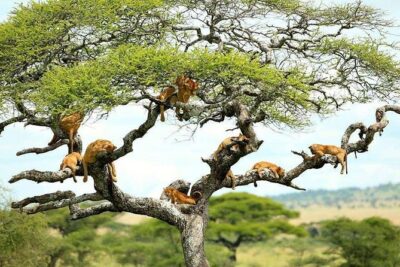
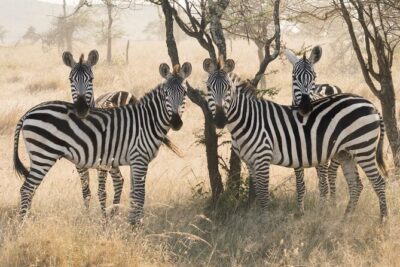
- Tarangire opens the wildlife adventure: Elephants, giraffes, buffaloes, zebras, wildebeests, hippos, and lions are among the animals you may seek around the Tarangire River.
- Serengeti gets two major game-drive days: You have an afternoon drive after arrival, followed by a full day with early morning and afternoon viewing.
- Ngorongoro offers concentrated wildlife viewing: The crater’s enclosed ecosystem gives you a strong chance to see many species in a compact area, including a possible black rhino sighting.
- The safari is private: Only your group takes part, and pickup and return are arranged through Kilimanjaro International Airport.
- The guide matters greatly: Past customers gave special praise to guides including Elikano, Elicano, Sele, Grace, and Baby G for their patience, warmth, and skill in finding animals.
- The $2,858 price includes key basics: Park fees, transfers, guide service, five lunches, six dinners, and five breakfasts are included, but international flights, tips, and unlisted costs are not.
Why this six-day route works
Northern Tanzania is ideal for a short safari because three major parks sit within a workable circuit from Arusha. Each park brings a different mood. Tarangire is known for its river and large elephant population. Serengeti gives you huge plains and roaming herds. Ngorongoro feels more enclosed, with animals gathered inside an ancient volcanic crater.
That variety gives this trip its real value. You are not spending six days looking at the same type of scenery. You move from broad-leaved woodland and river country to open grassland, then into a dramatic natural bowl where wildlife can be easier to spot.
The schedule is active, but not needlessly frantic. Day 1 is a gentle arrival and rest day. Days 2 through 5 carry the main safari work. Day 6 returns you to Arusha with two cultural stops that help the trip feel like more than a string of game drives.
Still, this is not a slow safari. The itinerary lists roughly five hours for the Tarangire and Serengeti transfer days, eight hours for the full Serengeti day, seven hours at Ngorongoro, and five hours on the return to Arusha. You should be comfortable sitting in a safari vehicle for long stretches.
A few more options to weigh up in Kilimanjaro
- 7 Days Kilimanjaro via Machame route affordable price
★ 5.0 · 110 reviews - Great Migration Safari In Tanzania
★ 5.0 · 71 reviews - Kilimanjaro Airport taxi to/from Moshi town/Arusha town
★ 5.0 · 60 reviews
Arrival at Kilimanjaro and your first night in Arusha
Your driver guide meets you at Kilimanjaro International Airport and takes you to your first hotel in Arusha. This opening transfer is more than a simple ride. The route offers your first look at northern Tanzania, and you can ask the guide to stop if something catches your eye.
That invitation is useful. You might notice an interesting roadside scene, local activity, or something in the countryside you want explained. Since this is a private trip, you have more room to ask questions and adjust the pace than you would on a large coach tour.
The day is deliberately light. After reaching the hotel, you check in, rest, and have dinner. That matters after an international flight. Trying to begin with a full game drive would make the first wildlife day harder, not better.
The accommodation category is not specified in the information provided, so ask for the exact hotels or camps before paying. The price may represent different comfort levels depending on the selected arrangements. That is one detail I would confirm in writing.
Tarangire: elephants, river country, and a strong first game drive
After breakfast on Day 2, you leave with a picnic lunch for Tarangire National Park. The drive and game viewing take about five hours according to the schedule, with morning and afternoon exploration inside the park.
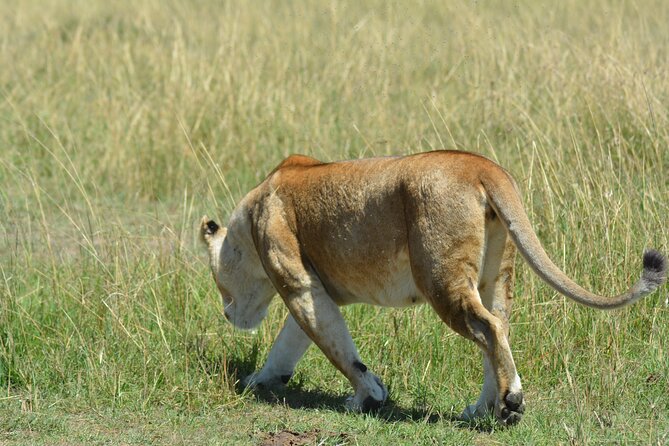
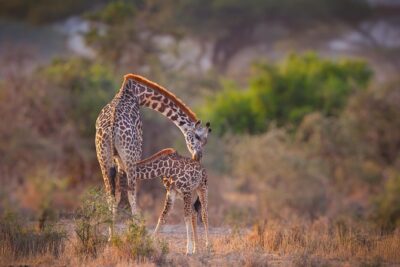
Tarangire is a smart first stop. Its main water source, the Tarangire River, draws animals and gives you a natural place to begin searching. You may see elephants, giraffes, hippos, buffaloes, zebras, wildebeests, and lions. The mix is broad enough to make the first safari day exciting without relying on one rare sighting.
The park also offers a good lesson in patience. Leopards, cheetahs, and hyenas may appear, but they are not guaranteed. A guide can help you search, yet wildlife viewing is never a menu where every item arrives on order. If seeing all of the Big Five is your only goal, keep expectations sensible.
You stop at a picnic site for lunch, then continue to other parts of the park. Picnic meals are practical, but you should be ready for a simple outdoor lunch rather than a restaurant meal. The appeal is staying close to the park and using your daylight for wildlife rather than returning to town.
After the game drive, you head to the lodge for dinner and overnight. Tarangire gives you a full first taste of safari life: long drives, changing scenery, animal tracking, and the quiet thrill of not knowing what will appear around the next bend.
The long road to Serengeti
Day 3 begins with an early breakfast and a 7:30 departure toward Serengeti National Park. This is one of the trip’s longest travel days, with game viewing along the way and an estimated five hours listed for the stop.
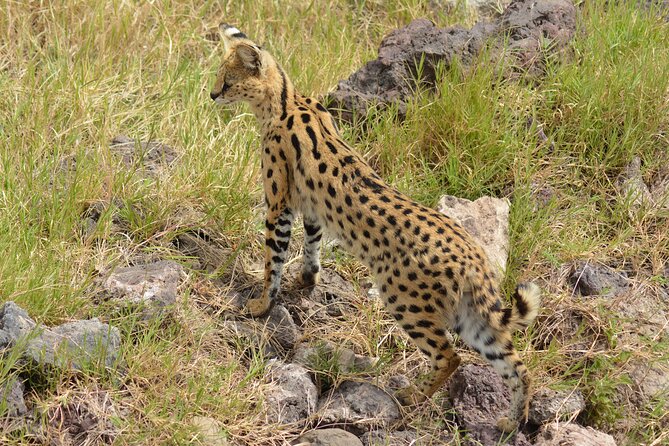
The route passes through the rainforests of the Ngorongoro Conservation Area. Along the road, you might see baboons, vervet monkeys, warthogs, and buffaloes. These sightings are a useful reminder that the journey between parks is part of the safari, not merely dead time.
As you enter Serengeti, the scenery changes. Open grasslands stretch outward, and large numbers of grazing animals begin to define the view. The scale is the point here. Tarangire feels shaped by water and woodland, while Serengeti gives you distance, sky, and moving herds.
You drive to camp for check-in and lunch, then go out for an afternoon game drive. This split is sensible. It lets you settle in before heading back into the park, though the transfer means your first Serengeti drive is only part of the day.
The camp location can make a major difference to how much time you spend driving to animals. Ask the operator where the camp is situated and what accommodation level your price includes. That question is especially important on a six-day trip, where every hour counts.
A different kind of day out entirely:
- 6 Days Tanzania Classic Safari
★ 5.0 · 52 reviews - 6 Days Climbing Mount Kilimanjaro Machame Route
★ 5.0 · 40 reviews - 8 Days Kilimanjaro Hike via Lemosho Route
★ 5.0 · 39 reviews - 7-Day Machame Route Kilimajaro
★ 5.0 · 28 reviews
A full Serengeti day with kopjes and optional ballooning
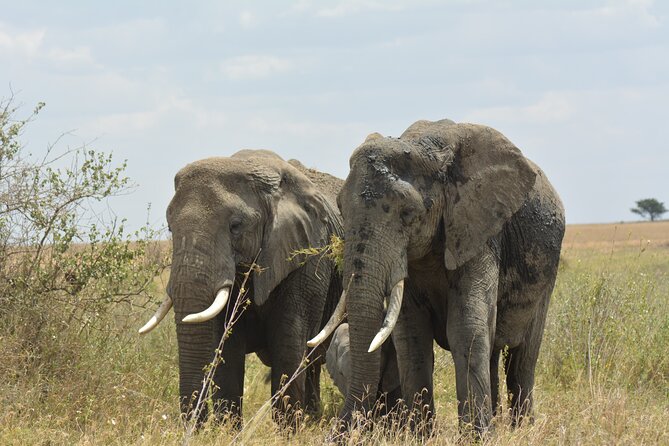
Day 4 is the safari’s biggest wildlife day. You start with an early morning game drive, return to camp for lunch, and head out again in the afternoon. The schedule allows about eight hours, so you have the best chance of seeing Serengeti at different times of day.
Morning is often a rewarding time to search for wildlife, and the early start gives you more hours in the park. The afternoon drive adds a second chance after the midday break. I like this format because it avoids turning the entire day into one exhausting stretch inside the vehicle.
The Serengeti kopjes are a memorable feature. These huge granite boulders rise from the grass and provide shelter for plants and animals. They also break up the wide views, creating natural places to search for wildlife. Ask your guide to explain how animals use these rocky outcrops.
A hot-air balloon safari is offered as an optional activity. It finishes with a champagne breakfast in the grasslands, making it a special add-on for anyone who wants a view from above. It is not included in the stated price, so ask for the current cost and schedule before you commit.
The optional balloon flight also changes your morning rhythm. You should confirm how it fits with the included game drives, since you will want to understand what time you leave camp and how much ground time remains. For many people, the regular vehicle safari will be enough. The balloon is best viewed as a premium extra, not a necessary part of the route.
You return to camp for dinner and overnight after the afternoon drive. Two nights in the Serengeti are valuable because the park is too large to understand in one quick pass.
Ngorongoro Crater: a compact wildlife world
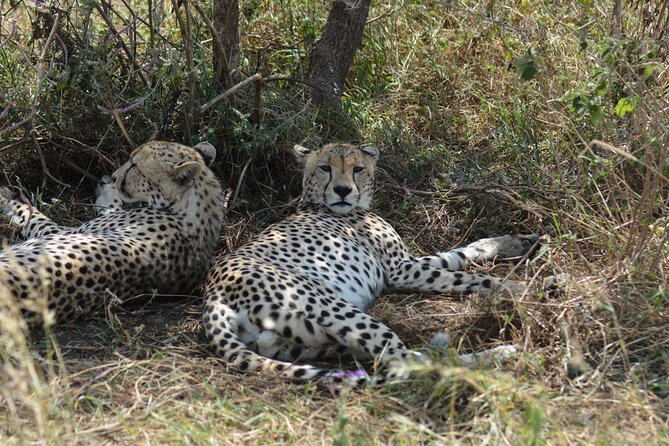
After breakfast on Day 5, you leave with a picnic lunch for Ngorongoro Crater. The schedule allows about seven hours, including the descent and game drive.
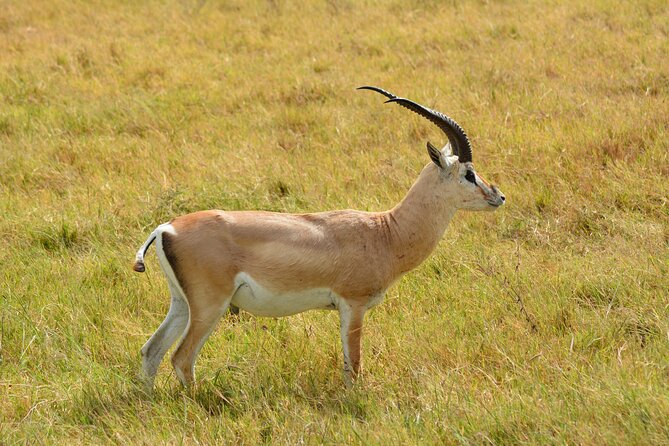
The crater is more than a scenic viewpoint. You drive more than 600 meters down into a self-contained ecosystem created when a mountain eroded over millions of years. Inside, you may search for black rhinos, lions, buffaloes, elephants, gazelles, warthogs, hippos, zebras, waterbucks, hyenas, jackals, and flamingos around Lake Magadi.
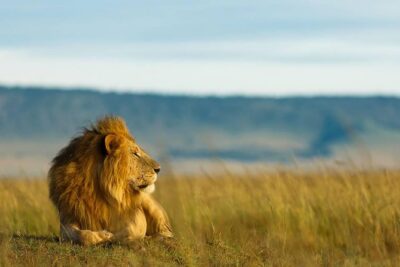
This concentration of wildlife makes Ngorongoro a strong final safari day. After the wide spaces of Serengeti, the crater gives you a defined area where animal sightings can feel more frequent. The range is impressive, though no sighting is guaranteed, including the endangered black rhino.
Ngorongoro is also a place where people and wildlife share the same wider conservation area. The itinerary describes it as a multiple-use region, which adds an important human side to the visit. You are not entering an empty wilderness untouched by people. The conservation model includes local communities, livestock, and wild animals.
You eat lunch at a picnic site, then continue the crater game drive before heading onward to your accommodation. Again, the picnic format keeps the day moving. If you prefer leisurely meals and long lodge breaks, this schedule may feel brisk.
Returning to Arusha with a human side
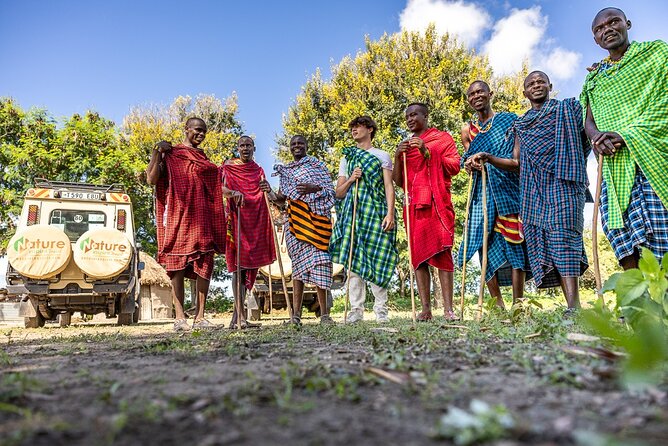
Day 6 takes you back to Arusha after breakfast. The drive takes about five hours, but the planned stops make the return more meaningful.
A school visit gives you time with teachers and children and a chance to learn about education in Tanzania. The information does not promise a formal lesson or a specific school program, so ask the operator how the visit is arranged and what is appropriate to bring or do.
Later, you have lunch at Arusha Coffee Lodge, followed by a Shanga Tour. Shanga is a social enterprise employing people with disabilities to create handmade jewelry, glassware, and homewares using recycled materials. Products are sold in Tanzania and abroad, with profits reinvested into the organization.
I appreciate this ending because it moves the focus beyond wildlife. A safari can become a parade of animals viewed through a window. Time with local people and a social enterprise gives you a fuller sense of the country, provided you approach these visits with respect and listen more than you photograph.
The activity ends back at the original meeting point. If you have a late flight, confirm the timing carefully. The stated operating hours run from 6:00 AM to 11:30 PM, Monday through Sunday, but your exact return time depends on road conditions and the day’s stops.
What the $2,858 price really covers
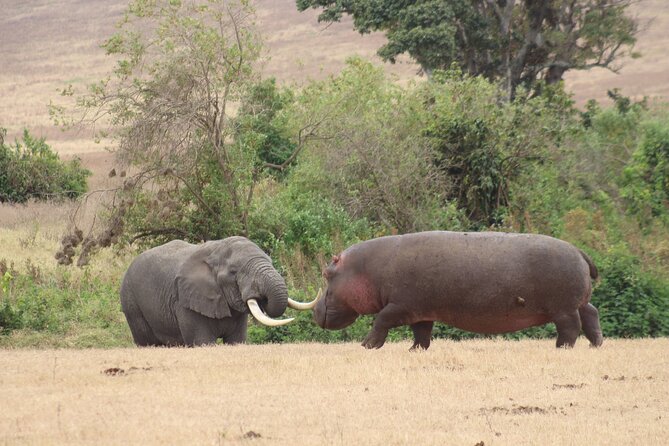
At $2,858 per person, this is a serious purchase, but the value depends on how the accommodation is arranged and how many people share the private vehicle. The listed inclusions cover many unavoidable safari costs:
- All fees and taxes
- Airport arrival and departure transfers
- An experienced safari guide
- Five lunches
- Six dinners
- Five breakfasts
Park access and guide service are important parts of the price. So are the transfers, since this route covers substantial distances between Arusha, Tarangire, Serengeti, and Ngorongoro.
International flights are not included. Tips and gratuities are also extra, as are any services not specifically listed. The optional balloon safari costs extra too.
Before booking, ask for three details: the exact accommodation names, the number of people in your private group, and any extra park or conservation charges that could appear outside the listed price. Those answers will tell you far more about value than the headline figure alone.
The guide can shape the whole safari
A private safari depends heavily on the driver guide. The best guide is not simply someone who drives from gate to gate. You want a person who can explain the places you pass, spot animals, answer questions, and make sensible choices when sightings compete for time.
Specific guides praised in the supplied feedback include Elikano, also written as Elicano, along with Sele, Grace, and Baby G. Their strengths were described as patience, humor, warmth, local knowledge, and a family-like approach. One guide was credited with knowing the roads well and helping the group see a wide range of animals.
You cannot assume one of these individuals will lead your particular departure, so ask who is assigned to your group. If language matters, ask ahead of time. Spanish-speaking guiding has been arranged for some groups, but it is not stated as a standard feature of every departure.
The private format is a major advantage for couples, families, and small groups. You do not share the activity with strangers, and you can ask to stop when something interests you. Still, a private tour does not remove the long drives or guarantee the Big Five. Nature keeps the final say.
Who should book this safari?
I would recommend this trip to first-time safari visitors who want Tanzania’s best-known northern parks in less than a week. It suits couples, families, and friends who value a private vehicle, organized meals, airport transfers, and a guide-led route.
It is also a good match for anyone who wants more than wildlife. The school visit and Shanga Tour add social and cultural context, while the balloon safari gives you an optional high-end extra.
I would hesitate if you want a slow, lodge-centered holiday. The route has long road days, early starts, picnic lunches, and a full Serengeti schedule. You should also think twice if your main goal is a guaranteed Big Five checklist. The parks offer excellent chances, but wild animals do not follow a timetable.
The cancellation terms are worth noting before you pay. You receive a full refund if you cancel at least six full days before the start time. Cancellation two to six days before departure receives a 50 percent refund, while cancellation within two days receives no refund. Changes follow the same cutoff rules.
Should you book the six-day Big Five safari?
Book it if you want a focused introduction to northern Tanzania with three major parks, private guiding, and a useful cultural finish. The route gives you elephants in Tarangire, wide-open Serengeti viewing, and the concentrated wildlife of Ngorongoro without stretching the trip into two weeks.
Before making the final decision, confirm the camps, group size, guide language, and any extra costs. If those details match your comfort level, the package offers a strong blend of wildlife, scenery, and local encounters. Just arrive ready for early mornings, long drives, and the simple fact that the best safari moments cannot be promised in advance.
FAQ
Where does the safari begin?
The safari begins at Kilimanjaro International Airport on Kilimanjaro Airport Road in Tanzania. A driver guide meets you there and transfers you to your first hotel in Arusha.
Where does the safari end?
The activity ends back at the original meeting point in the Kilimanjaro area after the return from Arusha.
Is this a private tour?
Yes. Only your group participates in the activity.
Which national parks are included?
The route includes Tarangire National Park, Serengeti National Park, and Ngorongoro Crater.
Is the hot-air balloon safari included?
No. The balloon safari is optional and is not included in the stated price. It ends with a champagne breakfast in the grasslands.
What meals are included?
The package includes five lunches, six dinners, and five breakfasts.
What is the cancellation policy?
You can receive a full refund by canceling at least six full days before the experience starts. Cancellation two to six full days before the start receives a 50 percent refund. Cancellation less than two full days before the start is not refunded.
Just added in Kilimanjaro
- Tanzania Wildlife Encounters – 6 Days★ 5.0 · 1 review
- Day Trip To Tarangire National Park★ 4.5 · 2 reviews
- Mount Kilimanjaro 7 Days – Machame Route★ 5.0 · 5 reviews
- 5 days Serengeti Wildebeest Migration Safari★ 5.0 · 3 reviews
- Mount Kilimanjaro 6 days – Machame route★ 4.0 · 5 reviews
- Marangu Cultural tour.★ 5.0 · 1 review
- Lemosho Route★ 5.0 · 21 reviews
- Airport Transfers at Kilimanjaro International Airport – JRO★ 5.0 · 2 reviews
6-Day Experiences, compared.
Private 6-Day Tarangire Manyara Crater and Serengeti with Mid-Range Lodges
Read our review →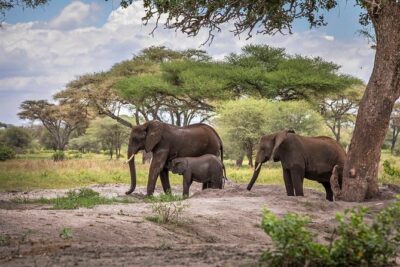


Browse the lists this tour appears in