
Reviewed · 6-DAY EXPERIENCES
6 Days Private Budget Safari
Wildlife begins before the gates. This six-day private safari links Tarangire, Serengeti, Ngorongoro Crater, and Lake Manyara, giving you a broad look at northern Tanzania without the price of a luxury expedition. You travel in a private group, eat all listed meals, and spend long hours in open-roof safari vehicles where the animals and scenery take center stage.
I especially like the mix of habitats, from Tarangire’s baobabs and elephants to Serengeti’s huge grasslands and Lake Manyara’s flamingos. I also like the practical food plan, with picnic meals in the bush and hot lunches at camp, rather than six days of identical cold boxes. The main drawback is the amount of road time, especially the long, bumpy transfer toward the Serengeti and the early starts.
In This Review
- Key Points Before You Book
- What $2,300 Per Person Buys You
- Day One: Tarangire’s Elephants and Baobab Country
- Day Two: The Long Road to the Serengeti
- Day Three: A Full Serengeti Game Drive
- Day Four: Sunrise in the Serengeti, Then Ngorongoro
- Day Five: Descending Into Ngorongoro Crater
- Day Six: Flamingos and Forest at Lake Manyara
- Food, Lodging, and Daily Comfort
- The Private Format and Guide Quality
- Who Will Like This Safari Most?
- Should You Book the 6 Days Private Budget Safari?
- FAQ
- Where does the safari start?
- Is this a private tour?
- Which national parks are included?
- Are meals included?
- Is accommodation included?
- Can I cancel for a full refund?
Key Points Before You Book
- Tarangire begins the safari with elephants and ancient baobabs, a strong first day that offers plenty of wildlife without a long wait.
- Serengeti receives the most time, including a sunset at Seronera, a full game-drive day, and an early morning outing.
- Ngorongoro Crater is your best chance for a black rhino, though wildlife sightings can never be guaranteed.
- Lake Manyara adds birds and primates, with seasonal flamingos and a chance to look for tree-climbing lions.
- Meals are included throughout the six days, with six breakfasts, six lunches, and five dinners listed.
- This is a private safari, so only your own group takes part, with pickup offered from your Arusha hotel.
What $2,300 Per Person Buys You
At $2,300 per person, this is not a bare-bones camping trip. The price covers six days of private touring, park visits, accommodation, and the meals listed in the package. It also buys the most valuable thing on a safari: time in the parks, with several full or near-full days set aside for game drives.
The value depends heavily on how many people are in your private group. A couple paying the full rate will feel the cost more sharply than a larger family or group sharing the vehicle and guide. Still, the private format gives you more control than a seat on a shared departure. You are not automatically tied to strangers’ schedules, and the company can be flexible on the final return time if you have a flight to catch.
The word budget needs a little context here. Tanzania park fees, vehicle operation, accommodation, food, and guiding make a six-day safari expensive even before comfort is added. This package keeps the experience focused on wildlife rather than high-end lodges and polished extras. You get a practical route through four major destinations, not a luxury retreat.
Tips and gratuities are not included. Set aside money for that separate cost, and ask the company before departure how tips are normally handled for the guide, chef, and other staff.
A few more options to weigh up in Arusha
- Balloon Safari & Bush Breakfast in Serengeti – Miracle Experience
★ 5.0 · 1,646 reviews - Tanzania Classic – 7 Days
★ 5.0 · 1,151 reviews - 4 Days Group Camping Safari
★ 5.0 · 1,101 reviews
Day One: Tarangire’s Elephants and Baobab Country
Pickup is scheduled for 7:30 am after breakfast at your hotel in Arusha. The drive to Tarangire National Park takes about two hours, so the first day gets you into the bush without an exhausting transfer.
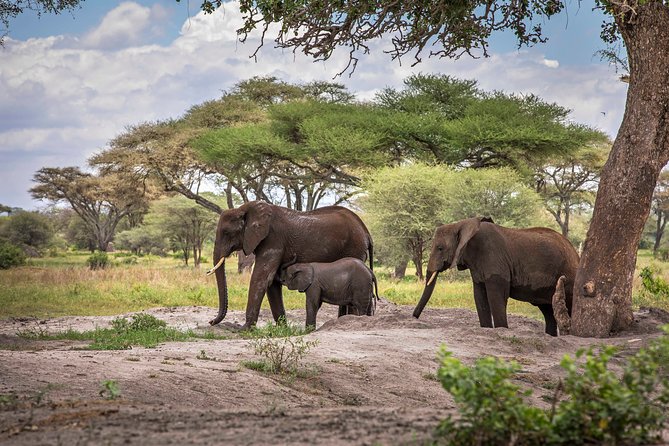
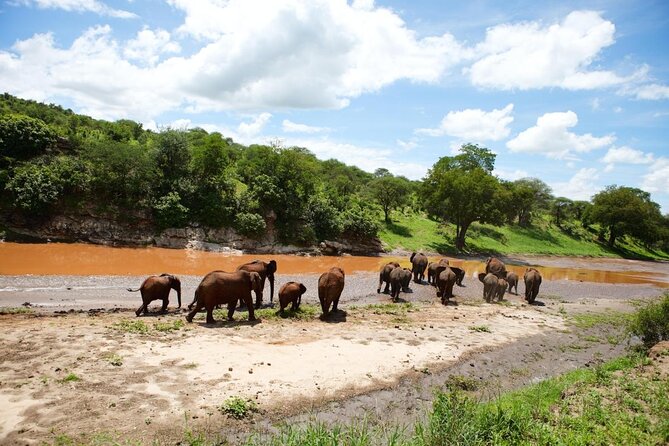
Tarangire is a fine opening act because it offers visual drama right away. The park is known for large elephant herds and ancient baobab trees, those thick-trunked giants that give the park a look unlike the Serengeti. The route also passes seasonal swamps, open savannah, and the Tarangire River, which draws wildlife when water is scarce.
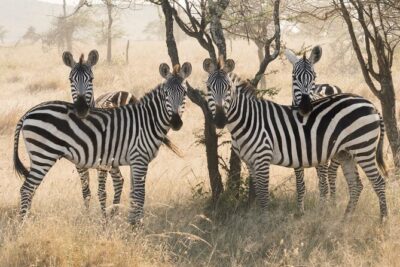
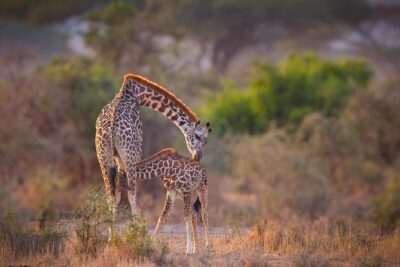
From the vehicle’s open roof, you may see giraffes, impalas, zebras, lions, leopards, elands, warthogs, and elephants. Birdlife is another strength, and the river and wet areas can bring a good range of species into view. I like that the day is not built around one single animal. Even if the lions stay hidden, Tarangire still gives you plenty to watch.
Picnic lunch is served at a site with a notable view, then you continue the afternoon drive before heading to Fig Tree Lodge for dinner and the night. The park portion is listed at about six hours, though the full day includes driving to and from the lodge.
The practical point is simple: you will be outside for much of the day. Bring a hat, water, sunscreen, and a light layer. The open roof is excellent for viewing and photographs, but it also leaves you exposed to sun and dust.
Day Two: The Long Road to the Serengeti
After breakfast, you leave for the Serengeti. This is the least comfortable travel day, with a long and bumpy road taking roughly four to five hours through the crater highlands and toward the great plains.
That rough ride is part of the tradeoff in a budget safari. You spend less on flights between parks, but you spend more time on the road. The route itself can be interesting, with changing views as you move from highland country toward the open Serengeti, but you should not expect a smooth transfer.
A picnic lunch comes before entry into the park, followed by an afternoon game drive. The reward for the road is immediate scale. The Serengeti feels far larger and more open than Tarangire, with broad grasslands where animals can be spread over a wide area.
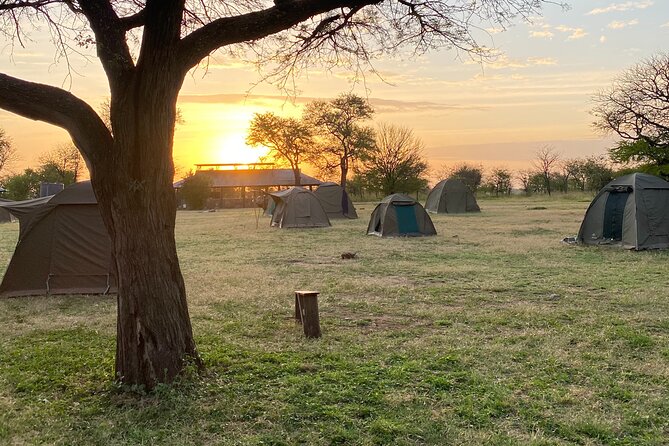
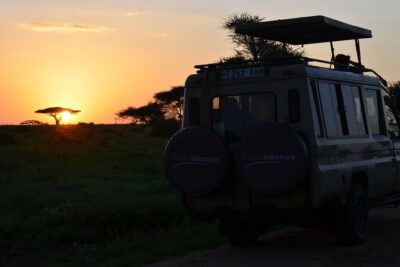
The day ends with sunset near the Seronera area before dinner and an overnight stay at Seronera campsite. That sunset is one of the most appealing details in the program. You are not simply arriving at camp after dark. You have a chance to watch the plains change color as the day’s heat fades.
Do not judge this day only by animal count. It is a transition day, and the Serengeti is the main reason for accepting the rough road. If you dislike long drives, ask about the exact vehicle and route before booking.
Day Three: A Full Serengeti Game Drive
Day three is the safari’s main wildlife day. You leave around sunrise, when animals are often active, and spend about ten hours exploring the park. The schedule includes a return to camp for a hot lunch, followed by another afternoon drive.
That split works well. The morning gives you the best chance of seeing movement before the heat builds. The midday break gives you a proper meal and a little rest. Then you return to the plains when the afternoon light improves and many animals become active again.
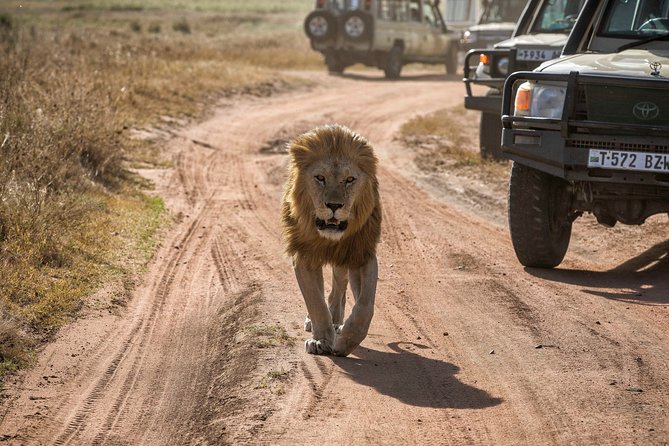
The stated goal is the Big Five: lion, leopard, elephant, buffalo, and rhino. You should treat that as a search, not a promise. A safari guide can read tracks, scan likely areas, and use experience to improve your chances, but wild animals do not follow a timetable.
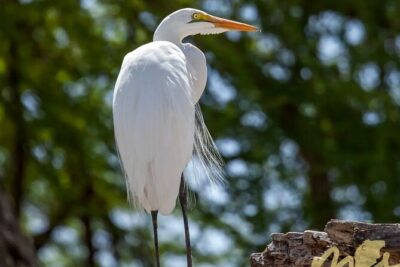
The Serengeti is also a strong place for birds. More than 500 species are recorded in the park, including ostriches, secretary birds, and black eagles. You do not need to be a specialist to enjoy them. The ostrich is hard to miss, while the secretary bird has an unusual, upright profile that makes it easy to pick out across open grassland.
The guides associated with this company receive especially strong praise for animal spotting, patience, and good company. Names that appear often in the praise include Bashir, Andrew, Francis, Edward, Felix, Benjamin, Joshua, and Zefa, or Zefania. Assignments can change, so you should not book solely on the hope of getting one particular guide. The broader pattern is encouraging: guiding and personal care seem to be central strengths of the operation.
A different kind of day out entirely:
- 5 Days Group Camping Safari
★ 5.0 · 730 reviews - Materuni Waterfalls, coffee tour & Kikuletwa Hot Springs
★ 5.0 · 643 reviews - 3 Days Serengeti & Ngorongoro Group Camping Safari
★ 5.0 · 574 reviews - 7-Day Premium Luxury Tanzania Safari All-Inclusive
★ 5.0 · 426 reviews
Day Four: Sunrise in the Serengeti, Then Ngorongoro
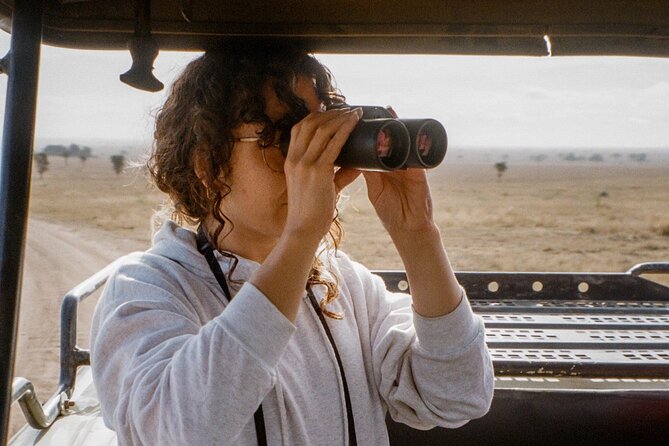
The fourth day begins early, around 6 am, with a sunrise game drive. This is another good wildlife window, but it also means you need to be comfortable with early mornings. Safari schedules are not designed for sleeping in.
Breakfast is served at a picnic site in the bush, followed by more game viewing before returning to camp around noon. You then eat a hot lunch, pack the vehicle, and leave for Ngorongoro, where dinner and the night are at Simba campsite.
The rhythm is demanding but sensible. You get one final Serengeti morning instead of leaving after breakfast and losing the best cool hours. At the same time, the afternoon transfer positions you for an early descent into the crater the next day.
There is a lot of sitting on this route, and roads can be rough. Still, the route avoids wasting a separate day on the move. If you have limited time in northern Tanzania, that matters.
Day Five: Descending Into Ngorongoro Crater
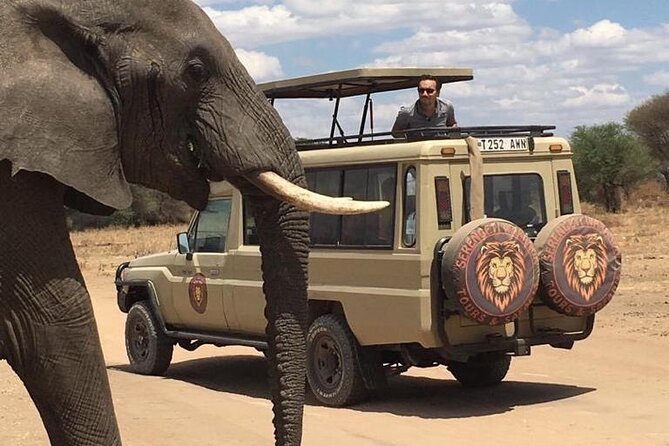
Ngorongoro Crater is one of the trip’s major highlights. After an early breakfast, you descend into the crater for a game drive in a compact area known for a wide range of East African wildlife.
The chance to see a black rhino is a major reason for this stop. The animal is rare, and a sighting is never certain, but Ngorongoro gives you a serious opportunity. You may also see many of the species associated with northern Tanzania, all within the dramatic setting of the crater floor.
Lunch is flexible. You can have a picnic at Hippo Lake or return to camp for a hot meal. That choice is useful. The picnic keeps you closer to the action, while the hot option offers a more comfortable break after a morning on the road.
After the crater visit, you continue to Fig Tree Lodge for dinner and the night. The listed park activity lasts about five hours, but allow extra time for the descent, ascent, and transfer. Ngorongoro is not a quick roadside stop. The crater roads and wildlife viewing can make the schedule shift.
This is a day where patience helps. Several vehicles may gather around a prized sighting, and the best moments can take time. A strong guide will help you understand what you are seeing rather than simply pointing and moving on.
Day Six: Flamingos and Forest at Lake Manyara
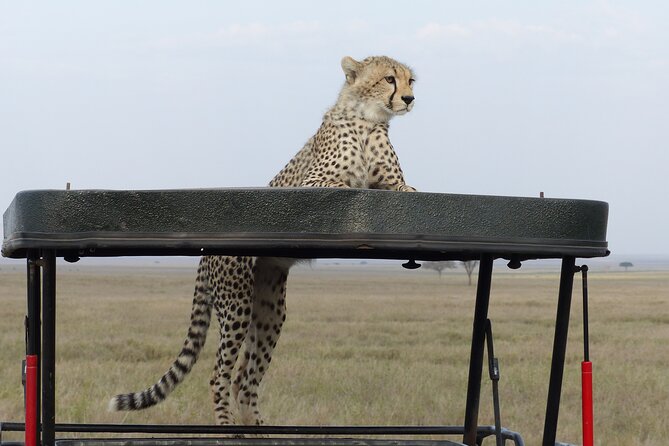
After breakfast, you make the short five-minute drive to the Lake Manyara gate. It is a gentle final morning compared with the earlier transfers, and you can spend about six hours in the park before returning to Arusha.
Lake Manyara is smaller than the Serengeti and Tarangire, but it brings a different set of views. A seasonal salt lake covers a large part of the park, expanding and shrinking with the rains. When conditions are right, thousands of flamingos gather there, along with more than 300 other bird species.
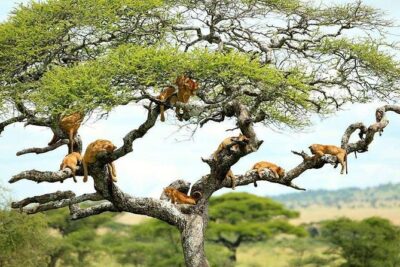
The park also includes grassy plains, woodland filled with primates, and cliffs dotted with baobabs. It is known as a place to look for tree-climbing lions, though the name should not be treated as a guarantee of seeing one. The habitat is varied enough that the drive remains worthwhile even if the lions stay out of sight.
The return to Arusha is expected around 4 pm, with some flexibility if you have a flight to catch. Confirm your departure details before setting out, since park conditions and road time can affect the schedule. A same-day flight should not be planned too tightly around an estimated arrival.
Food, Lodging, and Daily Comfort
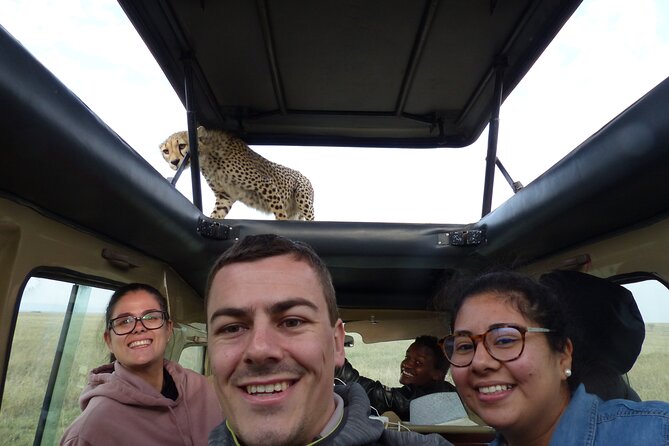
The food plan is one of the more attractive parts of this safari. Six breakfasts and six lunches are included, along with five dinners. Meals may be served as picnics, at camp, or as hot dishes, depending on the day.
That variety matters after hours in a vehicle. A hot lunch on the full Serengeti day gives you a real pause, while a bush breakfast or picnic keeps you close to the park. The company has also received praise for fresh cooking, generous food, and using cooked meals or hampers instead of relying only on standard packed lunches.
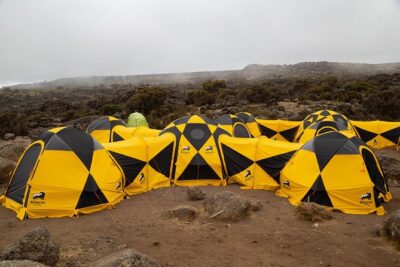
Accommodation includes Fig Tree Lodge and campsite stays at Seronera and Simba. The exact room or tent setup is not detailed, so ask what type of accommodation applies to your dates. If you want hotel-style comfort every night, a budget safari with campsite nights may not be the right match.
The strongest practical praise goes to the food, accommodation choices, and staff care. Several people singled out the cooks, including Ashraf and Idris, for preparing satisfying meals. That is worth noting because good food can make a long, dusty safari day much easier.
The Private Format and Guide Quality
Only your group takes part, which gives the safari a more personal feel than a large shared departure. You can ask questions as you go, spend more time at an interesting sighting, and discuss the pace with your guide.
The guide is the key part of the experience. A comfortable vehicle helps, but a guide who can spot a distant animal, explain behavior, and keep the day moving is worth far more than fancy decoration. The praise for Bashir, Andrew, Francis, Edward, Felix, Benjamin, and Zefa points to a company with a strong pool of field staff.
Communication before the trip also receives repeated praise. Staff members including Glory, Aishwarya, Ushma, and Goodluck are noted for answering questions, arranging lodging, and helping with changes such as a delayed flight. That matters when an international arrival does not go exactly to plan.
Still, ask clear questions before paying. Confirm the accommodation level, vehicle arrangement, guide language, meal format, and whether any airport transfer is included. Pickup is offered, but the information specifically describes pickup from a hotel in Arusha, so do not assume every airport transfer is part of this six-day price.
Who Will Like This Safari Most?
I would recommend this trip to you if you want to see several famous northern Tanzania parks in one efficient route and care more about wildlife time than luxury facilities. It suits couples, families, and small private groups who want their own vehicle and guide.
It is also a good match if you enjoy variety. Tarangire gives you elephants and baobabs, Serengeti gives you open plains and long game drives, Ngorongoro offers the black rhino possibility, and Lake Manyara adds flamingos, woodland, and primates.
You may want a different plan if you dislike bumpy roads, early mornings, camping, or long hours seated in a vehicle. The Serengeti transfer is especially demanding, and the safari schedule leaves little room for lazy mornings.
The tour is offered with free cancellation up to 24 hours before the start time. Cancellations inside that window are not refunded, and poor weather or failure to meet the minimum number of participants may lead to a new date or a full refund.
Should You Book the 6 Days Private Budget Safari?
Book it if you want a well-rounded first safari in Tanzania, a private group setting, included meals, and a route that covers four major parks without paying for luxury lodges at every stop. The strongest reasons are the full Serengeti day, the sunrise drives, the practical food arrangements, and the guide team’s apparent skill at finding animals.
Think twice if comfort is your top priority. The road to the Serengeti is long and rough, campsite accommodation is part of the plan, and wildlife sightings cannot be guaranteed.
For most people, the value is in the range of experiences packed into six days. You get elephants under baobabs, a Serengeti sunset, an early crater drive, and the chance to see flamingos before returning to Arusha. That is a lot of Tanzania for one private itinerary, provided you are ready for dusty roads and early alarms.
FAQ
Where does the safari start?
The safari starts in Arusha, with pickup offered from your hotel. The scheduled start time is 7:30 am.
Is this a private tour?
Yes. Only your own group participates in the safari.
Which national parks are included?
The route includes Tarangire National Park, Serengeti National Park, Ngorongoro Crater, and Lake Manyara National Park.
Are meals included?
Yes. The package lists six breakfasts, six lunches, and five dinners. Picnic and hot lunch options are available on selected days.
Is accommodation included?
Yes. The route includes overnight stays at Fig Tree Lodge, Seronera campsite, and Simba campsite. The exact accommodation arrangement should be confirmed before booking.
Can I cancel for a full refund?
You can cancel for a full refund if you cancel at least 24 hours before the experience starts. Cancellations or changes made less than 24 hours before the start time are not accepted for a refund.
Just added in Arusha
- Safari “Kifaru” – 5 days in the most famous Parks in the world★ 5.0 · 4 reviews
- Saadani Day Trip★ 5.0 · 13 reviews
- 3 Days Tanzania Short and Spicy★ 5.0 · 6 reviews
- 5 Day Tanzania Safari Camping Adventure Private Tour★ 5.0 · 2 reviews
- Day Trip to Ngorongoro Crater from Arusha★ 5.0 · 1 review
- SERENGETI NATIONAL PARK Tour★ 4.5 · 5 reviews
- 3 Days Serengeti Park & Ngorongoro Crater Adventure Safari★ 5.0 · 8 reviews
- 6 Days Tanzania Bush Experience Safari★ 5.0 · 6 reviews
6-Day Experiences, compared.
Private 6-Day Tarangire Manyara Crater and Serengeti with Mid-Range Lodges
Read our review →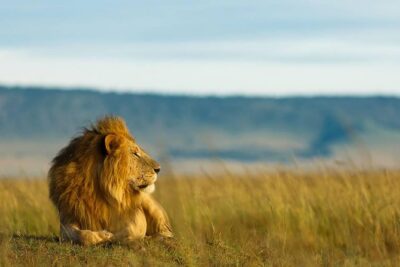
Browse the lists this tour appears in