
Reviewed · 6-DAY EXPERIENCES
6 days Tanzania budget safari
Six days can cover a lot of Tanzania. This budget safari from Arusha links Tarangire, Serengeti, Ngorongoro Crater, and Lake Manyara, giving you a strong first look at northern Tanzania’s wildlife without resort-style prices. I like the chance to camp close to the parks and the limit of six people per jeep, which keeps the vehicle social but not packed. The tradeoff is a demanding schedule, with several very long game-drive days and basic camping rather than polished lodging.
I also like that the route mixes famous parks with different types of wildlife viewing. Tarangire brings elephants and baobabs, Serengeti gives you the classic open-country safari, Ngorongoro offers one of Africa’s best wildlife concentrations, and Manyara adds birds, hippos, monkeys, and the possibility of tree-climbing lions. Guides including Ernest, Elias, Estommy, Oscar, Isack, and Freddy have received especially warm praise for their animal-spotting skills and friendly service.
In This Review
- Key points at a glance
- What $2,500 buys you on this Tanzania safari
- Day 1: Tarangire’s elephants and wide game country
- Day 2: Ngorongoro views, Maasai culture, and the Serengeti sunset
- Day 3: A full day searching beyond Seronera
- Day 4: Early Serengeti viewing and the road to Simba Camp
- Day 5: Down into Ngorongoro Crater for rhinos
- Day 6: Lake Manyara’s birds, hippos, and tree-climbing lions
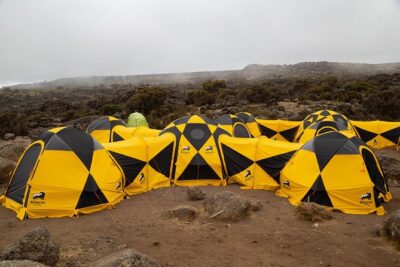
- Camping, meals, and daily comfort
- Guides make the biggest difference
- Who should book this safari?
- Should you book the six-day route?
- FAQ
- How long is the safari?
- How many people can share one jeep?
- Is camping equipment included?
- Are meals included?
- Is the Maasai village visit included?
- Can I cancel for a full refund?
Key points at a glance
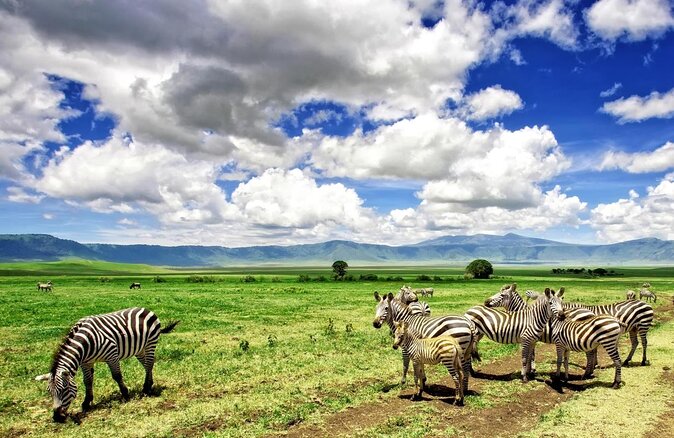
- Six national-park days: Tarangire, Serengeti, Ngorongoro Crater, and Lake Manyara form a busy but rewarding circuit.
- Maximum of six people per jeep: You get the savings of a group safari without a crowded vehicle.
- Camping equipment included: This keeps the trip affordable while adding a real night-in-the-wild feel.
- Big Five potential: Lions, leopards, elephants, buffaloes, and rhinos are all possible, though no safari can promise every sighting.
- Sunset in the Serengeti: The second day reaches Seronera in time for an afternoon and evening game drive.
- Meals are covered: Breakfast, lunch, and dinner are included for all six days, helping the $2,500 price go further.
What $2,500 buys you on this Tanzania safari
At $2,500 per person, this is not the rock-bottom way to see Tanzania, but it offers a substantial amount for the money. You receive six days of park visits, camping equipment, all listed fees and taxes, and three meals each day. A jeep shared by no more than six people is another important part of the value.
The cost also buys access to some of Tanzania’s most famous wildlife areas in one continuous trip. You are not spending the whole week in one park. Instead, you move through several habitats, each with its own character and animal possibilities.
I would call this a practical middle ground for someone who wants a genuine safari but does not need luxury tents or private transport. The price becomes less attractive if you prefer short driving days, private guiding, or comfortable lodges every night. Camping is central to the experience, not a minor detail.
The food arrangement is useful. With breakfast, lunch, and dinner included each day, you have fewer extra expenses to manage while on the road. Tips are not included, so plan for that separately. A visit to a Maasai village also costs an additional $20 if you choose to take part.
A few more options to weigh up in Arusha
- Balloon Safari & Bush Breakfast in Serengeti – Miracle Experience
★ 5.0 · 1,646 reviews - Tanzania Classic – 7 Days
★ 5.0 · 1,151 reviews - 4 Days Group Camping Safari
★ 5.0 · 1,101 reviews
Day 1: Tarangire’s elephants and wide game country
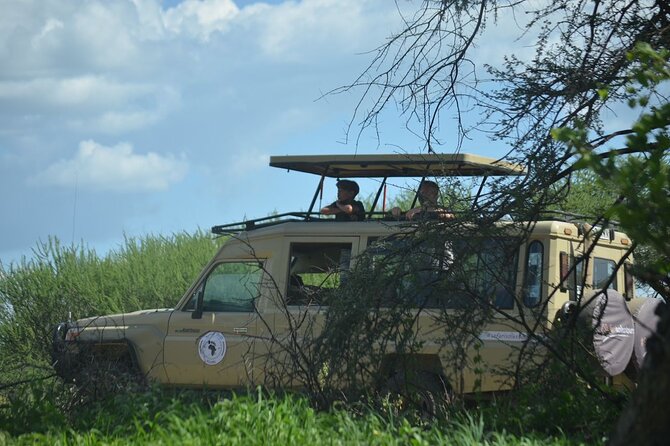
The safari begins with a drive from Arusha to Tarangire National Park, followed by a full-day game drive. The stated time is about nine hours, so this is a serious first day rather than a gentle introduction.
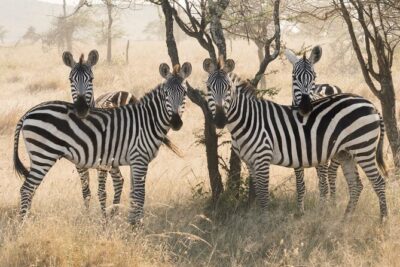
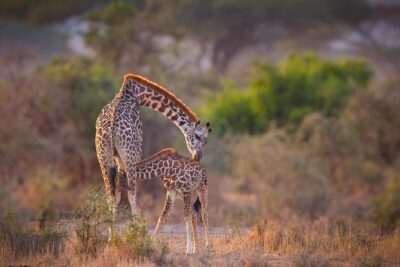
Tarangire is a good opening park because you can expect a broad mix of animals. Elephants, wildebeest, buffaloes, zebras, and gazelles are specifically part of the planned viewing, along with the possibility of lions, cheetahs, and leopards. You may see animals at close range, though sightings always depend on movement, weather, and the guide’s decisions.
The value of a full day here is simple: you have time to search rather than rush from one famous stop to another. A guide such as Ernest, who has been praised for locating animals in Tarangire, can make a real difference. The best safari days are not just about driving to a known animal. They depend on reading tracks, radio updates, animal behavior, and the pace of the group.
Tarangire also sets the tone for the trip. You are in a working vehicle for many hours, often stopping for animal sightings and then moving again. Bring patience, a hat, sunscreen, and a camera that is ready before the jeep stops. The day may feel long, but it gives you a strong first chance at elephants and large herds.
Day 2: Ngorongoro views, Maasai culture, and the Serengeti sunset
Day two packs three very different experiences into one long transfer day. First comes a stop at the Ngorongoro viewpoint, where you look down toward the crater from above. The planned visit lasts about 30 minutes, which is enough for a striking first impression and photographs, but not enough for an extended walk or detailed exploration.
A possible cultural visit to a Maasai village follows. This stop is optional and costs $20 extra. It offers a chance to learn about Maasai traditions, including warrior culture and older hunting practices. The description notes that some customs belong to the past, while the practice of drinking animal blood may still be encountered.
I would treat this as a choice rather than a required part of the safari. If you want cultural context alongside wildlife, the visit may add useful perspective. If your priority is maximizing time in the parks, you may prefer to keep the schedule moving. Ask what the visit includes before paying the extra fee.
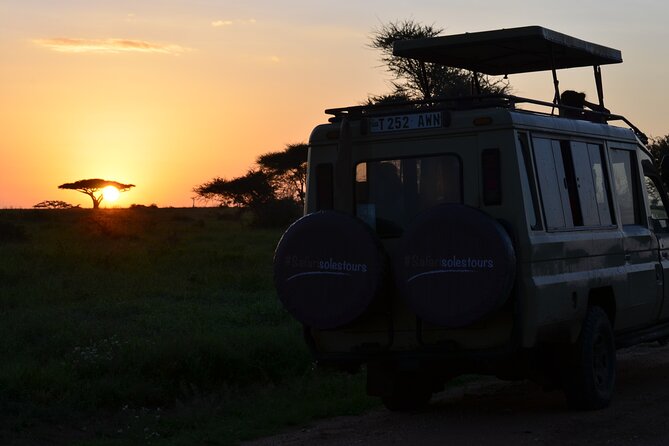
The afternoon brings the trip’s most cinematic moment: arrival in Seronera, the central part of Serengeti National Park. The plan allows for a game drive into late evening, with time to watch the sun set while animals remain active.
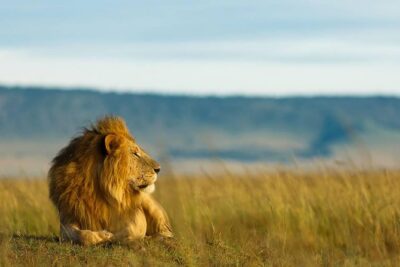
Serengeti is the place where you might see a predator stalking prey, a lion resting near a kill, or hyenas moving through the area. Those sightings are never guaranteed, but the timing improves your chances of seeing behavior beyond animals simply standing in the open.
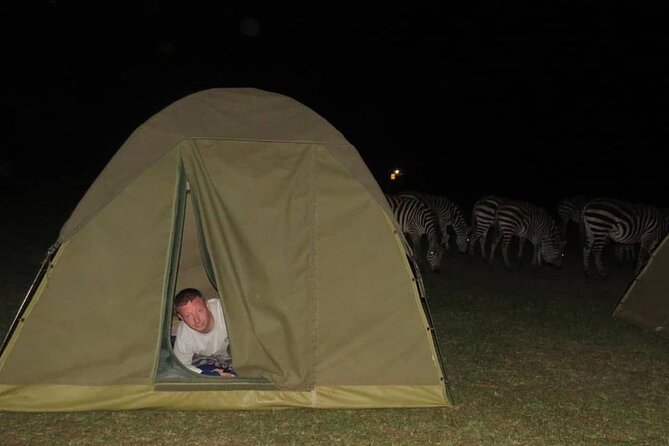
You then head to the Seronera campsite. Animals can sometimes be seen near camp, particularly hyenas. Active rangers provide protection, but you still need to follow camp instructions closely and avoid wandering away from designated areas. This is camping in a wild setting, not a fenced hotel garden.
Day 3: A full day searching beyond Seronera
The third day is devoted entirely to the Serengeti, with about 12 hours set aside for a game drive. You leave the Seronera area and travel toward other parts of the park based on animal movement.
This is the day that gives the Serengeti room to breathe. Instead of treating it as a quick stop between parks, you spend a full day looking for animals across a larger area. Your guide may adjust the route according to what has already been seen and where animals are currently moving.
The long hours are both the strength and the burden of this itinerary. Twelve hours in a safari jeep can produce extraordinary sightings, but it can also be tiring. You should be comfortable with early starts, rough roads, dust, and long periods when the vehicle is moving without a major sighting.
I like this flexible approach because animal viewing improves when the guide can respond to conditions. Still, the quality of the day depends heavily on communication. Let your guide know if you need a break, want more time at a sighting, or would rather spend less time chasing a distant report.
The published experiences connected with this safari repeatedly praise guides such as Estommy, Elias, Oscar, Isack, and Freddy for spotting animals and making the days enjoyable. That matters here. The Serengeti is enormous, and an attentive guide can help turn empty-looking grassland into a sequence of birds, grazers, predators, and small details.
A different kind of day out entirely:
- 5 Days Group Camping Safari
★ 5.0 · 730 reviews - Materuni Waterfalls, coffee tour & Kikuletwa Hot Springs
★ 5.0 · 643 reviews - 3 Days Serengeti & Ngorongoro Group Camping Safari
★ 5.0 · 574 reviews - 7-Day Premium Luxury Tanzania Safari All-Inclusive
★ 5.0 · 426 reviews
Day 4: Early Serengeti viewing and the road to Simba Camp
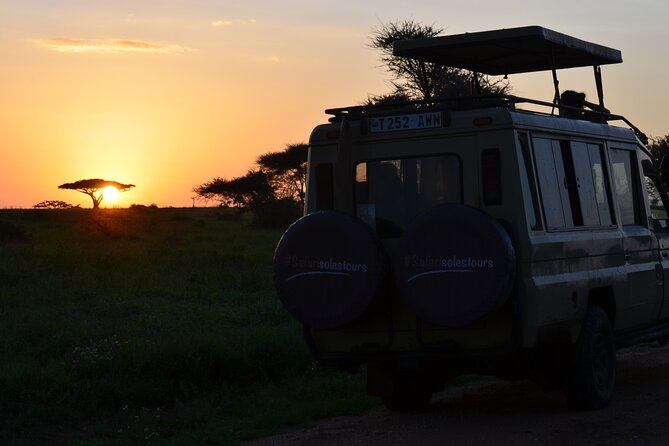
Day four begins with an early breakfast and an early game drive. This is a smart safari rhythm. Many animals are active early, and the cooler hours can make the search more comfortable.
You continue seeing wildlife until the afternoon, then return to camp for lunch. Afterward, the vehicle begins exiting the Serengeti and heads toward Simba campsite. The full day is listed at about 10 hours.
This shift from central Serengeti toward Ngorongoro is useful because it avoids spending another day retracing the same route. It does mean that part of the day becomes a transfer, so you should not expect nonstop animal sightings from morning to evening.
The note that animals may appear around campsites is worth taking seriously. Camp areas are still close to wild habitat, so keep your belongings secure and follow the guide’s instructions. The appeal is the sense that the park does not switch off when the game drive ends. The practical side is that you must remain alert and respectful of the setting.
Day 5: Down into Ngorongoro Crater for rhinos
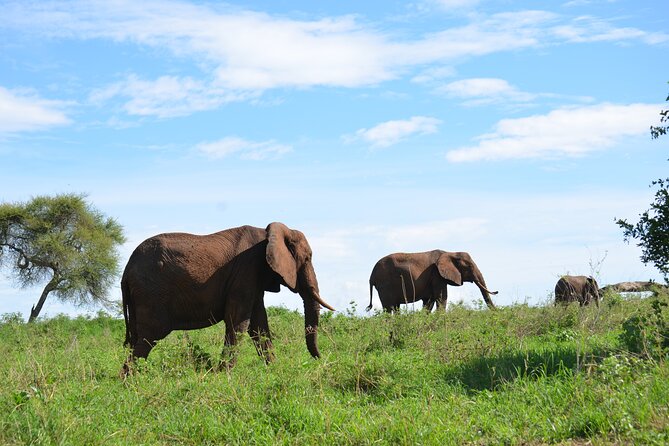
Day five focuses on the Ngorongoro Crater. After breakfast, you descend into the crater floor in search of black rhinos. Rhinos are described as the most difficult major animal to spot here, while many other species may be easier to find because the crater’s enclosed shape concentrates wildlife.
This is one of the strongest wildlife days of the trip. The crater offers the possibility of seeing buffaloes, wildebeest, zebras, lions, and other animals in a relatively compact area. The setting itself is remarkable, with the crater walls surrounding the open floor.
The search for black rhino gives the morning a clear purpose, but keep expectations realistic. Even in a place known for rhinos, sightings can be brief or distant. A guide’s patience and ability to scan carefully are more valuable than rushing from one sighting to the next.
After lunch, you continue the game drive, ascend the crater, and go to Sun Bright campsite to relax. The day lasts about eight hours, which is shorter than the main Serengeti days but still includes early travel, wildlife viewing, and a climb out of the crater.
This is also a good point to consider your energy level. Five days of camping and long drives can catch up with you. The planned evening at camp gives you some time to rest before the final park visit.
Day 6: Lake Manyara’s birds, hippos, and tree-climbing lions
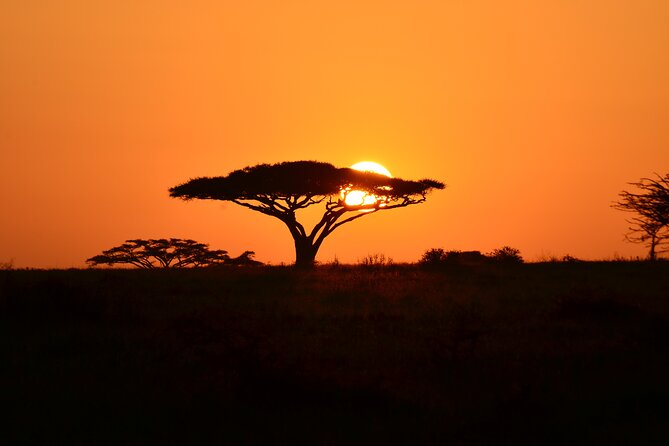
The final morning takes you to Lake Manyara National Park for an approximately eight-hour game drive. This park adds variety after several days centered on large plains and crater country.
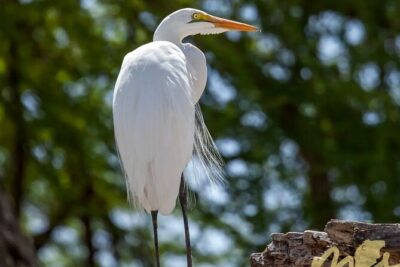
Birdlife is a major reason to visit. Flamingos may be visible on the lake, and you might also see vultures and eagles. The park can also produce sightings of buffaloes, wildebeest, warthogs, and monkeys.
The hippo pool is another planned stop, offering a close look at hippos from a designated viewing area. You may also visit a hot spring during the drive. These smaller features help make Manyara feel different from the Serengeti, where the focus is often on big herds and predators.
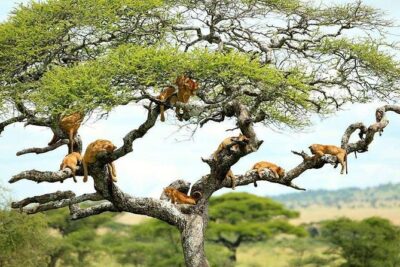
The famous possibility here is a tree-climbing lion. The wording matters: you are lucky if you see one. This is not something the operator can promise, but it is a memorable reason to keep watching the branches and shade trees.
As a final day, Manyara works well because it offers a mix of birds, mammals, water, and forest-edge viewing. The drawback is that you may be tired by now, and the park comes after several demanding days. Still, the shorter eight-hour schedule is manageable compared with the 12-hour Serengeti day.
Camping, meals, and daily comfort
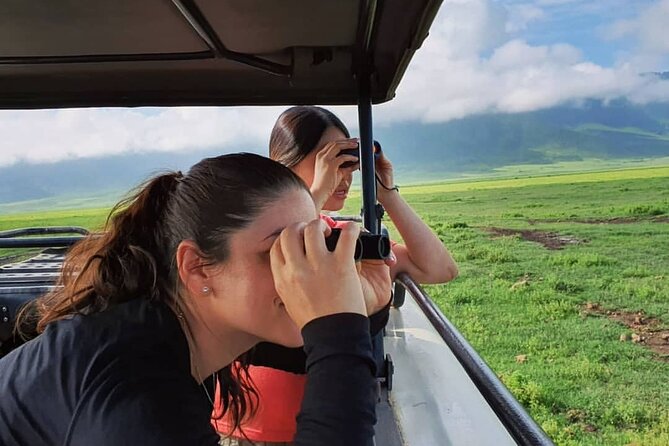
The included camping equipment removes one major barrier for anyone who wants to try a safari without buying or carrying outdoor gear. You do not need to arrange a separate tent package for the six-day route.
That said, camping still requires flexibility. The experience is designed to place you near the parks, not to reproduce a lodge holiday. You should expect a simple routine built around early breakfasts, long drives, camp meals, and sleeping in a wild setting.
Six breakfasts, six lunches, and six dinners are included. That is a strong practical benefit at this price because meals in remote park areas can otherwise add up quickly. The exact menus and dining setup are not specified, so I would ask about dietary needs before booking.
The safari vehicle holds a maximum of six clients. This is one of the best details in the plan. A smaller group gives you more room to look out, fewer competing opinions about where to stop, and a better chance of getting a clear view when an animal appears.
Group size can still affect the feel of the trip. You share the jeep, schedule, and camp routine with other people. If you want complete control over departure times or every animal stop, ask about a private version before booking.
Guides make the biggest difference
The strongest praise connected with this safari centers on the guides and cooks. Ernest is praised for finding wildlife in Tarangire, Serengeti, and Ngorongoro. Elias is described as friendly, organized, and attentive, while Estommy receives repeated praise for his enthusiasm and ability to locate animals.
Oscar is also highlighted as an expert guide, and Isack is praised for making an effort to find lions, cubs, leopards, elephants, and hippos. Freddy is associated with a particularly successful Big Five experience in less than four days.
You should not assume a particular guide will lead your departure unless the company confirms it. Still, these names give you useful questions to ask when arranging the trip. Ask who will guide your group, how many people will share the jeep, and how the company handles changes in staff.
The cooking team also receives strong praise. Ibrahim cooked for the first two days for one group, Dennis handled the remaining days, and Action is praised for restaurant-quality meals in camp. Since food is a daily part of a camping safari, a good cook can have a large effect on comfort and morale.
Who should book this safari?
I would recommend it to you if you want to see several major northern Tanzania parks, care more about wildlife than luxury, and enjoy the social side of a small group. It suits first-time safari visitors who want the Big Five possibility without paying for a private jeep.
It is also a good fit if camping sounds like part of the adventure rather than a compromise. The sunsets, campsite wildlife, and proximity to wild areas can be more memorable than a polished room.
I would hesitate if you need a slow pace, dislike long drives, or want guaranteed sightings. The itinerary includes days of nine, 10, and 12 hours, and animal viewing is always unpredictable. You should also budget for tips and the optional $20 Maasai village visit.
Pickup is offered, confirmation is received at booking, and most people can participate. The experience requires a minimum number of participants, and poor weather can lead to a new date or a full refund. Cancellation is free up to 24 hours before the start time, but changes or cancellations inside that window are not refunded.
Should you book the six-day route?
Book this safari if you want a busy, wildlife-focused introduction to northern Tanzania with camping equipment and meals included. The route covers the right headline parks, and the six-person vehicle limit gives you better value than a large group departure.
Before paying, confirm the guide, camping arrangements, meal needs, and whether the optional Maasai visit fits your interests. If you accept long days and basic camp life, $2,500 buys a serious amount of safari time. If comfort and personal control matter more than price, look for a private or lodge-based alternative instead.
FAQ
How long is the safari?
The experience lasts approximately six days, beginning in Arusha and visiting Tarangire, Ngorongoro Crater, Serengeti National Park, and Lake Manyara.
How many people can share one jeep?
The maximum group size is six people per jeep.
Is camping equipment included?
Yes. Camping equipment is included in the tour price.
Are meals included?
Yes. Breakfast, lunch, and dinner are included for all six days.
Is the Maasai village visit included?
No. The village visit is optional and has an additional $20 entrance fee.
Can I cancel for a full refund?
Yes, if you cancel at least 24 hours before the experience start time. Cancellations made less than 24 hours before departure are not refunded.
Just added in Arusha
- Safari “Kifaru” – 5 days in the most famous Parks in the world★ 5.0 · 4 reviews
- Saadani Day Trip★ 5.0 · 13 reviews
- 3 Days Tanzania Short and Spicy★ 5.0 · 6 reviews
- 5 Day Tanzania Safari Camping Adventure Private Tour★ 5.0 · 2 reviews
- Day Trip to Ngorongoro Crater from Arusha★ 5.0 · 1 review
- SERENGETI NATIONAL PARK Tour★ 4.5 · 5 reviews
- 3 Days Serengeti Park & Ngorongoro Crater Adventure Safari★ 5.0 · 8 reviews
- 6 Days Tanzania Bush Experience Safari★ 5.0 · 6 reviews
6-Day Experiences, compared.
Private 6-Day Tarangire Manyara Crater and Serengeti with Mid-Range Lodges
Read our review →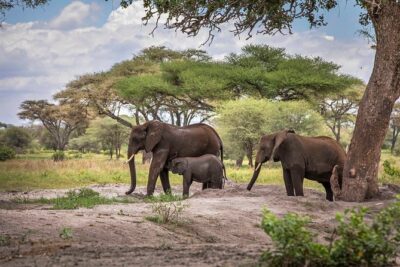
Browse the lists this tour appears in