
Reviewed · SERENGETI & NGORONGORO SAFARIS
6 Days Private Camping Safari Serengeti, Ngorongoro, Lake Manyara and Tarangire
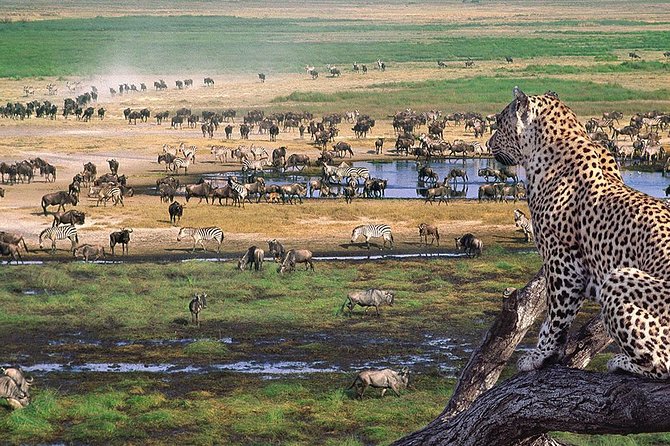
Six days, four major parks, one big wildlife circuit. This private safari from Arusha packs Tarangire, the Serengeti, Ngorongoro Crater, and Lake Manyara into a busy but rewarding route. I like the private 4WD setup, where everyone gets a window seat, and I like the early game drives, which give you the best chance of seeing animals when they are active. The main caution is the pace: long drives, early breakfasts, picnic lunches, and several different camps can make this feel tiring rather than leisurely.
The listed price is $2,300 per person, with pickup and drop-off from Arusha hotels or airports. Communication from Bernard, the agent, is one of the strongest reasons to consider this operator. He is described as professional and reassuring, especially for someone making a first international trip. Still, confirm the exact lodging level, camping arrangements, and included activities before paying, since the description refers to camping, mid-range accommodation, and lodge stays.
In This Review
- Key things to know before booking
- What $2,300 buys you on this safari
- Day 1: Tarangire’s baobabs and elephant country
- Day 2: Moving toward the Serengeti
- Day 3: Seronera Valley and the best predator chances
- Day 4: A final Serengeti drive before Ngorongoro
- Day 5: Inside Ngorongoro Crater
- Day 6: Lake Manyara’s forest, swamps, and flamingos
- Camping, food, and daily comfort
- The private vehicle and guide support
- Who should book this six-day safari?
- Should you book it?
- FAQ
- Where does the safari start and end?
- How long is the safari?
- Which parks are included?
- Is this a private safari?
- Is accommodation included?
- Are meals included?
- Is airport pickup included?
- Are park admission fees included?
- What costs are not included?
Key things to know before booking
- Private 2-by-2 seating: The pop-up-roof 4WD is arranged so each person has a window seat, useful for photography and animal spotting.
- Four famous parks in six days: You visit Tarangire, Serengeti, Ngorongoro Crater, and Lake Manyara, with the Serengeti receiving several game-drive periods.
- Early starts are part of the deal: Several mornings begin around 5:30 or 6:00 a.m., when wildlife activity is often at its best.
- Camping is mixed with lodge-style stays: Nights include Seronera Campsite, Serengeti Wildlife Camp, Ngorongoro Simba Camp, and Fig Big Tree Lodge, but confirm the final arrangement.
- The price includes major safari costs: Park fees, meals, camping equipment, drinking water, accommodation, game drives, and airport transfers are included.
- A strong choice for first-time safari planning: Bernard and the booking team are praised for clear communication and professional support.
What $2,300 buys you on this safari
At $2,300 per person, this is not a shoestring safari. It is also not presented as a top-end luxury trip with private villas and formal dining. The value comes from having a private vehicle and driver-guide, entering four major wildlife areas, and covering the major costs in one package.
Park entry fees matter in northern Tanzania, and the inclusion of Tarangire, Lake Manyara, Ngorongoro Crater, and Serengeti fees removes a large budgeting worry. You also receive breakfast each day, six lunches, five dinners, drinking water, camping equipment, a sleeping bag, towels, and soap.
The private format is especially useful. You are not sharing the vehicle with an unknown group, and the 2-by-2 seat arrangement means you are not fighting for a window. The pop-up roof gives you a better view during game drives and makes it easier to watch animals from a standing position.
The tradeoff is that the six-day route is tightly packed. You will spend many hours on rough park roads and connecting roads. If you want long, quiet afternoons at camp, this plan may feel rushed. If you want to see as much of the northern safari circuit as possible in less than a week, the price is easier to justify.
More Serengeti and Ngorongoro safaris:
- Balloon Safari & Bush Breakfast in Serengeti – Miracle Experience
★ 5.0 · 1,646 reviews - 3 Days Serengeti & Ngorongoro Group Camping Safari
★ 5.0 · 574 reviews - 5-Day Highlights mid-Range Crater, Serengeti, Tarangire
★ 5.0 · 296 reviews
Day 1: Tarangire’s baobabs and elephant country
Your first morning begins with breakfast at 7:00 a.m., followed by pickup around 8:00. The drive from Arusha to Tarangire National Park takes about two hours, and the plan allows roughly six hours inside the park.
Tarangire is a strong opening act because it looks different from the Serengeti. Baobab trees and acacias break up the dry vegetation, and the park is known for a high concentration of wildlife outside the wider Serengeti ecosystem. You might see elephants, giraffes, zebra, wildebeest, and many bird species.
Lunch is served at a picnic site around 1:00 p.m. That sounds simple, and it is. Picnic meals keep the route moving, but you should be ready for heat, dust, and a day spent outdoors without the comforts of a lodge dining room.
By about 6:00 p.m., you head to Fig Big Tree Lodge for dinner and the night. This first day is well balanced compared with the later schedule, though the long game drive can be tiring after an early start. I would use it to settle into the vehicle, learn how your guide handles animal sightings, and test your camera gear before the Serengeti days.
Day 2: Moving toward the Serengeti
The second-day description uses Lake Manyara as its heading, but the actual plan sends you toward the southern Serengeti. After breakfast at Fig Big Tree, you face about four hours of driving, followed by a three to four-hour game drive in the Serengeti.
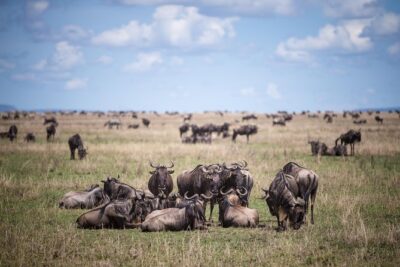
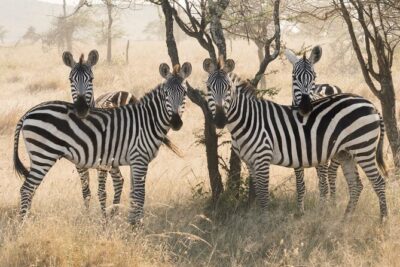
This is a travel-heavy day. You are not getting a full day in the park, but you do gain your first look at the plains. The southern and central parts of the Serengeti are known for broad grassland and large herds of wildebeest, zebra, Coke’s hartebeest, waterbuck, and gazelles.
The name Serengeti comes from the Maasai word Serengit, meaning endless plains. That description becomes clear once the trees thin out and the horizon opens. The scale is the attraction here. You are not visiting a compact zoo-like area. Animals can be spread across a huge distance, and spotting them depends on timing, patience, and your guide’s judgment.
After a picnic lunch around 1:00 p.m., the route continues to Seronera Campsite for dinner and overnight camping. Confirm in advance what type of tent and facilities you will receive. The package says camping equipment is supplied, but the accommodation description also includes mid-range and lodge options.
Day 3: Seronera Valley and the best predator chances
Day three starts early, with a light breakfast around 5:30 a.m. and a game drive beginning at 6:00. You return to camp for a heavier breakfast around 10:00, then continue with lunch at a picnic site and at least six hours of game driving in total.
This is one of the most rewarding parts of the schedule. Early morning gives you a better chance of seeing animals before the heat of the day. The central Serengeti, especially the Seronera Valley, is known for acacia trees, rocky kopjes, and regular predator sightings.
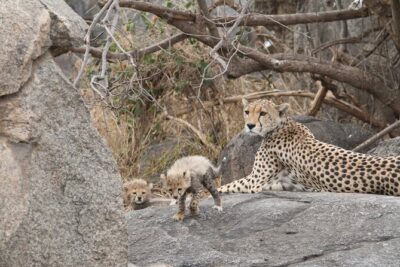
Kopjes are low rock formations scattered across the plains. They give lions and other predators a useful lookout, while also providing shelter for hyrax, lizards, pythons, and other reptiles. African leopards are commonly associated with this area, although no sighting is guaranteed.
The long drive is a plus if wildlife viewing is your priority. You can cover more ground and spend more time watching behavior instead of simply ticking off species. The downside is physical fatigue. Six hours in a safari vehicle, plus a pre-dawn start and picnic lunch, calls for comfortable clothes, water, sun protection, and patience.
That evening you stay at Serengeti Wildlife Camp. The name suggests a camp-based stay, but ask the operator whether your booking uses this exact property or a comparable camp.
More Tarangire safaris:
- Private 6-Day Tarangire Manyara Crater and Serengeti with Mid-Range Lodges
★ 5.0 · 238 reviews - 5 Days Camping Tarangire, Serengeti & Ngorongoro crater & Visiting Maasai
★ 5.0 · 229 reviews - 4 Days Join Group tour Tarangire Serengeti and Ngorongoro crater
★ 5.0 · 219 reviews - 4-Day Safari from Arusha: Tarangire, Serengeti and Ngorongoro
★ 5.0 · 173 reviews
Day 4: A final Serengeti drive before Ngorongoro
The fourth day repeats the early rhythm: light breakfast at 5:30 a.m., a 6:00 game drive, heavier breakfast around 10:00, picnic lunch, and at least six hours of wildlife viewing. At about 3:00 p.m., you begin leaving the Serengeti for Ngorongoro.
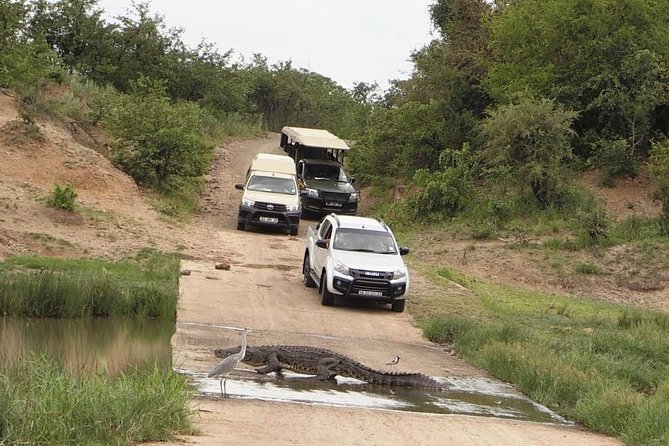
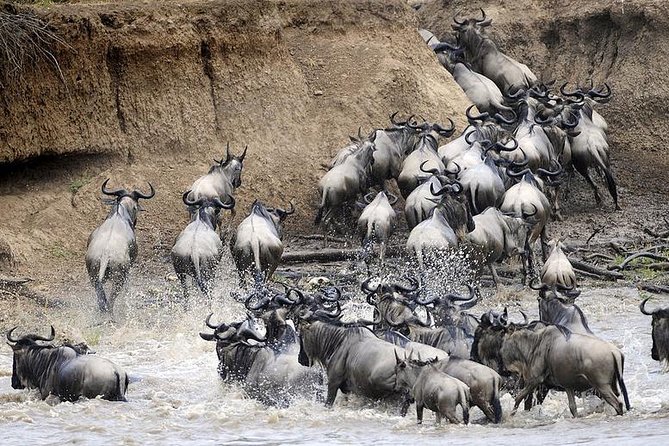
This day is valuable because the Serengeti changes from one zone to another. The northern area around Lobo is described as more wooded and mountainous, with rainforest and dense woodland. The Mara River in the northern area contains large Nile crocodiles and forms part of the route used by migrating animals heading toward Kenya’s Maasai Mara.
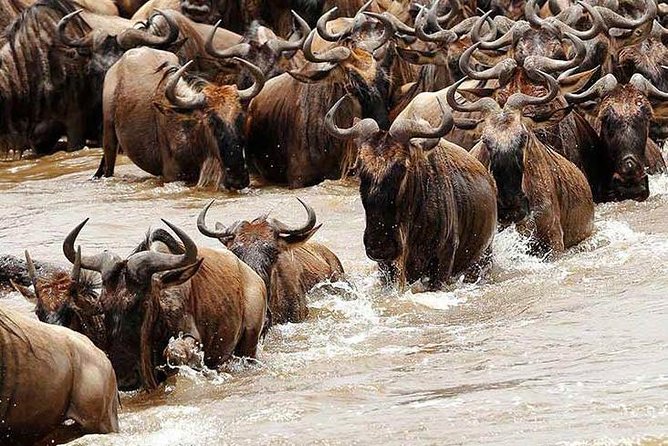
The annual migration is one of the safari’s major natural spectacles, but timing matters. The route does not guarantee that you will see a river crossing or huge moving herds. You may instead see elephants, giraffes, dik-diks, big cats, or smaller groups spread across the area.
Leaving the Serengeti after a final drive gives you a useful contrast. You move from open plains toward the highland environment around Ngorongoro. The road time can be demanding, especially after several early mornings, but it puts you in position for the crater the next day.
The overnight stop is Ngorongoro Simba Camp. Ask if the camp has the facilities you need, especially if you are new to safari camping or prefer a lodge room.
Day 5: Inside Ngorongoro Crater
Breakfast is scheduled for 7:00 a.m., followed by an 8:30 descent into Ngorongoro Crater. The crater is the most concentrated wildlife setting on this route, and the six-hour visit allows you time to look for a broad range of animals.
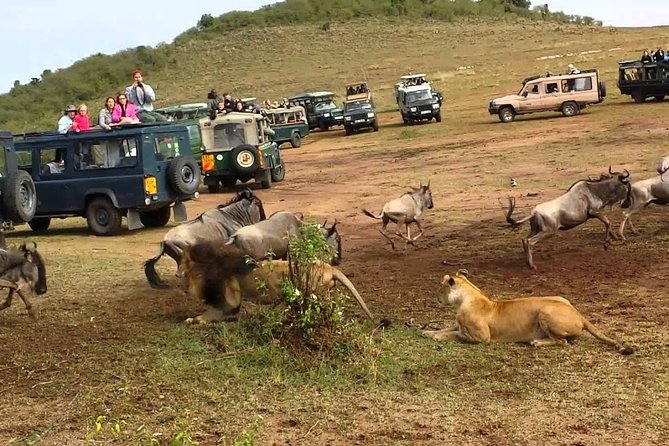
The crater floor can offer chances to see buffalo, wildebeest, gazelles, waterbuck, eland, serval, hippopotamus, jackal, and other ungulates. It is also one of the places where you may see several famous large mammals in a single day, though a complete Big Five sighting is never promised.
Giraffes are notably absent or rarely seen in the crater, and some species listed in the park description are uncommon there. This is useful to know because Ngorongoro is not a substitute for every other stop. It has its own strengths: concentrated wildlife, dramatic volcanic geography, and the chance to learn about Maasai families living in circular homesteads called bomas.
Lunch is at a picnic site around 1:00 p.m., and you leave the crater around 4:00 p.m. for Fig Big Tree Lodge. The schedule provides a full crater visit without adding another long game-drive day, but the descent and ascent roads can make the day feel busy.
Day 6: Lake Manyara’s forest, swamps, and flamingos
The final safari morning begins with breakfast at Fig Big Tree Lodge at 7:00 a.m. You start the Lake Manyara game drive around 8:30 and spend the day inside the park until about 4:00 p.m.
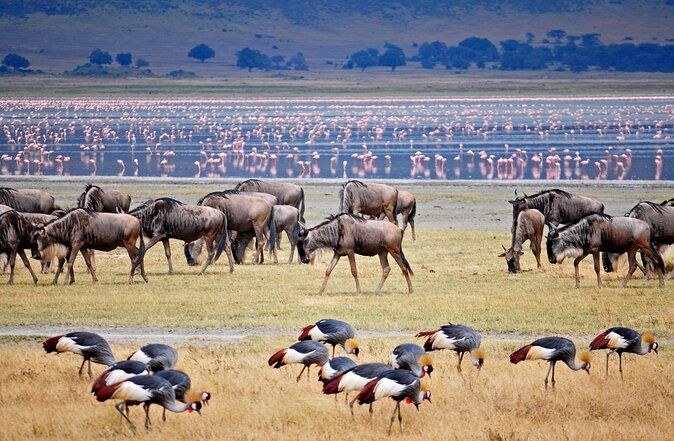
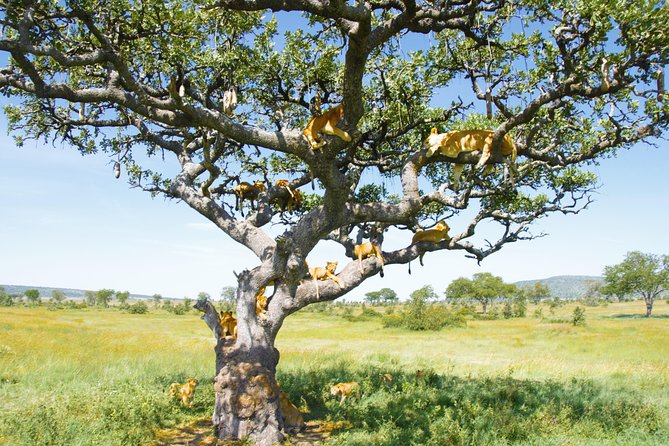
Lake Manyara offers a change of scenery after the open Serengeti and enclosed crater. Its habitats include groundwater forest, woodland, swamps, grassland, and an alkaline lake. The lake edge can attract large numbers of flamingos, while the park also supports giraffes, elephants, zebra, wildebeest, gazelles, bushbuck, and waterbuck.
You may also see baboons and monkeys in the forested areas, along with a wide range of bird species. The park description also refers to reptiles and fish families, so this is a good day for anyone who enjoys more than the classic lion and elephant checklist.
A picnic lunch comes around 1:00 p.m. After leaving the park, the plan mentions Twiga Lodge and then lists dinner and overnight at Arusha Tourist Inn. That wording is not fully clear, so confirm if the final night in Arusha is included and exactly where you will sleep.
The last day is practical rather than grand. You finish with a shorter park visit and return toward Arusha, which makes sense if you have a flight or another activity afterward. Still, leave extra time around any onward travel because the stated schedule can change with road conditions and wildlife stops.
Camping, food, and daily comfort
This is a camping safari with some lodge and camp stays. The package includes tents and camping equipment where needed, plus a sleeping bag, bath towels, soap, meals, drinking water, and wine.
Breakfast is usually early, and lunch is generally taken at a picnic site. Dinner is included for five nights. Special dietary requirements can be requested, but you should state them when booking rather than waiting until the first meal.
The itinerary lists several names, including Fig Big Tree Lodge, Seronera Campsite, Serengeti Wildlife Camp, Ngorongoro Simba Camp, and Arusha Tourist Inn. Because the description also says the company can allocate hotels or lodges for people who did not book their own rooms, ask for a night-by-night accommodation list before departure.
That single step can prevent confusion about tented camping, lodge rooms, bathrooms, and meal arrangements. It also helps you judge if the $2,300 price matches the comfort level you want.
The private vehicle and guide support
The private 4WD is one of the clearest strengths. Everyone has a window seat, and the pop-up roof gives you a wide view of the animals and the surrounding country. A private group also gives you more control over photo stops, meal timing, and how long you watch an animal.
The driver-guide matters just as much as the vehicle. The operator is associated with Bernard, whose communication and professionalism are praised. One useful detail is that his reassuring contact helped a first-time international visitor feel more comfortable before coming to Tanzania.
You should still ask practical questions before departure: who will guide the safari, whether the cook is included for the camping nights, what vehicle model is used, and how the company handles changes to the route. The package includes game drives and a walking safari if shown in the itinerary, but the detailed six-day schedule does not clearly identify a walking safari, canopy walk, hot-air balloon flight, or village visit as a fixed activity.
Who should book this six-day safari?
I would recommend this trip to you if you want the classic northern Tanzania circuit and have only six days. It gives you multiple park environments, several full Serengeti game-drive periods, and the convenience of a private vehicle.
It also suits first-time safari planners who value help with hotel pickup, airport transfers, park fees, meals, and camping gear. The communication associated with Bernard is a real advantage when you are arranging a complicated trip from abroad.
I would be more cautious if you want luxury, slow mornings, or a single park with plenty of time at one camp. The schedule is active, the early starts are frequent, and some days combine long road transfers with game drives. A private safari does not remove the rough roads or the long distances.
Free cancellation is available if you cancel at least 24 hours before the local start time. International flights, travel insurance, visas, personal costs, and tips for the driver-guide and safari cook are not included.
Should you book it?
Book this safari if your priority is variety, private vehicle access, and a strong chance to see Tanzania’s best-known parks in one compact trip. The itinerary gives you Tarangire’s baobabs, Serengeti plains and predators, Ngorongoro’s concentrated wildlife, and Lake Manyara’s forest and birdlife.
Before booking, get the accommodation plan in writing and ask which listed extras are actually included. If you are comfortable with early mornings, picnic lunches, and camping mixed with lodge stays, $2,300 can be solid value. If you prefer polished luxury or a slower pace, choose a longer or more upscale safari instead.
FAQ
Where does the safari start and end?
The safari starts in Arusha, Tanzania, and ends back at the meeting point. Pickup and drop-off are offered from confirmed hotels or airports.
How long is the safari?
The experience lasts approximately six days. The listed start time is 7:00 a.m.
Which parks are included?
The route includes Tarangire National Park, Serengeti National Park, Ngorongoro Crater National Park, and Lake Manyara National Park.
Is this a private safari?
Yes. Only your group participates in the private activity.
Is accommodation included?
Yes. Accommodation is included for five nights, with camping, mid-range, or lodge accommodation described as options. Confirm the exact properties and room or tent type before booking.
Are meals included?
Breakfast for six days, lunch for six days, and dinner for five days are included. Other dietary requirements can be requested.
Is airport pickup included?
Yes. Airport pickup and drop-off are included.
Are park admission fees included?
Yes. Admission to Tarangire, Lake Manyara, Ngorongoro Crater, and Serengeti National Park is included in the package.
What costs are not included?
International flights, travel insurance, visas, personal expenses, and tips or gratuities for the driver-guide and safari cook are not included.
More Camping Safaris in Arusha
- 4 Days Group Camping Safari
★ 5.0 · 1,101 reviews - 5 Days Group Camping Safari
★ 5.0 · 730 reviews - 2 Days Tarangire and Ngorongoro Group Camping Safari
★ 5.0 · 146 reviews - 6 Days Tanzania Budget Camping Safari
★ 5.0 · 145 reviews
More Lake Manyara Safaris
- 3 Days Tarangire, Ngorongoro & Lake Manyara Group Camping Safari
★ 5.0 · 102 reviews - 3 Days Private Safari – manyara, Ngorongoro & Tarangire
★ 5.0 · 94 reviews - 05 Days Tarangire, Serengeti, Ngorongoro and Lake Manyara
★ 5.0 · 54 reviews - 5 Days 4 Nights Tarangire, Serengeti , Ngorongoro & Manyara Wildlife Safari
★ 5.0 · 40 reviews
Just added in Arusha
- Safari “Kifaru” – 5 days in the most famous Parks in the world★ 5.0 · 4 reviews
- Saadani Day Trip★ 5.0 · 13 reviews
- 3 Days Tanzania Short and Spicy★ 5.0 · 6 reviews
- 5 Day Tanzania Safari Camping Adventure Private Tour★ 5.0 · 2 reviews
- Day Trip to Ngorongoro Crater from Arusha★ 5.0 · 1 review
- SERENGETI NATIONAL PARK Tour★ 4.5 · 5 reviews
- 3 Days Serengeti Park & Ngorongoro Crater Adventure Safari★ 5.0 · 8 reviews
- 6 Days Tanzania Bush Experience Safari★ 5.0 · 6 reviews
Serengeti & Ngorongoro Safaris, compared.
Serengeti Balloon Safari and authentic bush breakfast
Read our review →
Balloon Safari & Bush Breakfast in Serengeti – Miracle Experience
Read our review →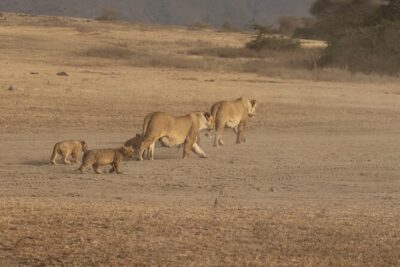
3 Days Serengeti & Ngorongoro Group Camping Safari
Read our review →
5-Day Highlights mid-Range Crater, Serengeti, Tarangire
Read our review →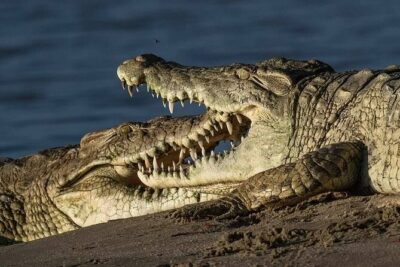
Private 6-Day Tarangire Manyara Crater and Serengeti with Mid-Range Lodges
Read our review →
5 Days Camping Tarangire, Serengeti & Ngorongoro crater & Visiting Maasai
Read our review →Browse the lists this tour appears in