
Reviewed · MACHAME ROUTE CLIMBS
7 Day Tour Machame Route
Africa’s highest point demands patience. The 7-day Machame Route offers gradual acclimatization and a superb range of scenery, from rainforest to alpine desert. I especially like the Lava Tower climb followed by a lower camp at Barranco, and the strong emphasis on a fair, paid crew team. The main drawback is the summit day, which is long, steep, cold, and physically demanding even after several days on the trail.
This is not a casual mountain walk. You need a moderate level of fitness, comfort with several hours of hiking each day, and the patience to move slowly at high altitude. The route is well planned, but the daily time estimates are only approximate, particularly on summit day.
In This Review
- Key points worth knowing before you book
- Why the Machame Route works well in seven days
- Day 1: Machame Gate to Machame Camp, about 11 kilometers
- Day 2: Machame Camp to Shira Camp, about 5 kilometers
- Day 3: Shira Camp, Lava Tower, and Barranco Camp
- Day 4: Barranco Wall to Karanga Camp, about 6 kilometers
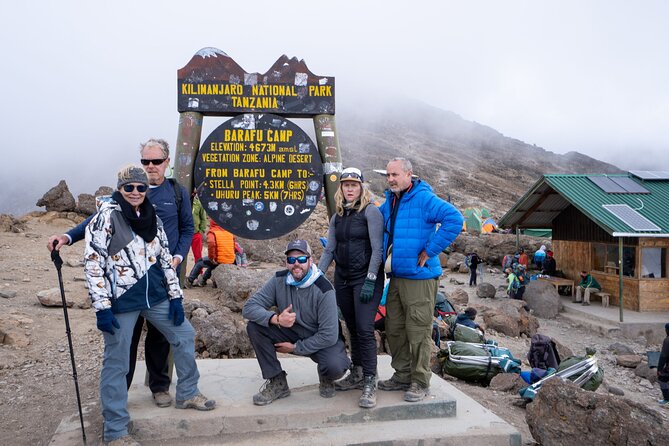
- Day 5: Karanga Camp to Barafu Camp, about 4 kilometers
- Day 6: Barafu Camp to Uhuru Peak and Mweka Camp
- Day 7: Mweka Camp to Mweka Gate, about 10 kilometers
- What the $2,205 price includes
- Timing, group size, and physical demands
- The Spirit of Kilimanjaro support team
- Who should book this seven-day climb?
- FAQ
- How long is the Machame Route trek?
- What is the price per person?
- What is included in the tour price?
- Are breakfast, lunch, and dinner included?
- Are tips included?
- Are towels provided?
- Where does the trek start?
- How many people can join the tour?
- Should you book the 7-day Machame Route?
Key points worth knowing before you book
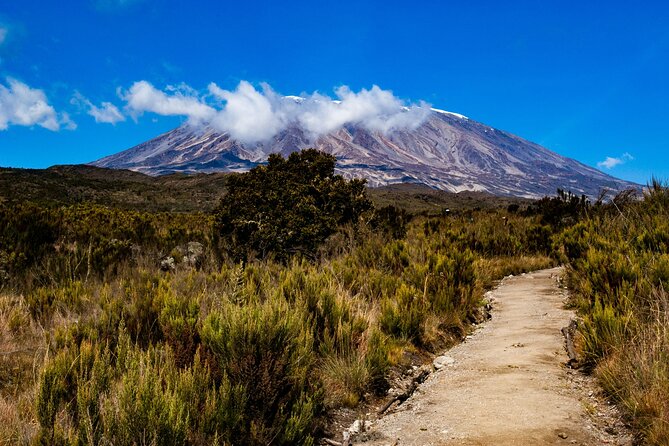
- Lava Tower and Barranco in one day: You climb to about 4,600 meters, then sleep lower at roughly 3,960 meters, a useful acclimatization pattern.
- Seven days gives you more time: The route spreads the climb over several stages instead of rushing you toward the summit.
- A demanding Barranco Wall climb: This is a hands-on, exciting section that requires steady footing and confidence.
- A very long summit day: You go from Barafu Camp to Uhuru Peak, then down to Mweka Camp, covering about 18 kilometers in total.
- Crew costs are included: The $2,205 price includes fair and sustainable crew wages, meals, accommodation, park costs, and an English-speaking guide.
- Guides named in the feedback: Emanuele and Joseph received praise for their friendly, professional approach, while the cook, waiter, guides, and porters were also singled out for good service.
Why the Machame Route works well in seven days
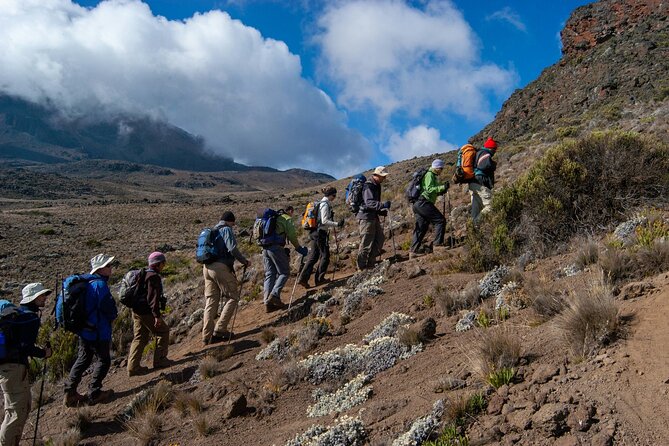
Machame is a popular choice because the scenery changes often and the route gives you a sensible climb profile. You begin in thick rainforest, move into open moorland, cross high volcanic ground, and finish among stark alpine surroundings near the summit.
The seven-day schedule matters. Kilimanjaro is not only a test of leg strength. Altitude is the real challenge, and a slower climb gives your body more time to adjust. This plan includes a high point at Lava Tower, followed by a descent to Barranco Camp. That climb high, sleep lower pattern is one of the most useful parts of the route.
You also avoid a common problem with shorter itineraries: too much distance too soon. The days are still serious, but most of the pre-summit stages are manageable for someone with reasonable fitness and a steady pace.
The route is not easy simply because it lasts seven days. The summit attempt remains tough, and the total distance is not small. Still, I would prefer this schedule over a rushed version if reaching Uhuru Peak is your main goal.
More Machame Route climbs:
- 7 Days Kilimanjaro via Machame route affordable price
★ 5.0 · 110 reviews - 6 Days Climbing Mount Kilimanjaro Machame Route
★ 5.0 · 40 reviews - 7-Day Machame Route Kilimajaro
★ 5.0 · 28 reviews
Day 1: Machame Gate to Machame Camp, about 11 kilometers
Your day begins at Machame Gate in Kilimanjaro National Park. Registration takes place here, and you meet your guide, porters, and the rest of the support team before setting off.
The first trail section runs through rainforest. Expect lush vegetation, damp conditions, and a gradual climb rather than an immediate assault on the mountain. This is a good opening day because it introduces the rhythm of the trek without pushing you straight into high altitude.
The walk is listed at about 11 kilometers and roughly four hours. Your first camp sits at around 3,000 meters. That altitude is already significant, but the steady rise from the gate helps you settle into the pace.
I suggest treating this first day as a lesson in restraint. You may feel strong at the start, but rushing now gains you little. Walk slowly, drink regularly, and pay attention to how your body feels.
The rainforest is also your first reminder that Kilimanjaro is not one single type of mountain. The route changes as you climb, and the shift from dense forest to open high country is one of the trek’s pleasures.
Day 2: Machame Camp to Shira Camp, about 5 kilometers
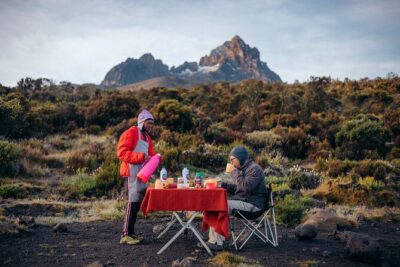
After breakfast, you leave much of the rainforest behind and enter moorland. The surroundings open up, the vegetation becomes shorter, and the views begin to stretch farther across the mountain.
This is a shorter day, listed at about five kilometers and three hours. That does not make it insignificant. You climb from roughly 3,000 meters to Shira Camp at about 3,800 meters, so altitude matters more than distance.
Shira Camp gives you a useful pause before the route turns harder. The open setting also makes this a good place to take in the scale of Kilimanjaro. You are no longer walking through a closed forest. The mountain feels bigger here.
For you, the value of this stage is time. You gain height without covering a huge distance, allowing the body to adjust before the higher camps. If you are feeling tired already, tell the guide early. It is easier to manage a problem at this stage than near Barafu Camp.
Day 3: Shira Camp, Lava Tower, and Barranco Camp
Day three is one of the most important parts of the route. You climb to Lava Tower, reaching about 4,600 meters, then descend to Barranco Camp at approximately 3,960 meters.
The total distance is around 10 kilometers, with an estimated hiking time of four hours. Those numbers may look modest on paper, but this is a high-altitude day and should not be judged like an ordinary walk.
Lava Tower is valuable because it takes you higher than your sleeping altitude. You get a direct test of how your body responds at around 4,600 meters, then return to a lower camp for the night. That is smart route planning, not wasted effort.
The descent to Barranco also gives you a different view of the mountain. The route becomes more rugged, and the huge Barranco Wall comes into view. It is hard to miss, and it gives the next morning a clear target.
This is often the day when you learn whether you can maintain a slow, steady rhythm. Do not be surprised if the climb feels harder than the distance suggests. At this height, every step costs more.
A few more options to weigh up in Kilimanjaro
- Great Migration Safari In Tanzania
★ 5.0 · 71 reviews - Kilimanjaro Airport taxi to/from Moshi town/Arusha town
★ 5.0 · 60 reviews - 6 Days Tanzania Classic Safari
★ 5.0 · 52 reviews - 8 Days Kilimanjaro Hike via Lemosho Route
★ 5.0 · 39 reviews
Day 4: Barranco Wall to Karanga Camp, about 6 kilometers
The Barranco Wall is the route’s most memorable technical-feeling section. It is not described as a technical climbing route, but you should expect a steep ascent that may require using your hands for balance.
The trail then continues to Karanga Camp, at about 4,035 meters. The day covers roughly six kilometers and takes around four hours.
The appeal of the Barranco Wall is that it breaks up the steady uphill walking. You have to pay attention to foot placement and follow the guide’s pace. It is exciting, but it is not a place to race or show off.
If you are uneasy with exposed or steep sections, ask your guide for help and take your time. The crew support is an important part of this trek. Emanuele and Joseph were praised for being friendly and professional, and that sort of calm guidance is especially useful here.
Karanga Camp is another acclimatization stop rather than a dramatic distance day. You continue gaining height in controlled stages, which leaves you better placed for the final pre-summit push.
Day 5: Karanga Camp to Barafu Camp, about 4 kilometers
The walk to Barafu Camp is short, listed at around four kilometers and three hours. The altitude is not short, however. Barafu sits at approximately 4,600 meters and is your final camp before the summit attempt.
The surroundings become more alpine and rugged. Trees and much of the softer vegetation are now far behind, and the trail feels more exposed and severe.
This is a day for conserving energy. You do not have a long distance to cover, but you need to prepare for the hardest part of the trek. Eat the included meals, drink water, and follow your guide’s instructions about rest.
The itinerary includes full-board meals, drinking water, breakfast, lunch, and dinner. That is a meaningful part of the price because carrying and organizing food at high altitude is not a small task. One piece of feedback gave special praise to the food, describing the cooking as closer to a five-star hotel than basic mountain fare. That is a high compliment, though you should still come prepared for simple trekking conditions overall.
The schedule does not provide a detailed hour-by-hour plan for the summit night. It does state that the summit attempt begins in the early hours, before dawn, so expect a very early start and a long day ahead.
Day 6: Barafu Camp to Uhuru Peak and Mweka Camp
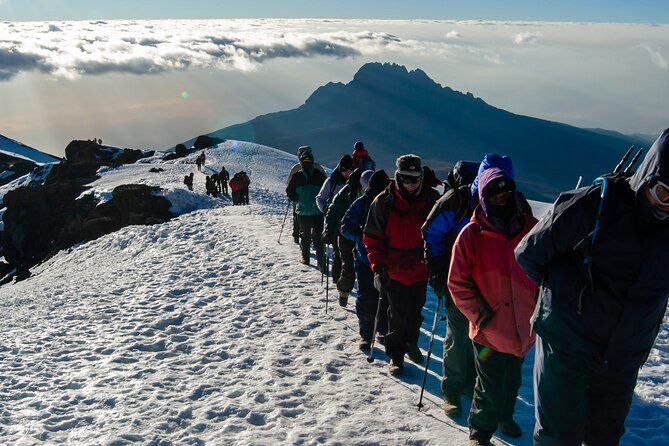
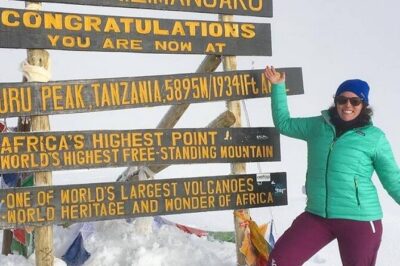
This is the day that defines the trek. You begin in darkness and climb toward Uhuru Peak, the highest point in Africa, aiming to reach it around sunrise.
The ascent is steep and demanding. Cold, darkness, thin air, and fatigue all arrive at once. Your pace will be slow, and the guide’s job is to keep the group moving carefully and safely.
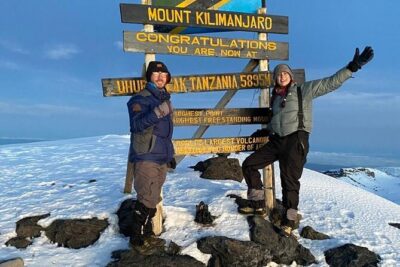
At the summit, you have the reward of reaching Uhuru Peak. The itinerary describes the moment as a chance to celebrate the achievement before beginning the long descent.
The full day covers about 18 kilometers, ending at Mweka Camp at around 3,100 meters. The stated hiking time is approximately three hours, but that figure clearly should not be treated as a reliable measure of the entire summit day. The description itself calls this a long and challenging day, and the distance confirms it.
The descent is physically tough in its own way. Your knees and feet have already worked hard during the ascent, and loose ground can make going down tiring. Do not plan anything important for the evening. Mweka Camp is the place to rest, eat, and recover.
This is also when the value of the seven-day schedule becomes clear. You have had several days to gain height gradually, and the Lava Tower stage has already given your body some practice at higher altitude.
Day 7: Mweka Camp to Mweka Gate, about 10 kilometers
The final day takes you back through rainforest to Mweka Gate. The distance is about 10 kilometers, offering a complete change from the cold, open ground near the summit.
The descent gives you a different view of the mountain. You may notice the return of thicker vegetation as you lose altitude, and the forest feels especially welcome after the stark upper slopes.
At Mweka Gate, you receive your summit certificates and thank the guides and porters who supported the climb. The trip ends back at the meeting point.
This last stage is still a proper hike, especially after the summit day. Your legs may feel heavy, so take the descent slowly. The certificates are a nice formal finish, but the bigger ending is the shift from high mountain to rainforest in a single day.
What the $2,205 price includes
At $2,205 per person, this is not a budget walk, but the price covers many of the costs that can be easy to overlook. Included are park fees and taxes, all accommodation, full-board meals, drinking water, an English-speaking professional guide, and crew wages described as fair and sustainable.
A complimentary oxygen cylinder is also included. That is useful safety equipment, though its presence should not encourage you to ignore symptoms of altitude trouble. Your guide remains the person to speak with if you feel unwell.
The food and crew support received particularly strong praise. The cook, waiter, porters, and guides were all credited with professional service, and Emanuele and Joseph were named as friendly guides. For a seven-day mountain trip, the quality and treatment of the support team affect your daily comfort in a very real way.
Tips are not included, and towels are also excluded. Set aside money for gratuities if you feel the crew has served you well. The listing does not give a recommended tip amount, so you should ask the operator before departure if you want a clear figure.
Accommodation is included, but the supplied details do not specify the exact sleeping setup. Ask Spirit of Kilimanjaro what type of accommodation and sleeping equipment are provided before you pay, especially if you need to bring a sleeping bag or personal gear.
Timing, group size, and physical demands
The stated start time is 7:30 am, with pickup offered from Kilimanjaro Airport. The meeting point is listed as Kilimanjaro Airport, Kilimanjaro National Park, Tanzania, and the activity ends back at the meeting point.
The group can include up to 30 people. That is a fairly large maximum for a mountain trek. A bigger group can provide company, but it may also mean a wider range of walking speeds. Ask how the group is managed and whether smaller hiking units are used.
You are expected to have a moderate level of physical fitness. That means you should be comfortable walking for several hours, handling steep climbs, and continuing on tired legs. No special technical climbing ability is stated, but the Barranco Wall and summit ascent require care and stamina.
The daily distances range from about four to 11 kilometers before summit day. The final summit stage reaches about 18 kilometers, followed by a 10-kilometer descent on day seven. Those figures make clear that this is a serious physical undertaking, not a sightseeing trip with occasional walking.
The Spirit of Kilimanjaro support team
The strongest praise focuses on the people who make the route work. The guides Emanuele and Joseph were described as friendly and professional, with a good sense of humor. The porters, cook, waiter, and wider team were also credited for making the climb feel well organized.
That matters on Kilimanjaro. The route itself is fixed, but your daily experience depends heavily on communication, food, pacing, and support at camp. Fair crew wages are included in the cost, which gives the price a stronger ethical basis than a package that hides labor costs or treats porters as an afterthought.
I would still ask a few direct questions before booking. Confirm the sleeping arrangements, the expected tip practice, the group size for your departure, and what the complimentary oxygen cylinder is intended to cover. These questions do not mean the trip is poorly organized. They simply help you know exactly what you are buying.
Who should book this seven-day climb?
I would recommend this route to you if reaching Uhuru Peak is a major goal and you want more acclimatization time than a shorter climb allows. It suits people who like changing scenery, organized support, and a clear day-by-day structure.
It is also a good match if you value crew treatment. The included fair wages and repeated praise for the guides, porters, cook, and waiter are meaningful positives.
I would be cautious if you dislike early starts, steep uphill walking, basic mountain conditions, or long days on your feet. The summit day is the key warning. It is far harder than the shorter daily distances earlier in the trip.
The maximum group size of 30 may also matter to you. If you prefer a quiet, small-group climb, ask about the expected number on your departure before booking.
Free cancellation is available if you cancel at least 24 hours before the start time. Cancellations made within 24 hours are not refunded, and late changes are not accepted.
FAQ
How long is the Machame Route trek?
The trek lasts approximately seven days, from Machame Gate to Mweka Gate.
What is the price per person?
The listed price is $2,205 per person.
What is included in the tour price?
The price includes all fees and taxes, accommodation, fair and sustainable crew wages, drinking water, full-board meals, a professional English-speaking guide, and a complimentary oxygen cylinder.
Are breakfast, lunch, and dinner included?
Yes. Seven breakfasts, seven lunches, and seven dinners are included.
Are tips included?
No. Tips are not included in the tour price.
Are towels provided?
No. Towels are listed as not included.
Where does the trek start?
Pickup is offered, and the meeting point is listed as Kilimanjaro Airport, Kilimanjaro National Park, Tanzania. The stated start time is 7:30 am.
How many people can join the tour?
The activity allows a maximum of 30 people.
Should you book the 7-day Machame Route?
Book it if you want a carefully staged Kilimanjaro climb with varied scenery, a useful Lava Tower acclimatization day, and strong crew support built into the price. The seven-day format gives you a sensible chance to adjust before the summit, though it cannot remove the mountain’s real demands.
Before paying, confirm the sleeping arrangements, likely group size, tip guidance, and airport pickup details. If you are fit enough for the long summit day and prefer a supported route with time to gain altitude, Spirit of Kilimanjaro’s Machame program is a solid choice.
Just added in Kilimanjaro
- Tanzania Wildlife Encounters – 6 Days★ 5.0 · 1 review
- Day Trip To Tarangire National Park★ 4.5 · 2 reviews
- Mount Kilimanjaro 7 Days – Machame Route★ 5.0 · 5 reviews
- 5 days Serengeti Wildebeest Migration Safari★ 5.0 · 3 reviews
- Mount Kilimanjaro 6 days – Machame route★ 4.0 · 5 reviews
- Marangu Cultural tour.★ 5.0 · 1 review
- Lemosho Route★ 5.0 · 21 reviews
- Airport Transfers at Kilimanjaro International Airport – JRO★ 5.0 · 2 reviews
Machame Route Climbs, compared.

Climbing Kilimanjaro through 7 days Machame Route
Read our review →
7-Day Machame Kilimanjaro Summit Tour from Arusha
Read our review →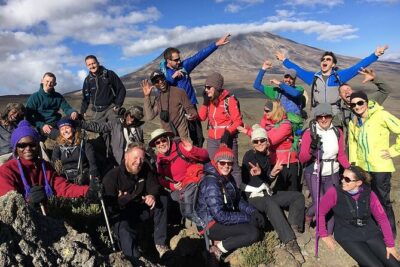
7 Days Kilimanjaro via Machame route affordable price
Read our review →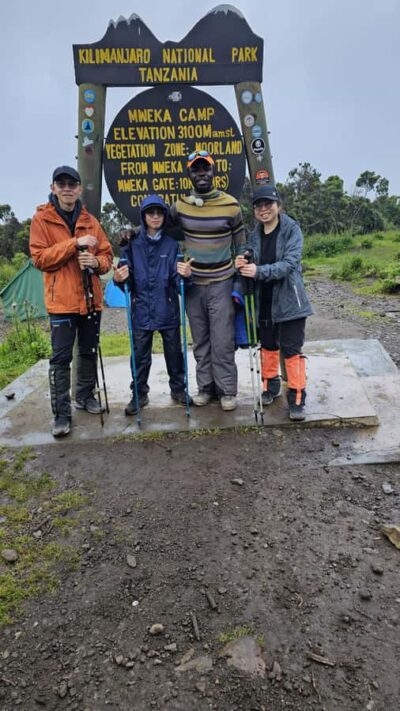
#1. Best Kilimanjaro Day hike Tour-Machame Route-ISMANI
Read our review →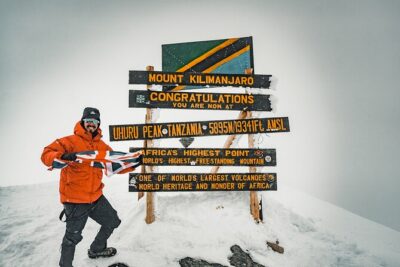
The Best of Machame Route in 6 Days: Your World’s Summit Guide
Read our review →Browse the lists this tour appears in