
Reviewed · 7-DAY EXPERIENCES
7 Days Elephant Safari Experience in Arusha
Africa’s great animal drama unfolds here. This seven-day safari links Tarangire, Serengeti, Ngorongoro Crater, and Lake Manyara during the January to March calving season, when young animals bring fresh energy to the savanna. I like the small group size, capped at six people, and the chance to spend two nights in the Serengeti rather than treating it as a quick stop.
I also like the personal guiding. Yusuph is singled out for taking charge of the trip and staying with the group throughout, while Isdory helped shape an itinerary around photography, comfort, and budget. The main consideration is the amount of driving: several days run for six to twelve hours, so this suits you best if long road journeys are part of the adventure for you.
In This Review
- Key points to know before booking
- Why this seven-day route works
- Day 1: A gentle start at Springlands Hotel
- Day 2: Tarangire and the elephant country
- Day 3: Olduvai Gorge and the first Serengeti night
- Day 4: A full Serengeti day with optional extras
- Day 5: A crater full of wildlife
- Day 6: Lake Manyara’s forests, marshes, and lake
- Day 7: Airport transfer and possible Zanzibar extension
- Guides, group size, and the human side
- Meals, hotels, and what the price really covers
- Who should book this safari?
- Should you book the seven-day elephant safari?
- FAQ
- Where does the safari start?
- Where does the safari end?
- What time does the safari start?
- How many people can join the safari?
- Which national parks are included?
- Are meals included?
- Is Olduvai Gorge included?
- Can I cancel for a full refund?
Key points to know before booking
- A six-person maximum keeps the safari personal, with more room in the vehicle and better chances to ask your guide questions.
- January to March brings the calving season, offering a chance to see newborn animals and predator activity.
- Two full Serengeti nights give you real time in the park, rather than only passing through on the way to another stop.
- Ngorongoro Crater is the strongest day for concentrated wildlife viewing, including a chance to see black rhinos and lions.
- The route covers four major northern Tanzania parks, with different habitats and animal sightings at each one.
- The $2,995 price includes meals and accommodation, but insurance and international and local flights cost extra.
Why this seven-day route works
This is a classic northern Tanzania circuit with a useful rhythm. You begin around Arusha, move through Tarangire, continue to the Serengeti, then return through Ngorongoro Crater and Lake Manyara.
That order gives you variety. Tarangire is known for elephants and large herds. The Serengeti gives you wide-open country and time to search for wildlife. Ngorongoro offers dense animal viewing in a natural volcanic bowl, while Lake Manyara adds forest, marsh, water birds, hippos, and monkeys.
The timing matters. From January through March, many animals give birth. That can make the safari especially memorable, but it can also make sightings less predictable. Young animals attract predators, and the movement of wildlife depends on rain and grazing conditions. You are visiting during an exciting period, not purchasing a guarantee of a specific animal encounter.
The price is $2,995 per person. That is a serious investment, but it covers six breakfasts, four lunches, four dinners, park visits, accommodation, transfers within the program, and guiding. The value is strongest if you want a planned circuit with a small group and several nights in park areas. It is less attractive if you prefer to arrange your own lodging or spend less time on the road.
A few more options to weigh up in Arusha
- Balloon Safari & Bush Breakfast in Serengeti – Miracle Experience
★ 5.0 · 1,646 reviews - Tanzania Classic – 7 Days
★ 5.0 · 1,151 reviews - 4 Days Group Camping Safari
★ 5.0 · 1,101 reviews
Day 1: A gentle start at Springlands Hotel
Your arrival day begins with an airport pickup in Arusha. A driver waits with a sign bearing your name, then takes you to Springlands Hotel.
This first day is not packed with sightseeing, and that is sensible. You receive a meal, settle into the hotel, and attend a pre-safari briefing with the safari coordinators. That meeting gives you a chance to understand the coming route and ask practical questions before leaving town.
Springlands has a swimming pool, garden, bar, and restaurant. Those features make the first evening easier after a flight. You can rest, organize your bags, and get ready for an early start rather than rushing straight into a game drive.
The listed start time is 7:00 a.m. The airport reference is written as K Airport, so confirm the exact arrival airport and pickup details before you fly. That small check can prevent a very long morning of confusion.
Day 2: Tarangire and the elephant country
After breakfast, you drive to Tarangire National Park. This is the first major wildlife day and a strong opening to an elephant-focused safari.
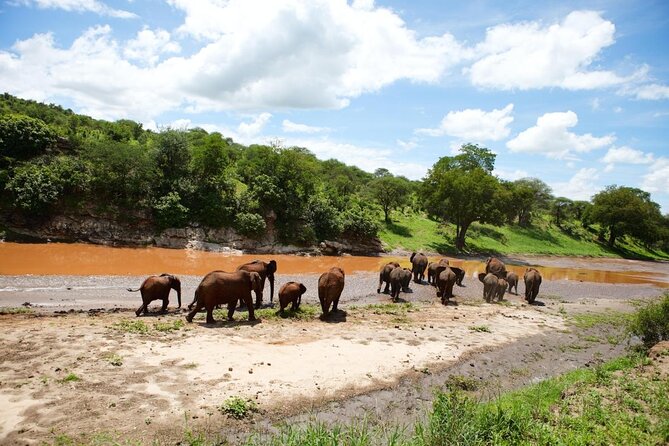
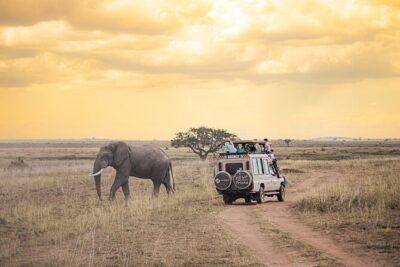
Tarangire is described as especially impressive in the dry season, when animals return to the permanent water of the Tarangire River. Large groups of wildebeest, zebra, elephant, eland, and oryx may gather there before the rains send them toward better grazing.
Because your trip falls between January and March, conditions may not match the dry-season pattern exactly. That is worth keeping in mind. Tarangire can still offer excellent viewing, but rainfall and animal movement influence what you see on the day.
The drive and park visit take about seven hours. You spend the night at Highview Coffee Lodge. The combination of a shorter first wildlife day and a lodge stop gives you a practical introduction to the pace of a safari.
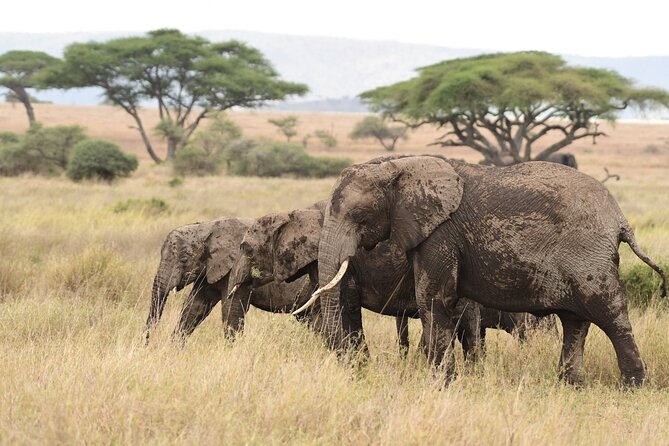
For you, the best part of Tarangire may be the focus on elephants. The park is also useful as a contrast to the Serengeti. You are not simply ticking off another park. You are seeing how water, trees, and grazing areas shape animal behavior.
Day 3: Olduvai Gorge and the first Serengeti night
Day three is a long one, listed at about twelve hours. After driving for three to four hours, you reach the Serengeti by way of Olduvai Gorge, with an optional 15-minute stop.
Olduvai Gorge is an archaeological site on the eastern plains of the Serengeti. It is associated with some of the earliest human fossil discoveries and sits within a setting shaped by the same tectonic forces that formed the Great Rift Valley millions of years ago.
The stop is optional and short, so do not expect an extended archaeological visit. Still, it adds meaning to the drive. You are not only crossing from one park to another. You are passing through a place tied to the story of early human development.
The Serengeti itself is the major prize. Its name is closely linked with open plains and free-ranging wildlife, and this is where your guide’s skill becomes especially important. A good guide helps you read the surroundings, track animal activity, and decide how to use limited daylight.
You spend the night at Serengeti Safari Lodge or a similar property. The wording or similar means the exact accommodation can change, so confirm the final lodge name before departure if that matters to you.
This is also the day when road comfort matters most. A twelve-hour schedule can include driving, park access, wildlife stops, and the Olduvai visit. Bring water, sun protection, and patience. You will have a fuller experience if you treat the road itself as part of the safari rather than as dead time.
A different kind of day out entirely:
- 5 Days Group Camping Safari
★ 5.0 · 730 reviews - Materuni Waterfalls, coffee tour & Kikuletwa Hot Springs
★ 5.0 · 643 reviews - 3 Days Serengeti & Ngorongoro Group Camping Safari
★ 5.0 · 574 reviews - 7-Day Premium Luxury Tanzania Safari All-Inclusive
★ 5.0 · 426 reviews
Day 4: A full Serengeti day with optional extras
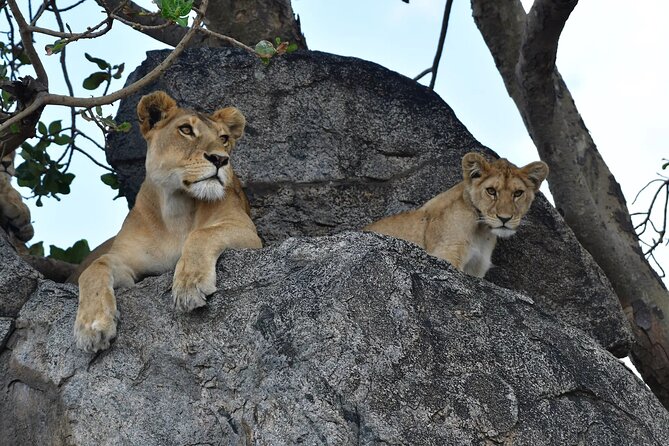
After breakfast, you spend another day inside the Serengeti. A picnic lunch comes with you, allowing more time in the park instead of returning to the lodge for a midday meal.
The listed game-viewing period is about six hours. That leaves enough time to search for animals at a calmer pace, though sightings depend on where wildlife is active that day. The Serengeti is large, and its appeal is not only the number of animals. It is the feeling of open space and the chance to watch animal behavior without rushing from one attraction to the next.
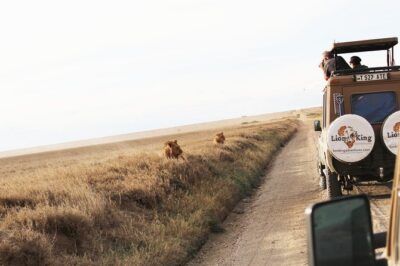
January to March can be an excellent period for seeing the calving cycle. You might find young wildebeest or other newborn animals, along with the predators that follow easy opportunities. Your guide can help explain what is happening, but nature does not follow a fixed schedule.
A walking safari or night safari may be available as an optional activity. Since those are not part of the core plan, ask about added cost, permits, timing, and exact availability before counting on them.
You spend a second night at Serengeti Safari Lodge or a similar property. I consider this one of the best design choices in the program. One night often feels like a transit stop. Two nights give you a better chance to enjoy the park and reduce the pressure to pack and move every morning.
Day 5: A crater full of wildlife
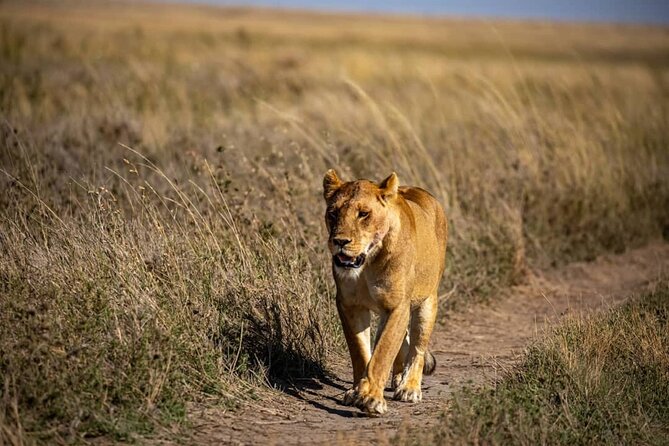
After breakfast, you drive to Ngorongoro Crater for a game drive inside the crater. The day lasts about seven hours, and the park admission is included.
Ngorongoro is one of Tanzania’s most concentrated wildlife settings. The crater floor includes grassland and water areas that draw many animals into a relatively compact space. The itinerary highlights black rhinos, lions, flamingos, water birds, leopards, cheetahs, hyenas, antelope, and small mammals.
No safari can promise all of these sightings. Black rhinos, in particular, are never a sure thing. Still, Ngorongoro gives you one of the better chances in Tanzania to look for them, and the enclosed setting can make animal searches feel more focused than in the broad Serengeti.
The crater also offers visual variety. One moment you may be watching large mammals on open ground. Later, the attention shifts to birds around water or smaller creatures near the grass. Keep binoculars ready, since not every worthwhile sighting is close to the vehicle.
You spend the night at Ngorongoro Safari Lodge or a similar property. Accommodation in or near park areas can save driving time, though the exact location affects how early you leave and how long you remain in the crater. Confirm the lodging arrangement if that detail matters to your comfort.
Day 6: Lake Manyara’s forests, marshes, and lake
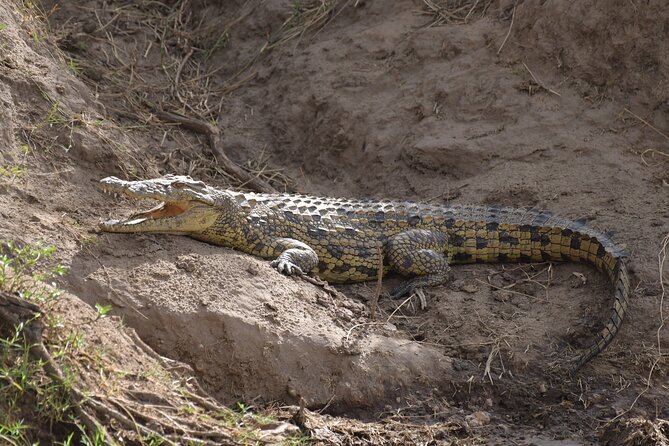
After breakfast, you leave camp for Lake Manyara National Park near the Rift Valley. The park offers a different setting from the Serengeti and Ngorongoro.
Lake Manyara includes acacia woodland, grassy plains, swamp, a delta, and the lake itself. That mix supports buffalo, impala, giraffe, warthogs, hippos, elephants, many birds, and several monkey species.
The park is also associated with rare tree-climbing lions. Seeing one is never guaranteed, but the possibility gives this stop a distinct character. Look up as well as across the plains. That is useful advice in a park known for animals in trees, even if the day produces more elephants, monkeys, or birds than lions.
The schedule runs about seven hours. Afterward, you return to Springlands Hotel or a similar property in Arusha. This return to a familiar hotel makes the final night simple and gives you a proper base before departure.
Lake Manyara is a good final park because it changes the pace and scenery after several large open areas. If your main goal is elephants, the lake area may be particularly appealing. If your priority is big-cat sightings, the Serengeti and Ngorongoro are likely to receive more of your attention.
Day 7: Airport transfer and possible Zanzibar extension
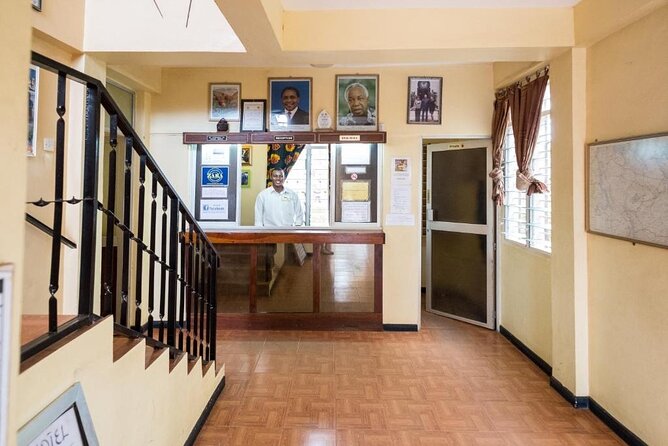
The final day includes a transfer to the airport and takes about five hours. The program can also be extended with a stay in Zanzibar or day trips.
That extension is useful if you want to add beaches or more sightseeing after the safari, but those arrangements are not part of the seven-day package described here. Ask for the added schedule and cost before booking flights.
Build flexibility into your departure plans. The program includes substantial driving, and exact timing can shift with road conditions, park activity, and the day’s route. A flight scheduled too soon after the expected transfer could create unnecessary stress.
Guides, group size, and the human side
The group limit of six is one of the most practical advantages here. A smaller vehicle group usually makes it easier to hear the guide, share sightings, and avoid the crowded feeling that can come with a full safari vehicle.
Yusuph receives especially strong praise for leading the trip and remaining with the group from start to finish. That continuity matters. You do not have to explain your interests to a new guide every morning, and a guide who understands your pace can shape the days more effectively.
Isdory is also noted for helping create a plan that balanced wildlife photography, comfort, and budget. If you care about photography, tell the company before arrival. The information available does not promise a specialist photography vehicle or special equipment, so you should confirm exactly what support is included.
Safety is presented as a priority, but the package does not list detailed safety procedures. Your best move is to ask about vehicle standards, emergency support, park rules, and communication while you are still arranging the trip.
Meals, hotels, and what the price really covers
The package includes six breakfasts, four lunches, and four dinners. That does not mean every meal across all seven days is clearly included, so ask which meals are covered on arrival, departure, and transfer days.
Accommodation includes Springlands Hotel, Highview Coffee Lodge, Serengeti Safari Lodge or a similar property, and Ngorongoro Safari Lodge or a similar property. The descriptions emphasize attractive surroundings and quiet settings, with some hotels inside parks and others outside park boundaries.
I would not book this expecting one uniform luxury standard. Similar-property substitutions can change the feel of the stay. The better expectation is a planned safari with comfortable lodge accommodation, meals on many days, and a mix of locations chosen for the route.
At $2,995, the package makes the most sense for you if you value convenience, a small group, park access, and experienced trip coordination. Insurance and international and local flights are not included, so add those costs before comparing the total with other safari options.
Who should book this safari?
This experience suits you if you want Tanzania’s major northern parks in one organized trip and prefer not to manage each transfer, lodge, and park entry yourself.
It is a good fit for first-time safari visitors, couples, small groups of friends, families with suitable fitness levels, and photographers who want time in both Tarangire and the Serengeti. Service animals are allowed, and a moderate level of physical fitness is recommended.
It may not suit you if you dislike long drives, want a fixed luxury hotel list, or need every meal and optional activity spelled out in advance. The itinerary includes long days, lodge substitutions, and optional walking or night safari activities that require clarification.
The cancellation terms are friendly if your plans change early. You receive a full refund when you cancel at least 24 hours before the local start time. Within 24 hours, no refund is provided, and changes are not accepted.
Should you book the seven-day elephant safari?
I would book this if your priority is a well-rounded northern Tanzania route with elephants, calving-season wildlife, two Serengeti nights, and a small group. The strongest reasons are the route, the manageable group size, and the continuity of guides such as Yusuph.
Before paying, confirm the exact airport, lodge names, meals included each day, and the cost and availability of optional walking or night safaris. If you are comfortable with long drives and a few accommodation details still marked as similar, the $2,995 price offers a useful amount of safari time across four major parks.
FAQ
Where does the safari start?
The safari starts in Arusha, Tanzania, with an airport pickup and transfer to Springlands Hotel.
Where does the safari end?
The activity ends back at the meeting point in Arusha, followed by an airport transfer for departure.
What time does the safari start?
The stated start time is 7:00 a.m.
How many people can join the safari?
The maximum group size is six people.
Which national parks are included?
The route includes Tarangire National Park, Serengeti National Park, Ngorongoro Crater, and Lake Manyara National Park.
Are meals included?
Six breakfasts, four lunches, and four dinners are included. Insurance and international and local flights are not included.
Is Olduvai Gorge included?
A stop at Olduvai Gorge is optional and is described as approximately 15 minutes.
Can I cancel for a full refund?
Yes. You can receive a full refund if you cancel at least 24 hours before the experience start time. Cancellations within 24 hours are not refunded.
Just added in Arusha
- Safari “Kifaru” – 5 days in the most famous Parks in the world★ 5.0 · 4 reviews
- Saadani Day Trip★ 5.0 · 13 reviews
- 3 Days Tanzania Short and Spicy★ 5.0 · 6 reviews
- 5 Day Tanzania Safari Camping Adventure Private Tour★ 5.0 · 2 reviews
- Day Trip to Ngorongoro Crater from Arusha★ 5.0 · 1 review
- SERENGETI NATIONAL PARK Tour★ 4.5 · 5 reviews
- 3 Days Serengeti Park & Ngorongoro Crater Adventure Safari★ 5.0 · 8 reviews
- 6 Days Tanzania Bush Experience Safari★ 5.0 · 6 reviews
7-Day Experiences, compared.
7-Day Premium Luxury Tanzania Safari All-Inclusive
Read our review →
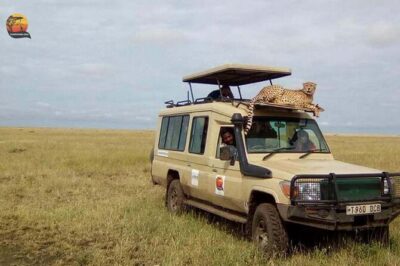
Group Safari 7 Days in Tanzania’s Main Parks
Read our review →
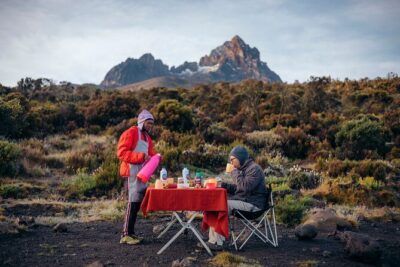
Climbing Kilimanjaro through 7 days Machame Route
Read our review →
7-Day Machame Kilimanjaro Summit Tour from Arusha
Read our review →Browse the lists this tour appears in