
Reviewed · MACHAME ROUTE CLIMBS
7 Days Mountain Kilimanjaro climb Machame Route
Kilimanjaro rewards patience more than speed. This Machame Route climb combines a private tent for each climber, organized support, and a summit schedule that gives you time to adjust to the mountain. I especially like the private sleeping setup, which avoids packing several people into one tent, and the attention given to food preferences by the camp chefs. The main caution is that the schedule contains a few unclear details, including the seven-day title versus the eight-day program and the order of the Karanga and Barafu camps.
I also like that the package includes transport, camping equipment, and most meals, so you do not need to arrange each major part yourself. The team aims to offer guidance for climbers speaking different languages, and the tone described by past customers is friendly, light, and helpful. Still, reaching the summit can never be guaranteed, no matter how strong the claimed success rate sounds, so you should arrive ready for a demanding high-altitude climb.
In This Review
- Key Points Before You Book
- What This Kilimanjaro Climb Really Offers
- Day One in Moshi: Briefing Before the Mountain
- Day Two: Machame Gate to Machame Hut
- Day Three: Machame Hut to Shira Camp
- Day Four: A Long 10-Kilometer Mountain Day
- Day Five: The Listed Karanga and Barafu Arrangement
- Day Six: Reaching Barafu Before the Summit Push
- Day Seven: Uhuru Peak and the Long Descent
- Day Eight: Mweka Gate and the Return to Moshi
- Food, Camping, and Personal Comfort
- Guides, Communication, and Group Style
- Is $2,000 a Fair Price?
- Booking Details and Cancellation
- Who Should Choose This Climb?
- Should You Book Bayango Tours & Safaris?
- FAQ
- How long is the Kilimanjaro Machame Route experience?
- What is the price per person?
- Is this a private activity?
- Are meals included?
- Is camping equipment included?
- Where does the climb start?
- Where does the mountain section finish?
- What fitness level is required?
- What is the cancellation policy?
Key Points Before You Book
- Private tents: You sleep in your own tent rather than sharing one crowded shelter with other climbers.
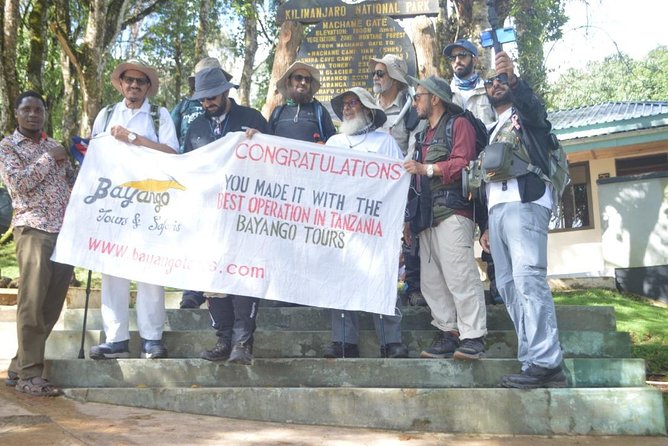
- Machame Route access: The climb begins at Machame Gate and finishes at Mweka Gate after the summit attempt.
- Midnight summit start: Summit day begins around midnight, with headlamps strongly recommended for the dark ascent.
- Meals included: Seven breakfasts and seven lunches are included, along with six dinners.
- Private group format: Only your group participates in this private activity.
- Eight-day structure: The program includes a Moshi arrival and briefing day, several mountain days, and transport back to Moshi.
What This Kilimanjaro Climb Really Offers
The Machame Route is a serious mountain trip, not a casual day excursion. You spend several nights camping, walk for multiple hours each day, and finish with a summit push that begins at midnight. The listed price is $2,000 per person, and that figure has value because transport, camping equipment, meals, and guiding support are built into the arrangement.
The private format is useful if you want your own group to set the pace and ask questions without being folded into a large mixed party. It also suits people who prefer a quieter camp routine. The private tent promise matters more than it may sound. After a long walking day, having your own sleeping space gives you a place to rest, organize clothing, and recover away from a crowded tent.
The company also says its chefs can work around your preferences and choices. That is worth discussing before departure, since the listed inclusions specify meals but do not spell out every dietary option. Drinks are mentioned in the general description, but they are not separately itemized in the included section, so ask exactly what is supplied and what you should bring or buy.
The experience is described as suitable for people with moderate physical fitness. That is a fair warning. The daily distances are not extreme on paper, but the altitude changes, repeated walking days, cold conditions, and long summit descent make the trip physically demanding. You should not judge the climb only by the first two days.
More Kilimanjaro climbs:
- 6 Days Climbing Mount Kilimanjaro Machame Route
★ 5.0 · 40 reviews - Kilimanjaro Climbing 5 days Marangu route
★ 5.0 · 22 reviews - Mountain Kilimanjaro Climbing 8 Days Lemosho Route
★ 5.0 · 10 reviews
Day One in Moshi: Briefing Before the Mountain
The first day begins in Moshi, where the team handles a trip briefing and checks your gear. This is one of the most useful parts of the whole arrangement because a gear check can catch problems before you are on the mountain. If something is missing or unsuitable, the briefing gives you a chance to raise it early.
The scheduled start time is 12:30 p.m. Pickup is offered, and private transportation is included. Past accounts describe an airport representative meeting arriving customers and taking them to the hotel, followed by a hotel pickup for the mountain drive the next morning. Since the supplied information does not specify every airport transfer condition, confirm whether your exact airport pickup is included when you book.
You may have time to see Moshi, take a short town tour, or enjoy its evening atmosphere. Keep this gentle. The practical goal is to sleep well, finish packing, and be ready for the early mountain schedule rather than squeeze too much sightseeing into the arrival day.
Day Two: Machame Gate to Machame Hut
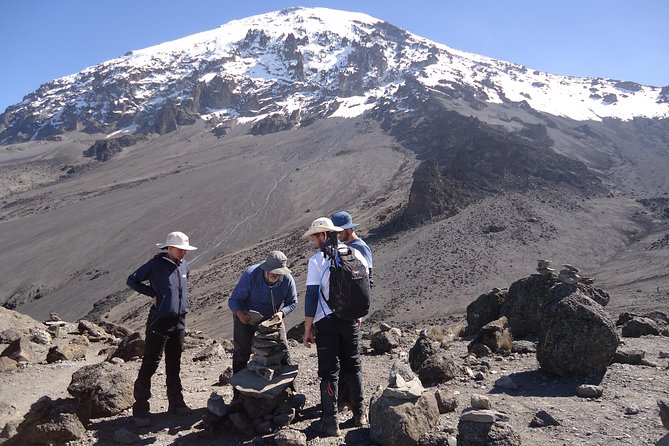
The climb begins at Machame Gate at about 1,830 meters. From there, you walk toward Machame Hut at roughly 3,000 meters, with an expected walking time of six to seven hours.
This first mountain day sets the rhythm for the entire trip. You gain altitude steadily, so the best approach is to walk slowly and listen closely to your guide. The team places strong emphasis on helpful techniques and information, which can be valuable here. A calm pace is not wasted time. It helps you conserve energy for the harder days ahead.
The first day can feel long because you are adjusting to your boots, pack, camp routine, and the altitude all at once. The private tent should make the evening more comfortable, though you still need to manage your personal kit carefully. Camping equipment is included, but you should confirm exactly what that package contains before arrival.
Day Three: Machame Hut to Shira Camp
The route continues from Machame Hut to Shira Camp at approximately 3,840 meters. The walk is listed at four to six hours, shorter than the first day but with a notable gain in height.
This is an important adjustment day. You may feel fine at the start and notice the altitude more clearly later. Drink according to your guide’s advice, keep your pace controlled, and do not treat a shorter walking time as an invitation to rush.
The camp at Shira marks a change in the feel of the trip. You are now well above the starting gate, and the mountain schedule becomes less forgiving. A private tent gives you more quiet time to rest, while the meal service helps you focus on eating enough for the next stage.
More Machame Route climbs:
- 7 Days Kilimanjaro via Machame route affordable price
★ 5.0 · 110 reviews - 7-Day Machame Route Kilimajaro
★ 5.0 · 28 reviews - 6 Days Machame Route Kilimanjaro Trekking
★ 5.0 · 13 reviews - Mount Kilimanjaro 7 Days – Machame Route
★ 5.0 · 5 reviews
Day Four: A Long 10-Kilometer Mountain Day
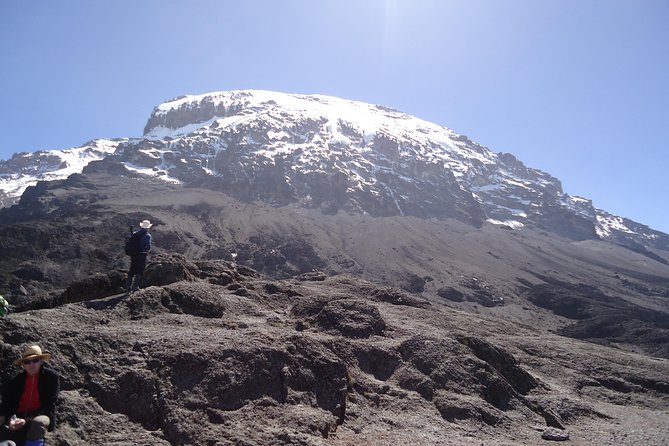
The fourth day covers 10 kilometers and takes about 6.5 to 8 hours. The supplied schedule does not identify the camp or destination for this section, so you should request the exact route and elevation profile before paying your final balance.
That missing detail matters. You need to know where you will sleep, how much altitude you gain, and what the guide considers the main challenge of this day. It is likely to be one of the longer stages before the summit preparation, but the precise information is not provided here, so I would not rely on assumptions.
Use this day to settle into a repeatable routine: breakfast, steady walking, rest stops, a proper meal, and an early night. You will need that discipline more than motivational speeches later in the climb.
Day Five: The Listed Karanga and Barafu Arrangement
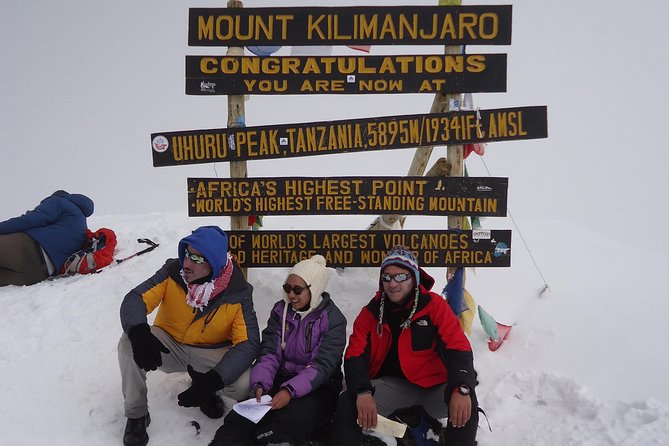
The schedule says the route from Barafu Camp to Karanga Camp covers five kilometers and takes up to five hours. It then lists the following day as a walk from Karanga back to Barafu, covering 4.6 kilometers in four to five hours.
That order is unusual as written. You should ask Bayango Tours & Safaris to confirm whether the camps have been listed in reverse, or whether the plan includes a specific acclimatization movement that explains the sequence. This is not a minor paperwork point. Your sleeping altitude and summit preparation depend on the actual camp order.
If the intended plan is a move between Karanga and Barafu, the walking times remain manageable compared with summit day. Still, the higher camps are where rest becomes especially important. Keep your personal gear light and organized, and make sure the guide explains the next morning’s start time and clothing needs.
Day Six: Reaching Barafu Before the Summit Push
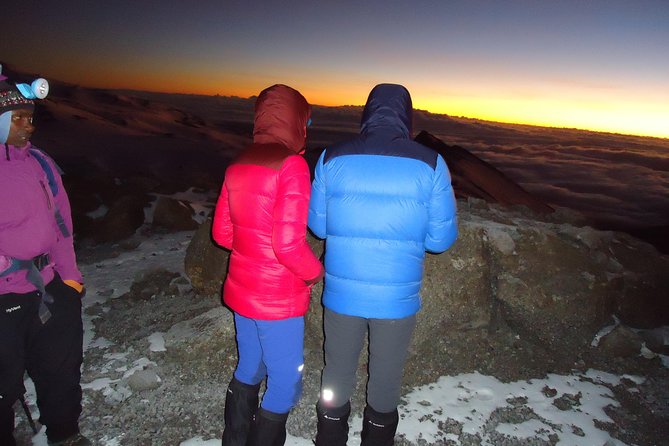
The program places you at Barafu Camp after a four to five-hour walk from Karanga Camp. Barafu is presented as the final preparation point before the midnight ascent.
This is not the day to spend energy unnecessarily. Eat the supplied dinner, prepare your headlamp and warm layers, and try to sleep even if the timing feels awkward. The schedule is built around waking near midnight, so your rest period may be short.
The team says it will wake with you and support you through the summit attempt. That shared start can help you feel less alone when the mountain is dark and the air is cold. It also means the guide’s pacing and communication will matter greatly. Before this point, ask how the group will handle different walking speeds and what happens if someone needs to stop or turn back.
Day Seven: Uhuru Peak and the Long Descent
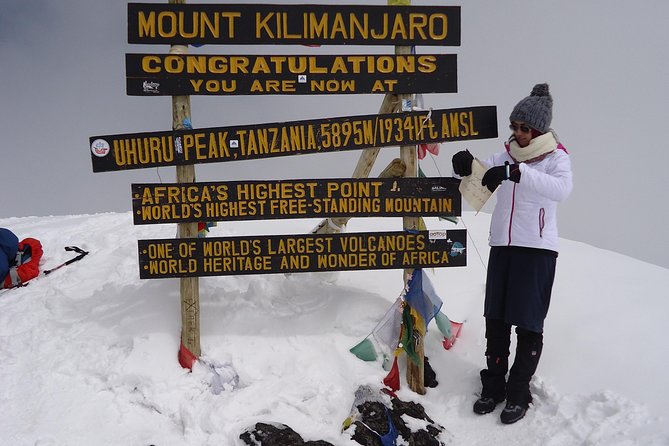
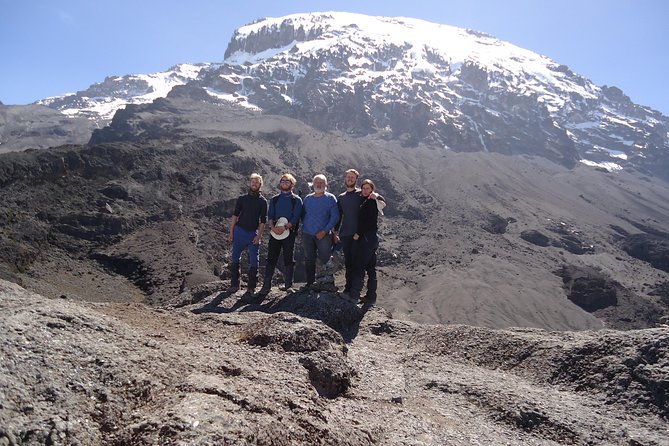
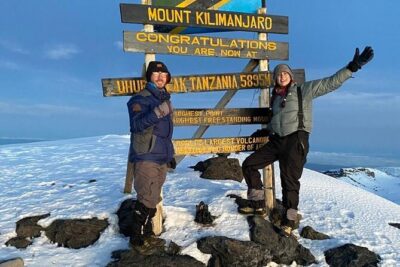
Summit day is the hardest section by a wide margin. You start around midnight with a headlamp, climb from roughly 15,300 feet to the summit at 19,345 feet, then descend toward Mweka Hut at about 10,000 feet.
The listed distance is five kilometers uphill and 12 kilometers downhill. The ascent is expected to take seven to eight hours, followed by four to six hours of descent. In other words, this is a full day of effort after a short night of rest.
The midnight start has a practical purpose. It allows the summit attempt to reach its highest point early in the day, but it also makes fatigue a major factor. Go slowly. Keep warm. Follow the guide’s instructions, and tell the team promptly if you feel unwell. The route back down is not an easy victory lap. Twelve kilometers of descent can be hard on tired legs.
The program identifies the summit as Uhuru Peak in the customer accounts, though the formal schedule simply calls it the summit. Reaching the top depends on many factors, including altitude response, weather, pace, and health on the day. The company’s confident language about every climber reaching the summit should be treated as encouragement, not a promise.
Day Eight: Mweka Gate and the Return to Moshi
After sleeping at Mweka Hut, you continue to Mweka Gate and then drive back to your Moshi hotel. The return transport is included, and the stated duration for this final day is about eight hours.
This day gives you a clear endpoint, but it is still a walking day before the drive. You may be tired and ready for a shower, a full meal, and a proper bed. The schedule says the team can help arrange an Arusha National Park day trip if you have extra time, along with other Tanzania trips such as safari, Zanzibar, and cultural tours.
Treat that optional touring as a separate decision. You may want to continue exploring Tanzania, but allow yourself enough recovery time after the climb. The mountain program itself is the main commitment.
Food, Camping, and Personal Comfort
Seven breakfasts and seven lunches are included, as well as six dinners. That meal count broadly matches a program with one hotel-based arrival day and several nights on the mountain, but you should ask which meals are served at the hotel and which are prepared at camp.
The company describes professional chefs who consider preferences and choices. This is a valuable feature because regular meals support energy over a long climb. Tell the operator about dietary needs before the trip, and confirm how they will be handled rather than assuming every request is automatically covered.
Camping gear is included, and private tents are promised. The information does not provide a complete packing list or specify the brand and type of equipment, so ask what you must bring personally. The excluded items include tips and personal items. Budget for those separately, and clarify whether drinks, snacks, and specialty food are part of the package or your responsibility.
Guides, Communication, and Group Style
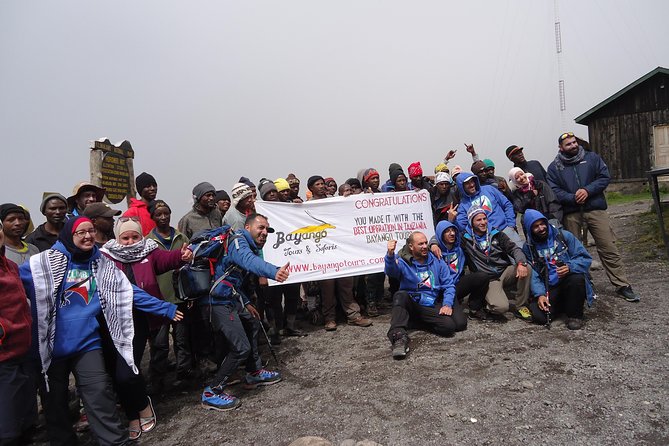
The team is described as experienced, friendly, and able to guide people speaking different languages. The strongest personal praise centers on organization, gentle handling of concerns, humor, and a good overall spirit. One account also describes airport assistance and a smooth transition from the hotel to the mountain.
Those details matter because a Kilimanjaro climb is made up of many small tasks: checking equipment, keeping to a safe pace, setting up camp, serving meals, and explaining the next stage. Good coordination reduces stress.
At the same time, only four ratings are shown, so the perfect five-star score is based on a small sample. I would view the positive pattern as encouraging rather than final proof of a guaranteed outcome. Ask who your lead guide will be, how many people will be in your private group, and how the company handles a climber who cannot continue.
Is $2,000 a Fair Price?
At $2,000 per person, the price is attractive for a private, multi-day climb that includes private transportation, camping gear, seven breakfasts, seven lunches, six dinners, and guiding support. You are paying for more than access to the mountain. You are also paying for food logistics, camp organization, route management, and the drive back to Moshi.
The value depends on what the camping equipment covers and whether airport transfers, drinks, and personal snacks are extra. A low headline price can change once you add equipment rental, tips, transport, and food not included in the package. Ask for a written list of inclusions before booking.
The private group format improves the value for families or friends who want to climb together. Solo climbers should ask whether the quoted price changes if they are the only person in the group.
Booking Details and Cancellation
Confirmation is provided at booking, and the experience is listed as a private activity. Public transportation is nearby, though the tour itself includes private transportation and pickup is offered.
You can cancel for a full refund if you do so at least 24 hours before the local start time. A cancellation made within 24 hours is not refunded, and changes made inside that period are not accepted. Since mountain plans involve flights, hotels, and equipment, read this timing rule carefully before making last-minute changes.
Who Should Choose This Climb?
I would recommend this trip to a reasonably fit climber who wants a private group, personal tent, organized meals, and direct guide support. It is also a sensible choice for people who want to combine Kilimanjaro with later safari, Arusha, Zanzibar, or cultural plans.
I would be more cautious if you need a fully itemized route, a published equipment list, or a tightly verified camp schedule before booking. The unclear fourth-day destination and the Karanga to Barafu ordering should be corrected in writing. You should also be comfortable with the possibility that altitude may stop you from reaching the top.
Should You Book Bayango Tours & Safaris?
Book it if the private tent, private group format, included meals, and hands-on organization match your priorities. The strongest parts are practical: personal sleeping space, a gear check, camp cooking, transport, and a team described as warm and responsive.
Before you commit, ask Bayango Tours & Safaris to confirm the exact eight-day schedule, the camp order, the full equipment list, the drink policy, and the procedure if a climber must turn back. If those answers are clear and your fitness is suitable, this offers a well-supported way to tackle the Machame Route at a competitive price.
FAQ
How long is the Kilimanjaro Machame Route experience?
The program is described as approximately eight days, although its title refers to seven days. The schedule includes a Moshi briefing day, mountain stages, the summit attempt, descent to Mweka Gate, and transport back to Moshi.
What is the price per person?
The listed price is $2,000 per person.
Is this a private activity?
Yes. Only your group participates in the activity.
Are meals included?
Yes. The package includes seven breakfasts, seven lunches, and six dinners.
Is camping equipment included?
Yes. Camping gear is included, and the company says each climber receives a private tent.
Where does the climb start?
The climb starts at Machame Gate, at an elevation of about 1,830 meters.
Where does the mountain section finish?
The mountain section finishes at Mweka Gate, followed by a drive to your hotel in Moshi.
What fitness level is required?
The activity states that climbers should have a moderate level of physical fitness. The program includes walking days of up to eight hours and a summit day with seven to eight hours of ascent followed by four to six hours of descent.
What is the cancellation policy?
You receive a full refund if you cancel at least 24 hours before the local start time. Cancellations or changes made within 24 hours are not accepted for a refund.
Just added in Kilimanjaro
- Tanzania Wildlife Encounters – 6 Days★ 5.0 · 1 review
- Day Trip To Tarangire National Park★ 4.5 · 2 reviews
- Mount Kilimanjaro 7 Days – Machame Route★ 5.0 · 5 reviews
- 5 days Serengeti Wildebeest Migration Safari★ 5.0 · 3 reviews
- Mount Kilimanjaro 6 days – Machame route★ 4.0 · 5 reviews
- Marangu Cultural tour.★ 5.0 · 1 review
- Lemosho Route★ 5.0 · 21 reviews
- Airport Transfers at Kilimanjaro International Airport – JRO★ 5.0 · 2 reviews
Machame Route Climbs, compared.



Climbing Kilimanjaro through 7 days Machame Route
Read our review →
7-Day Machame Kilimanjaro Summit Tour from Arusha
Read our review →
7 Days Kilimanjaro via Machame route affordable price
Read our review →
#1. Best Kilimanjaro Day hike Tour-Machame Route-ISMANI
Read our review →
The Best of Machame Route in 6 Days: Your World’s Summit Guide
Read our review →Browse the lists this tour appears in