
Reviewed · 7-DAY EXPERIENCES
7 Days Tour Northern Tanzania Safari:
Big wildlife, long roads, simple camps. This seven-day Northern Tanzania safari links five major parks, from elephant country in Tarangire to the lion-filled plains of Serengeti and the wildlife-rich floor of Ngorongoro Crater. I like the route for two clear reasons: the park variety is excellent, and the private format lets your group travel with its own guide and 4WD Land Cruiser. The main tradeoff is time. Several days involve long drives, and public campsites can feel basic, especially at Ngorongoro Simba Campsite.
I also like the attention given to food and communication. John handled arrangements quickly, guide Eli is praised for finding animals and driving well, and cook Amid prepared fresh meals. Still, you should not book this expecting lodge comfort. This is a value-focused safari built around game drives, picnic lunches, camping, and early starts.
In This Review
- Five details that shape this safari
- The route at a glance: five parks, very little wasted space
- Day 1: Tarangire brings elephants and baobabs
- Day 2: The long road to Serengeti
- Days 3 and 4: More time in Serengeti, then the crater rim
- Day 5: Ngorongoro Crater packs wildlife into one day
- Day 6: Lake Manyara adds forest, birds, and tree-climbing lions
- Day 7: Arusha National Park and the final airport transfer
- Camping, meals, and the practical side of the trip
- Guide quality and the value of a private vehicle
- Who should book this seven-day safari?
- Should you book it?
- FAQ
- How long is the Northern Tanzania safari?
- Which national parks are included?
- Is this a private tour?
- What meals are included?
- Where does the tour stay?
- Can I cancel for a full refund?
Five details that shape this safari
- Five national parks in seven days: Tarangire, Serengeti, Ngorongoro, Lake Manyara, and Arusha National Park all appear on the route.
- Private touring: Only your group participates, with a private guide and pickup offered.
- A 4WD Land Cruiser: The vehicle is equipped for safari viewing, giving you a practical base for long game drives.
- Seronera as your Serengeti base: Two nights here allow more time to search for lions, cheetahs, elephants, buffalo, and migrating herds.
- Basic public camping: Panorama, Seronera, Simba, and Fanaka campsites are part of the plan, with a hotel night after Lake Manyara.
- Meals included: The price includes seven breakfasts, seven lunches, six dinners, and parking fees. Tips are extra.
The route at a glance: five parks, very little wasted space
At $2,724.36 per person, this is not a budget day trip. But the price covers seven days, private touring, park access costs listed as parking fees, accommodation, transport, and almost all meals. You are paying for a broad Northern Tanzania circuit rather than a single park visit.
The route is ambitious. You begin near Arusha, head to Tarangire, continue to Serengeti through the Ngorongoro area, spend time at the crater, visit Lake Manyara, and finish with Arusha National Park before airport drop-off. That gives you plenty of variety, but the tradeoff is long time in the vehicle. The drive from Arusha to Tarangire alone is about 130 kilometers and two hours, while the trip onward to Serengeti takes much of Day 2.
I would choose this tour if you want to see as much of Northern Tanzania as possible in one organized trip. I would look for a slower plan if you prefer extra time at camp, private lodge rooms, or several relaxed mornings.
A few more options to weigh up in Arusha
- Balloon Safari & Bush Breakfast in Serengeti – Miracle Experience
★ 5.0 · 1,646 reviews - Tanzania Classic – 7 Days
★ 5.0 · 1,151 reviews - 4 Days Group Camping Safari
★ 5.0 · 1,101 reviews
Day 1: Tarangire brings elephants and baobabs
After breakfast, you leave Arusha early for Tarangire National Park. The stated drive is about two hours, which makes this a manageable opening day compared with the longer transfers that follow.
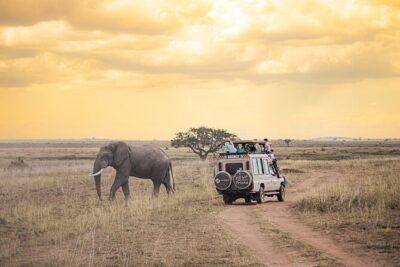
Tarangire is known for large elephant herds, baobab trees, and the Tarangire River. The river flows throughout the year and draws both predators and prey, giving your guide a useful place to begin looking for wildlife. You may see animals gathering near water, with the baobabs providing some of the most memorable scenery of the trip.
The appeal of Tarangire is its strong sense of place. It does not feel like a simple warm-up stop. The combination of huge trees, open country, and elephants gives you an immediate introduction to safari life.
Dinner and overnight accommodation are at Panorama campsite. The name of the camp suggests views, but the supplied details do not describe facilities, so you should expect a practical camping stop rather than hotel service. Ask before departure what bedding and washing arrangements are supplied, since those details are not stated.
Day 2: The long road to Serengeti
Breakfast is scheduled for 7:30 a.m., followed by an 8 a.m. pickup from camp. You travel toward Serengeti with a packed picnic lunch and game drives along the way, passing via the Ngorongoro Crater rim.
This is a full travel day, but it is not dead time. The road through the Ngorongoro area gives you changing views and the chance to spot animals before reaching Serengeti. Your driver-guide also explains the wildlife and surroundings as you go, which matters on a transfer of this length.
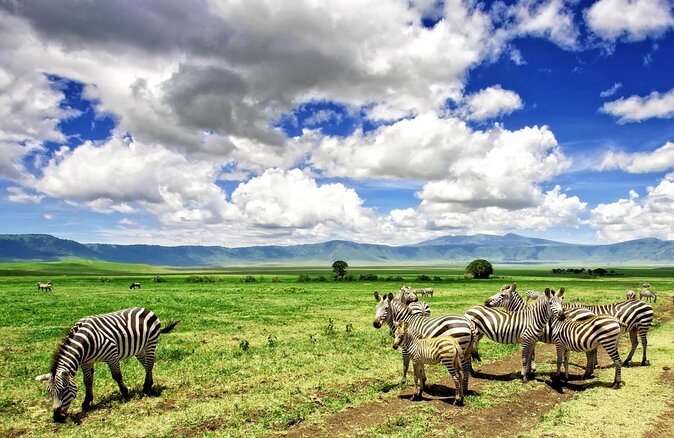
Serengeti is the major wildlife prize on this route. The park is associated with lions and the Great Migration, but the animal list here is much broader: leopard, elephant, cheetah, buffalo, zebra, wildebeest, eland, wild dog, gazelles, and crocodiles are all possible targets.
You finish with a late afternoon game drive before dinner and overnight accommodation at Seronera campsite. That late-afternoon timing is useful because it gives you an immediate look at the park rather than waiting until the following morning.
Days 3 and 4: More time in Serengeti, then the crater rim
Day 3 is devoted to morning and afternoon game drives in Serengeti National Park. This is one of the strongest parts of the schedule because you sleep two nights at Seronera instead of changing camps every night.
The guide’s skill matters most here. Serengeti is very large, and the route says game drives will depend on the movement of the migrating herds. You are not following a fixed animal route. The guide uses current information from other safari vehicles and personal experience to decide where to search.
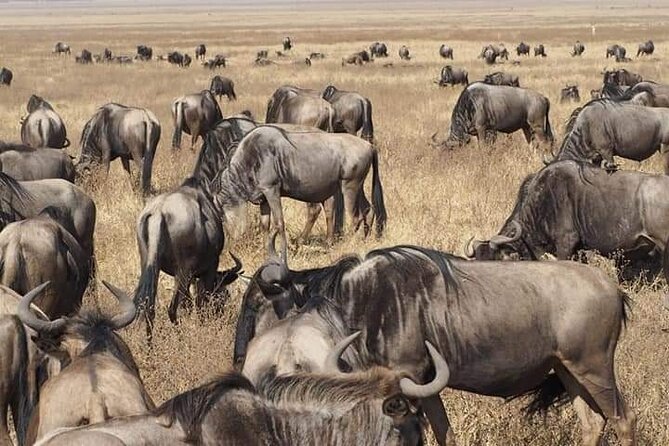
The Great Migration follows the rains. The supplied seasonal outline places the herds moving south between October and November, then returning after the main rains in April, May, and June. The exact sighting depends on timing, so a migration safari never guarantees that you will see a river crossing or a huge herd in one particular place.
Even outside the main movement, Serengeti remains worthwhile. Lions, cheetahs, elephants, buffalo, zebras, and many smaller animals can keep the day full. You spend another night at Seronera campsite, which saves you from packing up after every game drive.
Day 4 begins with an early game drive, followed by an early lunch and the journey toward Ngorongoro. This is another day where the drive forms part of the experience. The guide continues describing the animals and natural features along the way before you reach the crater rim.
Dinner and overnight accommodation are at Ngorongoro Simba Campsite. The rim location gives this stop a dramatic setting, but the camping is basic. One published account specifically singled out Simba campsite as uncomfortable and suggested upgrading to tented camps with better tents. That is useful advice if sleep and camp facilities matter to you.
A different kind of day out entirely:
- 5 Days Group Camping Safari
★ 5.0 · 730 reviews - Materuni Waterfalls, coffee tour & Kikuletwa Hot Springs
★ 5.0 · 643 reviews - 3 Days Serengeti & Ngorongoro Group Camping Safari
★ 5.0 · 574 reviews - 7-Day Premium Luxury Tanzania Safari All-Inclusive
★ 5.0 · 426 reviews
Day 5: Ngorongoro Crater packs wildlife into one day
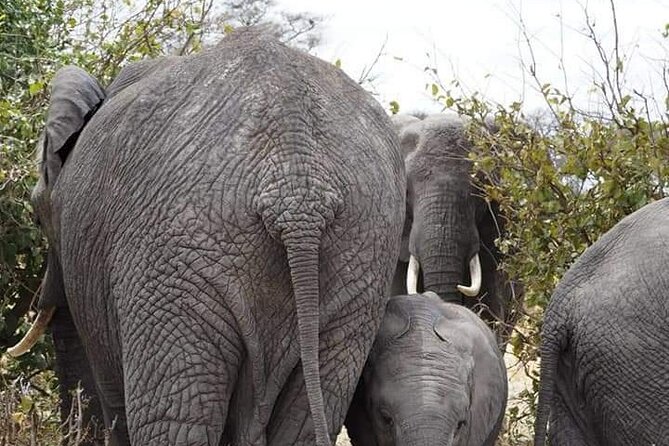
You start at 7 a.m. with a picnic lunch and spend five to six hours on a game drive inside Ngorongoro Crater. The crater walls rise about 2,000 feet, and relatively few animals migrate in and out. That natural enclosure makes the crater one of the more dependable places on the route for concentrated wildlife viewing.
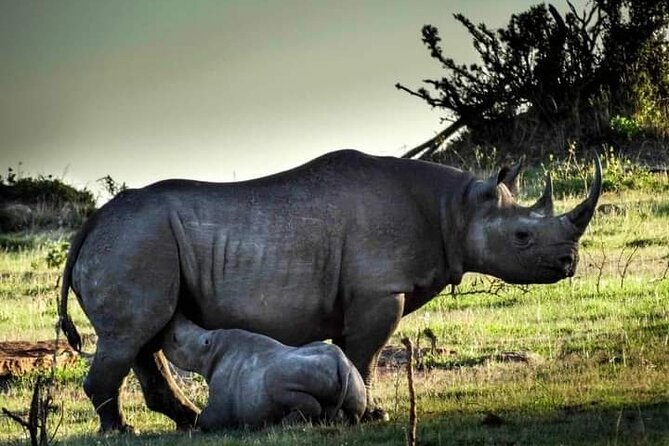
Possible sightings include lions, elephants, zebras, hippos, flamingos, jackals, antelopes, rhinos, and many bird species. No sighting is promised, of course, but the crater’s enclosed setting gives your guide a focused area to work.
This is also where radio contact between safari drivers can help. The driver-guide is described as staying in contact with other vehicles and locating animals that are difficult to spot. Guide Eli receives particular praise for his ability to find wildlife, his driving, and his knowledge of the area. If you can request a guide, asking for Eli is a practical step, subject to availability.
After the crater visit, you drive to Fanaka campsite for dinner and overnight accommodation. The day combines an early start, several hours on rough park roads, and another transfer, so it may be tiring. The payoff is a concentrated wildlife day in one of Tanzania’s most unusual natural settings.
Day 6: Lake Manyara adds forest, birds, and tree-climbing lions
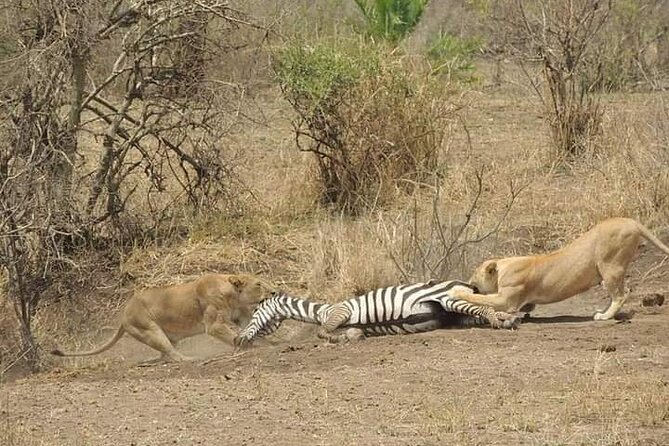
After breakfast, you continue to Lake Manyara National Park with a packed lunch. The park is shaped by the lake, the Great Rift Valley, forest near the entrance, and hot springs to the west.
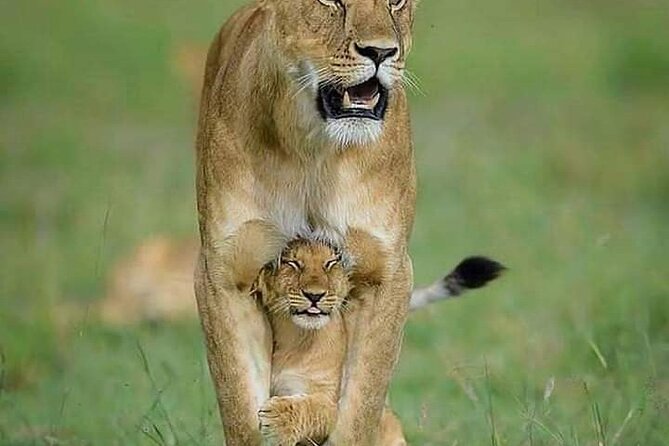
The animal mix changes here. You may look for tree-climbing lions, buffalo, giraffes, hippos, troops of baboons, flamingos, ostriches, Egyptian geese, and other birds. That range gives Lake Manyara a different feel from the broad Serengeti plains and the enclosed crater.
The park is especially useful for variety. If your main goal is the Great Migration, Lake Manyara is not the star. If you want forests, water, primates, birds, and a chance to see lions in trees, it earns its place on the route.
You have a picnic lunch during the game drives, followed by more afternoon viewing. Dinner and overnight accommodation are at a hotel, although the hotel name and standard are not provided. I would confirm the property and room arrangements before paying, particularly because the rest of the trip uses campsites.
Day 7: Arusha National Park and the final airport transfer
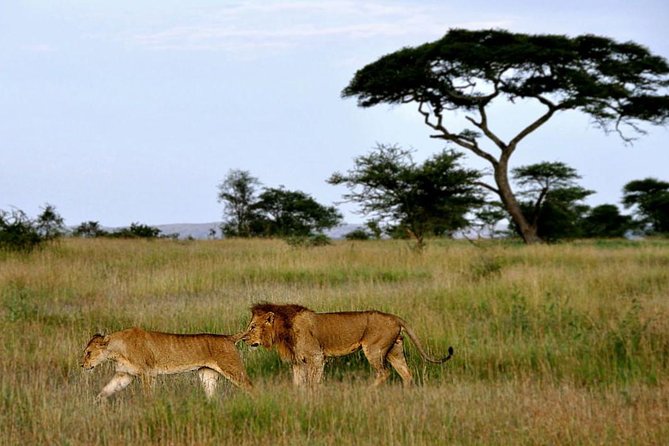
The final day begins from Arusha with a private guide and a short drive of about 40 minutes to Arusha National Park. This is a convenient finish because you do not spend the whole day on a long interpark transfer.
Arusha National Park has a wide range of plants and animals. The visit includes Ngurdoto Crater, often called Little Ngorongoro, where buffaloes, waterbucks, giraffes, warthogs, and zebras can be seen year round. Birdlife adds another reason to bring binoculars.
The area was also used for the film Hartari, starring Hardy Kruger and John Wayne. That small piece of film history gives the park an extra talking point, though the wildlife remains the real reason to visit.
You return to Arusha in the evening, then receive airport drop-off at the end of the tour. The exact flight timing is not provided, so I would not schedule a tight international departure without confirming the return time with the operator.
Camping, meals, and the practical side of the trip
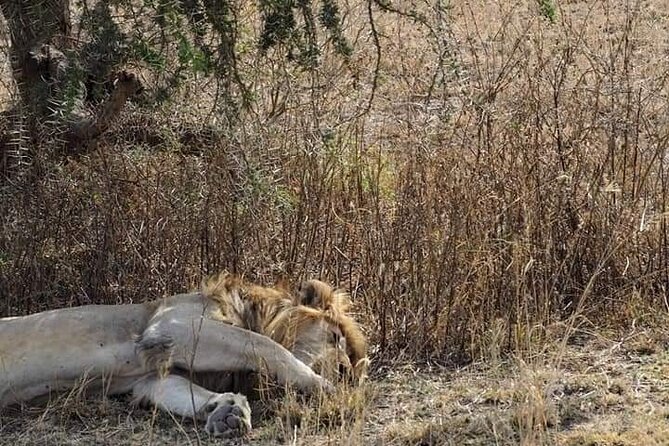
The included meals are a real part of the value. You receive breakfast every day, lunch every day, and six dinners. Several lunches are packed for game drives, which keeps the schedule moving and avoids returning to camp simply to eat.
Food quality can make or break a camping safari. Cook Amid is praised for using fresh ingredients and preparing good meals, so the food appears to be a strong point of the operation. Still, ask about dietary needs in advance because no specific dietary arrangements are listed.
The campsites are the main comfort concern. Panorama, Seronera, Ngorongoro Simba, and Fanaka are named, but the supplied details do not explain whether tents, mattresses, sleeping bags, showers, or toilets are provided. You should get those answers before departure.
The public-camp setting can also mean less privacy and fewer comforts than a private tented camp. If you are happy to trade polished accommodation for more time in the parks, the setup may suit you. If you need reliable sleep after early game drives, ask about an upgrade.
Guide quality and the value of a private vehicle
The tour is private, so only your group participates. That is important in a safari vehicle. You can discuss pace, photography stops, and how long to watch an animal without coordinating with strangers.
The guide is central to the experience. The supplied feedback praises quick communication from John, friendly service, and practical advice during planning. Eli is specifically recommended for wildlife knowledge, animal location skills, and safe driving. These details point to an operator that pays attention to the human side of the trip, not only park access.
A 4WD Land Cruiser with viewing equipment is used. The exact seating layout and roof design are not given, so ask for a vehicle photo if photography access is important to you. You will spend many hours inside it, and comfort, window access, and storage space matter.
The tour also includes parking fees, but the price details do not spell out every park fee or possible conservation charge. Ask for a full cost breakdown before booking so you know if any additional charges apply beyond tips.
Who should book this seven-day safari?
I would recommend it to you if:
- You want the major Northern Tanzania parks in one trip.
- You prefer a private group rather than a shared vehicle.
- You care more about wildlife time than upscale rooms.
- You can handle early mornings, picnic lunches, and long drives.
- You want a guide who can adjust searches according to animal movements.
- You like having most meals included in one upfront price.
I would be more cautious if you want a gentle holiday with late breakfasts and little time on the road. I would also ask about tented-camp upgrades if public camping sounds uncomfortable.
Communication appears to be a strength. John is described as quick to answer through email or app, and the operator has been praised for meeting specific needs. That is valuable before a complex safari, when small misunderstandings about pickup times, camp gear, or meals can cause large problems.
Cancellation is flexible up to 24 hours before the start time for a full refund. Within 24 hours, no refund is offered. Poor weather or failure to meet the minimum number of participants can lead to a different date or a full refund, according to the stated terms.
Should you book it?
Book this safari if your priority is maximum park variety and strong wildlife potential in a single seven-day trip. Tarangire’s elephants, Serengeti’s open plains, Ngorongoro’s concentrated wildlife, Lake Manyara’s forest and birds, and Arusha National Park create a full picture of Northern Tanzania.
The decision comes down to comfort. At $2,724.36 per person, the package offers a lot for seven days, especially with private transport, meals, park access costs, and airport drop-off included. But the camping is basic, the route is busy, and the long drives are part of the bargain.
Before booking, confirm the vehicle setup, camping equipment, hotel name, dietary arrangements, and the possibility of upgrading Simba campsite. If those answers suit you, this is a practical and ambitious safari with a good chance of memorable wildlife encounters.
FAQ
How long is the Northern Tanzania safari?
The tour lasts approximately seven days, beginning and ending in the Arusha area.
Which national parks are included?
The route includes Tarangire National Park, Serengeti National Park, Ngorongoro Crater, Lake Manyara National Park, and Arusha National Park.
Is this a private tour?
Yes. Only your group participates, and pickup is offered.
What meals are included?
The package includes seven breakfasts, seven lunches, and six dinners. Picnic lunches are used on several game-drive days.
Where does the tour stay?
Overnight stops include Panorama campsite, Seronera campsite for two nights, Ngorongoro Simba Campsite, Fanaka campsite, and a hotel after Lake Manyara. The hotel name is not specified.
Can I cancel for a full refund?
You can cancel at least 24 hours before the experience start time for a full refund. Cancellations within 24 hours are not refundable.
Just added in Arusha
- Safari “Kifaru” – 5 days in the most famous Parks in the world★ 5.0 · 4 reviews
- Saadani Day Trip★ 5.0 · 13 reviews
- 3 Days Tanzania Short and Spicy★ 5.0 · 6 reviews
- 5 Day Tanzania Safari Camping Adventure Private Tour★ 5.0 · 2 reviews
- Day Trip to Ngorongoro Crater from Arusha★ 5.0 · 1 review
- SERENGETI NATIONAL PARK Tour★ 4.5 · 5 reviews
- 3 Days Serengeti Park & Ngorongoro Crater Adventure Safari★ 5.0 · 8 reviews
- 6 Days Tanzania Bush Experience Safari★ 5.0 · 6 reviews
7-Day Experiences, compared.
7-Day Premium Luxury Tanzania Safari All-Inclusive
Read our review →
Group Safari 7 Days in Tanzania’s Main Parks
Read our review →
Climbing Kilimanjaro through 7 days Machame Route
Read our review →
7-Day Machame Kilimanjaro Summit Tour from Arusha
Read our review →Browse the lists this tour appears in