
Reviewed · LEMOSHO ROUTE CLIMBS
7 days_Mount kilimanjaro Hiking Lemosho Route
The mountain gives you time to adjust. This seven-day Lemosho trek is appealing because it uses a slower first half, gives you extra time around the Shira Plateau, and includes a strong acclimatization day before the summit push. I especially like the gentle move from Forest Camp to Shira Camp 1, and the chance to spend time near Moir Hut at 13,800 feet. The main drawback is that this remains a very demanding climb, particularly the long fifth day and the night-time summit attempt.
At $3,400 per person, the package includes park fees, rescue fees, transfers, accommodation, a professional guide, meals, and purified drinking water. That makes the price easier to understand than a bare trail permit, but you should check exactly what equipment and staff support are included before paying. The public information does not list international flights, visas, or tips, and those costs are yours.
In This Review
- Key points to know before booking
- Why the seven-day Lemosho route makes sense
- Day 1: Londorossi Gate to Forest Camp
- Day 2: Shira Camp 1 and the change to open moorland
- Day 3: Shira Plateau to Moir Hut
- Day 4: Lava Tower, then down to Barranco
- Day 5: Barranco Wall, Karanga, and Barafu
- Day 6: The summit push and descent to Millennium Camp
- Day 7: Mweka descent and return to Moshi
- What the $3,400 price includes
- Food, water, and daily comfort
- Guide support and the human side of the climb
- Who should choose this route?
- Should you book the seven-day Lemosho climb?
- FAQ
- How long is the Kilimanjaro Lemosho experience?
- Where does the experience start?
- What is the highest elevation reached?
- Are meals included?
- Are park and rescue fees included?
- Is hotel accommodation included?
- What fitness level is required?
- What happens if the weather is poor?
Key points to know before booking
- Seven days gives you better acclimatization: The extra day breaks up the early climb and exposes you to 13,800 feet before the higher camps.
- The Lemosho start feels remote: The route begins at Londorossi Gate and passes through forest before reaching the open moorland of the Shira Plateau.
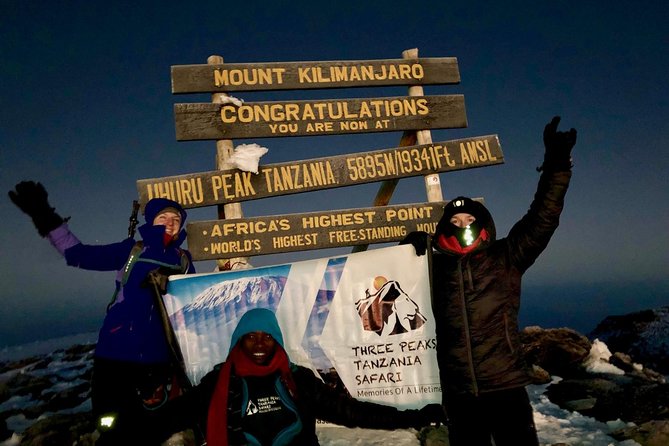
- The summit day is still severe: You leave around 2:00 am, climb toward Stella Point at 18,600 feet, reach the summit at about 19,345 feet, then descend a long way.
- The package includes the essentials: Park and rescue fees, transfers, accommodation, meals, drinking water, and professional guiding are included.
- The group can reach 15 people: That is small enough for a shared mountain experience, but not as intimate as a private climb.
- Good guide support matters here: Rafael and Frank are specifically praised for guiding and for speaking French, which may help French-speaking climbers.
Why the seven-day Lemosho route makes sense
Kilimanjaro is not a technical climb in the usual mountaineering sense, but altitude makes it serious. Your legs may feel ready while your body is still struggling to use less oxygen. The seven-day Lemosho plan helps by avoiding the sharper early jump found on the six-day version.
The first useful feature is the move from Forest Camp to Shira Camp 1, gaining about 2,000 feet over 8 kilometers. That is a reasonable introduction. The next day carries you higher to Moir Hut, at 13,800 feet, giving your body an early taste of thin air.
The route then follows the valuable climb-high, sleep-lower pattern. You reach the Lava Tower area at about 16,000 feet on day four, then sleep at Barranco Camp at 13,000 feet. This does not make the trek easy, but it gives the schedule a better rhythm.
You still need moderate physical fitness. The hardest portion is not one single feature. It is the combination of steep climbs, cold, limited sleep, altitude, and the long descent after the summit.
More Lemosho Route climbs:
- 8-Day Small-group Lemosho Kilimanjaro Summit Trekking
★ 5.0 · 186 reviews - 8 Days Mountain Kilimanjaro Lemosho Route
★ 5.0 · 22 reviews - 7 Day Kilimanjaro Climb Lemosho Route & 2 Day Safari
★ 5.0 · 16 reviews
Day 1: Londorossi Gate to Forest Camp
Your day begins at about 6:00 am, leaving the Arusha area or Moshi for Londorossi Gate. The drive takes around four hours, and registration is completed there before you continue to the Lemosho trailhead.
After lunch at the trailhead, you begin in the rain forest. The day covers about 6 kilometers, with elevation rising from roughly 7,800 to 9,500 feet. Walking time is listed at three to four hours, though the full day lasts longer once registration, driving, lunch, and camp arrangements are counted.
This is a pleasant opening because the forest provides shade and a gradual start. You are not thrown straight into an exposed high-altitude route. The drawback is simple: the long vehicle transfer makes this more than a short hiking day, so be ready for an early start.
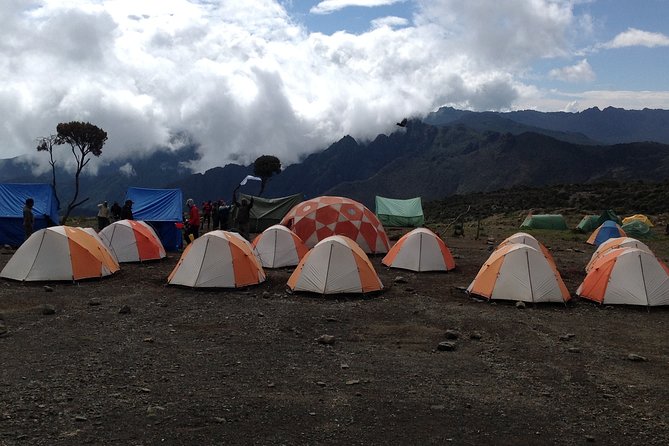
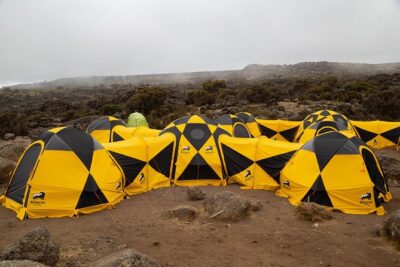
The first camp is a chance to settle into the routine. You will eat, rest, and prepare for several days of walking. The package includes meals and purified water, which matters because food and hydration become central parts of your daily effort.
Day 2: Shira Camp 1 and the change to open moorland
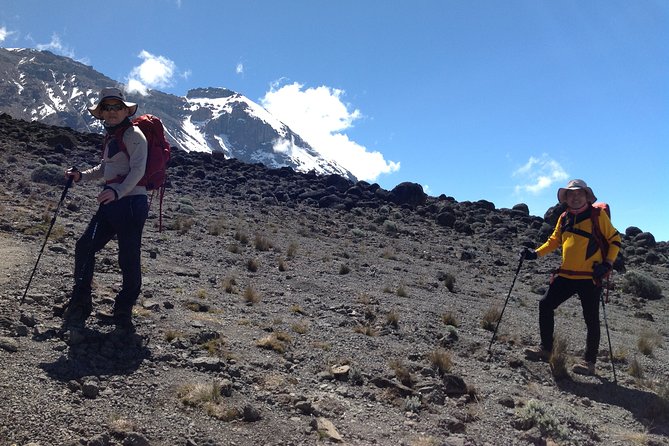
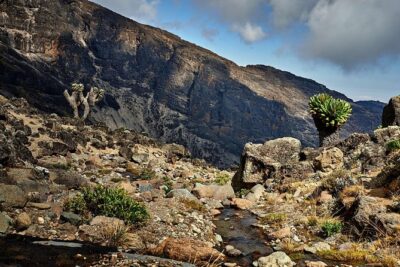
The route leaves the forest and enters moorland, with tall grass, heather, volcanic rock, and lichen. You walk about 8 kilometers, gaining from 9,500 to 11,500 feet over five to six hours.
The path crosses streams and climbs through rolling ground toward Shira Ridge. From there, it drops gently toward Shira Camp 1. The view toward Kibo, Kilimanjaro’s main summit cone, becomes a major reward. After the enclosed forest, the open plateau gives you a much wider sense of the mountain.
This day is valuable because the walking remains manageable while the altitude increases. You are not simply rushing toward the summit. You are giving your body more time to adjust.
The open terrain can also feel more exposed to weather. Conditions may change quickly, and you should keep rain gear and warm layers available even when the morning begins comfortably.
Day 3: Shira Plateau to Moir Hut
Day three is the route’s main acclimatization day. You cover approximately 14 kilometers, climbing from 11,500 to 13,800 feet over five to seven hours.
You first cross the Shira Plateau toward Shira Camp 2, walking across moorland meadows beside a stream. The route then continues toward Moir Hut at the base of Lent Hills. The area has options for extra walks, making it useful for adjusting to altitude without forcing a direct push toward the summit.
Shira is one of the highest plateaus in the world, and its broad volcanic setting gives this part of the trek a special character. The day is not steep all the way, but the distance and altitude can still wear you down.
Moir Hut is a less-used camp, which may appeal if you want a route that feels less standard than a faster Lemosho schedule. At the same time, less-used does not mean easier. You should expect a demanding day at high altitude, and the additional distance may feel significant if your body is not adjusting well.
More treks in Arusha:
- Mountain Kilimanjaro Day Hike
★ 5.0 · 102 reviews - Private Full Day Hiking Experience to Marangu Route
★ 5.0 · 61 reviews - 4 Days Mount Meru Trekking
★ 5.0 · 55 reviews - From Arusha/Moshi: Kilimanjaro Hike Marangu Route Day Trip
★ 4.5 · 54 reviews
Day 4: Lava Tower, then down to Barranco
This is one of the smartest days in the schedule. You climb from the Shira Plateau toward the eastern ridge, passing the junction for Kibo before turning southeast toward Lava Tower, also known as the Shark’s Tooth.
The route reaches about 16,000 feet near the Lava Tower area. A second junction leads toward the Arrow Glacier at about 16,000 feet, though the itinerary does not present that as the day’s destination. You then descend to Barranco Camp at approximately 13,000 feet.
The total distance is about 7 kilometers, with four to six hours of walking. The day begins and ends at roughly similar altitude, but that is the point. You climb higher during the day and sleep lower, helping your body prepare for the summit.
Barranco Camp sits in semi-desert terrain, and the change from moorland is clear. Dinner and rest come after what can be a tiring altitude day. If you feel strong here, do not assume the summit is guaranteed. The next two days are longer, and the highest altitude is still ahead.
Day 5: Barranco Wall, Karanga, and Barafu
Day five is the physical bridge to summit camp. You leave Barranco after breakfast and climb the steep Barranco Wall before continuing toward Karanga Camp. The listed distance is 9 kilometers, and the full walking time is about eight to ten hours.
Karanga lies in a natural depression. From there, the route continues to the junction with the Mweka route and then onward toward Barafu Hut. The schedule description combines Karanga and Barafu in one long day, so you should clarify the exact overnight location when booking.
This is the end of the Southern Circuit, giving you views of Kibo and Mawenzi from different angles. Barafu is the point where the climb changes character. You are no longer just making steady progress. You are resting, eating, and trying to sleep before leaving around 2:00 am.
The day is tough because of its length, the steep wall, and the fact that you must preserve energy for the summit. Your guide’s pacing and encouragement matter greatly here. The positive feedback about Rafael and Frank is useful context: kind, attentive support can make a real difference when the itinerary becomes exhausting.
Day 6: The summit push and descent to Millennium Camp
The summit day begins around 2:00 am. You climb through heavy rock formations between the Rebmann and Ratzel glaciers, heading toward Stella Point on the crater rim.
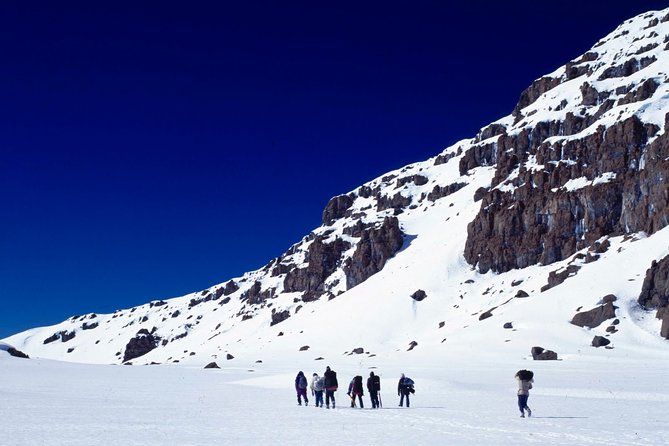
The ascent to Stella Point at about 18,600 feet is described as the most mentally and physically difficult part of the trek. The early start means darkness, cold, and very little sleep. Progress may be slow, and your guide will need to watch how you are coping.
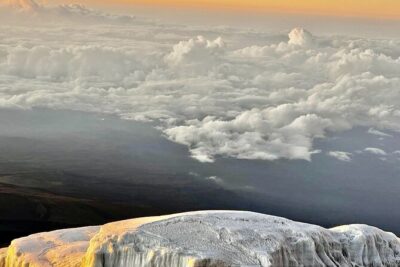
At Stella Point, you can stop for a short rest and, if the weather cooperates, see sunrise. From there, you continue toward the summit at approximately 19,345 feet. Reaching the top is only half of this day. The itinerary lists about 5 kilometers of ascent and 12 kilometers of descent, with seven to eight hours going up and four to six hours coming down.
The descent continues toward Millennium Camp at roughly 10,000 feet. That large drop is welcome for altitude, but your knees and feet may pay for it. The day is listed as an Arctic habitat near the summit, followed by lower forest conditions later. Warm clothing, gloves, head protection, and sturdy footwear are essential considerations, though the package details do not specify gear rental.
This is the day to judge the trip honestly. You need stamina, patience, and the ability to keep moving when the excitement wears off. The sunrise may be unforgettable, but it comes after a very hard climb.
Day 7: Mweka descent and return to Moshi
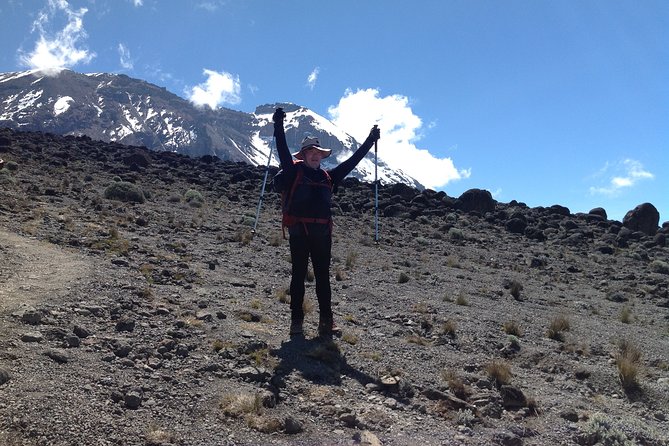
The final day descends about 10 kilometers from roughly 10,000 feet to 5,400 feet. Walking time is three to four hours, mostly through rain forest.
At the Mweka Park Gate, you receive your summit certificates. The lower trail can be wet and muddy, so gaiters and trekking poles are useful. The practical clothing advice is simple: shorts and a T-shirt may work in the warmer lower section, but keep rain gear and warmer clothing handy because conditions can change.
From the gate, you continue for about another hour to Mweka Village. A vehicle meets you there and returns you to your hotel.
This is a short hiking day compared with the summit push, but do not plan an important flight immediately afterward. The supplied schedule includes transfers and two hotel nights, giving you some useful recovery time.
What the $3,400 price includes
The cost is high, but it covers more than transport and a trail walk. Included items are:
- Two nights of hotel accommodation
- Professional guide services
- Park fees
- Rescue fees
- Transfers
- Mountain accommodation
- Breakfast, lunch, and dinner
- Large portions of fresh, healthy food
- Clean, purified drinking water
For a seven-day high-altitude trek, park fees and rescue fees are important parts of the cost rather than optional extras. Meals and water also reduce the amount of planning you need to do before departure.
The price does not include a Tanzania visa, international flights, or tips. The supplied details also do not spell out equipment rental, porter arrangements, or personal insurance. Ask about those points directly. Do not assume that an item is included simply because the package covers accommodation and guiding.
A maximum group size of 15 is reasonable for a shared climb. It may help keep the price below a private expedition, though a group of that size can move at different speeds. Ask how the guide team manages different fitness levels and summit pacing.
Food, water, and daily comfort
The food plan is one of the practical strengths here. Three meals are included each day, and the description promises generous portions of fresh, nutritious food. That matters because a long climb can quickly expose a weak meal plan.
Purified drinking water is also included. You should still confirm how much water is supplied each day and what bottles or hydration systems you need to bring, since those details are not provided.
The two hotel nights are helpful before or after the mountain. The exact placement of those nights is not stated, so confirm whether one comes before the climb and one after, or if both are arranged around the return.
Guide support and the human side of the climb
The most highly praised part of the experience is the guide support. One account describes the guide as attentive and kind, exactly the sort of help you want during the hardest days.
Rafael and Frank are named as guides who speak French. That is a useful advantage for French-speaking climbers from places such as Quebec, especially when discussing altitude symptoms, pacing, meals, and safety.
A guide cannot remove the physical challenge. Good support can, however, help you keep a sensible pace, recognize when you need rest, and manage the long summit day. The company also describes itself as flexible with guest wishes, so discuss dietary needs, timing concerns, and group expectations before the climb.
Who should choose this route?
I would point this trek toward someone who wants a gradual Lemosho approach and accepts that the summit day remains very hard. It suits hikers with moderate fitness who can handle several consecutive days on foot, long ascents, and a night departure.
The seven-day version is a better choice than the six-day option for anyone who values acclimatization. The extra time around Shira and Moir Hut gives you more gradual altitude exposure.
I would be cautious about booking it if you want a relaxed walking holiday, dislike early starts, or need a short and predictable daily schedule. Day five can last up to ten hours, and day six combines a pre-dawn summit attempt with a very long descent.
Free cancellation is available when you cancel at least 24 hours before the start time. Changes or cancellations inside that period are not refunded, and poor weather may lead to another date or a full refund.
Should you book the seven-day Lemosho climb?
Book it if you want a serious Kilimanjaro attempt with a slower early schedule, strong altitude preparation, included meals and park costs, and a guide team that has received praise for kindness and attention.
Before confirming, ask for a written breakdown of porters, equipment, insurance expectations, hotel-night placement, water arrangements, and the exact overnight plan for day five. If those details satisfy you, the seven-day route offers better preparation than the compressed six-day version. Just remember that extra acclimatization improves your odds of coping with altitude, but it does not turn Kilimanjaro into an easy walk.
FAQ
How long is the Kilimanjaro Lemosho experience?
The trek lasts approximately seven days, beginning near Londorossi Gate and finishing after the descent through Mweka to a vehicle transfer back to the hotel.
Where does the experience start?
The scheduled start time is 6:00 am. The route begins with a transfer to Londorossi Gate, followed by registration and a drive to the Lemosho trailhead.
What is the highest elevation reached?
The summit section reaches approximately 19,345 feet. Stella Point on the crater rim is listed at about 18,600 feet.
Are meals included?
Yes. Breakfast, lunch, and dinner are included, with seven breakfasts, seven lunches, and seven dinners listed. The package also includes fresh food and purified drinking water.
Are park and rescue fees included?
Yes. Park fees and rescue fees are included in the stated price.
Is hotel accommodation included?
Yes. Two nights of hotel accommodation are included, along with accommodation during the mountain trek.
What fitness level is required?
A moderate level of physical fitness is required. The trek includes long days, steep sections, high altitude, a summit departure around 2:00 am, and a lengthy descent.
What happens if the weather is poor?
The experience requires good weather. If it is canceled because of poor weather, you will be offered another date or a full refund.
Just added in Arusha
- Safari “Kifaru” – 5 days in the most famous Parks in the world★ 5.0 · 4 reviews
- Saadani Day Trip★ 5.0 · 13 reviews
- 3 Days Tanzania Short and Spicy★ 5.0 · 6 reviews
- 5 Day Tanzania Safari Camping Adventure Private Tour★ 5.0 · 2 reviews
- Day Trip to Ngorongoro Crater from Arusha★ 5.0 · 1 review
- SERENGETI NATIONAL PARK Tour★ 4.5 · 5 reviews
- 3 Days Serengeti Park & Ngorongoro Crater Adventure Safari★ 5.0 · 8 reviews
- 6 Days Tanzania Bush Experience Safari★ 5.0 · 6 reviews
Lemosho Route Climbs, compared.
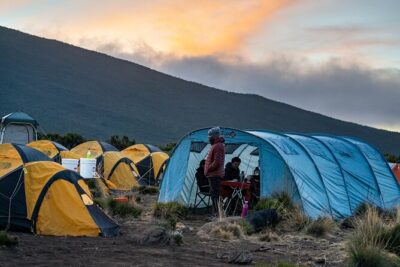
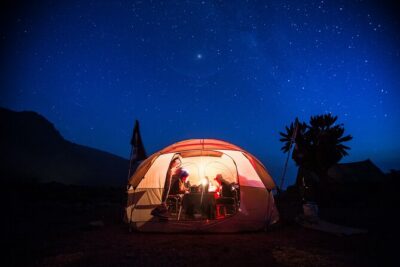
8-Day Small-group Lemosho Kilimanjaro Summit Trekking
Read our review →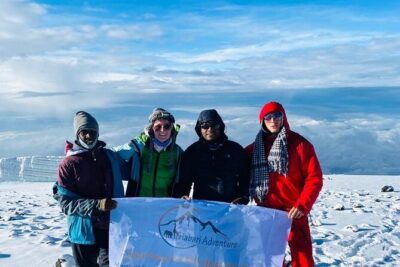
Climbing Kilimanjaro through 8 days Lemosho Route
Read our review →Browse the lists this tour appears in