
Reviewed · LEMOSHO ROUTE CLIMBS
Kilimanjaro climb, Lemosho Route (8-day)
Kilimanjaro rewards patience, not speed. This eight-day climb follows the scenic Lemosho Route from rainforest to arctic desert, with time built in for altitude adjustment and a professional mountain crew handling camp, meals, equipment, and safety. I especially like the gradual acclimatization plan and the strong support system, including certified Wilderness First Responder guides, medical checks, oxygen, and pulse oximeters.
I also like the range of scenery, from the wet forest near Londorossi Gate to the volcanic slopes around Lava Tower and the open ground below Kibo. The main drawback is the price, $3,975 per person, plus gear, insurance, crew tips, and some hotel meals. The route is scenic and carefully paced, but summit night is still physically demanding, with a long day at high altitude.
In This Review
- Key Details Before You Book
- Why the Lemosho Route Works Well
- Arrival in Moshi and the Two Hotel Nights
- Day 2: Londorossi Gate to Mti Mkubwa Camp
- Day 3: The First Views of Shira Plateau
- Day 4: Shira 2 and the Lava Tower Acclimatization Walk
- Day 5: Lava Tower and Barranco Wall
- Day 6: Barranco Wall, Karanga, and a Long Day
- Day 7: Barafu Camp Before Summit Night
- Day 8: Uhuru Peak and the Long Descent
- Day 9: Millennium Camp to Mweka Gate
- Food, Tents, and Mountain Support
- Is $3,975 a Fair Price?
- Who Should Choose This Climb?
- Practical Advice Before You Go
- Should You Book the 8-Day Lemosho Climb?
- FAQ
- How long does the full experience last?
- Where does the climb begin?
- What is the highest point reached?
- Are airport transfers included?
- Are hotel nights included?
- What type of accommodation is used on the mountain?
- Are meals included?
- Can special diets be accommodated?
- Is travel insurance included?
Key Details Before You Book
- Eight hiking days, ten days overall: You get two hotel nights in addition to the time on Kilimanjaro.
- Lemosho gives you a gradual start: The route begins at Londorossi Gate and climbs through rainforest before reaching Shira Plateau.
- Altitude planning is taken seriously: Lava Tower, Karanga, Barafu, and Kosovo acclimatization walks help your body adjust.
- The support crew is a major part of the value: Guides, porters, camp staff, cooks, and medical personnel are included.
- Summit night is the hardest test: You leave Barafu at night for Uhuru Peak at 5,895 meters, then descend the same day.
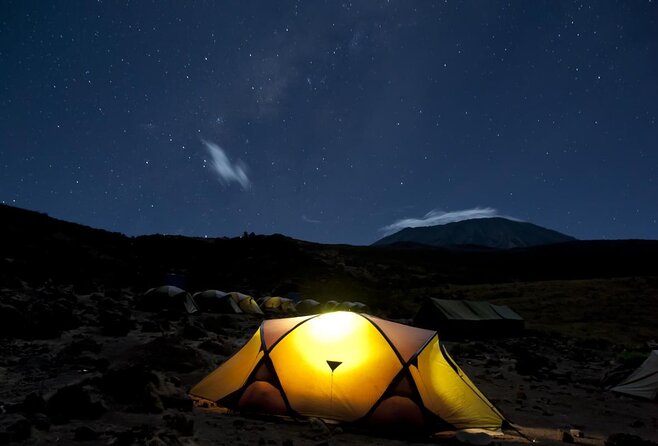
- Comfort is relative: You sleep in North Face VE-25 tents and eat hot meals, but this remains a high-altitude camping trip.
Why the Lemosho Route Works Well
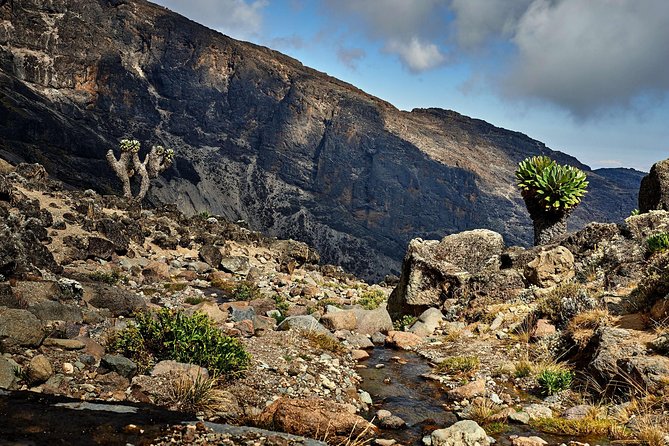
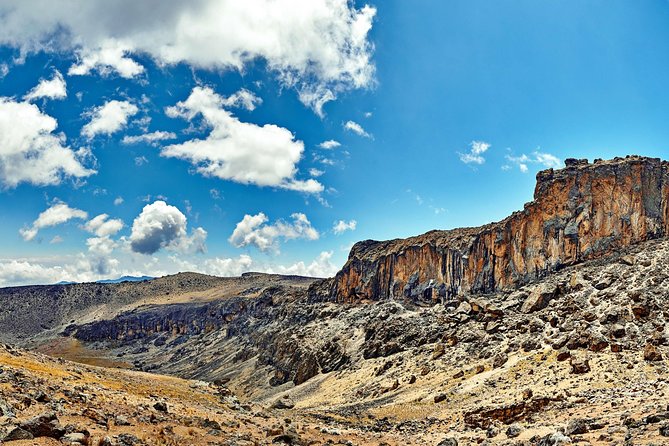
Lemosho is a good choice if you want a fuller Kilimanjaro experience rather than the shortest possible route. The first days are not rushed, and the route crosses several distinct climate zones. You begin in thick rainforest, reach the wide Shira Plateau, cross dry volcanic ground, and finish among cold, high-altitude slopes.
The route also includes several planned climbs followed by descents. That may sound inefficient, but it is useful. The Lava Tower day takes you above 4,600 meters before bringing you back down to Barranco Camp at 3,960 meters. You sleep lower than your highest point of the day, which gives your body a better chance to adjust.
This route is not technically difficult in the mountaineering sense. There is no glacier travel or technical rock climbing in the itinerary. The real challenge is endurance, cold, uneven ground, and the reduced oxygen at altitude. You need a moderate level of fitness and enough patience to walk slowly for many hours.
The tour is described as a private activity for your own group. That gives you a more personal setup than a large public departure, though the full crew size will depend on the number of people climbing.
More Kilimanjaro climbs:
- Kilimanjaro climb by Lemosho Route (7-day)
★ 5.0 · 651 reviews - Kilimanjaro climb, Machame Route (7-day)
★ 5.0 · 262 reviews - Kilimanjaro Climbing Lemosho Route 8 Days.
★ 5.0 · 186 reviews
Arrival in Moshi and the Two Hotel Nights
Your trip begins with pickup at Kilimanjaro International Airport. An Altezza Travel representative meets you at the airport and takes you to Aishi Machame Hotel, where you have a room, hot water, Internet access, a swimming pool, and time to rest.
Check-in begins at 2:00 PM. An evening briefing covers the climb and gives the management team a chance to check that you are ready. The next morning, your guide and mountain crew meet you at the hotel for another briefing before departure.
This hotel time matters. You are not forced to go straight from a long international flight into the mountains. Use the first afternoon to organize your bags, check your boots, and sleep properly. Hotel lunches and dinners are not included and cost about $15 to $20 per person per meal.
The final hotel night comes after your descent. You return to the hotel following the Mweka Gate exit, receive a commemorative certificate, and have time to recover before airport transport the next day. Hotel checkout is at 11:00 AM. A late checkout is available for an extra fee if your flight leaves in the evening.
Day 2: Londorossi Gate to Mti Mkubwa Camp
The drive from the hotel to Londorossi Gate takes about three to four hours. At the park entrance, the team handles climbing permits and registration with the search and rescue service. This administrative stop can take a little time, but it is part of getting properly recorded inside Kilimanjaro National Park.
The hike then begins through rainforest to Mti Mkubwa Camp at 2,780 meters. The walking time is about five hours. This is one of the wettest sections, so pack a raincoat where you can reach it quickly rather than burying it in your duffel.
The mountain crew prepares camp, puts up the tents, and cooks lunch. You are still at a relatively modest altitude, but the day involves transport, paperwork, and a first hike, so do not treat it as a free warm-up. The forest can feel damp and cool, and muddy ground may slow you down.
Day 3: The First Views of Shira Plateau
Day three takes you from Mti Mkubwa to Shira 1 Camp at 3,505 meters. The walk lasts about five to six hours and is described as gradual and fairly easy.
This is the first major visual change. As you climb out of the forest, you can see Shira Plateau and Kibo Volcano. The open views make the mountain feel much larger than it did beneath the trees.
This day is also your first real altitude lesson. You gain more than 700 meters, so walking slowly matters. The schedule leaves time to rest in your tent or walk near camp. I would use that free time conservatively. A short walk is fine, but you do not need to spend your energy proving you can go farther.
More Lemosho Route climbs:
- Kilimanjaro climb, Lemosho Route (6-day)
★ 5.0 · 129 reviews - Kilimanjaro Lemosho Route
★ 5.0 · 71 reviews - Private Kilimanjaro Hike 7 Day Lemosho Route
★ 5.0 · 60 reviews - Climbing Kilimanjaro through 8 days Lemosho Route
★ 5.0 · 52 reviews
Day 4: Shira 2 and the Lava Tower Acclimatization Walk
The route from Shira 1 to Shira 2 Camp rises to 3,900 meters. The trek itself is not presented as difficult, but the total day lasts about eight hours because it includes an acclimatization hike after lunch.
Shira 2 is one of the best places to see Mount Meru, described here as Africa’s fifth summit, if the weather is clear. You also pass distinctive Kilimanjaro plant life and gain broader views across the mountain.
After a two-hour rest, you walk toward Lava Tower, gaining another 300 meters before returning to camp. This is a useful test of how your body responds to height. You may feel perfectly well at Shira 2 and notice a difference during the higher walk. The guides set the pace, but you still need to speak up quickly if you feel unwell.
Day 5: Lava Tower and Barranco Wall
Day five is one of the route’s most important altitude days. You leave Shira 2 and climb toward Lava Tower at 4,630 meters, passing through repeated ascents and descents. The high point can feel uncomfortable, and the plan keeps you there for one to two hours, including lunch.
You then descend to Barranco Camp at 3,960 meters. This is the classic climb high, sleep lower pattern that makes the Lemosho schedule useful for acclimatization.
Barranco Wall dominates the camp. It looks steep and intimidating, but the trail is described as straightforward rather than technical. You climb it the next morning, and the early departure is recommended to avoid crowds from other groups.
This is a good example of why photographs do not tell the whole story. The wall looks dramatic, but the harder part of day five may be the long approach to Lava Tower and the high altitude, not the wall itself.
Day 6: Barranco Wall, Karanga, and a Long Day
You start early and climb Barranco Wall in about an hour. The reward is a strong view toward Kibo, with time to stop for photographs after the climb.
From there, the trail to Karanga Camp involves repeated ups and downs. The hike is more tiring than the short wall section, and the full day is listed at about 14 hours, including the acclimatization walk toward Barafu. That makes this one of the days you need to take seriously.
At Karanga Camp, you receive a warm lunch and rest for a couple of hours. Then you climb about 200 meters toward Barafu Camp before returning to Karanga. It is another deliberate altitude exercise, but it also means you should protect your rest time. Drink, eat, and keep your clothing organized before bedtime.
The support team is particularly valuable on a day like this. Guides set a pace for the group, while porters and camp staff handle much of the work that would otherwise drain your energy.
Day 7: Barafu Camp Before Summit Night
You climb to Barafu Summit Camp at 4,640 meters, the launch point for Uhuru Peak. The crew sets up your tent and sleeping bag ahead of time, so you can settle in without putting up camp yourself.
After resting, you complete an acclimatization walk toward Kosovo Summit Camp at 4,800 meters, then return to Barafu for a hot dinner. The plan is to spend the remaining hours resting and sleeping before the night ascent.
Sleep may be difficult at this altitude, and the schedule gives you only a short window before you leave. Prepare everything before lying down: warm layers, headlamp, water, snacks, gloves, and any personal medication. The less you need to search for in the dark, the better.
Day 8: Uhuru Peak and the Long Descent
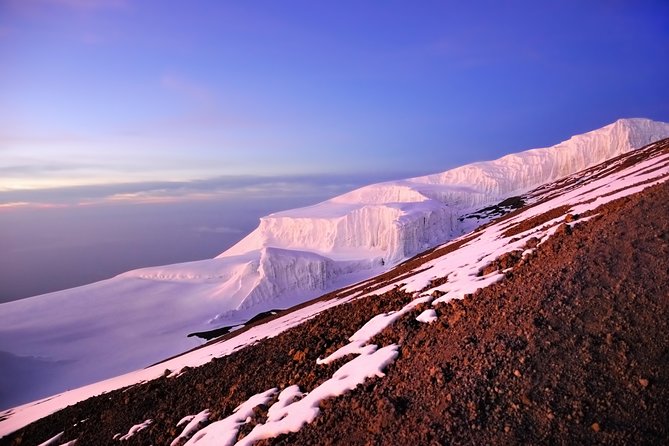
Summit night begins at Barafu, with the goal of reaching Uhuru Peak at 5,895 meters. The climb is technically simple, but this is the hardest part because of altitude, cold, darkness, and the length of the day.
Each pair of climbers receives a personal guide for the ascent. That guide monitors your physical and mental condition, a valuable safeguard when exhaustion and altitude can make it hard to judge yourself clearly.
After reaching the summit, you can descend to the nearest glacier if you wish. That option should depend on your condition and the guide’s advice. The summit is not the end of the day. You return to Barafu, rest for about two hours, and continue down to Millennium Camp at 3,820 meters.
The schedule says this portion takes about five hours, but the full summit day should be understood as a major endurance test rather than a short outing. The itinerary itself warns that most accidents happen during descent, when tired climbers lose focus. Keep your pace controlled and watch your footing.
Day 9: Millennium Camp to Mweka Gate
After a night in the tropical rainforest zone, you wake with the welcome relief of being lower. Breakfast comes before the descent to Mweka Gate at 1,650 meters.
The final hike covers about 12 kilometers and takes four to five hours. At the park exit, the group gathers for congratulations, and you can write in the company guestbook. Altezza then presents commemorative certificates and transfers you back to the hotel.
This is a simple finish, but it feels meaningful after the summit push. Your knees may be more tired than your lungs by this point, so trekking poles can be useful if you bring them.
Food, Tents, and Mountain Support
The package includes three meals a day, with choices at each meal, plus drinks such as tea, coffee, juice, and soda. Vegetarian, vegan, lactose-free, gluten-free, halal, and other meal plans are available.
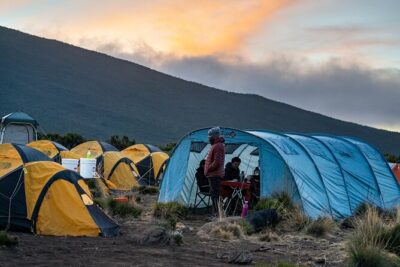
The food receives some of the strongest praise connected with this climb. Specific highlights include plentiful meals and surprisingly ambitious cooking, including pizza prepared on the mountain. That does not turn the trek into a hotel stay, but hot food and enough calories can make a real difference on long days.
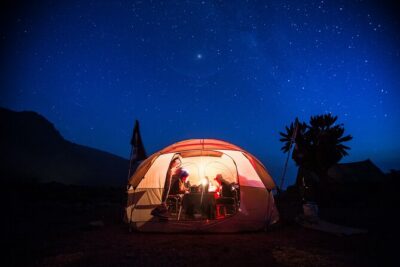
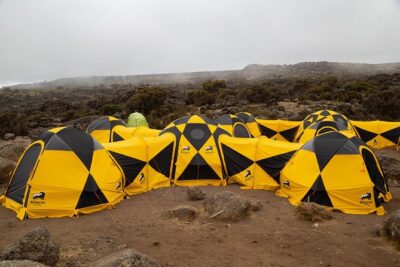
You sleep two people per tent in North Face VE-25 tents. The package includes sleeping pads, a dining tent, tables, chairs, crockery, and cutlery. Single tent and hotel rooms cost extra.
The crew includes professional guides, porters, camp masters, and cooks. Guides are certified Wilderness First Responders, and the operation includes medical kits, oxygen tanks, oximeters, and regular medical checks. This does not remove the risks of high-altitude trekking, but it gives you a serious safety structure.
Many people also praise the crew’s care and organization. Guides named in the supplied feedback include Richard, Imran, Kelvin, Donovan, Michael, Rayson, Ally, and Andrea. Individual staffing can vary, but the repeated praise centers on attentive guides, hardworking porters, good communication, and careful pacing.
Is $3,975 a Fair Price?
At $3,975 per person, this is not a budget Kilimanjaro climb. The price includes airport transfers, ground transport, two hotel nights, park fees, tents, group equipment, meals, drinks, guides, porters, cooks, medical supplies, and mountain checks.
That is a substantial package. You are paying not just for a route, but for an organized operation that carries supplies, manages permits, sets up camp, prepares food, and provides medical oversight. The eight-day schedule also gives you more acclimatization time than a rushed itinerary.
You still need to budget for international flights, personal gear, a sleeping bag unless rented, mountaineering insurance covering trekking up to 6,000 meters, hotel lunches and dinners, and tips for the mountain crew. Single accommodation is extra.
I see the price as reasonable for someone who values support and does not want to coordinate separate transport, park access, food, camping equipment, and mountain staff. It is less appealing if your only goal is finding the cheapest route to the summit.
Who Should Choose This Climb?
This experience suits you if you have moderate fitness, can walk for several hours on consecutive days, and are prepared for a difficult summit night. You do not need technical climbing experience based on the route description, but you do need to handle long uphill and downhill sections.
It is also a strong choice for first-time high-altitude trekkers who want close support. The personal guide arrangement during summit ascent, medical checks, and planned acclimatization walks give beginners useful structure.
Solo climbers can book, but solo accommodation costs extra. The tour is private for your group, and group discounts are available. If you are not comfortable camping for several nights or spending 14 hours on a trekking day, this is not the right match.
Practical Advice Before You Go
Pack your raincoat near the top of your bag for the rainforest day. Bring layers for major temperature changes, since you move from warm forest to exposed high ground and cold summit conditions.
Use the hotel briefing and gear check to identify anything missing. Personal gear is not included, though the company has a gear store where equipment can be hired. Do not leave insurance until the last minute. The policy should cover trekking up to 6,000 meters.
Plan to tip the mountain crew, since tips are not included. Carry enough personal spending money for hotel meals and any late checkout.
Finally, listen to the guides on descent. Reaching Uhuru Peak is only part of the job. The return to Barafu and the walk to Millennium Camp come after your most tiring hours, which is exactly when careful pacing matters most.
Should You Book the 8-Day Lemosho Climb?
I would choose this trip if you want the scenic Lemosho Route, a slower altitude plan, strong camp support, and a polished start and finish in Moshi. The best features are the varied scenery, the high-quality food, the organized crew, and the serious attention to health and pacing.
I would hesitate only if the $3,975 price stretches your budget, or if the extra costs for gear, insurance, tips, and hotel meals are a problem. This is still a demanding mountain expedition, even with comfortable tents and hot meals.
For a fit first-time climber who wants a well-supported attempt at Africa’s highest peak, the eight-day schedule makes a sensible choice. Book it with realistic expectations, train for long walking days, and respect the altitude.
FAQ
How long does the full experience last?
The full program lasts approximately ten days. Eight days are spent on the mountain route, with hotel time before and after the climb.
Where does the climb begin?
The climb begins at Londorossi Gate in Kilimanjaro National Park, reached by vehicle from Moshi after a drive of roughly three to four hours.
What is the highest point reached?
The summit is Uhuru Peak at 5,895 meters.
Are airport transfers included?
Yes. Pickup and drop-off at Kilimanjaro International Airport are included, along with ground transportation during the program.
Are hotel nights included?
Yes. Two nights at Aishi Machame Hotel are included, with two people per room unless you are climbing alone. Single accommodation costs extra.
What type of accommodation is used on the mountain?
You sleep in North Face VE-25 tents, normally with two hikers per tent. Single tent accommodation is available for an additional charge.
Are meals included?
Three meals per day are included on the mountain, along with drinks such as tea, coffee, juices, and soda. The package lists seven lunches, nine breakfasts, and eight dinners.
Can special diets be accommodated?
Yes. Vegetarian, vegan, lactose-free, gluten-free, halal, and other meal plans are available.
Is travel insurance included?
No. Mountaineering insurance is not included, and insurance covering trekking up to 6,000 meters is highly recommended.
Just added in Moshi
- THE BEST 2 DAYS ON TREK – MARANGU ROUTE TOUR ADVENTURES★ 5.0 · 1 review
- Mount Kilimanjaro National Park Day Trip★ 5.0 · 7 reviews
- Mount Kilimanjaro Climbing in Tanzania Full-Day Trip★ 5.0 · 1 review
- Mount Kilimanjaro Day Hike – All-Inclusive, No Hidden Fees★ 4.0 · 7 reviews
- Mount Kilimanjaro Trekking Tour – Climb with Local Guides★ 5.0 · 1 review
- Mount Kilimanjaro: 7 Days Hike Lemosho Route★ 5.0 · 1 review
- Moshi:Chemka Hot Springs, Materuni Waterfalls & Coffee Tour★ 5.0 · 1 review
- Moshi Town: Walking Tour: Theme Urban lifestyle★ 3.1 · 4 reviews
Lemosho Route Climbs, compared.
8-Day Small-group Lemosho Kilimanjaro Summit Trekking
Read our review →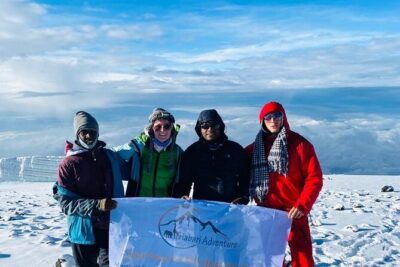
Climbing Kilimanjaro through 8 days Lemosho Route
Read our review →
Browse the lists this tour appears in