
Reviewed · LEMOSHO ROUTE CLIMBS
Climbing Kilimanjaro through 8 days Lemosho Route
Kilimanjaro rewards patience. This 8-day Lemosho climb gives you a gradual route across several climate zones, from western forest to the Shira Plateau and the high alpine world near Uhuru Peak. I like the quiet western approach and the extra time for acclimatization, both valuable advantages on a demanding mountain.
I also like that the $2,760 price covers the mountain essentials: transport, park fees, tents, meals, guides, cooks, and porters. The main consideration is physical strain. You need moderate fitness, and even a well-paced route can bring cold, altitude symptoms, long walking days, and a very early summit push.
In This Review
- Key points to know before you book
- Why the 8-day Lemosho route is a smart choice
- Starting in Moshi and driving to the western gate
- Walking through the western forest
- Reaching the Shira Plateau
- Crossing several climate zones
- What camp life is really like
- Preparing for the final ascent
- The guide and porter team
- Is $2,760 a fair price?
- Who will like this climb most?
- Booking details and cancellation terms
- FAQ
- How long does the Kilimanjaro Lemosho climb take?
- Where does the climb begin?
- What is included in the $2,760 price?
- Is accommodation in Moshi included?
- Is this a private climb?
- What fitness level do I need?
- Should you book the 8-day Lemosho climb?
Key points to know before you book
- Four-hour transfer to Londorossi Gate: Your climb begins on Kilimanjaro’s western side, not in Moshi itself.
- Eight days favor acclimatization: A longer schedule gives your body more time to adjust than a compressed climb.
- The Shira Plateau is a major highlight: You move from forest and alpine meadows toward the mountain’s high volcanic terrain.
- A private group keeps the experience personal: Only your party takes part, with guides and support staff assigned to your climb.
- Meals are cooked on the mountain: Breakfast, lunch, dinner, tea, coffee, and a dedicated chef are included.
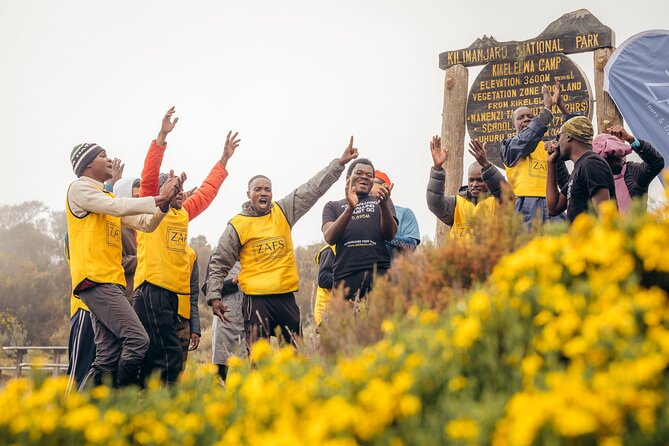
- The crew is a major strength: Guides named in past departures include John Jechs, Alex, Prosper, Aubray, Martin, Erik, and Mushi, with chef Zachariah also receiving repeated praise.
Why the 8-day Lemosho route is a smart choice
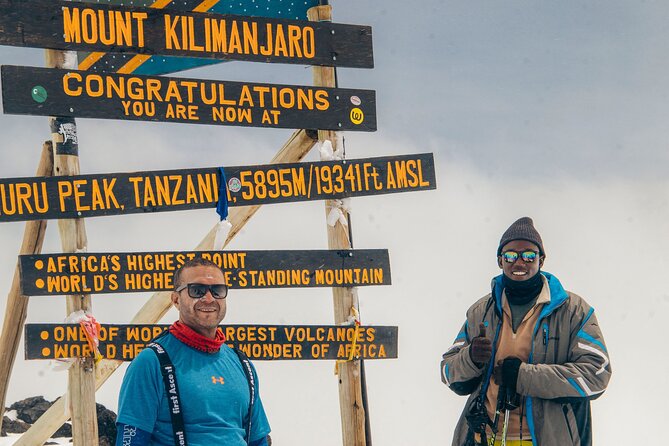
Kilimanjaro is not a technical climb in the usual mountaineering sense, but it is a serious high-altitude trek. The summit reaches 5,895 meters, and the challenge comes from altitude, cold, fatigue, and several days of walking. That makes route choice and pacing more important than speed.
Lemosho begins on the western side of the mountain. The approach is longer than some other routes, but that extra distance is useful. You gain height in smaller steps, spend more nights on the mountain, and have more time to notice how your body reacts.
I like the fact that this is an 8-day plan rather than the shorter 7-day version. One extra day may not sound dramatic before you leave Moshi, but on Kilimanjaro it can mean more rest, a better adjustment to altitude, and a calmer climb. No route guarantees a summit, but a gradual schedule gives you better odds than trying to rush upward.
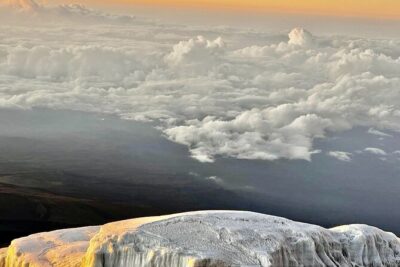
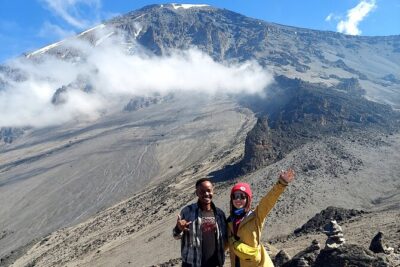
The scenery changes steadily. You start in a greener zone, move through alpine meadows, reach the open Shira Plateau, and eventually encounter the stark upper mountain and permanent ice. That range of scenery is one reason Lemosho feels like a full mountain journey rather than a simple walk to a summit.
More Lemosho Route climbs:
- Kilimanjaro climb by Lemosho Route (7-day)
★ 5.0 · 651 reviews - Kilimanjaro Climbing Lemosho Route 8 Days.
★ 5.0 · 186 reviews - Kilimanjaro climb, Lemosho Route (8-day)
★ 5.0 · 148 reviews
Starting in Moshi and driving to the western gate
The listed meeting point is Moshi Leopard Hotel on Market Street, with a 9:00 am start. Pickup is offered, and private transportation is included. From Moshi, the drive to Londorossi Gate takes about four hours.
That transfer is part of the day, so do not think of the first morning as a short ride followed by an easy afternoon. You are leaving the busy base town and heading toward the remote western slope of Kilimanjaro. The longer drive is one tradeoff of choosing Lemosho, but it is also what helps keep the opening stages quieter.
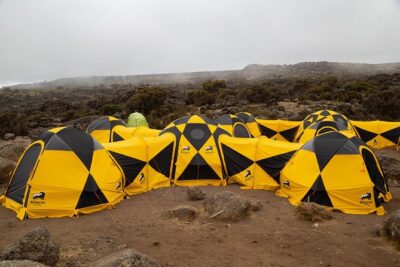
At the gate, the mountain operation begins. Park fees and taxes are included, as are private tents, a dining tent, tents for the crew, and the mountain staff. Your guides manage the route and daily rhythm, while porters carry equipment and the chef prepares meals.
Exact walking times and overnight points should be confirmed before booking. The supplied plan describes the route and services clearly, but it does not provide a full camp-by-camp schedule. Ask for the final daily itinerary so you know the expected walking hours, elevation gains, and summit-day timing.
Walking through the western forest
The opening route takes you through the western side of Kilimanjaro, where the setting is greener and more sheltered than the high mountain above. This is a good beginning because you are walking at a lower altitude while getting used to the group, guides, tents, and daily routine.
The first stages are not about proving how fast you can walk. Your guide will set the pace, and you should be ready for a slow, steady rhythm. On Kilimanjaro, conserving energy matters. Your body is already working harder as you gain height, even when the trail feels manageable.
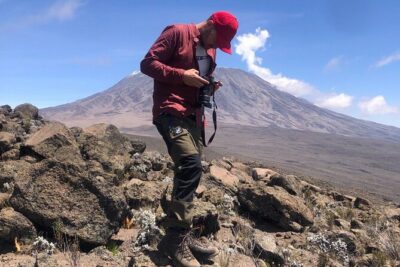
The western start also gives Lemosho a more remote feeling. It sees less traffic than some of the mountain’s better-known approaches, though it is not completely empty. You can expect changing vegetation, open views, and a gradual shift from forest toward alpine country.
The support system becomes important almost at once. You are not carrying the full camping setup, cooking equipment, and group supplies yourself. That allows you to concentrate on walking, drinking, eating, and resting, though it also means you should understand how the porter system is handled and how tipping is organized before departure.
Reaching the Shira Plateau
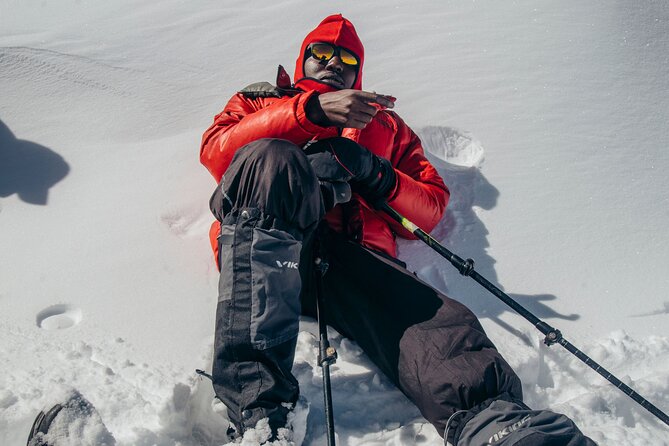
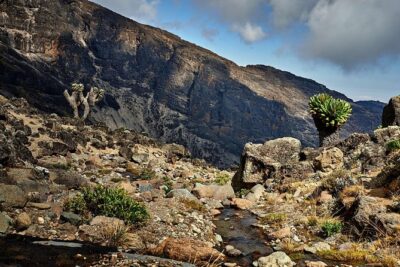
The Shira Plateau is the first major scenic chapter of the climb. Here, the route opens up, and you begin to see the broad volcanic form of Kilimanjaro more clearly. The forest gives way to alpine meadows and more exposed ground.
This section is valuable for two reasons. First, the views become larger and more dramatic. Second, you continue gaining altitude without immediately facing the hardest upper mountain conditions. The route’s gradual character is most noticeable here.
You should expect cooler air, changing weather, and less shelter. The open terrain can feel peaceful, but it also makes you more exposed to wind and sun. Pack layers that are easy to reach, and protect yourself from strong sunlight even when the temperature feels mild.
The plateau is not just a place for photographs. It is part of the body’s adjustment to height. Your guides may monitor your condition through briefings and pulse oximeter checks. Past departures with ZAFS have included guides such as Prosper and Aubray, who were praised for regular evening briefings and close attention to progress. Your assigned team may differ, but this is the kind of care you should expect to discuss before you go.
A few more options to weigh up in Moshi
- Safari Serengeti And Ngorongoro
★ 5.0 · 288 reviews - Kilimanjaro climb, Machame Route (7-day)
★ 5.0 · 262 reviews - Climbing Kilimanjaro – Machame Route
★ 5.0 · 170 reviews - Climbing Kilimanjaro through 7 days Machame Route
★ 5.0 · 151 reviews
Crossing several climate zones
One of Lemosho’s best features is the way the mountain changes around you. The route moves from lower vegetation through alpine meadows and onward toward the high, cold zone near the summit. The scenery becomes more spare as the air thins.
That variety gives the climb a strong sense of progress. You are not simply walking uphill for eight days. You are passing through distinct ecological zones, each with its own temperature, vegetation, and mood. The description of abundant wildlife should be treated as a possibility rather than a promise. Wildlife sightings can depend on conditions and timing.
This is also where the value of a long itinerary becomes clearer. You have time to walk slowly, rest at camp, eat proper meals, and watch for signs that altitude is affecting you. A private group can help here because the pace and daily decisions are made around your party rather than a large mixed group.
Still, private does not mean easy. A private climb may feel more efficient, but you remain at the mercy of weather, altitude, and your own energy. If you are not already comfortable with several hours of walking, prepare before arriving in Tanzania.
What camp life is really like
The camping setup is more complete than a basic tent-and-sleeping-bag arrangement. Private tents, a dining tent, crew tents, cooking support, and porters are included. Breakfast, lunch, and dinner are provided every day on the mountain, with tea and coffee also listed.
That dining tent matters. It gives you a place to sit, eat, receive the evening briefing, and prepare mentally for the next stage. After a long day, hot food and a dry place to gather can make a major difference.
The menu is prepared by a dedicated mountain chef. Zachariah is one chef repeatedly praised for varied cooking, including meals prepared for a vegetarian group. You should still give the company your dietary needs before the climb rather than relying on a last-minute request.
The food is freshly cooked, but do not expect restaurant dining. Mountain meals are about warmth, calories, and reliability. Bring any personal snacks you know you will want, but remember that the listed package already includes the main meals, coffee, and tea.
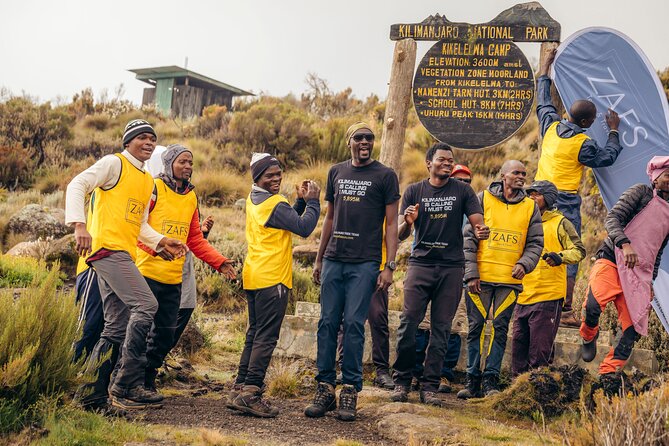
The crew also shapes the mood of the climb. Names connected with past ZAFS departures include Gabriel, Obry, Ibra, Alex, Erik, Mushi, and John Jechs. John, also called Jech in some accounts, was singled out for encouragement and leadership. Ask who will lead your group, how many porters will support you, and how medical checks are handled.
Preparing for the final ascent
The upper mountain is where the climb becomes most demanding. Temperatures drop, the air is thin, and each step costs more energy. The route may have felt smooth earlier, but the summit section tests your patience and stamina.
The goal is Uhuru Peak, the highest point on Kilimanjaro. Summit success is never guaranteed, even on a route known for strong acclimatization. A sensible guide will put your safety ahead of the summit, and you should be willing to turn around if your condition becomes unsafe.
Expect the final ascent to be physically and mentally tougher than the lower sections. Exact summit times are not provided, so ask about the planned start, the expected duration, rest points, and descent schedule. These details affect what you need in your daypack and how much sleep you get beforehand.
The descent is not an afterthought. Coming down is faster than going up, but tired legs and loose ground can still be difficult. Once back at lower altitude, you will likely feel relief before you feel fully rested. Keep the following day as light as possible if your wider Tanzania plans allow it.
The guide and porter team
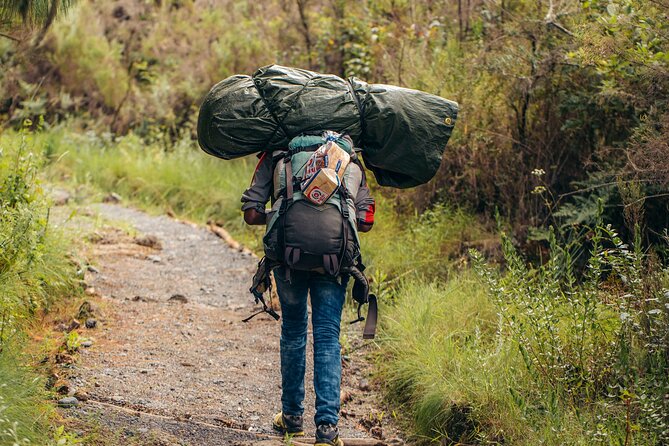
The strongest part of this experience is the mountain crew. The repeated praise centers on helpful guides, an excellent cook, motivated porters, and careful organization from airport arrival through the climb. That matters because a Kilimanjaro operator is only as good as the people handling the route day by day.
Past teams have included lead guides John Jechs and Alex, along with Prosper, Aubray, Martin, Erik, and Mushi. These names are useful when you ask about guide assignment, but they should not be treated as a guarantee that one particular person will lead your departure.
I would ask three practical questions before paying:
- Who is the lead guide for my dates?
- How are altitude symptoms monitored?
- What is the company’s plan if I need to stop or descend?
The package includes guides, a chef, a waiter, and porters. It does not list pre- or post-climb accommodation in Moshi, though that can be arranged on request. Budget for those nights separately.
Is $2,760 a fair price?
At $2,760 per person, this is not a budget walk. It is also not an apples-to-apples comparison with a basic package that leaves out key services. The price includes private transport, park fees and taxes, camping equipment, a dining tent, all mountain meals, hot drinks, and the full support crew.
Those inclusions give the price real value. You are paying for an organized eight-day mountain operation rather than only a guide and a permit. The longer schedule also has practical value because it supports better acclimatization.
You should still ask what is not covered. Accommodation in Moshi before and after the climb is not included by default. The supplied information also does not state airport transfers, gear rental, tips, bottled water, or personal travel insurance, so confirm each item before booking.
Group discounts are available, and the activity is private, so the final cost may make more sense for a family or small party than for a solo climber. A solo booking is possible, but ask how the private pricing works.
Who will like this climb most?
I would recommend the Lemosho route to you if you value scenery, a quieter start, and a slower schedule. It suits people who want the full progression from forest to high alpine terrain and who can spare eight days on the mountain.
It may also suit older or less experienced climbers who prefer a measured pace, though age alone does not determine readiness. The route still requires moderate fitness, long walking days, and the ability to cope with basic camping conditions.
This is less suitable if you want a quick, low-cost mountain trip or if you dislike sleeping in tents. It is also a poor match if your schedule cannot handle delays, slower progress, or the possibility of stopping short of the summit.
The private format is a plus for couples, families, and small groups. A father and son once used the climb to mark a 52nd birthday by reaching Uhuru Peak together, which captures the personal nature of this kind of trip. Your reason may be different, but the eight-day format gives you room to make the climb your own.
Booking details and cancellation terms
The meeting point is Moshi Leopard Hotel, Market Street, with a listed start time of 9:00 am. Pickup is offered, and the experience ends back at the meeting point. Confirmation is provided at booking, and the activity is near public transportation.
You can cancel for a full refund up to 24 hours before the local start time. Cancellations or changes made within 24 hours are not refunded or accepted. The climb also requires a minimum number of participants; if that minimum is not met, you should be offered another date or experience, or a full refund.
FAQ
How long does the Kilimanjaro Lemosho climb take?
This program lasts approximately eight days. A seven-day option is also available, but the longer schedule is recommended for better acclimatization.
Where does the climb begin?
The climb begins after transport from Moshi to Londorossi Gate on Kilimanjaro’s western side. The listed meeting point is Moshi Leopard Hotel on Market Street.
What is included in the $2,760 price?
The price includes private transportation, fees and taxes, private tents, a dining tent, crew tents, breakfast, lunch, dinner, coffee, tea, guides, a chef, a waiter, and porters.
Is accommodation in Moshi included?
No. Pre- and post-climb accommodation in Moshi is not included by default, but it is available on request.
Is this a private climb?
Yes. Only your group participates in the activity. Group discounts are available.
What fitness level do I need?
You should have a moderate level of physical fitness. The route is gradual, but you still need to manage several days of mountain walking and the physical effects of high altitude.
Should you book the 8-day Lemosho climb?
I would book this climb if you want a scenic, gradual route and value strong logistical support more than the lowest possible price. The eight-day schedule, private format, cooked meals, complete camping setup, and experienced crew make the package appealing for a first Kilimanjaro attempt.
Before booking, confirm the exact daily itinerary, your guide team, Moshi accommodation, airport arrangements, tipping expectations, and what happens if altitude forces an early descent. If those answers are clear, ZAFS Tours offers a well-supported way to approach Africa’s highest summit without rushing the mountain.
Just added in Moshi
- THE BEST 2 DAYS ON TREK – MARANGU ROUTE TOUR ADVENTURES★ 5.0 · 1 review
- Mount Kilimanjaro National Park Day Trip★ 5.0 · 7 reviews
- Mount Kilimanjaro Climbing in Tanzania Full-Day Trip★ 5.0 · 1 review
- Mount Kilimanjaro Day Hike – All-Inclusive, No Hidden Fees★ 4.0 · 7 reviews
- Mount Kilimanjaro Trekking Tour – Climb with Local Guides★ 5.0 · 1 review
- Mount Kilimanjaro: 7 Days Hike Lemosho Route★ 5.0 · 1 review
- Moshi:Chemka Hot Springs, Materuni Waterfalls & Coffee Tour★ 5.0 · 1 review
- Moshi Town: Walking Tour: Theme Urban lifestyle★ 3.1 · 4 reviews
Lemosho Route Climbs, compared.
8-Day Small-group Lemosho Kilimanjaro Summit Trekking
Read our review →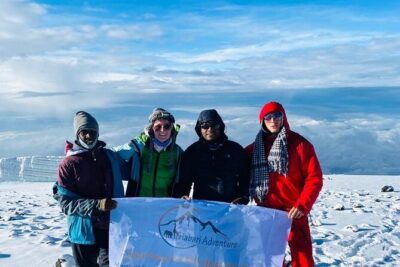
Browse the lists this tour appears in