
Reviewed · WALKING TOURS
Arusha City Culture and Historical Walking Tour
Arusha reveals itself on foot. This five-hour private tour brings together the Old Boma Museum, the Clock Tower, local markets, Tanzanite, and the Arusha Declaration Museum in one well-paced introduction to the city. I like the mix of formal history and ordinary street life, and I especially like that hotel pickup, drop-off, a guide, bottled water, and most entrance fees are included. The main consideration is the extra $5 admission fee for the Old Boma Museum, plus the fact that five hours of walking through busy city streets may feel long in heat.
The $35 price is fair for a private outing, particularly if two or more people share the experience. You get a more personal route than a large group tour, along with time for markets, local crafts, and conversation. The schedule is full, though, so this suits you best if you want a broad first look at Arusha rather than a slow visit to one museum.
In This Review
- Key reasons to consider this Arusha tour
- Why a walking tour makes sense in Arusha
- Old Boma Museum: Arusha’s colonial starting point
- Tanzanite Experience: A clear look at a famous stone
- The Clock Tower and Arusha’s central meeting point
- Maasai Market: crafts, bargaining, and buying with care
- Arusha Chini: one hour in ordinary city life
- Arusha Declaration Museum and the story of self-reliance
- What the $35 price really covers
- Who will enjoy this tour most
- Useful planning advice before you go
- Should you book the Arusha city walk?
- FAQ
- How long does the Arusha City Culture and Historical Walking Tour last?
- How much does the tour cost?
- Is hotel transportation included?
- Is the Old Boma Museum admission included?
- Is this a private tour?
- What is included in the tour price?
Key reasons to consider this Arusha tour
- Six distinct stops in five hours: You move from colonial-era buildings and national politics to jewelry, crafts, markets, and daily neighborhood life.
- A private walking experience: Only your group participates, which should make it easier to ask questions and adjust the pace within the planned route.
- Tanzanite without guesswork: The Tanzanite Experience explains the stone’s origin, mining, cutting, and polishing, with certified jewelry available to buy.
- A useful blend of famous and local places: The Clock Tower is a central city landmark, while Arusha Chini gives you a closer look at everyday commerce.
- Local crafts and friendly contact: Time at the Maasai Market includes interaction with artisans and an opportunity to shop for handmade goods.
- Practical value at $35: Hotel transfers, bottled water, guiding, taxes, and most admissions are covered, though Old Boma costs an additional $5.
Why a walking tour makes sense in Arusha
Arusha is often treated as a starting point for safaris and mountain trips. That is understandable, but it can mean the city itself receives only a hotel night and a quick transfer. This tour gives you a reason to pause.
The route covers several sides of Arusha. You see former colonial administration, national political history, local trade, tourist shopping, and a working neighborhood. That range matters because no single museum can explain the city on its own.
The tour lasts about five hours and is private. That combination gives you a useful middle ground. You are not being moved through a huge group, but you are also not left to piece together the city from scattered taxi rides.
I would expect the walking to be more interesting than difficult for most people, since the tour information says most participants can take part. Still, Arusha can be warm, and the day includes a full hour in the Arusha Chini area. Wear comfortable shoes, carry sun protection, and use the included bottled water.
More History Tours in Arusha
- Arusha Guided Walking City Tour, Culture, Lifestyle & History
★ 5.0 · 150 reviews - Materuni Waterfalls & Coffee making Cultural Tour | BURIGI CHATO SAFARIS LTD
★ 5.0 · 15 reviews - Arusha: City Walking Tour Historic and Modern Highlights
★ 4.5 · 12 reviews
Old Boma Museum: Arusha’s colonial starting point
The Old Boma Museum is a sensible first stop because it gives the rest of the walk some context. The building began as a German military outpost, and its displays cover local communities, natural history, art, and the area’s colonial past.
You have about 45 minutes here. That is enough for an introduction, but not enough for a slow, detailed reading of every display. I would treat this stop as a framework for understanding Arusha rather than a complete museum visit.
The only admission charge on the route that is not included is the $5 fee at the entrance desk. It is a small extra cost, but you should know about it before you arrive. All other listed fees and taxes are included in the tour price.
The museum also offers educational programs and workshops, though the tour details do not specify that one will be taking place during your visit. The value here is the setting itself. You are not starting with a generic city square. You begin inside a historic building tied to the political and administrative forces that shaped the region.
Tanzanite Experience: A clear look at a famous stone
The 30-minute Tanzanite Experience is one of the more distinctive stops. This museum and retail space explains the history and importance of tanzanite, a rare gemstone associated with Tanzania.
The visit covers the mining process and includes interactive displays. You can also see how the stone is cut and polished. That practical element helps. Instead of hearing only that tanzanite is valuable, you get a look at the work involved before it becomes jewelry.
Certified tanzanite jewelry is available for purchase. I would view this as an opportunity to learn first and shop only if you genuinely want to buy. A guided explanation can help you understand what you are looking at, but a tour stop should not pressure you into spending more.
Thirty minutes is a compact visit. It works well for a first introduction, especially if you are curious about Tanzanian gemstones. If you already have a serious interest in gemology or want a long shopping appointment, this portion may feel brief.
The Clock Tower and Arusha’s central meeting point
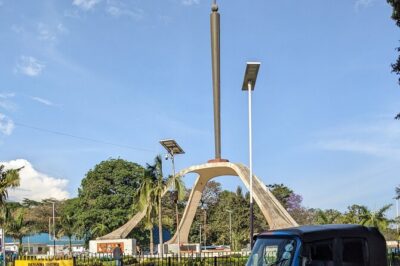
The Clock Tower receives only 15 minutes, but that is appropriate. This is a landmark and meeting point rather than a museum requiring an extended visit.
Located on Boma Road, the tower is famously described as sitting midway between Cairo and Cape Town. That geographic claim gives the monument a memorable place in Arusha’s identity, even if you mainly experience it as a busy central reference point.
This is a good place to notice the city around you. The tour description presents the Clock Tower as part of Arusha’s active street life, not as an isolated monument. You get a brief pause, a chance for photographs, and a clearer sense of how the city is organized.
Do not expect a major sightseeing stop here. The value is in the connection between the landmark and the streets around it. After the museum, gemstone displays, and planned explanations, the Clock Tower brings you back to everyday Arusha.
More Walking Tours in Arusha
- 4 Days lodge safari Tarangire , Ngorongoro crater & Walking
★ 5.0 · 39 reviews - Tanzania – Arusha NP – Private Guided 4×4 Safari – Game Drive & Walking
★ 5.0 · 30 reviews - Street Food and Community Walking Tour
★ 5.0 · 12 reviews - Coffee walk day trip
★ 5.0 · 10 reviews
Maasai Market: crafts, bargaining, and buying with care

The Maasai Market Curios and Crafts provides 25 minutes for shopping and contact with local artisans. You may find traditional Maasai jewelry, beaded work, wood carvings, textiles, and other handmade pieces.
This is the sort of stop where the guide can add real value. A market is easier to navigate when you understand what you are seeing and have help discussing items with sellers. The experience includes interaction with local artisans, so it is more than a quick walk past souvenir stalls.
Twenty-five minutes is enough for a first look, but it is not a long shopping session. If you see something you want, you may need to make decisions quickly. You should also remember that personal purchases are not included in the $35 price.
The market is best approached with curiosity rather than a strict shopping list. Look closely at the beadwork, wood, and textiles. Ask about the items through your guide. If you bargain, keep it good-natured and fair. The goal is to buy a meaningful object while respecting the time and skill behind it.
Arusha Chini: one hour in ordinary city life
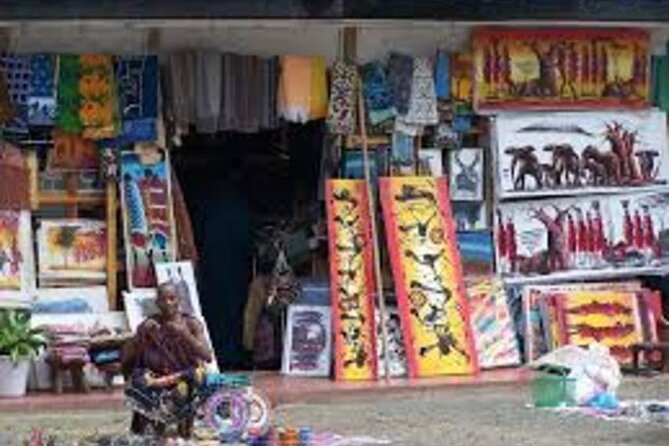
Arusha Chini receives the longest single block of time, one hour. That tells you something about the character of this tour. The focus is not only on official attractions. You also spend time in a neighborhood known for local markets, shops, cultural activity, food, and community life.
This may be the most revealing portion for you if you want to see how Arusha functions beyond its headline sights. The area is described as a place where residents and visitors can encounter local commerce and daily routines. That makes it a useful counterpoint to the Old Boma and the Arusha Declaration Museum.
The tour feedback also points to colorful murals and the possibility of trying street food, including samosas. Those details suggest a more relaxed, sensory part of the route. Still, food and drinks are not included, so any snack purchase is your responsibility. You should also follow your guide’s advice about what and where to eat.
A full hour gives the guide room to explain the area instead of rushing you through it. For some people, this will be the highlight. For others, a neighborhood stop may feel less polished than a museum or landmark. I see that difference as a matter of taste. If you want a tidy checklist of major sights, the time may feel long. If you want ordinary city life, it is valuable.
Arusha Declaration Museum and the story of self-reliance
The final major stop is the Arusha Declaration Museum, with about 40 minutes inside. The museum focuses on the Arusha Declaration of 1967, a major statement in Tanzania’s socialist and self-reliance program.
Displays explain the declaration’s principles, its effect on Tanzania’s social and economic direction, and the life of Julius Nyerere, the country’s first president. This stop gives political meaning to many of the themes introduced earlier in the day: independence, national identity, public policy, and the effort to shape a country on its own terms.
Forty minutes should give you time to grasp the main ideas without turning the visit into a long academic session. If you know little about Tanzania’s post-independence politics, I would pay close attention to the guide’s explanations. The museum can be more rewarding when you understand why the declaration mattered.
This stop also gives the tour a strong finish. You begin with a German military building and end with an examination of Tanzania’s own political project. Between those points, you see the city’s trade, crafts, neighborhoods, and public spaces.
What the $35 price really covers
At $35 per person, this is not simply a walking guide with a list of street corners. The fee includes hotel pickup and drop-off, a guided walking tour, interaction with artisans, bottled water, and all listed fees and taxes except Old Boma’s $5 entrance charge.
That makes the price especially reasonable for a private tour. If you are traveling with family or friends, group discounts may improve the value further. You also avoid arranging separate transport to the city and back to your hotel.
Meals, drinks, and personal expenses are not included. Budget for anything you buy at the Maasai Market or Arusha Chini, and for any street food you choose to try.
The tour is booked an average of 172 days ahead, which suggests that reserving early is wise, especially if your safari or mountain schedule gives you only one open day in Arusha. Confirmation is provided at booking, and the experience is near public transportation.
Who will enjoy this tour most
I would recommend this experience to you if you are visiting Arusha for the first time and want orientation before a safari or other activity. It is also a good match if you care about history, local crafts, Tanzanite, political background, and direct contact with city life.
Families may appreciate the variety. No single stop dominates the day, and the private format means your group can ask questions without competing with a large crowd.
The tour also suits people who prefer a guide to handle the route and city logistics. Hotel pickup and drop-off remove one practical task, while the walking format lets you see more of the streets than a vehicle tour would.
It may be less suitable if you dislike walking, want a relaxed museum day, or prefer natural scenery over city culture. The experience is focused on Arusha itself. Its reward comes from conversation, markets, history, and observation rather than wildlife or grand views.
Useful planning advice before you go
Wear shoes that you can comfortably use for several hours. The tour is described as a walking experience, and the itinerary includes a full hour in Arusha Chini before the final museum visit.
Bring a small amount of extra money for the $5 Old Boma admission and for personal purchases. The Maasai Market and Tanzanite Experience can both tempt you to open your wallet, even though shopping is optional.
Keep your schedule flexible after the tour. Five hours is approximate, and city walking can take longer than a neat list of timed stops suggests. Pickup and drop-off are included, but you should still confirm your meeting details when booking.
The private format is a major advantage. You can ask for clarification about colonial rule, the Arusha Declaration, local crafts, or tanzanite without worrying about slowing a large group.
Free cancellation is available if you cancel at least 24 hours before the start time. Cancellations made within 24 hours are not refunded, and changes inside that period are not accepted.
Should you book the Arusha city walk?
I would book it if you want a practical and human introduction to Arusha before moving on to a safari or mountain adventure. The strongest part is the range: Old Boma explains the past, Tanzanite connects you with a local product, the markets show commerce and craft, Arusha Chini brings you into daily life, and the Arusha Declaration Museum explains a defining period in national politics.
The $35 cost is sensible for a private five-hour tour with transfers and most admissions included. Just add the $5 Old Boma fee, allow money for food or shopping, and be ready for a full walking day.
If you have only one day in Arusha, this tour gives you a useful first map of the city. If you want a slow, specialist visit to one museum, choose something narrower. For a balanced first encounter with Arusha, this is a strong choice.
FAQ
How long does the Arusha City Culture and Historical Walking Tour last?
The tour lasts approximately five hours.
How much does the tour cost?
The listed price is $35 per person. Group discounts are offered.
Is hotel transportation included?
Yes. Hotel pickup and drop-off are included in the tour.
Is the Old Boma Museum admission included?
No. Admission to the Old Boma Museum costs $5 and is paid at the entrance desk.
Is this a private tour?
Yes. Only your group participates in the activity.
What is included in the tour price?
The price includes a guided walking tour, hotel pickup and drop-off, interaction with local artisans, bottled water, all listed fees and taxes, and admission to the Tanzanite Experience, Maasai Market, and Arusha Declaration Museum. Meals, drinks, personal expenses, and Old Boma Museum admission are not included.
Just added in Arusha
- Safari “Kifaru” – 5 days in the most famous Parks in the world★ 5.0 · 4 reviews
- Saadani Day Trip★ 5.0 · 13 reviews
- 3 Days Tanzania Short and Spicy★ 5.0 · 6 reviews
- 5 Day Tanzania Safari Camping Adventure Private Tour★ 5.0 · 2 reviews
- Day Trip to Ngorongoro Crater from Arusha★ 5.0 · 1 review
- SERENGETI NATIONAL PARK Tour★ 4.5 · 5 reviews
- 3 Days Serengeti Park & Ngorongoro Crater Adventure Safari★ 5.0 · 8 reviews
- 6 Days Tanzania Bush Experience Safari★ 5.0 · 6 reviews
Walking Tours, compared.

3 Hours Private Stone Town walking Tour with Guide
Read our review →
Stone Town Historical Cultural Walking Guided Tour
Read our review →
Arusha Guided Walking City Tour, Culture, Lifestyle & History
Read our review →

Browse the lists this tour appears in