
Reviewed · HISTORICAL TOURS
Arusha: Cultural Heritage, Tanzanite Tour
Art can tell you where a place comes from. This Arusha tour links African art, Tanzanite, and community craftwork in one compact cultural outing. I like the Cultural Heritage Centre for its broad collection of sculptures, masks, paintings, and artifacts, and I like the chance to meet artists creating useful goods from recycled materials. The main consideration is that the tour includes shopping-oriented stops, so it may feel less appealing if you want a nature excursion or a long walk through historic Arusha.
I also like the clear price of $29 per person, which covers hotel pickup and drop-off in Arusha, entry fees, and refreshments. The guide-led format makes the experience easier to follow, especially when you are learning why Tanzanite is found only in Tanzania. You should keep your camera ready, but remember that the schedule centers on indoor galleries, gemstone education, and local handicrafts rather than major outdoor sights.
In This Review
- Key points before you book
- Why this Arusha tour is different
- Starting at the Cultural Heritage Centre
- Learning what makes Tanzanite special
- Meeting artists at the local foundation
- What the $29 price really covers
- The pace, transport, and practical feel
- Who will enjoy this experience most
- Booking advice for the best experience
- Should you book this Arusha cultural tour?
- FAQ
- How much does the Arusha Cultural Heritage and Tanzanite Tour cost?
- What is included in the price?
- Where does the tour begin?
- What will I see at the Cultural Heritage Centre?
- Will I learn how Tanzanite is made into jewelry?
- Is Tanzanite found outside Tanzania?
- What happens at the local foundation?
- Which languages are available?
- What should I bring?
- Can I reserve now and pay later?
Key points before you book
- Three very different stops: You visit an African art center, a Tanzanite presentation, and a foundation where artists with disabilities make recycled-material crafts.
- Tanzanite takes center stage: A specialist explains how the stone is mined, processed, and made into jewelry.
- Pickup and drop-off are included: The $29 price includes transport from your hotel in Arusha, entrance fees, and refreshments.
- Good for art lovers and gift shoppers: You will see paintings, sculptures, masks, jewelry, blankets, and household items.
- A personal guide adds context: The tour is offered in English or Swahili, helping you make sense of what you see.
- Flexible booking terms: You can reserve without paying immediately and cancel up to 24 hours before the tour for a full refund.
Why this Arusha tour is different
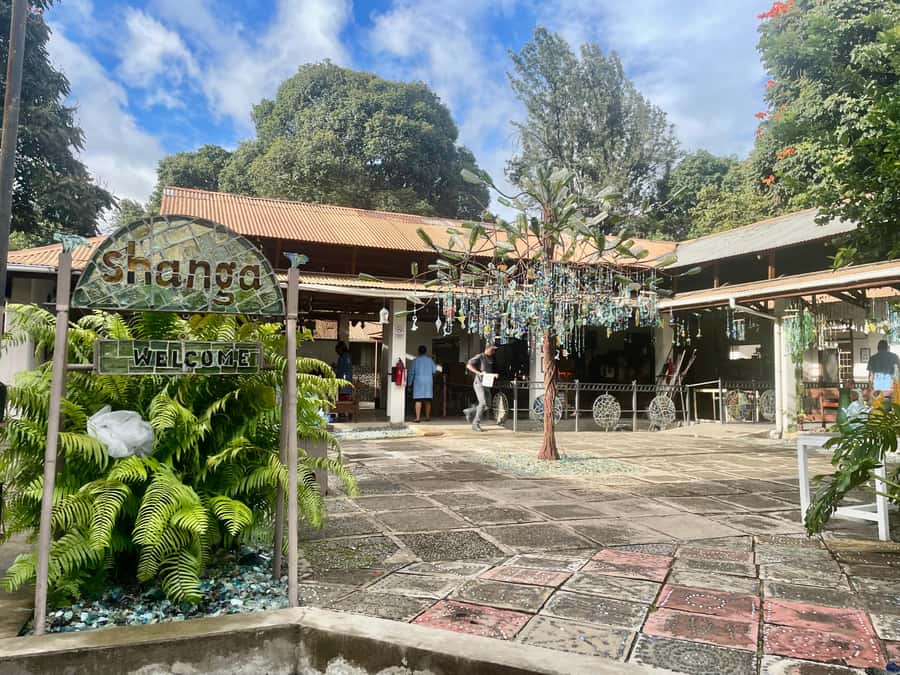
Arusha is often used as a base for safari trips, Kilimanjaro climbs, and visits to northern Tanzania’s parks. That makes it easy to overlook the city itself. This experience gives you a few hours, or a day depending on the schedule arranged by the provider, to focus on local art, a distinctly Tanzanian stone, and community enterprise.
I see the tour as a good change of pace from animal viewing. You will not be looking for lions or standing on a crater rim. Instead, you will spend your time asking how art is made, how Tanzanite reaches a jewelry case, and how discarded materials can become something useful.
The tour is operated by Uhuru Adventures. Its English and Swahili guide service is especially helpful at the Tanzanite stop, where the subject can quickly become technical. A good guide can explain the stone in plain language and help you separate genuine information from sales talk.
The experience also has a clear social element. At the final foundation, you meet people with disabilities who make handcrafted goods. That encounter gives the shopping part more meaning, since your purchases can support work that combines creativity, recycling, and income generation.
More History Tours in Arusha
- Arusha Guided Walking City Tour, Culture, Lifestyle & History
★ 5.0 · 150 reviews - Materuni Waterfalls & Coffee making Cultural Tour | BURIGI CHATO SAFARIS LTD
★ 5.0 · 15 reviews - Arusha: City Walking Tour Historic and Modern Highlights
★ 4.5 · 12 reviews
Starting at the Cultural Heritage Centre
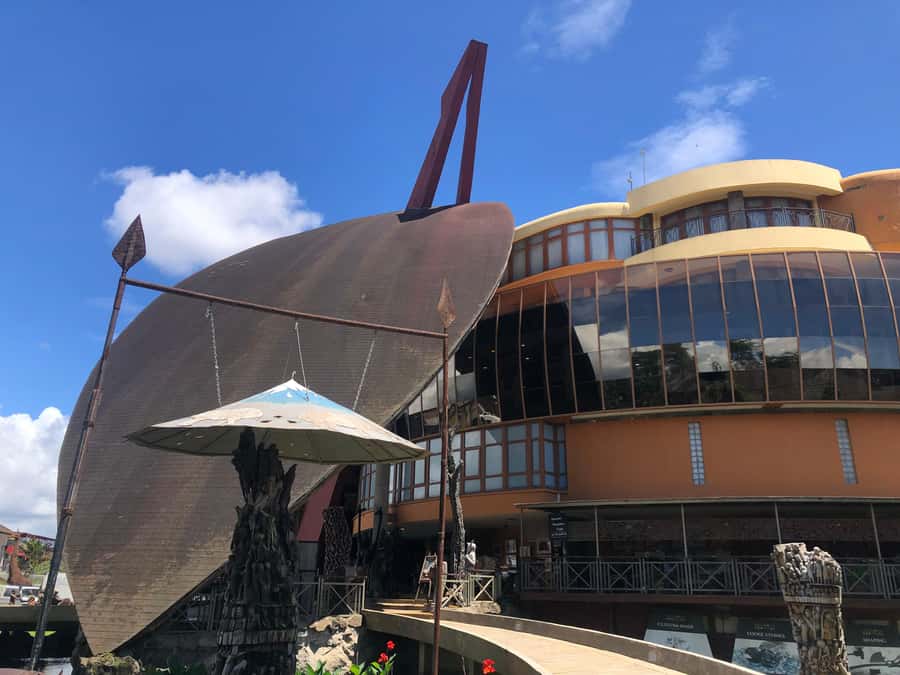
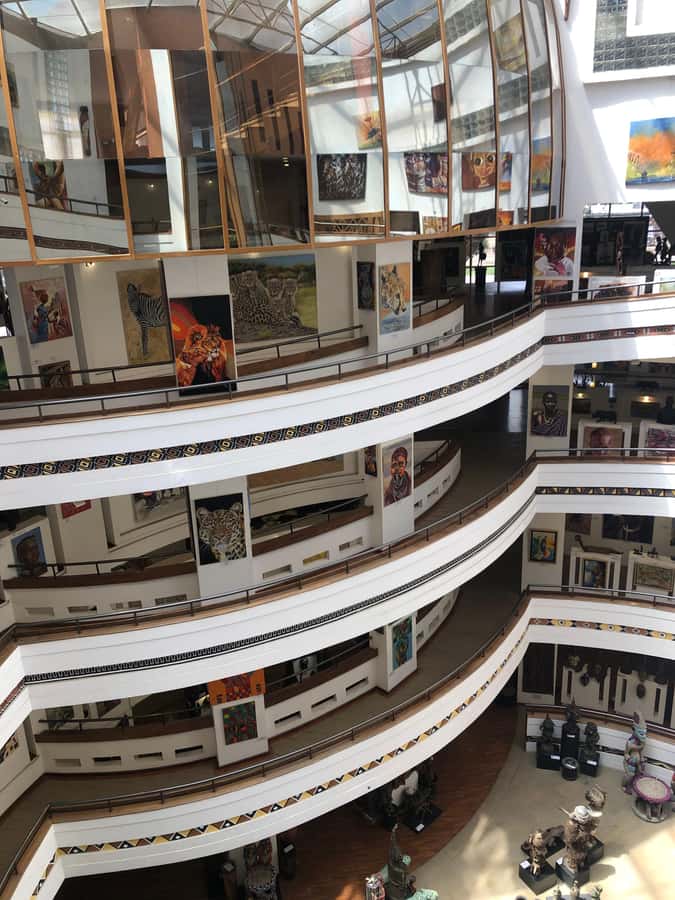
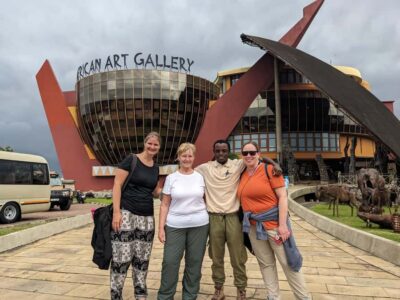
The Cultural Heritage Centre is the visual anchor of the experience. You enter a purpose-built setting filled with African art from across the continent, including contemporary pieces and older traditional forms.
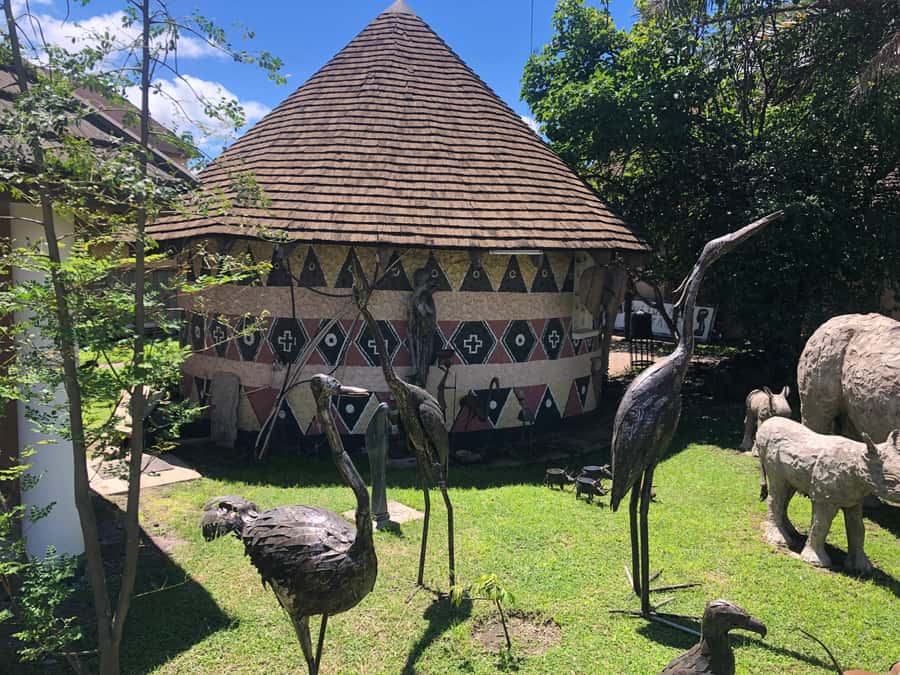
Expect to see sculptures, masks, paintings, and artifacts arranged through gallery spaces. The range matters. Rather than focusing on one artist or one region, the center gives you a broad introduction to African artistic traditions. You can compare styles, materials, and subjects as you move from one display to another.
I would give yourself time to look closely. Large sculptures may catch your attention first, but smaller pieces can offer just as much interest. Masks and artifacts are easier to appreciate when you pause to consider their shape, surface, and intended use instead of treating the gallery as a quick shopping stop.
The center also works well for first-time visitors to Tanzania who want cultural context before heading to other parts of the country. You may not become an art specialist in one visit, but you will leave with a better sense of the variety within African art.
Your guide is useful here, especially if you want to ask questions. The tour description does not provide a guide’s name, so you should not expect a named specialist in advance. Still, the guide-led format lets you request explanations and make the visit more than a walk past displays.
A practical point: this is a strong place to bring your camera, since photography is specifically recommended for the experience. Ask your guide about any restrictions before photographing particular works or people.
Learning what makes Tanzanite special
The Tanzanite portion gives the tour its strongest connection to Tanzania. Tanzanite is one of the rarest and most sought-after stones in the world, and it is found only in Tanzania. That geographic link makes it more than a pretty piece of jewelry. It is a product tied directly to the country you are visiting.
A specialist explains the stone’s path from mine to finished jewelry. You learn how Tanzanite is mined, processed, and shaped before it reaches a display case. This step-by-step explanation can help you understand why the stone changes in appearance and value as it is cut and polished.
The session also covers what makes Tanzanite distinctive in scientific and cultural terms. The supplied information does not specify the length of the presentation or the exact format, so expect an educational stop rather than a formal classroom lesson.
I like this part because it gives you something concrete to remember about Tanzania. Safaris and mountain views are obvious highlights, but a rare stone found only in this country offers a different connection. You can carry that connection home in the form of knowledge, or possibly in a piece of jewelry if you decide to shop.
That said, keep your buying head on. The tour includes a Tanzanite presentation, but the information provided does not promise that you must purchase anything, nor does it state that jewelry is included in the $29 price. Treat the stop as an opportunity to learn first. If you are interested in buying, ask about the stone, the setting, and the paperwork before spending money.
The positive comments about the tour place particular weight on how much people learned about Tanzanite. That tells me the specialist presentation is not a minor add-on. If you are curious about geology, jewelry, mining, or Tanzanian products, this may be the most memorable stop.
Meeting artists at the local foundation
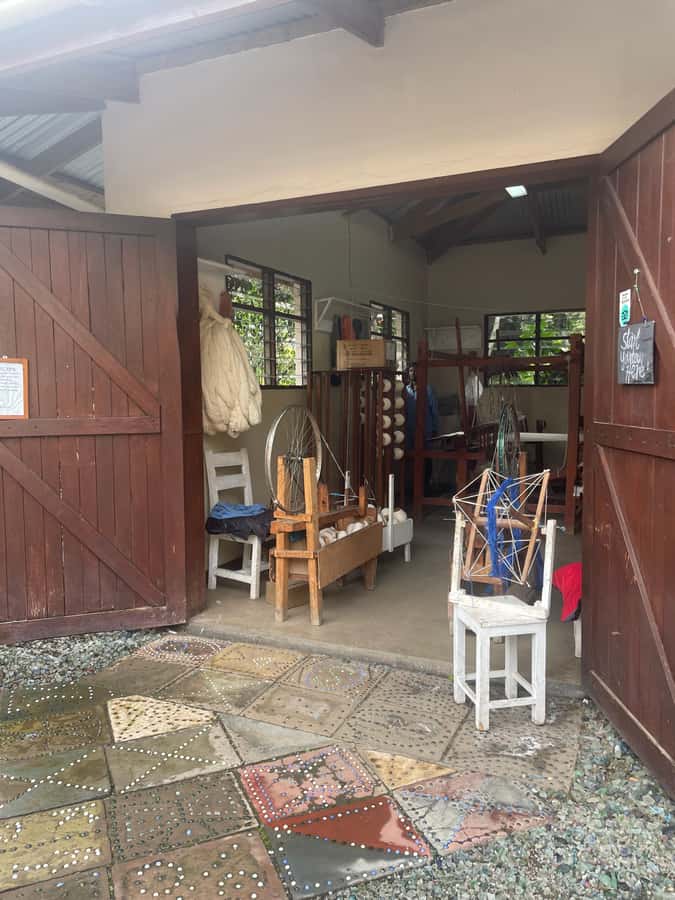
The final stop shifts the focus from major cultural displays to hands-on community work. At a local foundation, people with disabilities create handcrafted products from recycled materials.
You may see jewelry, blankets, and household items. The important point is not only what these goods look like, but how they are made and who makes them. You meet the artists and hear their stories, giving the stop a personal side that a standard shopping visit often lacks.
I appreciate the practical nature of this work. Recycled materials become items you can use or give as gifts, while the making process supports creative work and community participation. The result is a stop that connects sustainability with local livelihood.
This is also the most direct opportunity to interact with local makers. At the Cultural Heritage Centre, you mainly view finished art. At the foundation, you learn about the people behind the objects. That contrast gives the tour a good rhythm.
If you enjoy buying gifts, this may be your favorite part. You might find jewelry that is easier to pack than a sculpture, or a household item with a story attached to it. The information does not provide exact prices or a list of available products, so you should think of the selection as changing rather than guaranteed.
You should also approach the visit with respect. The artists are not simply part of a sightseeing display. Listen to their stories, ask appropriate questions, and remember that the value of the stop comes from meeting people and supporting their work, not only from finding a bargain.
A different kind of day out entirely:
- Balloon Safari & Bush Breakfast in Serengeti – Miracle Experience
★ 5.0 · 1,646 reviews - Tanzania Classic – 7 Days
★ 5.0 · 1,151 reviews - 4 Days Group Camping Safari
★ 5.0 · 1,101 reviews - 5 Days Group Camping Safari
★ 5.0 · 730 reviews
What the $29 price really covers
At $29 per person, this tour offers solid value if you want an organized cultural outing in Arusha. You are not paying only for admission to one attraction. The price includes hotel pickup and drop-off in Arusha, all entry fees, refreshments, and a local guide.
That package removes several small costs and decisions. You do not need to arrange separate transport to the Cultural Heritage Centre, figure out admission at each stop, or find your own guide for the Tanzanite explanation. For a short stay in Arusha, that convenience matters.
The value is strongest for solo visitors, couples, and small groups who want a focused experience without building their own route. It also suits you if you have limited time between larger activities and want something that can be arranged in advance.
The price is less compelling if you already have private transport, a personal guide, or plans to visit the Cultural Heritage Centre independently. In that case, you are paying for the added structure and the combination of stops. The foundation visit and Tanzanite presentation are the parts that make the package more than a simple museum entry.
Refreshments are included, though the details are not specified. Do not assume this means a full meal. Plan your food around the tour unless the provider gives you more information before departure.
The pace, transport, and practical feel
Hotel pickup and drop-off in Arusha make this easy to add to a city stay. You should provide accurate hotel details when booking so the meeting point is clear. The supplied information does not state the exact start time, duration, vehicle type, or group size, so confirm those details with Uhuru Adventures before you finalize your day.
The lack of a stated duration is worth noting. The tour description says to begin your day at the Cultural Heritage Centre, then continue to the Tanzanite stop and the local foundation, but it does not give a precise timetable. If you have a flight, safari departure, or other fixed booking, leave plenty of spare time.
The guide is central to the experience. Without explanations, the art displays could feel broad and the Tanzanite stop could become a sales presentation. With a guide, you can ask why a work matters, how the stone is handled, and how the foundation’s products are made.
English and Swahili are available. That is useful if you prefer to ask detailed questions in English or want to practice a little Swahili during the day.
The experience is not presented as a physically demanding tour. Still, the exact accessibility arrangements are not provided. If you need specific support, contact Uhuru Adventures before booking rather than assuming every gallery, vehicle, or foundation area will meet your needs.
Who will enjoy this experience most
I would recommend this tour to you if you fit one or more of these descriptions:
- You enjoy African art and want more than a quick museum visit.
- You are curious about Tanzanite and want a specialist explanation before shopping.
- You like buying gifts with a local and personal connection.
- You want to support a foundation where people with disabilities make and sell crafts.
- You are staying in Arusha and want a guided city experience outside the usual safari routine.
- You prefer a packaged tour with transport and entry fees already handled.
Families may also find the mix of art, jewelry, and craftwork easy to follow, though the information does not specify a child-focused program. Couples and solo visitors should appreciate the manageable price and the variety of stops.
I would hesitate to recommend it if your main goal is wildlife, archaeology, food, or outdoor scenery. This is an art and shopping experience with a social purpose. It will not replace a safari or a mountain outing, and it does not try to.
Booking advice for the best experience
Bring a camera, as suggested, and wear something suitable for moving through gallery and workshop settings. The information does not specify a dress code, weather plan, or exact walking requirements, so ask if you have special concerns.
Keep some room in your luggage if you enjoy buying art or handmade goods. The selection may include jewelry, blankets, and household items, but no exact inventory is promised. It is better to buy something because you like its design and story than because you feel pressured to take home a souvenir.
For Tanzanite, decide your budget before the presentation. Learn first, inspect carefully, and ask questions. The tour gives you access to information, not an obligation to buy.
The flexible booking policy is useful for changing travel plans. You can reserve your place and pay later, and you can cancel up to 24 hours in advance for a full refund. Those terms reduce the risk of adding the experience before your Arusha schedule is fully settled.
Should you book this Arusha cultural tour?

Book it if you want a well-priced introduction to Arusha through art, Tanzanite, and community craftwork. The combination is thoughtful, and the strongest parts are the specialist explanation of Tanzanite and the chance to meet artists at the foundation.
I especially recommend it to art lovers, gift shoppers, and anyone who wants a cultural activity with a human side. The $29 cost is fair because it includes transport, entry fees, refreshments, and guiding.
Skip it if you want open-air scenery, wildlife, or a longer historical tour of the city. For the right audience, though, this is an easy and worthwhile way to give your Arusha stay more local color.
FAQ
How much does the Arusha Cultural Heritage and Tanzanite Tour cost?
The tour costs $29 per person.
What is included in the price?
The price includes hotel pickup and drop-off in Arusha, all entry fees, refreshments, and a guided experience.
Where does the tour begin?
The day begins at the Cultural Heritage Centre in Arusha.
What will I see at the Cultural Heritage Centre?
You will see contemporary and traditional African art, including sculptures, masks, paintings, and artifacts from across the continent.
Will I learn how Tanzanite is made into jewelry?
Yes. A specialist explains how Tanzanite is mined, processed, and transformed into jewelry, along with details about its scientific and cultural importance.
Is Tanzanite found outside Tanzania?
The tour explains that Tanzanite is found only in Tanzania.
What happens at the local foundation?
You meet people with disabilities who make handcrafted products from recycled materials, including jewelry, blankets, and household items.
Which languages are available?
The experience is offered in English and Swahili.
What should I bring?
Bring a camera.
Can I reserve now and pay later?
Yes. You can reserve your place and pay nothing today. You can also cancel up to 24 hours in advance for a full refund.
Just added in Arusha
- Safari “Kifaru” – 5 days in the most famous Parks in the world★ 5.0 · 4 reviews
- Saadani Day Trip★ 5.0 · 13 reviews
- 3 Days Tanzania Short and Spicy★ 5.0 · 6 reviews
- 5 Day Tanzania Safari Camping Adventure Private Tour★ 5.0 · 2 reviews
- Day Trip to Ngorongoro Crater from Arusha★ 5.0 · 1 review
- SERENGETI NATIONAL PARK Tour★ 4.5 · 5 reviews
- 3 Days Serengeti Park & Ngorongoro Crater Adventure Safari★ 5.0 · 8 reviews
- 6 Days Tanzania Bush Experience Safari★ 5.0 · 6 reviews
Historical Tours, compared.
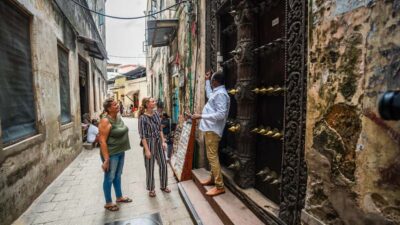
Stone Town Historical Cultural Walking Guided Tour
Read our review →
Arusha Guided Walking City Tour, Culture, Lifestyle & History
Read our review →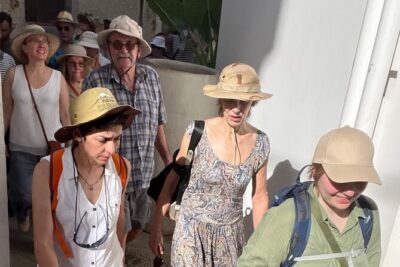
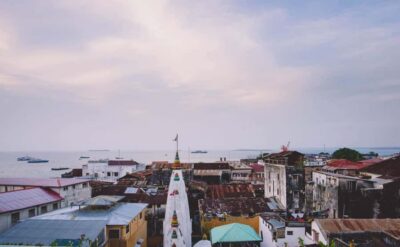
Stone Town’s Hidden History: Private Guided Walking Tour
Read our review →

Browse the lists this tour appears in