
Reviewed · FOOD TOURS IN ARUSHA
Arusha: Street Food Tasting Tour
Food tells Arusha’s story. This six-hour walking tour pairs local street food with markets, food stalls, and clear explanations of Tanzanian cooking traditions. I like the small group of up to 10 people, which should make it easier to ask questions and keep close to the guide. I also like the chance to taste several foods instead of sitting down for one standard meal.
The main consideration is the $170 price, which is high for a street-food outing unless the tastings, transport, and guiding are substantial. There is also conflicting information about transportation to the meeting point, so I would confirm exactly what is included before paying.
In This Review
- Key Points to Know Before You Go
- Starting With Arusha’s Everyday Food Scene
- Tasting Savory Snacks and Freshly Grilled Foods
- Markets, Fruit, and the Sweet Finish
- The Stories Behind Tanzanian Cuisine
- Why the Six-Hour Length Matters
- Is $170 a Fair Price?
- Group Size and Guide Quality
- Health, Allergies, and Practical Comfort
- Who Will Enjoy This Food Walk Most?
- Should You Book the Arusha Street Food Tasting Tour?
- FAQ
- How long does the Arusha street food tour last?
- What language is the tour conducted in?
- How many people can join the tour?
- What food will be included?
- Is transportation included?
- Is the tour suitable for people with food allergies?
- Can I cancel and receive a refund?
Key Points to Know Before You Go

- Six hours on foot: Plan for a full half-day of walking through Arusha’s streets, markets, and food areas.
- Small group format: The tour is limited to 10 participants, offering a more personal setting than a large city tour.
- Local food focus: Tastings include savory snacks, grilled meats, spices, tropical fruits, and desserts, though the exact menu is not specified.
- Food culture comes first: Your English-speaking guide explains the history, cooking methods, and social meaning behind the dishes.
- Richard received special praise: A verified June 2025 review singled out Richard for making the day enjoyable and for showing local life through food.
- Check transport details: The information both includes and excludes transport to the meeting point, so ask the operator to clarify this before departure.
Starting With Arusha’s Everyday Food Scene
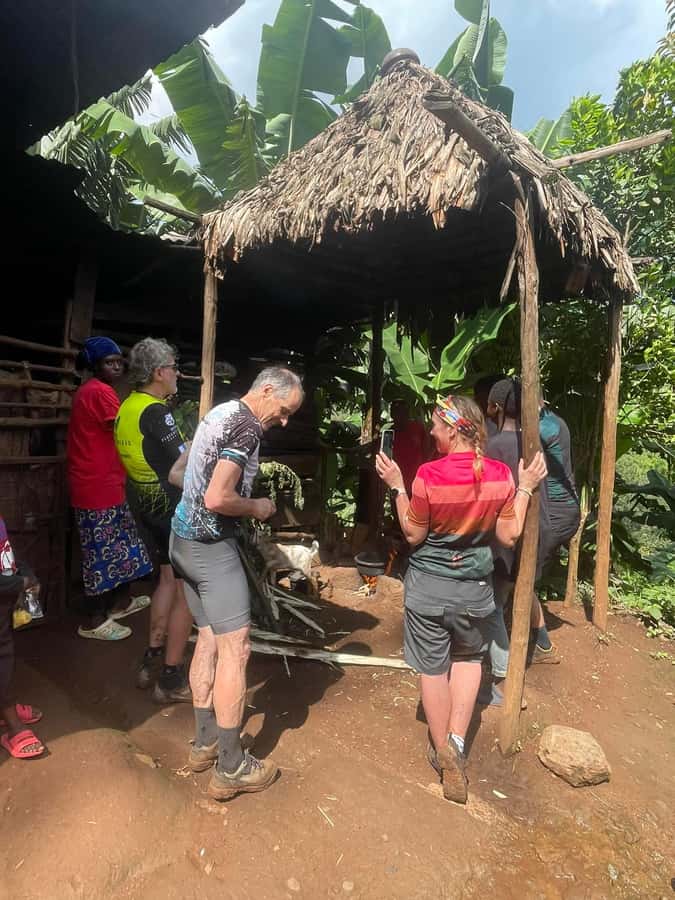
This tour is designed less as a formal restaurant meal and more as a moving introduction to daily life in Arusha. You walk with a local guide, stop at food stalls and markets, and sample small portions along the way.
That format matters. A restaurant can present Tanzanian food neatly, but street stalls show how people actually buy snacks, eat between errands, and choose familiar foods. You get the sounds, smells, movement, and quick decisions that are part of ordinary city life.
The guide is central to the experience. Instead of simply handing you a plate, the tour promises background on each dish, including its history, preparation, regional connections, and place in Tanzanian society. I like this approach because unfamiliar food makes more sense when you understand why it is eaten and how it is made.
The tour is conducted in English. With a maximum of 10 people, you should have a reasonable chance to hear the explanations and ask about ingredients. Smaller groups also help when the walk moves through crowded market areas, though the tour’s exact meeting point and route are not provided.
More Food Tours in Arusha
- Arusha: Traditional Tanzania Cooking Class & Food Market Tour
★ 5.0 · 34 reviews - Organic Coffee Tour and Local Food Experience in Arusha
★ 5.0 · 29 reviews - Arusha: Traditional Tanzania Cooking class& Food Market Tour
★ 4.9 · 12 reviews
Tasting Savory Snacks and Freshly Grilled Foods
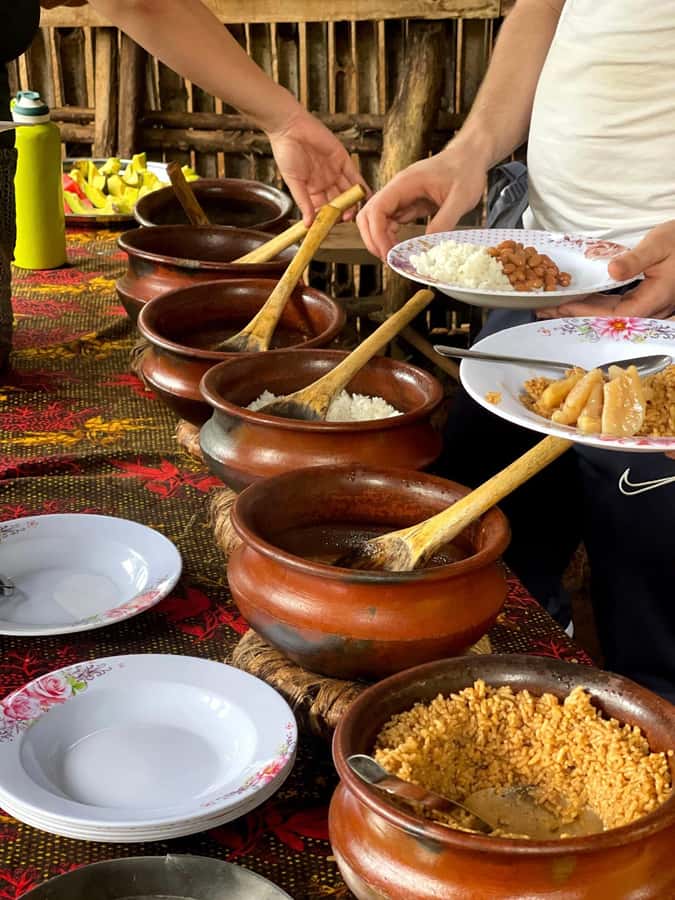
The food portion covers a broad range of tastes rather than one narrow category. You might sample savory snacks, freshly grilled meats, foods seasoned with aromatic spices, and other items sold by local vendors.
Because no fixed menu is given, you should treat the selection as changeable. Street food depends on what vendors are serving that day, what is fresh, and what the guide chooses for the group. This can make the outing feel more genuine, but it also means you should not book expecting a particular dish.
Grilled food is likely to be one of the more accessible parts of the tasting. Fresh cooking gives you a chance to see how vendors prepare food and to judge the aromas and textures before taking a bite. The tour description does not promise any particular meat, cooking method, or level of spice, so ask the guide about ingredients if you have concerns.
Spices also receive attention. The guide may explain how seasoning affects different dishes and how local cooking varies from one food to another. You should not expect a cooking class, but the explanations can give you useful context for ordering meals elsewhere in Tanzania.
The best way to approach the tastings is with curiosity and modest expectations. Portions are described as samples, not full meals. Six hours is a long time for a food walk, so you may want to eat lightly beforehand without arriving hungry enough to feel uncomfortable if a dish does not suit you.
Markets, Fruit, and the Sweet Finish
Markets give the tour its strongest connection to everyday Arusha. You are not only tasting food. You are also seeing where ingredients and ready-to-eat snacks are sold, and how food fits into the rhythm of the city.
The experience includes tropical fruits, which offer a useful contrast to grilled and spiced foods. Fruit can also provide a lighter break during a long walk. The exact fruits are not listed, so you might find that the selection changes with availability.
Desserts are part of the promised range as well. Their inclusion gives the tasting a natural progression from savory foods to something sweet, though the operator does not identify any specific dessert. That lack of detail is worth noting if you have a strict diet or strong preferences.
Markets can be crowded and energetic, and the tour is meant to take place in that active setting rather than behind a quiet dining-room door. Wear comfortable shoes and keep your belongings secure as you move between vendors. A camera is recommended, but ask before photographing people or individual stalls.
The Stories Behind Tanzanian Cuisine
The food explanations may be the most valuable part of the tour for first-time visitors. The guide is expected to discuss traditional cooking techniques, regional specialties, and the importance of food in Tanzanian society.
That context turns a quick snack into a lesson in place. You learn that food is not just fuel or a souvenir. It can mark a gathering, reflect local ingredients, and show how cooking traditions are passed on. The tour promises an overview rather than a detailed academic study, but six hours allows more time for conversation than a short market stop.
I would pay close attention to the guide’s examples and ask questions as you go. You might ask how a dish is normally eaten, when it is served, or how the version at one stall differs from another. The tour description supports this kind of discussion, even though it does not name the dishes or vendors in advance.
A guide can also help you understand what you are seeing beyond the food itself. Arusha’s streets and markets are part of the setting, and the walking format lets you connect meals with the city around them. One verified review praised Richard for showing local life as well as local food, which is a useful clue about the tour’s intended character.
A different kind of day out entirely:
- Balloon Safari & Bush Breakfast in Serengeti – Miracle Experience
★ 5.0 · 1,646 reviews - Tanzania Classic – 7 Days
★ 5.0 · 1,151 reviews - 4 Days Group Camping Safari
★ 5.0 · 1,101 reviews - 5 Days Group Camping Safari
★ 5.0 · 730 reviews
Why the Six-Hour Length Matters
Six hours gives the tour room to move at an unhurried pace. You can stop for several tastings, hear the explanation behind them, and spend time in more than one market or food area.
The tradeoff is stamina. This is not a quick snack break squeezed between major sightseeing stops. You need comfortable shoes, water, and enough energy for a substantial walk. If you prefer seated dining or have limited walking time, a six-hour street-food tour may feel too long.
The pace can also affect how much you taste. A long tour does not necessarily mean a larger meal. Much of the value comes from the guide’s commentary, the markets, and the chance to observe local food habits. I would choose this activity for the time it gives you to understand Arusha, not simply for the number of bites.
Starting times are not fixed in the information provided. Check availability when booking and make sure the start fits your wider schedule. The tour’s six-hour duration could take up most of a morning and afternoon, depending on the departure time.
Is $170 a Fair Price?
At $170 per person, this is not a budget food walk. The price needs to cover more than the snacks. You are paying for six hours of guiding, a walking route through Arusha, multiple tastings, cultural explanation, and a small group capped at 10 people.
That can be reasonable if you want a structured introduction to the city and prefer having a local guide handle the route and vendor choices. It is less compelling if you mainly want inexpensive street food and are comfortable exploring markets on your own.
The value also depends on the quantity and range of the samples, neither of which is specified. Before booking, I would ask what tastings are included, whether the food amounts add up to a full meal, and whether drinks are part of the price. Those questions are especially important because personal purchases are excluded.
Transportation needs clarification too. The included section lists transportation to and from the meeting point, while the exclusions say transportation to and from the meeting point is not included. Do not assume either version is correct. Ask FAHARI SAFARI whether a transfer is provided, from where, and whether any extra charge applies.
The reserve-now-and-pay-later option gives you some flexibility, and cancellation is free up to 24 hours in advance for a full refund. Those policies make the booking less risky, but they do not change the need to confirm the practical details.
Group Size and Guide Quality
A group of no more than 10 is a good fit for a walking food tour. You can usually stay near the guide, hear the food explanations, and ask questions without stopping the entire street. A smaller group may also make vendor visits less awkward than a large crowd gathering around a stall.
The guide’s personality will shape the day. The only named feedback identifies Richard, who was praised for making the outing enjoyable and for connecting food with local life. If Richard is not guaranteed for every departure, ask who will lead your group.
The operator is FAHARI SAFARI. The tour is offered in English, and the guide is expected to explain both food and culture rather than simply lead you from one snack to the next.
I would judge the tour by the guide’s ability to explain clearly and adapt to questions. Street food is at its best when you understand what you are eating and why it matters. A guide who only points out stalls would leave much of the price unexplained.
Health, Allergies, and Practical Comfort
This activity is specifically marked as unsuitable for people with food allergies. Take that warning seriously. The tour involves food from several local vendors, and the exact ingredients and preparation methods are not listed.
If you have an allergy, severe intolerance, or strict dietary restriction, contact FAHARI SAFARI before booking and ask whether the tour can accommodate you. The available information does not promise substitutions, ingredient checks, or a separate menu.
You should bring water and wear comfortable shoes. Those are simple recommendations, but they matter during six hours of walking and tasting. Bring a camera if you want to record the markets and food, while remembering to ask permission before photographing people.
Personal purchases are not included. That is useful to know if you see packaged food, fruit, spices, or other market goods you want to take with you. Carry a little extra spending money if browsing and buying are part of your travel style, but do not confuse shopping with the included tastings.
Who Will Enjoy This Food Walk Most?
I would recommend this tour to someone who wants an introduction to Arusha through food rather than a standard sightseeing route. It suits curious eaters, first-time visitors, and people who enjoy asking questions about local customs.
It is also a good choice if you want a guided experience but prefer a small group. The combination of walking, markets, and tastings gives you more contact with ordinary city life than a meal in a hotel dining room.
The tour is less suitable if you need a precise menu, have food allergies, dislike walking, or want a low-cost way to eat. It may also frustrate anyone who prefers fixed schedules and named stops, since the available details do not specify the exact route, dishes, or starting time.
I would reserve it early if the date suits you, then send the operator practical questions about transport and food content. The flexible cancellation policy helps, but clear answers will help you decide if the cost matches what you want.
Should You Book the Arusha Street Food Tasting Tour?
Book this tour if you see food as a way to understand a city. The strongest points are the six-hour format, small group, local market setting, and cultural explanation. Richard’s positive mention also suggests that a strong guide can make the experience feel personal rather than routine.
I would skip it if you mainly want cheap snacks or need firm control over ingredients. At $170, the tour earns its price only when the guiding, range of tastings, and local insight matter to you.
Before booking, confirm the meeting point, transport, included food, and guide assignment. If those answers are clear and you are comfortable with a long walk and an open-ended menu, this could be a memorable first taste of Arusha.
FAQ
How long does the Arusha street food tour last?
The tour lasts six hours. Check availability for the available starting times.
What language is the tour conducted in?
The tour is conducted in English with a live English-speaking guide.
How many people can join the tour?
It is a small-group experience limited to 10 participants.
What food will be included?
You will sample a variety of street foods from local vendors and markets. Possible categories include savory snacks, grilled meats, spiced foods, tropical fruits, and desserts, but an exact menu is not provided.
Is transportation included?
The information is inconsistent. One section says transportation to and from the meeting point is included, while another says it is not included. Confirm this detail with FAHARI SAFARI before booking.
Is the tour suitable for people with food allergies?
No. The activity is marked as unsuitable for people with food allergies.
Can I cancel and receive a refund?
Yes. You can cancel up to 24 hours in advance for a full refund. You can also reserve now and pay later.
Just added in Arusha
- Safari “Kifaru” – 5 days in the most famous Parks in the world★ 5.0 · 4 reviews
- Saadani Day Trip★ 5.0 · 13 reviews
- 3 Days Tanzania Short and Spicy★ 5.0 · 6 reviews
- 5 Day Tanzania Safari Camping Adventure Private Tour★ 5.0 · 2 reviews
- Day Trip to Ngorongoro Crater from Arusha★ 5.0 · 1 review
- SERENGETI NATIONAL PARK Tour★ 4.5 · 5 reviews
- 3 Days Serengeti Park & Ngorongoro Crater Adventure Safari★ 5.0 · 8 reviews
- 6 Days Tanzania Bush Experience Safari★ 5.0 · 6 reviews
Food Tours in Arusha, compared.
Traditional Tanzania Cooking Class & Food Market Tour
Read our review →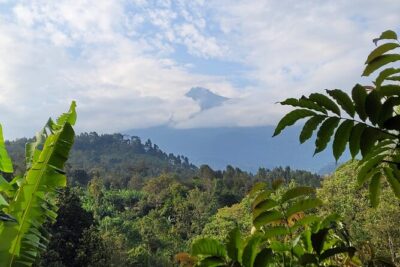
Organic Coffee Tour and Local Food Experience in Arusha
Read our review →Traditional Tanzania Cooking class& Food Market Tour
Read our review →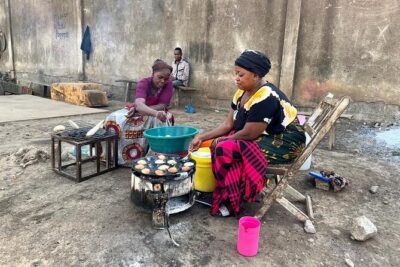

Waterfalls, Coffee, Hotsprings, Food Cuisine, & Serval Wildlife
Read our review →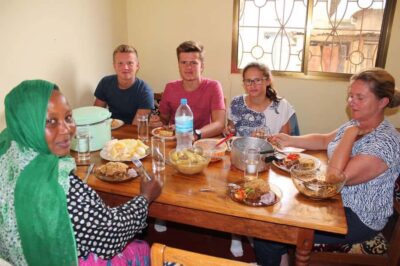
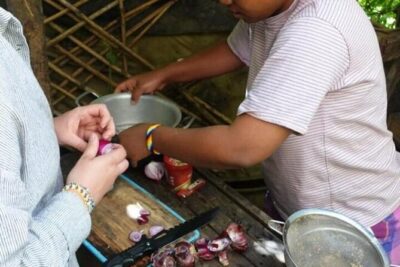
Local Tanzanian Food Cooking Class by Kingstone Asilia (Arusha)
Read our review →Browse the lists this tour appears in