
Reviewed · FOOD TOURS IN ARUSHA
Mama Aziz Food Court
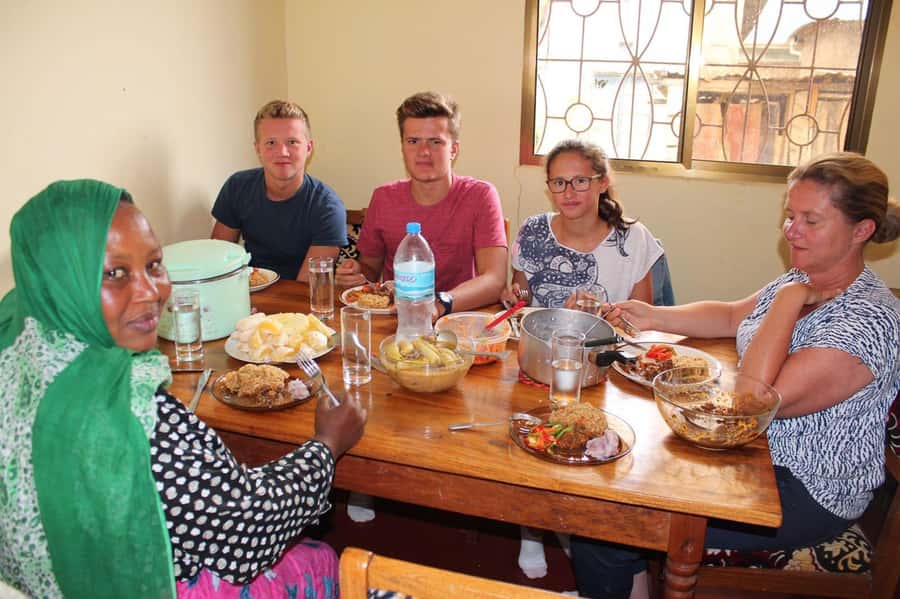
Food can explain a city. Mama Aziz Food Court pairs a city market visit with hands-on Swahili cooking, so you see the ingredients before learning how they become pilau, chapati, ugali, barbecue, and coconut-based dishes. The three-hour experience costs $25 per person and includes groceries, fruit, ingredients, and the market visit.
I like the practical format: you shop, cook, and eat rather than simply watch a demonstration. I also like the warm family welcome and the chance to learn about Tanzanian culture through food. The main drawback is access. This activity is not suitable for wheelchair users or people with visual impairments, and the exact menu may depend on what is selected for the day.
In This Review
- What makes Mama Aziz Food Court worth your time
- Why food is the best way into Swahili culture
- Meeting at Arusha’s Clock Tower area
- Shopping for ingredients at the city market
- Choosing the menu and learning the spice balance
- Hands-on cooking with experienced hosts
- Eating the meal you helped prepare
- What the $25 price really covers
- The family welcome and social side
- Timing, comfort, and access
- Cancellation and booking flexibility
- Who will enjoy Mama Aziz Food Court most?
- Should you book this Arusha cooking lesson?
- FAQ
- Where does Mama Aziz Food Court take place?
- How much does the cooking experience cost?
- How long does the experience last?
- What language is used during the experience?
- How many people can join the group?
- What food might I learn to prepare?
- Can I cancel the booking?
- Is the activity accessible to wheelchair users?
What makes Mama Aziz Food Court worth your time
- Market shopping comes first: You visit a city market and help buy the groceries, fruit, spices, herbs, and other ingredients used in the lesson.
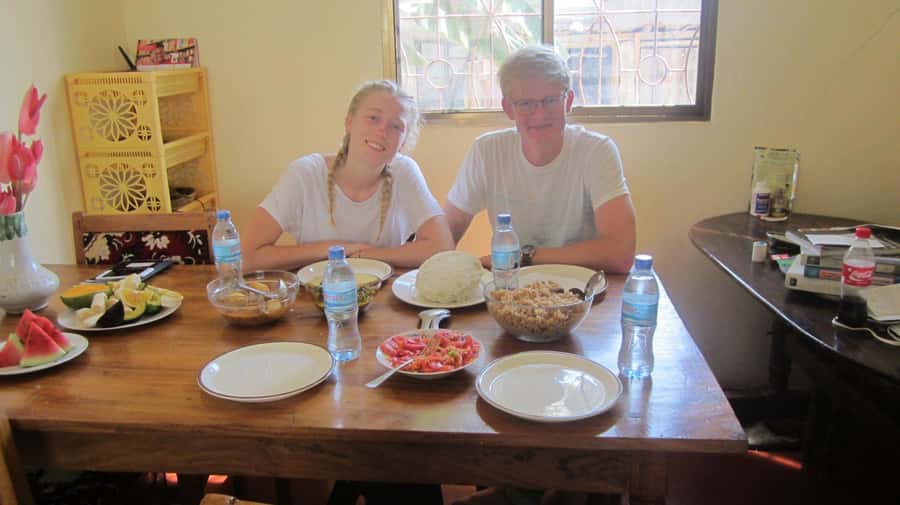
- You cook several Swahili staples: Possible dishes include biriyani, pilau with kachumbari, ugali with grilled meat, chapati with gravy, spiced tea, coconut iftaar, and seasonal fruit.
- The $25 price covers the essentials: Groceries, fruit, cooking ingredients, and the market tour are included, which makes the price easier to judge.
- The setting feels personal: The experience takes place with Mama Aziz Homestay, and the warm family welcome is a major part of its appeal.
- It is a small-group activity: A maximum of 10 participants gives you a better chance to take part at the stove and ask questions.
- You finish with a shared meal: The food you help prepare becomes the main event, with tasting at the end and a possible visit to the garden.
Why food is the best way into Swahili culture
Swahili food reflects centuries of contact along East Africa’s coast and inland trade routes. African cooking traditions meet Arab, Indian, and European influences in the use of rice, spices, coconut, grilled meat, flatbreads, and slow-cooked sauces.
You do not need a background in cooking to appreciate this. You simply need curiosity and an appetite. A dish such as pilau can teach you about spice combinations, while chapati shows how a few basic ingredients can become an important part of daily meals.
The value here is not just learning a recipe. You get a clearer sense of how food connects Tanzania with the wider Swahili world. That context gives the meal more meaning than a restaurant order, even if you are already familiar with some of the dishes.
More Food Tours in Arusha
- Arusha: Traditional Tanzania Cooking Class & Food Market Tour
★ 5.0 · 34 reviews - Organic Coffee Tour and Local Food Experience in Arusha
★ 5.0 · 29 reviews - Arusha: Traditional Tanzania Cooking class& Food Market Tour
★ 4.9 · 12 reviews
Meeting at Arusha’s Clock Tower area
Pickup is included from a nearby restaurant at the Clock Tower roundabout or from the museum along the monument. This is useful if you are already exploring central Arusha and do not want to arrange a separate taxi across town.
You should confirm the exact meeting point and starting time when you book. The activity lasts three hours, but the available start times can vary. Since the experience includes shopping before cooking, arriving on time matters. A late arrival could cut into the market portion or reduce your time in the kitchen.
The meeting arrangement is simple rather than hotel-based. If you are staying farther from the center, factor in your own transport to the pickup point unless a different arrangement is confirmed. The supplied information does not promise pickup from every hotel or neighborhood.
Shopping for ingredients at the city market
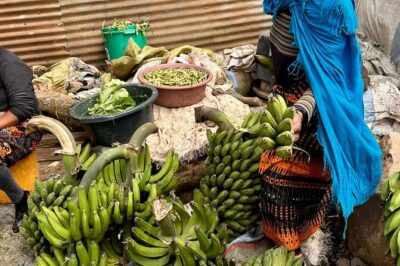
The market visit gives the experience its strongest sense of place. Instead of arriving to find every ingredient measured and waiting, you take part in buying the food and fruit needed for the lesson.
You might find aromatic spices, tropical fruit, fragrant herbs, vegetables, and staples used in Tanzanian home cooking. The exact selection depends on the menu chosen for the session and the seasonal produce available. That small element of uncertainty is part of the appeal, but it also means you should not expect every listed dish in one afternoon.
I like this part because it makes the cooking feel connected to everyday life. You can see that Swahili food is not built from mysterious restaurant ingredients. It comes from familiar produce, carefully chosen spices, and methods that reward patience and attention.
The market also gives you a chance to ask about local ingredients before they reach the kitchen. For a visitor who normally sees only the finished meal, this is a useful bridge between food and place.
Choosing the menu and learning the spice balance
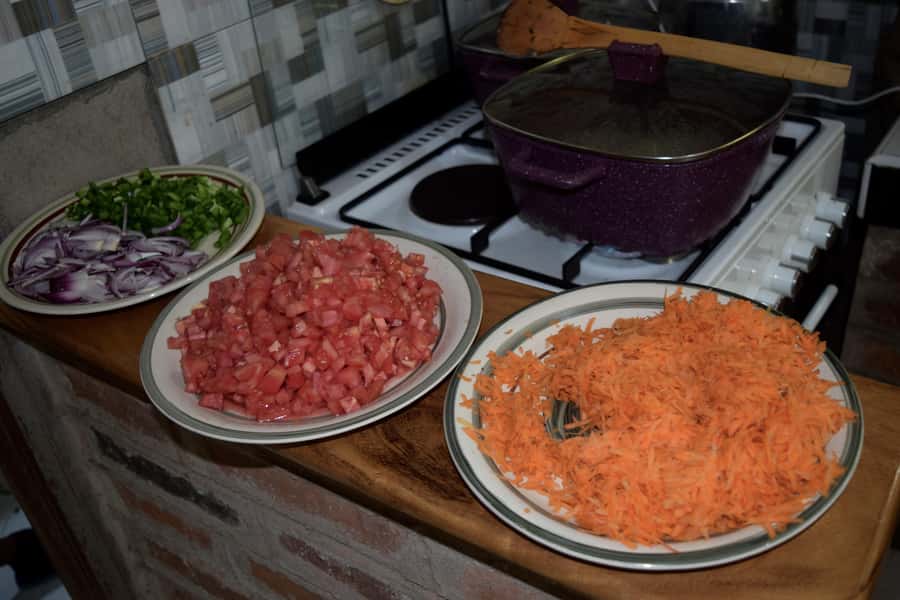
The menu may include a selection of the following:
- Biriyani
- Pilau with kachumbari
- Chai masala, or spiced tea
- Ugali with grilled meat and vegetables
- Chapati with gravy
- Coconut iftaar with plantains, sweet plantains, sweet potatoes, Irish potatoes, and arrow roots
- Seasonal fruit
The available information indicates that you have a choice of menu, but it does not promise that every dish will be prepared during each session. Ask about the day’s selection if one particular recipe matters to you.
Pilau and biriyani are especially useful dishes for learning about spice balance. They show how rice can carry the flavor of aromatics and seasoning without becoming heavy. Kachumbari adds a fresh contrast beside pilau, while grilled meat and vegetables give ugali a hearty partner.
Chapati offers a different lesson. You learn how a simple flatbread works with gravy and how texture can be as important as seasoning. Chai masala brings the spice lesson into a drink, with the familiar comfort of tea shaped by fragrant additions.
The coconut iftaar selection is also distinctive. It brings together plantains, potatoes, sweet potatoes, and arrow roots in a coconut-focused preparation. This gives you a taste of a food tradition that is different from the better-known rice and grilled-meat dishes.
A different kind of day out entirely:
- Balloon Safari & Bush Breakfast in Serengeti – Miracle Experience
★ 5.0 · 1,646 reviews - Tanzania Classic – 7 Days
★ 5.0 · 1,151 reviews - 4 Days Group Camping Safari
★ 5.0 · 1,101 reviews - 5 Days Group Camping Safari
★ 5.0 · 730 reviews
Hands-on cooking with experienced hosts
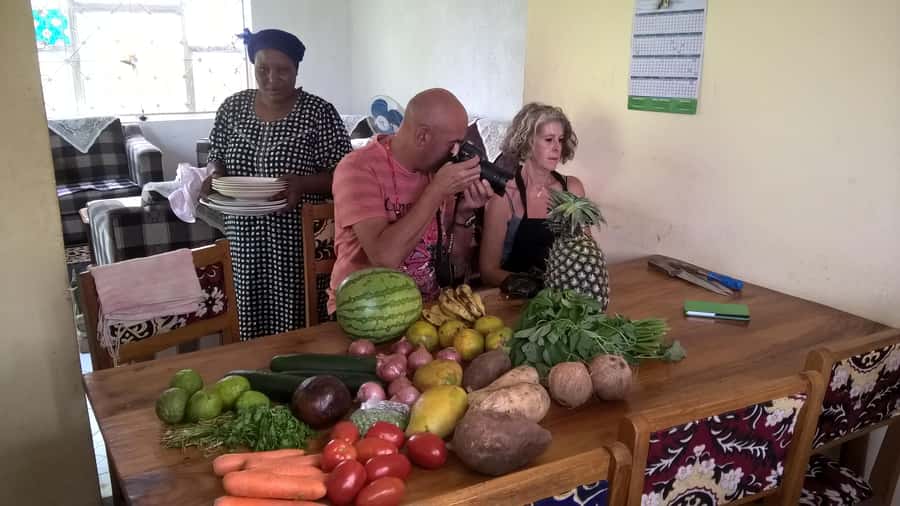
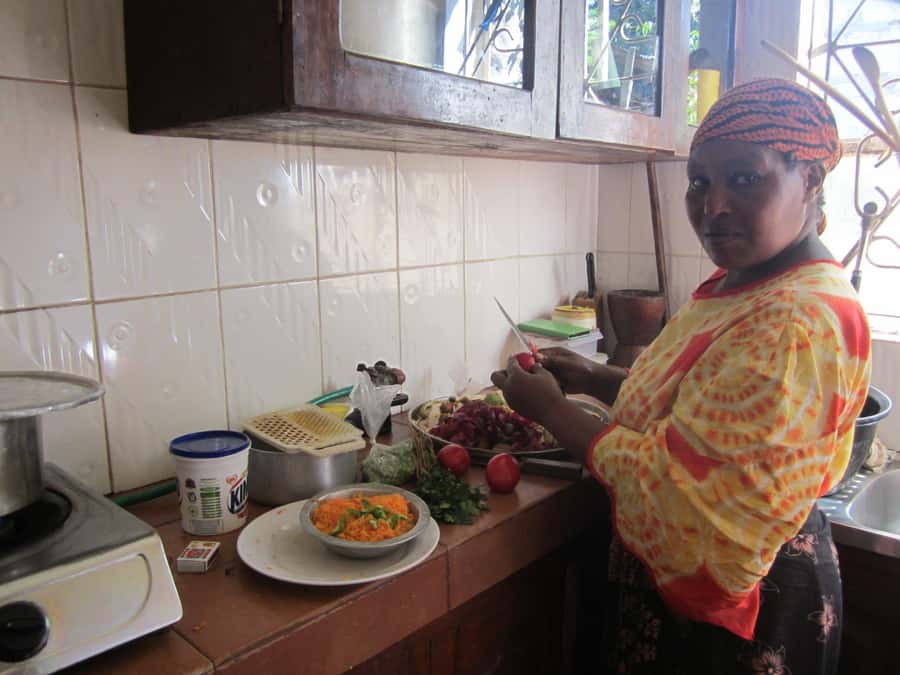
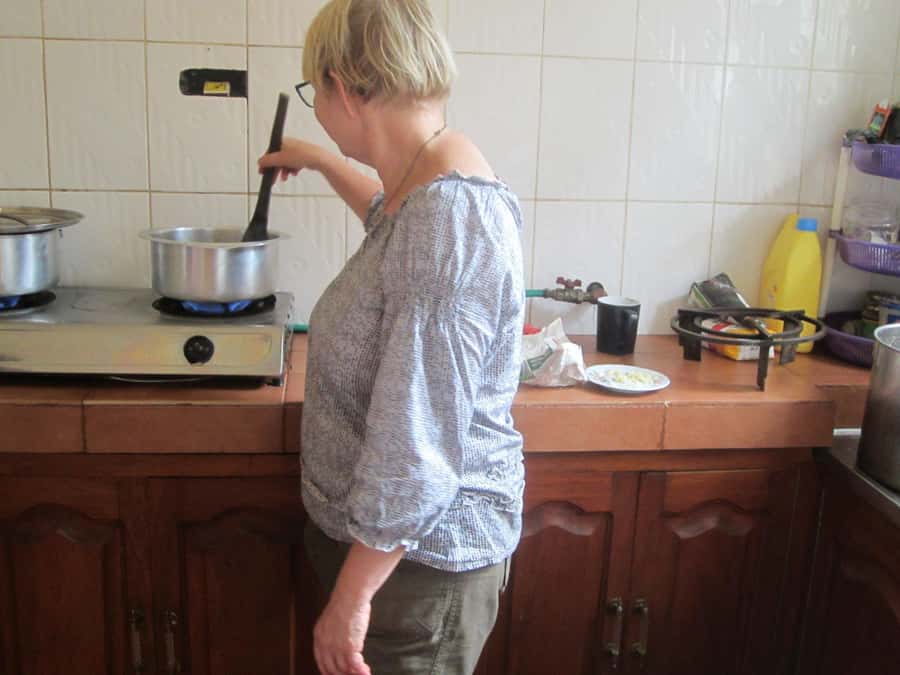
This is not designed as a demonstration where you sit back and take notes. You are expected to roll up your sleeves, work with the ingredients, and take part in the preparation.
The cooking sessions focus on practical skills, including spice combinations and cooking techniques. You should expect guidance rather than a formal culinary-school lesson. The aim is to help you understand how the dishes are made well enough to try them again in your own kitchen.
That distinction matters. A polished restaurant meal can tell you what Swahili food tastes like. This experience gives you a better idea of why it tastes that way.
The group is limited to 10 participants. That is still large enough for a social activity, but small enough to make hands-on participation more realistic than in a large class. If cooking time is important to you, ask how many people are booked and how the tasks are divided.
The hosts also bring a cultural side to the lesson. The family welcome was one of the most praised parts of the experience, and the time at Mama Aziz includes more than food preparation. You learn about Tanzanian customs and traditional ingredients in a relaxed home setting.
Eating the meal you helped prepare
The final meal is the payoff, but it is also where you notice what you learned. Pilau with kachumbari, ugali with barbecue and vegetables, chapati with gravy, or coconut iftaar each offers a different view of Swahili cooking.
I would pay attention to texture as much as flavor. Rice dishes should make you notice the role of spice and aroma. Ugali is meant to be eaten with a companion dish, so the grilled meat, vegetables, or gravy matter. Chapati gives you a way to carry sauce and turn a simple meal into something filling.
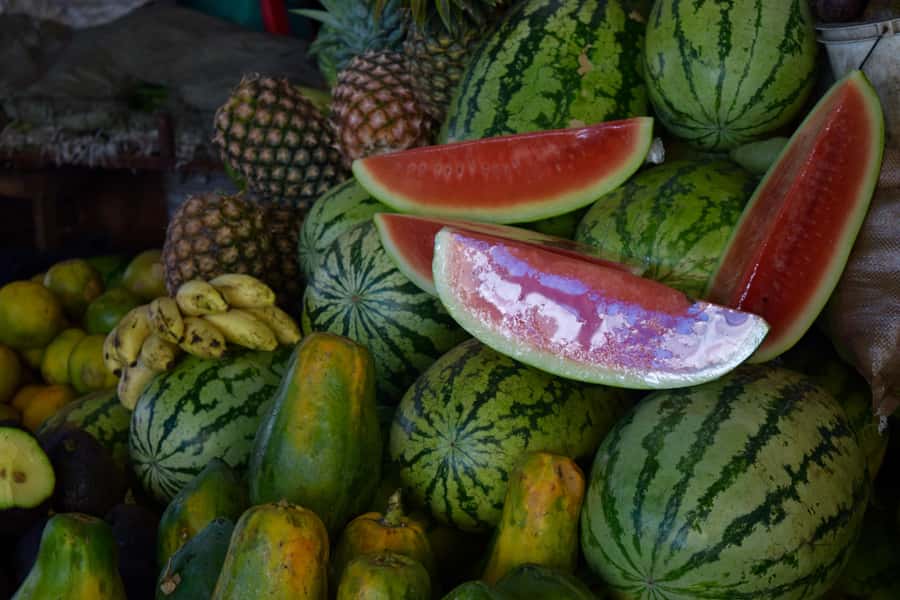
Seasonal fruit rounds out the meal. Since the fruit is bought as part of the experience, the selection can change with availability. That is a plus if you like local produce, though it means the exact offering is not fixed.
A garden visit may also be included after the cooking and tasting. The supplied details describe a visit to the garden, but do not specify its size or the plants you will see. Think of it as an added look at the food setting rather than a separate sightseeing stop.
What the $25 price really covers
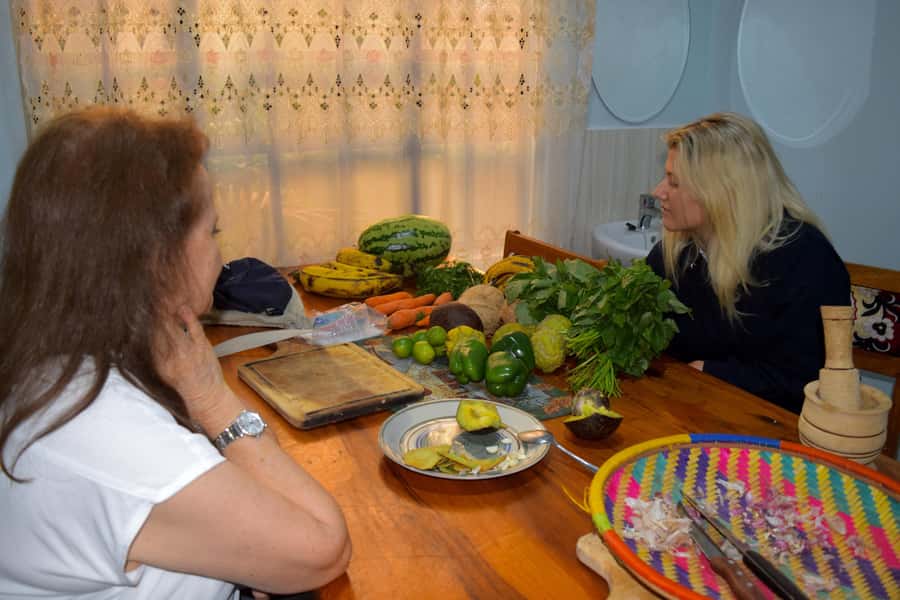
At $25 per person, the experience is priced as more than a cooking lesson. Your fee includes the city market tour, the groceries and fruit bought for the session, and all necessary ingredients for the recipes.
That makes the value fairly clear. You are paying for instruction, food, a cultural activity, and a guided shopping experience in one three-hour block. You also avoid the small but real cost of buying ingredients yourself and figuring out how to use unfamiliar items.
The price is strongest for anyone who wants a meal with an activity attached. If you only want to eat Swahili food, a restaurant will be quicker and may offer a larger menu. If you want to understand the food and take part in preparing it, Mama Aziz offers more for the money.
Discounts are available for group bookings and recurring participants. The supplied details do not give the discount amount, so you should ask before booking if you are arranging a larger party.
The family welcome and social side
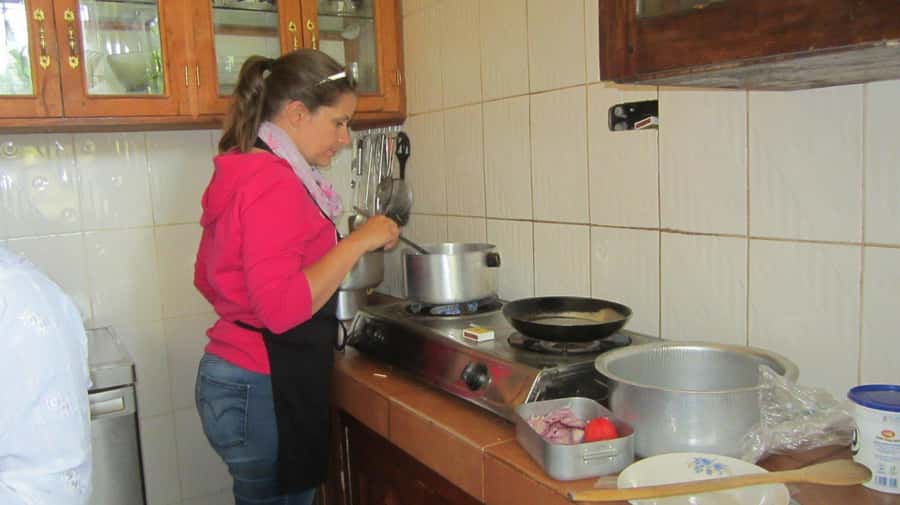
The hosts are not just there to explain measurements. The family welcome is a central part of the experience, and the setting encourages conversation about Tanzanian culture as well as cooking.
This suits you if you enjoy meeting people through food and do not mind a less formal style. You may get more from the activity by asking questions about the ingredients, meal traditions, and the reasons behind each preparation.
The small-group format also helps. With no more than 10 participants, you can share the meal and compare your cooking efforts with other people in the group. It is a social activity, but it is not built around nightlife. Alcohol and drugs are not allowed.
Bring a camera if you want to record the market, dishes, or garden. Bring cash and a credit card as well, since both are listed as recommended items. The information does not specify which purchases, if any, might require payment beyond the activity price, so carrying both forms of payment is sensible.
Timing, comfort, and access
Three hours is long enough to cover shopping, cooking, eating, and the garden visit without turning the activity into an all-day commitment. It also means the schedule is likely to feel active. You should be ready to move from the market to the cooking area and take part rather than expect long breaks.
The experience is offered in English. That makes it a practical choice if you want explanations about ingredients and methods without relying on translation.
Access is the main concern. The activity is not suitable for wheelchair users or people with visual impairments. No other accessibility details are provided, so you should contact the provider directly if you have mobility, balance, dietary, or other participation needs.
Dietary information is also not specified. Since the menu can include meat, vegetables, rice, flatbread, potatoes, fruit, and coconut dishes, ask in advance if you need a vegetarian, vegan, allergy-aware, or other special menu.
Cancellation and booking flexibility
You can cancel up to 24 hours before the activity for a full refund. The reserve-now-and-pay-later option lets you hold a place without paying immediately, which is helpful when your Arusha schedule is still changing.
The group size is limited to 10 participants, so you should check availability before assuming a preferred date will remain open. Starting times are also subject to availability.
Who will enjoy Mama Aziz Food Court most?
I would recommend this experience to you if you enjoy local food, practical activities, and personal contact with hosts. It is a good match for couples, friends, solo visitors, and small groups who want to spend part of a day doing something rather than only seeing sights.
It also suits people who want an introduction to Tanzanian food without committing to a long cooking course. The three-hour format gives you a clear taste of the cuisine, and you leave with techniques and flavor ideas you can try at home.
Families and larger groups should ask about the available discount and the way cooking tasks are shared. The small-group limit may make the activity comfortable, but it also means a large party could need more than one booking or a separate arrangement.
You may want to skip it if you dislike market visits, hands-on food preparation, or flexible menus. It is also not the right choice if wheelchair access or visual assistance is essential.
Should you book this Arusha cooking lesson?
Book Mama Aziz Food Court if you want food to be the main way you meet Tanzanian culture. The best parts are the market shopping, the chance to cook rather than watch, the family welcome, and the fact that the $25 price includes the ingredients and meal.
Before booking, confirm the meeting point, the day’s menu, and any dietary or access requirements. If you do that and arrive ready to participate, this looks like a friendly, good-value introduction to Swahili cooking in Arusha.
FAQ
Where does Mama Aziz Food Court take place?
The experience is in Arusha, Tanzania, with pickup from a nearby restaurant at the Clock Tower roundabout or from the museum along the monument.
How much does the cooking experience cost?
The price is $25 per person. Groceries, fruit, all necessary recipe ingredients, and the city market tour are included.
How long does the experience last?
The activity lasts three hours. Starting times depend on availability.
What language is used during the experience?
The instructor language is English.
How many people can join the group?
The activity is offered as a small group with a maximum of 10 participants.
What food might I learn to prepare?
Possible dishes include biriyani, pilau with kachumbari, chai masala, ugali with grilled meat and vegetables, chapati with gravy, coconut iftaar, and seasonal fruit. The exact menu may vary.
Can I cancel the booking?
Yes. You can cancel up to 24 hours in advance for a full refund.
Is the activity accessible to wheelchair users?
No. The activity is not suitable for wheelchair users or people with visual impairments.
Just added in Arusha
- Safari “Kifaru” – 5 days in the most famous Parks in the world★ 5.0 · 4 reviews
- Saadani Day Trip★ 5.0 · 13 reviews
- 3 Days Tanzania Short and Spicy★ 5.0 · 6 reviews
- 5 Day Tanzania Safari Camping Adventure Private Tour★ 5.0 · 2 reviews
- Day Trip to Ngorongoro Crater from Arusha★ 5.0 · 1 review
- SERENGETI NATIONAL PARK Tour★ 4.5 · 5 reviews
- 3 Days Serengeti Park & Ngorongoro Crater Adventure Safari★ 5.0 · 8 reviews
- 6 Days Tanzania Bush Experience Safari★ 5.0 · 6 reviews
Food Tours in Arusha, compared.
Traditional Tanzania Cooking Class & Food Market Tour
Read our review →
Organic Coffee Tour and Local Food Experience in Arusha
Read our review →Traditional Tanzania Cooking class& Food Market Tour
Read our review →

Waterfalls, Coffee, Hotsprings, Food Cuisine, & Serval Wildlife
Read our review →
Local Tanzanian Food Cooking Class by Kingstone Asilia (Arusha)
Read our review →
Browse the lists this tour appears in