
Reviewed · COOKING CLASSES
Cooking Class Tour
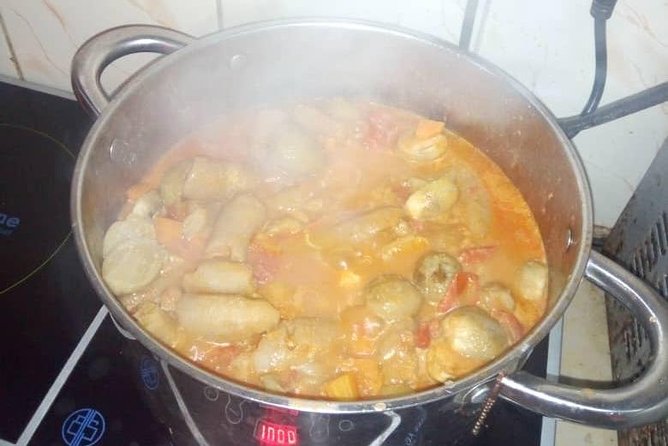
Spices tell Zanzibar’s story better than any souvenir shop. This five-hour cooking class takes you from a local market to a charcoal brazier, where you learn to prepare Swahili dishes with a Zanzibari chef. I especially like the maximum group size of six, which gives the lesson a personal feel, and the fact that you eat the meal you prepare. The main point to consider is that cooking over charcoal and handling a kitchen knife may feel less polished than a modern culinary school.
The experience costs $90 per person, a fair price if you want more than a meal and a recipe card. It includes ingredients, kitchen equipment, lunch, and instruction, but private transportation and tips cost extra. Vegetarians can be accommodated, and free cancellation is available up to 24 hours before the 9 a.m. start.
In This Review
- Key points to know before booking
- Starting at Tembo House Hotel at 9 a.m.
- Shopping for ingredients in a Zanzibar market
- Learning Swahili cooking from a local chef
- A traditional charcoal stove changes the lesson
- Eating the meal you prepared together
- How much value do you get for $90?
- Who will enjoy this five-hour experience?
- Practical advice for a smoother morning
- Should you book the Zanzibar cooking class?
- FAQ
- How long does the Zanzibar cooking class last?
- Where does the tour begin?
- Is transportation included?
- Can vegetarians join the cooking class?
- What is included in the $90 price?
- What happens if the weather is bad?
Key points to know before booking
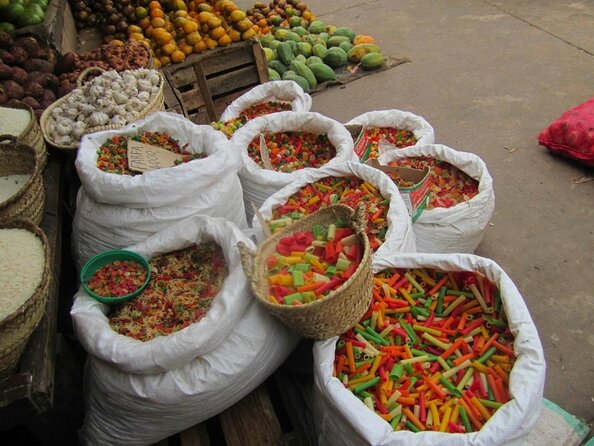
- The market visit comes first: You help buy the ingredients before cooking, giving the meal a useful connection to daily life in Zanzibar.
- The class uses a charcoal brazier: Expect traditional cooking methods rather than a sleek studio kitchen.
- Six people is the maximum: A small group means more chances to chop, stir, ask questions, and receive help.
- Lunch is made by you: The final meal is part of the lesson, not a separate restaurant stop.
- Vegetarian cooking is possible: Tell the operator about your needs when booking.
- The schedule depends on weather: Poor weather can lead to a new date or a full refund.
Starting at Tembo House Hotel at 9 a.m.
The tour begins at Tembo House Hotel on Shangani Street, near Forodhani Street in Stone Town. The stated start time is 9 a.m., and the activity ends back at the same meeting point.
That location is practical if you are staying in or near Stone Town. It also places you close to the city’s market streets, harbor area, and Forodhani neighborhood. You will want to arrive ready for a morning on foot, with comfortable shoes and clothing that can handle a little cooking mess.
Pickup is offered, but the details need careful attention. Private transportation is listed as not included, so do not assume that a vehicle from your hotel is part of the $90 price. Confirm the pickup arrangement with HALISI AFRICA TOURS before the day of the class. If you are meeting at Tembo House Hotel, use the exact entrance and allow enough time to find the guide.
The tour is available with a mobile ticket, and confirmation is provided when you book. Public transportation is nearby, which may help if you are not staying in central Stone Town.
More Cooking Classes in Zanzibar
- Zanzibar Cooking Class & Spice Tour
★ 4.5 · 77 reviews - Zanzibar: Spice Farm Tour with Traditional Cooking Lesson
★ 4.8 · 77 reviews - Half-Day Kuza Cave Swimming Adventure and Cooking Class
★ 4.5 · 44 reviews
Shopping for ingredients in a Zanzibar market
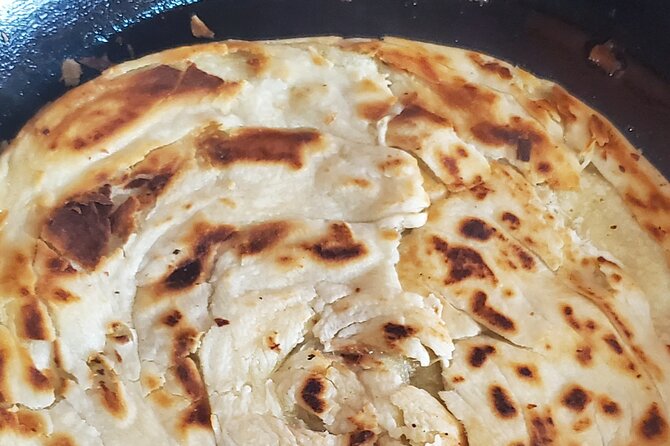
The market visit gives the class a useful beginning. Instead of arriving at a kitchen where every ingredient has already been measured, you first see what goes into the meal and take part in buying it.
This matters because spices are not treated as a minor garnish in Zanzibari cooking. The class explains the role of spices grown in Zanzibar and the mixture of Swahili cooking with oriental influences. That connection helps you understand why the finished dishes taste the way they do.
The available information does not specify the exact market, the dishes on the menu, or how long the shopping stop lasts. You should therefore think of this as a market-based introduction rather than a fixed shopping tour with a published list of stops. The menu may depend on the day’s ingredients, the season, and the needs of the group.
I like this flexible approach. Food becomes easier to remember when you have seen and selected the ingredients yourself. You also get a better sense of how a meal comes together before the cooking begins.
The drawback is that a market visit can make the schedule less exact. If you want a tightly timed class with every dish announced in advance, ask for the planned menu before booking. If you are happy to learn by following the chef’s lead, the open format should work well.
Learning Swahili cooking from a local chef
After the market, you begin the cooking lesson under the guidance of an experienced Zanzibari chef. The focus is practical. You are shown how to use the ingredients and how to prepare the dishes in a Zanzibar style.
This is not simply a demonstration where you sit and watch. The tour description specifically presents it as a chance to practice, and the small group helps make that possible. With no more than six people, you should have a reasonable chance to take part rather than wait behind a large crowd.
The class includes instruction in using a kitchen knife and a charcoal brazier. Those details are important. A knife lesson can help you understand how ingredients are prepared, while the charcoal stove introduces a cooking method that differs from the gas or electric equipment in most homes.
You should expect a hands-on setting rather than a polished professional kitchen. Charcoal cooking can be slower and less predictable than cooking on a modern stovetop. Heat control may require attention, and the pace can feel relaxed. That is part of the point, but it may not suit someone looking for a fast, highly technical class.
I would treat the chef as your guide to methods, not just recipes. Pay attention to how ingredients are combined, when the heat is adjusted, and how the chef judges readiness. Those small habits are often harder to capture in a written recipe.
A traditional charcoal stove changes the lesson
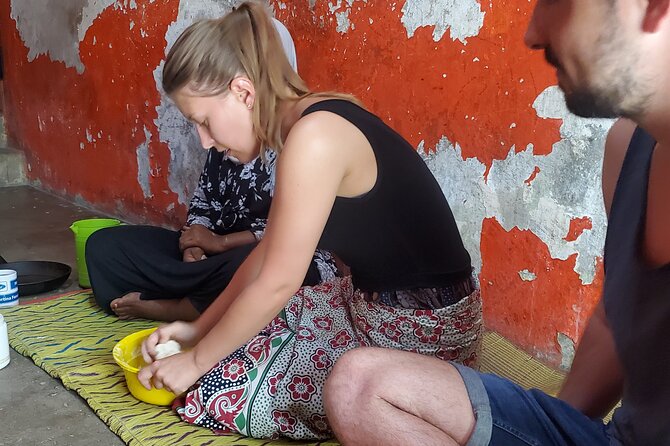
The charcoal brazier is one of the class’s most distinctive features. It gives you a direct look at a cooking method used in a home setting, rather than recreating Zanzibar food in a hotel demonstration kitchen.
A charcoal stove also shapes the rhythm of the meal. You may need to prepare carefully, watch the heat, and work together with the other people in the group. It can turn cooking into a shared task instead of a series of isolated stations.
One published account describes preparing a Zanzibar meal over a coal stove in a home, with the chance to watch and participate. That detail suggests the experience may feel domestic and personal, though the exact setting can depend on the operator’s arrangements for that day.
This is where your expectations matter. If you want stainless-steel counters, individual workstations, and precise printed recipes, this may feel basic. If you want to see how a local meal is prepared with everyday tools, the charcoal brazier adds real value.
Take care around the hot stove and the knife. The tour includes their use, so listen closely to the chef’s directions and do not rush through the practical parts.
A different kind of day out entirely:
- From Zanzibar: Mikumi Safari Day Trip with Flights and Meal
★ 4.7 · 1,470 reviews - Zanzibar: Quad Bike Adventure departing from Kendwa or Nungwi
★ 4.9 · 1,233 reviews - Zanzibar: Stone Town, Spice Tour, Prison Island with Lunch
★ 4.4 · 1,219 reviews - From Zanzibar: Day Selous Game Reserve Safari with Flights
★ 4.7 · 1,025 reviews
Eating the meal you prepared together
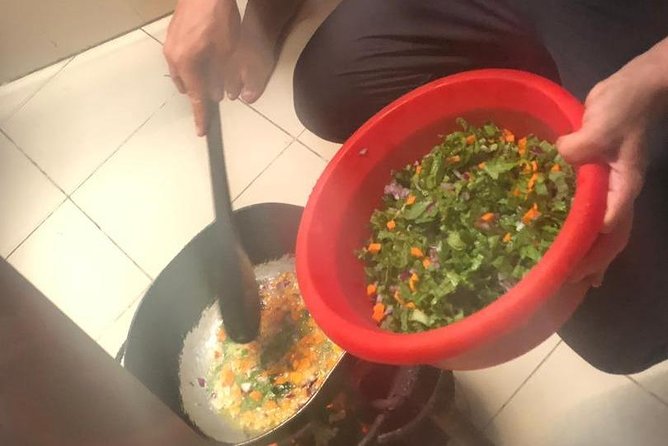
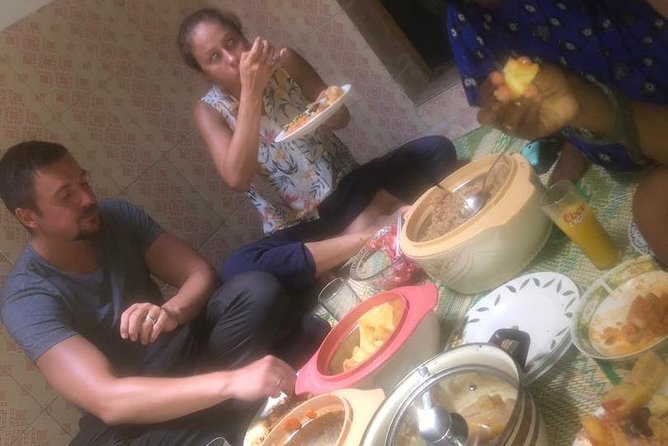
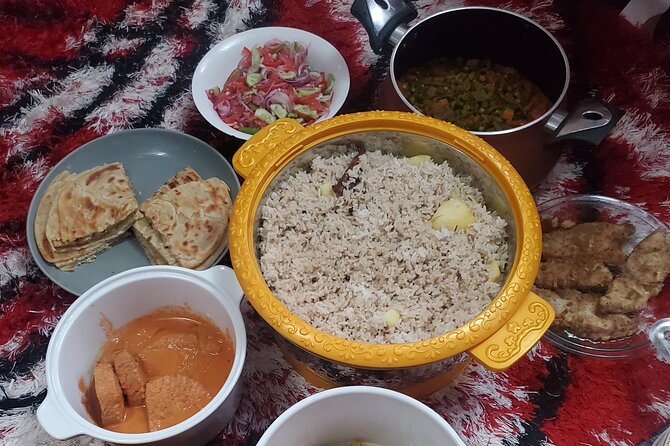
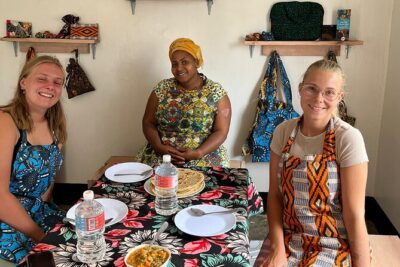
Once the food is ready, you sit down to eat what you made. Lunch is included, and the meal is shared with the chef while you discuss the day and the qualities of Swahili food.
This final part gives the class a clear payoff. You are not only watching someone else cook a local meal. You get to taste the result of your own work and compare the finished dishes with what you learned during preparation.
The shared meal also gives you time to ask questions. You can talk about the spices, the cooking methods, and the role of different foods in Zanzibari cuisine. The tone appears to be social and informal, with the food providing an easy way to connect.
A review of the experience praised the chance to cook with Hamza, Miram, and their family. It described preparing many different foods together and gaining a better understanding of Swahili cuisine. Those names are useful to know, but the operator may assign a different chef or host depending on the date, so do not book on the assumption that a specific person will lead your class unless HALISI AFRICA TOURS confirms it.
The meal is also where vegetarian needs can be handled. Vegetarians are welcome, but you should mention this when booking so the ingredients and menu can be planned properly. No other dietary requirements are specifically confirmed in the available information, so ask before paying if you have allergies or strict dietary rules.
How much value do you get for $90?
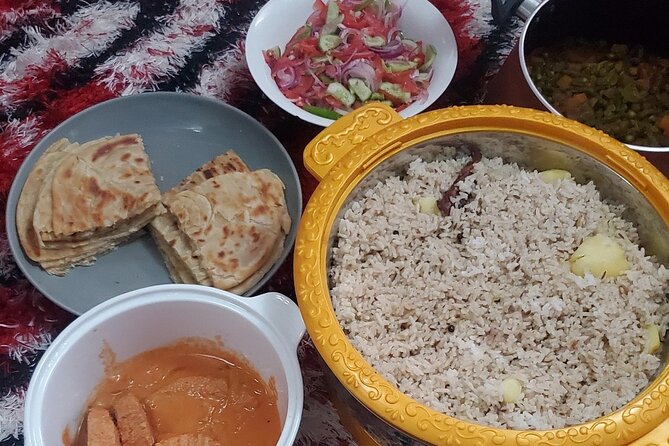
At $90 per person, this is not the cheapest way to eat lunch in Zanzibar. You are paying for much more than the food, though. The price includes the market activity, the chef’s instruction, the ingredients, the use of kitchen equipment, and the meal at the end.
The group cap makes the price easier to justify. A class with six people allows more direct help than a large workshop, especially when the lesson includes knife work and a charcoal stove. You are paying for participation, not just admission to a cooking show.
The value is strongest if you care about food, local methods, and a personal experience. It is weaker if your main goal is simply to have an inexpensive Zanzibari lunch. You could spend far less at a restaurant, but you would not get the market visit, the cooking practice, or the chance to prepare the meal with a local chef.
Private transportation and tips are not included. Add those costs to your budget if you need a hotel transfer. Since pickup is offered but private transport is excluded, clarify the arrangement in advance rather than assuming the $90 covers door-to-door service.
Who will enjoy this five-hour experience?
I would recommend this class to people who like to understand a place through food. It suits couples, small groups of friends, solo visitors who enjoy meeting people, and families with an interest in cooking, provided everyone is comfortable with the equipment and the five-hour schedule.
It is also a good choice if you have already seen Stone Town’s main sights and want an activity that involves more participation. The market and meal add local context that a standard restaurant visit does not provide.
Vegetarians should find the class workable because vegetarian cooking can be accommodated. State your preference at booking rather than waiting until the morning of the tour.
The class may be less suitable if you want a luxury food experience, a fully air-conditioned kitchen, a fixed menu, or private attention. The group is small, but it is still a shared class. You will cook alongside other people and follow the chef’s pace.
You should also consider the weather. The experience requires good weather, and poor conditions can lead to a different date or a full refund. That policy is fair, but it means you should avoid placing the class on the last possible day of your Zanzibar visit.
Practical advice for a smoother morning
Wear comfortable clothing and shoes suitable for walking to the market and working in a kitchen. Choose clothes you will not worry about around charcoal, food preparation, or heat.
Arrive early at Tembo House Hotel. The meeting point is on Shangani Street near Forodhani Street, but Stone Town’s streets can be confusing if you are unfamiliar with the area. Keep your mobile ticket and booking confirmation easy to access.
Ask these questions before the class:
- What dishes are planned for the day?
- Is hotel pickup included, or must you reach Tembo House Hotel yourself?
- Can the class accommodate your dietary needs?
- Will Hamza, Miram, or another chef lead the session?
- What happens if the weather forecast is poor?
The tour lasts about five hours, beginning at 9 a.m. and returning to the meeting point. Do not schedule a tight midday transfer or another fixed activity immediately afterward. The market, cooking, and shared lunch need room to run at a natural pace.
Free cancellation is available when you cancel at least 24 hours before the start time. Changes or cancellations made inside that window are not accepted for a refund. The cut-off follows local Zanzibar time.
Should you book the Zanzibar cooking class?
Book it if you want to work with local ingredients, learn practical Swahili cooking, and eat a meal you helped prepare. The small group, charcoal brazier, market visit, and personal chef instruction give the experience a clear sense of place.
Think twice if you want a polished culinary studio, private transport included in the price, or a guaranteed menu and named chef. Ask for those details before booking.
For most food-focused visitors, the $90 price is reasonable because it covers a full half-day rather than only lunch. I would make this a strong choice for anyone who values participation over sightseeing, especially if you have room in your schedule for weather changes and a relaxed five-hour class.
FAQ
How long does the Zanzibar cooking class last?
The experience lasts approximately five hours. It begins at 9 a.m. and ends back at the meeting point.
Where does the tour begin?
The meeting point is Tembo House Hotel on Shangani Street, near Forodhani Street in Stone Town, Zanzibar.
Is transportation included?
Private transportation is not included. Pickup is offered, so confirm the pickup details with HALISI AFRICA TOURS before the tour.
Can vegetarians join the cooking class?
Yes. Vegetarian cooking can be accommodated. Mention your dietary preference when booking.
What is included in the $90 price?
The price includes lunch, all supplies and ingredients, instruction from a local chef, and use of a kitchen knife and charcoal brazier.
What happens if the weather is bad?
The activity requires good weather. If it is canceled because of poor weather, you will be offered a different date or a full refund. You can also cancel for a full refund if you cancel at least 24 hours before the start time.
Just added in Zanzibar
- Zanzibar:Ngoma local culture workshop,The Knowledge of Ngoma★ 5.0 · 1 review
- ZANZIBAR:Mnemba island, Spice farm and Jozani Forest★ 5.0 · 1 review
- Zanzibar: Zipline Adventure At Masingini Forest★ 4.6 · 2 reviews
- Zanzibar Walking Tour: Unveiling the Secrets of Stonetown★ 4.8 · 11 reviews
- Zanzibar: Walking Tour★ 4.0 · 1 review
- Zanzibar: Walking Spice Farm with Local Cooking Class★ 4.4 · 9 reviews
- Zanzibar: Uzi Island Mangrove Kayak Tour with Guide★ 5.0 · 1 review
- Zanzibar: Unique Guided Mangrove Tour by SUP or Kayak★ 5.0 · 1 review
Cooking Classes, compared.

Half-Day Kuza Cave Swimming Adventure and Cooking Class
Read our review →
NGO Lifted Strong – Traditional Tanzanian Cooking Class
Read our review →
Traditional Tanzania Cooking Class & Food Market Tour
Read our review →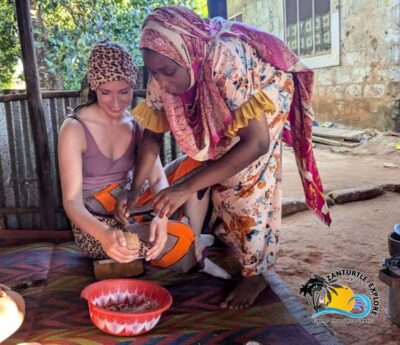
Cooking and Sewing & Jewelry Workshops in Arusha
Read our review →
Mnemba Dolphin Tour, Clear Kayak, Cooking Class, Horse Riding
Read our review →Browse the lists this tour appears in