
Reviewed · FOOD
Dar es Salaam: Tuk-Tuk Tour, Street Food & Local Lifestyle
Dar es Salaam makes you earn its flavor. This tour uses a tuk-tuk to connect Kariakoo Market, Swahili street food, Mwenge woodcarvers, and the Village Museum in one lively city outing. I like that the experience keeps you close to street life instead of sealing you inside a large tour bus.
I also like the mix of food and culture. Chapati, mishkaki, roasted maize, fresh juice, spiced tea, and coconut water give the day a taste of everyday Tanzania, while the craft market and Village Museum add useful context. The main concern is practical: one verified booking reported no pickup and no reply, so I would confirm the meeting details before setting out.
In This Review
- Five things to know before you book
- A tuk-tuk is the right way to see this city
- Kariakoo Market: the city’s working heart
- Street food that keeps lunch simple
- Mwenge Woodcarvers’ Market and the value of handmade work
- The Village Museum and Tanzania’s many traditions
- A quiet drink before the ride back
- What the guide adds to the experience
- The pickup warning deserves attention
- Who will enjoy this four-hour outing?
- Should you book the Dar es Salaam tuk-tuk tour?
- FAQ
- How long does the tuk-tuk tour last?
- What places are included?
- Is food included?
- Is the Village Museum entrance fee included?
- What languages are available?
- Can children join the tour?
- Is hotel pickup included?
Five things to know before you book
- Kariakoo takes you into daily Dar es Salaam: Expect spices, fruit, clothing, household goods, and people shopping for ordinary needs rather than a polished tourist market.
- The tuk-tuk is part of the experience: You ride through local neighborhoods with the city’s traffic, noise, and street scenes around you.
- The food stops are simple and local: Chapati, mishkaki, roasted maize, fresh juice, chai ya tangawizi, and coconut water are included in the experience.
- Mwenge puts Tanzanian craft traditions in front of you: You can watch artisans work on wooden masks, furniture, and souvenirs.
- The schedule needs clarification: The tour is sold as four hours, but the listed stop times add up to five hours, so confirm the actual timing before booking.
A tuk-tuk is the right way to see this city
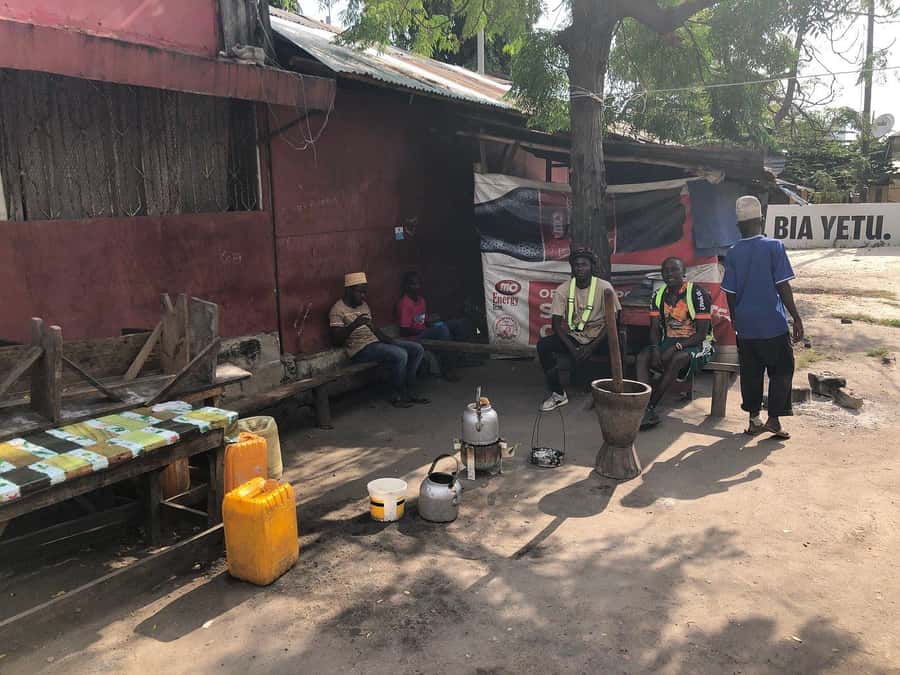
The tour begins with pickup from a hotel in Dar es Salaam or a meeting point in the city. Your local driver-guide gives you a short briefing, then takes you into the streets by tuk-tuk.
I like this vehicle for a city tour because it keeps the ride informal. You are not looking through a sealed window at Dar es Salaam from a distance. You can see shops, traffic, people carrying goods, and neighborhood activity as you move between stops. The tradeoff is comfort. A tuk-tuk is compact, and city roads can be busy, so anyone who prefers a quiet, spacious ride should keep that in mind.
The experience is priced at $65 per group up to one person. That wording suggests the advertised rate is for a solo participant, but I would confirm the final price if you are booking for more than one person. The price includes four hours of tuk-tuk transport, a local driver-guide, snacks and fresh juice, bottled water, and entry to the Village Museum.
For a solo visitor, that can be a fair package because transport, guiding, food tasting, and one admission fee are combined. It is less attractive if you mainly want a quick ride or a shopping trip, since you will also be paying for cultural stops and guiding. I would choose it when you want a broad first look at Dar es Salaam and value having the route explained as you go.
More Food Tours in Dar Es Salaam:
- Dar es Salaam: Taste of Tanzania Cooking Class and Food Tour
★ 3.6 · 2 reviews - Stonetown: Food Markets and Street Food Walking Tour
★ 4.7 · 151 reviews - Authentic Street Food Tours in Stone Town, Zanzibar
★ 5.0 · 46 reviews
Kariakoo Market: the city’s working heart
Kariakoo is the first major stop, with about an hour and a half allocated to the visit. This is where the tour feels most connected to ordinary city life.
You can expect a market filled with spices, tropical fruit, clothing, household goods, and the practical items people buy for daily living. The point is not simply to walk past stalls and take photographs. Your guide can help you understand what you are seeing, how the market functions, and which foods or products are part of local routines.
I especially like that Kariakoo comes early. It gives you a strong sense of Dar es Salaam before the tour moves into formal cultural attractions. The market can also be busy and crowded, so wear comfortable shoes and keep your belongings secure. The supplied information does not promise a specific shopping budget or a particular set of stalls, so treat purchases as optional rather than part of the central value.
This is also a good place to ask questions. If you want to know more about Swahili ingredients, market customs, or the foods you will taste later, ask your guide while the sights are fresh. The tour is more useful when you treat the guide as a cultural interpreter, not just a driver.
Street food that keeps lunch simple
Food tasting is included, but it is described as snacks and fresh juice rather than a full meal. That distinction matters. You should not book this expecting a long restaurant lunch or a large tasting menu.
Possible tastes include chapati, mishkaki, roasted maize, and fresh juice. Chapati is a soft, flat bread that works well as a quick snack. Mishkaki consists of grilled meat on skewers, while roasted maize brings a familiar street-side flavor. The final café stop may include chai ya tangawizi, a spiced ginger tea, or fresh coconut water.
I like this part because it connects the sightseeing to food people actually eat during the day. You get a small taste of Swahili food culture without turning the outing into a formal culinary class.
The exact food selection can vary, and the tour does not state that every item is guaranteed. If you have allergies, dietary restrictions, or strong preferences, tell the guide at the start. Bring cash for anything beyond the included tasting, since additional meals, drinks, and personal purchases are not covered.
Alcohol is not included, and alcohol and drugs are not allowed on the experience. Bottled water is provided, but I would still carry it with you, especially if you choose a sunny morning or afternoon departure.
Mwenge Woodcarvers’ Market and the value of handmade work
The next major stop is Mwenge Woodcarvers’ Market, with about an hour and a half set aside for shopping, sightseeing, and arts and crafts.
The attraction here is not just the finished souvenir. You can see artisans carving wooden masks, furniture, and other objects, then learn something about the craft traditions behind them. That makes the visit more meaningful than simply entering a shop filled with export goods.
I recommend taking your time before buying. Look at the workmanship, compare pieces, and ask questions about how an item was made. The market is a useful place to spend money if you want a physical reminder of Tanzania, but shopping is personal and not included in the tour price. Your guide may help you understand the setting, but you should make your own decision about value and quality.
The practical issue is luggage. The tour does not state that purchases can be shipped or stored, so think about how you will carry anything you buy for the rest of your trip. Cash is specifically recommended, making it sensible to bring some local spending money.
A different kind of day out entirely:
- Dar es Salaam: City Tour
★ 4.7 · 159 reviews - Dar es Salaam City Center: Walking Tour
★ 4.8 · 102 reviews - Dar es Salaam City Tour – Everyday
★ 5.0 · 64 reviews - MIKUMI NATIONAL PARK – 3 Days
★ 4.5 · 63 reviews
The Village Museum and Tanzania’s many traditions
The Village Museum, also known as the traditional village stop in the schedule, adds a different kind of cultural visit. You see traditional huts connected with different Tanzanian tribal groups and learn about rural lifestyles, heritage, and domestic life.
This stop helps balance the city scenes. Kariakoo shows modern commerce, while Mwenge shows living craft traditions. The Village Museum gives you a way to think about architecture, village life, and cultural variety across Tanzania.
The planned timing is listed as two hours, though the overall tour is described as four hours. Since the stop durations add up to more than the advertised length, I would ask the operator how much time is actually spent at each place. That is the most important planning question for this experience.
The museum entry fee is included, which improves the value. You are not left choosing between paying extra and skipping a major stop. The information provided does not promise demonstrations, performances, or a particular tribal guide, so I would expect a guided visit around the huts rather than a staged cultural show.
A quiet drink before the ride back
The final refreshment stop is at a Swahili café. You may have chai ya tangawizi or fresh coconut water before returning by tuk-tuk to your hotel or meeting point.
This is a small but well-chosen ending. After markets, traffic, food stalls, and craft shopping, a drink gives you a moment to sit and talk with the guide. It also lets you ask follow-up questions about places you have passed through.
The café drink is part of the stated experience, but additional food and personal spending are not included. Bring cash if you want to order more than the included refreshment.
What the guide adds to the experience
The guide is a professional local driver-guide, and the strongest available praise is directed at Glory. A verified five-star account says Glory listened to individual wishes and needs, and that the day exceeded expectations. That is an important detail because this route has several parts that benefit from personal attention.
At Kariakoo, a flexible guide can explain unfamiliar foods and help you move through the market. At Mwenge, the guide can give context to the carvings rather than leaving you to browse in silence. At the Village Museum, the guide can connect the huts to wider Tanzanian heritage.
The tour is available in English and French. The operating information also mentions German, but the detailed language information lists English and French, so German-speaking visitors should confirm this before booking.
The experience runs daily, with morning or afternoon departures depending on availability. I would choose the morning if you want to make the most of the day, but the supplied information does not guarantee that one departure is better than the other. Ask about the exact start time and expected return time.
The pickup warning deserves attention
The most serious issue is not the sightseeing. It is communication before pickup.
One verified booking from Switzerland reported that the person was not collected and had not received a reply about whether pickup would happen. That single report does not prove that every booking has a problem, but it is enough reason to take a few sensible steps.
Confirm the hotel name, pickup time, meeting point, and guide contact before the day of the tour. If you are staying outside central Dar es Salaam, note that hotel transfers are not included. You may need to reach the central meeting point yourself.
The operator is Makala Travel and Adventures. The guide name Glory is associated with a particularly strong experience, so you can ask whether Glory is available, though the supplied information does not promise a specific guide.
The activity offers free cancellation up to 24 hours in advance and allows you to reserve now and pay later. Those policies add flexibility, but they do not replace confirming pickup arrangements.
Who will enjoy this four-hour outing?
I would recommend this tour to a first-time visitor who wants several sides of Dar es Salaam in one half-day style experience. It suits you if you enjoy food stalls, local markets, handmade crafts, and guided cultural sites more than formal sightseeing from a large vehicle.
It is also a good match for solo visitors, couples, and small private groups who want a flexible ride and a local guide. The stated price is for a group up to one person, so larger parties should ask how the rate changes.
Families can consider it for children aged six and older. Children under six are not suitable for the activity. Comfortable clothes, walking shoes, sunglasses, a sun hat, sunscreen, a camera, and cash are sensible choices.
I would be more cautious if you need a precise timetable, dislike crowded markets, want a full meal, or expect a polished luxury vehicle. The food is a tasting, the tuk-tuk is modest, and the schedule needs clarification because the stop times exceed the stated four-hour duration.
Should you book the Dar es Salaam tuk-tuk tour?
Book it if you want a broad, local-feeling introduction to Dar es Salaam, especially one built around markets, street food, crafts, and cultural heritage. The mix is the main strength. Kariakoo gives you daily commerce, Mwenge gives you handmade art, and the Village Museum adds background about Tanzanian life beyond the city.
I would book only after confirming pickup and the actual timing. Ask whether the total duration is four or five hours, which language your guide will use, and whether Glory is available if that matters to you.
With those details settled, the tour offers good value for a solo visitor who wants more than a simple city drive. If your priority is dependable logistics above all else, the reported pickup problem is a reason to proceed carefully or choose an operator with a stronger record of recent confirmations.
FAQ
How long does the tuk-tuk tour last?
The experience is advertised as four hours. The listed stop times add up to five hours, so confirm the actual schedule and return time before booking.
What places are included?
The tour includes Kariakoo Market, Mwenge Woodcarvers’ Market, the Village Museum, a Swahili café, and rides through local Dar es Salaam neighborhoods.
Is food included?
Street food snacks and fresh juice are included. Possible tastes include chapati, mishkaki, roasted maize, and fresh juice. A café stop may include chai ya tangawizi or fresh coconut water.
Is the Village Museum entrance fee included?
Yes. Entry to the Village Museum is included in the tour price.
What languages are available?
The detailed activity information lists English and French guides. Other operating information mentions German, so German-speaking visitors should confirm availability before booking.
Can children join the tour?
Children aged six and older can join. The experience is not suitable for children under six.
Is hotel pickup included?
Pickup is available from hotels in Dar es Salaam, but hotel transfers outside central Dar es Salaam are not included. Confirm the exact pickup point and time before the tour.
Just added in Dar Es Salaam
- Zanzibar: Spice farm Private tour with Lunch★ 5.0 · 1 review
- Mbudya island from Dar es salaam safari.★ 4.2 · 3 reviews
- Maasai, Mikumi NP & Chizua Falls 3 Days From Dar es salaam★ 5.0 · 4 reviews
- From Dar es Salaam: Mikumi National Park Day Trip★ 5.0 · 3 reviews
- From Dar Es Salaam: Mikumi National Park 2 Nights and 3 Days★ 5.0 · 2 reviews
- Explore Dar es Salaam: Full-Day Private City Tour★ 5.0 · 2 reviews
- Escape to Paradise A day of sun, sand and adventure Mbudya★ 5.0 · 1 review
- DAR ES SALAAM:BONGOYO ISLAND SNORKELING TOUR & BEACH ESCAPE★ 4.7 · 9 reviews
Food, compared.
Authentic Street Food Tours in Stone Town, Zanzibar
Read our review →
Traditional Tanzania Cooking Class & Food Market Tour
Read our review →
Organic Coffee Tour and Local Food Experience in Arusha
Read our review →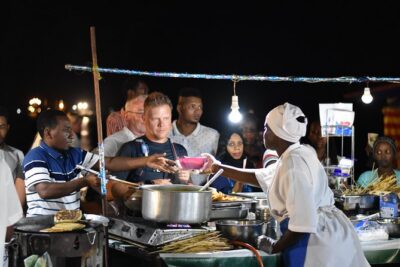
Stone Town Evening Walk Tour With Visit Food Markets
Read our review →Traditional Tanzania Cooking class& Food Market Tour
Read our review →
Browse the lists this tour appears in