
Reviewed · WALKING TOURS
Dar es Salaam Walking Tour: History and Hidden Treasures
Dar es Salaam reveals itself on foot. I like this tour for its mix of grand colonial buildings and ordinary city life, especially the rooftop view and the fish market. I also like the small group limit of 10, which should make it easier to ask questions and keep close to the guide. The main drawback is the pace: two hours is short for so many stops, and the walking may be hard for anyone with limited mobility.
The tour costs $30 per person and includes a local guide, landmark visits, a rooftop city view, and introductions to local art and markets. Guide Derick Lawrence is praised for his warmth, local knowledge, and personal care, including helping a solo participant get home after a dead phone left them stranded. That is beyond the normal tour plan, but it tells you something useful about the kind of guide you may meet.
In This Review
- Key points to know before booking
- Why this short city walk works
- St. Joseph Cathedral and the German colonial era
- Azania Front Lutheran Church and a quieter pause
- The Old Boma and the city’s colonial traces
- The Askari Monument and a difficult wartime story
- A rooftop view from one of the tallest buildings
- Botanical Garden: a green break in the center
- The fish market and everyday coastal life
- Local art, handmade goods, and practical souvenirs
- What the two-hour schedule really means
- Who should book this walking tour?
- Final verdict: a useful first look at Dar es Salaam
- FAQ
- How much does the Dar es Salaam walking tour cost?
- How long does the tour last?
- What languages are available?
- How large is the group?
- What sites are included?
- Is food included at the fish market?
- Is transportation included?
- Can I buy souvenirs during the tour?
- What should I bring?
- Is the tour suitable for wheelchair users?
Key points to know before booking

- Rooftop views add real value: You visit one of Dar es Salaam’s tallest buildings for broad city views and photographs.
- The route covers several sides of the city: Churches, colonial buildings, a monument, botanical gardens, a fish market, and an art gallery all make the cut.
- Derick Lawrence receives high praise: One solo participant especially valued his kindness, local insight, and help after the tour.
- The fish market is a cultural stop, not a meal stop: Food and drinks cost extra, so bring money if you want to buy something.
- The two-hour format is efficient but brisk: You get a useful introduction, not a slow, detailed examination of every site.
- Walking conditions matter: Comfortable shoes, water, a hat, and sunscreen are practical essentials.
Why this short city walk works
Dar es Salaam can feel hard to read at first. It is Tanzania’s economic capital, a coastal city with colonial traces, religious landmarks, trade, art, and daily routines all sharing the same streets. A walking tour gives you a framework for seeing those pieces together instead of passing them in a car.
I like the balance here. You are not spending two hours inside one museum or visiting only polished sights. The route moves from formal landmarks to a fish market and local art gallery, so you get both the official story and the working city.
At $30, this is a fair price if you want orientation early in your stay. The fee covers a guide, the planned visits, and the rooftop stop. You still pay for food, drinks, transport to the meeting point, and anything you buy at the gallery. The value depends on how much you use the guide. If you ask questions and take advantage of the local recommendations included with the experience, the tour offers more than a simple list of sights.
The rating is 4.5 from two reviews, so I would treat the score as encouraging but limited rather than definitive. The strongest evidence is the detailed praise for Derick Lawrence, who was described as kind, capable, and generous with his time.
More History Tours in Dar es Salaam
- Dar es Salaam History and Architectural Tours
★ 5.0 · 36 reviews - Bagamoyo Historical Tour – Everyday
★ 5.0 · 13 reviews - Bagamoyo Historical Tour – Everyday
★ 4.4 · 8 reviews
St. Joseph Cathedral and the German colonial era
St. Joseph Cathedral is one of the tour’s major architectural stops. Built during the German colonial era, it is known for its Gothic style and gives you a clear reminder that Dar es Salaam’s past is tied to European rule as well as Swahili coastal culture.
You can expect a more formal setting here, with time to look at the structure and hear about its place in the city. The cathedral is not simply a photo stop. It helps explain how religion, colonial administration, and urban growth shaped central Dar es Salaam.
Photography is allowed during the tour, but flash photography is not permitted inside certain buildings. Keep your camera ready outside, then follow the guide’s instructions once you enter. Modest, weather-appropriate clothing is the sensible choice for visiting religious sites.
I would not expect a long architectural lecture in a two-hour tour. The point is to see the cathedral in context, hear its story, and connect it to the other buildings on the route. If you are especially interested in church design or colonial architecture, you may want additional time elsewhere after the walk.
Azania Front Lutheran Church and a quieter pause
The Azania Front Lutheran Church offers a different architectural and religious setting. It is known for its historic importance and calm interior, giving the tour a welcome pause after the movement of city streets.
This stop works well because it adds contrast. St. Joseph Cathedral and Azania Front Lutheran Church are not presented as identical buildings. Their different traditions and styles give you a broader view of the forces that shaped central Dar es Salaam.
The peaceful atmosphere may be one of the most useful parts of the visit. A city walk can become a rush from one landmark to the next, but a quiet church creates space to slow down and listen. Your guide can help explain what you are seeing without turning the experience into a dry lecture.
Again, dress and behavior matter. Flash photography is restricted in some buildings, and smoking is not allowed anywhere on the tour. You should also arrive on time, since latecomers may not be accommodated.
The Old Boma and the city’s colonial traces
The Old Boma takes you back to the colonial period through one of Dar es Salaam’s older buildings. Its solid presence offers a look at the city before the modern skyline became such a visible part of the central area.
A good guide makes this kind of stop useful by connecting the building to the city around it. You are not only looking at old walls. You are considering how Dar es Salaam developed, how power was organized, and how older structures now sit beside modern commerce and busy streets.
The Old Boma is also a good reason to choose a walking tour rather than a vehicle-based city circuit. On foot, you can notice the change between historic buildings, sidewalks, shops, and public spaces. You may find the contrast more revealing than any single monument.
The tradeoff is time. With the cathedral, Lutheran church, rooftop, monument, garden, market, and gallery all included, each site receives an introduction rather than an extended visit. If you prefer slow photography or detailed architectural study, this route may feel quick.
More Walking Tours in Dar es Salaam
- Dar es Salaam City Center: Walking Tour
★ 4.8 · 102 reviews - 3 Days Nyerere NP [Selous GR] Game, Walking and Boat
★ 5.0 · 19 reviews - 3 Days Explore Selous Game Reserve + Boat safari + bushman walking
★ 5.0 · 5 reviews - 3-Day at Dar es Salaam To Selous GR (Nyerere NP) Game, Boat & Walking Safari
★ 5.0 · 4 reviews
The Askari Monument and a difficult wartime story
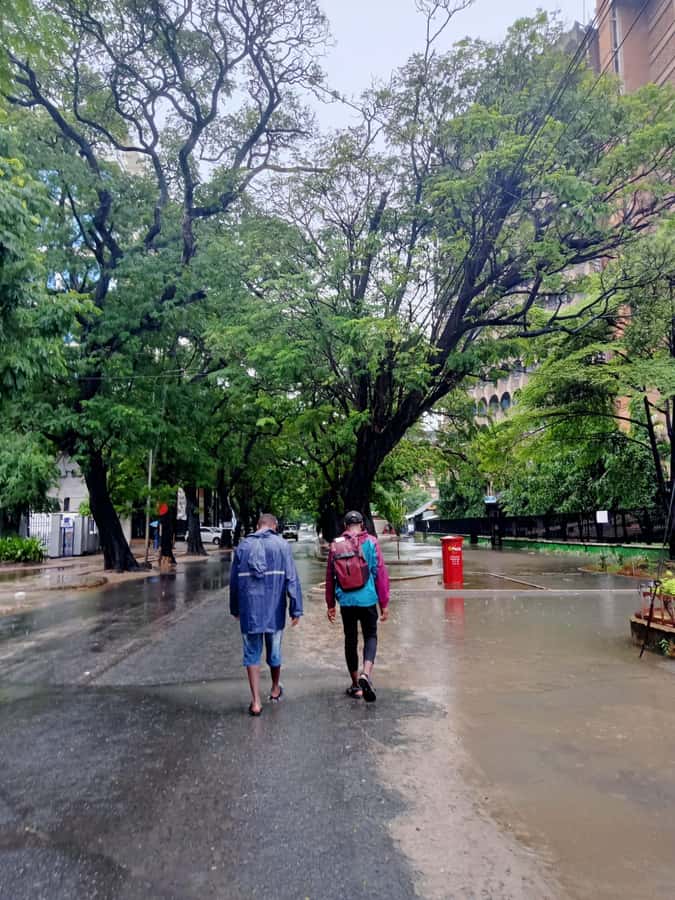
The Askari Monument honors African soldiers who fought in World War I. The statue gives the tour a chance to move beyond buildings and discuss the people involved in the region’s colonial military history.
This is an important stop because monuments often present a polished public story. A local guide can add the human and political background that a plaque may not explain. Ask questions here if you want to understand who the soldiers were, why the monument was created, and how the statue fits into Dar es Salaam today.
The monument is also practical for orientation. It helps you connect the historic center with the streets and buildings you have already seen. A city becomes easier to understand when landmarks are not isolated facts but points on a walkable route.
Do not expect a long museum-style presentation. The tour is designed as a compact introduction, so the Askari Monument works best as one part of a larger conversation about Dar es Salaam’s past.
A rooftop view from one of the tallest buildings
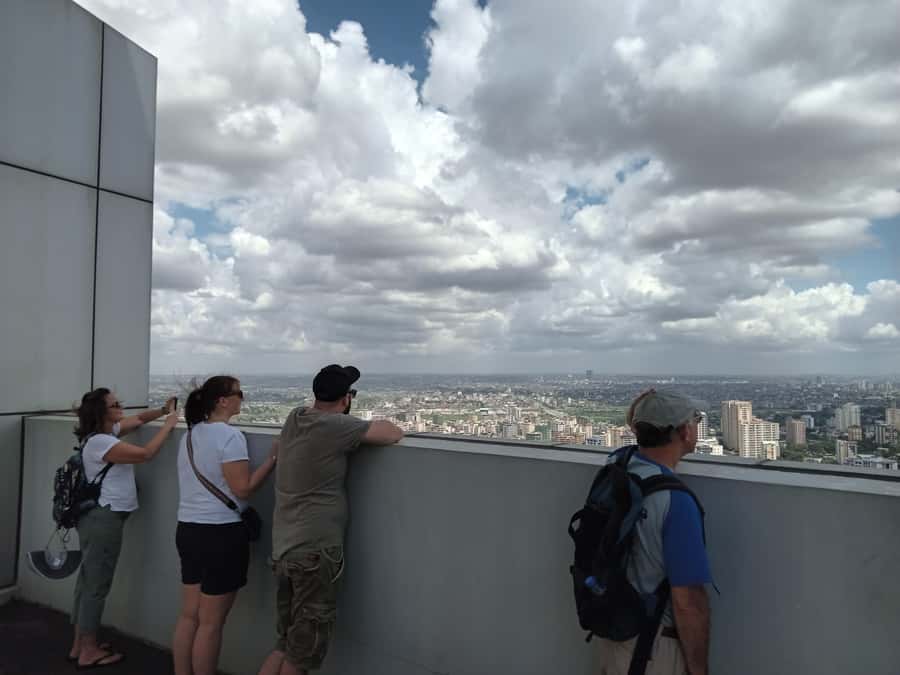
The rooftop stop is one of the tour’s strongest features. You get a panoramic view from one of the city’s tallest buildings, along with a chance to take photographs from above.
I like this addition because city walks can sometimes leave you with a ground-level view only. From the rooftop, you can see how Dar es Salaam’s buildings, streets, and open areas fit together. The view gives scale to the places you have just visited and helps you understand the city as a whole.
It is also a thoughtful touch for solo visitors. Derick Lawrence was praised for taking commemorative photos at the rooftop and on the beach, which is especially useful if you are exploring alone. You should not assume every guide will provide the same extra help, but the example suggests a personal approach rather than a rigid script.
Bring your camera, but remember that conditions can be bright and hot. A hat, sunscreen, and water are recommended. The rooftop is likely to be a highlight for photography, though the exact starting time and access details are not provided, so check the available time slots when booking.
Botanical Garden: a green break in the center
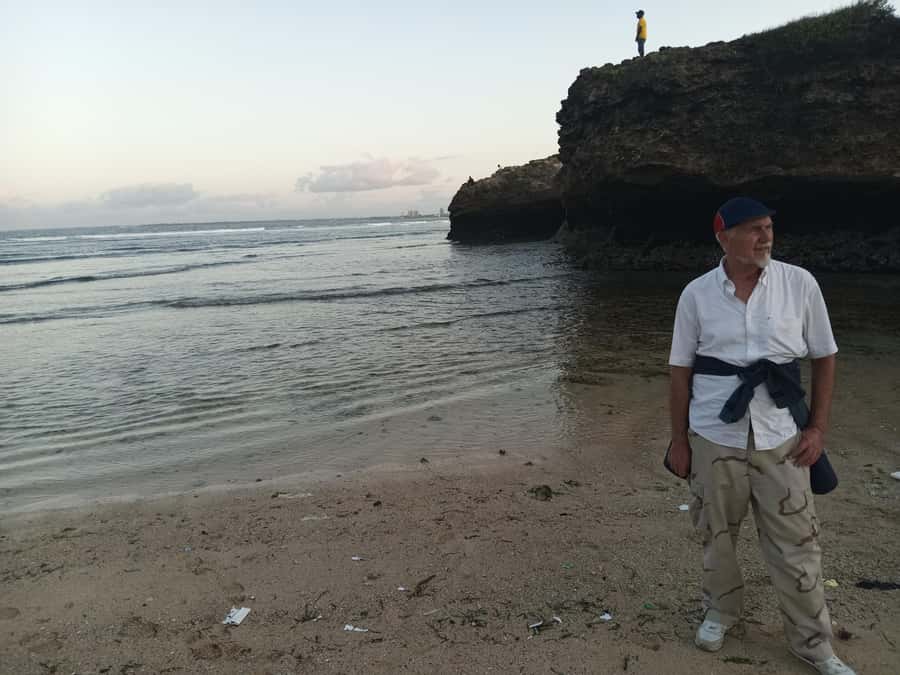
The Botanical Garden provides a short break from buildings, traffic, and commercial activity. You walk among exotic plants in a city setting, giving the route a change of rhythm.
This stop may appeal to you if you enjoy seeing how a city uses public green space. It also helps prevent the tour from becoming a simple colonial architecture circuit. Dar es Salaam is more than its old churches and government-era buildings, and the garden gives you a glimpse of its plant life within the urban core.
Because the whole tour lasts only two hours, I would view the garden as a refreshing stop rather than a full botanical visit. You may have time to look around and hear useful context, but not to study every plant. Wear shoes that can handle continuous walking, and carry water because the day may be hot.
The fish market and everyday coastal life
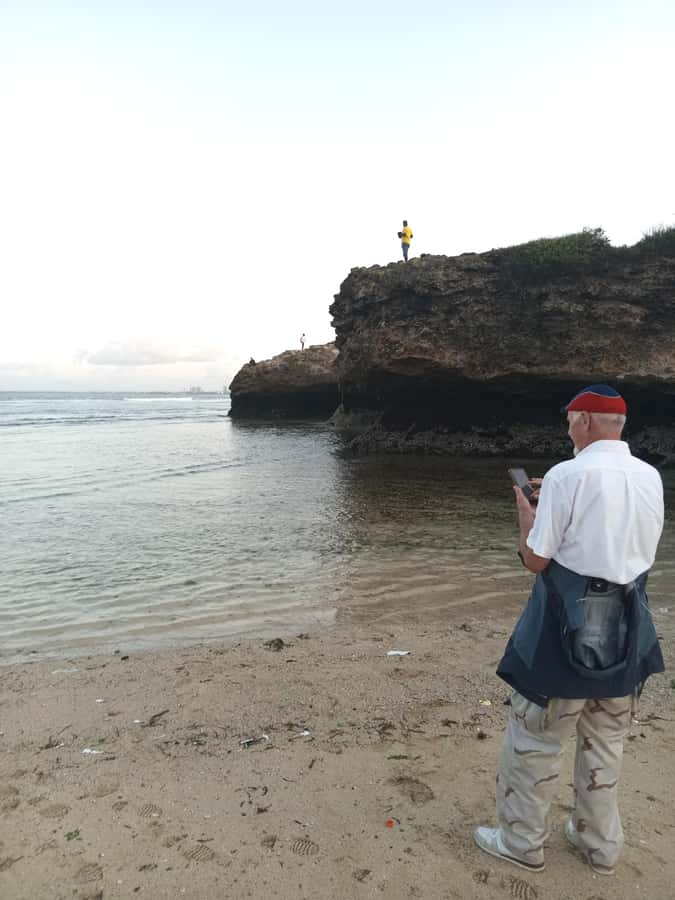
The fish market is where the tour shifts most clearly from monuments to daily work. You see fresh seafood being traded and get a direct look at coastal life in Dar es Salaam.
This is one of the places where a guide adds real value. Markets can be confusing if you do not understand what you are seeing, and local customs are easier to appreciate when someone explains them. You can watch the activity, ask questions, and take in the smells, sounds, and pace of a working food market.
Food and drinks are not included. If you want to eat or buy something, bring extra money, but do not assume that a meal is part of the $30 fee. The tour description does not specify which foods will be available or how much time you will have to shop, so treat this as a cultural visit first.
A fish market is not polished or quiet. If you prefer tidy attractions and controlled conditions, this may be the least comfortable stop. If you want to see how local commerce works, it may be the most memorable.
Local art, handmade goods, and practical souvenirs
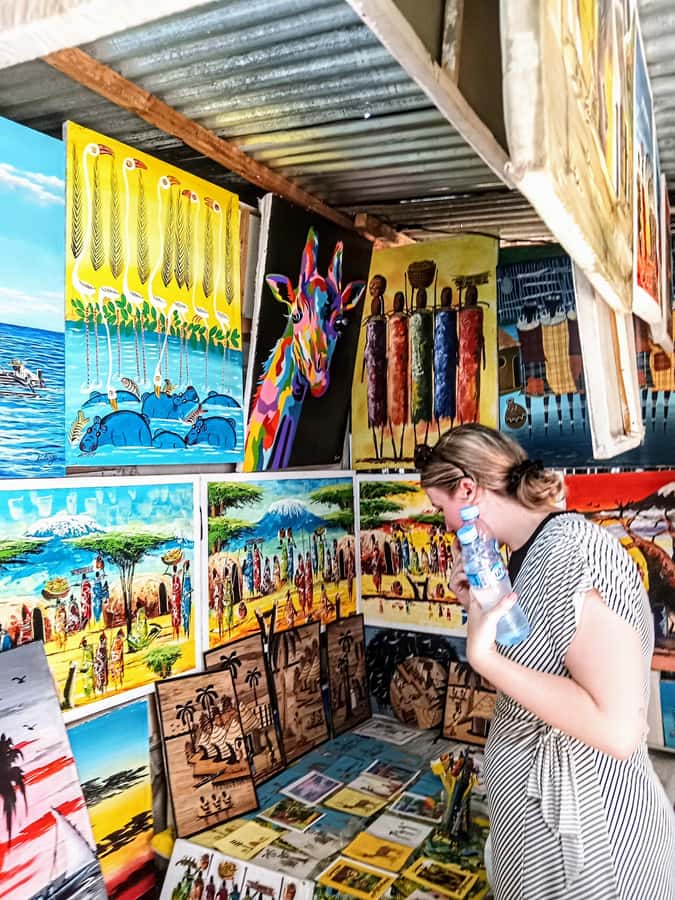
The local art gallery rounds out the tour with a look at creative work and handmade crafts. You can see pieces by local artists and browse possible souvenirs.
This is more useful than a generic shopping stop because the guide can introduce you to local art in context. You may find something that reflects Tanzania more directly than a mass-produced item at a hotel shop. The gallery also gives you a chance to support artists, although all purchases are your responsibility.
I recommend waiting before buying. First see what is available, ask about the work, and decide if the item is practical to carry. Since the tour moves quickly, you may not have unlimited browsing time. The gallery is best treated as an introduction, with a chance to return later if you want a more relaxed look.
What the two-hour schedule really means
Two hours is enough to get a first sense of Dar es Salaam, but it requires a brisk route. You will cover churches, a colonial building, a monument, a rooftop, a garden, a market, and an art gallery. That is a lot for one short walk.
The advantage is efficiency. You can fit the tour into a busy itinerary and use it to decide which parts of the city deserve more time. The disadvantage is that you may leave wanting longer at the sites that interest you most.
The tour starts promptly, and late arrivals may not be accepted. Plan your route to the meeting point carefully because transport there and back is not included. The starting point and available start times should be confirmed before booking.
The group is limited to 10 people, which is a useful middle ground. You get the social ease of a small group without the cost of a private tour. English and Swahili are available, so check that your preferred language is offered at your chosen time.
Who should book this walking tour?
I would recommend it to first-time visitors who want a clear introduction to central Dar es Salaam. It also suits solo visitors, couples, and small groups who value local explanation more than a long, slow visit to one attraction.
The tour is a good fit if you enjoy:
- Historic buildings with a local explanation
- City views and photography
- Markets and everyday commerce
- Local art and handmade crafts
- Short tours that cover several types of places
- Small groups and the chance to ask questions
It is less suitable if you have a mobility impairment or use a wheelchair. Continuous walking is central to the experience, and no accessibility support is stated. It may also disappoint you if you want a food tour, since market food and drinks cost extra and are not included.
For comfort, wear good walking shoes, use sunscreen, bring a hat and water, and carry a camera if photography matters to you. Smoking is not allowed at any point.
Final verdict: a useful first look at Dar es Salaam
I would book this tour if I had two hours available and wanted more than a standard landmark checklist. The rooftop view, Askari Monument, fish market, and local gallery give the walk a good range, while the churches and Old Boma provide historical structure.
The tour offers solid value at $30, especially if Derick Lawrence is your guide. His reported kindness and willingness to help a solo participant after the tour are unusually personal touches. Still, keep expectations realistic: this is a fast introduction, not a full study of every site.
Book it early in your stay if you want local recommendations for the rest of your visit. Skip it if walking is difficult, you need a slow pace, or you mainly want a sit-down meal and extended museum time.
FAQ
How much does the Dar es Salaam walking tour cost?
The tour costs $30 per person.
How long does the tour last?
The walking tour lasts two hours.
What languages are available?
The live guide speaks English and Swahili.
How large is the group?
The tour is offered as a small group with up to 10 participants.
What sites are included?
The route includes St. Joseph Cathedral, Azania Front Lutheran Church, The Old Boma, the Askari Monument, the Botanical Garden, a rooftop city view, a fish market, and a local art gallery.
Is food included at the fish market?
No. Food and drinks at the fish market or elsewhere are not included.
Is transportation included?
No. Transportation to and from the meeting point is not included.
Can I buy souvenirs during the tour?
Yes. You can browse handmade crafts and souvenirs at the local art gallery, but personal purchases are not included in the tour price.
What should I bring?
Bring comfortable shoes, a hat, a camera, sunscreen, and water.
Is the tour suitable for wheelchair users?
No. The tour is not suitable for wheelchair users or people with mobility impairments.
Just added in Dar Es Salaam
- Zanzibar: Spice farm Private tour with Lunch★ 5.0 · 1 review
- Mbudya island from Dar es salaam safari.★ 4.2 · 3 reviews
- Maasai, Mikumi NP & Chizua Falls 3 Days From Dar es salaam★ 5.0 · 4 reviews
- From Dar es Salaam: Mikumi National Park Day Trip★ 5.0 · 3 reviews
- From Dar Es Salaam: Mikumi National Park 2 Nights and 3 Days★ 5.0 · 2 reviews
- Explore Dar es Salaam: Full-Day Private City Tour★ 5.0 · 2 reviews
- Escape to Paradise A day of sun, sand and adventure Mbudya★ 5.0 · 1 review
- DAR ES SALAAM:BONGOYO ISLAND SNORKELING TOUR & BEACH ESCAPE★ 4.7 · 9 reviews
Walking Tours, compared.
3 Hours Private Stone Town walking Tour with Guide
Read our review →
Stone Town Historical Cultural Walking Guided Tour
Read our review →
Arusha Guided Walking City Tour, Culture, Lifestyle & History
Read our review →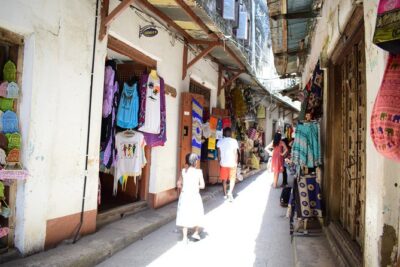
Browse the lists this tour appears in