
Reviewed · HISTORICAL TOURS
Day Trip To Bagamoyo From Dar Es Salaam ..historical town
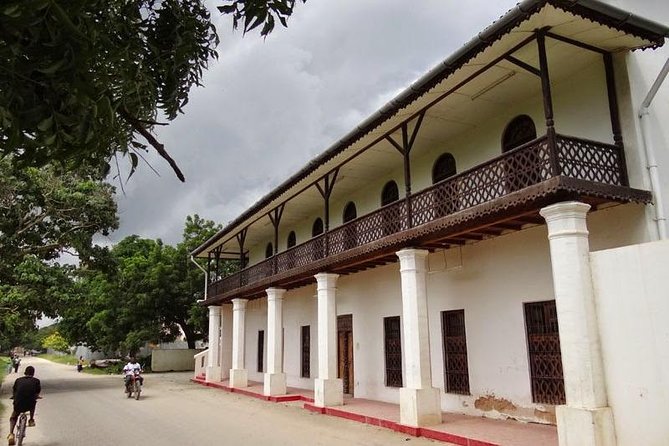
History reaches the coast here. This private day trip takes you from Dar es Salaam to Bagamoyo, a former trading center where ivory, salt, and enslaved people passed along routes linking the sea with Lake Tanganyika. I like the private guide, which lets you ask questions and set the pace, and I like the mix of old buildings, Kaole ruins, local food, and beach time. The main drawback is the distance: you can spend much of the day in the vehicle for a relatively short visit.
I also like the practical setup. Pickup is offered, transport is air-conditioned, bottled water is included, and lunch is covered. A 6:00 am start helps you make the most of the day, though this is not a late-rising holiday. The drive can be smooth and easy with a good driver, as Hamis was described by one participant, while Michael provided the walking tour and answered questions in town.
In This Review
- Key points to know before booking
- Why Bagamoyo is worth the long road from Dar es Salaam
- The early start and private drive north
- Bagamoyo Museum and the town’s layered past
- Kaole’s coral mosques and 13th-century remains
- Old port reminders and the Wami River
- Tanzanian lunch and time by the sea
- What the $280 price really buys
- Who should book this Bagamoyo day trip?
- Final call: book for context, not convenience
- FAQ
- Where does the Bagamoyo day trip begin?
- How long does the experience last?
- How far is Bagamoyo from Dar es Salaam?
- Is this a private tour?
- Is lunch included?
- Is breakfast included?
- What transport is provided?
- Which historic places are included?
- Is beach time part of the day?
- Can I cancel for a refund?
Key points to know before booking
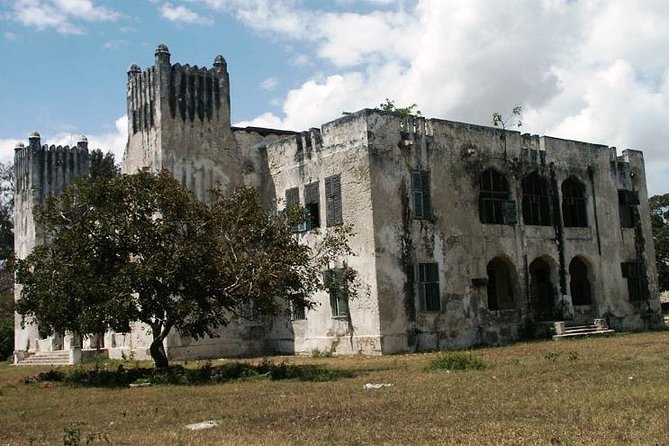
- Bagamoyo’s past reaches from the 13th century to German colonial rule: The town’s story includes Indian and Arab traders, Christian missionaries, German administration, and the slave trade.
- A private guide changes the experience: You explore with only your own group, giving you more room for questions and a more personal pace.
- Kaole adds an older layer: Coral mosques, graves, and other remains date to the 13th century, well before the colonial period.
- The day ends with food and beach time: Lunch at a local restaurant is included, followed by time to relax beside the sea.
- The artisan market deserves attention: The market is an easy place to miss if you focus only on historic buildings, so leave time to look around.
- The $280 price is easiest to justify for a small group: For one person it is costly, but private transport, a guide, lunch, water, fees, and a full day are included.
Why Bagamoyo is worth the long road from Dar es Salaam
Bagamoyo lies about 75 kilometers north of Dar es Salaam, but the time spent on the road can feel longer than the map suggests. The experience lasts roughly eight to twelve hours, depending on the day’s timing and stops, so you should think of it as a full-day historical outing rather than a quick coastal excursion.
The reward is a place with several layers of East African history in one compact area. Bagamoyo grew through Indian and Arab trade, later became important under German colonial rule, and was also shaped by Christian missionaries. Its position on the coast made it a key point for caravans traveling inland toward Lake Tanganyika.
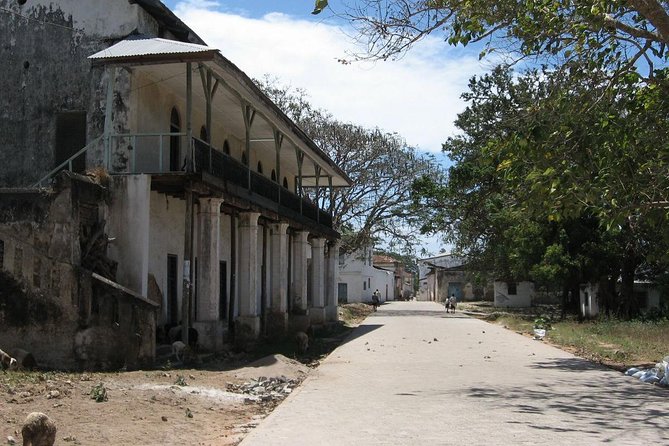
That trade brought valuable goods such as ivory and salt. It also brought the terrible human cost of the slave trade. A guide matters here because the remains alone cannot explain how the town functioned or why its position was so important. With Michael, you can expect a walking tour through the unpaved streets and the chance to ask questions as you go.
I would not come expecting a polished resort town or a single grand monument. Bagamoyo’s appeal comes from connecting smaller pieces: old buildings, religious sites, graves, port reminders, and the shape of the town itself. The rougher streets are part of the setting, though they can make walking less comfortable for some people.
More History Tours in Dar es Salaam
- Dar es Salaam History and Architectural Tours
★ 5.0 · 36 reviews - Bagamoyo Historical Tour – Everyday
★ 5.0 · 13 reviews - Bagamoyo Historical Tour – Everyday
★ 4.4 · 8 reviews
The early start and private drive north
The day begins at 6:00 am, with pickup offered in Dar es Salaam. That early departure is useful because it gives you more time in Bagamoyo and avoids turning the outing into a rushed stop between long drives.
Your transport is an air-conditioned vehicle, with bottled water included. That matters on a warm coastal day, especially when the walking portion takes place outdoors. The vehicle also gives you a private space for your group rather than placing you with strangers.
The private format is one of the strongest reasons to consider this trip. You are not tied to a large group’s questions, photo stops, or walking speed. If you want more explanation at the museum, you can ask. If you need a pause after walking over unpaved streets, you can speak with the guide.
The driver and guide may be different people. Hamis handled the driving on one reported outing and was described as pleasant, making the round trip smooth and easy. Michael led the historical walk. That division of roles can work well, since you get a driver focused on the road and a guide focused on Bagamoyo.
Still, keep the road time in mind. One person found it a long drive for a short visit. That is a fair warning, especially if you have limited time in Tanzania or dislike full days built around transport. If you value historical context and a private experience, the distance is easier to accept. If your main goal is beach time, you can find more efficient options closer to Dar es Salaam.
Bagamoyo Museum and the town’s layered past
The Bagamoyo Museum is the natural starting point for understanding the town. It gives you an overview before you walk through the streets and see the physical remains for yourself.
Bagamoyo’s name is commonly explained as meaning lay down your heart, a phrase that fits the emotional weight of the place. The town was a major trading center on the east central coast of Africa in the late 19th century. Its position connected the coast with inland caravan routes, including routes reaching toward Lake Tanganyika.
At the museum and nearby historic areas, your guide can help connect several difficult subjects. Indian and Arab traders shaped commercial life. German colonial authorities later imposed their own administration. Christian missionaries added another force to the town’s development. The slave trade forms an important and painful part of this story.
This is not a stop where you should rush through labels and take a few photographs. Ask how the port worked, which products moved through the town, and how the coastal trade connected with inland routes. The supplied tour description specifically points to ivory, salt, and enslaved people, so these themes are central rather than side notes.
You will also see old buildings and reminders of the former port. The town’s unpaved streets help you picture its older layout, although they should not be mistaken for a preserved open-air museum in perfect condition. Expect a historic place that has changed over time, not a neatly staged attraction.
The town has recently been designated Tanzania’s seventh world heritage site, according to the tour information. That recognition reflects its importance, but the experience still depends heavily on the guide’s explanations. The buildings and ruins will mean more when you understand the trade routes, religious communities, and colonial forces behind them.
Kaole’s coral mosques and 13th-century remains
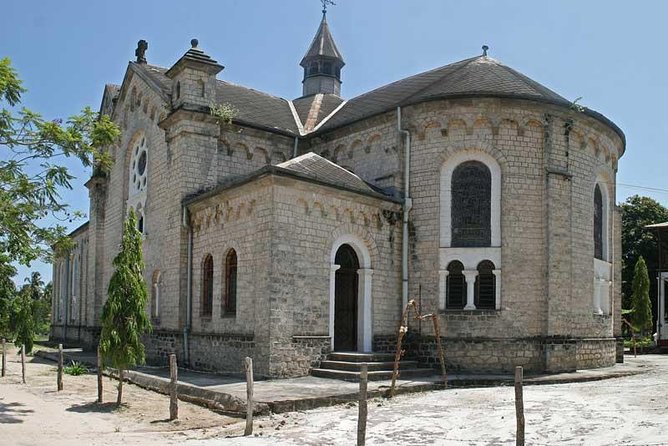
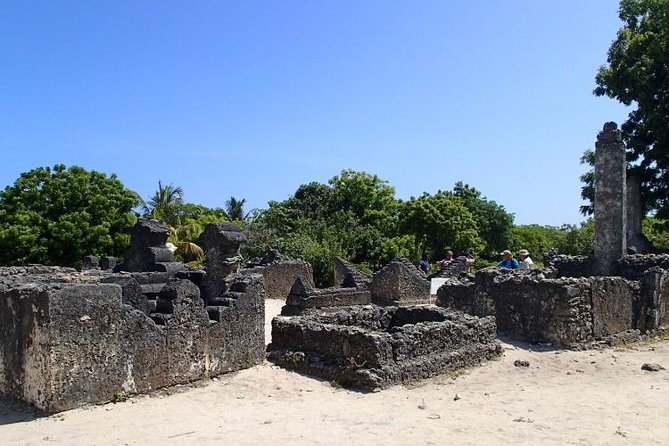
The visit to Kaole adds a much older chapter to the day. Here you can see coral mosques, graves, and other remains dated to the 13th century.
This stop is valuable because it prevents Bagamoyo’s story from being reduced to the 19th-century slave trade or German colonial period. Kaole shows that coastal settlement and Islamic influence in the area go back centuries. The coral construction also gives you a physical sense of the materials and building traditions used along the coast.
You should listen closely to the guide here, since the site’s meaning may not be obvious from the remains alone. Graves and foundations can look modest at first glance. Their age and connection to early coastal trade give them weight.
The information provided does not specify how long you spend at Kaole or which structures you enter, so keep your expectations practical. You are visiting historic remains as part of a wider day, not booking a long archaeological study. The value comes from seeing the site in context with the museum, town, port history, and coastal setting.
A different kind of day out entirely:
- Dar es Salaam: City Tour
★ 4.7 · 159 reviews - Dar es Salaam City Center: Walking Tour
★ 4.8 · 102 reviews - Dar es Salaam City Tour – Everyday
★ 5.0 · 64 reviews - MIKUMI NATIONAL PARK – 3 Days
★ 4.5 · 63 reviews
Old port reminders and the Wami River
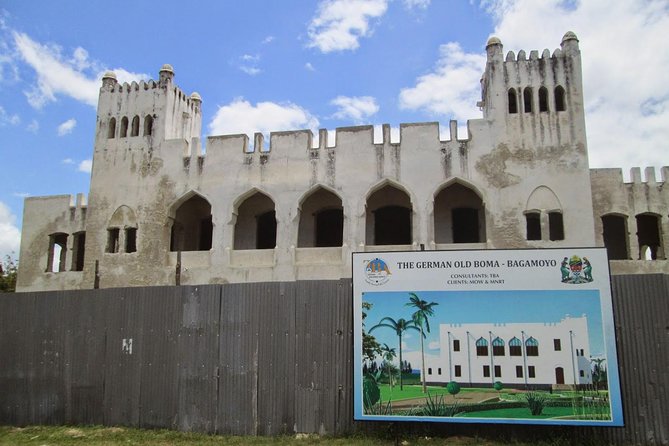
The day also includes reminders of Bagamoyo’s former port and the old ferry at the great Wami River. These details help explain why movement mattered so much here.
A port is more than a shoreline. It is a point where people, goods, languages, and power meet. Bagamoyo linked ocean shipping with inland travel, while the Wami River created another transport challenge farther along the route. The old ferry gives you a tangible reminder of how difficult movement could be before modern roads and bridges.
The slave trade is also part of the town’s port story. That subject deserves a serious approach. This is not simply a scenic walk beside old buildings. You are looking at a place shaped by commerce that included the forced movement of human beings.
For me, this is where a private guide earns much of the tour cost. You can ask difficult questions without worrying about holding up a large group. You can also ask the guide to clarify which remains relate to trade, mission work, colonial control, or earlier settlement.
Do not expect every historic feature to be dramatically restored. Some reminders may be simple or weathered. Their importance lies in the network they represent, not in grand architecture.
Tanzanian lunch and time by the sea
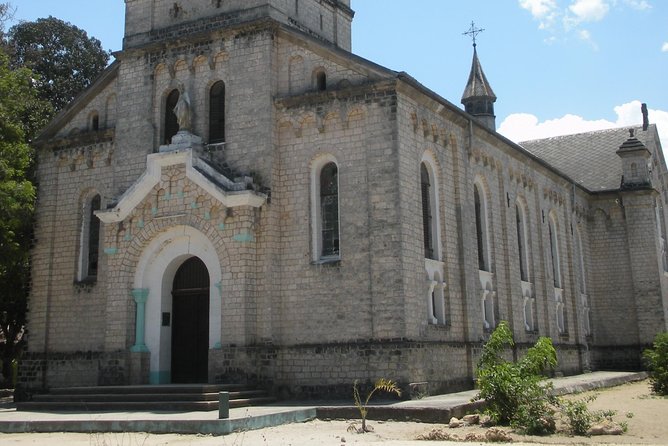
Lunch at a local restaurant is included, which keeps the day simple and gives you a chance to sit down after the morning’s sightseeing. The meal is described as Tanzanian, so this is a useful part of the trip if you want local food rather than spending the day on snacks from the vehicle.
Keep your expectations flexible about the restaurant. One participant found it acceptable rather than remarkable. That sounds like a fair way to frame it: lunch is a convenient included meal and a chance to rest, but it may not be the culinary highlight of your time in Tanzania.
The final beach stop changes the rhythm of the day. After museums, ruins, old streets, and difficult history, you have time to relax beside the sea. This is not presented as a water-sports excursion or a long beach resort stay. It is simply a chance to slow down before the drive back.
I like that balance. A full day focused only on slavery, colonial history, and ruins could feel heavy. A full day focused only on the beach would miss Bagamoyo’s purpose. The combination gives you history first, then a quieter close.
The artisan market is another useful stop to keep in mind. The advice from the experience is specific: make sure you look at it. It may be easy to pass by while concentrating on the main historic sites, but it gives you a chance to browse local crafts and see another side of the town.
What the $280 price really buys
At $280 per person, this is not a budget day trip. The value depends on how many people are in your private group and how much you care about having the day arranged for you.
The price includes lunch, an air-conditioned vehicle, bottled water, all fees and taxes, and a private guide for your group. Pickup is offered, which removes the need to arrange separate transport to Bagamoyo. You are also paying for a full day of driving and guiding, not simply admission to one museum.
For a solo participant, the price is harder to defend. For a couple or small group that would otherwise need to hire a vehicle and guide separately, the package makes more sense. The private format also gives you a better chance to shape the historical walk around your interests.
Breakfast is not included. Since pickup is at 6:00 am, plan for that yourself before departure. The tour data does not specify what time you return, so allow the full eight to twelve hours and avoid booking a tight evening commitment.
The overall rating is 4.7 from three published ratings, which points to a strong early record but is still a small sample. The most praised elements are the smooth round-trip driving, the pleasant service from Hamis, and Michael’s ability to answer questions while walking around town. The more cautious assessment is equally useful: the drive may feel long compared with the time spent sightseeing.
Who should book this Bagamoyo day trip?
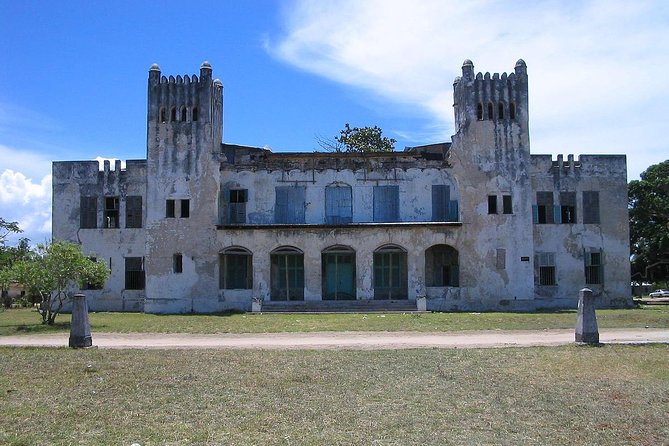
I would recommend it most strongly if you are interested in East African history, coastal trade, archaeology, missionary activity, or colonial-era towns. It also suits anyone who prefers a private guide and wants to ask questions without joining a large group.
It is a good fit for a first visit to Bagamoyo because it covers the main themes in one organized day. You see the museum, historic buildings, Kaole, graves, port reminders, the Wami River connection, an artisan market, and the beach. You do not need to work out separate transport between each point.
Families and mixed-interest groups may also find the format useful. The historical stops give the day substance, while lunch and beach time offer breaks. Most people can participate, according to the tour information, and anyone can join.
I would hesitate if you have only a short stay in Dar es Salaam, dislike early starts, or want several hours of uninterrupted beach time. The trip is also less attractive if you expect a polished historic district with extensive restoration. Bagamoyo is valuable precisely because its history is spread through a working coastal town and modest remains.
Free cancellation is available if you cancel at least 24 hours before the 6:00 am start. Changes made inside that window are not accepted, and poor weather can lead to a new date or a full refund.
Final call: book for context, not convenience
Book this tour if you want Bagamoyo explained rather than simply photographed. The combination of a private guide, old coastal trade sites, Kaole’s 13th-century remains, local lunch, and beach time gives you a useful picture of the town’s past and present.
Skip it if your main goal is the nearest possible beach outing or if a long road day sounds tiring. At $280 per person, the price asks you to value private transport and personal guiding. For the right visitor, that is the point: Hamis can make the road journey easy, Michael can give the streets meaning, and Bagamoyo can show you a side of Tanzania that a city tour cannot.
FAQ
Where does the Bagamoyo day trip begin?
The tour begins in Dar es Salaam, with pickup offered. The stated start time is 6:00 am.
How long does the experience last?
The experience lasts approximately eight to twelve hours.
How far is Bagamoyo from Dar es Salaam?
Bagamoyo is about 75 kilometers north of Dar es Salaam.
Is this a private tour?
Yes. Only your group participates in the activity.
Is lunch included?
Yes. Lunch at a local restaurant is included.
Is breakfast included?
No. Breakfast is not included, so you should arrange it before the early pickup.
What transport is provided?
Transport is provided in an air-conditioned vehicle. Bottled water is also included.
Which historic places are included?
The day includes the Bagamoyo Museum, historic buildings, Kaole’s coral mosques and graves, port reminders, and the old ferry at the Wami River.
Is beach time part of the day?
Yes. The experience includes time to relax on the beach at the end of the tour.
Can I cancel for a refund?
You can cancel at least 24 hours before the experience starts for a full refund. Cancellations or changes made less than 24 hours before the start are not accepted, and poor weather may result in a different date or a full refund.
Just added in Dar es Salaam
- Zanzibar: 3 Days to Mikumi and Chizua Waterfalls★ 3.5 · 5 reviews
- 3 Days and 2 Nights Mikumi Private Safari Adventure★ 5.0 · 2 reviews
- UDZUNGWA NATIONAL PARK AND WATERFALLS – 3 Days★ 4.5 · 2 reviews
- Explore Dar es Salaam: Full-Day Private City Tour★ 5.0 · 18 reviews
- Stone Town & Spice Tour★ 4.5 · 2 reviews
- Trip to the old City of Bagamoyo★ 5.0 · 1 review
- 2 Day Wildlife Experience and Masai Culture Mikumi Park★ 5.0 · 5 reviews
- 6 Days Selous ,Mikumi Udzungwa National + Boat Safari +Masai culture★ 5.0 · 1 review
Historical Tours, compared.
Stone Town Historical Cultural Walking Guided Tour
Read our review →
Arusha Guided Walking City Tour, Culture, Lifestyle & History
Read our review →
Stone Town’s Hidden History: Private Guided Walking Tour
Read our review →

Browse the lists this tour appears in