
Reviewed · COOKING CLASSES
Zanzibar Cooking Lesson with transfer
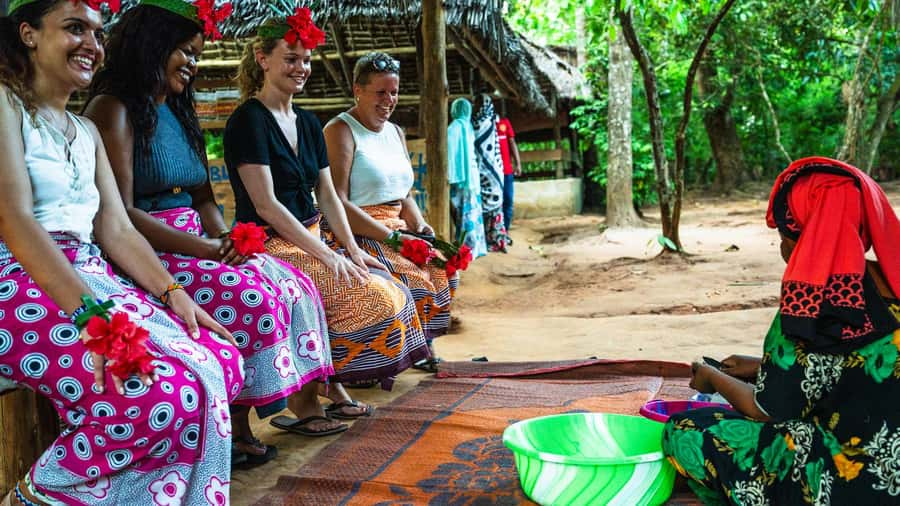
Food is the best shortcut into local life. This Zanzibar cooking experience takes you from a local market to a traditional home, where local women help you prepare chapati, pilau, and a Swahili curry. I especially like the hands-on market visit and the chance to eat a meal you helped make, rather than simply watching a chef work.
I also like the focus on spices and their use in Swahili cooking. The main point to consider is time: this is sold as a three-hour experience, but the stated transport takes about two hours total, leaving roughly one hour for the cooking class. That makes the lesson feel like a useful introduction, not a long cooking workshop.
In This Review
- Key points at a glance
- Why this cooking lesson feels different
- From your hotel to the local market
- Learning the building blocks of Swahili food
- The value of cooking in a traditional home
- Lunch tastes better when you helped make it
- Is $78 a fair price?
- Who will enjoy this most?
- Practical advice for a smoother visit
- Should you book the Zanzibar cooking lesson?
- FAQ
- How long does the Zanzibar cooking experience last?
- Is hotel pickup included?
- How will I identify the vehicle?
- Which dishes will I learn to prepare?
- Is lunch included?
- Is the activity private and wheelchair accessible?
Key points at a glance
- Market shopping comes first: You help choose fresh ingredients before cooking, giving the meal a practical local context.
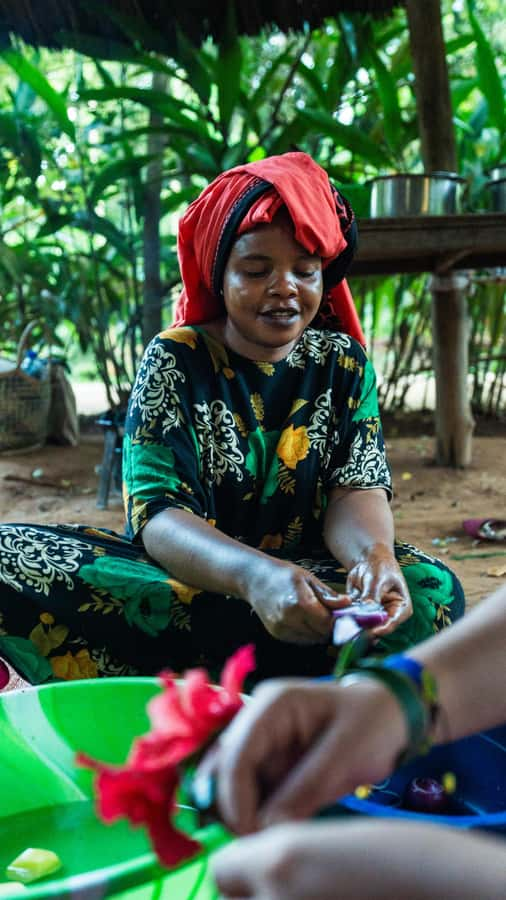
- Traditional dishes are on the menu: The lesson covers chapati, spiced rice called pilau, and a Swahili curry.
- You eat what you prepare: Lunch is not just a tasting. You sit down to enjoy the food you helped cook.
- Spices get proper attention: You learn how spices fit into Swahili cuisine, rather than simply being handed a finished dish.
- The experience is private: You take part in a private group, which should make it easier to ask questions and work at your own pace.
- Hotel transfers are included: Pickup and drop-off in Zanzibar are provided in a Beach & Safari Holidays vehicle.
Why this cooking lesson feels different
Many food activities stop at a restaurant table. This one begins with ingredients. That small change matters because it shows you what goes into a Swahili meal before the cooking starts.
At the local market, you can expect to help select the items used for lunch. The experience is not described as a formal food tour with a long market lecture. Instead, the market visit is a practical first step. You see the raw materials, then take them back for preparation.
I like that approach. It connects shopping, cooking, and eating in one short activity. You do not need to know much about Zanzibar cuisine before arriving. The local ladies guide you through the process and explain how the spices are used.
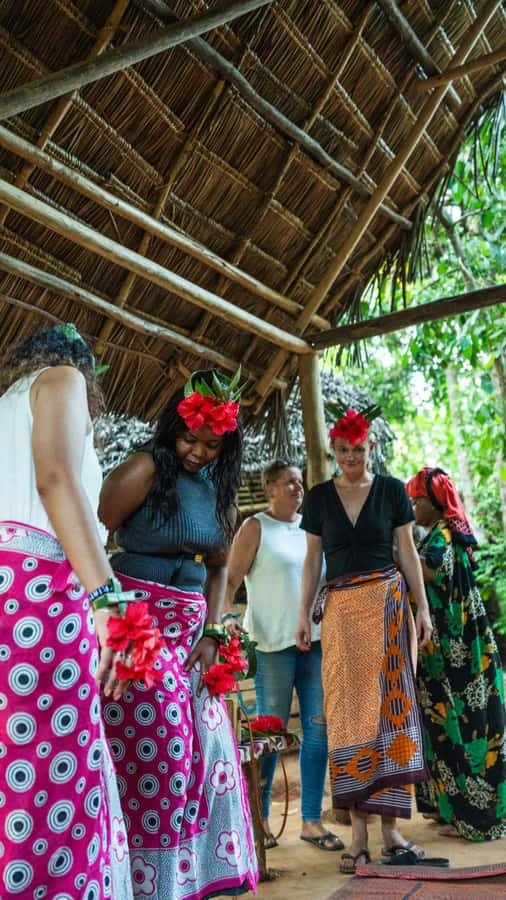
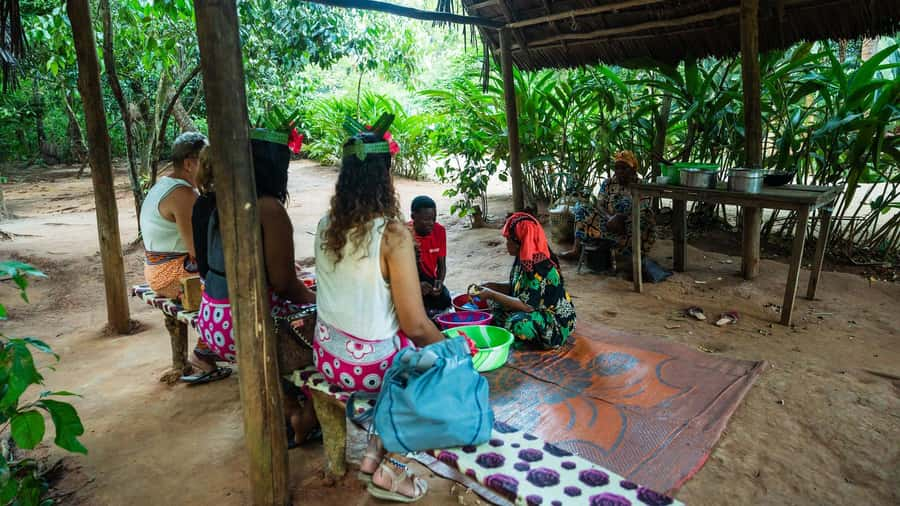
The cooking takes place in a traditional Zanzibar home, according to the experience description. That setting gives the lesson a more personal feel than a hotel demonstration. You are not simply watching a professional prepare a polished dish in a commercial kitchen. You are learning in a local home with help from women who prepare these foods themselves.
The format is especially useful if you enjoy food but do not want a full-day class. Three hours is manageable during a beach holiday, though the driving time means the actual cooking portion is limited.
More Cooking Classes in Zanzibar
- Zanzibar Cooking Class & Spice Tour
★ 4.5 · 77 reviews - Zanzibar: Spice Farm Tour with Traditional Cooking Lesson
★ 4.8 · 77 reviews - Half-Day Kuza Cave Swimming Adventure and Cooking Class
★ 4.5 · 44 reviews
From your hotel to the local market
Pickup is arranged from your hotel in Zanzibar. You should meet the driver at the reception five minutes before departure, rather than waiting in your room or near the hotel entrance.
The vehicle can be identified by the Beach & Safari Holidays logo. That detail is useful because hotel areas can have several vans arriving around the same time. Having the logo in mind saves a little confusion at pickup.
The planned transport takes about one hour before the cooking activity. That is a significant part of a three-hour outing, so I would treat the drive as part of the cost of reaching a more local setting. If you are staying far from the activity area, the transfer is convenient. If you are already close by, the time spent on the road may feel less efficient.
The experience description refers to shopping at a local market, while the route information identifies a private Spice Farm as the cooking location. Since both places are mentioned, I would confirm the exact first stop when booking or before departure. That is not a minor detail if the market visit is the main reason you want to join.
Still, the combination makes sense. You shop for fresh items, then continue to the place where the lesson takes place. The important thing is that the food preparation begins with actual ingredients rather than a prearranged basket.
Learning the building blocks of Swahili food
The cooking lesson lasts about one hour. That is enough time to learn the basic method for a few familiar dishes, but it is not enough for a slow, advanced course with many separate recipes.
The food mentioned includes chapati, pilau, and Swahili curry. These dishes give you a good introduction to several parts of local cooking.
Chapati is a flatbread, and the hands-on element is likely to be one of the most useful parts of the class. Dough can look simple, but mixing, shaping, and cooking it properly takes a little practice. You should expect to work with the ingredients rather than merely observe.
Pilau is spiced rice. This is where the spice lesson becomes especially helpful. The goal is not just to taste a fragrant rice dish, but to understand how seasoning changes the character of the food. The class gives you an introduction to the spice choices and how they fit into Swahili cooking.
The curry can be vegetarian, chicken, or seafood. That choice gives the activity some flexibility, especially if you have a strong preference or avoid meat. The supplied details do not specify how the choice is made or whether dietary needs can be accommodated, so I would raise that question before booking if it matters to you.
Because the class is short, you should arrive ready to participate. You will get more from it if you ask questions, take part in the preparation, and pay attention to the order in which ingredients are added. The local ladies are there to help, but this is still a compact lesson.
The value of cooking in a traditional home
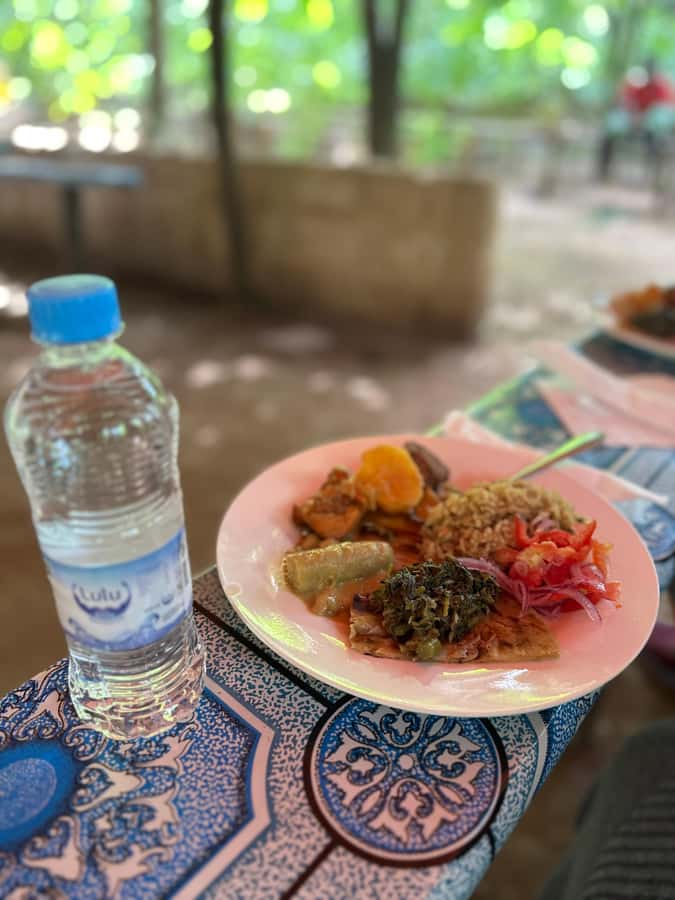
The home setting is the heart of the experience. A traditional home offers a direct connection to daily food customs that a standard restaurant meal cannot provide.
I like activities that let you see how food fits into ordinary life. Here, the meal is not separated from the people preparing it. You learn with local women, hear their guidance, and then share the result.
That personal contact can also make the lesson less intimidating. You do not need to arrive with cooking skills. The description presents the class as suitable for a beginner, with instruction and assistance provided during the process.
The private group format helps. You are not competing with a large class for a place at the work surface or rushing to keep up with several dozen people. A private group should also make it easier to ask for clarification about spices, cooking methods, or the names of the dishes.
The details do not give a maximum group size, so I would not assume the group means only one household or one couple. It does mean the booking is arranged as a private group rather than a shared public departure. Ask the provider if the exact size matters to you.
More Private Drivers in Zanzibar
- Zanzibar Airport Private Transfer to/from Hotel
★ 5.0 · 29 reviews - Mnemba Island Half Day Live Aquarium With Transfer – Zanzibar
★ 3.5 · 19 reviews - Zanzibar taxi service/airport transfer
★ 5.0 · 17 reviews - Zanzibar Sea Fishing Boat Tour experience with Transfer
★ 3.8 · 16 reviews
Lunch tastes better when you helped make it
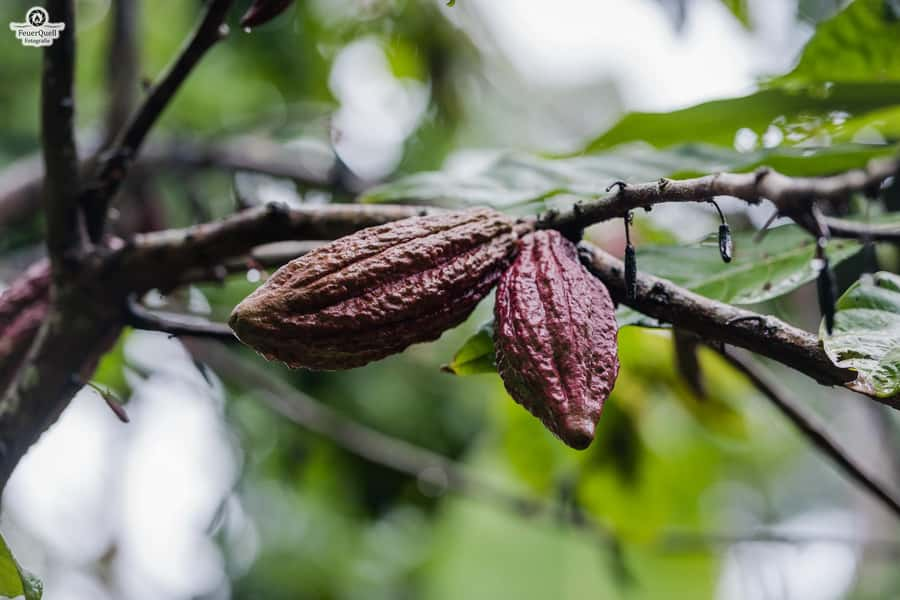
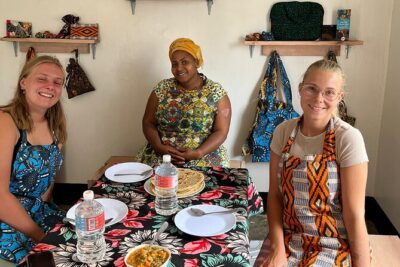
After cooking, you sit down to eat the lunch you prepared. This is a simple idea, but it gives the class a clear payoff.
The included meal may feature the chapati, pilau, and curry prepared during the session. Water is included, but drinks are not. If you want anything beyond water, bring money for personal purchases.
I like this part because it turns the class into a complete meal rather than a series of samples. You get to see how the separate items work together. The food is also easier to remember after you have handled the ingredients and followed the preparation.
Do not expect a long restaurant-style lunch. With only about an hour assigned to cooking, the meal is likely to be part of a tightly planned visit. The real value is the combination of instruction and eating, not a leisurely afternoon at the table.
If you have dietary restrictions, mention them before the activity. The curry is offered as vegetarian, chicken, or seafood, but no further dietary information is provided. That gives you some choice, though it does not guarantee that every allergy or preference can be covered.
Is $78 a fair price?
The cost is $78 per person. That is not the cheapest way to eat in Zanzibar, but the price includes more than lunch.
You are paying for hotel pickup and drop-off, the guide, the local cooking lesson, the meal, and water. The private format also adds value if you prefer not to share the experience with a large group.
The price makes the most sense for someone who values personal instruction and cultural contact. If you only want to taste Swahili food, a local restaurant will cost less and take less time. If you want to understand how the food is prepared and take part in the process, the included transport and private setup make the fee easier to justify.
The main value concern is the short class. Two hours of the stated three-hour duration are assigned to transport. You are not paying for three full hours of cooking. You are paying for a compact food activity with long transfers included.
That may be perfectly reasonable if your hotel is far from the cooking location. It may feel less attractive if you are looking for a serious culinary workshop. I would book this for the market, home setting, and meal, not for advanced cooking instruction.
Who will enjoy this most?
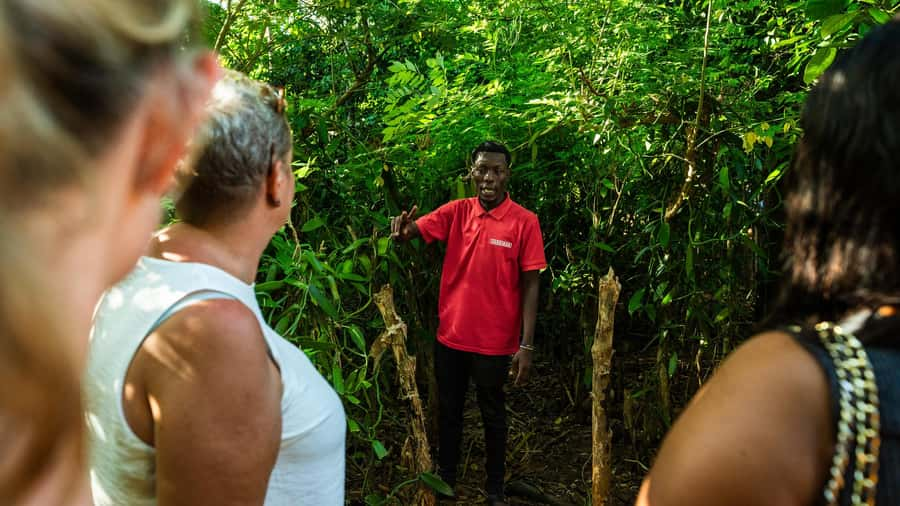
I would recommend the experience to several types of visitors:
- First-time visitors to Zanzibar: You get an easy introduction to Swahili food and spices.
- Couples and families: A private group can make the activity more relaxed and interactive.
- Food-minded visitors: You shop for ingredients, prepare dishes, and eat the finished meal.
- Beginner cooks: The local ladies provide help, so you do not need formal kitchen skills.
- Visitors who value convenience: Hotel transport is included, which removes the need to arrange your own route.
I would hesitate if your main goal is a long market tour, a detailed spice-farm visit, or an advanced cooking course. The available information does not promise a long market session or a broad selection of recipes.
The experience is wheelchair accessible, which is useful for visitors who need that feature. Since the activity includes transport, market movement, and cooking in a local home, I would still confirm the exact access arrangements for each location before departure.
Practical advice for a smoother visit
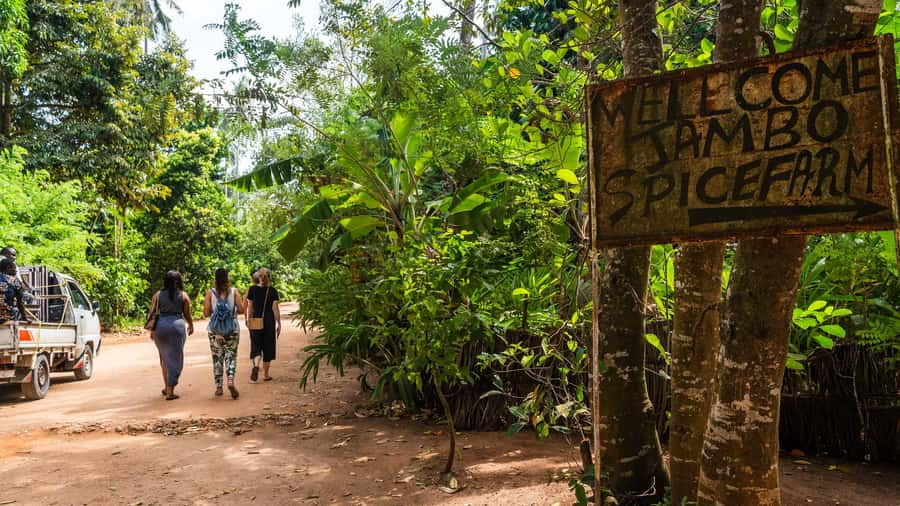
Meet the driver at your hotel reception five minutes before the scheduled departure. That is the clearest instruction provided, and it is better to be ready early than to delay a private transfer.
Wear clothing that is comfortable for cooking. The supplied information does not state a dress code, so I would choose practical clothes that you do not mind wearing around food preparation.
Bring water if you prefer more than the included supply. Drinks are not included, and personal expenses are your responsibility.
Use the market portion to ask questions. Find out which ingredients are being selected for the meal and pay attention to the spices used in the pilau and curry. That is where you can gain the most useful knowledge for recreating the dishes later.
If you have a preference for vegetarian, chicken, or seafood curry, ask how the choice is handled before the class begins. The options are listed, but the booking details do not explain when you make the selection.
The instructor language is English. That should make the lesson accessible to English-speaking visitors, though the activity is still rooted in local food customs and a local home environment.
Free cancellation is available up to 24 hours before the activity for a full refund. You can also reserve now and pay later, which helps if your Zanzibar schedule is still changing.
Should you book the Zanzibar cooking lesson?

Book it if you want more than a meal. The market visit, spice guidance, home setting, and self-prepared lunch create a personal introduction to Swahili cuisine.
At $78, the experience is best judged as a private cultural outing with transportation, not as a one-hour cooking class alone. I would book it for the chance to work with local women and learn the basics of chapati, pilau, and curry. I would skip it if you want a full culinary course or a long, unhurried market visit.
Before paying, confirm the exact route because the details refer to both a local market and a private Spice Farm. Once that point is clear, this looks like a practical choice for anyone who wants to put a little local flavor into a Zanzibar beach holiday.
FAQ
How long does the Zanzibar cooking experience last?
The activity lasts three hours, including transportation. The stated route includes about one hour of travel each way and about one hour for the cooking class.
Is hotel pickup included?
Yes. Hotel pickup and drop-off in Zanzibar are included. You should meet the driver at your hotel reception five minutes before departure.
How will I identify the vehicle?
The safari vehicle can be recognized by the Beach & Safari Holidays logo.
Which dishes will I learn to prepare?
The lesson covers chapati, spiced rice called pilau, and Swahili curry. The curry may be vegetarian, chicken, or seafood.
Is lunch included?
Yes. A Swahili lunch prepared during the lesson is included, along with water. Other drinks are not included.
Is the activity private and wheelchair accessible?
Yes. The activity is arranged as a private group and is listed as wheelchair accessible. The instructor language is English.
Just added in Zanzibar
- Zanzibar:Ngoma local culture workshop,The Knowledge of Ngoma★ 5.0 · 1 review
- ZANZIBAR:Mnemba island, Spice farm and Jozani Forest★ 5.0 · 1 review
- Zanzibar: Zipline Adventure At Masingini Forest★ 4.6 · 2 reviews
- Zanzibar Walking Tour: Unveiling the Secrets of Stonetown★ 4.8 · 11 reviews
- Zanzibar: Walking Spice Farm with Local Cooking Class★ 4.4 · 9 reviews
- Zanzibar: Walking Tour★ 4.0 · 1 review
- Zanzibar: Uzi Island Mangrove Kayak Tour with Guide★ 5.0 · 1 review
- Zanzibar: Unique Guided Mangrove Tour by SUP or Kayak★ 5.0 · 1 review
Cooking Classes, compared.
Half-Day Kuza Cave Swimming Adventure and Cooking Class
Read our review →
NGO Lifted Strong – Traditional Tanzanian Cooking Class
Read our review →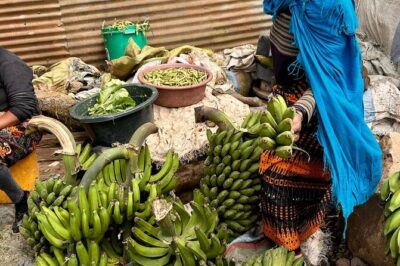
Traditional Tanzania Cooking Class & Food Market Tour
Read our review →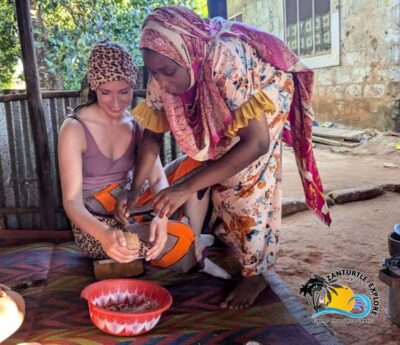
Cooking and Sewing & Jewelry Workshops in Arusha
Read our review →
Mnemba Dolphin Tour, Clear Kayak, Cooking Class, Horse Riding
Read our review →Browse the lists this tour appears in