
Reviewed · MARANGU ROUTE CLIMBS
#1. Kilimanjaro 5-days hiking Marangu joining tour
Africa’s highest summit starts in the forest. This five-day Marangu Route trek gives you a clear path from Marangu Gate to Uhuru Peak, with hut accommodation, meals, guides, and support staff included. I especially like the steady change in scenery, from monkey-filled rainforest to stark alpine desert, and the useful overnight stop at Horombo Hut for acclimatization.
I also like that the team provides support beyond simply leading the walk. Makoto received help with luggage, food, and advice after feeling sick at altitude, while Harrison praised the round-the-clock assistance, including airport support. The main caution is financial: the $675 tour price excludes national park fees, and an additional $750 was required before hiking in one reported case. That cost needs to be part of your budget from the start.
In This Review
- Key points before you reserve
- What the $675 price really covers
- Day 1: Marangu Gate to Mandara Hut through rainforest
- Day 2: Mandara Hut to Horombo Hut at 3,720 meters
- Day 3: Horombo Hut to Kibo Hut across alpine desert
- Day 4: The midnight push to Uhuru Peak
- Day 5: Horombo Hut back to Marangu Gate
- The staff support is a real part of the value
- What to pack for five changing climate zones
- Who should choose this Marangu trek?
- Should you book the $675 Marangu Route tour?
- FAQ
- How long is the Kilimanjaro Marangu tour?
- Is accommodation included?
- Are national park fees included in the $675 price?
- Is a guide included?
- How long is the summit day?
- What should I bring?
Key points before you reserve
- Five days on the Marangu Route: You walk through rainforest, heathland, moorland, alpine desert, and Arctic conditions before returning through the forest.
- Horombo Hut helps break up the climb: The second night at 3,720 meters gives you a useful pause before the higher push to Kibo Hut.
- Uhuru Peak requires a very long day: Summit day covers about 22 kilometers and can take 11 to 15 hours.
- Hut accommodation is provided: Meals, drinking water, a sleeping mattress, camping equipment, and an English-speaking guide are included.
- The park fee is a major extra: The advertised price does not include national park fees, so ask for the current total before paying.
- Guide support receives strong praise: Guide Shedrack is singled out for excellent service, and the wider team includes porters and a cook.
What the $675 price really covers
At first glance, $675 per person looks like a relatively accessible price for a five-day Kilimanjaro climb. The value comes from the practical pieces bundled into the trip: transfers from your Moshi hotel to the gate, transport, hut accommodation, meals listed in the schedule, drinking water, a professional English-speaking guide, camping equipment, and a sleeping mattress.
That package matters on Kilimanjaro. You are not arranging each meal, carrying every shared item, or finding your own way through five climate zones. A guide, porters, and cook are part of the support system, and that can make a major difference when you are tired or dealing with altitude.
Still, do not treat $675 as the final cost. National park fees are excluded. The most important price warning is that an additional $750 was required before the hike in one case. Since fees can change, ask for a complete written cost before you commit. The price should show the tour charge, park fees, transfers, and any other required payment separately.
Alcoholic drinks are not included. That is a minor concern compared with the park fees, but it is worth knowing if you plan to celebrate at the end. Travel insurance is also your responsibility, and it is especially important for a high-altitude trek.
The experience has a 4.8 rating from four reviews, which is a small sample but still encouraging. I would put more weight on the repeated praise for the staff than on the number alone. Makoto, Harrison, Nicola, and Andrea all point to a helpful team, with Andrea specifically praising guide Shedrack.
More Marangu Route climbs:
- Kilimanjaro climb, Marangu route (6-day)
★ 5.0 · 72 reviews - Climbing Kilimanjaro – Marangu Route
★ 5.0 · 65 reviews - Kilimanjaro Climbing 5 days Marangu route
★ 5.0 · 22 reviews
Day 1: Marangu Gate to Mandara Hut through rainforest
Your first day begins with breakfast, followed by a drive from Moshi or Arusha to Marangu Gate. Registration happens at the gate before you start walking, so this is the day when the trip shifts from road travel to foot travel.
The route rises from 1,870 meters to 2,720 meters. You cover about 8 kilometers in four to five hours, moving through lush rainforest. This is the most enclosed part of the climb, with thick plant life and the possibility of seeing monkeys.
Mandara Hut is surrounded by forest, which gives the first night a calm setting. You are still low enough to appreciate the vegetation, but the altitude is already beginning to matter. Keep your pace easy. The goal is not to prove how fast you can walk on day one.
There is also an optional short walk to Maundi Crater. If your energy is good, this gives you a chance to see beyond the immediate forest and take in broad views. If the first day has left you tired, resting at Mandara Hut is a sensible choice. You have four more days ahead, and saving energy is part of good mountain strategy.
The supplied details mention hut accommodation, a sleeping mattress, and camping equipment. Since the route uses huts, ask the operator exactly which equipment is supplied and what you must carry yourself. A sleeping bag is specifically listed among the items to bring, so do not assume the mattress replaces it.
Day 2: Mandara Hut to Horombo Hut at 3,720 meters
Day two is longer. The route covers 12 kilometers in six to seven hours, rising from 2,720 meters to 3,720 meters. You leave the rainforest and enter heathland and moorland, where the surroundings become more open and the vegetation changes.
This is one of the most rewarding transitions on the route. The walk feels less like a forest hike and more like a high mountain journey. You may get wide views toward Kibo and Mawenzi, the two major peaks in this part of Kilimanjaro.
Horombo Hut is an important stop because it breaks up the climb. At 3,720 meters, it gives you a night at altitude before you go higher. The hut is described as a lively base where climbers share stories, so you should expect a more social setting than the quiet forest at Mandara.
I like this part of the plan because the overnight stop is practical, not just scenic. Altitude affects people differently, and a slower increase gives you more time to notice how your body is responding. If you develop a headache, nausea, or unusual weakness, tell the guide promptly. Makoto’s experience shows why this matters: staff helped with luggage, food, and medicine advice when altitude sickness became a problem.
You should not view that support as a guarantee that altitude will be manageable. No guide can remove the risk. The real value is having staff nearby who can watch your condition and help you make sensible choices.
Day 3: Horombo Hut to Kibo Hut across alpine desert
From Horombo Hut, you walk 10 kilometers in about six to seven hours. The route rises to 4,703 meters, and the habitat changes again, this time to alpine desert.
The scenery becomes spare and exposed. The route passes the Last Water Point before continuing toward Kibo Peak. That detail tells you something important about the day: water planning matters, and you should follow the guide’s instructions closely.
Kibo Hut is the staging point for the summit attempt. After arriving, you rest early and prepare for the midnight start. This is not a sightseeing evening. The main task is to eat what you can, organize your warm clothing and headlamp, and sleep if your body allows it.
Bring the equipment listed for the climb: hiking shoes, a jacket, gloves, sleeping bag, flashlight, daypack, trekking gear, and power bank. The flashlight is especially important for the night ascent. Keep warm layers easy to reach because the summit section is much colder than the lower route.
The move from Horombo to Kibo is where the trip becomes more demanding. The distance is not extreme by itself, but the altitude is high and the surroundings offer little shelter. Walk slowly and keep drinking the supplied water. Your guide should set the pace, but you still need to speak up if you feel unwell.
More treks in Moshi:
- Private Kilimanjaro Hike 7 Day Lemosho Route
★ 5.0 · 60 reviews - Best Kilimanjaro hiking day trip tour with Kilinge Adventures
★ 4.5 · 54 reviews - #1. Best Kilimanjaro Day hike Tour-Machame Route-ISMANI
★ 4.2 · 47 reviews - Best Kilimanjaro Adventure 7 days Machame route Trekking
★ 5.0 · 42 reviews
Day 4: The midnight push to Uhuru Peak
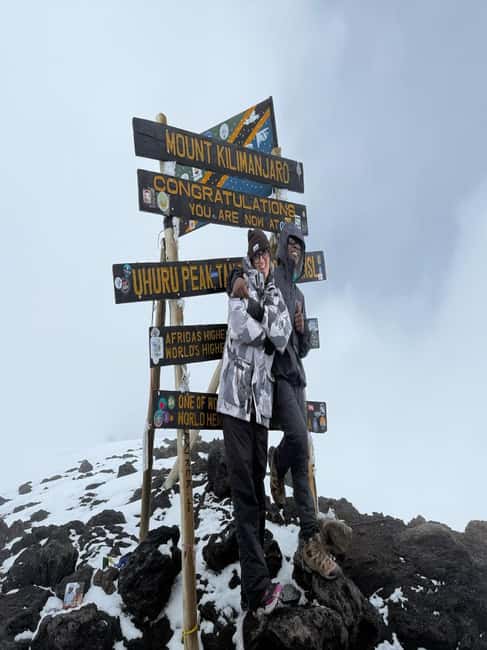
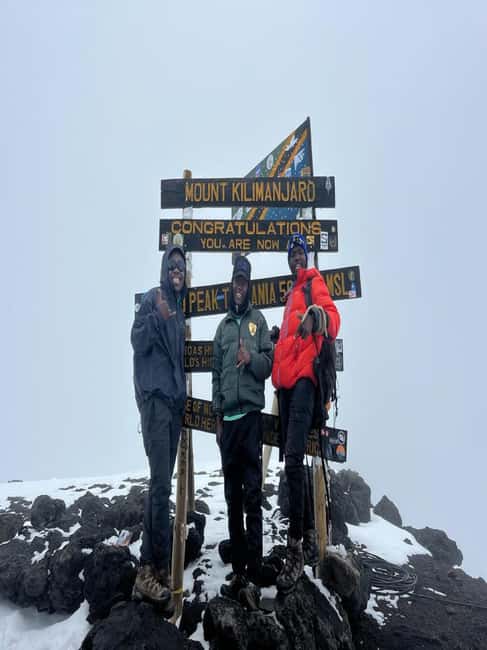
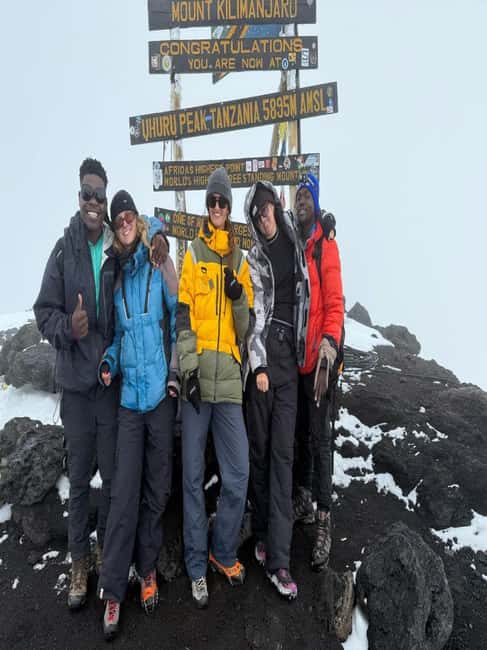
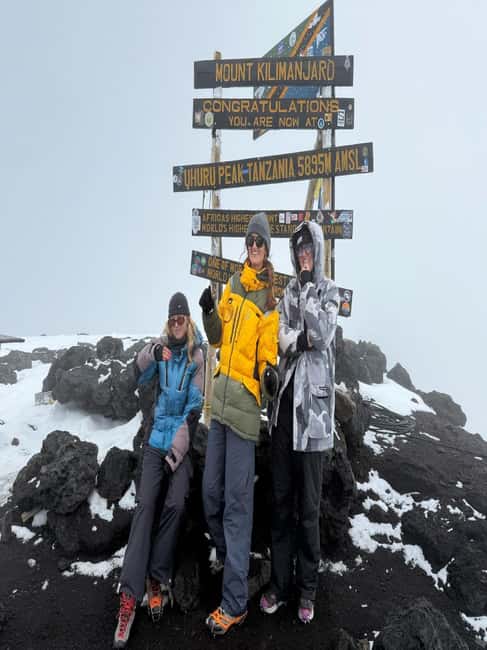
Summit day is the test. You start around midnight from Kibo Hut and climb toward Gilman’s Point at 5,681 meters. The route then continues along the crater rim to Uhuru Peak at 5,895 meters, the highest point in Africa.
The schedule gives 11 to 15 hours for the full day. That includes the climb, time at the summit, the descent to Kibo Hut for lunch and rest, and the continued walk to Horombo Hut. In other words, reaching the summit is only the first half of a very long day.
The midnight start has a clear purpose. You walk under starlight and aim to reach Gilman’s Point around sunrise. From there, the crater rim leads toward Uhuru Peak. The exact experience depends on your pace, weather, and health, so treat the schedule as a guide rather than a promise.
This is where patience matters most. The climb from Kibo Hut is steep and slow, and the cold can make every stop feel longer. Keep your gloves, jacket, and flashlight ready. A daypack should hold the items you need during the ascent without forcing you to dig through larger luggage.
At Uhuru Peak, take a short moment to appreciate the achievement and the views. Then begin the descent. You return to Kibo Hut for lunch and rest before walking down to Horombo Hut. That second section can be surprisingly hard because fatigue arrives after the excitement of the summit.
The long descent also explains why this itinerary suits fit hikers who understand the strain of altitude. Five days is a compact schedule. There is no dedicated extra acclimatization day in the plan, so you need to take the slow pace seriously and use the Horombo stop well.
Day 5: Horombo Hut back to Marangu Gate
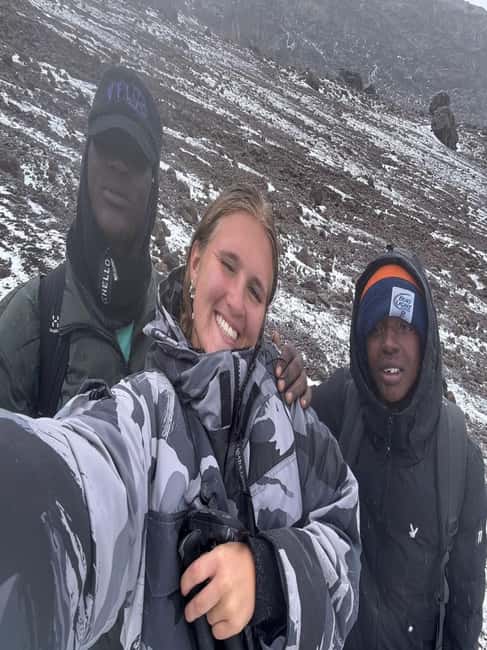
The final day descends from Horombo Hut at 3,720 meters to Marangu Gate at 1,870 meters. The walk covers about 20 kilometers and takes five to seven hours, passing from heathland back into rainforest.
After the stark upper mountain, the return to thick forest can feel like a change of country. You will likely notice the warmer air and fuller plant life as you lose altitude. The walk is downhill, but 20 kilometers is still a substantial distance, especially after the summit day.
At Marangu Gate, you receive your summit certificate before driving back to Moshi or Arusha. The transfer is included, and the day ends with the promised celebration after the demanding return.
Do not underestimate the final walk. Many people focus so hard on Uhuru Peak that they forget the exit is still several hours long. Good footwear matters here, and a jacket remains useful because conditions can change during a mountain day.
The staff support is a real part of the value
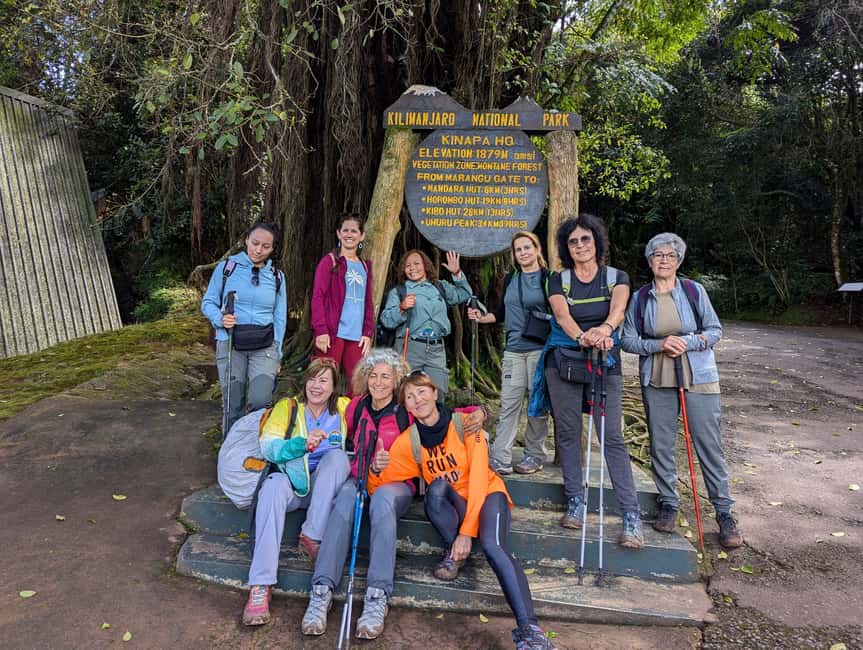
The strongest praise for this trip concerns the people who make it work. The team includes a professional English-speaking guide, porters, and a cook. Nicola found the guide, porters, and cook excellent, while Andrea specifically names Shedrack as an exceptional guide.
That matters because Kilimanjaro is not only a route on a map. You rely on the team for pacing, meals, water, camp or hut routines, and practical decisions when you are tired. Makoto’s account is especially useful for anyone worried about altitude. Staff carried luggage, offered food, and gave advice when sickness appeared.
Harrison also describes support from arrival at the Tanzanian airport, with help available around the clock. Airport assistance is not listed among the formal inclusions, so confirm exactly what is offered before you travel. Still, the account suggests that the company may provide a wider support network than the basic mountain schedule shows.
A good guide cannot promise a summit. What the team can do is keep you informed, help you respond to problems, and make the days more orderly. That is a strong reason to consider this operator, especially if you are making your first high-altitude trek.
What to pack for five changing climate zones
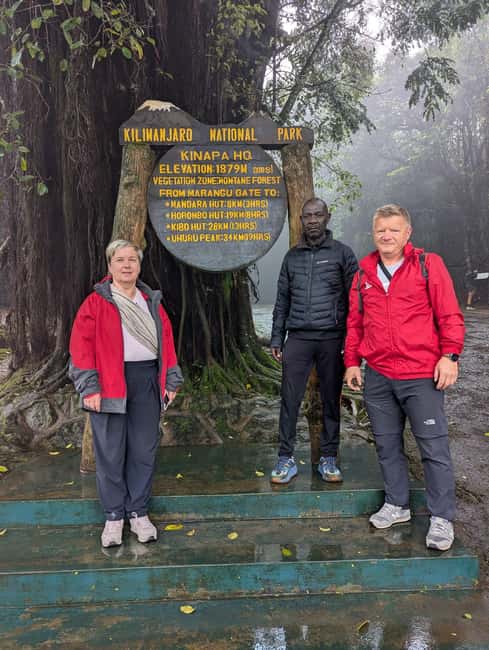
Kilimanjaro’s conditions change quickly as you climb. You begin in rainforest, pass through heathland and moorland, cross alpine desert, and reach Arctic conditions near the summit.
The required packing list is short but important:
- Hiking shoes
- Jacket
- Gloves
- Sleeping bag
- Flashlight
- Daypack
- Trekking gear
- Power bank
The list includes basics rather than a full technical packing guide. Use the operator’s instructions as your starting point and ask for clarification about clothing layers, personal medications, and luggage limits before departure. The power bank is useful because the itinerary does not promise regular charging access.
A daypack should carry your immediate needs during each walking day. Keep the jacket, gloves, flashlight, water, and any personal medication accessible. Your larger items can remain with the support team if that arrangement is confirmed.
The provision of drinking water is helpful, but do not assume it removes the need to monitor your intake. The route includes a Last Water Point on day three, so water management deserves attention before the alpine desert section.
Who should choose this Marangu trek?
I would recommend this trip to someone who wants a structured Kilimanjaro climb with hut accommodation and a clear five-day schedule. It suits you if you value staff support, prefer a route with defined overnight stops, and are prepared for a very long summit day.
It may also suit first-time high-altitude hikers who want an English-speaking guide and organized meals and transport. The support received by Makoto and the praise for Shedrack suggest that personal care is one of the tour’s best features.
I would hesitate to recommend it if you want a relaxed acclimatization plan. The itinerary reaches Kibo Hut on day three and makes the summit attempt on day four, with no extra day listed for adjustment. You should also reconsider if the extra park fee makes the total cost uncomfortable.
The tour is not ideal for anyone who expects the $675 price to cover every required expense. The excluded national park fees are too large to treat as a footnote. Get the full amount before booking, then compare it with other five-day Kilimanjaro options on a like-for-like basis.
Should you book the $675 Marangu Route tour?
Book it if you want an organized, support-focused climb and you are comfortable with the compact five-day schedule. The changing scenery, Horombo stop, hut accommodation, and strong staff support make the package attractive.
Before you pay, confirm the total cost including the national park fee, what the camping equipment covers, and how the transfer support works. If those answers are clear and your fitness and altitude preparation are suitable, this can be a practical way to attempt Uhuru Peak.
If you need more time to acclimatize, or if the added $750 fee pushes the trip beyond your budget, keep looking. Kilimanjaro rewards patience, and the cheapest headline price is not always the best value.
FAQ
How long is the Kilimanjaro Marangu tour?
The tour lasts five days, beginning with travel from Moshi or Arusha to Marangu Gate and ending with a return drive after descending from Horombo Hut.
Is accommodation included?
Yes. Hut accommodation is included. The package also lists camping equipment and a sleeping mattress, while you are asked to bring your own sleeping bag.
Are national park fees included in the $675 price?
No. National park fees are not included. An additional $750 was required before hiking in one reported case, so confirm the current fee and total payment before booking.
Is a guide included?
Yes. A professional English-speaking guide is included. The support team also includes porters and a cook, and guide Shedrack is specifically praised for his service.
How long is the summit day?
The fourth day takes about 11 to 15 hours. It includes the walk from Kibo Hut to Uhuru Peak, the descent to Kibo Hut for lunch and rest, and the continued walk to Horombo Hut.
What should I bring?
Bring hiking shoes, a jacket, gloves, sleeping bag, flashlight, daypack, trekking gear, and a power bank. Travel insurance and alcoholic beverages are not included.
Just added in Moshi
- THE BEST 2 DAYS ON TREK – MARANGU ROUTE TOUR ADVENTURES★ 5.0 · 1 review
- Mount Kilimanjaro National Park Day Trip★ 5.0 · 7 reviews
- Mount Kilimanjaro Climbing in Tanzania Full-Day Trip★ 5.0 · 1 review
- Mount Kilimanjaro Day Hike – All-Inclusive, No Hidden Fees★ 4.0 · 7 reviews
- Mount Kilimanjaro Trekking Tour – Climb with Local Guides★ 5.0 · 1 review
- Mount Kilimanjaro: 7 Days Hike Lemosho Route★ 5.0 · 1 review
- Moshi:Chemka Hot Springs, Materuni Waterfalls & Coffee Tour★ 5.0 · 1 review
- Moshi Town: Walking Tour: Theme Urban lifestyle★ 3.1 · 4 reviews
Marangu Route Climbs, compared.
Private Full Day Hiking Experience to Marangu Route
Read our review →
From Arusha/Moshi: Kilimanjaro Hike Marangu Route Day Trip
Read our review →
Mount Kilimanjaro Day Hike Through Marangu Route to Mandara Hut
Read our review →
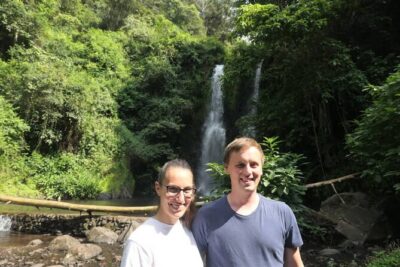
Marangu waterfall & Coffee making Cultural Tour | BURIGI CHATO SAFARIS CO LTD
Read our review →
Climb Kilimanjaro – Marangu Route 8 Day Program
Read our review →Browse the lists this tour appears in