
Reviewed · MOSHI TOURS
10 days family safari Tanzania
Tanzania rewards patience. This 10-day private safari links the northern circuit’s major parks with the unusual stop of Lake Natron, giving you a strong chance to see the Big Five, flamingos, elephants, lions, and rhinos. I especially like the mix of Serengeti game drives and Ngorongoro Crater, along with the use of a private guide and a modified Toyota Land Cruiser with roof hatches.
I also like that the route includes more than the standard park circuit. Lake Natron, Maasai villages, Oldupai Gorge, and an Arusha town visit add local texture to the wildlife viewing. The main consideration is the pace: several days involve roughly six to seven hours of driving and game viewing, so families with young children should prepare for long stretches in the vehicle.
In This Review
- Six details that shape this safari
- What the $3,500 price really covers
- Day 1: A gentle start in Arusha
- Day 2: Lake Manyara’s compact wildlife country
- Day 3: Lake Natron and the flamingo country
- Day 4: From Lake Natron to the Serengeti
- Day 5: Sunrise and a full day in the Serengeti
- Day 6: Moving toward Ngorongoro
- Day 7: The Ngorongoro Crater game drive
- Day 8: Tarangire’s elephants and baobabs
- Day 9: More Tarangire, then back to Arusha
- Day 10: A short look at Arusha before departure
- The vehicle, guide, and private format
- What I would clarify before booking
- Who should book this safari?
- Should you book it?
- FAQ
- Where does the safari begin?
- How long is the safari?
- Is this a private safari?
- Which national parks and areas are included?
- Are meals included?
- Is airport transportation included?
- Are park entry fees included?
- What is not included in the price?
Six details that shape this safari
- Lake Natron adds a rare flamingo stop to a route usually focused only on the main parks.
- Serengeti gets a sunrise game drive and a full day of exploration, giving you two different chances for wildlife.
- Ngorongoro Crater offers one of the best Big Five opportunities on the itinerary, including a chance to see rhinos.
- Tarangire is the elephant specialist, with baobab trees and large family groups near the river.
- The tour is private, so only your own group participates and the schedule can be handled more personally.
- The $3,500 per-person price includes major safari costs, including park fees, meals, accommodation, airport transfers, and a private 4WD vehicle.
What the $3,500 price really covers
At $3,500 per person, this is not a shoestring safari, but it includes the expensive parts that can quickly add up in Tanzania. You receive private airport transfers, transport in a modified 4WD Land Cruiser or Land Rover, wildlife reserve entry fees, accommodation, nine breakfasts, nine lunches, nine dinners, and bottled mineral water.
That package gives the price solid value if you want a private vehicle rather than sharing every game drive with strangers. Park fees alone form a large part of a northern Tanzania safari budget, and the route visits several protected areas. The private format also matters for families, since you can keep the group together and avoid negotiating every stop with other passengers.
The package does not include international flights, visas, passports, travel insurance, drinks, personal expenses, or gratuities for the guide and camp staff. Alcoholic and non-alcoholic drinks at the lodges are also extra. I would set aside money for tips and drinks before arrival, since those costs are easy to overlook.
The accommodation description combines luxury tented camps with permanent wilderness lodges. The day-by-day plan names Outpost Lodge, Ngorongoro Rhino Lodge, Ellen’s Tree Lodge, and Mvuli Hotel, though the wording does not clearly match each property to every night. Ask Africa Joy Tours for the final accommodation list before paying, especially if the difference between luxury tented lodging and a simpler lodge matters to you.
A few more options to weigh up in Moshi
- Kilimanjaro climb by Lemosho Route (7-day)
★ 5.0 · 651 reviews - Safari Serengeti And Ngorongoro
★ 5.0 · 288 reviews - Kilimanjaro climb, Machame Route (7-day)
★ 5.0 · 262 reviews
Day 1: A gentle start in Arusha
Your safari begins with pickup at Kilimanjaro Airport, with the listed start time of 6:00 a.m. After meeting your driver, you transfer to Arusha and stay at Outpost Lodge on a bed-and-breakfast basis.
The transfer is listed as about two hours. That first day is useful for getting your bearings after a flight rather than rushing directly into a park. Arusha is the main base for many northern Tanzania safaris, so this overnight stop also breaks up the journey before the longer drives begin.
Because the airport pickup is early, check your arrival time carefully. The tour states that airport transfers are included in a private car, but your flight details should be confirmed well ahead of time.
Day 2: Lake Manyara’s compact wildlife country
The first full safari day starts at about 8:30 a.m. with a drive from Arusha toward Lake Manyara and a picnic lunch along the way. Lake Manyara National Park is smaller than Serengeti or Tarangire, but its setting is striking, pressed between the Rift Valley escarpment and the soda-rich lake.
You may see giraffes, elephants, baboons, and a broad selection of birds. The park is also associated with tree-climbing lions, although the itinerary correctly treats them as a rare sight rather than a guarantee. That distinction matters: wildlife viewing is exciting partly because no animal appears on command.
For families, Manyara is a useful early introduction to safari. You get a full park experience without the vast distances of the Serengeti. The drawback is the six-hour touring day followed by more road time, which can feel long if children are not used to sitting in a safari vehicle.
Day 3: Lake Natron and the flamingo country
After breakfast, the route heads toward Lake Natron. This is one of the more unusual choices in the program, since many northern circuit trips skip it in favor of another night in a major park.
Lake Natron is known here as a breeding site for lesser and greater flamingos. The birds migrate from areas including Kenya’s Lake Nakuru and Lake Baringo. Water conditions affect what you can do, but the plan allows time for a lake walk, a possible swim, or a boat ride, depending on local conditions.
You can also walk upstream along the Ngaresero River toward waterfalls. Monkeys and baboons may appear along the route. The walk gives your family a break from the vehicle and brings a different rhythm to the safari, though you should ask about the current walking conditions and which activities are available during your dates.
The route description labels this stop Lake Manyara at the beginning, then sends you to Lake Natron. Treat Lake Natron as the actual destination for this day and ask for a corrected schedule before departure. Clear paperwork is especially helpful when you are arranging a family trip with several lodges.
A different kind of day out entirely:
- Kilimanjaro Climbing Lemosho Route 8 Days.
★ 5.0 · 186 reviews - Climbing Kilimanjaro – Machame Route
★ 5.0 · 170 reviews - Climbing Kilimanjaro through 7 days Machame Route
★ 5.0 · 151 reviews - Kilimanjaro climb, Lemosho Route (8-day)
★ 5.0 · 148 reviews
Day 4: From Lake Natron to the Serengeti
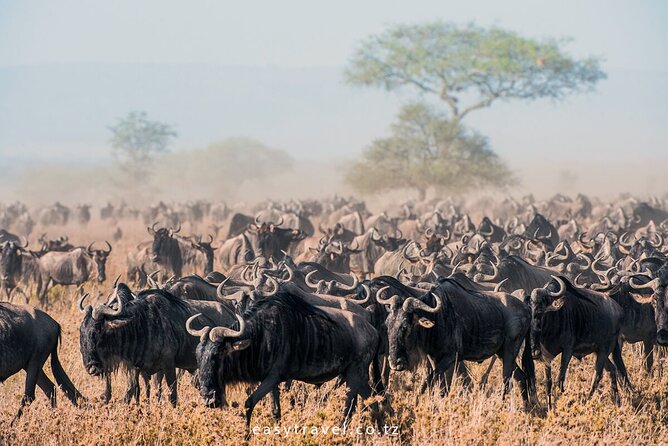
After breakfast, you can take another walk near the lake before setting out toward Serengeti National Park. The drive crosses the Loliondo Game Controlled Area, where wildebeest movements are associated with November and December as herds come from the Masai Mara area.
At Klein’s Gate, you complete park registration and begin a game drive toward your lodge. This is a long transition day, but it also starts the Serengeti experience before you even reach camp. Zebras, buffaloes, baboons, topis, impalas, cheetahs, and leopards may be seen, along with many birds.
The Serengeti is vast, and a drive across it gives you a sense of its scale. You should not expect every animal listed to appear, but this route gives you several chances to find predators and grazing herds. The private vehicle and roof hatch are useful here, allowing you to look out from a higher position and follow the guide’s search for wildlife.
Day 5: Sunrise and a full day in the Serengeti
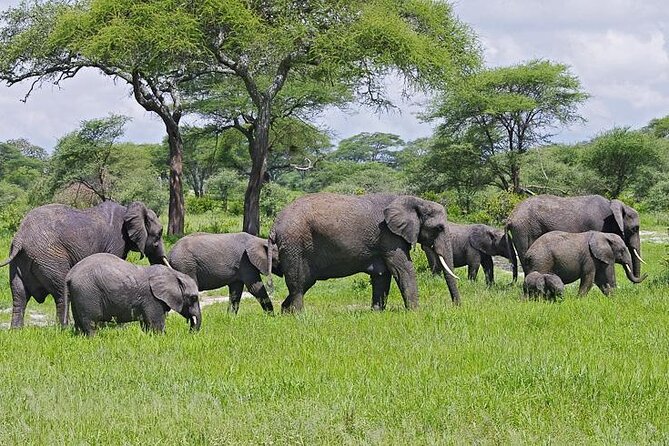
This is the safari’s main wildlife day. You leave at daybreak for a sunrise game drive, then return for breakfast before setting out again for a full day across the plains.
The early drive offers a different kind of viewing. Nocturnal animals may still be heading back to cover, while daytime species begin moving and feeding. After breakfast, the longer drive gives your guide more time to search for lions, leopards, cheetahs, elephants, giraffes, zebras, buffaloes, and other species.
The schedule is demanding, with about seven hours listed for the day. Still, this is the time to accept the long ride, because the Serengeti rewards extra hours in the field. One of the strongest themes in the available feedback is the quality of the guides. Ndaji was praised for being cheerful, kind, and skilled at locating animals, while Jams and Joakim were praised for answering requests and identifying wildlife well.
Those names come from different trips, so you should not assume one of them will be your guide. The important point is to ask who will lead your group and how much safari experience that person has.
Day 6: Moving toward Ngorongoro
After breakfast, you drive toward the Ngorongoro Conservation Area with a packed lunch and game viewing along the route. You may choose to stop at Oldupai Gorge, an important archaeological site associated with early human history, or visit a Maasai boma for a look at local traditions and daily life.
These optional stops give the day more range than a simple park transfer. Oldupai suits families interested in archaeology and human origins. The Maasai visit may appeal to anyone who wants cultural context alongside wildlife, but ask exactly what the visit includes so your expectations are clear.
You spend the night near the crater rim at Ngorongoro Rhino Lodge. Staying near the rim positions you well for the early crater drive the next morning. It also means cooler conditions may be possible at elevation, so a warm layer is sensible even on a generally hot Tanzania itinerary.
Day 7: The Ngorongoro Crater game drive
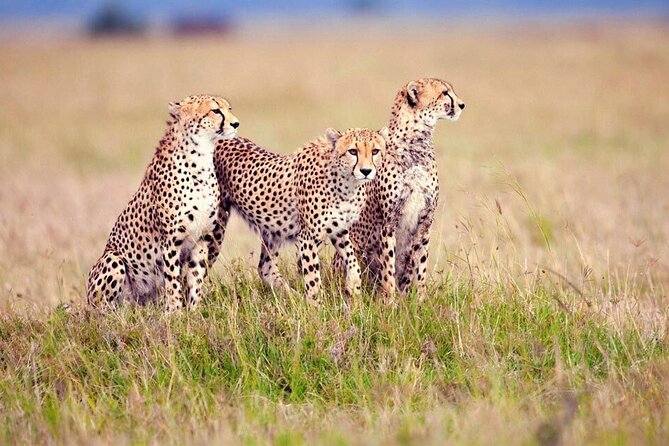
The crater day begins at about 7:00 a.m. with a picnic lunch. The crater’s walls rise roughly 2,000 feet, creating a contained setting where many animals remain throughout the year instead of following seasonal routes.
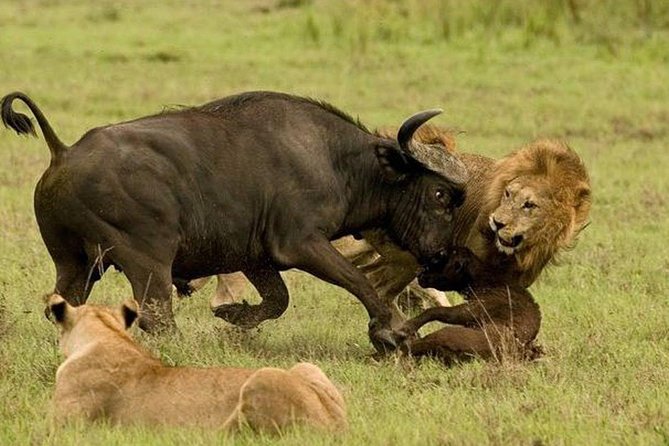
You may see lions, elephants, zebras, hippos, flamingos, jackals, antelopes, birds, and possibly rhinos. The chance to see a rhino is one of the biggest reasons this day is so valuable, though no guide can promise a particular sighting.
Your driver and guide stay in contact with other safari vehicles while searching for animals. That communication can save time when a hidden predator or uncommon species is nearby. The crater is also a strong family day because the wildlife can be easier to find than in the wide Serengeti, where animals may be scattered over enormous distances.
After the crater exploration, you return to the lodge for dinner and overnight accommodation, listed as Ellen’s Tree Lodge. The itinerary names both Ngorongoro Rhino Lodge and Ellen’s Tree Lodge on consecutive days, so confirm which property applies to which night.
Day 8: Tarangire’s elephants and baobabs
After breakfast, you leave for Tarangire National Park. The park is famous for gigantic baobab trees and large herds of elephants. The Tarangire River supplies water through the year, drawing animals toward the riverbeds when other water sources are limited.
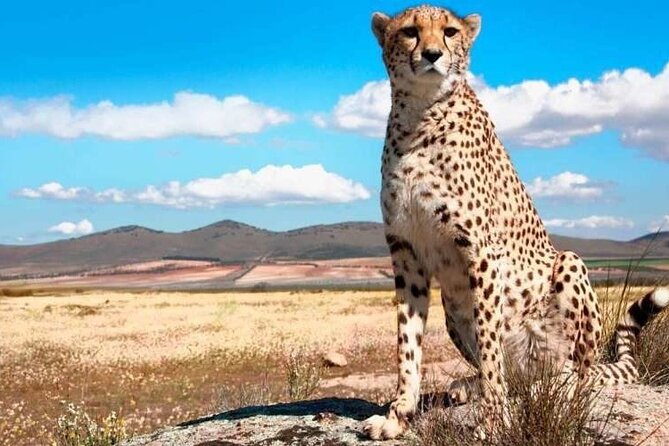
This is an excellent contrast with the Serengeti. Instead of open plains, you get woodland, river country, and massive old trees. You may see zebras, giraffes, warthogs, leopards, cheetahs, and the rare oryx, though the guide will determine where to spend time based on current sightings.
The elephant families are a highlight, especially for children. You may see adults gathering around young animals when vehicles approach. Keep your voices low and follow the guide’s instructions, since good wildlife viewing depends on giving animals space.
Day 9: More Tarangire, then back to Arusha
After breakfast at camp, you have another game drive in Tarangire before transferring to Arusha. The second morning is useful because it gives you more time with the park’s elephant herds rather than reducing Tarangire to a quick drive-through.
The seven-hour estimate includes wildlife viewing and the transfer. After several full days in vehicles, this may be one of the more tiring sections of the trip. On the other hand, it gives you one last chance to see animals that were missed the previous day.
You spend the night at Mvuli Hotel in Arusha. That final hotel stop keeps the airport transfer from following a long park drive on the same day, which is a sensible arrangement for an international departure.
Day 10: A short look at Arusha before departure
The last morning includes breakfast and time to explore Arusha before the airport transfer. The town visit is listed at about five hours, followed by transport to the airport for your flight home.
This is not a full city tour with a detailed schedule, so ask what is planned if Arusha sightseeing is important to you. The flexible time can also be useful for a relaxed final morning, souvenirs, or a meal before leaving Tanzania.
The vehicle, guide, and private format
The safari uses extended, well-maintained Toyota Land Cruisers or Land Rovers with roof hatches. That design matters. You can stand or sit higher for photographs and get a clearer view when animals are close, while the extended body gives families more room than a compact vehicle.
The private format means only your group participates. That is a major advantage for families, couples, and small groups with different energy levels. You can ask for a pause, spend longer at a sighting, or adjust the pace more easily than on a shared departure.
The quality of the guide will shape the whole experience. Ask about the assigned guide before the trip, and discuss your priorities clearly: Big Five sightings, birds, photography, cultural stops, or shorter driving periods. Past praise for Ndaji, Jams, and Joakim suggests Africa Joy Tours has produced strong guiding on several departures, but your own guide should be confirmed directly.
What I would clarify before booking
The published route contains a few details that deserve a quick check. Day 3 is labeled Lake Manyara even though the route clearly continues to Lake Natron. Accommodation names also shift between the general promise of luxury tented lodges and specific properties such as Rhino Lodge, Ellen’s Tree Lodge, and Mvuli Hotel.
I would request a final day-by-day document showing:
- The exact lodge or camp for every night
- The assigned guide’s name
- Which activities at Lake Natron are available during your dates
- Whether Oldupai Gorge and the Maasai boma carry extra charges
- The exact airport transfer time on the final day
These are not reasons to reject the safari. They are simple points to settle before a 10-day family trip.
Who should book this safari?
I would choose this trip if you want the northern circuit’s main wildlife areas in one private itinerary and you like having Lake Natron included. It suits families who want a strong chance at the Big Five but also appreciate flamingos, a waterfall walk, Maasai culture, archaeology, and time in Arusha.
I would think twice if your family dislikes long drives or needs a slow schedule. The route covers many destinations, and several days are listed at six or seven hours. A shorter itinerary with fewer parks may be more comfortable for very young children.
The $3,500 price makes the most sense if you value a private 4WD, included park fees, full-board meals, airport transfers, and a dedicated guide. It is less attractive if you expect high-end luxury at every overnight stop, since the accommodation descriptions need clarification.
Should you book it?
I would book this safari after confirming the accommodation list and Lake Natron schedule in writing. The route covers the northern circuit well, the private vehicle is a real benefit, and the strongest parts are substantial: sunrise in the Serengeti, a full Ngorongoro Crater day, and elephant country in Tarangire.
For a family that wants variety and a serious chance to see the Big Five, this is a persuasive plan. Just prepare everyone for long drives, budget separately for drinks and tips, and make sure the final itinerary matches the comfort level you expect.
FAQ
Where does the safari begin?
The safari begins with pickup at Kilimanjaro Airport in Tanzania. The listed start time is 6:00 a.m.
How long is the safari?
The experience lasts approximately 10 days.
Is this a private safari?
Yes. Only your own group participates in this private tour or activity.
Which national parks and areas are included?
The route includes Lake Manyara National Park, Lake Natron, Serengeti National Park, the Ngorongoro Conservation Area and Crater, Tarangire National Park, and Arusha.
Are meals included?
Yes. The package includes nine breakfasts, nine lunches, and nine dinners.
Is airport transportation included?
Yes. Private airport transfers are included, along with transport during the safari.
Are park entry fees included?
Yes. Wildlife reserve entry fees are included in the price.
What is not included in the price?
International flights, personal expenses, gratuities, travel insurance, visa and passport fees, and alcoholic or non-alcoholic drinks at lodges are not included.
Just added in Moshi
- Zanzibar: Stone Town tour and Nakupenda beach with Lunch★ 5.0 · 1 review
- day trip lake manyara★ 5.0 · 2 reviews
- Mt Kilimanjaro 6 days Marangu route hike★ 5.0 · 3 reviews
- machame route★ 5.0 · 16 reviews
- Private Cycle to Kilimanjaro Bike Park Safari★ 5.0 · 6 reviews
- West Kilimanjaro cycling Adventures★ 4.5 · 8 reviews
- Wildlife Extravaganza: Manyara, Tarangire & Ngorongoro in 3 Days★ 5.0 · 3 reviews
- 3 Days Private E-Bike Tour in West Kilimanjaro★ 5.0 · 3 reviews
Moshi Tours, compared.



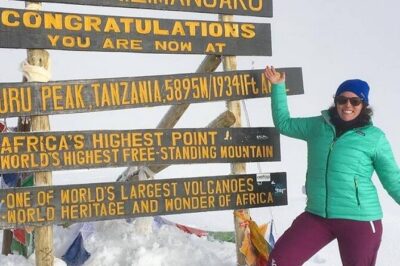
Climbing Kilimanjaro through 7 days Machame Route
Read our review →
