
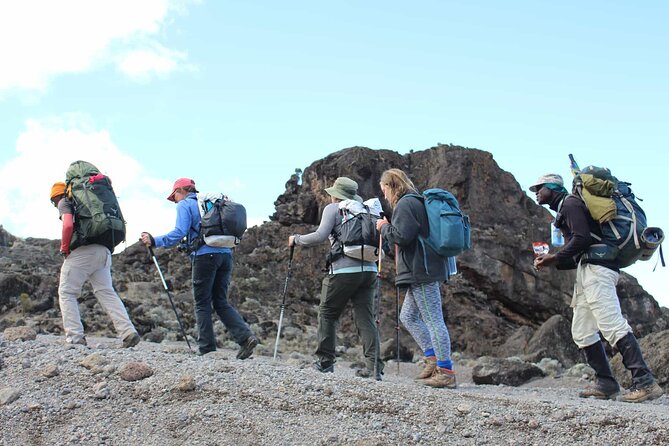
Reviewed · MACHAME ROUTE CLIMBS
10 Days Machame Route Kilimanjaro Climb
The mountain saves its hardest lesson for midnight. This 10-day Machame Route climb gives you Kilimanjaro’s changing scenery, from tropical forest to high-altitude desert, with time built in for acclimatization. I like the scenic variety and the short rest days before the summit push. I also like that the package includes park fees, mountain staff, water, emergency oxygen, and Flying Doctors Insurance. The main drawback is the physical demand: Machame is steeper and tougher than Marangu, and summit day can last well into the afternoon.
You spend two nights in Moshi before hiking, then six nights camping on the mountain and one night descending to the gate. The climb is private for your group, with pickup available and a listed price of $3,025 per person. That price is not small, but it covers many major Kilimanjaro costs. You still need to budget for flights, visas, insurance, drinks, personal expenses, and tips.
In This Review
- Key points to know before booking
- Why the Machame Route is so popular
- Two quiet days in Moshi before the trail
- Day 3: Machame Gate to Machame Camp
- Day 4: Shira Plateau and the first acclimatization gain
- Day 5: High-altitude desert and Barranco Camp
- Day 6: Climbing the Barranco Wall
- Day 7: Karanga to Barafu Camp
- Day 8: Midnight to Uhuru Peak and back down
- Day 9: Mweka Gate and the first hot shower
- Day 10: Airport transfer or onward Tanzania plans
- What the $3,025 price includes
- Guide support and safety provisions
- Who should choose this climb?
- Practical details before you commit
- Should you book the 10-day Machame climb?
- FAQ
- Where does the climb begin and end?
- How long is the experience?
- What is the price?
- Is the Machame Route difficult?
- Is the Barranco Wall a technical climb?
- What time does the summit attempt begin?
- What safety equipment is included?
- Can I cancel for a full refund?
Key points to know before booking
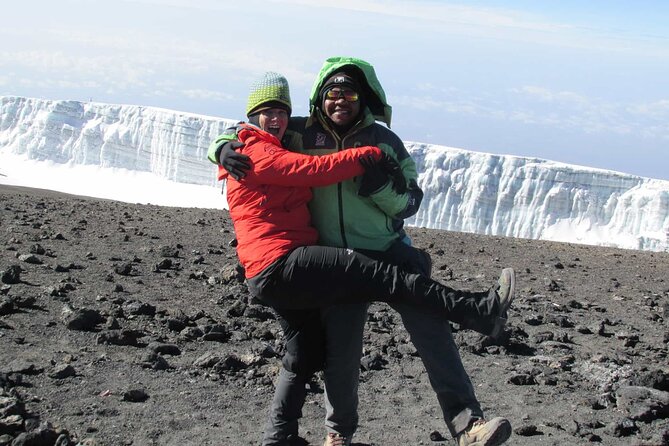
- Machame offers some of Kilimanjaro’s best scenery: You cross rainforest, moorland, the Shira Plateau, high-altitude desert, glacier country, and the southern slopes of Kibo.
- The route is physically demanding: Hiking days are often five to seven hours, with steep ground and plenty of uphill and downhill walking.
- Acclimatization is built into the schedule: Shira, Barranco, Karanga, and Barafu camps create a gradual climb before the summit attempt.
- Summit night begins around midnight: The climb to Uhuru Peak takes roughly seven to eight hours, followed by a long descent.
- The Barranco Wall is not technical climbing: You use hands and feet in places, but the itinerary describes it as a nontechnical climb.
- The package includes serious safety support: Emergency oxygen, oximeters, a hyperbaric chamber, and Flying Doctors Insurance are included.
Why the Machame Route is so popular
Machame approaches Kilimanjaro from the southwest and descends by the Mweka route. That gives you a one-way journey through several distinct mountain zones instead of walking up and down the same trail.
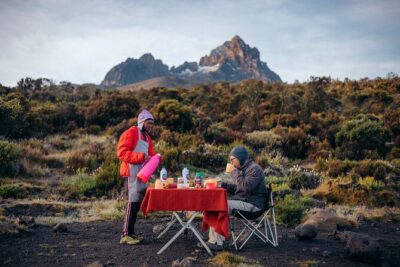
I like this route because the scenery keeps changing. You begin beneath thick tropical forest, move into open moorland, cross the Shira Plateau, and then enter a stark alpine zone where grasses and lichens are among the few plants able to survive. Higher up, the mountain becomes colder and barer, with views toward Kibo’s glaciers when weather allows.
The trade-off is comfort. Machame is not the easy option. Compared with Marangu, the trail is steeper and the hiking days are longer. Camping also means less shelter and fewer indoor comforts. You should arrive with some hiking or backpacking experience and a moderate level of fitness.
This is a private activity, so only your group participates. That can make the pace and daily routine easier to manage than a large shared departure, although the supplied details do not give a maximum group size.
More Kilimanjaro climbs:
- Kilimanjaro climb by Lemosho Route (7-day)
★ 5.0 · 651 reviews - Kilimanjaro climb, Machame Route (7-day)
★ 5.0 · 262 reviews - Kilimanjaro Climbing Lemosho Route 8 Days.
★ 5.0 · 186 reviews
Two quiet days in Moshi before the trail
Your trip begins with pickup at Kilimanjaro International Airport and a drive of about an hour to your Moshi hotel. The listed lodging is Bristol Cottages or Parkview Inn. This first day is intentionally simple, which is useful after an international flight.
On the second day, you have the morning to rest. After lunch, the trip leader gives you a short orientation and checks your equipment. A town tour follows, then dinner and another night in Moshi.
I consider this setup a good feature. You are not thrown onto the trail immediately after landing. The equipment check also gives you a chance to identify missing or unsuitable gear before the climb begins. Since the description does not provide a full packing list, you should ask the operator exactly what equipment is supplied and what you must bring.
The stated meeting time is 8:00 a.m., but the mountain departure on Day 3 is described as around 9:30 a.m. Confirm the final pickup time with Real Life Adventure Travel before setting your schedule.
Day 3: Machame Gate to Machame Camp
After breakfast, you drive to Machame Gate, where you meet your guides and porters. The trail then climbs through thick tropical forest to Machame Camp at roughly 3,000 meters.
The hike is listed at five to seven hours. That range matters. A seven-hour day through humid forest can feel long, especially if you are carrying more than a daypack. Keep your early pace slow and steady. The point is not to win the first day.
Your first mountain night is camping, with breakfast, lunch, and dinner included. The forest is the most enclosed part of the route, but it also gives you the clearest sense that this is a real mountain crossing, not a quick walk to a viewpoint.
Day 4: Shira Plateau and the first acclimatization gain
Day 4 is described as an easier acclimatization day. You hike across streams, a river gorge, and moorland before reaching the Shira Plateau.
The walking time is about four to five hours. From camp, you may have views of Kilimanjaro and Mount Meru. This is one of the most rewarding changes on the route: the dense forest gives way to open ground and wider views.
The short day is valuable because altitude, not just distance, is the challenge here. You can feel tired even when the trail is not especially long. Drink the provided boiled or filtered water and pay attention to how your body feels.
More Machame Route climbs:
- Climbing Kilimanjaro – Machame Route
★ 5.0 · 170 reviews - Climbing Kilimanjaro through 7 days Machame Route
★ 5.0 · 151 reviews - 7 Days Kilimanjaro via Machame route affordable price
★ 5.0 · 110 reviews - #1. Best Kilimanjaro Day hike Tour-Machame Route-ISMANI
★ 4.2 · 47 reviews
Day 5: High-altitude desert and Barranco Camp
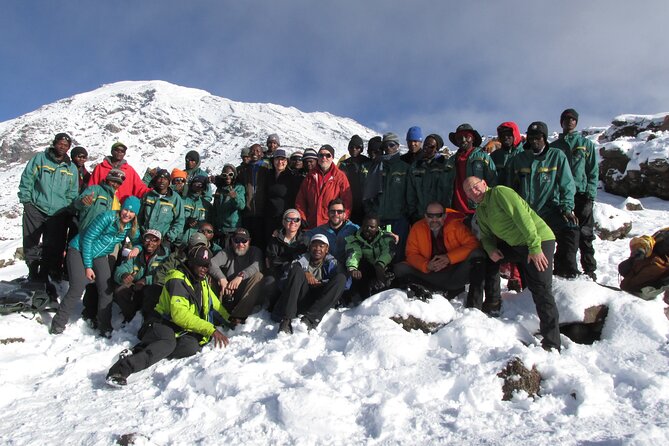
This is an important acclimatization day, but it is not an easy one. You climb to about 4,250 meters, described in the program as 15,000 feet, before descending to Barranco Camp.
The trail moves through moorland into the alpine zone. Plant life becomes sparse, with grasses and lichens surviving in what the itinerary calls high-altitude desert. You also get views of the Western Breach of Kibo.
After roughly four hours, the path forks and drops into a gorge. Barranco means gorge in Swahili. The constant up-and-down walking can be tiring, and the total hiking time is listed at five to six hours.
This day shows why the Machame Route needs patience. You gain height, lose some of it, then camp lower than your highest point. That pattern helps your body adjust, but it can feel frustrating if you measure progress only by camp elevation.
Day 6: Climbing the Barranco Wall
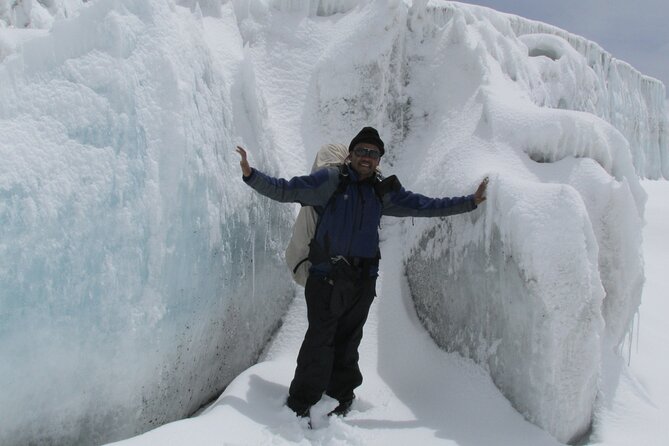
The morning begins with the Barranco Wall. It is not a technical climb, but the route is steep and may require careful use of hands and feet.
After the wall, you follow the Kibo South Circuit across ridges and valleys. If the sky is clear, you can see the southern glaciers of Kibo. Camp is located just beyond the Karanga Valley, on a ridge, and the walking time is only three to four hours.
I like this day’s design. You tackle one of the route’s most memorable sections early, then have time to reach camp by around lunchtime and rest. You will want that break because the next day takes you to Barafu, the staging camp for the summit attempt.
Day 7: Karanga to Barafu Camp
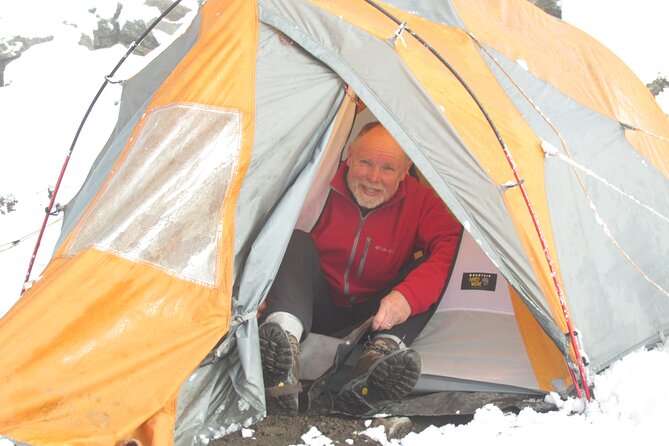
The trail rises steadily toward Barafu Camp. The temperature drops, the plant life thins out, and the mountain begins to feel much more exposed.
Barafu means ice in Kiswahili. The camp sits on an exposed ridge and serves as the launch point for the summit push. Hiking time is about four to five hours, with arrival expected by late lunchtime.
That early arrival is important. You rest during the afternoon, eat, and prepare for a midnight start. Do not treat this as a normal camping night. Your sleep may be short, and your next day will be the hardest part of the climb.
The itinerary lists breakfast, lunch, and dinner for this day. Ask your guide how the meals are timed around the midnight departure, since your summit routine will not match ordinary daytime meals.
Day 8: Midnight to Uhuru Peak and back down
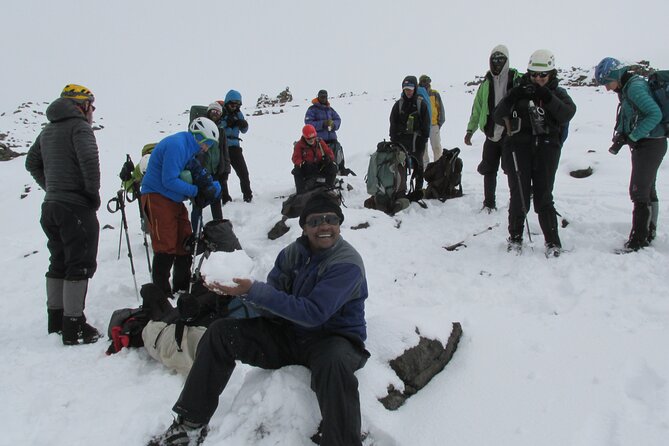
Summit day is long, cold, and demanding. You leave Barafu at about midnight and climb toward Stella Point. The route is steep, and the itinerary gives six to seven hours to reach the crater rim.
At around 4,870 meters, you pass the Rebmann Glacier and continue between the Rebmann and Ratzel glaciers. The route joins the main trail near Stella Point, followed by about another hour to Uhuru Peak.
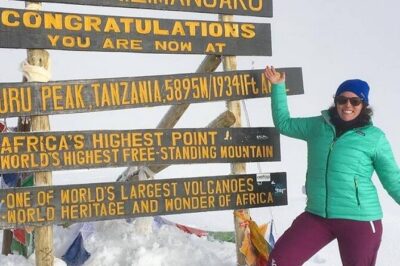
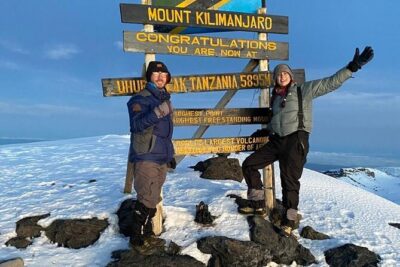
Uhuru Peak reaches 5,895 meters, or 19,340 feet. The planned arrival is around 8:00 a.m., when early light may provide wide views across Africa before clouds gather.
The summit is only half the job. After reaching Uhuru, you descend by the Mweka route. The supplied schedule is truncated after this point, but it clearly treats Day 8 as a seven to eight-hour summit hike followed by a further descent. Expect this to be the day that tests your legs and your resolve most severely.
Use trekking poles, especially on the descent. The following day is also steep in places, and wet ground can be slippery.
Day 9: Mweka Gate and the first hot shower
Your last mountain hike takes three to four hours down to Mweka Gate, dropping about 3,500 feet. The trail can be slippery if wet, so trekking poles remain useful.
At the gate, you say goodbye to the mountain crew and have a picnic lunch. Then the trip leaders return you to Bristol Cottages or Parkview Inn in Moshi, where a hot shower awaits.
This transition can feel wonderfully practical. After several nights camping and a strenuous summit day, clean clothes and a bed matter more than polished sightseeing. Lunch is included, but the package lists only seven lunches, so check how the final mountain meals are arranged if you have special dietary needs.
Day 10: Airport transfer or onward Tanzania plans
The final day is for departure or continuation. If you are flying home, you are transferred to Kilimanjaro International Airport. If you are continuing to safari or Zanzibar, pickup is arranged from the hotel.
The operator presents this as part of a larger Tanzania trip, and the included airport and hotel transfers make the end of the climb easier to manage. Flights themselves are not included, so coordinate your departure time carefully with the company.
What the $3,025 price includes
At $3,025 per person, this is a substantial purchase, but the value depends on what you would otherwise need to arrange separately. The package includes:
- All Kilimanjaro park fees
- Guides, chef, and porters
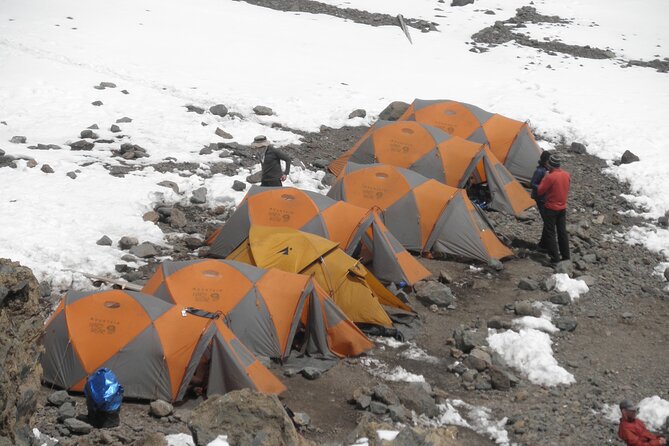
- Camping accommodation on the mountain
- Boiled or filtered mountain water
- Emergency oxygen
- Oximeters
- A hyperbaric chamber
- Flying Doctors Insurance
- Seven breakfasts
- Seven lunches
- Six dinners
Park fees alone form a major part of any Kilimanjaro climb. Add staff wages, food, campsites, transport, and safety equipment, and the quoted price covers the core structure of the trip rather than just guiding you along a trail.
You still pay for international or local flights, visas, alcohol and soft drinks, souvenirs, tips, and travel insurance. Tips deserve special attention because guides, porters, and cooks are central to the experience. The price does not include them, so plan for that extra cost before you arrive.
Real Life Adventure Travel has also been associated with the Kilimanjaro Porters Assistance Project, or KPAP. That is worth asking about directly, including how porter welfare and tipping are handled on your specific departure.
Guide support and safety provisions
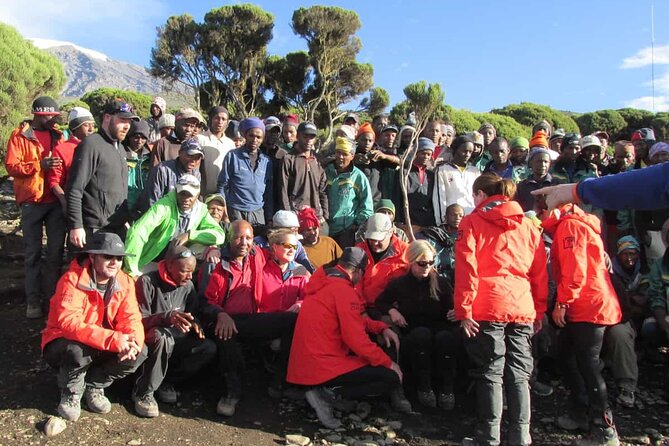
The strongest praise for this company focuses on care from airport arrival through the climb. Freddie is specifically named in connection with the company, while Hans and Wilfred are named as guides who helped maintain a steady atmosphere during a summit and even supported a summit engagement.
Those details do not guarantee that the same guides will lead your group, but they give you useful names to ask about when confirming your booking. The company has also been praised for helping a climber with knee problems on a Lemosho trip, though that was a different route. You should still disclose medical concerns before booking and ask what support is available for your particular condition.
The included safety equipment is a real plus. Emergency oxygen and oximeters allow the crew to monitor altitude-related concerns, while a hyperbaric chamber provides an additional emergency measure. Flying Doctors Insurance is included, but you should still read the insurance terms and carry separate travel insurance if needed for cancellation, baggage, or other risks.
No safety equipment removes the need for honest communication. Tell your guide if you feel unwell, unusually short of breath, confused, or unable to continue. On Kilimanjaro, turning around can be the sensible choice.
Who should choose this climb?
I would recommend this route to you if you enjoy long days outdoors, are comfortable camping, and have some hiking or backpacking experience. You should be prepared for steep trails, cold conditions, limited comfort, and a midnight summit start.
This is not the best choice if you want the gentlest route or prefer indoor accommodation. Marangu is described as less demanding by comparison, while Machame asks more from your legs and your patience.
The 10-day schedule is a positive feature for acclimatization, but it does not make the climb easy. The summit day remains hard, and the route includes repeated climbs and descents. A good training plan should include long uphill walks, downhill walking, and time on uneven ground.
Practical details before you commit
Pickup is offered, the activity begins and ends in Moshi, and confirmation is provided at booking. The tour is near public transportation, though the mountain sections themselves are accessed by arranged vehicle.
Free cancellation is available if you cancel at least 24 hours before the experience start time. Changes or cancellations inside that window are not accepted for a refund. Keep the local cutoff time in mind.
Ask these questions before paying:
- Which hotel, Bristol Cottages or Parkview Inn, will be used?
- What is the final group size?
- What personal equipment is available for rent?
- How are dietary requirements handled?
- What tipping guidance will you receive?
- Which guides are assigned to your departure?
- What does the Flying Doctors Insurance cover?
These are not fussy questions. They help turn a large purchase into a clear plan.
Should you book the 10-day Machame climb?
Book it if you want a scenic, demanding Kilimanjaro route with private-group arrangements, built-in acclimatization days, and substantial safety support. The Barranco Wall, Shira Plateau, glacier views, and southern approach give this climb more variety than a simple up-and-down route.
Think twice if you have little hiking experience, dislike camping, or want a relaxed holiday. The $3,025 price offers solid value because it includes park fees, staff, meals, water, camping, and emergency resources, but flights, tips, insurance, and personal costs will raise the final bill.
For an adventurous climber who wants time to adjust to altitude and appreciates careful support, this is a strong Kilimanjaro package. Just arrive fit, ask detailed questions, and respect the mountain’s timetable.
FAQ
Where does the climb begin and end?
The experience begins in Moshi, Tanzania, with airport pickup offered from Kilimanjaro International Airport. The activity ends back at the meeting point in Moshi after the mountain descent.
How long is the experience?
The full program lasts approximately 10 days. It includes time in Moshi before and after the climb, six nights of mountain camping, and the summit attempt.
What is the price?
The listed price is $3,025 per person. Flights, visa fees, drinks, personal spending, tips, and travel insurance are not included.
Is the Machame Route difficult?
Yes. It is described as a challenging route with longer hiking days and steeper trails than Marangu. It is better suited to people with moderate fitness and some hiking or backpacking experience.
Is the Barranco Wall a technical climb?
No. The Barranco Wall is described as a nontechnical climb, though it is steep and requires careful movement.
What time does the summit attempt begin?
The summit climb from Barafu Camp begins around midnight. Reaching Uhuru Peak is expected to take about seven to eight hours, followed by a long descent.
What safety equipment is included?
The package includes emergency oxygen, oximeters, a hyperbaric chamber, and Flying Doctors Insurance. Park fees, guides, porters, a chef, camping, and mountain water are also included.
Can I cancel for a full refund?
Yes, if you cancel at least 24 hours before the experience start time. Cancellations or changes made less than 24 hours before the start time are not accepted for a refund.
Just added in Moshi
- Zanzibar: Stone Town tour and Nakupenda beach with Lunch★ 5.0 · 1 review
- day trip lake manyara★ 5.0 · 2 reviews
- Mt Kilimanjaro 6 days Marangu route hike★ 5.0 · 3 reviews
- machame route★ 5.0 · 16 reviews
- Private Cycle to Kilimanjaro Bike Park Safari★ 5.0 · 6 reviews
- West Kilimanjaro cycling Adventures★ 4.5 · 8 reviews
- Wildlife Extravaganza: Manyara, Tarangire & Ngorongoro in 3 Days★ 5.0 · 3 reviews
- 3 Days Private E-Bike Tour in West Kilimanjaro★ 5.0 · 3 reviews
Machame Route Climbs, compared.

Climbing Kilimanjaro through 7 days Machame Route
Read our review →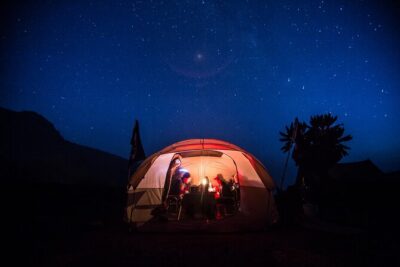
7-Day Machame Kilimanjaro Summit Tour from Arusha
Read our review →
7 Days Kilimanjaro via Machame route affordable price
Read our review →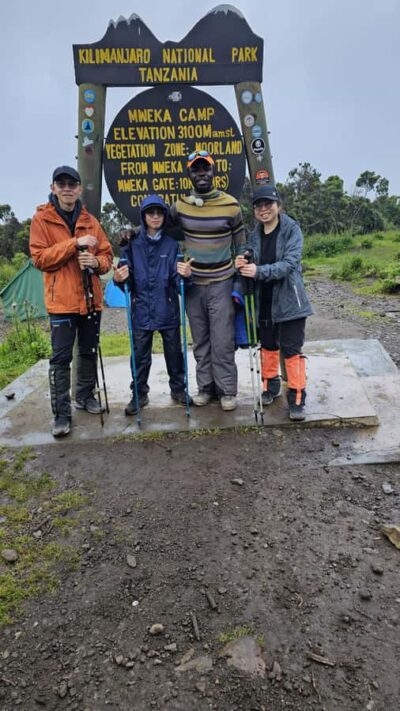
#1. Best Kilimanjaro Day hike Tour-Machame Route-ISMANI
Read our review →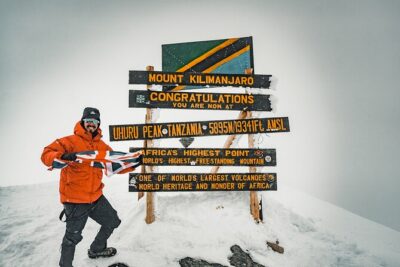
The Best of Machame Route in 6 Days: Your World’s Summit Guide
Read our review →Browse the lists this tour appears in