
Reviewed · LEMOSHO ROUTE CLIMBS
Kilimanjaro Climb & Safari – Lemosho Route – 13 Day
Africa’s highest summit demands a smart plan. This 13-day Lemosho Route climb combines slow altitude gain, strong mountain support, excellent food, and a short northern Tanzania safari. I like the route’s changing scenery, from forest and heath to lava fields, giant senecios, and ice near the summit. I also like Tusker Trail’s emphasis on safety, trained guides, custom tents, and crew welfare.
The main drawback is the price: $8,188 per person is a serious investment, and climbing gear rental costs extra. The safari section also needs careful confirmation because the exact parks and lodge arrangements can vary, with Lake Manyara listed alongside optional access to the Serengeti, Ngorongoro Crater, Tarangire, and Zanzibar.
In This Review
- Key points at a glance
- Why the Lemosho Route is a smart choice
- Days 1 and 2: Moshi preparation before the mountain
- Day 3: Forest, birds, and the first camp
- Day 4: From rainforest to Shira Plateau
- Day 5: Across Shira toward Moir Camp
- Day 6: Lava Tower and the Barranco descent
- Days 7 and 8: Barranco Wall and Barafu High Camp
- Day 9: Uhuru Peak and the summit push
- Days 10 and 11: A long descent and a proper celebration
- What Tusker’s premium price buys you
- Days 12 and 13: Lake Manyara and the safari extension
- Who should book this climb?
- Final verdict: a premium climb with strong practical value
- FAQ
- How long is the Kilimanjaro and safari experience?
- Where does the experience begin?
- What route does the climb use?
- Is the summit included?
- What is the highest point reached before the summit?
- Is climbing equipment included?
- What meals are included?
- Is the safari fixed at Lake Manyara?
Key points at a glance
- Lemosho begins on Kilimanjaro’s western slopes, giving you a forest start before the route crosses the Shira Plateau and joins the mountain’s more famous high camps.
- The itinerary allows useful acclimatization, including time at Lava Tower before descending to Barranco Camp.
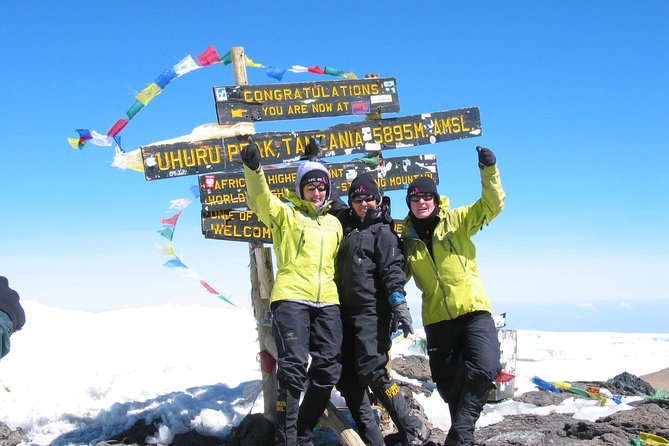
- Summit day reaches Uhuru Peak, the highest point in Africa, with an optional Crater Camp arrangement noted in the schedule.
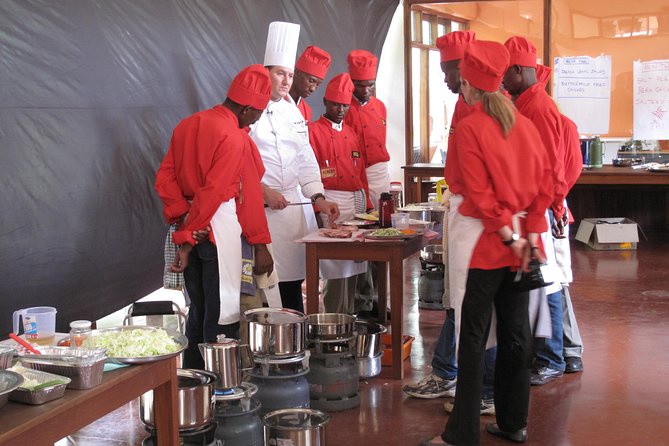
- Tusker supplies a high level of mountain support, including High Altitude First Responder guides, custom walk-in tents, and chefs trained by the Culinary Institute of America.
- The climb ends with a safari option, centered on Lake Manyara and potentially linked by a short flight to other major wildlife areas.
- The strongest praise centers on safety, food, equipment, and crew care, with every one of the 10 listed ratings recommending the experience.
Why the Lemosho Route is a smart choice
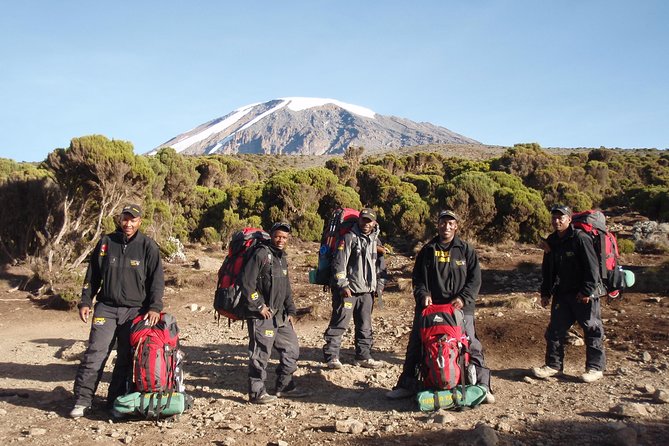
Lemosho is a good route for you if you want more than a quick push up Kilimanjaro. The opening days pass through thick montane forest, then rise into heath, moorland, high desert, and alpine terrain. That variety makes the climb feel like a journey across several worlds rather than one long uphill walk.
The route also gives your body time to adjust. You sleep at different elevations, climb high, and sometimes descend before sleeping lower. The most useful example comes on Day 6, when you climb to Lava Tower at 15,200 feet, eat lunch, then descend roughly 2,000 feet to Barranco Canyon. That climb-high, sleep-lower pattern is valuable on a mountain where altitude, not technical climbing, is the main challenge.
You should still take the schedule seriously. Several days last seven or eight hours, and the air becomes thin well before summit night. The route is not a casual walking holiday. It is a demanding high-altitude trek supported by a professional operation.
More Kilimanjaro climbs:
- Kilimanjaro climb by Lemosho Route (7-day)
★ 5.0 · 651 reviews - Kilimanjaro climb, Machame Route (7-day)
★ 5.0 · 262 reviews - Kilimanjaro Climbing Lemosho Route 8 Days.
★ 5.0 · 186 reviews
Days 1 and 2: Moshi preparation before the mountain
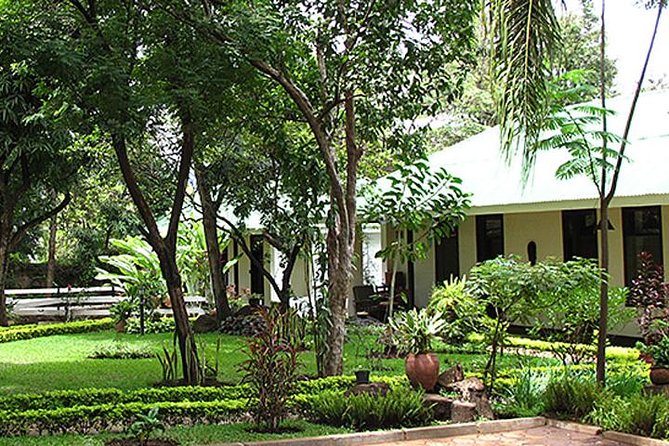
Your first night is at Bristol Cottages Hotel in Moshi. A driver collects you from Kilimanjaro Airport, which keeps the arrival simple after a long international flight. You have two nights in town before heading up the mountain, giving you time to sleep, eat, and get organized.
Day 2 focuses on orientation and equipment. You meet the Tusker mountain guides, review the climb, and complete a final gear check. This is one of the most useful parts of the trip because missing or unsuitable equipment becomes a real problem once you leave Moshi.
The day also includes lunch in town and a chance to visit the Moshi market. That small dose of local life is welcome. You are not simply transferred from airport to trailhead, then forgotten until summit day. You get time to see the town at the foot of Kilimanjaro and prepare with your team.
Day 3: Forest, birds, and the first camp
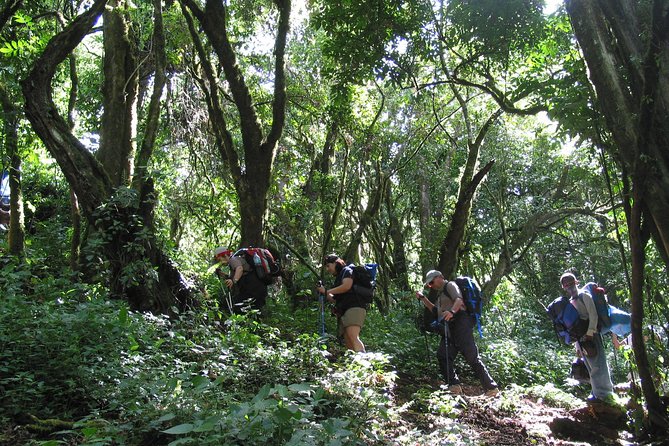
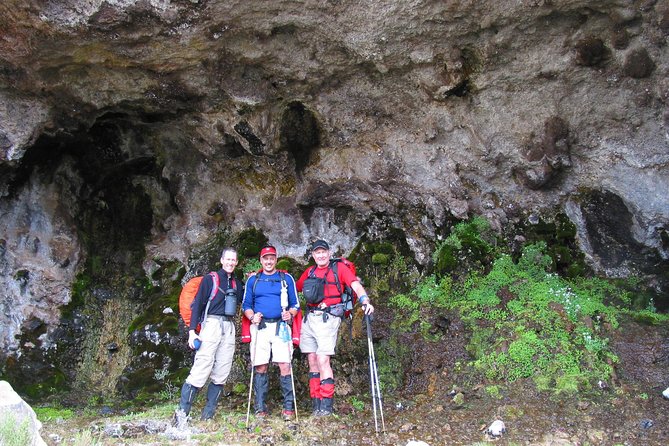
The climb begins at Londorossi on the western side of Kilimanjaro. From there, you enter the Lemosho Glades and walk through montane forest for about four hours before reaching Tusker Camp near Mti Mkubwa.
This is a gentle visual introduction to the mountain. Tall trees close in around the path, and you may hear Colobus monkeys in the branches. Hartlaub’s turaco, known for its purple plumage, is another possible sighting. The guides use Eddie and Amy Frank’s Field Guide to the Flora of Kilimanjaro to identify plants along the route.
That natural focus adds value. You are not only counting miles and watching your altimeter. You are learning how Kilimanjaro changes as you gain height. The first day is short by mountain standards, but it begins the acclimatization process without an unnecessarily hard opening push.
Day 4: From rainforest to Shira Plateau
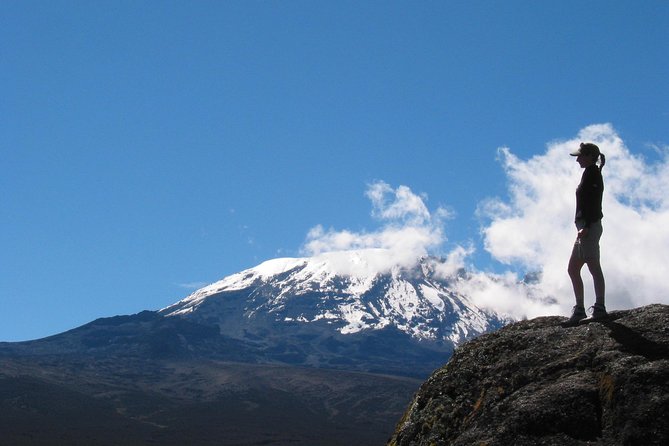
Day 4 lasts about eight hours and brings one of the trip’s major changes. The forest gives way to heath and moorland as you climb toward the Shira Plateau, a broad volcanic caldera linked to one of Kilimanjaro’s original three peaks.
After lunch, the trail rises along a steep ridge toward the caldera edge at about 11,560 feet. The trees fall away, the air feels cooler, and Kibo Peak comes into view for the first time. This is a memorable shift from enclosed forest to wide mountain scenery.
You should be ready for a long day. Eight hours on foot, with a significant gain in elevation, can feel tough even if the trail itself is not technical. The reward is a fuller sense of Kilimanjaro’s scale and a proper start to the high-altitude section.
More Lemosho Route climbs:
- Kilimanjaro climb, Lemosho Route (8-day)
★ 5.0 · 148 reviews - Kilimanjaro climb, Lemosho Route (6-day)
★ 5.0 · 129 reviews - Kilimanjaro Lemosho Route
★ 5.0 · 71 reviews - Private Kilimanjaro Hike 7 Day Lemosho Route
★ 5.0 · 60 reviews
Day 5: Across Shira toward Moir Camp
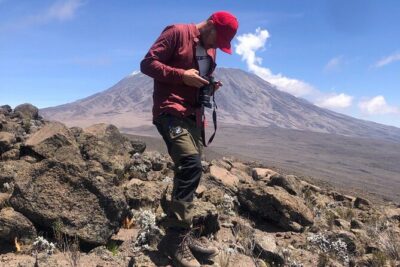
The route crosses the Shira Plateau toward Moir Camp, located at the end of a large gorge. A giant lava flow forms part of the setting, and the trail passes beneath it. You stop at Fisher Camp for a hot lunch before continuing.
This is a strong day for geology and open views. The plateau shows you that Kilimanjaro is a volcanic mountain with a complicated past, not just a cone covered in snow. The walking remains long, about eight hours, but the route’s changing rock formations help break up the effort.
Moir Camp is also a more remote-feeling stop than the lower forest camps. The gorge gives the evening a different character, though the altitude and distance mean you will probably care more about a hot meal and sleep than camp scenery by the time you arrive.
Day 6: Lava Tower and the Barranco descent
Day 6 is one of the itinerary’s most carefully designed sections. You climb into the alpine zone toward Lava Tower, a 320-foot volcanic formation at about 15,200 feet. Lunch is served near the tower, giving you time to rest at altitude before the descent.
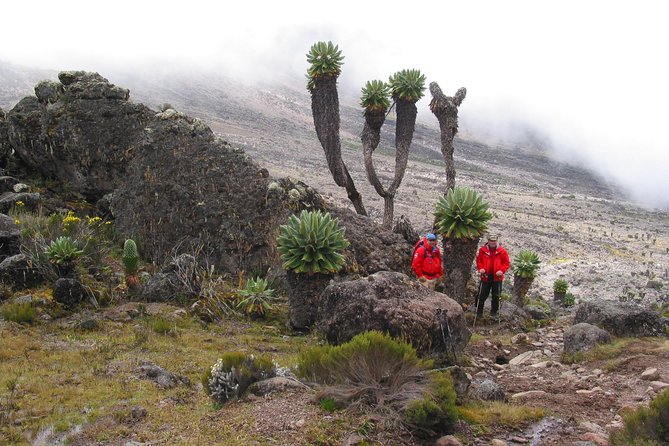
Then you drop about 2,000 feet into Barranco Canyon. The trail passes giant senecios and lobelias, plants that make this part of Kilimanjaro feel unlike the forest below. Camp sits beneath Barranco Wall, which becomes the next morning’s main challenge.
The climb to Lava Tower can bring on headaches, fatigue, or breathlessness. That is precisely why this day matters. You test your response to height, then sleep lower. Tusker’s use of High Altitude First Responder guides is especially relevant here. The company’s safety claims are supported by the strong praise given to its guides and by its reported 99 percent summit success rate, though no operator can remove the personal risks of high altitude.
Days 7 and 8: Barranco Wall and Barafu High Camp
The Barranco Wall is the route’s first major physical test. You climb over and around the rock rather than simply walking up a smooth path. It requires stamina, balance, and attention, but the schedule lists about five hours for the day, making it shorter than the previous two.
After the wall, you descend into Karanga Valley, then climb again to Karanga Camp at the foot of Kibo. The repeated up-and-down movement can be tiring, but it gives the route more gradual altitude exposure than a direct rush to the summit camps.
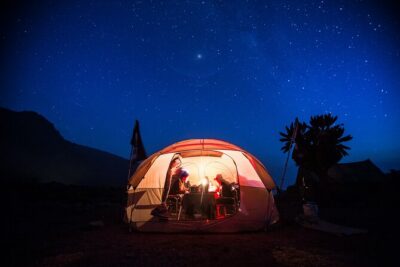
Day 8 is shorter, about four hours, as you move toward Barafu High Camp. The rocky ground and thin air force frequent breaks. Barafu means ice in Swahili, and the camp is cold and exposed. Mawenzi Peak rises behind you, adding a dramatic backdrop to the final preparation.
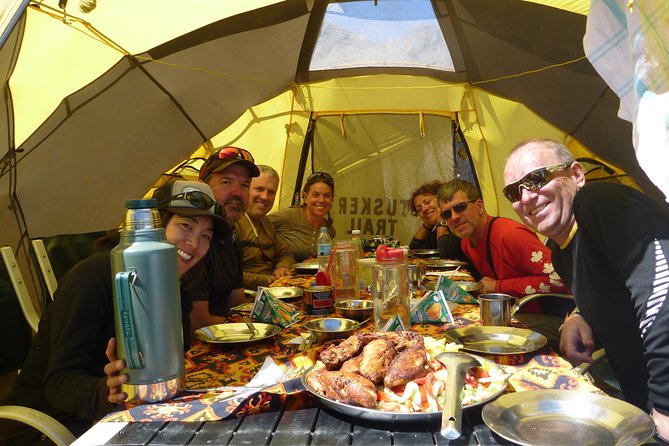
This is the point where your schedule becomes less about sightseeing and more about conserving strength. You need to eat, drink, check clothing, and rest. The quality of the camp system matters here. Tusker provides custom walk-in tents, and its mountain chefs are trained to prepare substantial meals at altitude.
Day 9: Uhuru Peak and the summit push
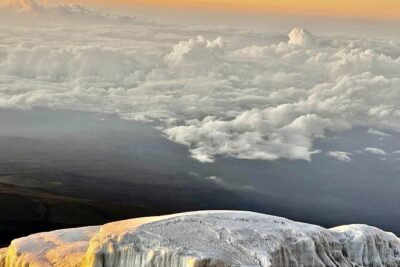
You begin before sunrise for the steep climb toward the crater rim. The schedule gives about seven hours for this stage, though the exact pace depends on the group and conditions. You reach the rim around midday, with Mawenzi Peak behind you and the crater’s ice walls ahead.
Uhuru Peak is about an hour beyond the rim. Reaching it gives you the highest point in Africa, but the final stretch can be slow and demanding. Thin air makes every step count. Your guides’ pacing and judgment are crucial, so this is not the time to rush for a photograph.
The itinerary includes an option to descend into the Crater and camp below the summit, or return to Barafu Camp. That choice should be confirmed before departure because it affects both your summit day and sleeping arrangements. Crater camping could add a remarkable high-altitude experience, but it also means spending more time at extreme elevation.
The summit is the emotional center of the trip, yet it is wise to treat it as one part of the climb rather than the only goal. Reaching the top safely, and descending in good condition, is the real success.
Days 10 and 11: A long descent and a proper celebration
After the summit, you descend through loose scree for about two hours to Barafu Camp, where lunch provides a welcome reset. The day continues to Millennium Camp, making the total schedule about six hours.
Downhill walking sounds easy until your legs are tired and the surface shifts under your boots. Scree can be awkward, and knees may feel the strain. Millennium Camp gives you a final night on the mountain before the long walk out.
Day 11 takes you downhill to the National Park Gate. You sign out, ride back to Bristol Cottages Hotel, and finally get a hot shower and a cold drink. A group dinner closes the climbing portion. That simple return to comfort is part of the pleasure. After days of tents, thin air, and early starts, a hotel bed feels like a luxury resort.
What Tusker’s premium price buys you
At $8,188, this is not the budget way to climb Kilimanjaro. The value comes from the amount of planning and staff support built into the experience.
Tusker was founded by Eddie Frank in 1977, and he has climbed Kilimanjaro 54 times. The operation uses High Altitude First Responder guides, custom walk-in tents, and chefs trained by the Culinary Institute of America. Meals use a farm-to-table approach, which matters more than it may sound. On a long mountain itinerary, appetite and energy can decide how well you cope.
The strongest praise for the company focuses on four areas: safety, food, equipment, and staff. The equipment supplied on the mountain has been described as high quality and well maintained. The food receives unusually strong praise, and the crew is repeatedly described as professional and caring.
Tusker also says it pays its crew at a high level and provides pensions and medical benefits for workers and their families. It supports a local Lions Club project, including a school for deaf children. If responsible tourism matters to you, these policies add weight to the higher price.
Climbing clothing and gear rental are not included, so ask for the current rental details before booking. You should also compare exactly what the price covers for the safari portion, since the provided schedule is more specific about the climb than the wildlife extension.
Days 12 and 13: Lake Manyara and the safari extension
After the climb, the trip turns from volcanic slopes to wildlife country. Lake Manyara National Park is listed for the safari portion, with accommodation at a traditional lodge on the Rift Valley escarpment. The view from that high position is described as stretching across the African plains.
The final safari day allows about six hours in the park area. The schedule also mentions short flights to the Serengeti Plains, Ngorongoro Crater, Tarangire, and Lake Manyara, depending on the option selected. Zanzibar is offered as another possible extension.
This flexibility can be useful, but you need a clear written plan before paying. The itinerary does not give a firm number of game drives, exact lodge names, or a fixed park sequence. Ask which parks are included, how many nights you receive, and how transport connects with your flight home.
On the final day, a driver takes you from the lodge to the airport in time for check-in. That transfer is important after a climb and safari, since independent airport planning would add needless stress.
Who should book this climb?
I would recommend it to you if you want a high-support Kilimanjaro trip and care about safety, food, equipment, and staff treatment more than finding the lowest price. The route suits people who prefer a longer approach with varied scenery and a planned acclimatization pattern.
It is also a good fit for couples, families, or private groups who want only their own party on the activity. The experience is listed as private, so your group participates on its own rather than joining a large public departure.
I would hesitate if your main goal is a cheap summit attempt, if you dislike long trekking days, or if you are not ready for cold, thin air and a pre-dawn summit push. The 99 percent success figure is impressive, but it is not a promise. Your fitness, altitude response, weather, and preparation still matter.
The booking terms are fairly forgiving if plans change early. You can cancel for a full refund up to 24 hours before the local start time, while bad weather may lead to a new date or full refund. Confirm current details directly, especially gear rental and the safari package.
Final verdict: a premium climb with strong practical value
Tusker Trail’s Lemosho program earns its high rating for good reasons. The route is scenic and sensibly paced, the mountain support is unusually detailed, and the food and guide teams receive the most consistent praise. I especially like the Lava Tower to Barranco section because it combines serious altitude practice with some of Kilimanjaro’s most unusual plant life.
The price is high, and the safari element needs more precise confirmation than the climb. Still, if you want a carefully run private ascent rather than a stripped-down expedition, this is a strong choice. Book it if you value a high summit-success record, a well-supported crew, quality meals, and a route that gives you time to adjust before Uhuru Peak.
FAQ
How long is the Kilimanjaro and safari experience?
The full experience lasts approximately 13 days. The mountain climb runs from Day 3 through Day 11, followed by the safari portion on Days 12 and 13.
Where does the experience begin?
The tour begins in Moshi, Tanzania, with airport pickup offered from Kilimanjaro Airport. Your first accommodation is Bristol Cottages Hotel.
What route does the climb use?
The climb uses the Lemosho Route, beginning at Londorossi on Kilimanjaro’s western slopes and crossing the Lemosho Glades and Shira Plateau.
Is the summit included?
Yes. The itinerary includes a climb to Uhuru Peak, the highest point in Africa, followed by a descent from the summit area.
What is the highest point reached before the summit?
The route reaches Lava Tower at about 15,200 feet, or 4,633 meters, before descending into Barranco Canyon.
Is climbing equipment included?
Climbing gear and clothing rental are not included. The provided information advises you to contact Tusker Trail for rental details.
What meals are included?
The package includes 12 breakfasts, 12 lunches, and 10 dinners.
Is the safari fixed at Lake Manyara?
Lake Manyara National Park is listed in the itinerary. Optional short flights to the Serengeti Plains, Ngorongoro Crater, Tarangire, Lake Manyara, or Zanzibar are also mentioned, so you should confirm the exact safari plan before booking.
Just added in Moshi
- Zanzibar: Stone Town tour and Nakupenda beach with Lunch★ 5.0 · 1 review
- day trip lake manyara★ 5.0 · 2 reviews
- Mt Kilimanjaro 6 days Marangu route hike★ 5.0 · 3 reviews
- machame route★ 5.0 · 16 reviews
- Private Cycle to Kilimanjaro Bike Park Safari★ 5.0 · 6 reviews
- West Kilimanjaro cycling Adventures★ 4.5 · 8 reviews
- Wildlife Extravaganza: Manyara, Tarangire & Ngorongoro in 3 Days★ 5.0 · 3 reviews
- 3 Days Private E-Bike Tour in West Kilimanjaro★ 5.0 · 3 reviews
Lemosho Route Climbs, compared.

8-Day Small-group Lemosho Kilimanjaro Summit Trekking
Read our review →


Climbing Kilimanjaro through 8 days Lemosho Route
Read our review →Browse the lists this tour appears in