
Reviewed · SERENGETI & NGORONGORO SAFARIS
4 Day Mid-range Serengeti Safari
Wildlife takes center stage here. This four-day route gives you three of northern Tanzania’s major wildlife areas: elephant country in Tarangire, the open Serengeti plains, and the wildlife-filled Ngorongoro Crater. I like the mix of game drives, picnic lunches, lodge stays, and tented camping, plus the chance to reach the central Serengeti rather than stopping at an easier-to-reach park.
I also like that the package covers park fees, meals, water, transport, and an English-speaking guide, which keeps the budget easier to understand. The main caution is time: four days is enough for a fine introduction, but the long drives mean some days feel full, and the stated pickup time of 12:00 a.m. needs clarification before you book.
In This Review
- Five things to know before you go
- Why this four-day route works
- Day 1: Tarangire’s elephants and baobabs
- Day 2: Crossing the highlands into Seronera
- Day 3: A morning game drive and the story of human origins
- Day 4: Descending into Ngorongoro Crater
- What the $1,800 price really covers
- The guide and vehicle matter most
- Meals, water, and daily comfort
- Who should book this safari
- Booking details worth confirming
- Should you book it?
- FAQ
- Where does the safari start?
- How long is the safari?
- Which national parks and conservation areas are included?
- Is transportation included?
- Is a guide included?
- Are meals included?
- Is drinking water included?
- Are park fees included?
- What is not included in the price?
Five things to know before you go
- Three famous parks in four days: Tarangire, Serengeti, and Ngorongoro each offer a different setting and wildlife experience.
- The central Serengeti is the main prize: The Seronera area has water, varied animal life, and strong game-viewing potential.
- You travel in a 4×4 with a pop-up roof: That gives you a better view during game drives and helps you follow animals from a standing position.
- Lodging is mid-range and mixed: The plan includes Farm Dream Lodge, Domel Wilderness Tented, and Ngorongoro Wildlife Lodge.
- The guide can make or break the safari: Past bookings have singled out guides such as David, Godlisten, Praise, Abbu, and Ombeni, along with planners including Linah, Lucas, Safina, and Godlisten.
- The $1,800 price covers a lot: Park fees, four breakfasts, four lunches, three dinners, water, transport, guiding, and overnight stays are included.
Why this four-day route works
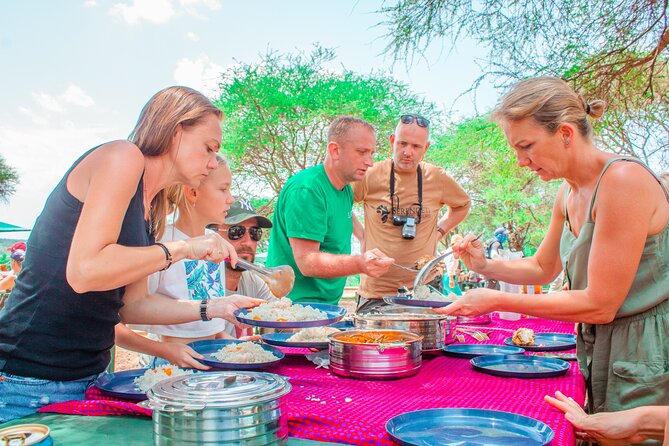
Northern Tanzania’s parks are close enough to combine, but different enough that the journey never feels like one long repeat of the same view. Tarangire brings giant baobabs and large elephant groups. Serengeti gives you the famous endless grasslands and a better chance of seeing a broad range of species. Ngorongoro adds a compact crater setting where animals can be easier to find.
I like this route because it builds toward two major highlights, the Serengeti and Ngorongoro, while opening with Tarangire. That first day is not just a warm-up. It gives you a good chance to see elephants in a park known for them, and the baobabs provide a very different backdrop from the open Serengeti.
The tradeoff is road time. You are not flying between parks, so you spend part of Days 1, 2, and 3 in the safari vehicle. That is normal for a northern Tanzania road safari, but you should be comfortable with long transfers and early starts. The reward is seeing the countryside change from town and farmland to highland country and then to open wilderness.
More Serengeti and Ngorongoro safaris:
- Safari Serengeti And Ngorongoro
★ 5.0 · 288 reviews - 5 Days Camping Tarangire, Serengeti & Ngorongoro crater & Visiting Maasai
★ 5.0 · 58 reviews - 4 Days Group Joining Camping Safari to Tarangire Serengeti Ngorongoro Crater
★ 5.0 · 50 reviews
Day 1: Tarangire’s elephants and baobabs
The safari begins after breakfast, with a stop in Arusha for last-minute purchases. This is useful if you need snacks, toiletries, or another small item before heading into the parks. Since the published meeting information lists Kilimanjaro Airport and a start time of 12:00 a.m., ask the operator to confirm the actual pickup hour and location before arrival.
From Arusha, you continue to Tarangire National Park for a game drive and picnic lunch. The park is especially known for its elephant population and large baobab trees. It also forms part of a seasonal movement zone used by elephants, wildebeest, and zebra, with the stated figures reaching up to 3,000 elephants, 25,000 wildebeest, and 30,000 zebras.
That does not mean you will see every animal in those numbers. It does explain why Tarangire has such a strong reputation, particularly at times when animals gather near water. Your guide’s skill in reading the park and locating animals matters here. Keep your eyes open for the scale of the baobabs too. They give Tarangire a character that you will not find in the crater or the central Serengeti.
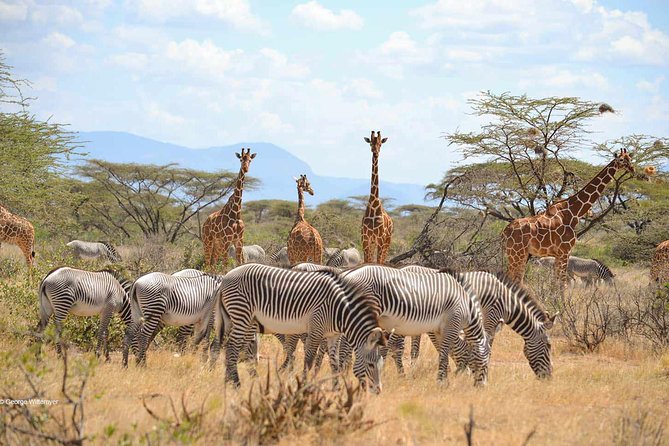
A picnic lunch inside the park keeps the day moving. You will not return to town for a restaurant meal, so this is a practical way to spend more daylight on the game drive. At day’s end, you stay at Farm Dream Lodge.
The first day may feel busy if your pickup, Arusha stop, park entry, and game drive all happen on the same schedule. Still, Tarangire is a worthwhile opening chapter, especially if elephants are high on your list.
Day 2: Crossing the highlands into Seronera
After breakfast, the route passes through the farmland around Karatu and the Ngorongoro Conservation Area before descending toward the Serengeti. This transition is one of the most memorable parts of the trip. Cultivated highland areas gradually give way to a much more open, wild setting.
The destination is the central Serengeti, known as the Seronera area. The Seronera River supplies water, so this part of the park attracts a wide range of species. That variety is important on a short safari. You do not have several days to search every corner of the Serengeti, so staying in a wildlife-rich area gives your time more value.
You are scheduled to arrive in time for lunch, followed by an afternoon game drive. The central park area is a sensible choice for a four-day program because it offers access to the classic Serengeti scenery and many of the park’s better-known animals.
The Serengeti is vast. You may spend stretches of the drive looking across grassland before your guide spots movement far away. That spaciousness is part of the experience, but it also means sightings are not guaranteed on a fixed timetable. Your guide may need to use reports from other vehicles, road conditions, animal tracks, and careful observation to decide where to go.
Overnight is at Domel Wilderness Tented. The mixed accommodation is worth noting. This is not a luxury lodge circuit, and it is not basic camping throughout. You get a combination of lodge and tented-camp nights, which suits people who want comfort but also want a closer connection to the setting.
Day 3: A morning game drive and the story of human origins
Day 3 starts with an early morning game drive in the Serengeti. Early departures are common because animals can be active before the day grows hot, and the quiet morning hours give you another chance to see wildlife before leaving the park.
After the drive, you head toward the Ngorongoro Conservation Area. The route includes a stop at Olduvai Gorge, an important archaeological site linked to the work of Drs. Louis and Mary Leakey. Their discoveries of early human ancestor fossils, including Nutcracker Man and Handy Man, helped shape modern thinking about human evolution.
Olduvai adds a useful human story to a trip that otherwise focuses on animals and scenery. It also gives you a reason to pause and think about how long people have lived in this part of East Africa. The available schedule does not state how long the stop lasts or whether a separate museum fee is included, so ask for those details if the site is a priority.
Late in the day, you transfer to Ngorongoro Wildlife Lodge for dinner and the night. This placement helps set up the final crater visit, but Day 3 can be the most demanding day of the route. You have an early game drive, a park-to-park transfer, the Olduvai stop, and a late afternoon arrival.
I would treat this as a transfer-and-history day with wildlife still in the mix, not as a relaxed lodge day. Pack your camera and water where you can reach them, and keep a little patience in reserve. Safari schedules often look neat on paper, while animal sightings and road conditions make the real day less predictable.
A few more options to weigh up in Moshi
- Kilimanjaro climb by Lemosho Route (7-day)
★ 5.0 · 651 reviews - Kilimanjaro climb, Machame Route (7-day)
★ 5.0 · 262 reviews - Kilimanjaro Climbing Lemosho Route 8 Days.
★ 5.0 · 186 reviews - Climbing Kilimanjaro – Machame Route
★ 5.0 · 170 reviews
Day 4: Descending into Ngorongoro Crater
After an early breakfast, you descend more than 600 meters into the Ngorongoro Crater for a full wildlife visit. The crater’s enclosed setting and year-round water and grazing areas support a wide range of animals, including wildebeest, zebra, buffalo, eland, warthog, hippopotamus, and elephants.
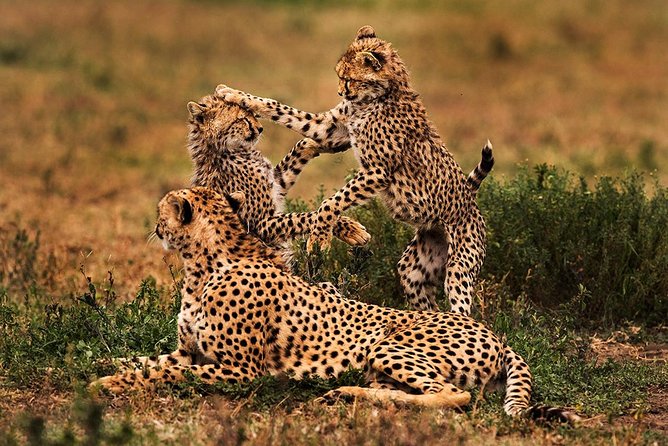
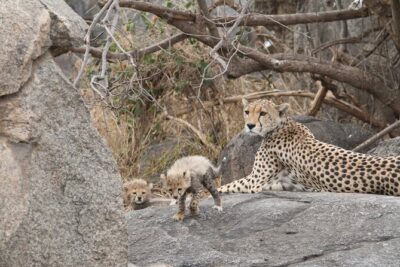
Predators are a major reason to visit. Lions, hyenas, jackals, cheetahs, and leopards are all listed among the possible sightings. The leopard is the difficult one. You may need a trained eye and a patient guide to spot it, and no guide can promise that every species will appear.
The drive includes Lake Magadi, a large, shallow alkaline lake in the southwestern part of the crater. It is one of the crater’s main features and can attract wildlife and birds. The available description ends partway through the final details, so confirm the planned departure time and where the safari ends after the crater visit.
Ngorongoro is different from Serengeti in a useful way. In the Serengeti, you search across huge open distances. In the crater, the setting is more contained, and animals may be easier to locate. That does not make the crater better than the Serengeti. They offer two different kinds of game viewing, which is exactly why combining them works well.
The early breakfast and descent make Day 4 another early start. If you want a slow final morning, this is not that kind of trip. If you want one more serious chance at seeing the Big Five, the schedule makes good use of your last day.
What the $1,800 price really covers
At $1,800 per person, this safari sits in the mid-range category rather than the budget end. The value depends on what you compare it with. You are paying for four days of road transport in a safari vehicle, an English-speaking professional guide, park entry fees, four breakfasts, four lunches, three dinners, drinking water, and three nights of accommodation.
That list matters because park fees and transport can add a large amount to a safari bill. Having them included makes the headline price more useful. You also avoid paying separately for each national park entrance during the trip.
The package does not include alcoholic drinks, soft drinks, visa fees, tips, souvenirs, or personal expenses. Accommodation in Arusha can be arranged on request, but it is not part of the stated package. Plan for those extra costs rather than treating $1,800 as your complete Tanzania budget.
The lodging mix gives you a practical middle ground. Farm Dream Lodge and Ngorongoro Wildlife Lodge provide lodge-style accommodation, while Domel Wilderness Tented gives you a tented-camp night. Past feedback also points to comfortable rooms, good meals, and tasty food, though you should not expect a high-end luxury safari at this rate.
The guide and vehicle matter most
The safari uses a 4×4 vehicle with a pop-up roof. That roof is one of the most useful features of a game drive. You can stand for a wider view, take photographs from above the window line, and follow animals without squeezing against glass.
The maximum group size is listed as 50 people, which is a large possible number. That figure may describe the overall activity rather than one vehicle, but you should ask how many people will share your 4×4. Group size affects window space, flexibility, communication, and how quickly the vehicle can move when an animal appears.
The guide is your real source of value once you enter the parks. Several named guides receive strong praise for animal knowledge, calm driving, explanations, and practical judgment. David is specifically praised for helping a group see the Big Five. Godlisten, Praise, Abbu, and Ombeni are also named for their animal knowledge, experience, and ability to answer questions.
That does not mean you can request a particular guide and assume availability. It does show the company has received repeated positive attention for its guiding team. Ask who will guide your departure, how many years of experience that person has, and how many people will be in the vehicle.
The office team also seems important before departure. Linah is praised for answering questions and organizing details, while Lucas and Safina are noted for quick communication and help with arrangements. Confirming your pickup, hotel names, room type, and group size in writing is still smart.
Meals, water, and daily comfort
The package includes four breakfasts, four lunches, and three dinners, along with mineral water. That covers the main food needs during the four-day route. Lunch is specifically planned as a picnic in Tarangire, while the other meals follow the accommodation and daily schedule.
Several comments praise the food, including tasty meals and good cooking. That is encouraging, but menus are not provided, so tell the operator about dietary needs before you arrive. Do not wait until the first breakfast.
The schedule includes early starts and several long drives. Wear comfortable clothing, keep essential medication in your day bag, and use the included water sensibly. You will appreciate having a small personal kit within reach rather than buried in luggage.
The accommodation is described as safari lodges and tented camps. That means you should confirm the exact room or tent setup, especially if you have mobility needs or strong preferences about bathroom facilities. Most people can take part, but the activity is not described as fully accessible.
Who should book this safari
I would recommend this route if you want the major northern Tanzania highlights in a compact program. It suits first-time safari visitors, families who want a varied itinerary, and anyone who prefers having meals, park fees, guiding, and accommodation arranged together.
Families may especially like the mix of elephants, lions, open plains, and the crater. One family booking specifically describes children being excited to see lions and elephants, which makes sense: those are memorable animals even for young children.
This safari also suits people who want mid-range comfort without paying for luxury camps. The vehicle, included meals, water, and lodge or tented-camp nights give you a practical base for serious wildlife viewing.
I would be more cautious if you dislike long road transfers, early breakfasts, or changing hotels. Four days leaves little spare time, and the itinerary is designed to cover ground. If you want slow mornings, private luxury, or several days in one park, a longer or more expensive safari may fit better.
Booking details worth confirming
Confirmation is provided at booking, and free cancellation is available if you cancel at least 24 hours before the local start time. A cancellation within 24 hours is not refunded, and late changes are not accepted.
Before paying, confirm the actual pickup time because 12:00 a.m. is listed and may not be the practical departure time you expect. Also confirm whether pickup is from Kilimanjaro Airport, Moshi, or another agreed point, and ask whether Arusha accommodation is needed before the safari.
The operator can arrange Arusha accommodation on request, but that cost is separate. You should also confirm the exact accommodation names, the number of people in your vehicle, and the final Day 4 drop-off plan.
Should you book it?
Book this safari if you want a strong four-day introduction to Tanzania’s most famous northern parks and value a package with major costs already included. The route gives you elephants and baobabs in Tarangire, broad Serengeti game viewing around Seronera, Olduvai Gorge, and a full Ngorongoro Crater visit.
I would book it with a few questions answered first: the true pickup time, vehicle group size, exact lodging, and the final return plan. If those details suit you, the $1,800 price offers a sensible mid-range way to see a remarkable amount of Tanzania in a short time.
FAQ
Where does the safari start?
The listed meeting point is Kilimanjaro Airport in Kilimanjaro National Park, Tanzania. The stated start time is 12:00 a.m., so confirm the exact pickup time and location before booking your flight or hotel.
How long is the safari?
The experience lasts approximately four days.
Which national parks and conservation areas are included?
The route includes Tarangire National Park, Serengeti National Park, the Ngorongoro Conservation Area, and a visit to Ngorongoro Crater.
Is transportation included?
Yes. Transportation is provided in a 4×4 safari vehicle with a pop-up roof.
Is a guide included?
Yes. A professional English-speaking guide is included.
Are meals included?
Yes. The package includes four breakfasts, four lunches, and three dinners.
Is drinking water included?
Yes. Mineral water is included.
Are park fees included?
Yes. All national park fees are included. Admission is also listed as included for the Ngorongoro portions of the route.
What is not included in the price?
Alcoholic drinks, soft drinks, visa fees, tips, souvenirs, personal spending, and Arusha accommodation are not included. Arusha accommodation can be arranged on request.
Just added in Moshi
- THE BEST 2 DAYS ON TREK – MARANGU ROUTE TOUR ADVENTURES★ 5.0 · 1 review
- Mount Kilimanjaro National Park Day Trip★ 5.0 · 7 reviews
- Mount Kilimanjaro Climbing in Tanzania Full-Day Trip★ 5.0 · 1 review
- Mount Kilimanjaro Day Hike – All-Inclusive, No Hidden Fees★ 4.0 · 7 reviews
- Mount Kilimanjaro Trekking Tour – Climb with Local Guides★ 5.0 · 1 review
- Mount Kilimanjaro: 7 Days Hike Lemosho Route★ 5.0 · 1 review
- Moshi:Chemka Hot Springs, Materuni Waterfalls & Coffee Tour★ 5.0 · 1 review
- Moshi Town: Walking Tour: Theme Urban lifestyle★ 3.1 · 4 reviews
Serengeti & Ngorongoro Safaris, compared.
Serengeti Balloon Safari and authentic bush breakfast
Read our review →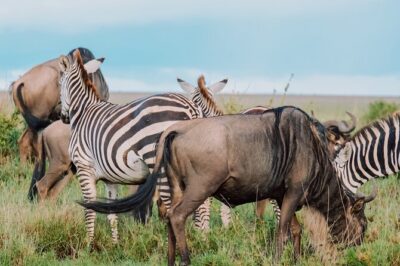
Balloon Safari & Bush Breakfast in Serengeti – Miracle Experience
Read our review →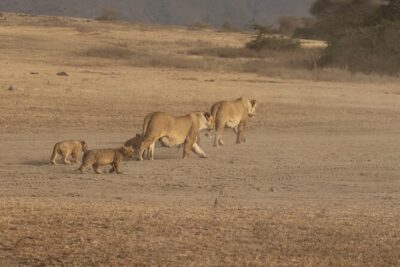
3 Days Serengeti & Ngorongoro Group Camping Safari
Read our review →
5-Day Highlights mid-Range Crater, Serengeti, Tarangire
Read our review →
Private 6-Day Tarangire Manyara Crater and Serengeti with Mid-Range Lodges
Read our review →
5 Days Camping Tarangire, Serengeti & Ngorongoro crater & Visiting Maasai
Read our review →Browse the lists this tour appears in