
Reviewed · GUIDED
4 Days Guided Tour to Safari Tanzania
Three parks, four unforgettable days.
This short safari packs Tanzania’s northern circuit into a tight schedule, starting and ending in Arusha. I like the small group size of six or fewer, which should make the jeep feel more personal, and I like that park fees, transport, and meals are included in the $1,060 price. The main catch is the pace: long drives, early starts, and basic camping leave little room for rest.
You will visit Tarangire National Park, Serengeti National Park, and the Ngorongoro Crater. That is a strong lineup for anyone with limited time, but it is not a relaxed holiday. You will spend much of the day in the vehicle, often on rough park roads, so a moderate level of fitness and a willingness to camp are important.
In This Review
- Key Points Before You Book
- What $1,060 Buys You
- Day One: Elephants and Baobabs in Tarangire
- Day Two: The Long Road to Serengeti
- Day Three: Serengeti at Sunrise, Then Toward Ngorongoro
- Day Four: The Ngorongoro Crater Floor
- Wildlife: What You May See
- Camping, Meals, and Comfort
- Timing, Pickup, and Cancellation
- Who Should Book This Safari?
- Should You Book the Four-Day Tanzania Safari?
- FAQ
- Where does the safari start and finish?
- Which national parks and protected areas are included?
- How many people can join the tour?
- What meals are included?
- Are park fees included in the price?
- Is a Masai village visit included?
- What is the cancellation policy?
Key Points Before You Book
- Three major parks in four days: Tarangire, Serengeti, and Ngorongoro Crater give you a broad taste of northern Tanzania.
- Small-group safari: The maximum group size is six, a useful limit for wildlife viewing and space inside the jeep.
- Camping keeps the price down: The trip costs $1,060 per person, with three dinners, four lunches, four breakfasts, transport, and park fees included.
- Early mornings matter: Day three begins at 6:00 am for coffee, sunrise, and a morning game drive in Serengeti.
- Big wildlife potential: Elephants, buffalo, impala, giraffe, zebra, wildebeest, leopard, and possibly rhinoceros may appear along the route.
- Good for a short African safari: The tour begins and ends in Arusha, making it practical for a limited Tanzania visit.
What $1,060 Buys You
At $1,060 per person, this is priced as a budget-friendly camping safari rather than a lodge-based trip. The value comes from the amount of ground covered and the number of major protected areas included. Park fees can be a significant part of a safari budget, so having them built into the price makes planning easier.
Transport is also included, along with four lunches, four breakfasts, and three dinners. The meal plan matches the four-day schedule, though you should note that the final day includes lunch before the return to Arusha. Tips for the crew and your visa are not included, so keep those costs separate.
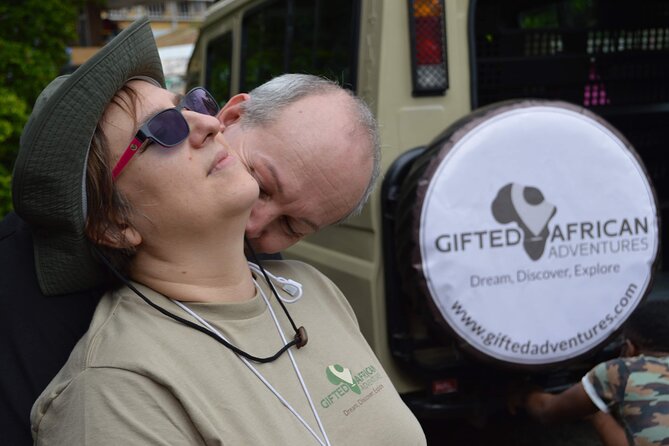
The operator is listed as Gifted African Adventures, while the tour description uses the Serengeti African Tours name. I would confirm the exact operating company, pickup details, camping arrangements, and vehicle setup before paying. That small check can prevent confusion at the start of a trip.
The strongest praise for this experience centers on the guide service. The guide is described as informative, funny, accommodating, and a careful driver. One especially nice touch is the use of Swahili animal names during game drives. That turns a simple sighting into a small language lesson and gives you a better connection to the place.
A few more options to weigh up in Arusha
- Balloon Safari & Bush Breakfast in Serengeti – Miracle Experience
★ 5.0 · 1,646 reviews - Tanzania Classic – 7 Days
★ 5.0 · 1,151 reviews - 4 Days Group Camping Safari
★ 5.0 · 1,101 reviews
Day One: Elephants and Baobabs in Tarangire
The first morning begins with a hotel pickup after breakfast. The drive to Tarangire includes a picnic lunch, followed by about seven hours in and around the park.
Tarangire is an excellent first stop because it gives you a quick introduction to Tanzania’s wildlife without waiting until the Serengeti. The park is especially known for its elephants, and the plan calls attention to herds of roughly 10 to 30 animals. Seeing elephants move across the savannah or gather near trees can be one of the most rewarding early safari moments.
Keep looking up. Leopards are difficult to spot, but the day’s instructions specifically encourage scanning the treetops. You may also see buffalo, impala, giraffe, zebra, and wildebeest. The variety matters here: even if a leopard stays hidden, Tarangire can provide a steady series of animal sightings.
The scenery is another reason this park earns its place on a short trip. Tarangire has open grassland, trees, and the distinctive baobab silhouettes associated with northern Tanzania. A picnic lunch keeps the day moving, but it also means you should expect a simple, active day rather than a long restaurant stop.
The main drawback is the drive time. A seven-hour first day can feel demanding, especially after an international flight or a poor night of sleep. If you arrive in Arusha immediately before the safari, plan one quiet night first if your schedule allows. The tour itself starts at 6:00 am, so this is not the moment for a late breakfast.
Day Two: The Long Road to Serengeti
Day two starts with an early breakfast and the loading of camping gear into the safari jeep. You then travel toward Serengeti by way of Manyara and the Rift Valley escarpments, with about eight hours of driving and game viewing.
This is one of the biggest tradeoffs in the tour. You are not simply transferring from one park to another on a fast road. You are crossing a large section of northern Tanzania, so the journey becomes part of the safari experience. The Rift Valley escarpments offer broad views, while the changing scenery helps show how much ground Tanzania covers.
There is also an optional visit to a Masai village. Since it is optional, ask whether an extra charge applies and how much time it will take. A village visit can add cultural context to an animal-focused trip, but it may reduce time available for the road or evening game drive.
By evening, you reach Serengeti for a game drive toward Seronera Campsite. This timing is useful because you begin seeing the park before settling into camp. The route may produce wildlife sightings, though the exact animals and viewing conditions depend on the day.
Seronera is a central area of Serengeti, and staying there puts you in the middle of the park’s best-known zone. Dinner under the African sky sounds appealing, but keep expectations practical. This is a camping safari, not a private luxury camp. The reward is sleeping close to the wilderness and spending more of your budget on park access rather than hotel comforts.
The second day is likely the hardest physically. You will have breakfast, pack camp, drive for much of the day, watch wildlife, and set up again. Bring water, sun protection, and anything that helps you sit comfortably for long periods.
Day Three: Serengeti at Sunrise, Then Toward Ngorongoro
Day three begins at 6:00 am with coffee and sunrise in Serengeti. You then take a morning game drive, return to camp for brunch, and continue toward the Ngorongoro Conservation Area. Another game drive takes place along the way before dinner and camping at Ngorongoro Simba Campsite.
The early start is worth taking seriously. Dawn is one of the best times to be out in a wildlife park, and the tour gives you a chance to watch the Serengeti wake up before the day becomes hot. You may have the opportunity to photograph animals in softer morning light, although no safari can promise a particular sighting.
Returning to camp for brunch gives the day a useful pause. You can eat, collect your gear, and continue toward Ngorongoro without adding another separate hotel transfer. The second game drive keeps the day active, but it also means another long stretch in the vehicle.
This day shows why the tour suits people who want maximum coverage in minimum time. You see more than one region, but you pay for it with early mornings and extended road hours. I would choose this schedule if your priority is seeing the famous parks. I would choose a longer safari if you want slower wildlife viewing and more time at each camp.
Ngorongoro Simba Campsite provides the overnight base before the crater visit. Dinner is included, and the setting should feel quite different from the open plains of Serengeti. Since the supplied information does not specify tent style or bathroom arrangements, ask for those details before booking if camping standards matter to you.
A different kind of day out entirely:
- 5 Days Group Camping Safari
★ 5.0 · 730 reviews - Materuni Waterfalls, coffee tour & Kikuletwa Hot Springs
★ 5.0 · 643 reviews - 3 Days Serengeti & Ngorongoro Group Camping Safari
★ 5.0 · 574 reviews - 7-Day Premium Luxury Tanzania Safari All-Inclusive
★ 5.0 · 426 reviews
Day Four: The Ngorongoro Crater Floor
After breakfast, you make a short drive to the descent gate and travel down approximately 650 meters to the crater floor. The crater visit lasts about half a day and is the final major wildlife outing of the trip.
Ngorongoro is special because its walls create a contained ecosystem. The crater has water throughout the year, which helps keep many animals in the area. That gives you a good chance of seeing a wide range of wildlife in one morning, though sightings are never guaranteed.
Rhinoceros are a particular possibility. Several permanent resident rhinos live in the crater, and their presence is one of the main reasons this stop feels different from a standard game drive. You should still treat a rhino sighting as good fortune, not a promise.
The crater floor also gives the final day a strong sense of place. You are not just driving across open country. You are moving down into a huge natural basin, spending time among its animals, then climbing back to the rim.
After the crater visit, you return to camp for lunch before heading back toward Arusha. The final day runs for about eight hours, so do not plan an important evening flight unless you have checked the timing carefully with the operator. The published plan says the safari ends in Arusha, but it does not give a precise arrival time.
Wildlife: What You May See
The route covers habitats that support a broad mix of animals. Tarangire is the main elephant focus, while Serengeti and Ngorongoro add larger plains wildlife and the possibility of predators.
The animals named in the tour details include:
- Elephants
- Leopard
- Buffalo
- Impala
- Giraffe
- Zebra
- Wildebeest
- Rhinoceros
That list gives you a realistic sense of the safari’s appeal. The Big Five are a goal for many visitors, but no responsible operator can guarantee seeing all five in four days. Leopards and rhinos are especially dependent on timing, location, and luck.
Your guide’s role matters greatly. The strongest praise describes a guide who explains what you are seeing, drives well, keeps the mood light, and teaches Swahili names for animals. Those small details can make a long day more enjoyable and help you remember more than just a series of photographs.
Camping, Meals, and Comfort
Camping is the key to the price. You receive three dinners, four lunches, and four breakfasts, but the information does not describe the tents, beds, showers, toilets, or cooking arrangements. Ask before booking if you need specific comfort standards.
The meal coverage is generous for a four-day trip, and picnic lunches make sense on game-drive days. Still, you should prepare for a schedule built around parks and roads. There may be limited time for leisurely meals, personal errands, or long showers.
A moderate fitness level is required. You will spend long hours seated in a safari vehicle, get up early, and move between camps. The tour does not present itself as a strenuous walking trip, but the overall rhythm can be tiring.
The maximum group size of six is a real advantage. A smaller group gives you more room inside the vehicle and makes it easier to communicate with the guide. It also helps the group make decisions about photo stops and viewing time, though the final schedule remains shaped by park rules and driving distances.
Timing, Pickup, and Cancellation
The stated start time is 6:00 am, and hotel pickup is offered. Confirm the exact pickup location and time in advance, especially if you are staying outside central Arusha.
Confirmation is provided when you book. The activity is designed for a maximum of six people, and a moderate fitness level is recommended.
Free cancellation is available if you cancel at least 24 hours before the local start time. Cancellations made less than 24 hours before the start, along with late changes, are not refunded or accepted.
Who Should Book This Safari?
I would recommend this tour to you if you have only four days, want the classic northern Tanzania parks, and are comfortable with camping and long drives. It is also a good fit if keeping costs controlled matters more than having a lodge room every night.
This is less suitable if you want a slow, restful holiday, private vehicle flexibility, or detailed information about accommodation before you commit. The schedule is tightly packed, and the tour does not leave much spare time for weather delays or personal detours.
The optional Masai village visit may appeal to you if you want cultural contact alongside wildlife. Ask for clear details about the visit before agreeing, including time and any added cost.
Should You Book the Four-Day Tanzania Safari?
Book it if your Tanzania window is short and you want the biggest possible wildlife experience for the price. Tarangire, Serengeti, and Ngorongoro are an impressive combination, and the inclusion of park fees, transport, and meals makes the cost easier to judge.
Before booking, confirm the operator name, camping standards, pickup point, vehicle details, and the expected return time to Arusha. If those basics suit you, this is a practical, high-value safari with strong guide service and an exciting chance to see elephants, predators, plains animals, and perhaps a rhino in four demanding days.
FAQ
Where does the safari start and finish?
The safari starts and ends in Arusha, Tanzania. Pickup is offered, with a stated start time of 6:00 am.
Which national parks and protected areas are included?
The route includes Tarangire National Park, Serengeti National Park, the Ngorongoro Conservation Area, and the Ngorongoro Crater.
How many people can join the tour?
The maximum group size is six people.
What meals are included?
The tour includes four breakfasts, four lunches, and three dinners.
Are park fees included in the price?
Yes. All park fees and transportation are included.
Is a Masai village visit included?
A Masai village visit is offered as an option during the journey toward Serengeti. The provided details do not state whether an additional fee applies.
What is the cancellation policy?
You can cancel at least 24 hours before the local start time for a full refund. Cancellations and changes made less than 24 hours before the start are not accepted or refunded.
Just added in Arusha
- Safari “Kifaru” – 5 days in the most famous Parks in the world★ 5.0 · 4 reviews
- Saadani Day Trip★ 5.0 · 13 reviews
- 3 Days Tanzania Short and Spicy★ 5.0 · 6 reviews
- 5 Day Tanzania Safari Camping Adventure Private Tour★ 5.0 · 2 reviews
- Day Trip to Ngorongoro Crater from Arusha★ 5.0 · 1 review
- SERENGETI NATIONAL PARK Tour★ 4.5 · 5 reviews
- 3 Days Serengeti Park & Ngorongoro Crater Adventure Safari★ 5.0 · 8 reviews
- 6 Days Tanzania Bush Experience Safari★ 5.0 · 6 reviews
Guided, compared.
3 Hours Private Stone Town walking Tour with Guide
Read our review →
Stone Town Historical Cultural Walking Guided Tour
Read our review →
Arusha Guided Walking City Tour, Culture, Lifestyle & History
Read our review →
Stone Town’s Hidden History: Private Guided Walking Tour
Read our review →
Red Colobus Monkeys in Jozani Forest Guided Tour
Read our review →
Browse the lists this tour appears in