
Reviewed · MARANGU ROUTE CLIMBS
5 Days | 4 Nights Kilimanjaro Marangu Route Trekking
Africa’s highest summit comes with a clear plan. This private five-day Marangu Route trek takes you from Moshi through rainforest, open high country, and the stark upper slopes of Kilimanjaro to Uhuru Peak at 5,895 meters. The route uses huts rather than tents, which makes it one of the more straightforward choices for a first Kilimanjaro climb.
I like the well-built trail and established hut system, especially when you are tired and altitude is becoming the main concern. I also like the mix of scenery, from thick forest and possible primate sightings to the wide, nearly bare saddle between Kibo and Mawenzi. The main drawback is the short schedule: five days leaves less time for your body to adjust to altitude than a longer climb.
- The Marangu Route reaches Uhuru Peak at 5,895 meters, with the summit attempt beginning around midnight.
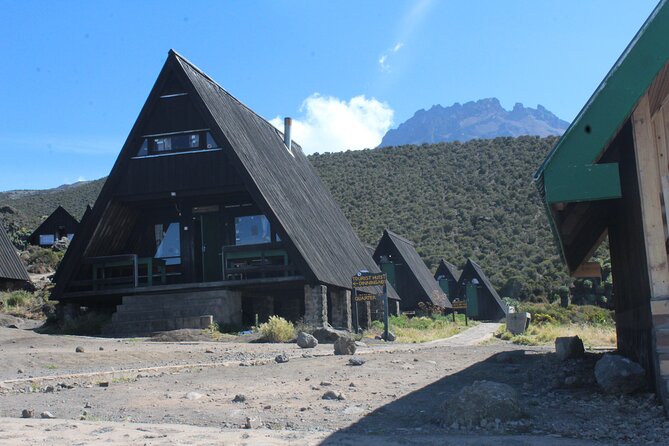
- Hut accommodation replaces camping, including Mandara, Kibo, and Horombo huts along the climb.
- Maundi Crater offers a notable side walk with views toward the Kenyan interior.
- The private format keeps the group limited to your party, with an English-speaking mountain guide.
- Five breakfasts, lunches, and dinners are included, along with parking fees and transport back to your hotel.
- A previous booking praised Joseph as a very good guide, so you can ask if he is available for your departure.
In This Review
- Why the Marangu Route Appeals to First-Time Climbers
- From Moshi to the Marangu Gate
- Day One on the Trail: Rainforest to Mandara Hut
- Day Two: The Saddle Between Kibo and Mawenzi
- Midnight at Kibo Hut and the Push to Gillman’s Point
- Horombo Hut and the Descent to Marangu Gate
- What the $1,700 Price Covers
- The Guide Can Make or Break the Climb
- Who Should Book This Five-Day Climb?
- Booking Details and Cancellation
- Should You Book the Marangu Route?
- FAQ
- Where does the Kilimanjaro trek start?
- How long is the Marangu Route experience?
- Does the tour reach Uhuru Peak?
- Where do you sleep during the climb?
- What meals are included?
- Is the trek private?
Why the Marangu Route Appeals to First-Time Climbers
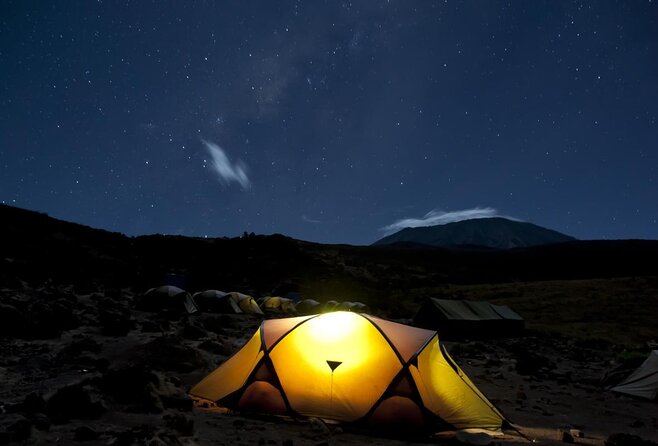
The Marangu Route is often chosen because the trail is established and the overnight stays use huts. That matters after a long day on your feet. You do not need to pitch a tent, and the basic shelter can make the climb feel more manageable.
The route also gives you a quick change of scenery. You start near Moshi and pass through the village of Marangu before reaching Kilimanjaro National Park. The lower slopes are covered in dense rainforest, while the higher sections become open, dry, and almost lunar in appearance.
The five-day length is both its selling point and its weakness. It keeps the trip compact and may fit neatly into a Tanzania holiday that also includes a safari. But altitude is not impressed by a tight vacation schedule. You will need to walk slowly, listen to your guide, and accept that reaching the summit is never guaranteed simply because the route is considered accessible.
This is a private activity, so only your own group takes part. That gives you more room to set a comfortable walking pace and discuss concerns directly with your guide. It does not remove the physical demands. Kilimanjaro is high, and the summit day is long.
From Moshi to the Marangu Gate
The experience begins in Moshi at 8:00 a.m., with pickup offered. The drive to the Marangu area takes about 45 minutes and passes through Marangu Village before reaching the national park entrance.
At the gate, the required paperwork is completed. This is not the most exciting part of the day, but it is useful to have a guide managing the formalities while you prepare to walk. The published schedule gives the first day a broad Mount Kilimanjaro description and a long duration, while the detailed route begins with the approach to the park gate. I would confirm the exact pickup time and first-night arrangement when booking, especially if your hotel is outside Moshi.
The road journey also gives you a first look at the local setting before the trail begins. One earlier booking included time in Arusha and extra visits to Kikuletwa Hot Springs, Marangu Village, and Kilasiya Waterfall. Those outings are not part of the five-day climb described here, but they could be useful additions if you have an extra day before the ascent.
More Marangu Route climbs:
- Kilimanjaro climb, Marangu route (6-day)
★ 5.0 · 72 reviews - Climbing Kilimanjaro – Marangu Route
★ 5.0 · 65 reviews - Kilimanjaro Climbing 5 days Marangu route
★ 5.0 · 22 reviews
Day One on the Trail: Rainforest to Mandara Hut
Once you leave the gate, the path enters dense rainforest. This opening section is a pleasant contrast to the hard upper mountain. You will see thick vegetation, and you may catch sight of primates along the way.
The first overnight stop is Mandara Hut. The day is listed at about 12 hours, including the park approach and walking time, so do not treat it as a casual stroll through the trees. The forest can feel cool and shaded, but you still need water, sun protection, and comfortable walking clothes.
After resting at Mandara, your guide can take you to Maundi Crater. This side excursion is one of the day’s special touches. From there, you can enjoy views toward the Kenyan interior, giving you a wider sense of where you are rather than simply following a path uphill.
I like the way this first stage eases you into the mountain. You get forest, wildlife possibilities, a hut stay, and a viewpoint in one day. The drawback is the amount of time on your feet. If the group reaches Mandara late, you may have less time and energy for the Maundi Crater walk.
Day Two: The Saddle Between Kibo and Mawenzi
The second major stage is longer and tougher, listed at about 14 hours. The trail remains well built, but the surroundings change quickly as you pass the last water point and continue toward the saddle.
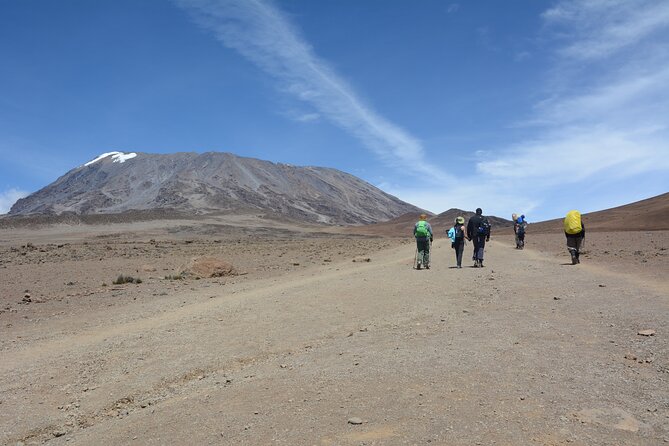
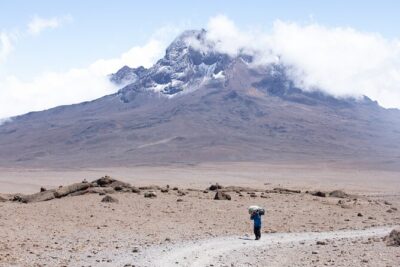
The saddle is a nearly vegetation-free plateau connecting the main summit of Kibo with Mawenzi. It is an exposed, stark part of the climb. There are fewer trees and less visual shelter, so the mountain can feel much larger here.
Your destination is Kibo Hut, usually reached after five to six hours of walking from the relevant trail section. The schedule includes an early evening meal and an early night because the summit push starts around midnight.
This is a day when pacing matters more than speed. You may feel fine in the morning and tired by the time you reach the hut. I would treat the early meal as part of your summit preparation, not as an ordinary dinner. Eat what you can, organize your warm layers, and try to rest even if sleep is difficult.
The move from Mandara to Kibo also shows why a five-day climb asks a lot of you. The body has limited time to adjust to the height. Your guide’s role is important here, particularly in setting a steady pace and watching for signs that someone needs help.
Midnight at Kibo Hut and the Push to Gillman’s Point
Summit day begins around midnight. The climb is described as long and strenuous, and that wording is fair. You will walk in darkness for much of the ascent, with the goal of reaching the crater rim around sunrise.
The route passes Hans Meyer Cave at 5,220 meters before continuing upward. The climb is gradual in the sense that it keeps going rather than turning into one single wall, but the altitude makes every step harder. Cold adds another challenge, especially before the sun appears.
Gillman’s Point sits at 5,681 meters on the crater rim. Reaching it around sunrise is a major moment. The sun begins to warm the ground, and the harsh night starts to feel more manageable.
From Gillman’s Point, you continue for another one to two hours to Uhuru Peak, the highest point on Kilimanjaro at 5,895 meters. This is the place most people have pictured since booking the climb, but the final section still requires patience. Keep your pace slow and follow your guide’s instructions.
The schedule then returns you to Kibo Hut for a warm meal and a one to two-hour break. After that, you continue down to Horombo Hut. This is a very full day, listed at about 13 hours. The return to Horombo is not an afterthought. It is another long descent after the hardest ascent of the trip.
More treks in Moshi:
- Private Kilimanjaro Hike 7 Day Lemosho Route
★ 5.0 · 60 reviews - Best Kilimanjaro hiking day trip tour with Kilinge Adventures
★ 4.5 · 54 reviews - #1. Best Kilimanjaro Day hike Tour-Machame Route-ISMANI
★ 4.2 · 47 reviews - Best Kilimanjaro Adventure 7 days Machame route Trekking
★ 5.0 · 42 reviews
Horombo Hut and the Descent to Marangu Gate
After the summit stage, you get a warm breakfast at Horombo Hut before heading down toward the national park exit. The final destination is Marangu Gate at 1,860 meters.
Descending can feel easier because you are moving toward thicker air and lower ground, but tired legs and sore feet can make it demanding. Take care on the trail, especially after the summit attempt. Your guide remains important here because the group still needs to stay together and reach the gate safely.
At the exit, the group gathers to congratulate one another. You can write in the guestbook, receive commemorative certificates at the operator’s office, and transfer back to your hotel. The final day is listed at about seven hours, so you should still have part of the day available after the formal finish, depending on your pace and transfer timing.
Ending at Marangu Gate gives the trip a clear finish. You have a physical marker, a certificate, and a ride back to Moshi rather than having to arrange your own transport.
What the $1,700 Price Covers
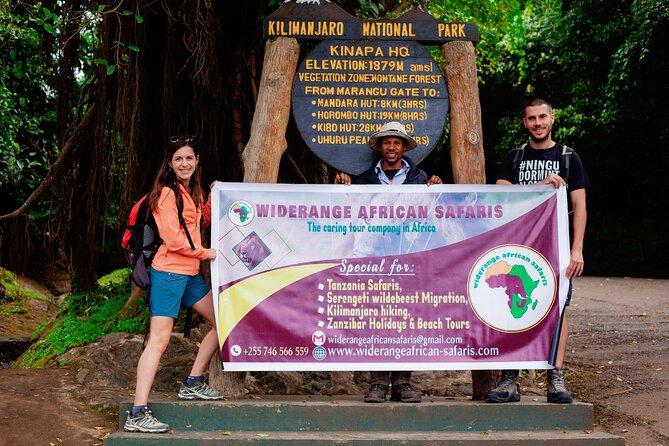
The listed price is $1,700 per person. For a private Kilimanjaro climb, the value depends on what you want from the structure of the trip. You are paying for a guided mountain experience with private participation, park-related costs, meals, hut-based nights, and a return transfer to your hotel.
Included items are:
- Parking fees
- An English-speaking mountain guide
- Four breakfasts
- Four dinners
- Five lunches
The meal count makes sense for a five-day schedule, with food provided throughout the climb. Having meals arranged is valuable because you will have little interest in finding food on the mountain after a long walking day.
Flights are not included, and tips are also extra. The price therefore does not cover the full cost of a Tanzania holiday. You should budget separately for international or domestic flights, personal equipment, and gratuities.
The private format is the strongest value point for people who prefer direct attention and a group made up only of their own party. If you are comparing this with a larger shared departure, ask how many people will be assigned to your guide and how the operator handles a climber who needs to turn back.
The Guide Can Make or Break the Climb
A mountain guide is not just there to point out the trail. On Kilimanjaro, the guide helps set the pace, manages the route, and keeps an eye on how the group is coping with height and fatigue.
One earlier booking gave special praise to Joseph, describing him as a very good guide. I would ask the company if Joseph is available for your dates, while understanding that guide assignments can vary. The important point is to confirm who will lead your group and how many people will be with you.
The experience includes an English-speaking guide, but it does not list a separate assistant guide, porter arrangement, or detailed equipment service. Ask about these matters before paying if you need help carrying luggage or hiring mountain gear. Do not assume that an included guide means every support service is included.
Who Should Book This Five-Day Climb?
This trip suits you if you want a private Kilimanjaro climb with hut accommodation and a clear, compact schedule. It is especially appealing if you are adding the mountain to a broader Tanzania trip and want to return to Moshi after five days.
It may also suit people who prefer a more established route rather than a camping-based climb. The Marangu trail has a well-built path and fixed hut stops, which can simplify the practical side of the trip.
I would be more cautious if you are worried about altitude, dislike very long summit days, or want plenty of time for acclimatization. The five-day schedule is demanding. A longer mountain plan may be worth comparing, but this specific experience is designed around five days and should be judged on that basis.
You should also be comfortable with basic mountain conditions. The hut system is convenient, but this is not a hotel stay at high altitude. The summit attempt begins around midnight, and the descent after Uhuru Peak continues to Horombo Hut on the same day.
Booking Details and Cancellation
The activity starts in Moshi at 8:00 a.m. and ends back at the meeting point area after the return transfer. Pickup is offered, and confirmation is received at booking.
The experience is private, with only your group participating. Service animals are allowed, public transportation is nearby, and the supplied information says most people can participate. Even so, you should be honest with the operator about your fitness and any medical concerns before setting out.
Free cancellation is available if you cancel at least 24 hours before the local start time. Cancellations or changes made less than 24 hours before the start are not accepted for a refund.
Should You Book the Marangu Route?
Book this trek if you want a private, hut-based Kilimanjaro climb with an English-speaking guide, included meals, and a return transfer to Moshi. The rainforest, Maundi Crater, saddle, crater rim, and Uhuru Peak provide strong variety in only five days.
Before committing, ask three practical questions: Is Joseph available, what exactly happens on the broadly described first day, and what porter or equipment support can be arranged? If the answers are clear and you are ready for a short acclimatization schedule, the $1,700 price can be a fair fit.
I would not choose it simply because Marangu is called accessible. The trail may be established, but the summit day remains cold, long, and physically serious. Choose it for the hut system, private format, and efficient schedule, then prepare with respect for the mountain.
FAQ
Where does the Kilimanjaro trek start?
The experience starts in Moshi, Tanzania, at 8:00 a.m. Pickup is offered.
How long is the Marangu Route experience?
The climb lasts approximately five days and four nights.
Does the tour reach Uhuru Peak?
Yes. The summit section continues from Gillman’s Point to Uhuru Peak, which is listed at 5,895 meters.
Where do you sleep during the climb?
The route uses hut accommodation, including Mandara Hut, Kibo Hut, and Horombo Hut.
What meals are included?
The package includes four breakfasts, four dinners, and five lunches.
Is the trek private?
Yes. Only your own group participates in this private activity, and an English-speaking mountain guide is included.
Just added in Moshi
- Zanzibar: Stone Town tour and Nakupenda beach with Lunch★ 5.0 · 1 review
- day trip lake manyara★ 5.0 · 2 reviews
- Mt Kilimanjaro 6 days Marangu route hike★ 5.0 · 3 reviews
- machame route★ 5.0 · 16 reviews
- Wildlife Extravaganza: Manyara, Tarangire & Ngorongoro in 3 Days★ 5.0 · 3 reviews
- Private Cycle to Kilimanjaro Bike Park Safari★ 5.0 · 6 reviews
- West Kilimanjaro cycling Adventures★ 4.5 · 8 reviews
- 3 Days Private E-Bike Tour in West Kilimanjaro★ 5.0 · 3 reviews
Marangu Route Climbs, compared.
Private Full Day Hiking Experience to Marangu Route
Read our review →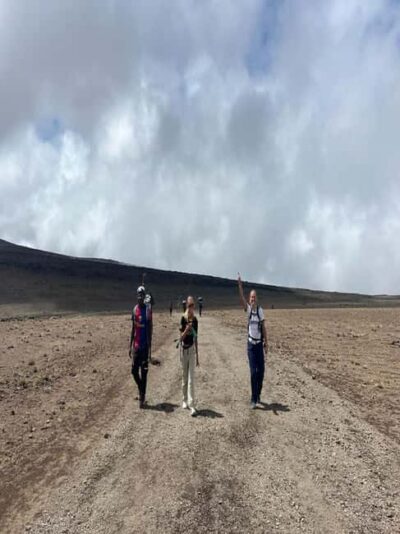
From Arusha/Moshi: Kilimanjaro Hike Marangu Route Day Trip
Read our review →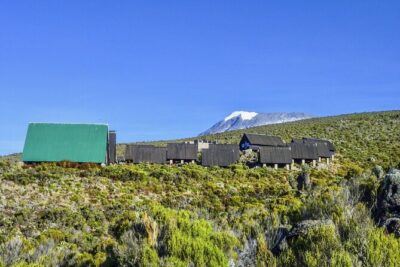
Mount Kilimanjaro Day Hike Through Marangu Route to Mandara Hut
Read our review →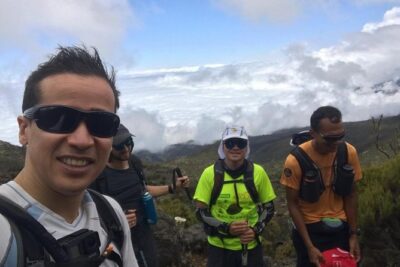
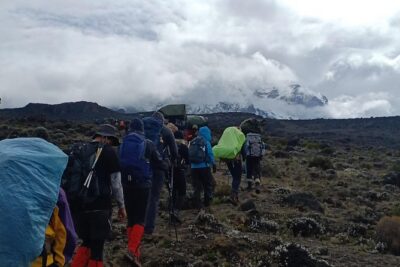
Best Kilimanjaro Adventures 6 Days Marangu Route Experience
Read our review →
Kilimanjaro Private Climbing in 6 Days Marangu Route
Read our review →Browse the lists this tour appears in