
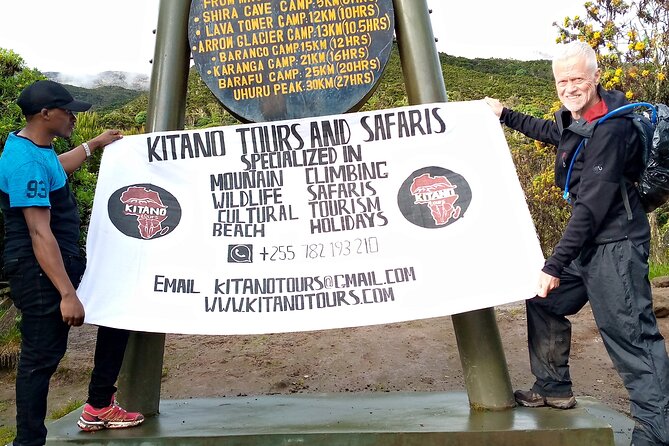
Reviewed · MARANGU ROUTE CLIMBS
5 Days Marangu Route Kilimanjaro hiking
Africa’s highest point demands respect. This five-day Marangu Route hike gives you a direct path to Kilimanjaro’s Uhuru Peak, with hut accommodation, meals, porters, cooks, and guides included. I like the steady progression from rainforest to moorland to the stark high-altitude saddle, and I like that you can stop at Maundi Crater for views toward Tanzania and Kenya. The main drawback is the schedule: five days is still a short acclimatization plan, and summit night is a cold, steep, exhausting push.
The $1,014 price offers useful support, especially with a full mountain crew and four nights in huts. But you need to check the final cost carefully, since park fees, taxes, flights, visas, personal items, laundry, and crew tips are not included. Guides named in past groups include Mudi, Martin, Daniel, David, Michael, Muddy, and Tadey, with strong praise for their care and encouragement.
In This Review
- Key points to know before booking
- Why the Marangu Route appeals to first-time summit hikers
- Day one: rainforest, registration, and Mandara Hut
- Day two: leaving the forest for Horombo
- Day three: the saddle between Kibo and Mawenzi
- Day four: Gilman’s Point, Uhuru Peak, and the hardest hours
- Day five: the long descent to Marangu Gate
- What the $1,014 price really gives you
- Food, huts, and the practical rhythm of the climb
- Who should book this Kilimanjaro hike?
- Booking details and cancellation
- FAQ
- How long is the Marangu Route Kilimanjaro hike?
- What time does the tour start?
- Is pickup available?
- Are meals included?
- Is hut accommodation included?
- Are park fees and taxes included in the price?
- What is the cancellation policy?
- Should you book the five-day Marangu Route?
Key points to know before booking
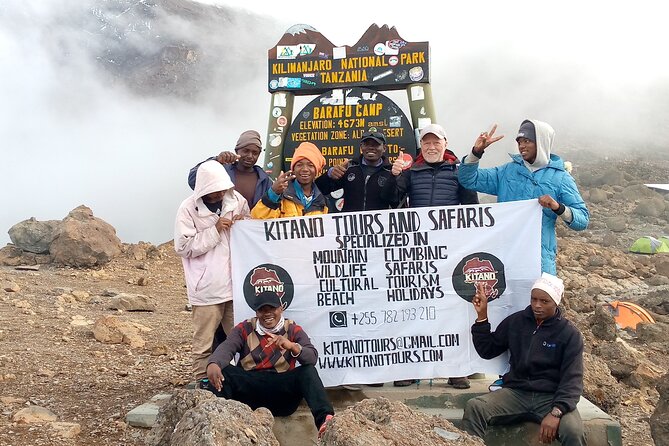
- The Marangu Route uses huts instead of tents, giving you a more sheltered night on the mountain.
- Summit night begins around midnight to 2 a.m., so expect darkness, cold, headlamps, and a long descent afterward.
- Maundi Crater is a worthwhile side trip on day one, with views toward northern Tanzania and Kenya.
- The route is technically straightforward but physically hard, especially above Kibo Hut and on the scree leading to Gilman’s Point.
- A full crew is provided, including guides, cooks, porters, and fair and sustainable crew wages.
- The final day covers 18 kilometers, mostly downhill, with wet and muddy conditions possible near Marangu Gate.
Why the Marangu Route appeals to first-time summit hikers
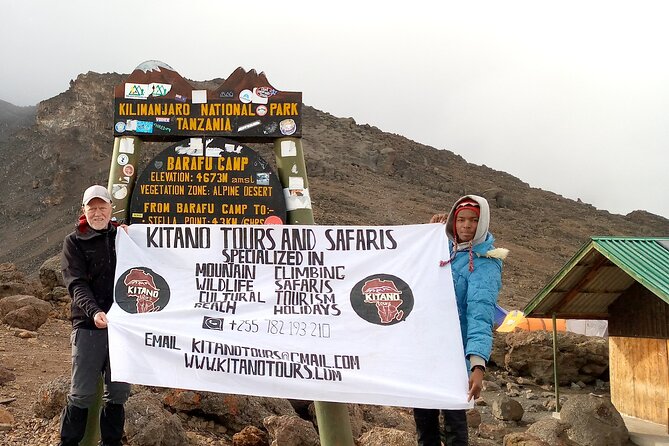
Marangu is often called the Coca-Cola Route because it follows a relatively direct trail and is considered one of the easier Kilimanjaro routes from a technical point of view. That description needs a little care. You will not need technical climbing equipment for the normal trail, but you still have to walk for several days at high altitude and face a demanding summit night.
I like the route’s changing scenery. You begin among tall rainforest trees, birdlife, and possible Colobus monkey sightings. By the third day, trees and shrubs give way to open ground and a bare, moonlike setting between Kibo and Mawenzi.
The hut system is another practical advantage. You sleep in huts at Mandara, Horombo, and Kibo rather than carrying a tent or spending each night in a tented camp. That can make the trip feel simpler, though hut accommodation is not the same as a private hotel room. The supplied details do not specify room layouts, bedding, bathroom arrangements, or whether you need to bring a sleeping bag, so ask the operator before arrival.
This route suits you if you want a clear trail, organized support, and a classic Kilimanjaro itinerary. It is less suitable if you want a slow acclimatization program, a quiet trail, or a less repetitive ascent and descent.
More Marangu Route climbs:
- Kilimanjaro climb, Marangu route (6-day)
★ 5.0 · 72 reviews - Climbing Kilimanjaro – Marangu Route
★ 5.0 · 65 reviews - Kilimanjaro Climbing 5 days Marangu route
★ 5.0 · 22 reviews
Day one: rainforest, registration, and Mandara Hut
Your day starts after breakfast and a briefing, followed by a drive of about 45 minutes to the Kilimanjaro National Park Gate. The listed start time is 8:30 a.m., and the meeting point is Cable Millan on Rengua Road in Tanzania.
At the gate, you register and begin walking. The first section passes through rainforest, where the trail is shaded and the air is likely to feel warmer and more humid than it will later in the trip. Keep watch for towering Eucalyptus trees, birdlife, and Colobus monkeys.
The day’s listed distance is 7 kilometers, with four to five hours of walking. You climb from about 1,700 meters to 2,740 meters, ending at Mandara Hut.
Maundi Crater makes a good optional side trip. It gives you a chance to see more of the surrounding area, including northern Tanzania and Kenya, instead of simply arriving at camp and waiting for dinner. I would consider this a useful first-day outing, but only if you still feel strong and the guide agrees that conditions are suitable.
Lunch and dinner are provided on this day. The crew includes a cook and porters, so you are not expected to carry the full camp operation yourself. That support matters, but pack your own day bag with water, rain protection, warm layers, and anything you need during the walking hours.
Day two: leaving the forest for Horombo
Day two takes you out of the rainforest and into open moorland. The path continues upward toward Horombo Hut, with views of Mawenzi and Kibo becoming more prominent.
This is an important change in the trip. The forest provides shade and a sense of enclosure, while the moorland feels wider, colder, and more exposed. You may see giant lobelias and groundsels, two plants that make the high slopes feel very different from the lower mountain.
The day is listed as about eight hours, making it a substantial walking day even though the route remains nontechnical. This is also when altitude may begin to affect you. Headache, tiredness, poor sleep, or a reduced appetite can make an ordinary walking pace feel slow.
Your best approach is simple: walk steadily, avoid rushing, drink as instructed by your guide, and tell the guide early if you feel unwell. The crew receives especially strong praise for knowing when to motivate, when to help, and when to advise a hiker to slow down. That is exactly the kind of judgment you need on Kilimanjaro.
The information provided does not list meals or an altitude range for day two, so confirm the daily meal plan and sleeping arrangements before you set out.
Day three: the saddle between Kibo and Mawenzi
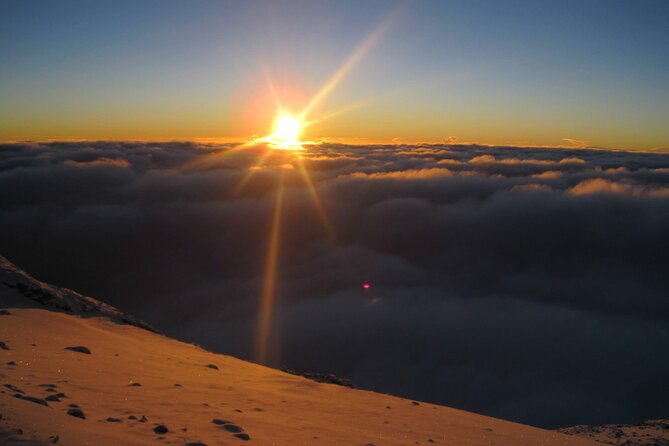
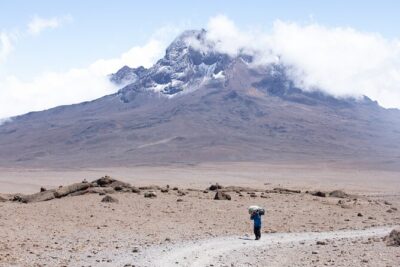
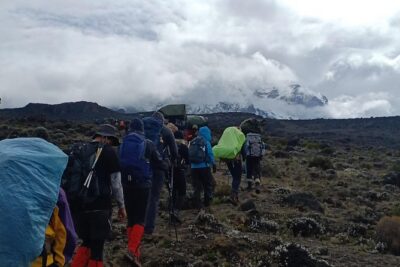
Day three brings you onto the broad saddle between Kilimanjaro’s two major peaks, Kibo and Mawenzi. You pass the last watering point, cross upper heathland, and eventually enter a bare stretch described as a moonscape.
The numbers show why this day matters. You climb from about 3,700 meters to 4,700 meters and cover 10 kilometers in roughly six to eight hours. The trail may not require scrambling or specialized climbing skills, but altitude changes the effort. A normal uphill walk can feel unusually demanding.
This is the day to conserve energy. You are not trying to win a race to Kibo Hut. You are setting yourself up for a midnight or early morning summit attempt.
Dinner and rest take place at Kibo Hut. The schedule is deliberately plain: eat, organize your summit clothing and headlamp, and sleep if you can. The supplied information says dinner, breakfast, and lunch are included for this day, while the broader package lists four dinners, five breakfasts, and five lunches.
Kibo is an exposed high-altitude stop, so your warmest layers should be easy to reach. Keep gloves, a hat, extra socks, and rain gear in your personal bag rather than buried in luggage carried by a porter.
More treks in Moshi:
- Private Kilimanjaro Hike 7 Day Lemosho Route
★ 5.0 · 60 reviews - Best Kilimanjaro hiking day trip tour with Kilinge Adventures
★ 4.5 · 54 reviews - #1. Best Kilimanjaro Day hike Tour-Machame Route-ISMANI
★ 4.2 · 47 reviews - Best Kilimanjaro Adventure 7 days Machame route Trekking
★ 5.0 · 42 reviews
Day four: Gilman’s Point, Uhuru Peak, and the hardest hours
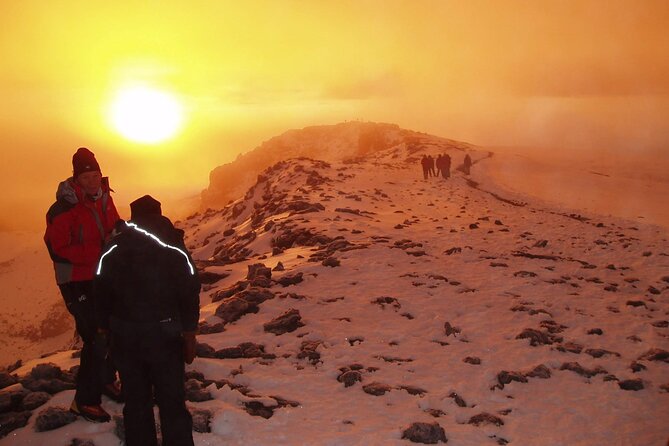
Summit day begins between midnight and 2 a.m. You start in darkness, using a headlamp or flashlight, and climb steep trails over heavy scree or snow toward Gilman’s Point on the crater rim.
This is the toughest part of the trip. You are walking after a short night, in very cold conditions, at high altitude, and on loose ground that can make each step feel inefficient. Progress may be slow. The guide’s role becomes central here, both for pacing and for watching how you are coping.
Reaching Gilman’s Point is a major moment, but it is not the final high point. From the crater rim, you continue to Uhuru Peak, the highest point in Africa. The itinerary promises wide views and time for a summit photograph, weather and energy permitting.
I would keep your goal flexible. The guides can encourage you, but no photograph is worth ignoring symptoms of serious altitude trouble. Tell the crew how you feel, follow their instructions, and accept that turning around can be the correct decision in the mountains.
After the summit, you descend to Kibo for lunch and a rest, then continue to Horombo Hut. This descent is long and tiring. It is easy to focus only on reaching the summit and forget that you still have many hours of walking afterward.
Warm clothing is essential for the early section. The supplied advice is practical: it will be very cold before you start descending, so bring all your warm layers. The headlamp is not optional for this schedule.
The strongest praise for this experience centers on summit-night support. Daniel is singled out for attentive care, while Martin, Gaby, Mathew, Mudi, Muddy, Tadey, David, Michael, and other guides are praised for encouragement and personal attention. Several groups describe the crew as organized and reassuring during difficult conditions. Some also enjoyed singing, dancing, and talking with the staff about Tanzanian life, which can make a demanding trip feel more human.
Day five: the long descent to Marangu Gate
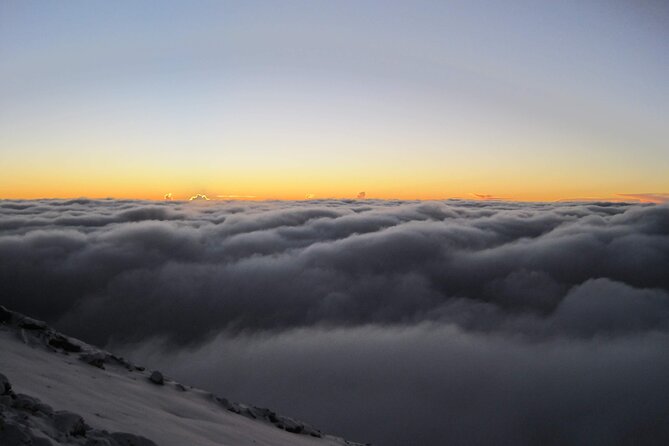
After breakfast at Horombo, you descend through moorland to Mandara Hut, then continue down the forest trail to Marangu Gate.
The distance is about 18 kilometers, with five to seven hours of walking. The altitude drops from roughly 3,700 meters to 1,700 meters, so breathing should feel easier, but your legs may be tired from summit day.
The lower forest can be wet and muddy. Gaiters and trekking poles are specifically recommended, and you should keep rain gear handy even if the morning begins dry. Shorts and a T-shirt may be comfortable at lower elevations, but do not pack your warmer clothing away until you have finished the mountain.
A vehicle meets you at Marangu Gate and takes you back to your hotel in Moshi or Arusha. Breakfast and lunch are included on this final day. The day ends with a celebration and the customary reminder to tip the Tanzanian guides and porters.
That tip is not included in the listed price. Ask the company for its current tipping guidance before you go, so you can budget fairly and avoid trying to decide everything at the gate.
What the $1,014 price really gives you
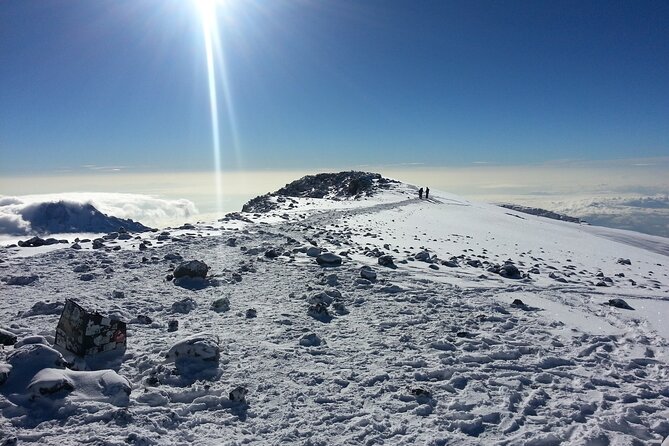
At $1,014 per person, the cost is not simply a walking permit and a guide. The package includes gate transfer, hut accommodation during the climb, guides, cooks, porters, crew wages, and meals. That is useful value for you because a supported Kilimanjaro trip needs a large working team.
The crew’s fair and sustainable salary policy is also worth noting. Porters do much of the practical work that allows you to hike with a lighter day bag, and fair pay should be part of your decision when comparing operators.
Still, the advertised price is not the complete trip budget. You must add:
- Park fees and taxes
- Flights
- Tanzanian visa costs
- Tips for guides, cooks, and porters
- Personal equipment and other personal items
- Laundry services
The wording around park fees and tax deserves special attention. They are listed as not included, so confirm exactly what you will pay before booking. A low-looking headline price can change once required charges are added.
The tour accepts mobile tickets, offers pickup, and has a maximum group size of 100. That maximum is large, even if your actual hiking group is smaller. Ask how groups are divided, how many guides are assigned, and how porter support works for your specific booking.
Food, huts, and the practical rhythm of the climb
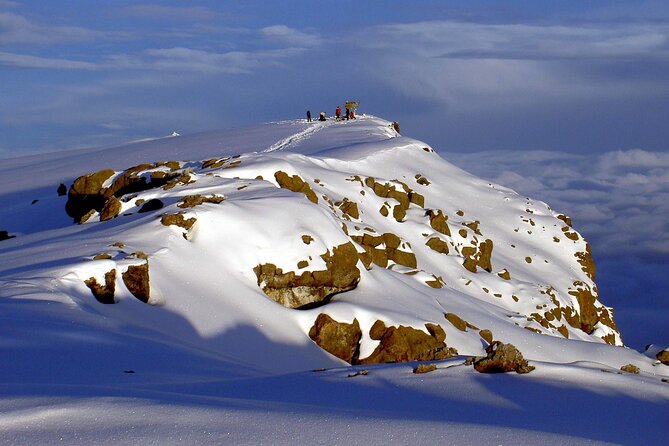
Meals are included throughout the schedule, with the package listing four dinners, five breakfasts, and five lunches. The hiking days also include specific meal notes, such as lunch and dinner on day one and breakfast, lunch, and dinner on day three.
Past groups praised the food as good and tasty, but the information does not specify menus, dietary options, snacks, or drinks. If you have allergies or follow a special diet, tell the operator before arrival and ask for a clear answer about what the cook can provide.
You sleep in huts rather than tents. This can be a good fit if you prefer a solid roof and a simpler camp routine. You still need to prepare for basic mountain conditions, crowded sleeping areas, cold nights, and limited comforts, since the accommodation details are not fully described.
The crew receives the most consistent praise. The guides are described as professional, attentive, and encouraging, while the wider team is praised for friendliness and a family-like atmosphere. That support can make the difference on summit night, but you should still arrive prepared, fit enough for long walking days, and realistic about altitude.
Who should book this Kilimanjaro hike?
I would recommend this trip to you if you want:
- A five-day route with a direct trail
- Hut accommodation instead of tent camping
- A guide, cook, and porter team
- A clear itinerary through several climate zones
- A chance to reach Gilman’s Point and continue to Uhuru Peak
- Transport back to Moshi or Arusha after the descent
I would hesitate if you need a slower altitude schedule or strongly prefer quiet trails. The five-day plan includes long days and a very demanding summit push. The Marangu Route may be easier technically, but it is not easy physically.
It also suits hikers who value personal encouragement. The named guides and crew members receive repeated praise for safety, motivation, and attention to individual needs. Ask for the guide-to-hiker ratio and the exact group arrangement, since the maximum group size can reach 100.
Booking details and cancellation
Confirmation is provided at booking, and most people can participate according to the supplied information. Pickup is offered, with the stated meeting point at Cable Millan, 3445 Rengua Road, and the activity ends back at that meeting point after transport from Marangu Gate.
You can cancel up to 24 hours before the local start time for a full refund. Cancellations or changes made less than 24 hours before the start are not accepted for a refund.
FAQ
How long is the Marangu Route Kilimanjaro hike?
The experience lasts approximately five days and includes four nights on the mountain in huts.
What time does the tour start?
The stated start time is 8:30 a.m. The first day begins with breakfast and a briefing before the drive to Kilimanjaro National Park Gate.
Is pickup available?
Yes. Pickup is offered, and the listed meeting point is Cable Millan, 3445 Rengua Road, Tanzania.
Are meals included?
Yes. The package lists four dinners, five breakfasts, and five lunches. Specific daily meal details are also provided for several days.
Is hut accommodation included?
Yes. During the climb, you sleep in huts, including Mandara Hut, Horombo Hut, and Kibo Hut.
Are park fees and taxes included in the price?
No. Park fees and taxes are listed under exclusions, so confirm the additional amount before booking.
What is the cancellation policy?
You can cancel at least 24 hours before the experience start time for a full refund. Cancellations or changes made less than 24 hours before the start time are not accepted for a refund.
Should you book the five-day Marangu Route?
Book it if you want a supported, direct Kilimanjaro hike with huts, organized meals, porters, and guides who are praised for staying close to the group during the hardest hours. The scenery changes dramatically, Maundi Crater adds a useful first-day outing, and the chance to stand at Uhuru Peak gives the trip a clear purpose.
Before paying, confirm the extra park charges, tipping expectations, hut details, meal arrangements, group size, and equipment requirements. If you can accept a short acclimatization schedule and prepare for a brutal summit night, this is a practical route for reaching Africa’s highest point without technical climbing.
Just added in Moshi
- Zanzibar: Stone Town tour and Nakupenda beach with Lunch★ 5.0 · 1 review
- machame route★ 5.0 · 16 reviews
- day trip lake manyara★ 5.0 · 2 reviews
- Mt Kilimanjaro 6 days Marangu route hike★ 5.0 · 3 reviews
- Private Cycle to Kilimanjaro Bike Park Safari★ 5.0 · 6 reviews
- West Kilimanjaro cycling Adventures★ 4.5 · 8 reviews
- Wildlife Extravaganza: Manyara, Tarangire & Ngorongoro in 3 Days★ 5.0 · 3 reviews
- 3 Days Private E-Bike Tour in West Kilimanjaro★ 5.0 · 3 reviews
Marangu Route Climbs, compared.
Private Full Day Hiking Experience to Marangu Route
Read our review →
From Arusha/Moshi: Kilimanjaro Hike Marangu Route Day Trip
Read our review →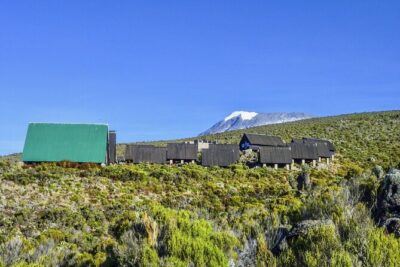
Mount Kilimanjaro Day Hike Through Marangu Route to Mandara Hut
Read our review →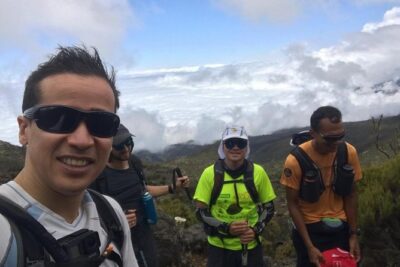
Best Kilimanjaro Adventures 6 Days Marangu Route Experience
Read our review →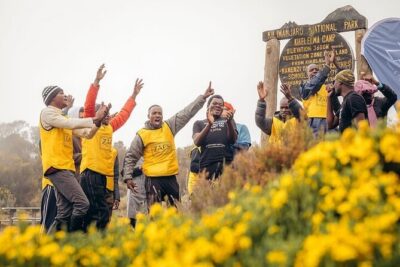
Kilimanjaro Private Climbing in 6 Days Marangu Route
Read our review →Browse the lists this tour appears in