
Reviewed · MOSHI TOURS
5-Days Tanzania Joining Group Safari : Best Price 2025/2026
Wildlife comes first on this five-day circuit. Starting in the Arusha area, you visit Tarangire National Park, Serengeti National Park, Ngorongoro Crater, and Lake Manyara, with park fees, meals, camping, and a 4×4 safari vehicle included. I like the strong park lineup and the chance to see several very different habitats in one trip. I also like the low $1,300 price, which covers the costly park access and full-board setup.
The main catch is the pace. You cover long distances, sleep in budget camping accommodation, and the written schedule has some overlap between Serengeti and Ngorongoro on Days 3 and 4. Confirm the exact route, sleeping places, and whether Lake Manyara is included on your departure date before paying.
In This Review
- The Safari at a Glance
- Why This Northern Tanzania Route Works
- Day 1: Tarangire Elephants and Baobab Country
- Day 2: The Long Road to Serengeti
- Day 3: A Full Serengeti Game-Drive Day
- Day 4: Ngorongoro Rim and Camp
- Day 5: Crater Wildlife Before Returning to Arusha
- What the $1,300 Price Really Covers
- Camping, Meals, and the Daily Rhythm
- The Guide and Company Experience
- Who Should Book This Safari
- Booking Advice Before You Pay
- Should You Book the 5-Day Tanzania Group Safari?
- FAQ
- Where does the safari start?
- Where does the safari end?
- How long is the safari?
- Which national parks are included?
- What accommodation is provided?
- Are meals included?
- Is transportation included?
- Are park fees included?
- Are airport transfers included?
The Safari at a Glance
- Four major wildlife areas: Tarangire, Serengeti, Ngorongoro Crater, and Lake Manyara.
- Five days and four nights: The route includes long drives as well as game drives.
- $1,300 per person: Park fees, meals, camping, an English-speaking guide, and a safari Land Cruiser are included.
- Group travel: The advertised maximum is 90 people, though the actual vehicle group may be smaller.
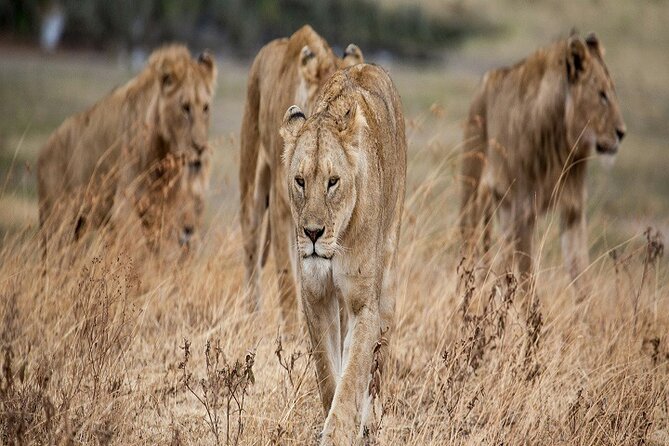
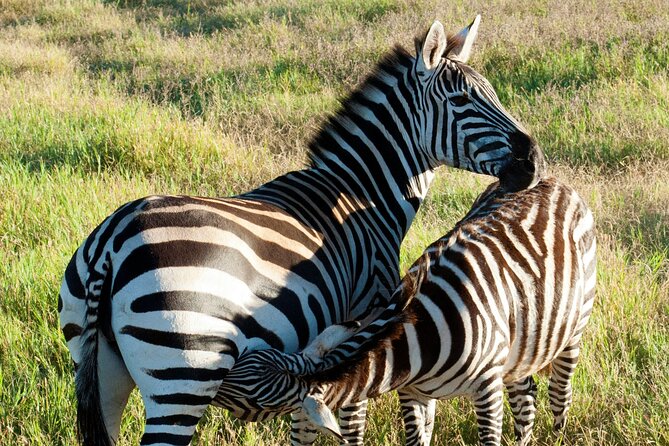
- Wildlife focus: Elephants, lions, giraffes, zebras, wildebeest, cheetahs, hyenas, hippos, and many birds may be seen.
- Practical extras: Pickup is offered and a mobile ticket is available, but airport transfers and town hotels cost extra.
Why This Northern Tanzania Route Works
This is a classic northern Tanzania route, and for good reason. Each park gives you a different kind of safari day.
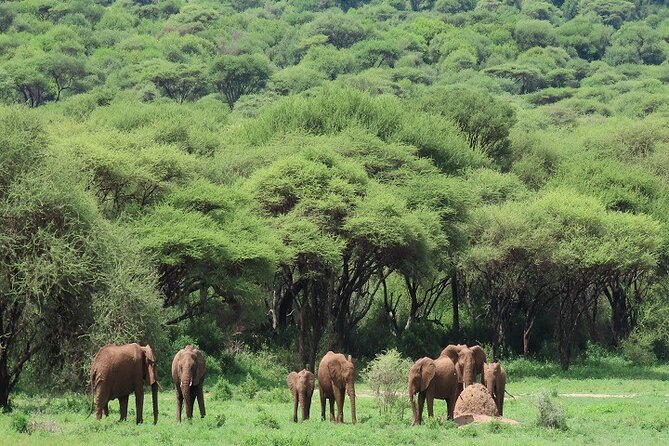
Tarangire is especially good for elephants and baobab trees. Serengeti gives you the broadest sense of Tanzania’s open country and the best chance of seeing predator-prey activity. Ngorongoro Crater packs animals into a compact natural bowl, making it one of the easiest places to see a wide range of mammals in a short time. Lake Manyara adds woodland, water, and birdlife to the mix.
I like this variety. You are not spending five days in one park hoping the sightings change. You are moving through four well-known places, each with its own character.
The tradeoff is road time. The Serengeti is far from the Arusha area, and a five-day budget safari cannot avoid long transfers. You will need to be comfortable sitting in a safari vehicle for several hours, sometimes on rough roads, especially on the route between Tarangire, Serengeti, and the crater.
A few more options to weigh up in Moshi
- Kilimanjaro climb by Lemosho Route (7-day)
★ 5.0 · 651 reviews - Safari Serengeti And Ngorongoro
★ 5.0 · 288 reviews - Kilimanjaro climb, Machame Route (7-day)
★ 5.0 · 262 reviews
Day 1: Tarangire Elephants and Baobab Country
Your first day begins with a group meeting and departure for Tarangire National Park. The park is known for large elephant herds, but you may also see giraffes, lions, and zebras. The plan includes a sunset game drive before settling into budget lodge or camping accommodation.
Tarangire is a sensible first stop. It gets you into the bush quickly and offers a good introduction to safari driving. Elephants are the headline attraction here, and the park’s baobab trees give the scenery a distinctive shape. Keep your camera ready during the afternoon drive, when the changing light can make the trees and animals especially striking.
The phrase sunset game drive sounds appealing, but the exact timing depends on park rules, driving distance, and the group’s arrival. Ask how much time is planned inside Tarangire rather than assuming you will have a long afternoon. A late start can reduce your first game-drive hours.
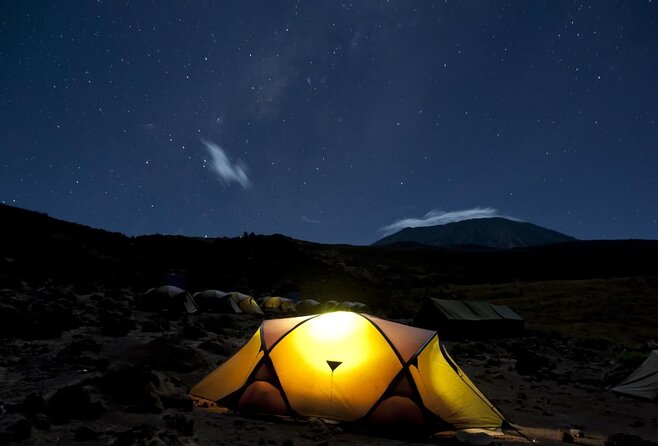
Your first night is also when the budget nature of the trip becomes clear. Camping keeps the price down and places you closer to the basic safari routine, but it is not the right choice if you expect private hotel comfort. The accommodation description does not name the camps or lodges, so ask for those details before departure.
Day 2: The Long Road to Serengeti
Day 2 takes you from Tarangire toward Serengeti. You are scheduled to have a picnic lunch in the park, then continue with a game drive until sunset.
This is likely to be one of the longest days. The reward is reaching the Serengeti, one of Africa’s most famous wildlife areas, where wildebeest and zebras move across the open plains. Cheetahs, hyenas, and other predators may be found in the same broad area, often watching for a chance to hunt.
The great appeal of Serengeti is not one guaranteed animal sighting. It is the scale. You may see a single animal far off in the grass, then suddenly encounter a busy group of zebras or wildebeest. Your guide’s ability to read tracks and animal behavior matters here, since the open setting can make wildlife seem spread out.
The migration is seasonal, so do not book this trip expecting a particular migration scene without checking dates and the planned Serengeti sector. The information provided promises the chance to witness wildebeest and zebra movement, not a fixed location or crossing event.
A picnic lunch inside a national park is practical, but it also means your schedule depends on the group. Bring water and protect your camera from dust. You will spend much of the day in the vehicle, and the sunset finish may leave little time for anything beyond dinner and sleep.
Day 3: A Full Serengeti Game-Drive Day
The schedule describes a full day of game driving in Serengeti until evening, followed by departure toward Ngorongoro Crater for dinner and an overnight stay.
This is the day that gives Serengeti a fair chance. A rushed stop can feel like a drive-through, but a full game-drive day allows your guide to search different areas and follow fresh signs. Early morning is often described as an active period, with birds calling as the sun reaches the plains. The plan also says the guide will study tracks while looking for predators.
That detail matters. Safari is not a zoo visit, and animals do not appear on command. A guide who watches the ground, asks where other animals may be moving, and takes time to interpret behavior can make the day far more rewarding than simply driving from one landmark to another.
There is a scheduling issue to clear up. Day 3 says you leave Serengeti for Ngorongoro after the game drive, while Day 4 also describes travel from Serengeti National Park to Ngorongoro Crater. It may mean the route includes a Serengeti morning drive before moving on, or it may be a duplicated description. Ask the operator to explain exactly where you sleep on Night 3 and when the crater visit takes place.
A different kind of day out entirely:
- Kilimanjaro Climbing Lemosho Route 8 Days.
★ 5.0 · 186 reviews - Climbing Kilimanjaro – Machame Route
★ 5.0 · 170 reviews - Climbing Kilimanjaro through 7 days Machame Route
★ 5.0 · 151 reviews - Kilimanjaro climb, Lemosho Route (8-day)
★ 5.0 · 148 reviews
Day 4: Ngorongoro Rim and Camp
The Day 4 description repeats the Serengeti to Ngorongoro transfer and places you near the crater rim for dinner and camping. The rim is a useful overnight position because it sets up the crater visit, but the provided information does not name the camp or give an exact arrival time.
Ngorongoro Crater is a different kind of safari setting. Its steep walls hold many animals in a relatively contained area, so game viewing can feel more direct than in the open Serengeti. You may see hyenas, hippos, zebras, wildebeest, and water birds, along with the possibility of the Big Five.
Do not treat the Big Five claim as a promise. Lions, elephants, buffalo, leopards, and rhinoceroses do not appear on demand, and one day can produce a very different set of sightings from the next. Still, the crater is a strong place to look because animals live there year-round and the viewing area is compact.
The camping near the rim may be cool, especially compared with lower, warmer parts of the route. No temperature or equipment details are supplied, so ask what tents, bedding, and washing facilities are provided. That question is not fussy. Four nights of basic camping can shape your enjoyment of the whole trip.
Day 5: Crater Wildlife Before Returning to Arusha
The final day begins with a visit into Ngorongoro Crater and a picnic lunch inside. Your guide is expected to explain animal behavior, plants, and ways to locate animals that are easy to miss.
This is a strong finish. The crater offers a concentrated final game drive, and the open caldera gives you a chance to see several species in one morning. Water birds, hippos, hyenas, zebra, and wildebeest are specifically included in the plan, with the Big Five as a possible bonus.
After lunch, you leave the crater and drive toward Arusha. The route is described as passing Maasai bomas, baobab woodland, and rolling savannah scenery. This return journey is not just dead time. It gives you a final look at rural Tanzania beyond the parks, though the amount of sightseeing depends on the driving schedule.
The tour ends in Arusha. The supplied meeting information names Africa Natural Tours on Mkwawa Avenue as the starting point, while the general tour location says Moshi, Tanzania. That mismatch deserves attention. Confirm whether pickup is from Arusha, Moshi, or another agreed address, and ask if a transfer between Moshi and Arusha costs extra.
What the $1,300 Price Really Covers
At $1,300 per person, this is not simply a five-day drive with a guide. Park fees alone can make northern Tanzania expensive, and this package also includes breakfast, lunch, dinner, camping accommodation, and transport in a 4×4 safari Land Cruiser with a pop-up roof.
That roof is important. It lets you see above the grass and photograph animals without staying inside a closed vehicle. The value is strongest if the vehicle is comfortable and the group size is reasonable.
The advertised maximum is 90 participants. That is a large possible number for a joining safari, although it does not necessarily mean 90 people share one vehicle. Ask how many people are assigned to each Land Cruiser. A smaller vehicle group usually makes it easier for everyone to get a window position and hear the guide.
The package includes an English-speaking professional guide and a briefing. It does not include tips for the guide or chef, hotel nights before or after the safari, medical or travel insurance, flights, or airport transfers. Add those costs before deciding that $1,300 is your complete trip budget.
Camping, Meals, and the Daily Rhythm
Full board is one of the most useful inclusions. You receive breakfast, lunch, and dinner, so you do not need to search for food during long park days. Picnic lunches also reduce the need to leave the parks at midday.
Still, full board does not mean restaurant service. The package calls the accommodation budget camping, and a chef is mentioned in the tipping information. Ask what meals are served, whether drinking water is included, and what camping equipment is supplied.
The days will be early, active, and shaped by driving times. You may spend hours watching animals, then more hours reaching the next park or campsite. I would pack light, bring a refillable water bottle, use sun protection, and keep a warm layer for early drives and the crater rim.
The Guide and Company Experience
The available feedback about Africa Natural Tours comes from Kilimanjaro trips rather than this safari. It gives some useful clues, but it should not be treated as proof of the exact safari service.
The strongest praise is for friendly crew members, clear preparation, and guide Gabriel, who explained how different rocks formed during a seven-day Rongai Route climb. Another account describes an introduction before the hike and a careful equipment check, with missing items added before departure. Those are good signs for a company that takes pre-trip preparation seriously.
Godfrey responded to the feedback and invited people to return to Africa Natural Tours. For this safari, ask who your actual guide will be, how long they have worked in the parks, and whether the briefing covers park etiquette, vehicle safety, meals, and camping equipment.
That simple conversation can tell you a great deal. A low price is useful only when the operator communicates clearly about the route and sleeping arrangements.
Who Should Book This Safari
I would consider this trip a good fit if you want to see several major northern Tanzania parks without arranging each transfer and park fee yourself. It suits people who value wildlife variety, accept basic camping, and can handle long road days.
It may also suit a solo visitor who wants to join a group instead of paying for a private vehicle. Pickup is offered, confirmation arrives at booking, and most people can participate according to the supplied information.
I would hesitate if you need fixed hotel standards, short transfer days, or a tightly detailed schedule. The 90-person maximum is also worth checking closely. If you want quiet, personal guiding, ask about the vehicle size before booking.
Booking Advice Before You Pay
Confirm these details in writing:
- Your exact pickup point, since Moshi and Arusha are both mentioned.
- The number of people in your vehicle.
- The names or locations of the camps and lodges.
- The camping equipment and bedding supplied.
- The exact order of Serengeti and Ngorongoro on Days 3 and 4.
- How Lake Manyara fits into the five-day plan.
Lake Manyara is included in the overall route description, but the five daily descriptions do not clearly show where its game drive occurs. That is the most important itinerary question. A five-day route visiting four parks may require a shorter stop at one of them, so make sure your expectations match the actual plan.
You can cancel for a full refund if you do so at least 24 hours before the local start time. Changes or cancellations made within 24 hours are not accepted for a refund.
Should You Book the 5-Day Tanzania Group Safari?
Book it if your priority is maximum park variety at a controlled price and you are comfortable with camping, group travel, and long drives. Tarangire, Serengeti, Ngorongoro, and Lake Manyara give you a strong mix of elephants, predators, plains animals, crater wildlife, and birds.
Before booking, resolve the route confusion and the Moshi versus Arusha pickup question. If the operator confirms a sensible vehicle size, clear camping arrangements, and a real Lake Manyara visit, $1,300 can be a fair value for a five-day northern Tanzania safari. If those answers remain vague, pay more for a better-defined itinerary rather than letting a low headline price make the decision for you.
FAQ
Where does the safari start?
The stated meeting point is Africa Natural Tours on Mkwawa Avenue in Tanzania. The tour information also refers to Moshi and Arusha, so you should confirm the exact pickup address before departure.
Where does the safari end?
The safari ends in Arusha, Tanzania.
How long is the safari?
The experience lasts approximately five days and is described as a five-day, four-night group safari.
Which national parks are included?
The route description includes Tarangire National Park, Serengeti National Park, Ngorongoro Crater, and Lake Manyara.
What accommodation is provided?
Budget camping accommodation is included. The information also refers to a budget lodge or campsite on the first night, but exact properties are not named.
Are meals included?
Yes. Breakfast, lunch, and dinner are included on a full-board basis.
Is transportation included?
Yes. Transportation is provided in a 4×4 safari Land Cruiser with a pop-up roof.
Are park fees included?
Yes. Park fees are included in the price.
Are airport transfers included?
No. Airport transfers, flights, insurance, town hotels before or after the safari, and tips for the guide and chef are not included.
Just added in Moshi
- Zanzibar: Stone Town tour and Nakupenda beach with Lunch★ 5.0 · 1 review
- Mt Kilimanjaro 6 days Marangu route hike★ 5.0 · 3 reviews
- machame route★ 5.0 · 16 reviews
- day trip lake manyara★ 5.0 · 2 reviews
- Private Cycle to Kilimanjaro Bike Park Safari★ 5.0 · 6 reviews
- West Kilimanjaro cycling Adventures★ 4.5 · 8 reviews
- Wildlife Extravaganza: Manyara, Tarangire & Ngorongoro in 3 Days★ 5.0 · 3 reviews
- 3 Days Private E-Bike Tour in West Kilimanjaro★ 5.0 · 3 reviews
Moshi Tours, compared.






Climbing Kilimanjaro through 7 days Machame Route
Read our review →
