
Reviewed · 6-DAY EXPERIENCES
6 Day: Epic Northern Safari
Four parks, six days, one very full wildlife trip. This safari links Lake Manyara, Tarangire, Serengeti, and Ngorongoro Crater in a private 4×4 with a pop-up roof, giving you a fine range of scenery and animals without joining a larger group. I like the chance to compare four very different parks, and I like that the guide can shape the Serengeti day around your preferred pace. The main drawback is the amount of driving, especially on the long route to the Serengeti.
The price is $3,134 per person, which is a serious sum, but it covers park fees, meals, water, a professional driver-guide, and transport in a safari jeep. Free airport pickup and drop-off also make the first and last day easier. One practical caution: the published start time is 8:30 a.m., but several game drives are planned for early morning, so confirm the exact pickup and departure time with Serengeti Camping Safari before you go.
In This Review
- Key points at a glance
- Four parks, four very different views of Tanzania
- Day 1: Forest monkeys and Lake Manyara’s hippo pool
- Day 2: Tarangire’s elephants and giant baobabs
- Day 3: The long road into the Serengeti
- Day 4: Set your own Serengeti rhythm
- Day 5: A final Serengeti drive before Ngorongoro
- Day 6: Wildlife inside Ngorongoro Crater
- What the $3,134 price covers
- Vehicle comfort, meals, and planning details
- Who should book this safari?
- Should you book the Epic Northern Safari?
- FAQ
- Where does the safari start and end?
- How long is the safari?
- Is this a private safari?
- What parks are included?
- Are meals and water included?
- Is the balloon safari included?
Key points at a glance
- Four Northern Circuit parks: You see forest, baobab country, open Serengeti plains, and the enclosed world of Ngorongoro Crater.
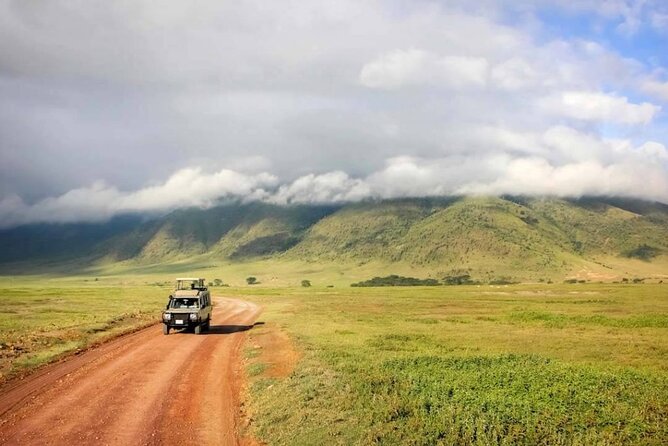
- Private safari vehicle: Only your group participates, with six window seats and a pop-up roof for game viewing.
- Strong elephant viewing at Tarangire: The park is known for large elephant populations and family groups near the Tarangire River.
- Flexible Serengeti day: Day four can include morning and afternoon drives, or one long drive with a picnic lunch.
- Early starts matter: Sunrise drives offer better animal activity, but you will need to be comfortable with pre-dawn wakeups.
- Helpful booking contact: Anita handled arrangements for two previous customers and met them before and after their safari at the hotel.
Four parks, four very different views of Tanzania
This six-day route works because each park brings something different. Lake Manyara gives you forest and birdlife. Tarangire is a strong choice for elephants and huge baobabs. Serengeti supplies the broad, open plains and the famous predator country. Ngorongoro Crater finishes the trip with dense wildlife in a dramatic volcanic setting.
You do not simply repeat the same game drive four times. The animals overlap, of course, but the surroundings change sharply. That variety is the main reason to choose this route over a shorter safari focused on only one or two parks.
The tradeoff is distance. The northern circuit covers a lot of ground, and the Serengeti section requires a long drive. You should choose this trip for the range of parks, not for a slow, restful holiday. The schedule is active, and the best wildlife hours often come at times when most people would still be asleep.
A few more options to weigh up in Arusha
- Balloon Safari & Bush Breakfast in Serengeti – Miracle Experience
★ 5.0 · 1,646 reviews - Tanzania Classic – 7 Days
★ 5.0 · 1,151 reviews - 4 Days Group Camping Safari
★ 5.0 · 1,101 reviews
Day 1: Forest monkeys and Lake Manyara’s hippo pool
After breakfast, you cross the Great Rift Valley toward Lake Manyara National Park. The drive adds scenic interest before the game drive begins, and the park’s smaller size makes it a manageable first stop.
Lake Manyara covers about 205 square miles, but it packs several habitats into that space. The park is known for lush acacia forest, giant fig trees, and mahogany trees. Troops of baboons and blue monkeys live among the trees, giving you a good chance to see primates rather than only the larger animals that usually dominate safari photographs.
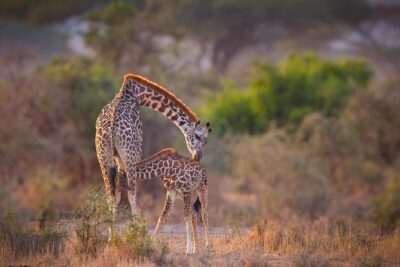
You can also look for buffalo, giraffes, elephants, and impalas. A hippo lake provides one of the park’s best focal points, with large numbers of hippos often gathered in the water. Keep your expectations sensible, since wildlife sightings are never guaranteed, but the mix of forest animals and water-loving species gives this day a distinct character.
Birdwatchers get a particularly good reason to pay attention here. Lake Manyara is home to more than 400 bird species, including the ground hornbill and crested eagle. Even if you are mainly visiting for mammals, the birdlife helps fill the quieter periods between larger sightings.
The day is planned as a full game drive of about seven hours. That is enough time to see a useful portion of the park, but it is also a long stretch in a vehicle. Your pop-up roof and window seat matter here, especially when you want to photograph animals at eye level or simply get fresh air during a pause.
Day 2: Tarangire’s elephants and giant baobabs
Tarangire National Park brings a very different setting. The park has nine vegetation zones, with ancient baobab trees scattered across the view. These huge trees can make giraffes and elephants look surprisingly small, and they give the park an unmistakable appearance.
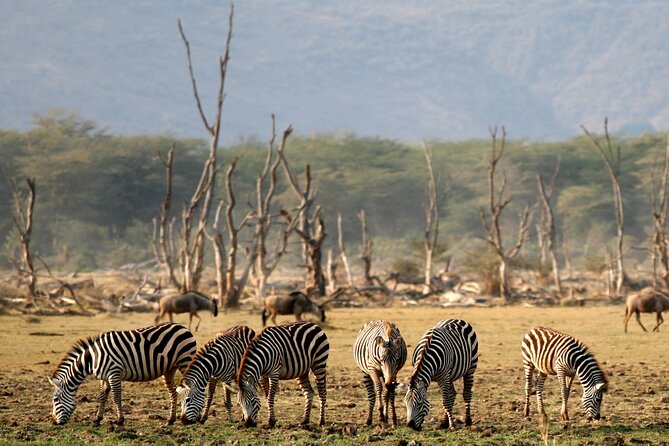
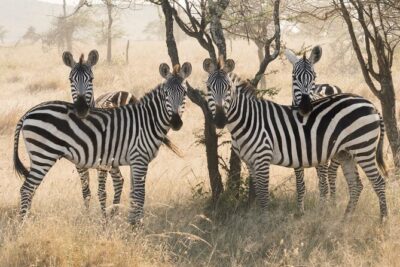
The Tarangire River attracts wildlife, especially during drier periods, and the route includes a full-day game drive of about seven hours. You may see elephants, lions, leopards, buffalo, zebras, giraffes, antelopes, and many kinds of birds.
The park’s strongest selling point is its elephant population. This is a place where you have a real chance to watch family groups interacting near the river and among the acacias. Quiet observation is important. The most memorable moment may not be a dramatic chase, but a group moving together, feeding, or caring for younger animals.
Tarangire is also a good reminder that safari quality is not measured only by the number of species checked off a list. The baobabs, river, acacia country, and changing vegetation create a setting that feels different from the Serengeti. I would especially value this day if elephants are high on your list.
You should also expect another long day in the vehicle. The park is rewarding, but the itinerary does not leave much room for a lazy morning. Breakfast comes first, then the drive and game viewing take up most of the day.
Day 3: The long road into the Serengeti
Day three begins after an early breakfast and heads toward Serengeti National Park. The drive is long, but it is also part of the experience. As you travel deeper into the park, the plains begin to stretch toward the horizon, helping explain the local meaning of Serengeti, often translated as endless plains.
The park covers about 6,900 square miles, or 18,000 square kilometers. That scale changes the way you view distance. A group of animals that looks close may be much farther away than you first think, and the wide horizon gives the day a sense of space that the smaller parks cannot match.
The Serengeti is the main setting for the Great Migration, involving more than two million wildebeest, along with hundreds of thousands of zebras and many antelopes. The timing and location of these animals change during the year, so you should not book this safari assuming the migration will be in one specific spot. Still, the park is valuable even when the migrating herds are elsewhere.
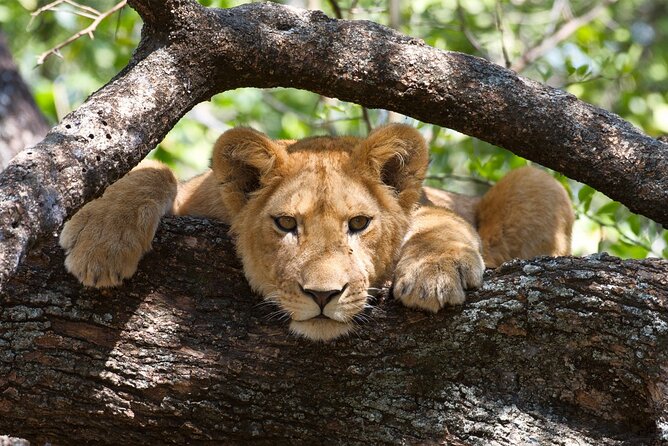
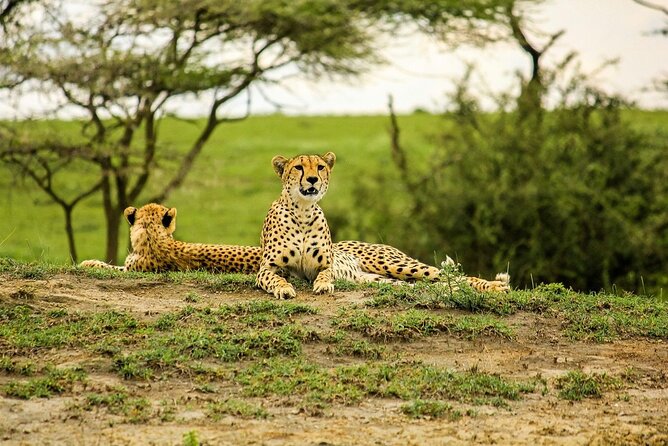
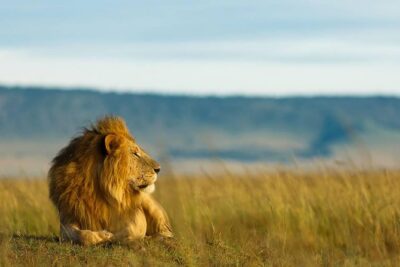
Predators are another major reason for spending two nights in the Serengeti. Lions, leopards, and other large predators are part of the park’s appeal, though sightings depend on conditions and luck. The huge area means you may spend time searching, but that search is part of what makes a sighting feel earned.
This day is listed as about seven hours, though the road portion may make it feel longer. If you do not enjoy extended drives, this is the most important limitation to weigh before booking. If you want to reach the Serengeti without flying, though, the overland route gives you a gradual change from the populated areas near Arusha to open country.
A different kind of day out entirely:
- 5 Days Group Camping Safari
★ 5.0 · 730 reviews - Materuni Waterfalls, coffee tour & Kikuletwa Hot Springs
★ 5.0 · 643 reviews - 3 Days Serengeti & Ngorongoro Group Camping Safari
★ 5.0 · 574 reviews - 7-Day Premium Luxury Tanzania Safari All-Inclusive
★ 5.0 · 426 reviews
Day 4: Set your own Serengeti rhythm
The second Serengeti day is the most flexible part of the trip. You can take a morning game drive, return to camp for lunch and a rest, then go out again in the afternoon. Or you can spend the day out with a picnic lunch.
I like having this choice because safari days do not suit everyone in the same way. Some people want to stay out as long as possible when the animals are active. Others prefer a break during the middle of the day, when heat and fatigue can make even a beautiful view feel like hard work.
The guide discusses game-drive times and wakeup times with you each day. That lets you respond to what you want to see and how much energy you have left. It also gives you a chance to adjust after the first few mornings. If early starts are wearing you down, a midday rest may be worth more than another few hours in the vehicle.
An optional balloon safari is available for an extra payment. It is not included in the $3,134 price, so treat it as a separate choice when planning your budget. The included day already gives you a full Serengeti experience, and the balloon option is best viewed as an add-on rather than a required part of the trip.
Day 5: A final Serengeti drive before Ngorongoro
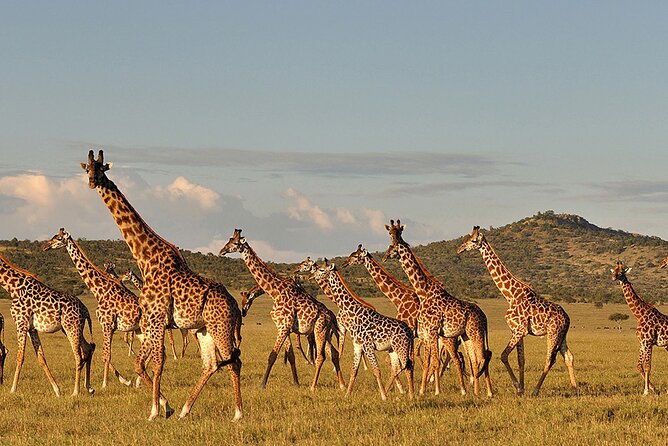
Day five begins very early, with a morning game drive planned for the time when animals are often more active. The schedule also aims for sunrise, which can be one of the most memorable visual moments of the trip.
After the drive, you return to camp for brunch, then continue with a morning drive until lunch. Later, you pack into the jeep and continue through the Serengeti toward Ngorongoro for dinner and overnight arrangements.
This is another full day, and the combination of an early start, several game-drive periods, and the transfer to Ngorongoro can be tiring. Still, it makes practical sense. You get one more chance to see the Serengeti before moving on, instead of giving up the morning entirely to a transfer.
The schedule uses both game viewing and travel time efficiently. It does mean you should keep your luggage organized and avoid treating the camp stop as a long rest. The listed meals include breakfast, lunch, and dinner on this day, so you are not expected to arrange food separately.
Day 6: Wildlife inside Ngorongoro Crater
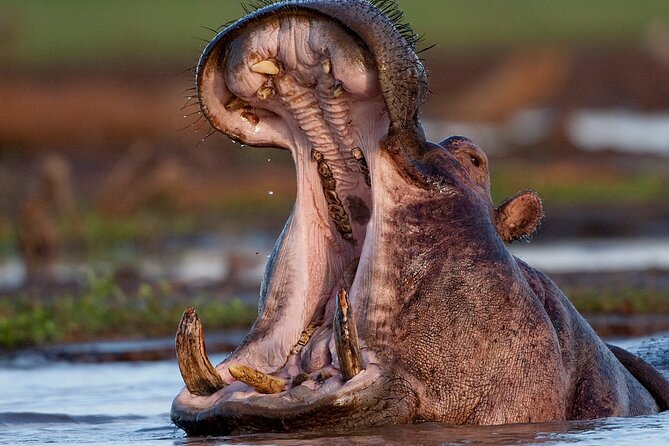
The last morning takes you down into Ngorongoro Crater for a game drive. The crater is a collapsed volcanic area with an estimated animal population of about 25,000, creating one of Tanzania’s most concentrated wildlife settings.
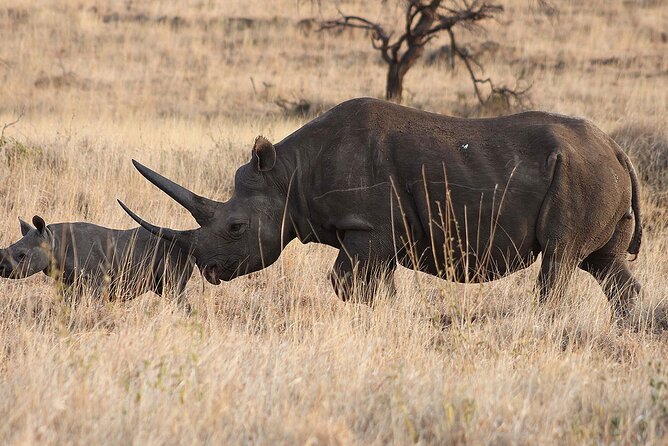
Within a short time, you might see wildebeest, eland, lions, zebras, gazelles, elephants, blue monkeys, and birds. More than 500 bird species are found in the area. The endangered black rhino is also present, though spotting one is a matter of luck and should never be treated as a promise.
The crater’s appeal comes from its compact scale. After the vast Serengeti, this feels enclosed and concentrated. You can spend less time searching across open plains and more time watching the interaction between animals in a confined natural setting.
A picnic lunch is planned near a beautiful hippo lake. After lunch, you take a shorter game drive, ascend from the crater, leave the Ngorongoro Conservation Area, and return to Arusha. It is a demanding final day, but it ends with one of the route’s strongest wildlife settings.
What the $3,134 price covers
At $3,134 per person, this is not a budget excursion. The value depends on how much you want included and how much you would otherwise need to arrange separately.
The price includes all fees and taxes, meals, water, a professional driver-guide, and a 4×4 safari jeep with a pop-up roof and six window seats. It also includes six breakfasts, six lunches, and five dinners. Airport pickup and drop-off are free, which can save both money and hassle at the edges of your trip.
The private format is important. Only your group participates, so you are not sharing the vehicle with unrelated passengers. That gives you more say over the pace and the flexible Serengeti day, though the exact amount of flexibility still depends on the guide, park rules, driving distances, and the day’s conditions.
International flights, tips for the safari driver-guide and chef, personal items, travel insurance, and visa fees are extra. Build those costs into your budget rather than treating the listed price as the total cost of Tanzania. If you want four major parks, private transport, park access, food, and a dedicated guide in one package, the price can be reasonable. If you mainly want a short wildlife outing, six days and this level of coverage may be more than you need.
Vehicle comfort, meals, and planning details
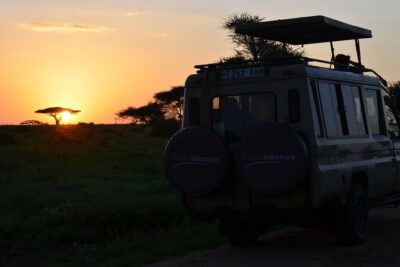
The safari jeep has a pop-up roof and six window seats. Those features are not just marketing details. A roof that opens gives you a better upward view for birds and allows you to watch animals without glass between you and the scene. Window seating also matters on long drives, when nobody wants to be stuck in the middle.
Meals and water are included, which keeps daily planning simple. Breakfast is included on all six days, lunch on all six, and dinner on five. The final return day does not include a listed dinner, so plan to arrange your evening meal after returning to Arusha.
The safari starts and ends in Arusha, and airport pickup and drop-off are offered at no extra charge. Confirmation is provided at booking, and free cancellation is available if you cancel at least 24 hours before the local start time. Poor weather can also lead to a different date or a full refund.
The operator says most people can participate. This is still a physically demanding trip in the everyday sense: long drives, early wakeups, and several full days outside. Ask about any personal mobility or health concerns before booking, since the supplied details do not give a more specific accessibility description.
Who should book this safari?
I would choose this trip if you want a broad introduction to Tanzania’s Northern Circuit and prefer a private vehicle. It suits people who want elephants, big cats, birds, primates, open plains, and crater wildlife in one organized route.
It is also a good fit if you value support before and after the trip. Anita is specifically praised for handling arrangements and meeting customers at their hotel before and after the safari. That kind of contact can be useful when you are coordinating a safari with other travel, such as a Kilimanjaro climb or a transfer to Zanzibar.
I would hesitate if you dislike long drives or need a slow schedule. The Serengeti transfer is lengthy, and the early-morning game drives can test your energy. You should also be comfortable with the fact that wildlife sightings are never guaranteed, even in parks with very high animal numbers.
The experience has a perfect 5 rating from two published reviews, but that is a very small sample. I would treat the praise for organization and staff support as useful signals, not as proof that every future trip will be identical. Confirm your accommodation details, pickup time, meal arrangements, and the exact day five route before departure.
Should you book the Epic Northern Safari?
Book it if four parks, a private jeep, included meals, and serious wildlife time sound worth six active days. Lake Manyara adds monkeys and birds, Tarangire brings elephants and baobabs, Serengeti supplies scale and predators, and Ngorongoro offers dense wildlife in a remarkable crater setting.
Skip it if you want a short, easy safari or dislike spending many hours on the road. For the right person, the route’s value is its range and efficient planning. Anita’s hands-on coordination is another encouraging detail, especially for first-time visitors arranging a larger Tanzania trip.
FAQ
Where does the safari start and end?
The safari starts in Arusha, Tanzania, and ends back at the meeting point in Arusha. Free airport pickup and drop-off are offered.
How long is the safari?
The experience lasts approximately six days. Each listed park visit or game-drive day is described as about seven hours.
Is this a private safari?
Yes. Only your group participates in this private tour or activity.
What parks are included?
The route includes Lake Manyara National Park, Tarangire National Park, Serengeti National Park, and Ngorongoro Crater.
Are meals and water included?
Yes. Water is included, along with six breakfasts, six lunches, and five dinners.
Is the balloon safari included?
No. An early balloon safari in the Serengeti is available for an extra payment.
Just added in Arusha
- Safari “Kifaru” – 5 days in the most famous Parks in the world★ 5.0 · 4 reviews
- Saadani Day Trip★ 5.0 · 13 reviews
- 3 Days Tanzania Short and Spicy★ 5.0 · 6 reviews
- 5 Day Tanzania Safari Camping Adventure Private Tour★ 5.0 · 2 reviews
- Day Trip to Ngorongoro Crater from Arusha★ 5.0 · 1 review
- SERENGETI NATIONAL PARK Tour★ 4.5 · 5 reviews
- 3 Days Serengeti Park & Ngorongoro Crater Adventure Safari★ 5.0 · 8 reviews
- 6 Days Tanzania Bush Experience Safari★ 5.0 · 6 reviews
6-Day Experiences, compared.
Private 6-Day Tarangire Manyara Crater and Serengeti with Mid-Range Lodges
Read our review →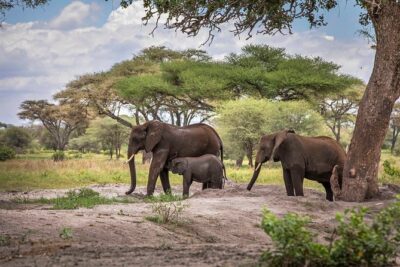
Browse the lists this tour appears in