
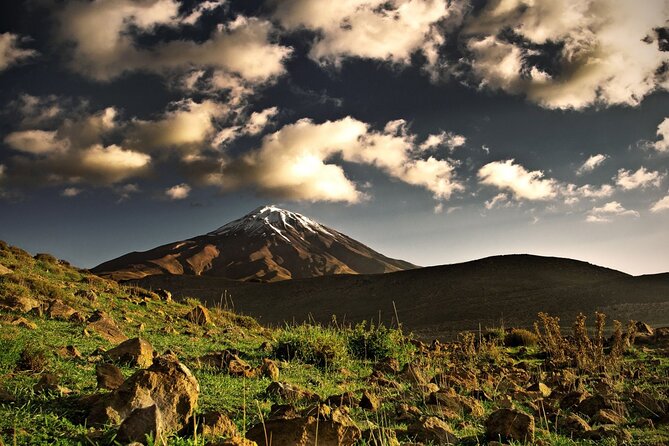
Reviewed · MACHAME ROUTE CLIMBS
6-Day Kilimanjaro Climbing Via Machame Route
The mountain changes every day. This six-day climb takes you from Moshi through rainforest, moorland, volcanic desert, and glacier country before reaching Kilimanjaro’s summit. I like the route’s varied scenery and its climb-high, sleep-lower pattern on Day 3, which gives your body useful time to adjust to altitude. I also like that the $1,810 price includes park fees, guides, cooks, meals, taxes, and transport back to Moshi.
The catch is simple: this is a difficult route compressed into six days. You should be comfortable with long uphill walks, rough ground, cold conditions, and a very demanding summit night. Machame is not the best choice for a first serious hike, though the strong support team and encouraging guides, including William, Paul, Rama, Izadini, Elya, Tulisa, Baraka, and Charles, have helped many people reach the top.
In This Review
- Key points before you book
- Why Machame is worth the effort
- What the $1,810 price really covers
- Day 1: Moshi to Machame Camp through rainforest
- Day 2: The forest gives way to Shira Plateau
- Day 3: Lava Tower and the descent to Barranco
- Day 4: Barranco Wall, Karanga Valley, and Barafu Camp
- Day 5: The summit push from Barafu
- Day 6: Descending through forest to Mweka Gate
- Guides, cooks, and the feel of the support team
- Who should choose this six-day climb?
- Practical packing advice from the route itself
- Should you book the Machame Route?
- FAQ
- Where does the Kilimanjaro climb begin?
- How long is the Machame Route experience?
- How difficult is the Machame Route?
- What time does the summit attempt begin?
- What is the highest point named in the itinerary?
- What camps are used during the climb?
- Is food included?
- Are park fees included?
- Is transport back to Moshi included?
- What happens if I cancel?
Key points before you book
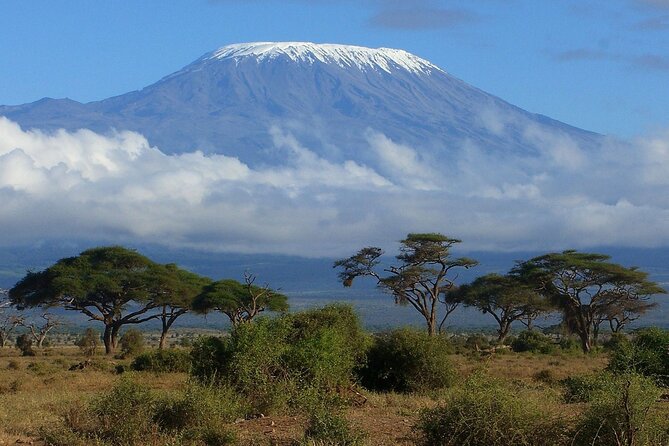
- Machame Gate begins the route at 1,830 meters: The first day moves through muddy rainforest before reaching Machame Camp at 3,050 meters.
- The route uses the South Circuit: You approach the summit from the southwest and descend by the Mweka route, seeing Kilimanjaro from several angles.
- Day 3 is crucial for acclimatization: You climb toward Lava Tower at 4,650 meters, then descend to Barranco Camp even though the day ends at about the same height where it began.
- The Barranco Wall is a hands-on section: The route climbs a steep ridge before crossing Karanga Valley and continuing to Barafu Camp.
- Summit night begins around midnight to 2 a.m.: Expect heavy scree, cold conditions, and the hardest physical and mental stretch of the climb.
- The price covers the main climbing costs: Park fees, professional guides, a chef and cook, meals, taxes, and the Moshi transfer are included.
Why Machame is worth the effort
Machame is often called the Whiskey route, a nickname contrasting it with the Marangu route, sometimes called the Coca-Cola route. The point is not that Machame is impossibly hard. It is that the route feels more rugged, costs more than Marangu, and uses tents rather than a simpler hut-based approach.
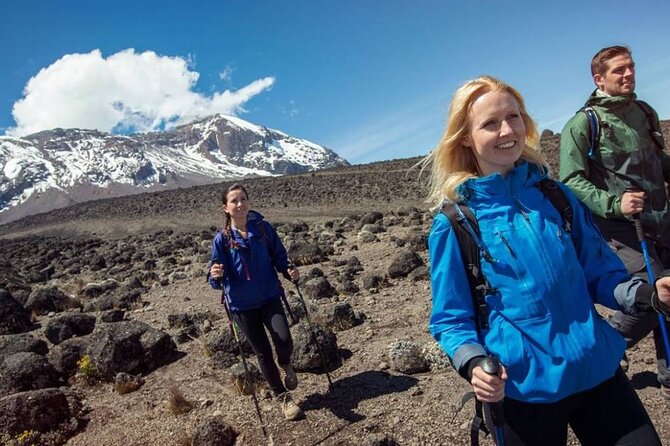
I like Machame because it gives you a fuller picture of Kilimanjaro. The scenery changes from thick forest to open moorland, then to stark volcanic ground and the high alpine zone. You are not simply walking uphill for six days through the same setting.
The route also has a useful acclimatization shape. On Day 3, you climb to Lava Tower at 4,650 meters and then descend to Barranco Camp. That climb-high, sleep-lower rhythm is one of the most valuable parts of the itinerary. It gives you a chance to see how your body reacts to altitude before summit day.
The drawback is popularity. Machame is one of the best-known ways up the mountain, so the trail can feel crowded. The scenery remains impressive, but the route does not offer much solitude during busy periods.
More Kilimanjaro climbs:
- Kilimanjaro climb by Lemosho Route (7-day)
★ 5.0 · 651 reviews - Kilimanjaro climb, Machame Route (7-day)
★ 5.0 · 262 reviews - Kilimanjaro Climbing Lemosho Route 8 Days.
★ 5.0 · 186 reviews
What the $1,810 price really covers
At $1,810 per person, this is not a cheap six-day holiday, but a large part of the mountain cost is already bundled into the price. Park fees alone form an important part of any Kilimanjaro climb, and this package also includes professional guides, a chef and cook, breakfast, lunch, dinner, and all listed fees and taxes.
A vehicle meets you at Mweka Gate and returns you to your hotel in Moshi, a drive of about 60 minutes. That small detail matters at the end of a tiring descent. You do not have to arrange a taxi while dealing with sore legs, muddy clothing, and a very early start the previous day.
The package does not include your visa or international flights. It also does not list equipment rental, tips, hotel nights, travel insurance, or personal items, so ask for a current packing and cost sheet before paying. The supplied details confirm the main inclusions, but they do not answer every equipment question.
The maximum group size is listed as 100 people. That is a large possible capacity, though the actual group you join may be smaller. Ask how many climbers will be in your departure group and how many guides will accompany you. This matters on a route where pace and altitude tolerance vary widely.
Day 1: Moshi to Machame Camp through rainforest
The drive from Moshi to Machame Gate takes about 45 minutes and passes through Machame village on Kilimanjaro’s lower slopes. After park entry procedures, you begin walking through montane forest on a winding trail that climbs along a ridge.
The numbers are manageable on paper: 11 kilometers, five to six hours, and an ascent from 1,830 to 3,050 meters. The real challenge is the trail surface. At lower elevations, the path can be muddy and slippery, especially in wet conditions.
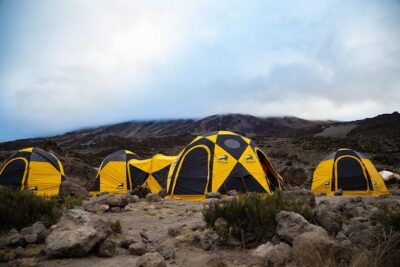
Pack gaiters and trekking poles for this section. Gaiters help keep mud out of your boots, while poles give you balance on slick ground. The forest is the first major reward of Machame, with a very different feel from the dry upper mountain.
Lunch and dinner are included, and you sleep at Machame Camp. The day is long enough to feel like a real start, but it should not be treated as a race. A steady pace helps conserve energy for the higher camps.
Day 2: The forest gives way to Shira Plateau
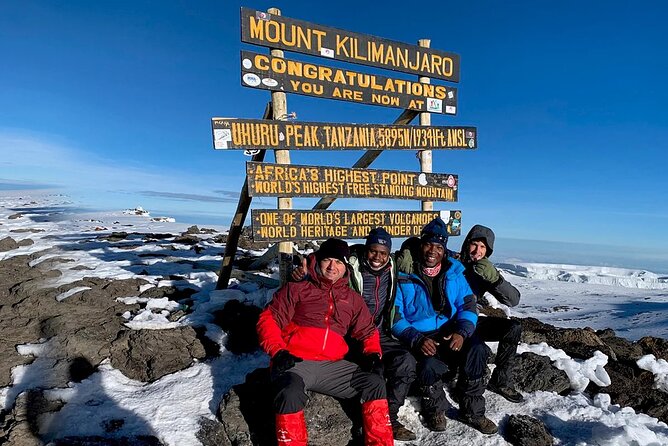
After breakfast, the route leaves the forest and moves into moorland. The path climbs across a valley and follows a steep, rocky ridge before turning west toward a river gorge and Shira campsite.
This is a shorter day by distance, only five kilometers, but it still takes about four to five hours. You rise from 3,050 to 3,850 meters, so altitude becomes more important than mileage.
Shira is one of the route’s memorable changes in character. The trees thin out, the air feels cooler, and the open surroundings give you wider views across the mountain. You begin to understand why Machame is valued for its changing scenery.
The trail’s rocky sections require care. Keep your day pack light and use your poles if the footing feels uncertain. Breakfast, lunch, and dinner are included, giving you a simple routine that becomes important as the climb gets harder.
More Machame Route climbs:
- Climbing Kilimanjaro – Machame Route
★ 5.0 · 170 reviews - Climbing Kilimanjaro through 7 days Machame Route
★ 5.0 · 151 reviews - 7 Days Kilimanjaro via Machame route affordable price
★ 5.0 · 110 reviews - #1. Best Kilimanjaro Day hike Tour-Machame Route-ISMANI
★ 4.2 · 47 reviews
Day 3: Lava Tower and the descent to Barranco
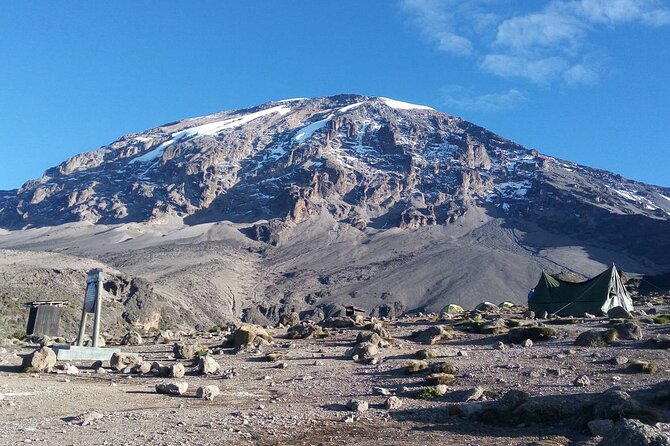
Day 3 is the route’s most useful acclimatization day. From the Shira Plateau, you continue east along a ridge, pass the junction toward Kibo, and turn southeast toward Lava Tower, also known as Shark’s Tooth.
Lava Tower sits at about 4,650 meters. The itinerary gives this day a walking time of five to six hours and a distance of 10 kilometers. You finish at Barranco Camp around 4,000 meters, close to the elevation where you began.
That apparent lack of progress is exactly the point. You gain height during the day, then sleep lower. For your body, this is more useful than simply rushing to a higher camp and staying there.
The upper section is described as semi-desert, with volcanic ground and little of the forest cover seen below. The route also passes a junction for the Arrow Glacier. The optional scramble up Lava Tower should be treated cautiously, since the main value of the day is acclimatization rather than collecting extra difficulty.
Barranco Camp sets you up for one of the climb’s most memorable mornings. You have already spent time at high altitude, and the next day begins with the Barranco Wall.
Day 4: Barranco Wall, Karanga Valley, and Barafu Camp
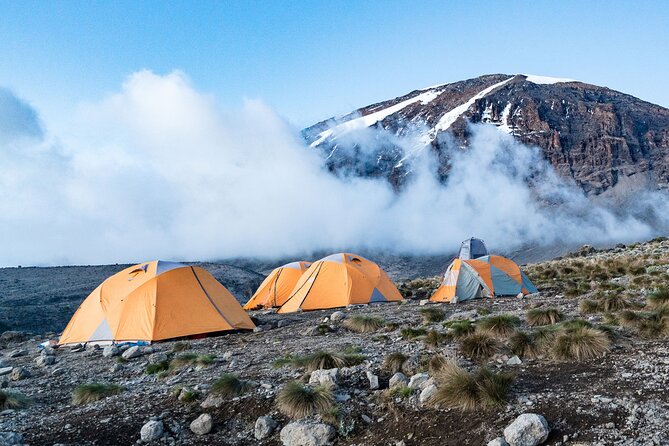
After breakfast, you tackle the Barranco Wall at about 4,250 meters. This is a steep ridge section rather than a simple walking path. You may need to use your hands for balance in places, so keep poles folded or stored when they get in the way.
The route then crosses Karanga Valley at about 4,050 meters before joining the Mweka Trail and continuing upward to Barafu Camp. The day covers nine kilometers and takes about six to eight hours. The elevation rises from 4,000 to 4,700 meters.
Barafu means ice, and the camp sits in the alpine desert zone. The setting is exposed and stark, with views toward the summit. You have completed the South Circuit, which gives you changing views of Kibo rather than one repeated angle.
This is also the point where the short schedule becomes very clear. You arrive at 4,700 meters and must rest for a summit attempt beginning around midnight to 2 a.m. Eat what you can, organize your clothing, and use the available rest time wisely.
Day 5: The summit push from Barafu
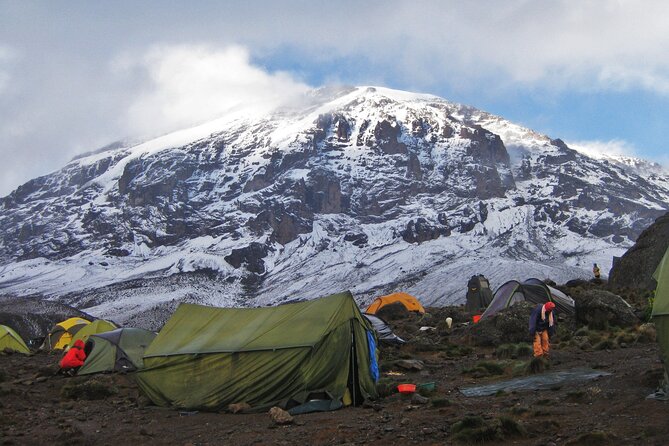
Day 5 is the hardest portion of the climb. You start in darkness and head northwest between the Rebmann and Ratzel glaciers. The route climbs through heavy scree toward Stella Point on the crater rim.
Scree is loose volcanic rock, so progress can feel slow and tiring. The six-hour figure listed for the summit section should not be treated as a guarantee. Your pace depends on altitude, weather, trail conditions, and how your body responds.
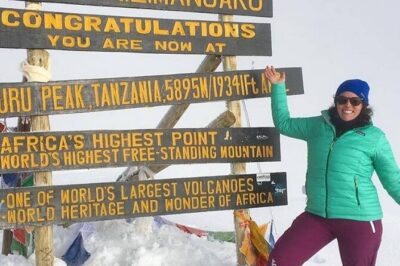
Stella Point provides a major psychological lift. From there, a short rest comes with the reward of sunrise, described here as one of the great sights of the climb. Stronger, faster walkers may reach the summit in time to see the sunrise from the top.
Do not underestimate this night. You need warm clothing, a headlamp, water, and enough patience for a slow uphill rhythm. The description does not provide the summit elevation or the full summit-day distance, so ask the operator for the complete Day 5 schedule before departure.
The best part of the support system is the human one. The guides named in the supplied feedback, including Paul, Rama, Izadini, Elya, Tulisa, Baraka, Charles, and William, are repeatedly praised for calm leadership, encouragement, and attention to individual limits. That matters most here, when confidence can disappear faster than oxygen.
Day 6: Descending through forest to Mweka Gate
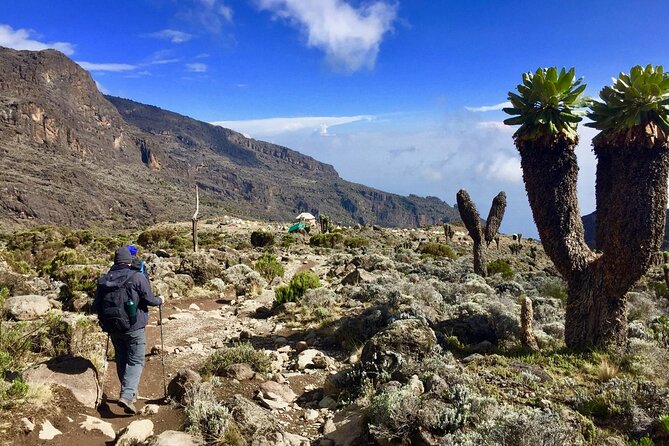
After the summit section, the route descends to Mweka Park Gate. The listed descent begins at 3,090 meters and ends at 1,680 meters, covering 10 kilometers in about three to four hours.
The lower trail can be wet and muddy. Gaiters and trekking poles are useful again, and the suggested clothing is lighter at lower elevations: shorts and a T-shirt may be enough, but keep rain gear and warmer layers handy.
The forest on the descent feels like a return to normal life after the stark upper mountain. At Mweka Gate, you receive summit certificates, then meet the Monkey Adventures vehicle for the drive back to Moshi.
The itinerary lists breakfast on this day. It also lists six breakfasts, six lunches, and six dinners among the inclusions, while the day-by-day schedule specifically names meals at each camp. Confirm the exact meal plan for your departure, especially if your summit timing changes the final morning.
Guides, cooks, and the feel of the support team
The strongest pattern in the feedback is praise for the staff. William is singled out for quick communication, flexibility, patience, and arranging trips to both Kilimanjaro and Tanzania’s safari parks.
Several guide teams receive specific praise. Paul appears often, sometimes with Rama, Elya, Izadini, Dave, Sele, Tulisa, Baraka, or Charles. The comments describe guides who adjust to different walking speeds, monitor how climbers are feeling, and offer steady encouragement rather than needless drama.
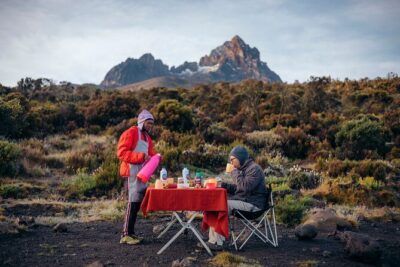
The cooking team also receives warm praise, including a specific mention of an excellent cook. Food on a mountain matters more than people expect. A dependable hot meal gives you energy and helps create a routine when the days become physically demanding.
Still, ask direct questions before booking. The stated maximum of 100 people is broad, and the cost does not spell out porter arrangements, equipment, tipping expectations, or accommodation in Moshi. Good communication before the trip is one of the company’s praised qualities, so use it.
Who should choose this six-day climb?
This route suits you if you have hiking or backpacking experience and want a scenic, demanding route rather than the simplest path up Kilimanjaro. You should be ready for five to eight hours of walking on several days, rough surfaces, major elevation gain, and a midnight summit start.
It is also a good fit for people who value a strong local team. The praise for William and the guides is unusually consistent, with particular attention to safety, motivation, and personal care.
I would be cautious if this is your first serious mountain outing, if you dislike sleeping in exposed high-altitude camps, or if you want a relaxed schedule. Six days is a relatively tight timetable for a mountain of this height. The route’s acclimatization design helps, but it does not remove the physical demands.
The free cancellation rule allows a full refund if you cancel at least 24 hours before the start time. Changes or cancellations within 24 hours are not accepted for a refund, and cut-off times use local Tanzanian time.
Practical packing advice from the route itself
The supplied details point to a few items you should not leave behind:
- Gaiters: Useful in the muddy forest on Days 1 and 6.
- Trekking poles: Helpful on slippery lower trails and loose or uneven ground.
- Rain gear: Keep it accessible even when the upper mountain looks dry.
- Warm layers: The summit start and Barafu Camp require protection from cold.
- A small day pack: Carry daily essentials without making every uphill section harder.
- Clothing you can adjust: Temperatures change sharply as the route moves from forest to alpine desert.
You should also ask for the current equipment list, since the supplied details do not state what can be rented or what the operator provides.
Should you book the Machame Route?
I would recommend this climb to a fit, prepared hiker who wants Kilimanjaro’s most varied scenery and is comfortable with a serious challenge. The $1,810 price is reasonable for a package that includes park fees, guides, cooks, meals, taxes, and the return transfer to Moshi.
I would not choose it simply because six days sounds efficient. The short schedule makes the summit push demanding, and Machame’s popularity means you may share the trail with many others.
Ask about group size, gear, porter arrangements, meal details, tipping, and the full summit-day timetable before booking. If the answers are clear and you are ready for an early summit night, this route offers a strong mix of scenery, acclimatization, and experienced local support.
FAQ
Where does the Kilimanjaro climb begin?
The experience is based in Moshi, Tanzania. The first mountain transfer goes from Moshi to Machame Gate, a drive of about 45 minutes.
How long is the Machame Route experience?
The climb lasts approximately six days.
How difficult is the Machame Route?
Machame is considered a difficult route and is better suited to adventurous hikers with hiking or backpacking experience.
What time does the summit attempt begin?
The summit attempt begins very early, between midnight and 2 a.m. on Day 5.
What is the highest point named in the itinerary?
Lava Tower is the highest named point, at about 4,650 meters or 15,250 feet. The itinerary does not state the summit elevation.
What camps are used during the climb?
The itinerary names Machame Camp, Shira Camp, Barranco Camp, and Barafu Camp. The descent continues to Mweka Gate.
Is food included?
Yes. The package includes breakfast, lunch, and dinner. The listed inclusions specify six breakfasts, six lunches, and six dinners.
Are park fees included?
Yes. Park fees, all listed fees and taxes, professional guides, and a chef and cook are included.
Is transport back to Moshi included?
Yes. A Monkey Adventures vehicle meets you at Mweka Gate and drives you back to your Moshi hotel, taking around 60 minutes.
What happens if I cancel?
You receive a full refund if you cancel at least 24 hours before the experience start time. Cancellations or changes made within 24 hours are not refunded or accepted.
Just added in Moshi
- THE BEST 2 DAYS ON TREK – MARANGU ROUTE TOUR ADVENTURES★ 5.0 · 1 review
- Mount Kilimanjaro National Park Day Trip★ 5.0 · 7 reviews
- Mount Kilimanjaro Climbing in Tanzania Full-Day Trip★ 5.0 · 1 review
- Mount Kilimanjaro Trekking Tour – Climb with Local Guides★ 5.0 · 1 review
- Mount Kilimanjaro Day Hike – All-Inclusive, No Hidden Fees★ 4.0 · 7 reviews
- Mount Kilimanjaro: 7 Days Hike Lemosho Route★ 5.0 · 1 review
- Moshi:Chemka Hot Springs, Materuni Waterfalls & Coffee Tour★ 5.0 · 1 review
- Moshi Town: Walking Tour: Theme Urban lifestyle★ 3.1 · 4 reviews
Machame Route Climbs, compared.
Climbing Kilimanjaro through 7 days Machame Route
Read our review →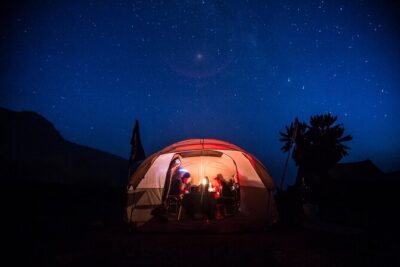
7-Day Machame Kilimanjaro Summit Tour from Arusha
Read our review →
7 Days Kilimanjaro via Machame route affordable price
Read our review →
#1. Best Kilimanjaro Day hike Tour-Machame Route-ISMANI
Read our review →
The Best of Machame Route in 6 Days: Your World’s Summit Guide
Read our review →Browse the lists this tour appears in