
Reviewed · MACHAME ROUTE CLIMBS
6-Day Kilimanjaro Machame Route – A Stunning Trek to Uhuru Peak
Africa’s highest summit demands steady feet. This six-day Machame Route trek gives you a striking mix of rainforest, moorland, alpine desert, and summit ice, while including the main services that make a Kilimanjaro climb workable. I especially like the South Circuit acclimatization day and the care built into the package, including guides, porters, a cook, camping equipment, hot wash water, and airport transfers.
I also like that this is a private activity for your group, rather than a standard public departure. The main caution is the schedule: six days is a serious climb, and summit day can last 11 to 14 hours. The route offers good scenery and a sensible altitude profile, but it does not remove the physical strain of reaching 5,895 meters.
The price is $2,253 per person. That is a substantial amount, but it covers the mountain crew, food, camping setup, park-related costs, transfers, emergency oxygen, and basic first aid. You still need to budget for flights, visas, insurance, personal gear, snacks, medication, and gratuities.
In This Review
- Key points to know before booking
- Why the Machame Route is worth considering
- Day 1: Moshi to Machame Camp through rainforest
- Day 2: Shira Cave Camp and the open moorland
- Day 3: Lava Tower, the Shark’s Tooth, and Barranco Camp
- Day 4: Barranco Wall to Barafu at 4,673 meters
- Day 5: Stella Point and Uhuru Peak
- Day 6: Mweka Trail and the return to Moshi
- What the $2,253 price really covers
- Guides, porters, and the human side of the climb
- Who should book this climb?
- Small practical details that matter
- Should you book the 6-day Machame Route?
- FAQ
- Where does the Kilimanjaro trek start?
- Where does the activity end?
- How long is the trek?
- What is the highest point reached?
- How long is the summit day?
- Is the tour private?
- Are airport transfers included?
- Are meals included?
- Is camping equipment provided?
- Is personal hiking gear included?
Key points to know before booking
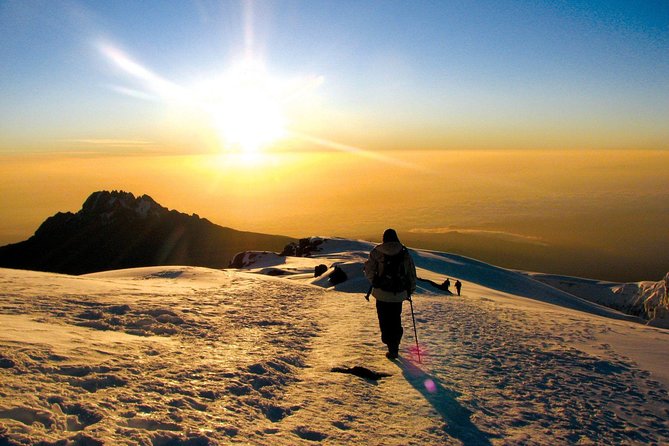
- A midnight summit push: You leave Barafu around midnight, reach Stella Point at 5,756 meters, then continue to Uhuru Peak at 5,895 meters.
- A changing route underfoot: Expect rainforest on day one, moorland on day two, volcanic rock and high desert near Barafu, then wet forest on the descent.
- A valuable acclimatization day: Day three climbs toward Lava Tower at about 4,650 meters before dropping to Barranco Camp at roughly 4,000 meters.
- A full support team: A qualified guide, assistant guides, porters, and a cook are included, along with tents, mattresses, tables, chairs, meals, and drinking water.
- Private group format: Only your group participates, which may give you more control over pace and daily communication.
- A practical final descent: Mweka Trail ends at the park gate, followed by a vehicle transfer from Mweka Village to Moshi.
Why the Machame Route is worth considering
The Machame Route is often called the Whiskey Route, a nickname that hints at its more demanding character compared with gentler approaches. Its appeal is not just the summit. The route changes scenery almost every day, so you are not simply walking uphill through the same type of terrain.
The first hours take you through thick rainforest. Higher up, the trees thin into moorland, where open views replace the enclosed feel of the lower trail. By the time you reach Barafu, you are in a stark alpine desert with little shelter and a clear view toward Kibo, the volcanic cone holding Uhuru Peak.
I like this variety because it gives the climb a sense of movement and place. You can see the mountain changing around you, not just your altitude changing on a watch. The route also includes the important climb-high, sleep-lower pattern on day three, which helps your body prepare for the summit attempt.
Still, six days is not a leisurely timetable. You should have a moderate level of physical fitness, and you need to be comfortable walking for several hours on consecutive days. The route is manageable for a prepared person, but the altitude is the part you cannot train away at home.
More Machame Route climbs:
- Kilimanjaro climb, Machame Route (7-day)
★ 5.0 · 262 reviews - Climbing Kilimanjaro – Machame Route
★ 5.0 · 170 reviews - Climbing Kilimanjaro through 7 days Machame Route
★ 5.0 · 151 reviews
Day 1: Moshi to Machame Camp through rainforest
The morning starts with a briefing and gear check, followed by a drive from Moshi or Arusha to Machame Gate. The first day covers about 11 kilometers, rising from approximately 1,640 meters to 2,835 meters.
You should expect roughly five to seven hours of walking. The trail begins in the rainforest, where native plants and possible wildlife sightings provide interest during what can otherwise feel like a long first climb. The forest also tends to be damp, so rain protection should be accessible rather than buried at the bottom of your bag.
Machame Camp is your first overnight stop. Dinner and camping follow the walk. This is a useful day for learning how the mountain operation works: how bags are handled, how meals are organized, and how quickly the weather can change.
The distance is not extreme by ordinary hiking standards, but the uphill start can feel demanding if you have just arrived from a long journey. Keep your pace calm. There is little value in racing through the first day when several harder days are ahead.
Day 2: Shira Cave Camp and the open moorland
Day two covers only about five kilometers, but the route becomes steeper as you leave the forest behind. You climb from 2,835 meters to around 3,850 meters, with four to six hours of walking.
This shorter distance does not mean an easy day. The altitude begins to matter, and the trail crosses streams while moving over moorland. Views toward Mount Meru and the valleys open up as the trees fade away.
Shira Cave Camp sits on the Shira Plateau. Camping here gives you a more exposed night beneath the sky, with a very different feel from the enclosed forest of day one. You will want warm layers ready for camp, even if the lower parts of the day felt comfortable.
I see this day as a useful transition. You are no longer walking through a warm mountain forest, but you have not yet reached the severe terrain around the summit. The main challenge is adjusting to thinner air while keeping your energy for the days to come.
Day 3: Lava Tower, the Shark’s Tooth, and Barranco Camp
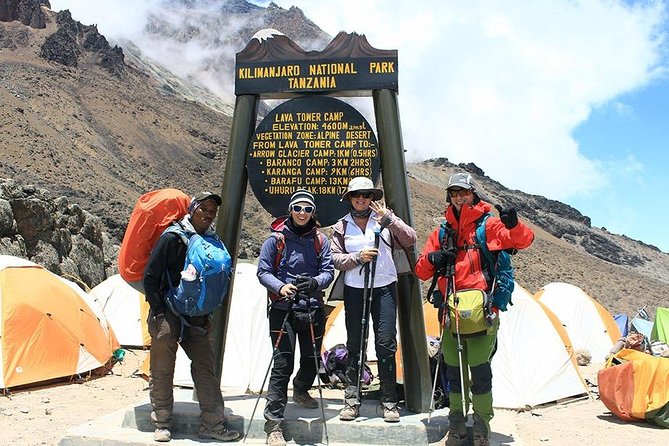
Day three is one of the most important days in the plan. From Shira Plateau, you head east along a ridge toward the Kibo summit area, then turn southeast toward Lava Tower, also known as the Shark’s Tooth. Lava Tower reaches about 4,650 meters.
The day covers approximately 10 kilometers and takes five to six hours. You then descend to Barranco Camp, which sits near 4,000 meters, roughly the same height as your starting point.
That apparent lack of progress is exactly why the day matters. You climb high during the day and sleep lower at Barranco, giving your body a chance to respond to altitude before summit night. This is not wasted walking. It is one of the route’s strongest features.
The terrain becomes rockier and more exposed, and the air will feel noticeably thinner than it did in the forest. You should walk slowly and tell your guide if you feel unwell. Emergency oxygen is carried for emergencies only. It is not provided as a shortcut or summit aid.
Barranco Camp also positions you for the Barranco Wall on day four. The name sounds intimidating, but the key point is that the route becomes steeper and more hands-on in places. Your guide and assistant guides are especially important here. The company’s guides, including people praised by name such as Justin and Frazier, have been singled out for their professionalism, communication, and mountain skills.
More treks in Moshi:
- Private Kilimanjaro Hike 7 Day Lemosho Route
★ 5.0 · 60 reviews - Best Kilimanjaro hiking day trip tour with Kilinge Adventures
★ 4.5 · 54 reviews - #1. Best Kilimanjaro Day hike Tour-Machame Route-ISMANI
★ 4.2 · 47 reviews - Best Kilimanjaro Adventure 7 days Machame route Trekking
★ 5.0 · 42 reviews
Day 4: Barranco Wall to Barafu at 4,673 meters
Day four covers about nine kilometers and takes seven to nine hours. You leave Barranco after breakfast and climb the Barranco Wall before reaching Karanga Valley.
From Karanga, the route connects with the Mweka Trail and continues upward to Barafu. The day finishes around 4,673 meters, in alpine desert terrain. The itinerary describes the upper camp area as the Barafu Hut or Barafu Stella Trail area, but your practical concern is simple: this is your high camp before the summit attempt.
The route has now completed the South Circuit, giving you views of Kibo and Mawenzi from different angles. These two volcanic peaks help you understand the mountain’s shape and make the approach feel more dramatic than a single straight ascent.
Barafu is a functional place, not a relaxing resort. You eat dinner, rest, and prepare for a midnight start. Pack the clothing and small items you need for the summit before trying to sleep. You will not want to sort through every bag in the dark.
This is also where the value of the support team becomes clear. A guide, assistant guides, porters, and cook are included, along with tents, sleeping mattresses, tables, chairs, and meals. A hot wash each day is a modest comfort, but at altitude it can make camp feel much more civilized.
Day 5: Stella Point and Uhuru Peak
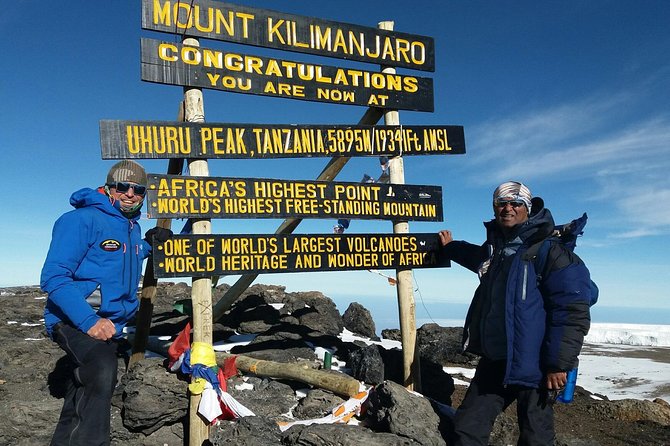
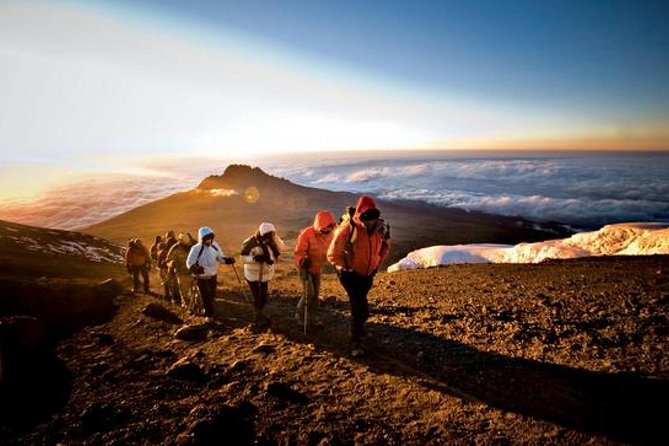
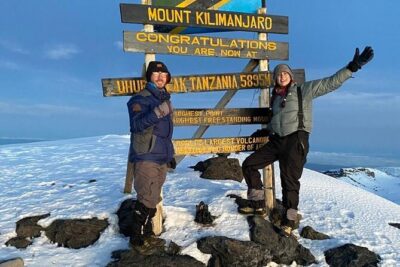
Summit day is the test. You start around midnight and climb toward Stella Point at 5,756 meters. From there, you continue to Uhuru Peak, the highest point in Africa, at 5,895 meters.
The full day covers about 17 kilometers and takes 11 to 14 hours. The itinerary gives a total elevation line from roughly 4,673 meters to 5,895 meters, then down to about 3,068 meters at Mweka Camp.
The midnight start is practical. It gives you time to reach the summit, celebrate briefly, and begin the long descent before night returns. It is also the coldest and most tiring section of the trip, so gloves, warm layers, and careful pacing matter.
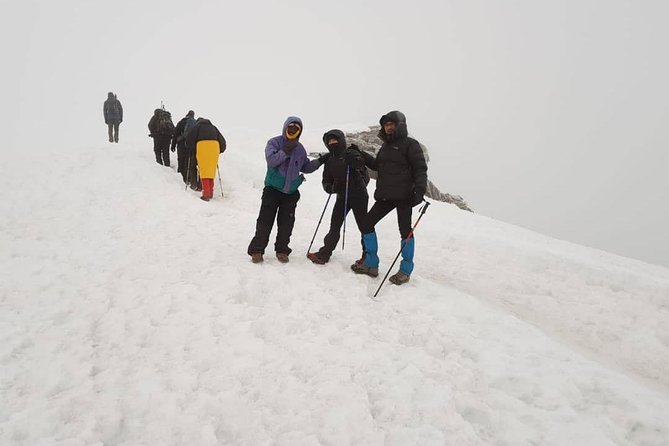
The final stretch from Stella Point to Uhuru Peak may look modest on a map, but altitude makes every step harder. You should expect a slow, steady rhythm rather than a fast hike. Reaching the summit sign is a major achievement, but the day is only partly finished. You still have to descend to Mweka Camp.
That descent can be rough on tired knees. Trekking poles are useful, and you should not treat the downhill as an easy finish. The overnight at Mweka gives you a proper mountain stop before the final walk out.
Day 6: Mweka Trail and the return to Moshi
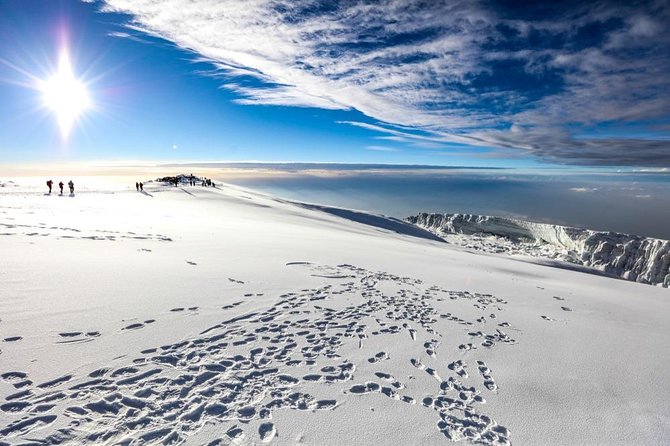
The last day descends from about 3,090 meters to 1,680 meters through the Mweka Trail. The walk covers around 10 kilometers and takes three to four hours.
The lower trail can be wet and muddy. Gaiters and trekking poles are specifically recommended, and rain gear should remain within reach. At this lower altitude, shorts and a T-shirt may be comfortable, but keep warmer clothes available because mountain weather can change.
You continue to Mweka Park Gate, where you receive summit certificates. After that, you walk for about another hour to Mweka Village, where a vehicle meets you for the roughly 30-minute drive back to your Moshi hotel.
This final transfer is important. After the summit day and descent, you will appreciate not having to arrange your own transport from the village. The package also includes return transfers between Kilimanjaro Airport and Moshi, which simplifies both ends of the trip.
What the $2,253 price really covers
At $2,253 per person, the cost is not just a guiding fee. The package includes:
- Qualified mountain guide and assistant guides
- Porters and cook, including their wages
- Camping tents, chairs, tables, and sleeping mattresses
- Fresh drinking water and hot water for a daily wash
- Five breakfasts and five dinners
- Six lunches
- Emergency oxygen and a basic first aid kit
- All fees and taxes
- Airport transfers between Kilimanjaro Airport and Moshi
That makes the price easier to assess. You are paying for a staffed mountain camp, food logistics, transport, and the equipment needed to support a six-day climb. The included hot water and fresh drinking water are particularly useful comforts in a remote setting.
The exclusions still matter. Flights, visas, travel insurance, health insurance, personal medication, water-purifying tablets, snacks, unspecified drinks, personal hiking gear, and tips are not included. A portable toilet is optional but strongly recommended, so ask about its cost before you go.
You can rent personal trekking gear from an equipment store in Tanzania. That may help if you do not want to buy specialist clothing, but confirm what is available before relying on local rental. A proper insurance policy for trekking at high altitude is also your responsibility.
Guides, porters, and the human side of the climb
The strongest praise for this operation centers on the mountain crew. Justin is specifically credited with helping make a successful climb possible, while Frazier and the wider team are praised for organization, responsibility, communication, and local mountain skills.
That matters more than polished office communication. On Kilimanjaro, your guide controls the pace, watches how you are coping, explains the route, and helps you make sensible choices when conditions become difficult. Assistant guides add support during long or steep sections.
The company has also handled large arrangements, with one account describing nearly 70 climbers being accommodated from Moshi through the mountain program. That suggests useful operational experience, though your exact group size is not stated and the activity itself is private for your group.
Porters and the cook are central to the experience. They carry camping supplies, help establish camp, and prepare the included meals. You should plan to bring cash for gratuities, since tips are not included and are an important part of the mountain budget.
Who should book this climb?
I would recommend this route to someone who wants the classic Kilimanjaro experience with major scenery and a clear support structure. It suits an active person who can walk for five to nine hours on several days and handle one very long summit day.
It may also suit you if you prefer a private group. That format can make it easier to communicate with your guide and keep the pace suited to your party, although the information does not specify how many people your private group may include.
I would hesitate to recommend it to anyone looking for a relaxed holiday or a short high-altitude walk. The summit day alone can last up to 14 hours, and the route reaches nearly 5,900 meters. Moderate fitness is required, but your attitude, pacing, preparation, and response to altitude are just as important.
Small practical details that matter
Pickup is offered, and the listed meeting point is in Moshi Urban. The activity begins and ends at the meeting point, with airport transfers included between Kilimanjaro Airport and Moshi.
Confirmation is provided at booking. The listed operating period runs from March 26, 2020 through June 18, 2026, Monday through Sunday, with hours shown as midnight to 11:30 p.m. Confirm the exact start time with the operator because the summit schedule begins around midnight on day five.
You can cancel for a full refund if you do so at least three full days before the local start time. Cancellations or changes made inside that period are not accepted for a refund.
Should you book the 6-day Machame Route?
Book it if you want a scenic, demanding Kilimanjaro climb with meals, camping, transport, and a full mountain crew arranged in advance. The day-three Lava Tower and Barranco plan is a real strength, and the route gives you more visual variety than a simple uphill march.
Think twice if you need a slower altitude schedule, dislike camping, or are not prepared for an 11 to 14-hour summit day. Before paying, confirm gear rental, portable toilet arrangements, tipping expectations, insurance requirements, and the exact size of your private group.
For a fit and prepared climber who values strong guide support and varied scenery, the $2,253 package offers solid practical value. It is still a serious mountain expedition, not a sightseeing tour with a summit attached.
FAQ
Where does the Kilimanjaro trek start?
The meeting point is in Moshi Urban, Tanzania. Pickup is offered.
Where does the activity end?
The activity ends back at the meeting point in Moshi. After the final descent, a vehicle drives you from Mweka Village to your Moshi hotel in about 30 minutes.
How long is the trek?
The experience lasts approximately six days.
What is the highest point reached?
The route reaches Uhuru Peak at 5,895 meters, the highest point in Africa.
How long is the summit day?
Day five takes approximately 11 to 14 hours and covers about 17 kilometers.
Is the tour private?
Yes. Only your group participates in this private activity.
Are airport transfers included?
Yes. Return transfers between Kilimanjaro Airport and Moshi are included.
Are meals included?
Yes. The package includes five breakfasts, five dinners, and six lunches. Meals and drinks not specified are excluded.
Is camping equipment provided?
Yes. Tents, camp chairs, tables, and sleeping mattresses are included.
Is personal hiking gear included?
No. Personal hiking and trekking gear is not included, though gear rental is available from equipment stores in Tanzania.
Just added in Moshi
- Zanzibar: Stone Town tour and Nakupenda beach with Lunch★ 5.0 · 1 review
- day trip lake manyara★ 5.0 · 2 reviews
- Mt Kilimanjaro 6 days Marangu route hike★ 5.0 · 3 reviews
- machame route★ 5.0 · 16 reviews
- Wildlife Extravaganza: Manyara, Tarangire & Ngorongoro in 3 Days★ 5.0 · 3 reviews
- Private Cycle to Kilimanjaro Bike Park Safari★ 5.0 · 6 reviews
- West Kilimanjaro cycling Adventures★ 4.5 · 8 reviews
- 3 Days Private E-Bike Tour in West Kilimanjaro★ 5.0 · 3 reviews
Machame Route Climbs, compared.

Climbing Kilimanjaro through 7 days Machame Route
Read our review →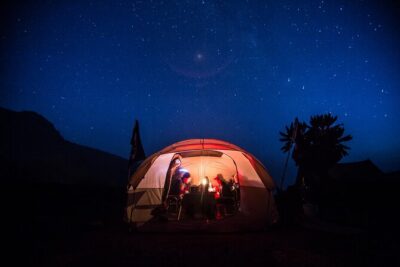
7-Day Machame Kilimanjaro Summit Tour from Arusha
Read our review →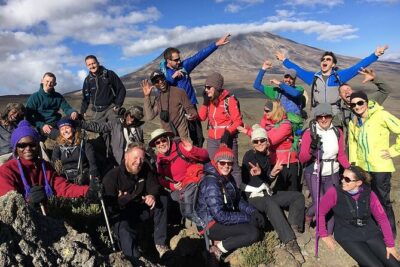
7 Days Kilimanjaro via Machame route affordable price
Read our review →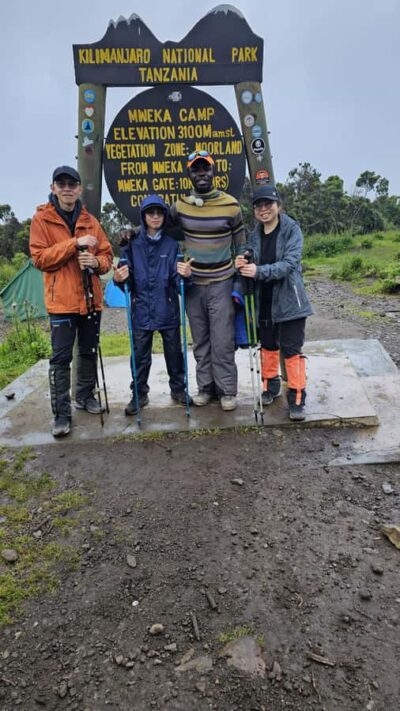
#1. Best Kilimanjaro Day hike Tour-Machame Route-ISMANI
Read our review →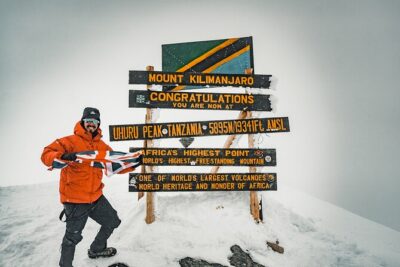
The Best of Machame Route in 6 Days: Your World’s Summit Guide
Read our review →Browse the lists this tour appears in