
Reviewed · 6-DAY EXPERIENCES
6-Day Safari in Tanzania’s Northern Parks
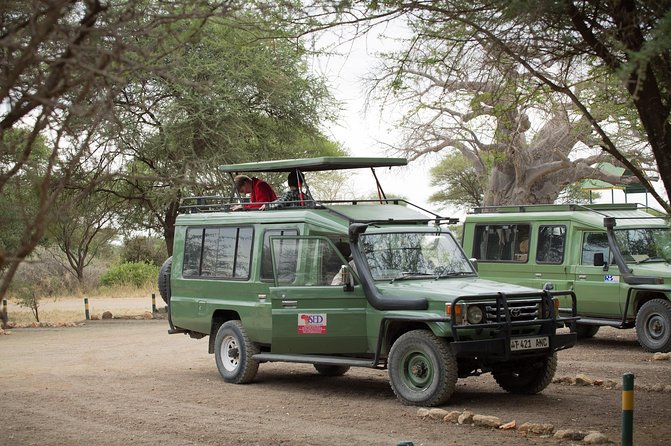
Five parks, six days, one big wildlife sprint. This safari gives you a wide look at northern Tanzania, from the wooded slopes of Arusha National Park to the open plains of Serengeti and the bowl of Ngorongoro Crater. I like the pop-up-roof 4WD, which makes wildlife watching easier, and I like the broad route, especially the chance to combine Tarangire’s elephants, Manyara’s birdlife, Serengeti’s open country, and Ngorongoro in one trip.
The main trade-off is pace. You cover a lot of ground in six days, and several days involve long transfers followed by game viewing. The camping setup also requires you to bring your own sleeping bag, so this is a practical safari rather than a polished luxury holiday.
In This Review
- Key points at a glance
- Is $2,987 good value for six days?
- Arrival in Arusha and the first night
- Day 1: Arusha National Park’s compact introduction
- Day 2: Tarangire and close elephant country
- Day 3: Lake Manyara with two game-viewing periods
- Day 4: The long road to Serengeti
- Day 5: Serengeti to the Ngorongoro rim
- Day 6: A full day inside Ngorongoro Crater
- What the 4WD and group size mean
- Meals, water, and camping comfort
- Who should book this safari?
- Final verdict: a strong route for a short safari
- FAQ
- Where does the safari start?
- Which parks and areas are included?
- Is airport transfer included?
- What type of vehicle is used?
- Are meals included?
- Is drinking water included?
- Do I need to bring a sleeping bag?
- Are extra activities included?
Key points at a glance
- Elephants can be remarkably close: Tarangire and Lake Manyara are especially promising for close views, with reported elephant sightings only 3 to 6 meters from the vehicle.
- The route covers five major parks: Arusha, Tarangire, Lake Manyara, Serengeti, and Ngorongoro Crater all appear in the six-day plan.
- The pop-up roof matters: You can stand or sit higher in the 4WD, giving you a clearer view when animals are spread across open ground.
- The tour suits active safari beginners: Transport, meals, lodging, airport transfers, water, and a driver-guide are included.
- Camping is part of the experience: Most nights use large two-person tents with sewn-in ground sheets and foam mattresses, but you bring your own sleeping bag.
- The strongest value comes from the route: At $2,987 per person, you pay for a concentrated northern-circuit safari with many major sights included, not just a single park visit.
Is $2,987 good value for six days?
The price is $2,987 per person, and that needs to be judged against what is included. You receive airport transfers, a 4WD vehicle with a pop-up roof, accommodation, meals, mineral water, activities listed in the schedule, and an English-speaking driver-guide. Taxes, fuel surcharges, and service fees are also included.
That is a useful package for anyone who wants one booking to cover the main moving parts of a safari. You are not paying separately for every transfer or wondering if fuel costs will appear later. The value is strongest if you want to see several northern parks and prefer a guided trip over arranging vehicles, lodging, meals, and park travel yourself.
Still, this is not an inexpensive holiday. International flights, drinks, tips, Olduvai Gorge fees, a hot-air balloon ride, and flying doctors insurance are extra. The advertised insurance option costs $30 per person. You should also ask for the exact accommodation plan before paying, since several properties are listed as similar alternatives.
The six-day length explains part of the price, but it also creates the main limitation. You get variety rather than long, slow stays in one place. If your top goal is spending many days in the Serengeti, a longer trip may give you more time in the park and less time on the road.
A few more options to weigh up in Arusha
- Balloon Safari & Bush Breakfast in Serengeti – Miracle Experience
★ 5.0 · 1,646 reviews - Tanzania Classic – 7 Days
★ 5.0 · 1,151 reviews - 4 Days Group Camping Safari
★ 5.0 · 1,101 reviews
Arrival in Arusha and the first night
Your safari begins with a meeting at Kilimanjaro International Airport and a transfer to a hotel in Arusha. The first night is bed and breakfast, giving you a useful buffer after an international flight before the game drives begin.
That first night matters. Safari departures often start early, and arriving directly at a park after a long flight can make the first day tiring. Here, you can settle in, organize your gear, and prepare for the next morning.
The meeting point is in Arusha, so check the arrival arrangements carefully if you are already staying elsewhere in Tanzania. Airport transfers are included, but the supplied information does not give a specific pickup time or hotel confirmation for every booking.
Day 1: Arusha National Park’s compact introduction
The first full day heads to Arusha National Park with a packed lunch. You spend the day on game drives, stop for a picnic, then continue viewing wildlife before dinner and overnight accommodation at Impala Hotel or Karama Lodge, or a similar property.
Arusha National Park is a sensible opening stop because it offers a change of pace from the famous plains later in the trip. You may find forest, open areas, and mountain scenery in one park, making it a gentle introduction to northern Tanzania’s different settings.
The day is not simply a short transfer with a quick look around. The plan allows game viewing before and after lunch, so you have a full park day. At the same time, the first day begins the trip’s fast rhythm. You should expect a long day outdoors, with much of it spent in the vehicle.
Day 2: Tarangire and close elephant country
After breakfast, you travel to Tarangire National Park with a packed lunch. Game viewing continues through the day, with a picnic stop before the drive carries on into the late afternoon. Dinner and overnight accommodation are planned at Tarangire Roika Tented Lodge or a similar property.
Tarangire is one of the most memorable stops for close animal viewing. Reports from this safari include elephants feeding, urinating, and moving only 3 to 6 meters from the vehicle. That kind of encounter explains why a pop-up roof is valuable: you can watch from a better height without leaving the vehicle.
Another striking sight recorded on the route was a group of 11 giraffes and 9 elephants crossing a river in Tarangire. You cannot schedule a scene like that, but Tarangire gives you a strong chance of seeing large animals in a setting where the vehicle can often get a clear view.
The drawback is that this is another full day with a transfer, picnic lunch, and extended game drive. You will want a hat, sun protection, and patience. The wildlife may be excellent, but the schedule is not built around long breaks.
A different kind of day out entirely:
- 5 Days Group Camping Safari
★ 5.0 · 730 reviews - Materuni Waterfalls, coffee tour & Kikuletwa Hot Springs
★ 5.0 · 643 reviews - 3 Days Serengeti & Ngorongoro Group Camping Safari
★ 5.0 · 574 reviews - 7-Day Premium Luxury Tanzania Safari All-Inclusive
★ 5.0 · 426 reviews
Day 3: Lake Manyara with two game-viewing periods
Lake Manyara National Park comes next. After breakfast, you transfer to the park, stop for lunch, and return for a second half of game viewing. Dinner and overnight accommodation are planned at Manyara Bougainvillea Safari Lodge.
The split game-viewing schedule is useful. Instead of treating Manyara as a quick stop between larger parks, you get time before and after lunch. This gives the day more structure and leaves room for different sightings as conditions change.
Manyara is also another strong elephant stop. The reports of elephants feeding close to the 4WD are especially useful for setting expectations: the park can provide intimate views, not only distant animals on the horizon. You may also find that the park feels different from Tarangire because of its lake setting and more varied vegetation.
Do not judge Manyara only by the size of its animal list. Its value comes from contrast. After the open feel of Tarangire, you are seeing a park with water, woodland, and a more enclosed sense of place. The visit is relatively short in a six-day plan, but the second game-viewing session makes good use of the available time.
Day 4: The long road to Serengeti
Day four is the major transfer day. After breakfast, you travel toward Serengeti National Park through the Ngorongoro Conservation Area, carrying a lunch box and watching for wildlife along the way. Dinner and overnight accommodation are planned at Totorlis Camp or a similar camp.
This is where you need to be realistic about the trip. Serengeti is a major reason to book, but reaching it from the Manyara area takes time. The reward is that game viewing begins en route, so the drive is not treated as dead time.
The Serengeti changes the scale of the safari. Arusha, Tarangire, and Manyara offer varied habitats and closer viewing. Serengeti gives you broad open country and the sense that wildlife can be spread far beyond a single viewpoint.
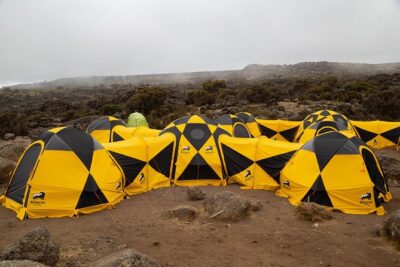
The accommodation here is important to clarify. Most lodging is described as modern, large two-person tents with sewn-in ground sheets and foam mattresses placed on top. You bring your own sleeping bag. If you want a lodge room every night, confirm the available upgrade or alternative before booking.
Day 5: Serengeti to the Ngorongoro rim
After breakfast, you leave Serengeti with a packed lunch and continue game viewing along the way to Ngorongoro Conservation Area. The route can include Olduvai Gorge, an important archaeological site associated with early human history, although the entry fee is not included.
This day gives you a final chance to see Serengeti before moving toward the crater. It is also another long day, combining wildlife watching with a substantial transfer. I would treat the journey itself as part of the experience, while accepting that you will not have an entire day in one section of Serengeti.
There is also an optional Maasai boma visit for an additional cost. This can add a cultural element to the trip, but ask exactly what the visit includes and what you will pay before agreeing. The supplied plan describes it as an option for seeing African life, traditions, and culture, so it should be considered a separate add-on, not a guaranteed part of the base price.
Dinner and overnight accommodation are planned at Ngorongoro Wildlife Lodge or a similar property on the crater rim. Staying near the rim positions you well for the final day, when you descend into the crater with your packed lunch.
Day 6: A full day inside Ngorongoro Crater
The final morning begins with breakfast and a descent into Ngorongoro Crater for a full day of game viewing. Lunch is taken as a picnic in the crater, either at the hippo pool or in Lerai Forest, before the evening drive back to Arusha for dinner and overnight accommodation at your hotel.
Ngorongoro is a fitting finale because the setting itself is unforgettable. The crater creates a contained wildlife area with open ground, woodland, and water. A full day gives you more than a quick viewpoint visit, and the picnic stops keep you close to the scenery rather than sending you back to a lodge for lunch.
The crater day can also be tiring. You have already completed several long drives, and the evening return to Arusha adds another stretch to the final day. If your onward flight leaves soon after the safari, confirm the timing carefully. The provided plan includes dinner and an overnight stay in Arusha, which is helpful, but your exact departure arrangements still matter.
What the 4WD and group size mean
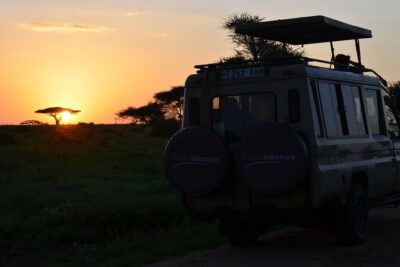
The vehicle has a pop-up roof designed to make wildlife spotting easier. That feature is more than a marketing extra. On open ground, a higher viewing position can help you look over grass and see animals that might be hidden from a normal car window.
The maximum group size is 12 people. That is not a private safari, and the quality of the experience can depend on how many people share the vehicle on your departure. A smaller group generally makes it easier to use the viewing space and ask questions, so ask about the expected number before booking if that matters to you.
A professional English-speaking driver-guide is included. No guide name is provided, so you should not expect to choose a particular person in advance. The guide will be central to the trip, handling the roads, park movements, and wildlife viewing decisions.
Meals, water, and camping comfort
Meals are included according to the schedule, with full board on the park days and buffet dinner listed among the highlights. Packed lunches are used on the game-drive days, which is practical because you are often away from the lodge for hours.
Mineral water is included at 1.5 liters per person per day. That is a helpful allowance, but you may want to confirm how additional water can be purchased if you need more, especially in warm conditions.
Vegetarian meals are available if you request them at booking. You should also provide any other dietary needs at that time. Drinks other than the included water are extra, including hot and cold drinks.
The camping arrangement is functional. Large two-person tents, sewn-in ground sheets, and foam mattresses offer more protection and comfort than sleeping directly on the ground. You still need your own sleeping bag, and this setup is best for someone who accepts basic safari camping rather than expecting a full hotel room each night.
Who should book this safari?
I would recommend this trip to you if you want a broad introduction to northern Tanzania in less than a week. It works especially well for first-time safari visitors who value having transport, lodging, meals, airport transfers, and a guide handled together.
It also suits people who care about wildlife variety. You get the chance to see elephants at close range in Tarangire and Manyara, explore Arusha National Park, reach Serengeti, and finish in Ngorongoro Crater.
I would think twice if you dislike long vehicle journeys, shared transport, packed lunches, or tent accommodation. The schedule is ambitious, and the trip is better understood as a concentrated safari circuit than a slow retreat.
The tour requires at least two people per booking, children must be accompanied by an adult, and the provider confirms bookings within 48 hours subject to availability. Most people can participate, but the schedule is physically demanding in a simple, practical way: early starts, long drives, outdoor meals, and several nights away from a standard hotel room.
Final verdict: a strong route for a short safari
I would book this safari if my priority were seeing the main northern parks in one well-organized trip. The close elephant encounters reported in Tarangire and Manyara are a major draw, while Serengeti and Ngorongoro give the trip its headline scenery and wildlife appeal.
I would not book it without clarifying the exact accommodation, group size, sleeping-bag requirements, Olduvai Gorge cost, and final-day timing. At $2,987, the package offers solid coverage, but the value depends on being comfortable with its brisk pace and camping style.
Choose it for variety, convenience, and a serious six-day wildlife schedule. Choose a longer or more private safari if you want slower mornings, more time in Serengeti, or a softer level of comfort.
FAQ
Where does the safari start?
The safari starts in Arusha, in Tanzania’s Arusha Region. Airport pickup is provided from Kilimanjaro International Airport.
Which parks and areas are included?
The route includes Arusha National Park, Tarangire National Park, Lake Manyara National Park, Serengeti National Park, Ngorongoro Conservation Area, and Ngorongoro Crater.
Is airport transfer included?
Yes. Airport transfers are included in the package.
What type of vehicle is used?
Transport is provided in a 4WD vehicle with a pop-up roof to make wildlife viewing easier.
Are meals included?
Yes. Accommodation and meals are included according to the schedule. Packed lunches are used on several game-drive days, and buffet dinner is included among the tour features.
Is drinking water included?
Yes. The tour includes 1.5 liters of mineral water per person per day. Hot and cold drinks are not included.
Do I need to bring a sleeping bag?
Yes. Most accommodation uses large two-person tents with sewn-in ground sheets and foam mattresses, and you are expected to bring your own sleeping bag.
Are extra activities included?
No. Olduvai Gorge fees, a hot-air balloon ride over Serengeti, tips, drinks, and flying doctors insurance are not included. A Maasai boma visit is also listed as an optional activity with an additional cost.
Just added in Arusha
- Safari “Kifaru” – 5 days in the most famous Parks in the world★ 5.0 · 4 reviews
- Saadani Day Trip★ 5.0 · 13 reviews
- 3 Days Tanzania Short and Spicy★ 5.0 · 6 reviews
- 5 Day Tanzania Safari Camping Adventure Private Tour★ 5.0 · 2 reviews
- Day Trip to Ngorongoro Crater from Arusha★ 5.0 · 1 review
- SERENGETI NATIONAL PARK Tour★ 4.5 · 5 reviews
- 6 Days Tanzania Bush Experience Safari★ 5.0 · 6 reviews
- 3 Days Serengeti Park & Ngorongoro Crater Adventure Safari★ 5.0 · 8 reviews
6-Day Experiences, compared.
Private 6-Day Tarangire Manyara Crater and Serengeti with Mid-Range Lodges
Read our review →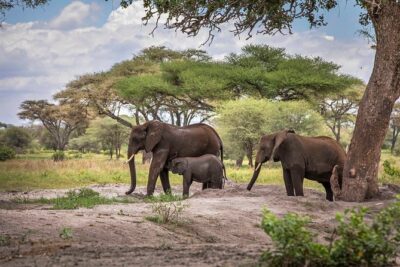
Browse the lists this tour appears in