
Reviewed · 6-DAY EXPERIENCES
6-Day Tanzania Adventures Safaris – Group Joining Camping Safaris
The best of northern Tanzania fits into six busy days. This safari links Tarangire, Serengeti, Ngorongoro Crater, and Lake Manyara in one small-group trip from Arusha, giving you elephants, migrating herds, crater scenery, and more than one chance at the Big Five.
I like the route because it covers four very different parks, and I like the small maximum group size of seven. The strongest personal touches also matter: Amani is quick to answer questions on WhatsApp, and guides such as Giovanni and Elias have been praised for spotting animals and explaining what you see. The main drawback is the pace. You spend long hours in the vehicle, and camping adds work and basic conditions after full days on rough park roads.
In This Review
- Key Points Before You Book
- Why This Six-Day Route Works
- Day 1: Tarangire’s Elephants and Baobabs
- Day 2: Crossing the Highlands Into the Serengeti
- Day 3: A Full Day in the Serengeti
- Day 4: One More Serengeti Drive, Then the Crater Rim
- Day 5: Down Into Ngorongoro Crater
- Day 6: Lake Manyara’s Forests, Hippos, and Birds
- What the $1,904.77 Price Really Covers
- Food, Guides, and the Human Side
- Who Will Enjoy This Safari Most?
- Is This Six-Day Safari Worth Booking?
- FAQ
- Where does the safari start and finish?
- How many people can join the group?
- Which national parks are included?
- Is camping equipment provided?
- Are meals included?
- Are flights and the Tanzanian visa included?
Key Points Before You Book
- Four major parks in six days: Tarangire, Serengeti, Ngorongoro Crater, and Lake Manyara give you a wide sample of northern Tanzania.
- Small group format: The group is capped at seven people, a useful size for shared game drives without a large coach.
- Three Serengeti game-drive periods: You have an afternoon or crossing day on Day 2, a full day on Day 3, and another morning drive on Day 4.
- Camping equipment is included: Tents, sleeping mats, chairs, tables, and park fees are covered, along with meals and a 4×4 safari vehicle.
- Strong staff feedback: Giovanni and Elias are praised as safari guides, while Joaquin and Prospe receive warm comments for their cooking.
- Good value for a full northern circuit: At $1,904.77 per person, the price includes the main park and camping costs, but not flights, visa, tips, or personal spending.
Why This Six-Day Route Works
Northern Tanzania is not one single safari setting. Tarangire has baobabs and elephants. The Serengeti gives you wide plains and predator country. Ngorongoro packs animals into an enormous volcanic crater. Lake Manyara adds forest, cliffs, birdlife, and a final game drive before Arusha.
That variety is the chief reason to choose this trip. You do not spend six days looking at the same type of scenery. You also get several chances to see familiar animals in different habitats, from elephants under baobabs to hippos near water and lions near open grassland.
The trade-off is distance. The route covers a lot of ground, and the listed driving and game-drive days run about six to nine hours. This is not a lazy lodge holiday. You will leave early, sit in a safari vehicle for long stretches, and spend nights at campsites rather than returning to a city hotel.
The small group helps. A maximum of seven people means fewer voices in the vehicle and a better chance of finding a comfortable viewing position. It also means the group dynamic matters. One solo woman described the arrangement as especially comfortable, with a friendly group and helpful staff. That is a useful sign for anyone booking alone, though no shared trip can guarantee a perfect mix of personalities.
A few more options to weigh up in Arusha
- Balloon Safari & Bush Breakfast in Serengeti – Miracle Experience
★ 5.0 · 1,646 reviews - Tanzania Classic – 7 Days
★ 5.0 · 1,151 reviews - 4 Days Group Camping Safari
★ 5.0 · 1,101 reviews
Day 1: Tarangire’s Elephants and Baobabs
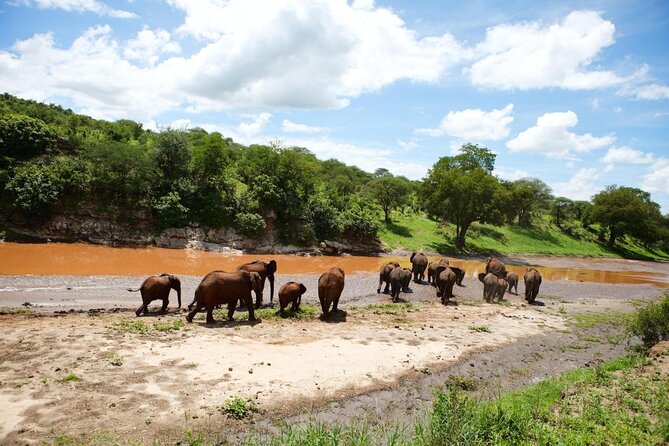
The safari begins with a morning drive from Arusha to Tarangire National Park. The park is famous for large elephant herds, and its mix of savannah, baobab trees, and seasonal swamps creates a strong first day of wildlife viewing.
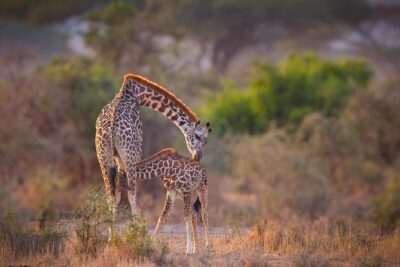
You may see hartebeests, buffaloes, zebras, giraffes, antelopes, and many bird species. Tarangire is also one of the better places in East Africa for watching elephants at close range because many of them are accustomed to safari vehicles.
I like starting here. Tarangire feels different from the Serengeti, and it gives you an early introduction to the scale of Tanzania without using the first day only for a long transfer. The giant baobabs also make this a particularly memorable setting for photographs.
The schedule allows about seven hours, including the park visit and travel to the campsite outside the park. Lunch and dinner are included. You should expect a full day, not a quick afternoon outing, and you may arrive at camp ready for an early night.
Day 2: Crossing the Highlands Into the Serengeti
Day 2 takes you through Tanzania’s northern highlands, where corn, coffee, and wheat are grown, before reaching Serengeti National Park. The change in scenery is part of the experience. You move from cultivated uplands into open country often associated with classic East African safari images.
Serengeti means endless plains in the language of the Maasai. Once the grassland opens up, the name makes sense. Rocky kopjes break up the plains, and predators may use these high points to watch for prey.
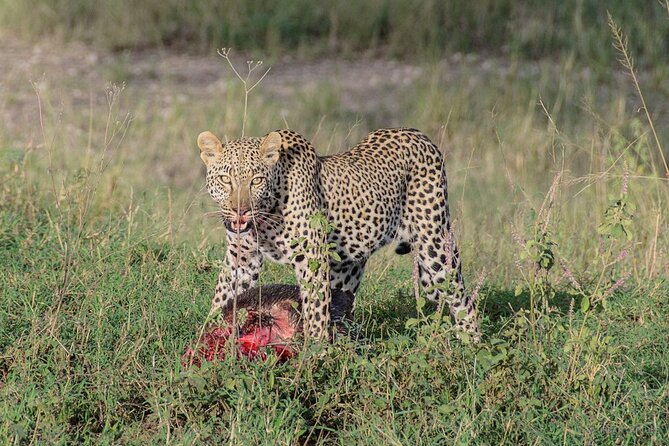
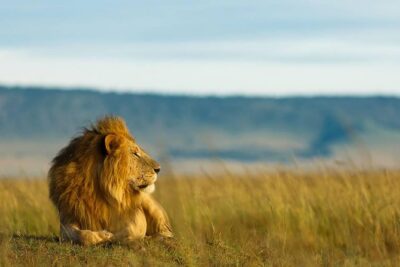
This is the first of several Serengeti game-drive opportunities. The day is listed at about eight hours, so you should not expect to reach camp early. The reward is access to one of Africa’s best-known wildlife areas, where you might see lions, cheetahs, leopards, elephants, buffaloes, zebras, and wildebeest.
The great migration follows rain, not a fixed calendar. From November and December, herds move from the north toward the southern plains. During the longer rains from April to June, they return north. You can see substantial herds outside those periods too, but the exact sighting depends on the season and the animals’ movement.
Day 3: A Full Day in the Serengeti
Day 3 is the most focused wildlife day. Instead of packing up for another major transfer, you spend the entire day on game drives in the Serengeti. That extra time matters because animals do not follow a schedule made for visitors.
The park contains impalas, buffaloes, crocodiles, hippos, and large populations of wildebeest and zebra. Predators often make the day especially exciting. Lions may be easier to find than leopards or cheetahs, but the possibility of all three keeps the drives engaging.
The stated schedule runs about nine hours, with breakfast, lunch, and dinner included. You spend the night at a campsite in the Seronera area, a central part of the Serengeti. For many people, this will be the core of the safari: a long day outside, a lot of animal tracking, and no rush to leave the park after only a few hours.
Guide quality matters most here. Giovanni received particular praise for continuing to look for wildlife until the last moments of the day. That kind of persistence can make a difference, especially when a leopard, lion, or cheetah is just outside the obvious viewing area. Elias was also described as highly experienced and willing to answer detailed questions, even if he was not especially talkative without being asked.
So ask questions. Why is the vehicle stopping? What behavior are you watching? Which tracks or calls matter? A quiet guide may still be an excellent guide if you invite that knowledge into the conversation.
A different kind of day out entirely:
- 5 Days Group Camping Safari
★ 5.0 · 730 reviews - Materuni Waterfalls, coffee tour & Kikuletwa Hot Springs
★ 5.0 · 643 reviews - 3 Days Serengeti & Ngorongoro Group Camping Safari
★ 5.0 · 574 reviews - 7-Day Premium Luxury Tanzania Safari All-Inclusive
★ 5.0 · 426 reviews
Day 4: One More Serengeti Drive, Then the Crater Rim
Day 4 begins with an early breakfast and another Serengeti game drive. You may have one last chance at the Big Five: lion, elephant, buffalo, rhino, and leopard.
The phrase Big Five can make safari sound like a checklist, but the real pleasure is watching animals behave naturally in an unfenced setting. Sightings are never promised, especially for rhino and leopard. The open reserves allow animals to move freely, which makes every sighting more exciting and less predictable.
After the morning drive, you travel toward Ngorongoro Crater. The schedule takes about eight hours, so this is both a wildlife morning and a transfer day. By evening, you reach a campsite on the crater edge, where sunset views can be spectacular.
The crater rim is one of the cleverest stops on the route. You get your first view of the crater before entering it the next morning, which gives the experience a useful sense of build-up. The orange light over the rim and the sight of streams and grassland far below can be as memorable as the animals.
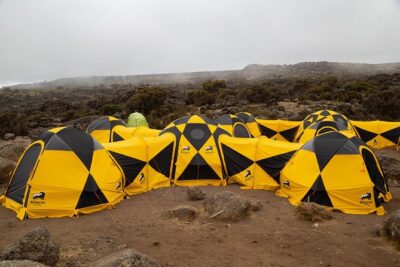
Camping at this height and location is also the point when you should remember what you booked. This is a camping safari, not a luxury tented lodge. One group received private rooms in the Serengeti and Manyara, but that was described as a surprise rather than a promised feature. Do not count on it when comparing this trip with lodge-based safaris.
Day 5: Down Into Ngorongoro Crater
Early risers get the best chance to see sunrise over the crater rim. After breakfast, you take the track down into the crater for a game drive lasting about six hours.
Ngorongoro Crater is around 610 meters deep and covers about 260 square kilometers. Its enclosed setting supports a large animal population, so you may see wildebeest, zebras, gazelles, elephants, and many bird species within a relatively compact area.
This is often the most efficient wildlife day. In a short period, you might see several species without covering the huge distances required in the Serengeti. The crater can also offer a chance to see the endangered black rhino, though no safari operator can promise that sighting.
The shorter listed duration does not mean the day feels light. There is an early start, the descent and ascent on a rough track, and a return toward the Arusha area. Breakfast, lunch, and dinner are included, and the crater entry fee is included as well.
One practical point: keep your expectations flexible. Ngorongoro can produce an astonishing number of sightings, but it is still a wild place. Weather, animal movement, and road conditions shape the day.
Day 6: Lake Manyara’s Forests, Hippos, and Birds
Lake Manyara National Park is the final stop before returning to Arusha in the early evening. The shallow alkaline lake covers about 200 square kilometers, while the park around it shifts between grassy plains, woodlands, and baobab-dotted cliffs.
This variety makes Manyara a good closer. You may see baboons, elephants, hippos, wildebeest, and more than 400 bird species. Flamingos may appear near the lake, and the park is also known for tree-climbing lions.
The tree-climbing lions are an appealing possibility, not a guarantee. The same applies to flamingo concentrations and any specific animal. Manyara is smaller than the Serengeti, but that does not make it unimportant. It offers a different type of game drive, with primates and forest scenery replacing the open plains.
The day runs about seven hours, including the drive back to Arusha. Lunch is included. Since this is the final day, you should expect to spend much of it in the vehicle before arriving back in town in the early evening.
What the $1,904.77 Price Really Covers
At $1,904.77 per person, this safari is a substantial purchase, but the comparison should be with other multi-day northern Tanzania safaris, not with a single park day.
The price includes:
- National park fees
- Camping according to the route
- An English-speaking professional guide
- A custom-built 4×4 safari vehicle and fuel
- Tents, sleeping mats, chairs, and tables
- Five breakfasts
- Five dinners
- Six lunches
That package covers the expensive core of a Tanzania safari. Park fees alone can make a major difference, and the included camping gear saves you from bringing a full outdoor kit. Meals also matter because the route keeps you away from ordinary restaurants for much of the trip.
You still need to budget for international flights, a Tanzanian visa, tips, laundry, communication, souvenirs, and other personal expenses. The tour starts and ends in Arusha, so you also need to arrange your own wider Tanzania plans around those points.
The value is strongest for someone who wants four parks in one trip and is comfortable with camping. If you prefer a private room every night, a slower pace, or long afternoons at a lodge, the price may not feel like a bargain because the real cost is comfort and time, not only money.
Food, Guides, and the Human Side
The staff comments are unusually specific. Giovanni is praised for his animal-spotting effort, while Elias is described as experienced, friendly, and happy to answer questions. Amani handled communication quickly through WhatsApp, which is useful when you are comparing safari plans or clarifying details before paying a deposit.
The cooking also receives repeated praise. Joaquin and Prospe are both mentioned warmly, and one solo participant said the food was very good. That is important on a camping route, where meals can shape the whole mood after a long drive.
The exact staff assigned to your departure may differ. Still, these details suggest that the company’s strengths are not limited to moving people between parks. Good guiding and reliable camp cooking are central to a safari, and both receive strong emphasis here.
Who Will Enjoy This Safari Most?
I would recommend this trip to a solo visitor, a couple, or a small group that wants a broad northern Tanzania experience without arranging each park separately. The maximum of seven people is a good fit for anyone who wants shared costs but does not want to sit on a large bus.
It also suits people who put wildlife ahead of comfort. You need to accept early breakfasts, long drives, basic campsites, and changing conditions. The reward is more time in the parks and a route that includes several of Tanzania’s most important wildlife areas.
Families and older visitors may still enjoy it, since most visitors can participate, but the long days and camping conditions deserve honest thought. The provided information does not promise special mobility arrangements or a slower schedule.
Book it if you want variety, strong park coverage, and a practical camping setup. Think twice if you want guaranteed migration sightings, private rooms, or a relaxed lodge holiday.
Cancellation is free if you cancel at least 24 hours before the start time. If the minimum group size is not met, the operator offers another date or experience, or a full refund.
Is This Six-Day Safari Worth Booking?
For the right person, yes. The route gives you Tarangire’s elephants, three substantial Serengeti viewing periods, a crater descent, and a final Manyara game drive. That is a lot of northern Tanzania in six days.
I would choose it for the small group, included park fees, and the chance to spend a full day in the Serengeti. I would avoid it only if camping and long vehicle days sound like a chore. The price is fair for the number of parks and included services, but the real bargain comes from being ready for a busy, basic, wildlife-first adventure.
FAQ
Where does the safari start and finish?
The safari starts in Arusha at 7:30 am and ends back at the meeting point in Arusha.
How many people can join the group?
The tour has a maximum of seven participants.
Which national parks are included?
The route includes Tarangire National Park, Serengeti National Park, Ngorongoro Crater, and Lake Manyara National Park.
Is camping equipment provided?
Yes. The package includes tents, sleeping mats, chairs, tables, and other camping equipment needed according to the route.
Are meals included?
Yes. Six lunches, five breakfasts, and five dinners are included.
Are flights and the Tanzanian visa included?
No. International flights and the Tanzanian visa are not included. Tips, laundry, communication, souvenirs, and personal spending are also separate costs.
Just added in Arusha
- Safari “Kifaru” – 5 days in the most famous Parks in the world★ 5.0 · 4 reviews
- Saadani Day Trip★ 5.0 · 13 reviews
- 3 Days Tanzania Short and Spicy★ 5.0 · 6 reviews
- 5 Day Tanzania Safari Camping Adventure Private Tour★ 5.0 · 2 reviews
- Day Trip to Ngorongoro Crater from Arusha★ 5.0 · 1 review
- SERENGETI NATIONAL PARK Tour★ 4.5 · 5 reviews
- 3 Days Serengeti Park & Ngorongoro Crater Adventure Safari★ 5.0 · 8 reviews
- 6 Days Tanzania Bush Experience Safari★ 5.0 · 6 reviews
6-Day Experiences, compared.
Private 6-Day Tarangire Manyara Crater and Serengeti with Mid-Range Lodges
Read our review →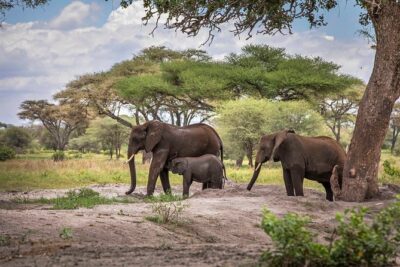
Browse the lists this tour appears in