
Reviewed · 6-DAY EXPERIENCES
6-Day Tanzania Safari Experience – Midrange
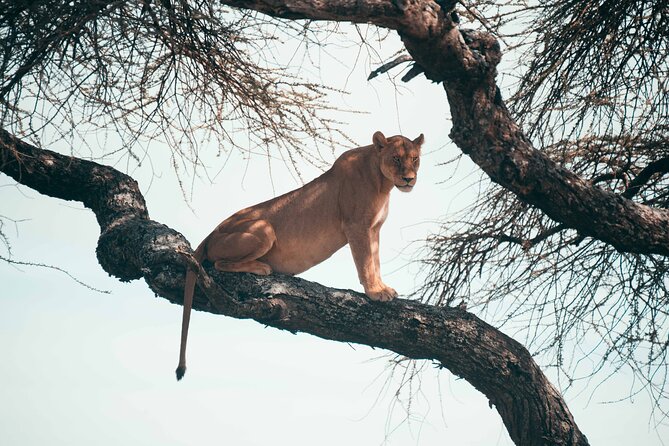
Wildlife is the main event here.
This private safari gives you a strong introduction to northern Tanzania, with time in Tarangire National Park, the Serengeti, and Ngorongoro Crater. I like the way the price includes park fees, accommodation, meals, airport transfers, bottled water, and a 4×4 vehicle with a pop-up roof. I also like the private format, since you travel only with your own group and can benefit from personal attention from the guide.
The main point to check is the timing. The experience is described as six days, but one part of the material calls it a nine-day tour. The daily schedule clearly runs from Day 1 through Day 6, so confirm the exact dates and nights before paying. The route also involves long drives, making this a rewarding but fairly active safari rather than a slow, luxury retreat.
In This Review
- Quick points to know before booking
- What this six-day route does well
- Day 1: A practical start in Arusha
- Day 2: Tarangire’s elephants and baobab trees
- Day 3: Reaching the Serengeti
- Day 4: A morning drive, picnic lunch, and the road to Ngorongoro
- Day 5: Down into Ngorongoro Crater
- Day 6: Returning to Kilimanjaro International Airport
- What the $1,300 price really covers
- Comfort, fitness, and daily pace
- What the strongest customer feedback tells you
- Who should book this safari?
- Should you book it?
- FAQ
- How long is this safari?
- Where does the safari start and end?
- Is this a private tour?
- What meals are included?
- Are park fees and accommodation included?
- What happens if bad weather cancels the safari?
Quick points to know before booking
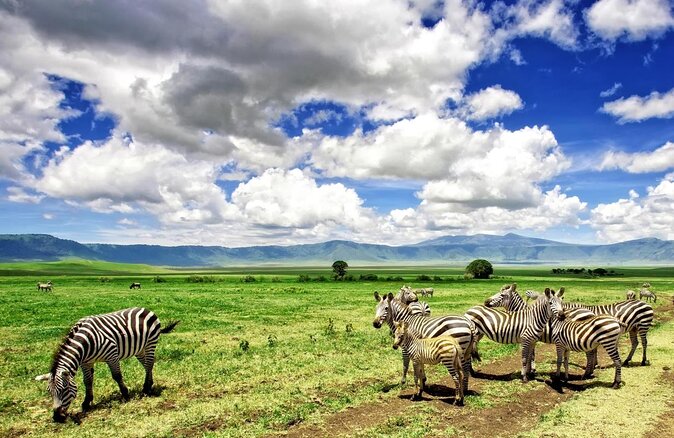
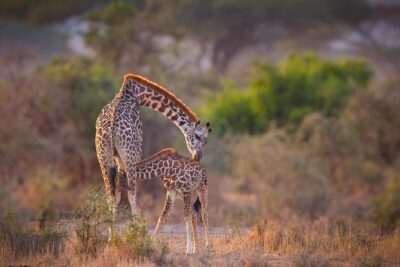
- Elephants and baobabs in Tarangire: This is the first major wildlife stop, with strong chances of seeing elephants, giraffes, zebras, and possibly lions among the park’s huge baobab trees.
- A full Serengeti day: You get an overnight stay at Acacia Serengeti Camp and a morning game drive before continuing toward Ngorongoro.
- Ngorongoro’s compact wildlife viewing: The crater offers a concentrated setting where you may see rhinos, lions, hippos, and many bird species.
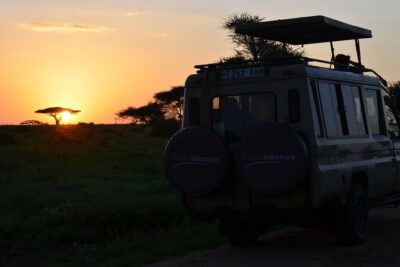
- Private travel in a safari Land Cruiser: Your group has its own vehicle, professional driver-guide, pop-up roof, and one pair of binoculars for the vehicle.
- Most major costs are covered: Park fees, crater fees, accommodation, meals, taxes, water, and transfers are included. Drinks, tips, visas, insurance, flights, laundry, and personal purchases are not.
- A consistently praised operator: Public feedback gives the company a 5 out of 5 rating with 100 percent recommendation from 16 submissions, with particular praise for guides such as Ally, Solomon, and Mackensie.
What this six-day route does well
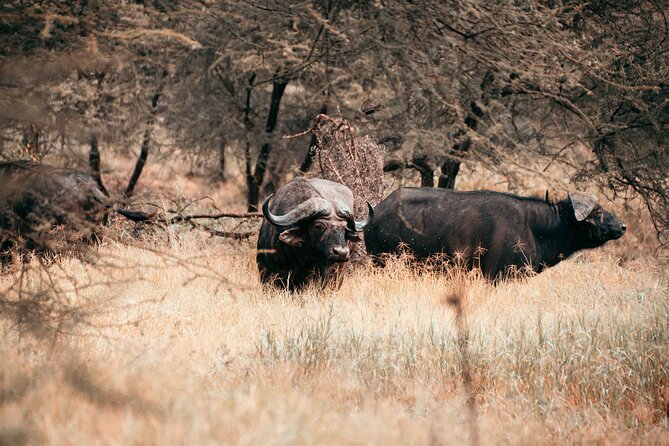
The route works because each park offers a different kind of safari setting. Tarangire is known for elephants and baobabs. Serengeti supplies the broad plains and predator sightings. Ngorongoro brings wildlife into a dramatic natural bowl where animal viewing can feel concentrated.
I like this progression. You begin with a gentler introduction near Arusha, then move into bigger and more famous wildlife areas. By the final full day, you are in Ngorongoro Crater, one of Tanzania’s most memorable settings for seeing animals at fairly close range.
The private arrangement matters. You do not share the vehicle with an unrelated group, and that can make a real difference when you want to stop for a sighting, ask questions, or adjust the pace. The included 4×4 has a pop-up roof, so you can look out across the park and watch animals without viewing everything through a side window.
The driver-guide will shape much of your safari. Names praised in the feedback include Ally, Solomon, and Mackensie. Ally was singled out for working hard to find animals during game drives. Mackensie was praised for patience, wildlife spotting, and helping make the parks feel accessible to the group. That kind of guide can turn an ordinary drive into a much better one.
A few more options to weigh up in Arusha
- Balloon Safari & Bush Breakfast in Serengeti – Miracle Experience
★ 5.0 · 1,646 reviews - Tanzania Classic – 7 Days
★ 5.0 · 1,151 reviews - 4 Days Group Camping Safari
★ 5.0 · 1,101 reviews
Day 1: A practical start in Arusha
Your safari begins with pickup at Kilimanjaro International Airport. That is useful if you are arriving directly in Tanzania and do not want to arrange a separate transfer into Arusha.
The first night is scheduled at Villa Maua Boutique Hotel. The purpose of this stop is simple: arrive, rest, and prepare for the road ahead. You are not using this day for wildlife viewing, so anyone arriving tired after a long international flight will probably appreciate the slower start.
The airport pickup and first hotel night also reduce the number of small arrangements you need to make yourself. You still need to handle your own flights, visa, and insurance, but once you reach the airport, the safari company takes responsibility for the listed transport.
Check the exact arrival and departure details carefully. The schedule assigns 12 hours to this day, but that does not mean you will spend 12 hours in a tour activity. It is best understood as an arrival and overnight day.
Day 2: Tarangire’s elephants and baobab trees
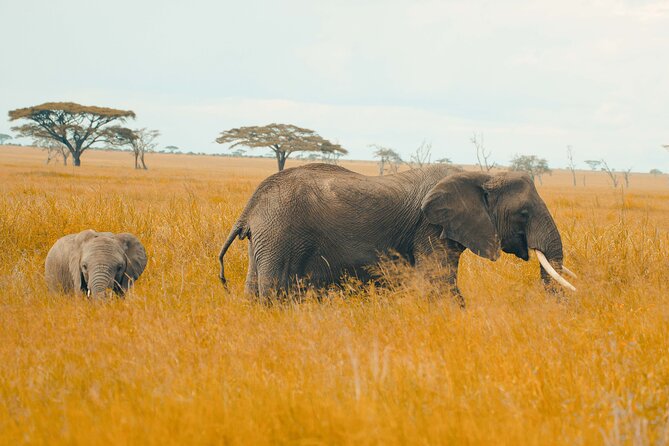
The first park day takes you from Arusha to Tarangire National Park. Tarangire is a fine opening act because it has a distinctive look and a strong reputation for elephants. The park’s large baobab trees give the scenery a character you will not confuse with the other stops.
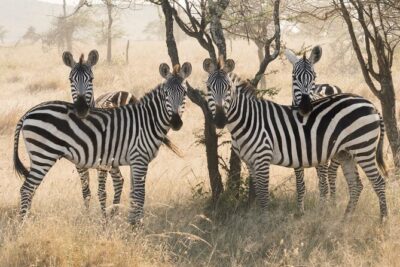
The animals listed for this drive include elephants, lions, zebras, and giraffes. The appeal is not only the number of species, but the setting. Elephants near old baobabs make for some of the most recognizable photographs in northern Tanzania.
You spend the night at Maramboi Tented Lodge. The supplied plan describes it as a comfortable place in the wild. Accommodation is included, so you do not need to budget separately for the room. Drinks at the lodge are extra, along with laundry and personal expenses.
This is also your first chance to settle into the safari rhythm. Game drives can mean early starts, long periods of watching, and stretches of road between sightings. The pop-up roof helps, and unlimited bottled water is included for the entire safari. Still, you should expect dust, heat, and plenty of time in the vehicle.
Day 3: Reaching the Serengeti
Day 3 takes you onward to Serengeti National Park, with an overnight stay at Acacia Serengeti Camp. The camp is described as being in the middle of the action, which puts you close to the park experience rather than back in a town.
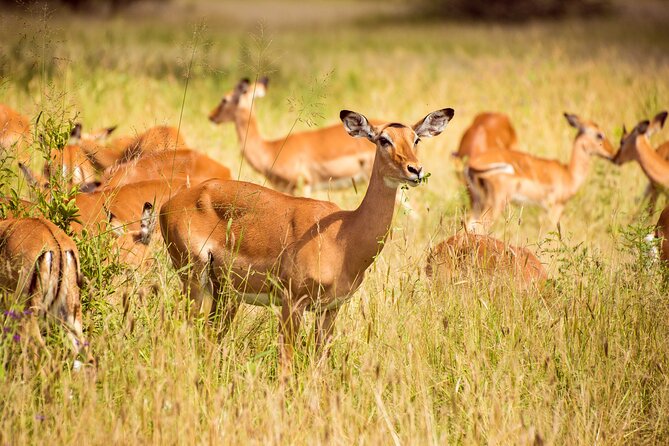
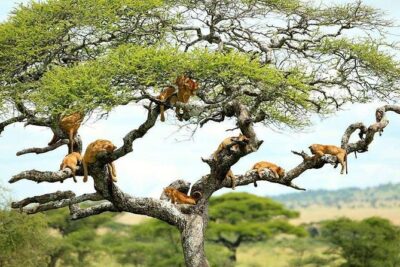
The Serengeti is the trip’s headline attraction. It is associated with the Big Five: lions, elephants, buffaloes, leopards, and rhinoceroses. You may also look for cheetahs, hyenas, and wildebeest. No safari can promise a particular animal sighting, but the range of species here gives your guide plenty to search for.
I appreciate that the schedule gives the Serengeti more than a quick pass-through. A short drive across the park can introduce you to the setting, but an overnight stay gives you more useful time for wildlife viewing. The following morning includes a game drive, so you are not simply arriving late and leaving at dawn.
The tradeoff is distance. Northern Tanzania’s parks are not next door to one another, and a route that includes Tarangire, Serengeti, and Ngorongoro requires substantial driving. If you want to cover all three, this is a sensible use of time. If you dislike long road journeys, ask about the precise driving schedule and whether the six-day plan can be adjusted.
A different kind of day out entirely:
- 5 Days Group Camping Safari
★ 5.0 · 730 reviews - Materuni Waterfalls, coffee tour & Kikuletwa Hot Springs
★ 5.0 · 643 reviews - 3 Days Serengeti & Ngorongoro Group Camping Safari
★ 5.0 · 574 reviews - 7-Day Premium Luxury Tanzania Safari All-Inclusive
★ 5.0 · 426 reviews
Day 4: A morning drive, picnic lunch, and the road to Ngorongoro
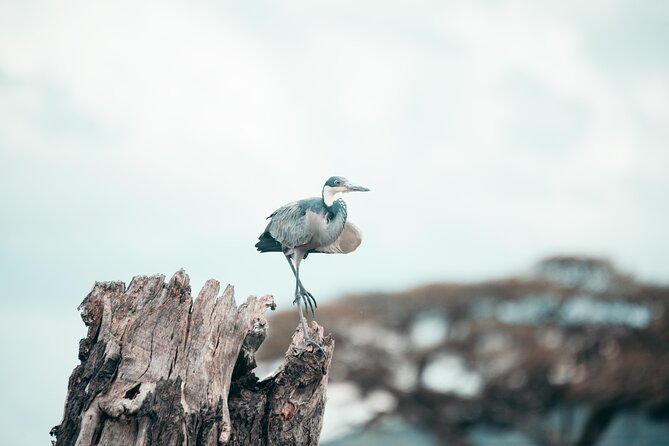
The day begins with an 8:00 a.m. morning game drive in the Serengeti. That gives you another opportunity to search for predators and grazing animals before leaving the park.
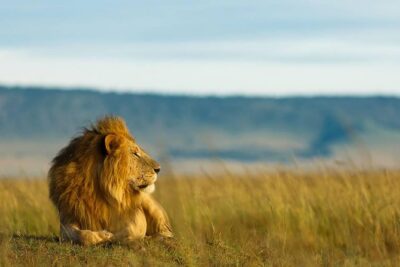
The Serengeti supports more than 1.6 million herbivores, along with thousands of predators. That does not guarantee a Big Five checklist, but it explains why the area can produce a wide range of sightings. The guide’s job is not only to drive. A good guide helps you understand animal behavior, habitat, and the reason a particular sighting matters.
After the game drive, you have a picnic lunch before traveling east toward Ngorongoro. This transition is one of the less glamorous parts of a safari, but it is necessary to connect the parks. Bring patience, keep your camera ready, and remember that the changing scenery is part of the trip.
You arrive at the Ngorongoro area and settle into the lodge while dinner is prepared. The plan does not name the accommodation for this night, so confirm it when booking. The following night is listed as Ngorongoro Coffee Lodge in Karatu, but the schedule should be checked carefully because the lodging sequence is not fully clear.
Day 5: Down into Ngorongoro Crater
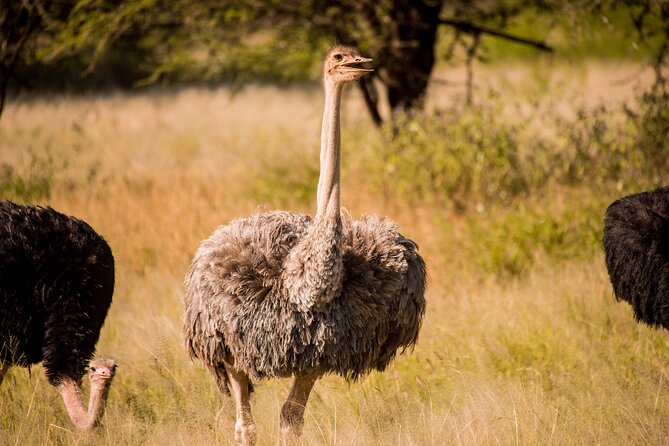
Ngorongoro Crater is the final major wildlife stop and one of the most dramatic parts of the route. You descend into a natural amphitheater filled with animal life, rather than searching across an enormous open plain.
The planned sightings include rhinos, lions, hippos, and many bird species. The crater’s enclosed shape can make wildlife viewing feel more concentrated than in the Serengeti, though nature remains unpredictable. You should treat the Big Five as a possibility, not a promise.
The day ends at Ngorongoro Coffee Lodge in Karatu. This gives you a comfortable final night before departure. The accommodation is included, as are dinner and the other meals specified by the program.
This is a good place to think about the difference between a safari lodge and a tented camp. The route uses both, with Villa Maua Boutique Hotel, Maramboi Tented Lodge, Acacia Serengeti Camp, and Ngorongoro Coffee Lodge named in the schedule. The trip is described as midrange, so you should expect comfort without assuming five-star service or a fully luxurious camp at every stop.
Day 6: Returning to Kilimanjaro International Airport
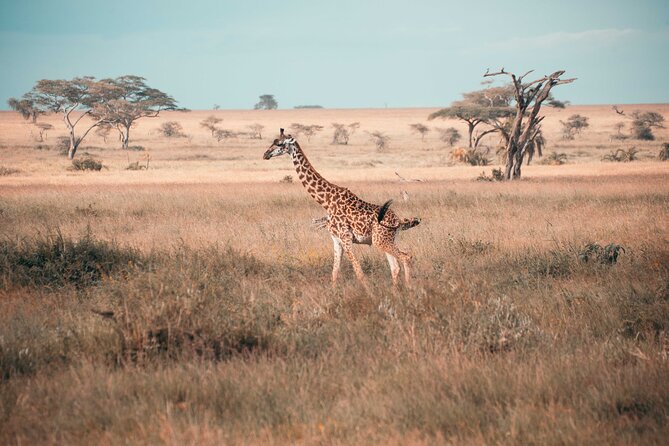
The final day takes you back to Kilimanjaro International Airport, where the activity ends at the original meeting point.
The exact transfer time depends on your departure details, so avoid booking a tightly timed onward flight unless the operator confirms the schedule. The included airport drop-off is convenient, especially after several days on the road.
The program includes six breakfasts, five lunches, and four dinners. That covers the main meals during the scheduled safari, but the number of meals also helps explain why you should confirm the exact overnight plan. Drinks at lodges and camps are not included.
What the $1,300 price really covers
At $1,300, the value depends on the final group arrangement, dates, and accommodation details, but the inclusions are substantial. The price covers:
- A private safari vehicle with a pop-up roof
- Professional driver-guide
- Airport pickup and drop-off
- Park entry, concession, transit, and crater fees
- All listed accommodation
- Activities in the program
- Unlimited bottled water
- One pair of binoculars per vehicle
- Breakfast, lunch, and dinner as specified
- Taxes and VAT
Park fees can make up a significant part of a northern Tanzania safari. Having those fees included makes the advertised price easier to understand and reduces the risk of unpleasant surprises.
You still need money for tips, drinks, laundry, personal items, flights, visa costs, and insurance. The suggested driver-guide tip is $15 or more per person per day. Government tax or park-fee increases may also be passed on to you.
The biggest financial question is not the meals or water. It is the accommodation and the private vehicle. Confirm exactly how many nights are included, which lodge applies to each night, and whether the $1,300 price is per person or based on a particular group size. The supplied information does not specify those details clearly.
Comfort, fitness, and daily pace
This is not a walking tour, but you still need a moderate level of physical fitness. The main demand is the repeated movement between parks, getting in and out of the vehicle, and handling full days on safari roads.
The vehicle has a pop-up roof, which improves visibility and makes it easier to stand or sit while watching wildlife. One pair of binoculars is supplied for the whole vehicle, not one pair per person. If you care about distant sightings, bring your own binoculars.
Pack light, practical clothing, sun protection, and personal medication. The information provided does not specify a luggage limit, so ask the operator before arrival. It is also important to state dietary requirements at booking.
The schedule calls for an 8:00 a.m. start on the Serengeti morning, but other daily departure times are not supplied. Safari timing can affect animal sightings, so request a day-by-day plan if early starts matter to you.
What the strongest customer feedback tells you
The most repeated praise focuses on guides and organization. Ally is described as going beyond his basic duties to help locate animals. Solomon receives similar praise for making a private safari feel special. Mackensie is noted for patience, animal spotting, and helping groups enjoy the parks.
The booking team also receives strong approval. Martha is praised for careful planning, while Jackson is described as responsive and flexible. One family valued the company’s ability to adapt a trip around different needs, including an 80th birthday celebration. That suggests the operator may be a good fit if you need a private itinerary shaped around your group.
Food and accommodation also receive positive attention. The lodges and camps are described as clean and comfortable, and one French-language account specifically praised local meals served during the trip rather than relying only on standard lunch boxes.
The public rating is 5 out of 5 with 100 percent recommendation from 16 submissions. That is encouraging, especially because the positive comments are specific rather than limited to general praise. Still, the experience is only as good as the assigned guide, vehicle, and confirmed lodging, so ask who will guide your trip and request the final accommodation list.
Who should book this safari?
I would recommend it to couples, families, and small private groups who want the three best-known northern Tanzania stops in one trip. It is especially suitable if you value having a dedicated vehicle and prefer a package that includes park fees, meals, lodging, and airport transfers.
It also suits first-time safari visitors who want help with the complicated parts. You do not need to arrange separate park entries or find your own transport between Arusha and the reserves.
I would be more cautious if you want a slow, high-end safari with very little time on the road. The route is ambitious for six days, and the Serengeti receives only one full scheduled day plus a morning drive before you continue to Ngorongoro.
The unclear six-day versus nine-day description is the one issue I would resolve before booking. Confirm the number of days, the number of nights, the price basis, the exact lodges, and your airport transfer times in writing.
Should you book it?
Book this safari if your priority is seeing Tarangire, Serengeti, and Ngorongoro with a private guide and a mostly all-inclusive price. The route offers excellent variety, and the strong praise for guides such as Ally, Solomon, and Mackensie gives the operator a solid reputation for wildlife spotting and personal service.
I would book only after clarifying the schedule inconsistency and accommodation details. Once those points are settled, the package looks like a practical midrange choice for a first northern Tanzania safari, especially for couples or families who want the freedom of a private vehicle without arranging every detail themselves.
FAQ
How long is this safari?
The experience is presented as a six-day safari, with a schedule running from Day 1 through Day 6. Another description calls it a nine-day tour, so confirm the exact duration before booking.
Where does the safari start and end?
It starts at Kilimanjaro International Airport on Kilimanjaro Airport Road in Tanzania and ends back at the same meeting point.
Is this a private tour?
Yes. Only your group participates in the activity, and the safari uses a private 4×4 Land Cruiser with a pop-up roof.
What meals are included?
The program includes six breakfasts, five lunches, and four dinners. Drinks at the tented camps and lodges are not included.
Are park fees and accommodation included?
Yes. Park entry, concession, transit, and crater fees are included, along with all accommodation listed in the program.
What happens if bad weather cancels the safari?
The experience requires good weather. If it is canceled because of poor weather, you will be offered another date or a full refund. Otherwise, the booking is non-refundable and cannot be changed for any reason.
Just added in Arusha
- Safari “Kifaru” – 5 days in the most famous Parks in the world★ 5.0 · 4 reviews
- Saadani Day Trip★ 5.0 · 13 reviews
- 3 Days Tanzania Short and Spicy★ 5.0 · 6 reviews
- 5 Day Tanzania Safari Camping Adventure Private Tour★ 5.0 · 2 reviews
- Day Trip to Ngorongoro Crater from Arusha★ 5.0 · 1 review
- SERENGETI NATIONAL PARK Tour★ 4.5 · 5 reviews
- 3 Days Serengeti Park & Ngorongoro Crater Adventure Safari★ 5.0 · 8 reviews
- 6 Days Tanzania Bush Experience Safari★ 5.0 · 6 reviews
6-Day Experiences, compared.
Private 6-Day Tarangire Manyara Crater and Serengeti with Mid-Range Lodges
Read our review →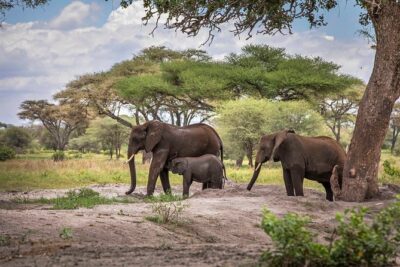
Browse the lists this tour appears in