
Reviewed · 6-DAY EXPERIENCES
6 Days in the Wild – A Budget Safari Across Tanzania’s Icons
Africa gets real fast here. This six-day Tanzania safari combines the big wildlife parks with village life, coffee, waterfalls, and a warm spring. I especially like the generous time in the Serengeti and the small maximum group of seven. I also like the mix of camping and local experiences, though the long drives and early starts may test your patience.
At $1,300 per person, the trip offers a lot for the price: private transport, an English-speaking guide, park visits, six lunches, five breakfasts, five dinners, and accommodation along the route. The strongest praise centers on the guides, easy pickup, good communication, tasty food, and successful Big Five sightings. Still, you should confirm the exact accommodation and day-four schedule before paying, since the published plan combines a Maasai visit, Ngorongoro, and a return to Arusha in a way that needs clarification.
In This Review
- Six details that define this Tanzania safari
- Why the $1,300 price can make sense
- Day one, elephants and baobabs in Tarangire
- Days two and three, the Serengeti gets the time it deserves
- Day four, Maasai culture and the Ngorongoro question
- Day five, Lake Manyara in a shorter wildlife outing
- Day six, Materuni village, waterfall, and coffee
- Chemka Hot Springs is the trip’s easygoing finale
- Guides, food, and the human side of the trip
- Who should book this safari?
- Should you book it?
- FAQ
- Where does the tour start?
- What time does the tour begin?
- How large is the group?
- What meals are included?
- Is transportation included?
- Does the tour include Tarangire, Serengeti, Ngorongoro, and Lake Manyara?
- Can I cancel for a full refund?
Six details that define this Tanzania safari
- Two full Serengeti days: You get a proper chance to search for lions, leopards, elephants, buffalo, rhinoceroses, and other wildlife rather than rushing through in a few hours.
- Small group of seven: A limited group can make vehicle time more comfortable and keep communication with your guide simple.
- More than game drives: Materuni village, a coffee experience, a waterfall, a Chagga meal, a Maasai boma, and Chemka Hot Springs add cultural and outdoor variety.
- Guide names worth noting: Simba receives special praise for finding the Big Five, while Amiri is praised as a driver and Salim as the chef.
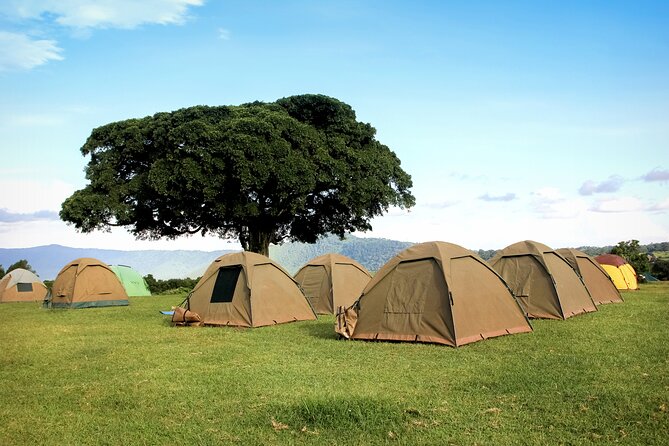
- Camping at Seronera: Sleeping in the Serengeti gives the trip a closer connection to the park, but it is a better fit for flexible campers than for people seeking a polished lodge holiday.
- Easy cancellation terms: You can receive a full refund if you cancel at least 24 hours before the 6:00 am start time.
Why the $1,300 price can make sense
A six-day safari in northern Tanzania can become expensive quickly. Park fees, fuel, food, staff, transport, and accommodation all add up, especially when the route includes the Serengeti and Ngorongoro Crater. At $1,300 per person, this trip sits in the budget camping category, not the luxury safari bracket, but it covers several costly pieces.
Your package includes private transportation, all listed fees and taxes, a professional English-speaking guide, five breakfasts, six lunches, and five dinners. That is useful because meals in remote park areas are not always easy to arrange independently. You also avoid the hassle of piecing together separate transfers, park entries, and local excursions.
The value comes from the range of places included. Many short safari programs focus only on Tarangire, Ngorongoro, and one Serengeti visit. Here, you also get Lake Manyara, Materuni Waterfalls, a Chagga village meal, and Chemka Hot Springs. These additions give you a better sense of northern Tanzania beyond animals viewed from a vehicle.
There are limits. International flights, tips, and personal items are not included. The accommodation category is not described in detail, so ask where each night is spent and whether the camping equipment is supplied. The itinerary names Fig Tree Lodge for the first night, Seronera Campsite for the Serengeti, and a hotel after the Maasai visit, but it does not provide a full room or tent specification.
For a six-day trip with a small group and several national parks, I consider the price attractive if you are comfortable with basic camping and long road transfers. If you want private lodges, short drives, and more time at each hotel, this is not the right style of safari.
A few more options to weigh up in Arusha
- Balloon Safari & Bush Breakfast in Serengeti – Miracle Experience
★ 5.0 · 1,646 reviews - Tanzania Classic – 7 Days
★ 5.0 · 1,151 reviews - 4 Days Group Camping Safari
★ 5.0 · 1,101 reviews
Day one, elephants and baobabs in Tarangire
The adventure begins with a 6:00 am pickup at Meru House Inn on Sokoine Road in Arusha. After breakfast, the drive to Tarangire National Park takes about two hours. That early start matters because the day includes roughly six hours in the park.
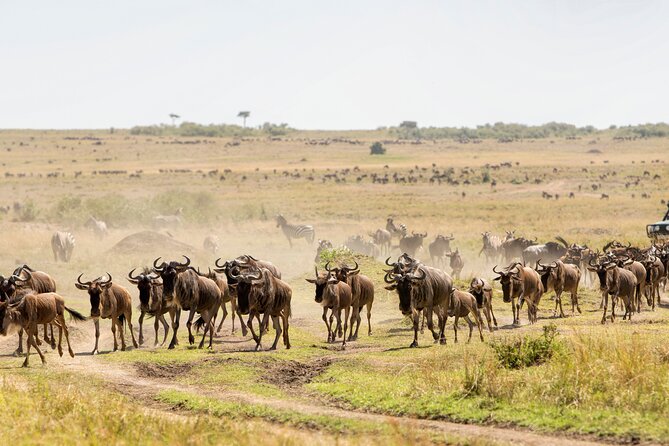
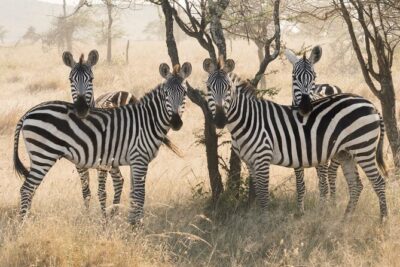
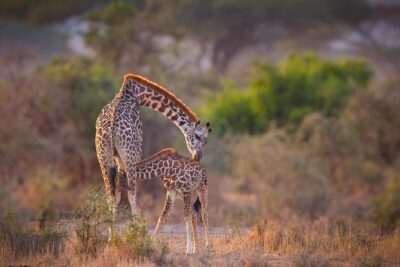
Tarangire is known for its elephants, and the park’s seasonal swamps and Tarangire River draw animals when water is scarce. From the open roof of the safari vehicle, you can watch for elephant herds, zebra, wildebeest, buffalo, and giraffe. The open roof gives you better sightlines and a clear view above the grass, though sun protection is essential.
I like Tarangire as an opening park because it offers a strong wildlife introduction without immediately sending you to the most famous part of the circuit. The scenery changes between savanna, river country, and wet areas. The river also gives your guide a useful place to search for animals during dry periods.
After the game drive, you continue to Fig Tree Lodge for dinner and the night. This first day is active, but it is not only about checking animals off a list. You begin to see how water shapes animal movement and why the same park can feel different from one season to another.
Days two and three, the Serengeti gets the time it deserves
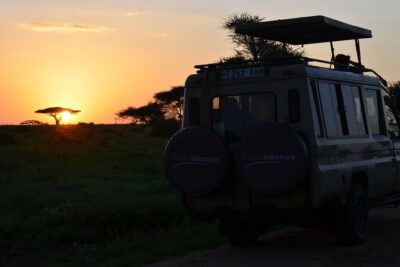
After breakfast on day two, you head toward Serengeti National Park with picnic lunches. The drive takes you into one of Tanzania’s most famous wildlife areas, and the plan allows about seven hours for the day’s game driving before dinner and an overnight stay at Seronera Campsite.
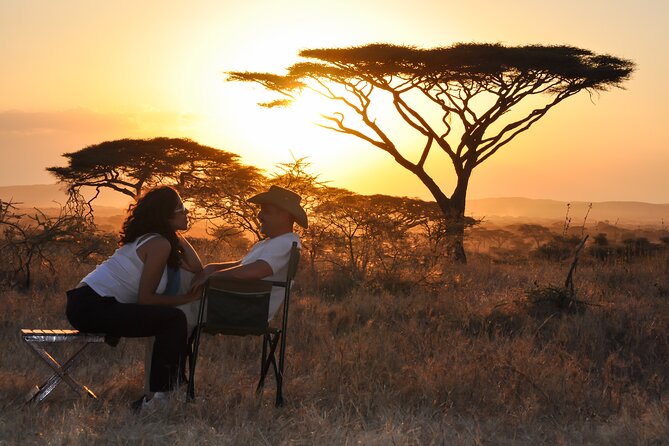
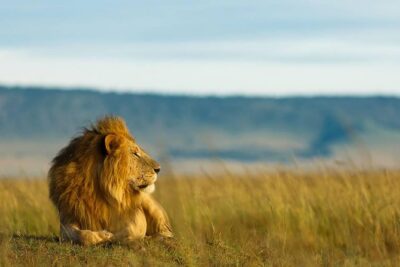
The Serengeti is known for wide grasslands, acacia trees, predators, and the annual movement of wildebeest. The Great Migration is not a single event in one fixed place. Its timing and location change, so you should treat sightings as a matter of season and chance rather than a promise of crossing scenes. The park remains worthwhile even when large herds are elsewhere.
The real strength of this tour is day three. You head out at sunrise for a full day of searching, return to camp for lunch, and then go back out for an afternoon drive. That rhythm gives you more time to watch animal behavior instead of racing from one sighting to the next.
The Big Five are a major goal here. The trip has earned strong praise for successful sightings, with Simba singled out for helping find all five. No guide can control wild animals, but a good guide can read the ground, share information clearly, and place you in the best available position.
The Serengeti is not only about large mammals. You might notice agama lizards on the rocks, rock hyraxes around granite kopjes, and dung beetles working close to the ground. More than 500 bird species have been recorded in the park, including ostriches, secretary birds, and black eagles. You will see more if you occasionally look away from the lion crowd.
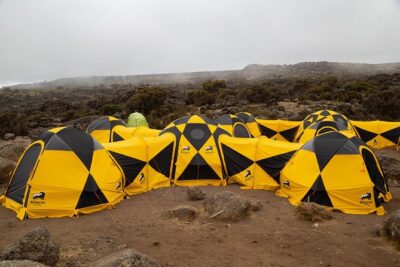
Camping at Seronera gives the safari a more direct connection to the park. It also means you should prepare for a simpler night than you would have at a lodge. The supplied information does not specify tent style, bedding, showers, or electricity, so ask those questions before departure.
Day four, Maasai culture and the Ngorongoro question
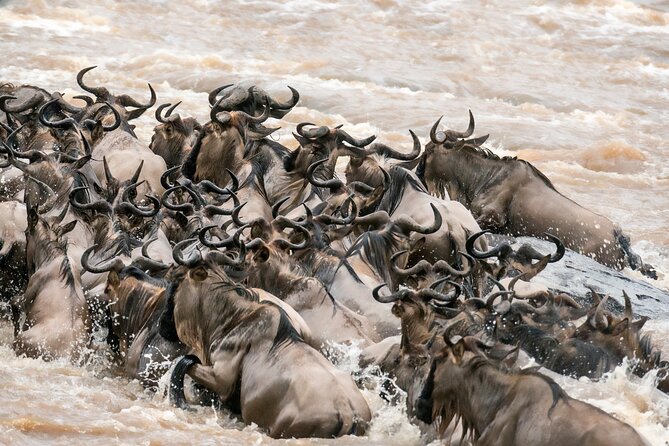
The fourth day includes a visit to a local Maasai boma. You can learn about pastoral life and take part in activities such as singing, dancing, herding cattle and goats, milling, and making fires with animal dung and acacia wood. There is also time for photographs and the purchase of Maasai handcrafts.
This can be one of the most memorable parts of the trip because it shifts your attention from wildlife to people who continue to maintain a traditional pastoral way of life. Approach the visit with respect. Ask before taking photographs, listen to explanations, and treat handicrafts as a direct way to support the local community rather than as simple souvenirs.
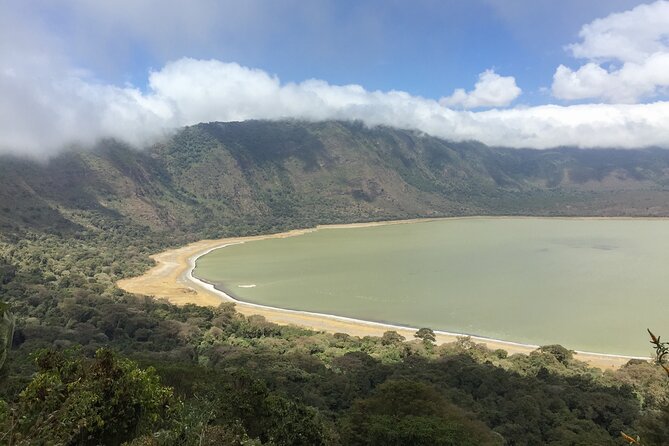
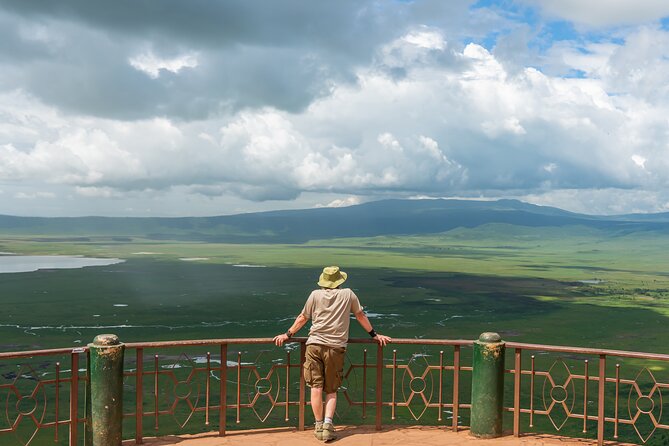
The same day is also described as a Ngorongoro Crater visit. The crater is a vast volcanic caldera with a high concentration of wildlife on its floor. A descent gives you a chance to look for the Big Five and other animals against steep crater walls and open grassland.
However, the schedule needs checking. The description says you visit the Maasai boma, have lunch, and then return to Arusha for dinner and the night. It also gives Ngorongoro a six-hour stop, but does not clearly explain when the crater descent takes place or how both activities fit into one day. Before booking, ask the company to confirm the route, overnight location, and whether a full crater game drive is included on day four.
This is not a minor detail. A proper Ngorongoro visit requires a timed descent and enough hours on the crater floor. You want to know if the day is a complete crater safari, a cultural visit near the conservation area, or a combination with limited time at each.
A different kind of day out entirely:
- 5 Days Group Camping Safari
★ 5.0 · 730 reviews - Materuni Waterfalls, coffee tour & Kikuletwa Hot Springs
★ 5.0 · 643 reviews - 3 Days Serengeti & Ngorongoro Group Camping Safari
★ 5.0 · 574 reviews - 7-Day Premium Luxury Tanzania Safari All-Inclusive
★ 5.0 · 426 reviews
Day five, Lake Manyara in a shorter wildlife outing
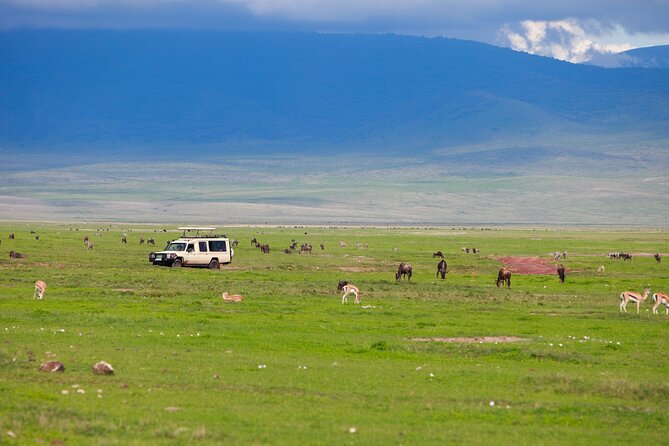
After breakfast, you leave your accommodation for Lake Manyara National Park. The drive from the listed accommodation area takes about 30 minutes, and the park visit lasts roughly six hours, with lunch served at 1:00 pm before the return to Arusha in the afternoon.
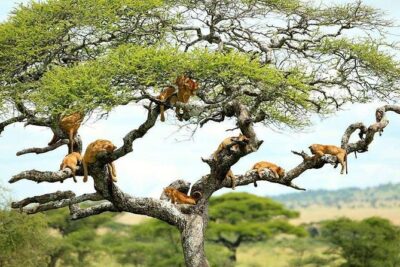
Lake Manyara offers a different setting from the Serengeti. The park includes several habitats near the Great Rift Valley, with the lake drawing flamingos and other water birds. You can also look for elephants, giraffes, zebras, birds of prey, and the famous tree-climbing lions.
The lions are the park’s headline attraction, but they are not guaranteed to be in the trees on every visit. That uncertainty is part of any safari. Your guide can search likely areas, but wildlife does not follow a timetable.
I like Lake Manyara as a change of pace after the long Serengeti days. It is a shorter outing, and its birdlife and lake scenery give you something different to watch. The brightly colored lilac-breasted roller and large flamingo flocks can be especially rewarding for anyone who enjoys photography.
The drawback is that six days sounds long until you count the driving. Lake Manyara is a worthwhile stop, but you should not expect the same amount of game-drive time you receive in the Serengeti. It works best as a final national park visit before the more relaxed activities near Arusha.
Day six, Materuni village, waterfall, and coffee
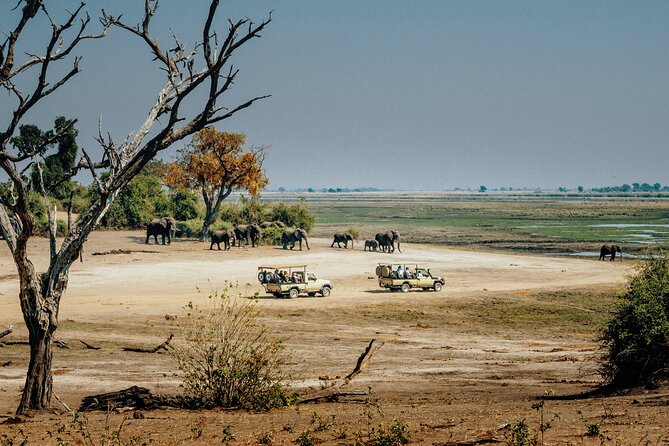
The last day shifts from safari vehicle to walking path. After breakfast and pickup from your Arusha hotel, you travel to Materuni village and walk about 40 minutes to the waterfall. A guide explains local culture, village life, plants, and animals along the way.
The waterfall provides a welcome change after several days seated in a vehicle. The pool at the bottom is suitable for a refreshing swim, so bring swimwear. On a clear day, you might also see the summit of Mount Kilimanjaro, though the view depends on conditions.
After the waterfall, you walk back toward Materuni village for a traditional Chagga lunch. The experience also includes a coffee tour and a look at village life. These details matter because you are not simply stopping for a photograph. You are spending time in a working community and learning how local food and coffee fit into daily life.
The waterfall walk lasts about two hours according to the schedule, while the Chemka Hot Springs visit takes about five hours. Put together, this can be a full final day, especially if transfers are included. Ask how the two stops are ordered, since the published plan lists Chemka first but describes the Materuni pickup and walk separately.
Chemka Hot Springs is the trip’s easygoing finale
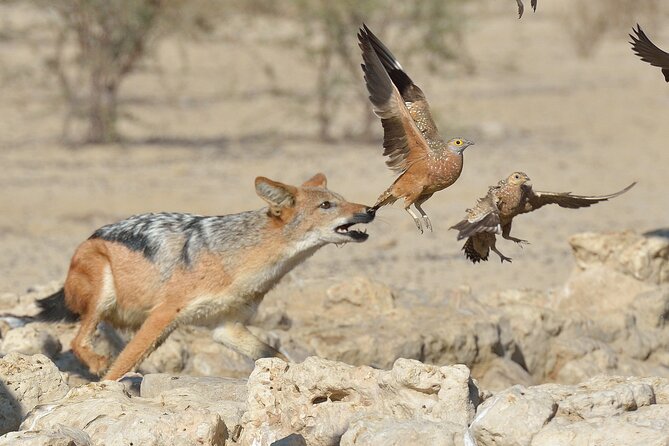
Chemka, also called Kikuletwa Hot Springs, offers warm, clear water surrounded by vegetation. After several early mornings and long game drives, swimming here can feel like a sensible reward rather than another item on a checklist.
The spring is described as mineral-rich and suitable for swimming. You can relax in the water and enjoy a quieter setting before the trip ends back at the meeting point. Its appeal is simple: you trade the open roof of a safari vehicle for a place to stretch, swim, and slow down.
Bring swimwear and any personal items you need for the stop. Personal items are not included in the price, and the supplied details do not specify changing facilities, towels, or lockers. That is another useful question to ask before you leave Arusha.
Guides, food, and the human side of the trip
The most consistent praise concerns the people who run the trip. Simba is credited with excellent wildlife spotting and with helping find the Big Five. Amiri receives praise as a driver, and Salim is specifically appreciated for the food.
Good food matters on a camping safari. The package includes all six lunches, five breakfasts, and five dinners, so you do not need to budget for regular meals along the route. One particularly positive account praises the food as delicious, though your experience will still depend on the menu and camp setup.
Communication also appears to be a strong point. Shebbie is praised for helping with planning and for keeping communication clear. Pickup and drop-off are described as easy, which is valuable when you are starting before sunrise and moving between several parts of northern Tanzania.
The maximum group size of seven is another practical advantage. You are not dealing with a huge vehicle full of strangers, and it should be easier to ask questions or request a better viewing position. The social side may also appeal to solo visitors, since camping and shared drives naturally create chances to make friends.
Who should book this safari?
I would recommend this trip to you if you want Tanzania’s major wildlife areas but also care about village culture, walking, coffee, and swimming. It suits active people who can handle early starts, several long drives, and basic camping.
It also works well for first-time safari visitors who want a broad introduction. You see Tarangire, Serengeti, Ngorongoro, and Lake Manyara, then finish with Materuni and Chemka. That range helps you compare different habitats and types of local experience.
You may want a different tour if you need a clearly detailed luxury accommodation plan, short transfer days, or a slow schedule. The itinerary is full, and the unclear day-four arrangement deserves confirmation. You should also be comfortable with the possibility that a particular animal, tree-climbing lion, migration scene, or Kilimanjaro view may not appear on cue.
Pickup is offered, and the activity ends back at the meeting point. Confirmation arrives at booking, most people can participate, and the group is capped at seven. Free cancellation applies up to 24 hours before the local start time, but changes or cancellations inside that window are not refunded.
Should you book it?
Book this safari if value, variety, and real time in the Serengeti matter more to you than polished lodges. The two Serengeti days, small group, praised guides, included meals, and unusual combination of wildlife and village visits make $1,300 a reasonable price for the right kind of visitor.
Before you commit, get the day-four plan in writing and ask for the exact accommodation details. If those answers suit you, this is a strong budget route through Tanzania’s northern icons, with enough cultural and outdoor variety to keep the trip from feeling like six days of sitting in a vehicle.
FAQ
Where does the tour start?
The tour starts at Meru House Inn on Sokoine Road in Arusha, Tanzania.
What time does the tour begin?
The listed start time is 6:00 am.
How large is the group?
The activity has a maximum of seven travelers.
What meals are included?
The price includes five breakfasts, six lunches, and five dinners.
Is transportation included?
Yes. Private transportation is included, along with a professional English-speaking guide.
Does the tour include Tarangire, Serengeti, Ngorongoro, and Lake Manyara?
Yes. The six-day schedule includes visits to all four national park areas, along with Materuni Waterfalls and Chemka Hot Springs.
Can I cancel for a full refund?
Yes. You can cancel at least 24 hours before the experience start time for a full refund. Cancellations or changes made less than 24 hours before the start time are not accepted for a refund.
Just added in Arusha
- Safari “Kifaru” – 5 days in the most famous Parks in the world★ 5.0 · 4 reviews
- Saadani Day Trip★ 5.0 · 13 reviews
- 3 Days Tanzania Short and Spicy★ 5.0 · 6 reviews
- 5 Day Tanzania Safari Camping Adventure Private Tour★ 5.0 · 2 reviews
- Day Trip to Ngorongoro Crater from Arusha★ 5.0 · 1 review
- SERENGETI NATIONAL PARK Tour★ 4.5 · 5 reviews
- 3 Days Serengeti Park & Ngorongoro Crater Adventure Safari★ 5.0 · 8 reviews
- 6 Days Tanzania Bush Experience Safari★ 5.0 · 6 reviews
6-Day Experiences, compared.
Private 6-Day Tarangire Manyara Crater and Serengeti with Mid-Range Lodges
Read our review →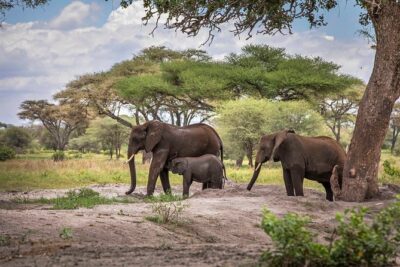
Browse the lists this tour appears in