
Reviewed · MACHAME ROUTE CLIMBS
6 Days Machame Route Hike
Kilimanjaro rewards patience, not bravado. The six-day Machame Route gives you a scenic path up Africa’s highest mountain, with tent camping, forest trails, open high-altitude views, and a separate descent by the Mweka trail. I like the extra time for acclimatization and the route’s changing scenery. I also like that this is a private trip, so your group can focus on its own pace and support needs.
The main consideration is simple: this is a serious mountain hike, not a walk with a nice view at the end. You need moderate physical fitness and some hiking experience. The six-day schedule helps, but the final push remains cold, tiring, and demanding.
In This Review
- Key points at a glance
- Why choose Machame instead of Marangu?
- From Moshi to Machame Gate on day one
- What the Machame forest section feels like
- Reaching Machame Camp after 11 kilometers
- How the six-day schedule helps with altitude
- The middle days: expect changing terrain
- The final mountain night and Mweka descent
- The guides and cooks can shape the whole trip
- Food, tents, and the value of $2,342.95
- Who should book this Machame hike?
- Practical preparation for the first day
- Should you book the six-day Machame Route?
- FAQ
- Where does the six-day Machame Route hike start?
- Where does the activity end?
- How long is the drive to Machame Gate?
- How far is the first day’s hike?
- How long does the first day take?
- What elevation does the first day reach?
- What type of habitat does the first day pass through?
- Where do you sleep on the Machame Route?
- Where do you eat during the hike?
- Is the tour private?
- What fitness level is required?
- What trail is used for the descent?
- How much does the experience cost?
- Can you cancel for a full refund?
Key points at a glance
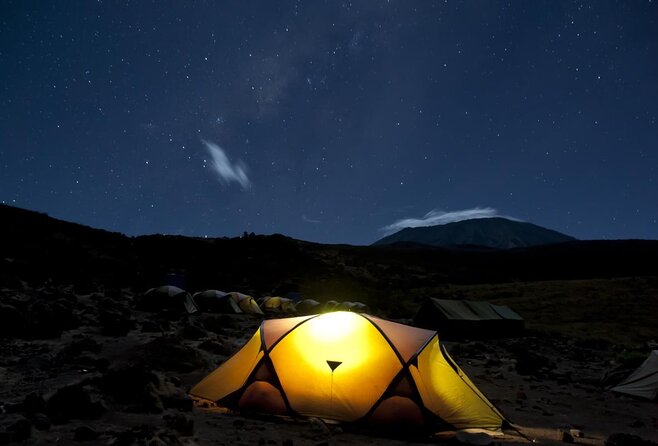
- Machame is Kilimanjaro’s scenic camping route: You walk through montane forest and sleep in tents rather than staying in mountain huts.
- The hike takes six days: That gives you more time to adjust to altitude than a shorter itinerary, though the climb is still strenuous.
- The first day covers 11 kilometers: Expect roughly five to six hours from Machame Gate to Machame Camp.
- The trail begins in a wet forest: Mud and slippery ground are possible, so gaiters and trekking poles are useful early on.
- The descent uses the Mweka trail: You do not simply retrace your steps, and the final mountain night is at Mweka or Millennium Camp.
- The guiding team receives strong praise: Names associated with the trip include Patrick, Michael, Jeremiah, Joseph, Kelvin, Cosmas, Ringo, and Nemence.
Why choose Machame instead of Marangu?
Machame is often compared with Marangu in a memorable way: Marangu is the Coca Cola route, while Machame is the Whiskey route. The nickname is not a comment on drinking. It points to the difference in feel. Marangu is known for hut accommodation and a more direct trail, while Machame means tent camping and a wilder, more demanding experience.
I like Machame because the route gives you a stronger sense of being on a mountain journey. You sleep in tents, eat in a dinner tent or outside on a blanket, and move through several habitat zones as you gain height. That camping setup adds work and a little discomfort, but it also gives the trip more character.
The route is the second most popular way up Kilimanjaro, and its popularity makes sense. It is considered one of the most scenic routes, and the six-day plan allows more room for altitude adjustment than a very short climb. Still, popularity does not make it easy. You need to arrive ready for long walking days and a final summit effort that may test your legs, lungs, patience, and sense of humor.
More Machame Route climbs:
- Kilimanjaro climb, Machame Route (7-day)
★ 5.0 · 262 reviews - Climbing Kilimanjaro – Machame Route
★ 5.0 · 170 reviews - Climbing Kilimanjaro through 7 days Machame Route
★ 5.0 · 151 reviews
From Moshi to Machame Gate on day one
The trip begins in Moshi, with pickup offered from the stated meeting point in Moshi Urban. The drive to Machame Gate takes about 45 minutes. Along the way, you pass through Machame village on the lower slopes of Kilimanjaro, which gives you an early look at the communities connected to the mountain.
The gate is more than a starting line. It is where the practical work of the climb begins. After park entry procedures, you set out into the montane forest on a winding trail that follows a ridge. The first section may feel manageable, but do not make the common mistake of treating day one as a casual warm-up. You still need to cover 11 kilometers and walk for about five to six hours.
The elevation rises from about 1,830 meters, or 6,000 feet, to 3,050 meters, or 9,950 feet, at Machame Camp. That gain matters. Even if your legs feel good, your body has already begun adjusting to thinner air.
What the Machame forest section feels like
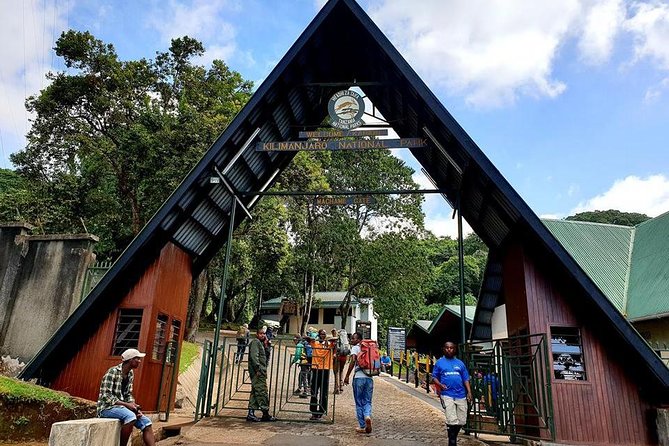
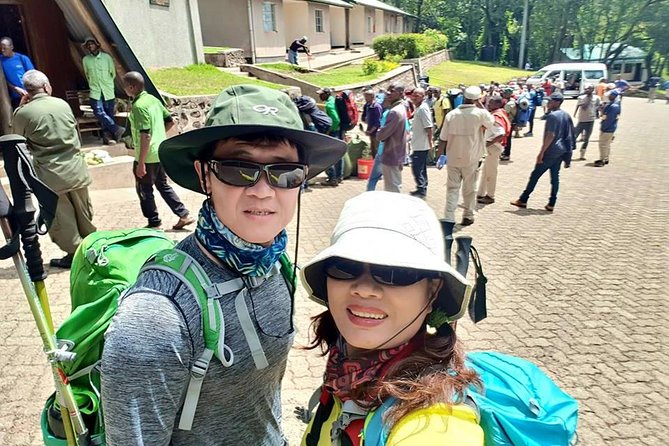
The montane forest is one of the most appealing parts of the opening day. The trail is not just a straight uphill road. It winds through trees and climbs along a ridge, giving the walk a gradual sense of progress.
The catch is the ground. At lower elevations, the trail can be muddy and slippery. I would pack gaiters before leaving home, not as an optional extra. Trekking poles also make good sense here, especially when the ground is wet or uneven.
Your footwear matters more than fancy equipment. You want boots or hiking shoes with dependable grip, plus socks that can handle a long day. Keep rain protection easy to reach. A wet first day can make the rest of your kit feel damp and unpleasant, especially when you are camping.
Reaching Machame Camp after 11 kilometers
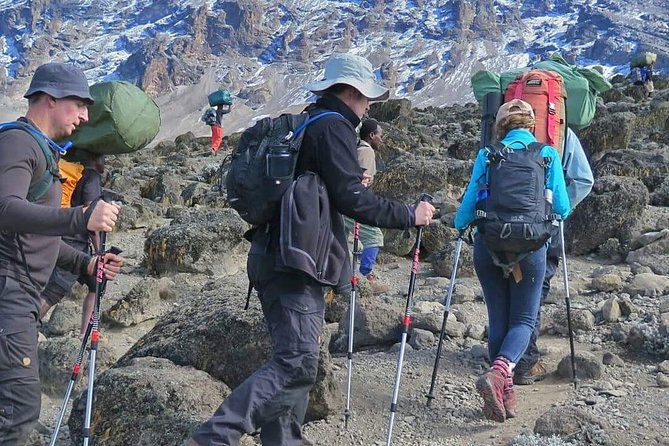
Machame Camp sits at approximately 3,050 meters. After five to six hours on the trail, reaching camp will feel like a real achievement, even though the mountain work has only started.
The camping format shapes your evening. Tents are included, and meals are served in a dinner tent or outside on a blanket. That is a practical arrangement rather than a luxury one. You get a place to eat and rest, but you should not expect hotel comfort or a private room.
The meal plan lists lunch and dinner on day one. Since the supplied details do not list every meal, equipment item, transfer, permit, or overnight arrangement across all six days, I would confirm those points before paying. The price is $2,342.95 per person, so it is reasonable to ask exactly what that amount covers.
More treks in Moshi:
- Private Kilimanjaro Hike 7 Day Lemosho Route
★ 5.0 · 60 reviews - Best Kilimanjaro hiking day trip tour with Kilinge Adventures
★ 4.5 · 54 reviews - #1. Best Kilimanjaro Day hike Tour-Machame Route-ISMANI
★ 4.2 · 47 reviews - Best Kilimanjaro Adventure 7 days Machame route Trekking
★ 5.0 · 42 reviews
How the six-day schedule helps with altitude
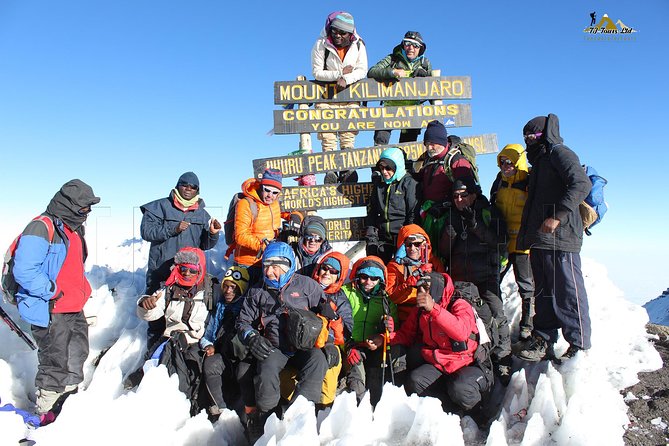
The strongest reason to choose this itinerary is the six-day pace. More time on the mountain generally gives your body a better chance to adjust than a rushed schedule. The trip description presents the success rate as fairly high, but no exact figure is supplied, so I would not treat that phrase as a guarantee.
The important point for you is pacing. A private group can make the experience feel more personal, and the guide can respond to how your group is doing. That does not remove the effects of altitude. It simply gives the trip a better structure for handling them.
Use the schedule as permission to go slowly. A steady pace is more useful than trying to impress anyone on the first two days. Keep your daypack organized, drink as directed by your guide, and tell the guide early if you feel unwell. The local phrase pole pole, meaning slowly slowly, suits this route well.
The middle days: expect changing terrain
Only the first day is described with exact distance, elevation, and walking time. The full six-day outline is not provided in detail, so I cannot responsibly assign distances or camp elevations to days two through five.
What you can expect from the route as a whole is a progression away from the lower forest and toward higher mountain terrain. The appeal of Machame comes partly from that change. The forest opening gives way to more exposed sections, and the mountain begins to feel less like a long forest hike and more like a high-altitude climb.
The trip uses tents throughout the mountain stay. That means you should think about recovery as carefully as scenery. After each walking day, dry what you can, check your feet, eat properly, and prepare clothing for the next morning. Simple routines matter when you are tired.
The group’s guide and support team become especially important here. The strongest praise connected with this experience focuses on care, encouragement, humor, and practical support. Guides named in the feedback include Joseph, Kelvin, Cosmas, Patrick, Michael, Ringo, and Nemence. Chef Jeremiah is also praised for the food. Those details matter because good support can change how manageable a hard day feels.
The final mountain night and Mweka descent
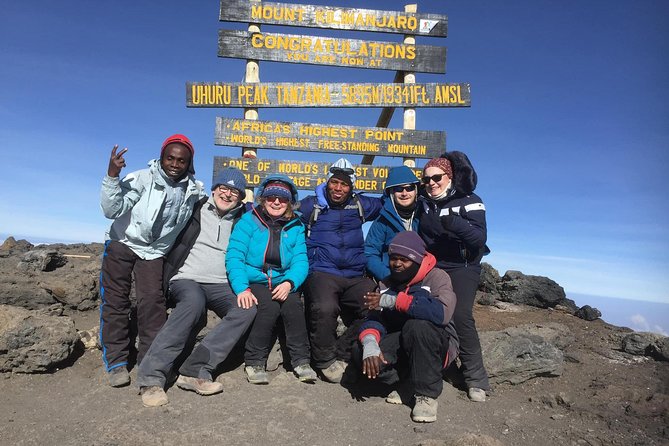
The climb is not finished when you reach the high point. The final summit effort is described as the hardest day, with cold, fatigue, darkness, and sore muscles all adding pressure. Your guide’s judgment and your own willingness to move slowly become important at this stage.
After the summit section, the descent follows the Mweka trail rather than sending you back down the same route. The final night on the mountain is at Mweka Camp or Millennium Camp. This gives the trip a different closing rhythm and lets you experience another side of Kilimanjaro.
The descent can sound easy because you are going downhill, but tired legs and rough ground can make it demanding in its own way. Trekking poles remain useful. Keep your knees comfortable, watch your footing, and do not rush simply because the summit is behind you.
The guides and cooks can shape the whole trip
A mountain itinerary is only part of the experience. The people leading and supporting it have a major effect on safety, morale, and daily comfort.
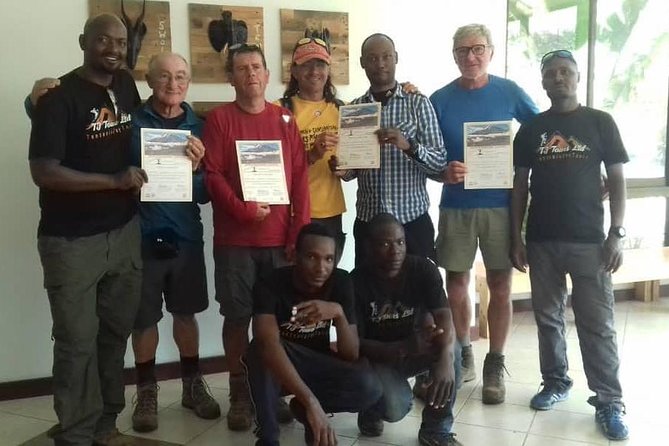
The strongest praise here goes to the guides and wider crew. Joseph is described as helping a climber through the hardest parts. Kelvin is praised for being attentive and adapting to changing situations. Cosmas is noted for speaking French, which may help French-speaking climbers feel more at ease. Patrick and assistant guide Michael are also named positively, while Jeremiah receives specific praise for the food.
You should still ask which guide and crew members will lead your particular departure. The names above come from previous experiences, but staffing can vary. It is also fair to ask how the private group is organized and what support is provided on the trail.
Food, tents, and the value of $2,342.95
At $2,342.95 per person, this is a major purchase. I would judge the price by the support package, not simply by the number of days.
The value is strongest if the fee includes the practical parts of a guided Kilimanjaro climb: transport from Moshi, mountain staff, tents, meals, park costs, and other required services. The supplied information confirms pickup, tents, and meals as part of the experience description, but it does not provide a complete inclusion list. Ask for that list in writing before booking.
The food receives unusually warm praise, which is encouraging on a six-day climb. A satisfying meal is not a small matter when you are walking for hours at altitude. Still, food quality can vary by group and cook, so use the positive comments as a good sign rather than a promise.
The private format also adds value. You are not placed into a large mixed group with strangers, and your group participates on its own. That can make communication easier and may give the guide more room to respond to your pace.
Who should book this Machame hike?
I would recommend this trip to a fit adult with some hiking experience who wants a scenic Kilimanjaro route and accepts tent camping. It suits you if you are happy with basic mountain comforts, long walking days, and a schedule built around slow progress.
It is less suitable if you want hut accommodation, short daily walks, or a relaxed sightseeing holiday. The phrase moderate physical fitness should not be read as no preparation required. You should be comfortable with sustained uphill walking and ready for cold, fatigue, darkness, and altitude near the summit stage.
This is also a good option for a small private group that wants shared control over the experience. Couples, friends, and family groups may appreciate that only their own party participates, though each person still needs to be ready for the same demanding mountain conditions.
Practical preparation for the first day
Before leaving Moshi, place your rain layer, gloves, water, snacks, and headlamp where you can reach them quickly. The first day is not the summit night, but muddy forest conditions and a five to six hour hike can expose weak points in your packing.
Bring gaiters and trekking poles. The trail from Machame Gate can be slippery, and those two items are specifically useful on this section.
Keep your expectations realistic. Tents and outdoor meals are part of the charm, but they also mean less privacy and fewer comforts than a lodge-based route. The reward is a stronger connection with the mountain and a route known for its scenery.
Should you book the six-day Machame Route?
Book it if you want Kilimanjaro with tent camping, changing mountain scenery, a six-day acclimatization plan, and a private group. The route offers a good balance between scenic appeal and a schedule that is less rushed than the shortest climbs.
Think twice if you dislike mud, cold, basic camping, or long uphill days. Also, confirm the full price inclusions before committing $2,342.95 per person. The trip has strong praise for its guides, support crew, and food, but the mountain itself remains the final judge.
For the right person, Machame offers a demanding but memorable way to approach Kilimanjaro. Go prepared, walk slowly, and choose the experience for the mountain journey, not only for the photograph at the top.
FAQ
Where does the six-day Machame Route hike start?
The experience starts in Moshi Urban, Tanzania. Pickup is offered from the meeting point.
Where does the activity end?
The activity ends back at the meeting point in Moshi.
How long is the drive to Machame Gate?
The drive from Moshi to Machame Gate takes about 45 minutes.
How far is the first day’s hike?
The first day covers about 11 kilometers, or 7 miles.
How long does the first day take?
The first day requires approximately five to six hours of hiking.
What elevation does the first day reach?
The hike rises from about 1,830 meters, or 6,000 feet, to Machame Camp at about 3,050 meters, or 9,950 feet.
What type of habitat does the first day pass through?
The first day passes through montane forest.
Where do you sleep on the Machame Route?
All climbers sleep in tents, and the tents are included.
Where do you eat during the hike?
Meals are served in a dinner tent or outside on a blanket.
Is the tour private?
Yes. Only your group participates in the private tour or activity.
What fitness level is required?
The experience is intended for people with a moderate physical fitness level, and some hiking experience is recommended.
What trail is used for the descent?
The descent follows the Mweka trail. The final mountain night is at Mweka Camp or Millennium Camp.
How much does the experience cost?
The listed price is $2,342.95 per person.
Can you cancel for a full refund?
Yes, if you cancel at least 24 hours before the experience start time. Cancellations made less than 24 hours before the start time are not refunded.
Just added in Moshi
- Zanzibar: Stone Town tour and Nakupenda beach with Lunch★ 5.0 · 1 review
- day trip lake manyara★ 5.0 · 2 reviews
- Mt Kilimanjaro 6 days Marangu route hike★ 5.0 · 3 reviews
- machame route★ 5.0 · 16 reviews
- Private Cycle to Kilimanjaro Bike Park Safari★ 5.0 · 6 reviews
- West Kilimanjaro cycling Adventures★ 4.5 · 8 reviews
- Wildlife Extravaganza: Manyara, Tarangire & Ngorongoro in 3 Days★ 5.0 · 3 reviews
- 3 Days Private E-Bike Tour in West Kilimanjaro★ 5.0 · 3 reviews
Machame Route Climbs, compared.



Climbing Kilimanjaro through 7 days Machame Route
Read our review →
7-Day Machame Kilimanjaro Summit Tour from Arusha
Read our review →
7 Days Kilimanjaro via Machame route affordable price
Read our review →
#1. Best Kilimanjaro Day hike Tour-Machame Route-ISMANI
Read our review →
The Best of Machame Route in 6 Days: Your World’s Summit Guide
Read our review →Browse the lists this tour appears in