
Reviewed · 6-DAY EXPERIENCES
6 Days Mid-Range Tanzania Safari
Africa gets serious fast. This six-day Tanzania safari packs Tarangire, Serengeti, and Ngorongoro into one private trip from Arusha, with airport pickup, meals, transport, and park fees included. I like the route because it gives you three very different wildlife settings: baobab country and elephants in Tarangire, wide-open plains in the Serengeti, and the compact wildlife theater of Ngorongoro Crater.
I also like the private vehicle, which gives your group more say over stops and daily pacing than a shared departure. The warm, attentive guide service is another strength, with past trips praising guides including Sway, Emma, and Abuu. The main consideration is the amount of driving. Reaching the Serengeti and returning toward Arusha means long road days, and the schedule leaves little room for a slow, restful safari.
At $2,740 per person, this is not a budget outing, but it includes several costly items: private transportation, park fees and taxes, five breakfasts, five lunches, four dinners, and onboard WiFi. I would ask for the exact lodging names and final pickup time before paying, since the package describes the accommodation only as mid-range and the stated start time of 11:30 pm needs clarification.
In This Review
- Key points before you book
- What $2,740 buys you in northern Tanzania
- Day 1: Airport arrival, Arusha, and a possible Kilimanjaro view
- Day 2: Tarangire’s elephants and giant baobabs
- Day 3: Crossing toward the Serengeti through Ngorongoro
- Day 4: A full Serengeti day with flexible lunch plans
- Day 5: Ngorongoro Crater, a compact wildlife spectacle
- Day 6: Mto wa Mbu market and the return to Arusha
- Comfort, pace, and the private vehicle
- Who should book this Tanzania safari?
- Should you book the six-day Kiwoito safari?
- FAQ
- How long is the Tanzania safari?
- Which national parks and conservation areas are included?
- Is transportation private?
- Are meals included?
- Are flights included in the price?
- Is airport pickup available?
- What is the cancellation policy?
Key points before you book
- Three major wildlife areas in six days: Tarangire, Serengeti National Park, and Ngorongoro Conservation Area give you a strong northern Tanzania route.
- Private touring: Only your group participates, making it easier to ask questions, adjust stops, and travel at your own pace.
- Strong guide reputation: Guides named in past trips include Sway, Emma, and Abuu, with particular praise for patience, humor, kindness, and family-friendly care.
- Serengeti and migration appeal: The route reaches the famous plains, but the Great Migration depends heavily on the month and exact location.
- Meals and park costs are covered: Five breakfasts, five lunches, four dinners, private transport, WiFi, and fees reduce the number of surprise expenses.
- A real road safari: Expect long transfers, picnic lunches, early starts, and several full days in a safari vehicle.
What $2,740 buys you in northern Tanzania
The price makes the most sense if you value privacy and a fully arranged trip. Private transportation is a major part of a Tanzania safari, and you are not simply paying for a seat in a vehicle. You are paying for the driver-guide, fuel, park access, planning, transfers, and the ability to keep the trip limited to your own group.
The package includes all fees and taxes, plus five breakfasts, five lunches, and four dinners. That covers most food during the six days, although the exact meal arrangements depend on the accommodation and daily schedule. Picnic lunches are specifically planned for the longer park days, so you should expect practical packed food rather than restaurant dining in the middle of the Serengeti.
The package also includes WiFi on board. Treat that as useful when available, not as a reason to expect a strong connection across every remote stretch. Tanzania’s parks are wild places, and the main value of the vehicle is the view through the open sides, not a dependable office connection.
Flights are not included. That means your international flights, any flight to Zanzibar, and a flight home must be arranged separately. Visa fees, travel insurance, and tips for the driver-guide are also extra. I would budget for a tip if the guide provides the attentive service described by past clients, especially when traveling with children or requesting a customized pace.
Accommodation is described as mid-range, but the individual properties are not named here. Ask for those names, room arrangements, and meal plans before booking. This matters because mid-range can mean anything from a comfortable lodge to a tented camp with simpler facilities.
A few more options to weigh up in Arusha
- Balloon Safari & Bush Breakfast in Serengeti – Miracle Experience
★ 5.0 · 1,646 reviews - Tanzania Classic – 7 Days
★ 5.0 · 1,151 reviews - 4 Days Group Camping Safari
★ 5.0 · 1,101 reviews
Day 1: Airport arrival, Arusha, and a possible Kilimanjaro view
The trip begins with arrival at Kilimanjaro International Airport, followed by a meet-and-greet and transfer to your hotel in Arusha. A town tour is included, along with a chance to see Mount Kilimanjaro.
This is a sensible first day after an international flight. Arusha is the usual base for northern Tanzania safaris, and a light introduction helps you settle in before the park drives begin. The Kilimanjaro view is weather dependent, so keep expectations flexible. Clouds can hide the mountain, even when the rest of the day is clear.
The stated meeting point is Arusha Clock Tower at the Clocktower Roundabout. The listed start time is 11:30 pm, which does not fit neatly with the described airport arrival and town tour. Confirm the exact pickup time directly with Kiwoito Africa Safaris. That simple check can prevent a tired midnight surprise.
Day 2: Tarangire’s elephants and giant baobabs
After breakfast, you collect a lunch box and head to Tarangire National Park for a full-day game drive. The park covers about 2,850 square kilometers and sits near the western wall of the Rift Valley.
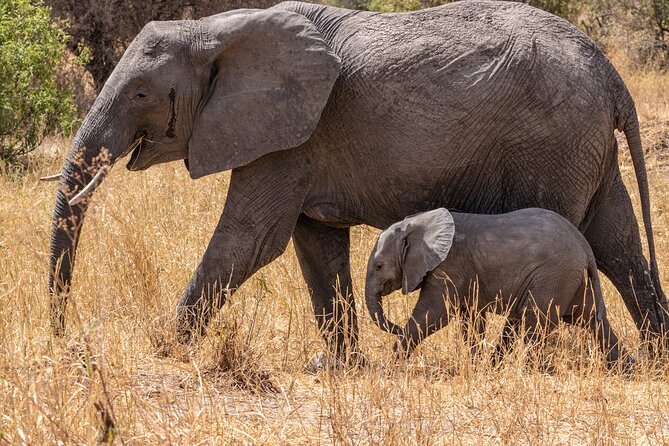
Tarangire has a personality of its own. Its famous baobab trees give the park a stark, memorable shape, while elephants are one of its main attractions. You may also see wildebeest, hippos, lions, leopards, cheetahs, giraffes, baboons, buffalo, and many bird species.
I like starting with Tarangire because it is not simply a warm-up for the Serengeti. The baobabs and elephants create a different visual experience, and the park’s birdlife adds variety to a day focused on large mammals. The schedule allows about eight hours, which gives your guide time to search rather than rush from one sighting to the next.
The drawback is that a full game drive can be tiring, particularly in a vehicle after a long flight and transfer day. You will want a hat, sunscreen, water, and comfortable clothing. The package provides lunch, but it does not specify drinks or snacks, so ask what you should bring.
Day 3: Crossing toward the Serengeti through Ngorongoro
Day three is a travel-heavy safari day. After breakfast in the Karatu area, you leave with a picnic lunch, pass through Ngorongoro Conservation Area, enjoy game viewing along the way, and continue into the Serengeti for an afternoon drive.
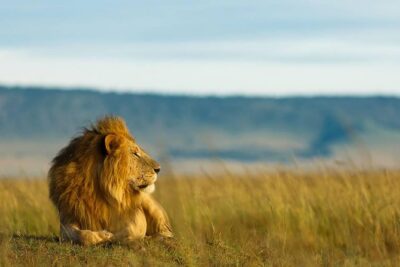
The name Serengeti comes from the Maasai word Siringeti, meaning endless plains. That description becomes clear as the road opens into broad grassland, with large concentrations of wildebeest and zebra at certain times of year.
The Serengeti covers roughly 14,763 square kilometers and is known for its large wildlife population. It is also one of the places where you have a chance to see the Big Five, along with many carnivores and birds of prey.
This day is valuable because you begin seeing the Serengeti before reaching camp or lodge. It is also the day when the trip’s long-distance nature becomes obvious. The schedule lists about six hours, but road conditions, wildlife stops, and the exact accommodation location can affect the day. Pack essentials where you can reach them, rather than burying them in a large suitcase.
The Great Migration is an important part of the safari’s appeal, but no fixed migration sighting can be promised. The herds move with rain and grazing conditions, and the best area changes by season. Ask Kiwoito where the route is focused during your travel month.
A different kind of day out entirely:
- 5 Days Group Camping Safari
★ 5.0 · 730 reviews - Materuni Waterfalls, coffee tour & Kikuletwa Hot Springs
★ 5.0 · 643 reviews - 3 Days Serengeti & Ngorongoro Group Camping Safari
★ 5.0 · 574 reviews - 7-Day Premium Luxury Tanzania Safari All-Inclusive
★ 5.0 · 426 reviews
Day 4: A full Serengeti day with flexible lunch plans
Day four gives you the trip’s longest dedicated game-drive window, about 11 hours in Serengeti National Park. You can either return to the lodge or camp for a hot lunch or carry packed lunches and stay out for the full day.
That choice is more useful than it may sound. Returning for lunch gives you a break, a proper meal, and perhaps a chance to rest. Staying out gives you more time to search for wildlife and follow an interesting sighting. I would make this decision with your guide based on the day’s animal activity, your energy, and the distance back to camp.
The Serengeti is especially rewarding when you allow time for patience. A guide may spend time watching a pride of lions, scanning for a leopard, or following a line of wildebeest instead of checking off species as quickly as possible. The private format should make those conversations easier.
This is also where guide quality matters most. Past trips have singled out Sway, Emma, and Abuu for kindness, humor, attention, and clear explanations. You may not receive one of those specific guides, but the company’s guide service is clearly central to its reputation. If you have a preferred language, ask about it in advance. A French-speaking guide has been provided on past private safaris.
Day 5: Ngorongoro Crater, a compact wildlife spectacle
You leave for the Ngorongoro Conservation Area with a picnic lunch and spend the day on a crater tour. The crater formed when a large volcano exploded and collapsed, creating what is described as the world’s largest unbroken and unflooded caldera.
Ngorongoro is different from the Serengeti in scale and feel. Wildlife is concentrated within the crater, so you can sometimes see many animals at relatively close range. The Big Five are possible, but sightings still depend on season, timing, and luck.
The conservation area is also a shared living area. Maasai pastoralists and wild animals use the same wider ecosystem, an important reminder that this is not an empty wilderness created only for sightseeing. The Ndutu area, to the north and northwest, is especially associated with wildebeest and zebra calving from December through April.
The seven-hour schedule is shorter than the full Serengeti day, but the crater tour can still feel full. The road into and out of the crater adds time, and a picnic lunch keeps you in the area rather than sending you back to a dining room.
The tradeoff is that Ngorongoro can feel more concentrated and busy than the open Serengeti. Its great strength is the chance to see many animals in one setting. Its limitation is that the experience is less about empty horizons and more about a compact, popular wildlife area.
Day 6: Mto wa Mbu market and the return to Arusha
The final day begins with breakfast and a drive to Mto wa Mbu for a local market tour. This is a welcome change after several days of game drives. You get a look at daily commercial life and a chance to meet local people rather than spending every hour behind the windows of a safari vehicle.
The market visit lasts as part of a roughly five-hour day, followed by a drive back to Arusha for a hot lunch. From Arusha, you can fly to Zanzibar or return home, but those flights are not included.
I like this ending because it gives the trip a human setting after the parks. Still, ask exactly what the market tour involves and how long it lasts. The description promises a local market experience, but it does not list a craft workshop, meal, or formal cultural program.
If you are flying onward the same day, leave plenty of time between the safari vehicle’s arrival and your flight. Road delays are possible, and the package does not state a guaranteed arrival hour.
Comfort, pace, and the private vehicle
This is called a mid-range safari, not a luxury safari. You should expect comfort without the polished extras associated with high-end camps. Since the accommodation names are not provided, ask about bathrooms, electricity, room types, WiFi at the property, and whether lunch is packed or served on certain days.
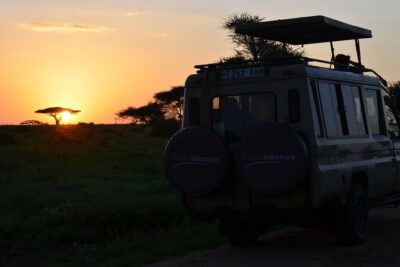
The private setup is the strongest comfort feature. Your group alone participates, and that makes a difference when one person wants a longer wildlife stop or a child needs a break. One family with a five-year-old received especially attentive service, and the guide was praised for being good with children.
Physical demands are moderate, according to the tour information, but the days are long. You will spend many hours seated on rough park roads, getting in and out for stops, and carrying your own small items. This trip suits people who want active wildlife viewing more than leisurely hotel time.
The package offers pickup, mobile ticketing, and private transport. It is also near public transportation, though that is less important once the safari begins. The useful point is that the company handles the main ground movements from arrival through the return to Arusha.
Who should book this Tanzania safari?
I would recommend this trip to a couple, family, or small private group that wants the classic northern Tanzania route without joining strangers. It is also a good fit if you want a guide to handle park access, meals, transfers, and the daily search for wildlife.
Families should ask about vehicle space, child meal options, and the exact lodging before booking. The five-year-old’s positive experience is encouraging, but every child handles long drives differently.
This is less suitable if you dislike long road transfers or want a slow schedule with several free afternoons. It is also not the right package if you want luxury camps, included flights, or a guaranteed Great Migration crossing.
Kiwoito Africa Safaris has received a perfect five-star rating from 12 submitted reviews, with 100 percent recommending the experience. The strongest praise centers on prompt communication, custom planning, friendly guides, airport-to-airport care, and private vehicles. Those are exactly the practical details that can make or break a safari.
Cancellation is free if you cancel at least 24 hours before the local start time. Within 24 hours, the payment is not refunded, and late changes are not accepted. Travel insurance, visas, flights, and guide tips remain your responsibility.
Should you book the six-day Kiwoito safari?
Book it if you want a private, classic Tanzania safari with Tarangire, Serengeti, and Ngorongoro in one organized trip. The combination of park access, meals, private transport, and guide support gives the $2,740 price reasonable value, especially for a small group that wants control over the vehicle.
Before booking, get four things in writing: the exact lodge and camp names, the guide language, the confirmed pickup time, and the flight plan for day six. Also ask how the route changes during your travel month, since migration locations and wildlife conditions shift through the year.
If those details suit you, this is a strong choice for first-time safari visitors who want attentive service and a personal vehicle more than luxury extras. If you need a gentle pace, included air travel, or a firm migration guarantee, choose a different plan or add extra nights.
FAQ
How long is the Tanzania safari?
The experience lasts approximately six days, beginning in Arusha and ending back in the Arusha meeting area before an optional flight to Zanzibar or home.
Which national parks and conservation areas are included?
The route includes Tarangire National Park, Serengeti National Park, and the Ngorongoro Conservation Area.
Is transportation private?
Yes. Private transportation is included, and only your group participates in the activity.
Are meals included?
The package includes five breakfasts, five lunches, and four dinners. Picnic lunch boxes are used on several park days.
Are flights included in the price?
No. International flights, flights to Zanzibar, and other flights are not included.
Is airport pickup available?
Yes. Pickup is offered, and the first day includes arrival at Kilimanjaro International Airport, a meet-and-greet, and transfer to a hotel in Arusha.
What is the cancellation policy?
You can cancel at least 24 hours before the local start time for a full refund. Cancellations or changes made within 24 hours are not accepted for a refund.
Just added in Arusha
- Safari “Kifaru” – 5 days in the most famous Parks in the world★ 5.0 · 4 reviews
- Saadani Day Trip★ 5.0 · 13 reviews
- 3 Days Tanzania Short and Spicy★ 5.0 · 6 reviews
- 5 Day Tanzania Safari Camping Adventure Private Tour★ 5.0 · 2 reviews
- Day Trip to Ngorongoro Crater from Arusha★ 5.0 · 1 review
- SERENGETI NATIONAL PARK Tour★ 4.5 · 5 reviews
- 3 Days Serengeti Park & Ngorongoro Crater Adventure Safari★ 5.0 · 8 reviews
- 6 Days Tanzania Bush Experience Safari★ 5.0 · 6 reviews
6-Day Experiences, compared.
Private 6-Day Tarangire Manyara Crater and Serengeti with Mid-Range Lodges
Read our review →

Browse the lists this tour appears in