
Reviewed · MACHAME ROUTE CLIMBS
7-Day Kilimanjaro Climb Machame Route
Africa begins above the clouds. This Machame Route climb gives you a gradual ascent, changing scenery, and a serious shot at Uhuru Peak, with nights in Moshi before and after the mountain. I especially like the acclimatization day through Lava Tower and Barranco Valley and the strong attention given to guides, cooks, and porters. The main point to weigh is the demanding midnight summit push, plus one unclear complaint about the end of the trip that deserves clarification before booking.
You spend seven mountain days on the route, with an arrival night and a final night in the wider schedule, making the full program about eight days. At $3,100 per person, this is not a cheap holiday, but the price covers a guided private climb with park access, airport pickup, mountain support, meals, and a summit attempt. The real value depends on how well the company manages safety, pacing, crew treatment, and the practical details at the finish.
In This Review
- Key points at a glance
- What the $3,100 price really buys
- Arrival in Moshi: a useful night before the climb
- Day two: rainforest on the way to Machame Camp
- Day three: from forest to Shira Plateau
- Day four: Lava Tower and the Barranco Valley
- Day five: the Barranco Wall and ridge walking
- Day six: Barafu Camp and the high alpine desert
- Day seven: the midnight climb to Uhuru Peak
- Day eight: rainforest, Mweka Gate, and the return to Moshi
- Guides, food, and the human side of the climb
- Who should choose this Machame Route climb
- Should you book it?
- FAQ
- How long does the Kilimanjaro climb take?
- What route does the climb use?
- How high is Uhuru Peak?
- What time does the summit climb begin?
- How long does it take to reach the summit?
- Is the tour private?
- What fitness level is required?
- Is airport pickup available?
Key points at a glance
- The Machame Route circles Kilimanjaro: You move from rainforest to heath, moorland, alpine desert, and the high summit zone rather than walking through one unchanging setting.
- The route uses altitude wisely: Day four takes you up to Lava Tower at about 4,640 meters before bringing you down to Barranco Camp for sleep.
- Uhuru Peak reaches 5,895 meters: The summit morning begins around midnight and may take five to seven hours to reach Stella Point, followed by another one to two hours to Uhuru Peak.
- The crew receives unusually warm praise: Guides named in the feedback include Mwinyi, Gloria, Kelvin, Shani, Gasper, Tammy, Mussa, Ngoko, Emmanuel, Siza, Anthony, and Goodluck.
- This is a private activity: Only your own group participates, though the number of people in that group is not specified.
- The final mountain day is practical and pleasant: You walk down through rainforest to Mweka Gate, then return to Keys Hotel for a shower, drink, debrief, and certificate.
What the $3,100 price really buys
The cost is $3,100 per person. That figure needs to be judged as a full mountain operation, not as the price of a simple hike.
Your package begins with arrival assistance at Kilimanjaro International Airport and transport to Keys Hotel in Moshi. You meet the wider support setup there, attend a briefing, and sleep before the climb. At the other end, you return to the hotel for a shower, a cold drink, a debrief, and a certificate of achievement.
On the mountain, the price includes Kilimanjaro National Park entry and the guided route from the gate to the summit and back down to Mweka Gate. The supplied details also describe mountain crew, porters, meals, snacks after the summit, transport, and a farewell ceremony.
That matters because Kilimanjaro is a logistics exercise as much as a walk. Food must reach camps, equipment must move up and down, and the group must be watched closely when fatigue and altitude take over. The repeated praise for friendly porters, excellent food, and caring guides suggests the money is buying a supported expedition rather than a bare-bones transfer from gate to gate.
Still, ask for a written list of what is included before paying. The information does not spell out every item, such as gear rental, tips, travel insurance, or extra hotel nights. One strong but unfinished complaint refers to a major letdown at the end, without explaining the exact problem. That makes the final transfer, hotel arrangements, certificate, and post-climb debrief worth confirming in advance.
More Kilimanjaro climbs:
- Kilimanjaro climb by Lemosho Route (7-day)
★ 5.0 · 651 reviews - Kilimanjaro climb, Machame Route (7-day)
★ 5.0 · 262 reviews - Kilimanjaro Climbing Lemosho Route 8 Days.
★ 5.0 · 186 reviews
Arrival in Moshi: a useful night before the climb
The first day is based in Moshi, with airport pickup and transport to Keys Hotel. The scheduled start time is 8:00 am, but the arrival day itself is described as a meet-and-greet, briefing, and overnight stay.
I like this setup. You do not need to rush straight from the airport to the national park gate. The Moshi night gives you time to meet your guide team, check the plan, and prepare for a week in which small problems can become big ones.
The details refer to Stella Maris Lodge when describing the drive to the park gate, but Keys Hotel is named for the arrival and return arrangements. Because of that inconsistency, confirm the exact hotel before your flight. You should also ask when the airport pickup operates and how the briefing fits around your arrival time.
Day two: rainforest on the way to Machame Camp
After breakfast, the drive to Kilimanjaro National Park gate takes about one hour from the stated lodge. At the gate, your guide handles the entrance forms while the crew prepares the equipment.
This waiting period is part of the experience. You can watch different teams load supplies and see how much work goes into carrying a group onto the mountain. It is also the point to make sure your own daypack contains the items you need close at hand.
The walk to Machame Camp takes about five to six hours. The first major reward is the rainforest, where the route feels more sheltered and green than the exposed ground higher up. This is a moderate start by Kilimanjaro standards, but you should not treat it as a casual stroll. You are beginning a long sequence of walking days, so a slow pace is sensible.
The first camp marks the beginning of mountain life: walking, eating, resting, and repeating the routine. The exact camping arrangements are not described, so ask about tent sharing, toilets, washing facilities, and meal schedules before departure.
Day three: from forest to Shira Plateau
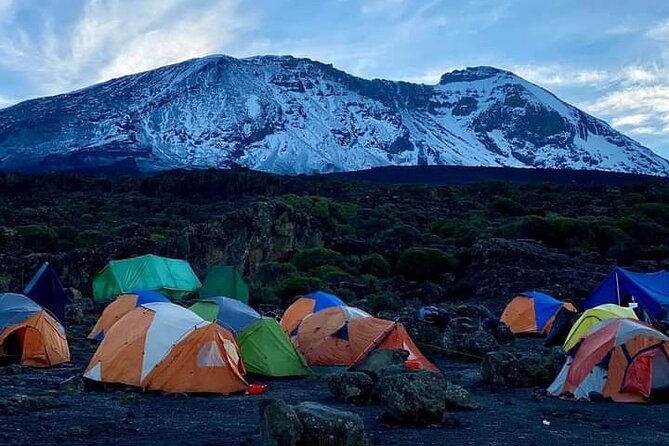
Day three changes the scenery quickly. You leave the rainforest behind and move into moor and heath, with more open views and less shelter.
The walk takes about six hours, and the plan is to arrive around mid-afternoon. That earlier arrival is useful. You have time to eat, rest, and watch the light change across the mountain range from Shira Plateau.
The Kibo glacier is described as catching the evening light from camp. This is one of the route’s visual highlights, but the bigger value is the steady rise in altitude without rushing straight toward the summit. Your body gets more time to adjust, which is one reason the Machame Route appeals to people who want a gradual ascent.
The night at Shira also reminds you that Kilimanjaro is not one single type of hike. You begin among trees, then sleep in a much more open, high-altitude setting within two days.
More Machame Route climbs:
- Climbing Kilimanjaro – Machame Route
★ 5.0 · 170 reviews - Climbing Kilimanjaro through 7 days Machame Route
★ 5.0 · 151 reviews - 7 Days Kilimanjaro via Machame route affordable price
★ 5.0 · 110 reviews - #1. Best Kilimanjaro Day hike Tour-Machame Route-ISMANI
★ 4.2 · 47 reviews
Day four: Lava Tower and the Barranco Valley
This is the cleverest day in the schedule. You climb from Shira Plateau to Lava Tower at roughly 4,640 meters, gaining about 700 meters, then continue down to Barranco Camp, which is not much higher than the previous night’s camp.
The walking time is about six to seven hours. You pass through alpine desert, then enter the Barranco Valley, where small lobelia plants and giant Senecio plants add unusual shapes to the otherwise spare terrain.
For acclimatization, the pattern is excellent: climb high, then sleep lower. You get a controlled test of the altitude without spending the night at the highest point reached that day. Guides should watch how you respond here, so take their pace seriously and say clearly if you feel unwell.
Barranco Camp is also a scenic place to pause before the route becomes harder. The day asks for patience rather than speed. You may be tempted to push ahead while feeling strong, but saving energy for summit day is the wiser choice.
Day five: the Barranco Wall and ridge walking
The Barranco Wall is the day’s headline feature. You may use your hands for balance and grip, but the route is not described as having technical climbing passages.
That distinction matters. You need a moderate level of fitness and comfort on uneven ground, but this is not a rock-climbing trip. Follow the guides closely, especially where the path narrows or the movement becomes more deliberate.
After the wall, expect repeated ascents and descents, followed by a walk along the mountain ridge. The day lasts about three to four hours, making it shorter than the previous stages. The shorter schedule gives you time to recover, though the uphill and downhill rhythm can still tire your legs.
Kibo and its glacier remain in view as you walk toward camp. That constant sightline gives the day a strong sense of direction: you can see the summit area waiting ahead, even though it is still some hours away.
The guide team is central here. Several names receive specific praise in the supplied feedback, including Mwinyi and Gloria, Tammy and Mussa, Shani and Gasper, and Ngoko and Emmanuel. If you book, ask who will lead your group and how many guides will be assigned to it.
Day six: Barafu Camp and the high alpine desert
The route to Barafu Camp takes about three to four hours, mostly across a moon-like alpine desert. The scenery becomes spare and exposed, with little visual distraction except the high mountain and the route ahead.
Barafu is the staging point for the summit attempt. After dinner, you go to bed early because the climb begins around midnight. This is not a normal night’s sleep. You should plan for a broken rest period, a small pre-climb meal, and a long day that includes both ascent and descent.
The short walking time can be misleading. Day six is physically important because you are already high, and the next day combines the hardest climb with a descent back to Barafu. Use the afternoon to organize clothing, water, headlamp, snacks, and any personal items you will need before sunrise.
Day seven: the midnight climb to Uhuru Peak
The summit day begins just before midnight with tea and biscuits. You then walk for roughly five to seven hours to Stella Point, the crater rim at the top of the mountain.
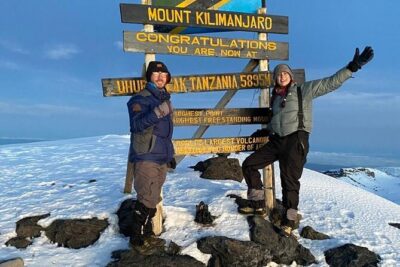
From Stella Point, you continue for another one to two hours to Uhuru Peak at 5,895 meters. The reward is sunrise from Africa’s highest mountain, assuming conditions and your health allow you to reach the top.
This is the part that requires the most honest self-assessment. The walking time is listed as nine hours, but the summit morning also includes the return to Barafu Camp, which takes another one to two hours after the peak. You should think of it as a long, demanding day rather than a simple final ascent.
The return to Barafu is along the same route. Snacks are waiting there, and the rest of the mountain crew helps you regroup. From a practical point of view, this support matters more than ceremony at this stage. You will likely be tired, cold, and ready to sit down.
The guides receive the strongest praise across the feedback. Goodluck and his crew are singled out for going far beyond basic service, while Mwinyi, Gloria, Kelvin, David, James, Maulid, and others are praised for patience, encouragement, and care. Food is also a repeated strength, with cook Saloum receiving a special mention and Juma praised for meals that kept the group fueled.
Do not book this climb because the summit photo looks easy. Book it if you accept the cold, the midnight start, the altitude, and the possibility that the guides may need to change the plan for safety.
Day eight: rainforest, Mweka Gate, and the return to Moshi
After breakfast, the mountain crew gives you a traditional farewell ceremony. You then walk for two to three hours through rainforest to Mweka Gate, where the driver collects you.
The descent is shorter than the summit day, but tired knees can make it feel long. The rainforest also brings a welcome change after the bare upper mountain. At the gate, you are transferred back to Keys Hotel for a shower, a cold drink, a debrief, and your certificate.
This final hotel stop is one of the program’s best practical touches. You do not have to finish a major climb and immediately face an airport transfer. You get a little time to clean up and take stock of what you have done.
Because one comment raises an unspecified concern about the end of the experience, confirm the return timing and what happens after the certificate ceremony. The available information does not explain the complaint, so it would be unfair to guess. It is simply a reason to get the final-day details in writing.
Guides, food, and the human side of the climb
The most consistent strength is the support crew. The names vary by group, but the repeated praise is specific: guides are described as patient, caring, funny, competent, and attentive; porters are described as friendly and helpful; cooks are credited with meals that provide enough fuel for long days.
That support can shape your whole climb. A guide who sets a sensible pace may help you conserve energy. A cook who serves meals you can actually eat at altitude can make the difference between a strong morning and a miserable one. A porter team that handles camp logistics lets you focus on walking.
The company is Kilimanjaro Heroes Adventures. The rating shown is 4.9 from 11 reviews, with 100 percent recommending the experience. That is a small sample, so I would treat it as encouraging rather than definitive. The praise is broad enough to be useful, especially around guides and food, but the incomplete criticism about the ending is a reminder to ask direct questions.
Who should choose this Machame Route climb
This climb suits you if you have moderate physical fitness, want a guided private activity, and prefer a route that changes scenery while giving your body time to adjust. The seven mountain days offer a more measured schedule than shorter Machame versions described in the feedback.
It is also a good fit if you value personal support. The praise focuses less on luxury and more on the people who make the mountain manageable.
You should think twice if you dislike early starts, basic mountain camping, long walking days, or uncertain sleep. The program includes no simple sightseeing day once you begin the climb. Even the shorter stages are part of a demanding sequence, and the summit attempt is a serious physical test.
Should you book it?
I would consider booking this Machame Route climb if the company confirms the included services, exact hotels, crew arrangements, and final-day plan. The route is well paced, the scenery changes dramatically, and the guide and food feedback is unusually positive.
The $3,100 price makes the most sense for you if you want a private, fully supported climb rather than trying to assemble park entry, transport, guides, porters, meals, and hotel nights separately. Ask about every extra cost and the tipping process before you commit.
My final advice is simple: choose this for the gradual altitude profile and strong human support, not just for the summit badge. If you are fit enough for the midnight push and willing to ask careful questions about the finish, this looks like a serious and well-supported way to reach the Roof of Africa.
FAQ
How long does the Kilimanjaro climb take?
The mountain itinerary takes seven climbing days, while the full experience is approximately eight days including the Moshi arrival and return arrangements.
What route does the climb use?
The climb follows the Machame Route on Mount Kilimanjaro.
How high is Uhuru Peak?
Uhuru Peak is listed at 5,895 meters.
What time does the summit climb begin?
The summit climb begins around midnight. You are woken shortly beforehand for tea and biscuits.
How long does it take to reach the summit?
It takes about five to seven hours to reach Stella Point, followed by another one to two hours to Uhuru Peak.
Is the tour private?
Yes. Only your own group participates in the activity. The group size is not specified.
What fitness level is required?
A moderate level of physical fitness is required. The route includes several walking days, altitude, ascents and descents, and a long summit day.
Is airport pickup available?
Yes. Pickup is offered, including a meet and greet at Kilimanjaro International Airport followed by transport to the hotel in Moshi.
Just added in Moshi
- Zanzibar: Stone Town tour and Nakupenda beach with Lunch★ 5.0 · 1 review
- day trip lake manyara★ 5.0 · 2 reviews
- Mt Kilimanjaro 6 days Marangu route hike★ 5.0 · 3 reviews
- machame route★ 5.0 · 16 reviews
- Private Cycle to Kilimanjaro Bike Park Safari★ 5.0 · 6 reviews
- West Kilimanjaro cycling Adventures★ 4.5 · 8 reviews
- Wildlife Extravaganza: Manyara, Tarangire & Ngorongoro in 3 Days★ 5.0 · 3 reviews
- 3 Days Private E-Bike Tour in West Kilimanjaro★ 5.0 · 3 reviews
Machame Route Climbs, compared.



Climbing Kilimanjaro through 7 days Machame Route
Read our review →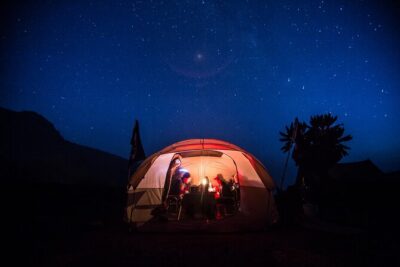
7-Day Machame Kilimanjaro Summit Tour from Arusha
Read our review →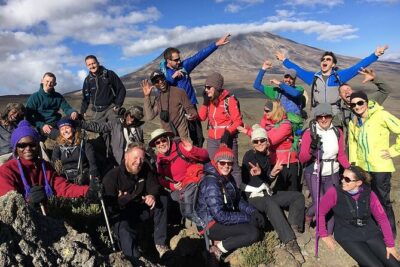
7 Days Kilimanjaro via Machame route affordable price
Read our review →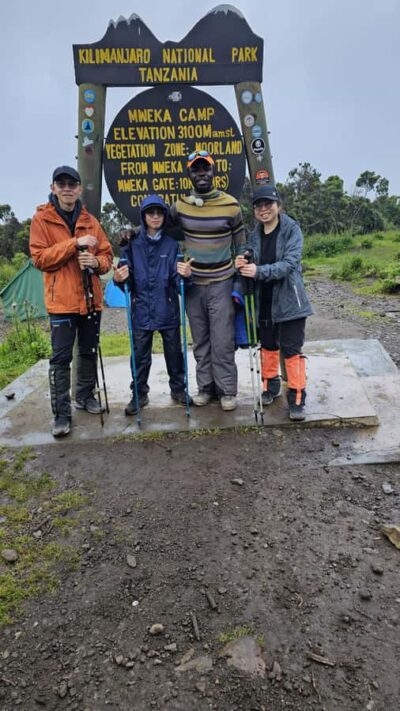
#1. Best Kilimanjaro Day hike Tour-Machame Route-ISMANI
Read our review →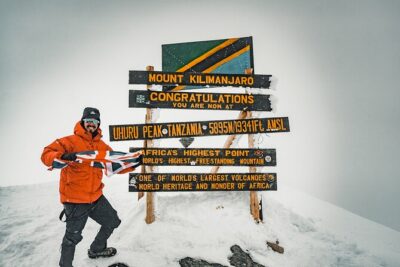
The Best of Machame Route in 6 Days: Your World’s Summit Guide
Read our review →Browse the lists this tour appears in