
Reviewed · MACHAME ROUTE CLIMBS
7-Day Kilimanjaro Climbing Via Machame Route
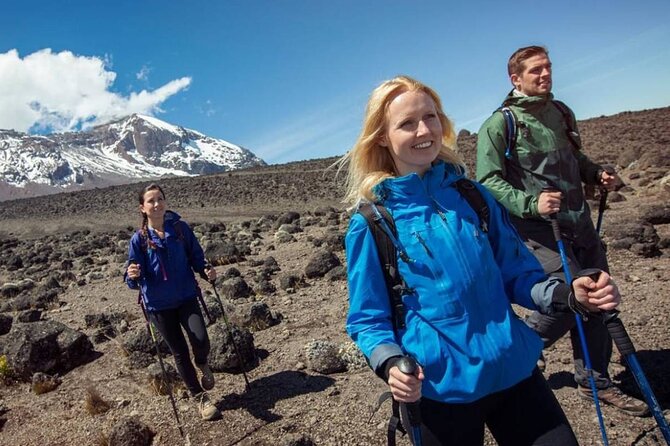
Kilimanjaro rewards patience, not haste. This seven-day climb follows the Machame Route from tropical forest to Arctic desert, giving you changing scenery, carefully spaced camps, and a serious but nontechnical path to Uhuru Peak. I like the route’s variety and the extra acclimatization day, while the repeated praise for William’s team, including guides such as Rama, David, Zach, and Donovan, adds confidence.
I especially like the forest-to-summit progression, which lets you feel the mountain change under your boots. I also like the practical camp plan: the route climbs high toward Lava Tower, then drops to Barranco Camp, a useful pattern for adjusting to altitude. The main consideration is that this is still a hard climb, with a midnight start and a very long summit day.
At $2,565 per person, the trip makes sense for someone who wants a guided, organized ascent rather than a bare-bones mountain arrangement. Before paying, I would confirm exactly what the price covers, since some itinerary entries show admission included while others do not, and international flights and visas are excluded.
In This Review
- Key points at a glance
- Why Machame is called the Whiskey Route
- Day one: Machame Gate to Machame Camp
- Day two: Leaving the trees for Shira 2
- Day three: Lava Tower and the Barranco Wall view
- Day four: Crossing Barranco Wall to Karanga
- Day five: Karanga to Barafu Camp
- Day six: The midnight push to Uhuru Peak
- Day seven: Mweka Gate and the return to Moshi
- The guides, porters, and food
- Is $2,565 a fair price?
- Who should choose this climb?
- Practical points before you book
- Should you book the 7-day Machame Route?
- FAQ
- How long is the Kilimanjaro Machame Route experience?
- Where does the climb begin?
- How high is Uhuru Peak?
- Is the Barranco Wall a technical climb?
- Which route options are available?
- What camps are used on the seven-day route?
- When does the summit climb begin?
- How long is the summit day?
- Are meals included?
- Are international flights and visas included?
Key points at a glance
- Six climate zones in seven days: You begin in tropical rainforest and finish in the cold, dry summit zone.
- Barranco Wall is nontechnical: It requires care and steady footing, but guides assist you over the rock.
- Day three uses the climb-high, sleep-lower pattern: You hike toward Lava Tower for lunch, then descend to Barranco Camp.
- Summit day starts around midnight: Expect about seven hours to Uhuru Peak, followed by six to eight hours down to Mweka Camp.
- The support team is a major strength: William, Rama, David, Zach, Donovan, Joseph, Izadini, Paul, and cook Hussein are praised across the supplied comments, though staffing can vary by departure.
- The seven-day version is preferable to six days: It gives your body more time to adjust before the summit push.
Why Machame is called the Whiskey Route
Machame is often called the Whiskey Route, a nickname that hints at its tougher reputation compared with easier-going options. That does not mean you need technical climbing skills. It means the route has steeper sections, longer walking days, and a more rugged feel.
The start is at Machame Gate on Kilimanjaro’s southern side. The gate sits at 5,718 feet, or 1,748 meters, and is only about 20 minutes from Aishi Machame Hotel according to the tour description. The route then rises through several ecological zones, each with its own feel and weather.
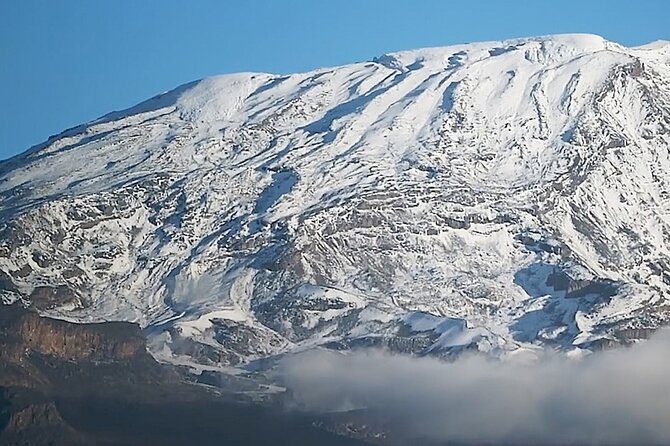
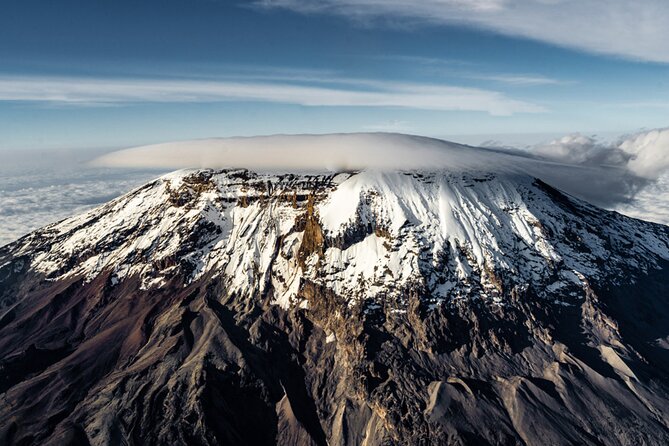
You start among trees and humid forest. Higher up, the trees thin into moorland and heather. By the time you reach the upper camps, you are walking through open, spare terrain with little shelter. Near the summit, the surroundings become an Arctic desert of rock, cold, and thin air.
I like this route because the scenery changes almost every day. You are not simply walking uphill through one type of terrain. You can look back and see the lower slopes, then turn toward the summit and watch vegetation disappear.
More Kilimanjaro climbs:
- Kilimanjaro climb by Lemosho Route (7-day)
★ 5.0 · 651 reviews - Kilimanjaro climb, Machame Route (7-day)
★ 5.0 · 262 reviews - Kilimanjaro Climbing Lemosho Route 8 Days.
★ 5.0 · 186 reviews
Day one: Machame Gate to Machame Camp
The first day begins with a drive from Moshi to Machame Gate. The itinerary gives an approximate drive time of 45 hours, which is clearly inconsistent with the stated 20-minute distance from Aishi Machame Hotel. I would ask the operator to confirm the transfer time before departure.
At the gate, registration and preparations lead into a five to seven-hour walk to Machame Camp at 9,350 feet, or 2,850 meters. This is your introduction to the tropical rainforest zone.
The forest makes a fine opening. It is shaded, green, and more enclosed than the upper mountain. It also tends to feel easier than the altitude would suggest, which can tempt you to walk too fast. That is a mistake. Start slowly and save energy.
Machame Camp is more than a stopping point. It is where you first learn the rhythm of mountain life: walk, eat, rest, and prepare for the next height gain. Lunch, breakfast, and dinner are listed among the included meals, with seven lunches, seven breakfasts, and six dinners included overall.
Day two: Leaving the trees for Shira 2
The second day takes you from Machame Camp to Shira 2 Camp at 12,621 feet, or 3,847 meters. The walk is listed at about eight hours.
This is a noticeable change from the first day. You leave the rainforest and enter moorland and heather, where trees become scarce and smaller plants take over. The open views are a welcome reward, but the sun and wind can feel more direct than in the forest.
The height gain is substantial, so your pace matters. I would treat this as a steady acclimatization day, not a race to camp. You may feel fit at the start and tired by the end. That is normal, but you should report unusual symptoms to your guide rather than trying to hide them.
Shira 2 is useful because it gets you higher without sending you straight to the summit zone. The seven-day plan has value here. The six-day version removes some margin for adjustment, while the seven-day option gives you more time to settle into the altitude.
Day three: Lava Tower and the Barranco Wall view
Day three is one of the best-designed sections of the route. You leave Shira 2 and walk toward Lava Tower, with lunch at roughly 13,000 feet before descending to Barranco Camp at 13,066 feet, or 3,983 meters.
The total walking time is listed at about eight hours. The climb toward Lava Tower tests how your body reacts to higher altitude. The later descent helps you sleep at a lower camp than your highest point of the day.
This climb high, sleep lower pattern is one of the practical reasons I like the seven-day schedule. It does not remove the risk of altitude sickness, but it gives your body a better chance to adjust than a faster ascent.
Barranco Camp has excellent views of the Great Breach Wall. The terrain around camp feels more barren, with the desert beginning to replace the softer moorland. It is a dramatic place to spend the night, and the wall gives you a clear preview of the next day’s challenge.
More Machame Route climbs:
- Climbing Kilimanjaro – Machame Route
★ 5.0 · 170 reviews - Climbing Kilimanjaro through 7 days Machame Route
★ 5.0 · 151 reviews - 7 Days Kilimanjaro via Machame route affordable price
★ 5.0 · 110 reviews - #1. Best Kilimanjaro Day hike Tour-Machame Route-ISMANI
★ 4.2 · 47 reviews
Day four: Crossing Barranco Wall to Karanga
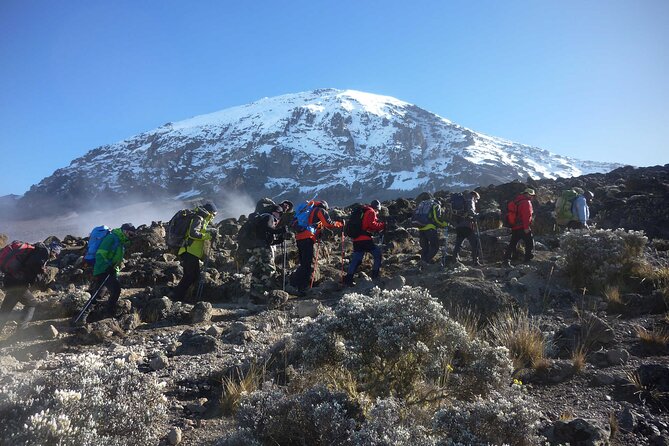
The fourth day covers the short but memorable route from Barranco Camp to Karanga Camp, at 13,106 feet, or 3,994 meters. The stated walking time is four to five hours, though the itinerary also lists seven hours for the stop.
The Barranco Wall is the day’s main feature. It is not a technical climb, but you will use your hands at points and need to pay attention to your footing. The guides are there to assist you, and a calm, steady approach is more useful than strength or speed.
This section can feel exposed and awkward if you dislike heights, even though it does not require ropes or climbing equipment according to the supplied details. I would keep your hands free where possible and follow the guide’s instructions.
Karanga is a short day by Kilimanjaro standards, allowing time to rest. That rest is valuable because the next camp, Barafu, sits much higher and the summit attempt begins from there.
Day five: Karanga to Barafu Camp
From Karanga, you climb to Barafu Camp at 15,239 feet, or 4,644 meters. The walk takes about four to five hours, with seven hours listed for the stop.
Barafu means ice in Swahili, and the camp’s height gives you a clear idea of the conditions ahead. The surrounding terrain is open and dry, with little of the shelter you had lower down. You are now preparing for the hardest part of the trip.
The plan calls for an early bedtime at about 7 p.m., followed by a wake-up around 11 p.m. You then prepare for a start close to midnight. This schedule is not a small detail. You may spend much of the evening trying to rest while thinking about the summit, so use the time quietly and keep your gear organized.
I would pack the items you need for the summit before going to sleep. At midnight, cold hands, darkness, and fatigue make simple tasks feel harder than they should.
Day six: The midnight push to Uhuru Peak
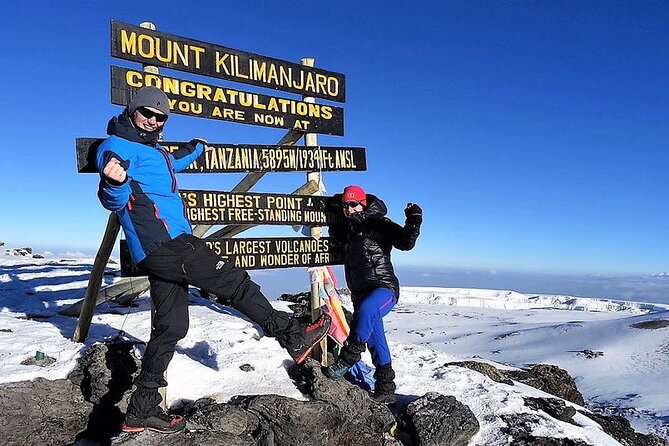
Summit day is the true test. You leave Barafu around midnight and climb for about seven hours to Uhuru Peak, the highest point of Kilimanjaro at 19,341 feet, or 5,895 meters.
The aim is to reach the summit around sunrise. The timing gives you a memorable view if the weather cooperates, but it also means you climb through the coldest and darkest part of the night. The pace should be slow and deliberate. The supplied comments repeatedly praise guides for motivation and support during this final push, with Rama and Donovan specifically noted for encouragement on the summit climb.
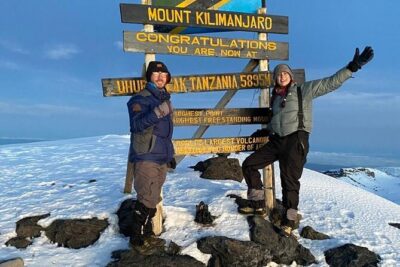
At Uhuru Peak, you usually have only a short time to celebrate and take photographs. The cold, altitude, and wind make lingering uncomfortable. The achievement is still enormous, even if your summit stop is brief.
The descent goes via Stella Point to Mweka Camp at 10,204 feet, or 3,110 meters. This takes another six to eight hours. In practical terms, this is a very long day, likely the most tiring day of the entire climb.
Many people focus only on reaching the top. I would give equal attention to the descent. Tired legs and loose ground can create problems, so keep your pace controlled and listen to the guide.
Day seven: Mweka Gate and the return to Moshi
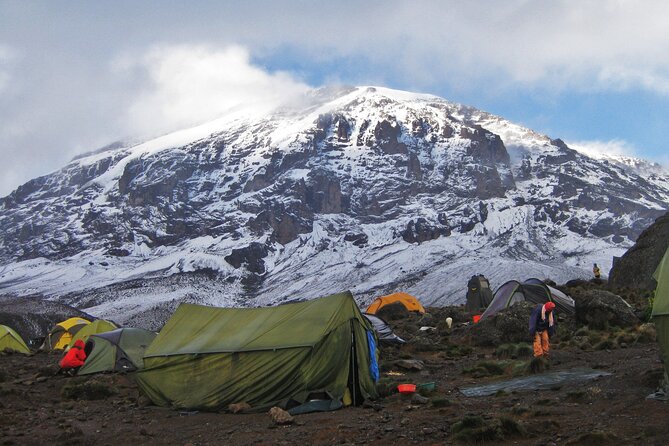
After breakfast, you descend from Mweka Camp to Mweka Gate at 5,423 feet, or 1,653 meters. The final walk takes about three to four hours.
At the gate, you sign the official Kilimanjaro National Park register, have a cold drink, and receive an official Kilimanjaro certificate from the head guide. Those small rituals matter. After days of walking, a signature, a drink, and a certificate provide a clear finish.
The itinerary gives a three-hour drive back to a premium hotel in Moshi, with an expected arrival around 3 p.m., depending on your departure from camp. Pickup is offered, and the trip begins with a meeting time listed as midnight. I would confirm the exact meeting point and transfer schedule because the published timing contains at least one obvious inconsistency.
The guides, porters, and food
The strongest praise centers on the support crew. William is repeatedly singled out as an experienced lead guide and the person behind Spirit of Kilimanjaro. Other named guides include Rama, Zach or Zac, David, Joseph, Donovan, Izadini, and Paul. The cooking receives its own praise, with Hussein named specifically.
You should not assume every named person will be on your departure. Still, the pattern is clear: guide care, organization, and encouragement are central to the experience being sold.
The food is another strong point. The supplied comments describe it as delicious, and meals are included throughout the climb: seven breakfasts, seven lunches, and six dinners. That is important value on a seven-day trek, since you do not have to arrange mountain meals separately.
The itinerary does not spell out porter numbers, tent arrangements, menus, or luggage limits. Ask about those points before booking. They affect comfort, preparation, and the ethical side of a mountain trip.
Is $2,565 a fair price?
At $2,565 per person, this is not a casual day hike. You are paying for a seven-day guided ascent, mountain logistics, meals, camp support, transport arrangements, and the expertise needed for a high-altitude summit attempt.
The price looks most useful for someone who values structure and a strong support team. The seven-day schedule is also worth considering as part of the value, since the extra day gives you better acclimatization than the six-day option.
Do not compare prices based on the headline alone. International flights and visas are not included. The itinerary also labels admission as included on some days and not included on others, so I would ask the company to provide a written list of park fees, transfers, equipment, accommodation, tips, and other costs.
The activity can accept a maximum of 100 people, but that does not tell you the size of your actual climbing group. Ask how many people will be in your group and how many guides will accompany it.
Who should choose this climb?
This route suits you if you have a moderate level of physical fitness and want a challenging mountain walk without technical climbing. You need to be comfortable with long days, cold conditions, a midnight departure, and a full day of walking to the summit and back down to camp.
It is a good fit if scenery matters to you. The route gives you rainforest, heather, moorland, open desert, the Barranco Wall, the Great Breach Wall, and the summit area in one continuous journey.
I would choose the seven-day plan over six days if your schedule allows. The extra time is especially useful for people with limited high-altitude trekking experience.
This is not the right choice if you want a relaxed holiday with plenty of sleep or short walking days. It is also not a good idea to book it simply because the price appears manageable. The summit day is physically demanding, and no guide can guarantee that you will reach Uhuru Peak.
Practical points before you book
Confirmation is provided at booking, and the activity is near public transportation. Pickup is offered, but confirm the exact pickup location and hotel arrangement.
The listed start time is 12:00 a.m. That refers to the summit morning schedule in the itinerary, which calls for waking at 11 p.m. on day five and starting around midnight. Confirm the operational schedule so you know when the Moshi transfer, gate registration, and actual climb begin.
Free cancellation is available if you cancel at least 24 hours before the experience start time. Cancellations made within 24 hours are not refunded, and changes within that period are not accepted.
Should you book the 7-day Machame Route?
I would book this climb if you want a classic Kilimanjaro route with changing scenery, a serious but nontechnical trail, and a seven-day schedule that gives acclimatization a fair chance. The repeated praise for William’s organization, the guides’ encouragement, and the food adds useful reassurance.
I would not book until the operator clarifies the conflicting drive times, the exact inclusions, the park admission charges, and the expected group size. Once those points are clear, the seven-day Machame Route looks like a strong choice for a fit, prepared climber who values careful pacing and dependable mountain support.
FAQ
How long is the Kilimanjaro Machame Route experience?
The climb lasts approximately seven days.
Where does the climb begin?
It begins at Machame Gate on the southern side of Mount Kilimanjaro.
How high is Uhuru Peak?
Uhuru Peak is 19,341 feet high, or 5,895 meters.
Is the Barranco Wall a technical climb?
No. The supplied information describes the Barranco Wall climb as nontechnical, with guides available to assist you.
Which route options are available?
You can choose a six-day or seven-day climb. The seven-day option is preferred for better acclimatization.
What camps are used on the seven-day route?
The itinerary lists Machame Camp, Shira 2 Camp, Barranco Camp, Karanga Camp, Barafu Camp, and Mweka Camp.
When does the summit climb begin?
You wake at about 11 p.m. and begin trekking around midnight from Barafu Camp.
How long is the summit day?
The climb from Barafu Camp to Uhuru Peak takes about seven hours. The descent to Mweka Camp takes another six to eight hours.
Are meals included?
Yes. The package lists seven breakfasts, seven lunches, and six dinners.
Are international flights and visas included?
No. International flights and visas are not included in the price.
Just added in Moshi
- Zanzibar: Stone Town tour and Nakupenda beach with Lunch★ 5.0 · 1 review
- machame route★ 5.0 · 16 reviews
- day trip lake manyara★ 5.0 · 2 reviews
- Mt Kilimanjaro 6 days Marangu route hike★ 5.0 · 3 reviews
- Private Cycle to Kilimanjaro Bike Park Safari★ 5.0 · 6 reviews
- West Kilimanjaro cycling Adventures★ 4.5 · 8 reviews
- Wildlife Extravaganza: Manyara, Tarangire & Ngorongoro in 3 Days★ 5.0 · 3 reviews
- 3 Days Private E-Bike Tour in West Kilimanjaro★ 5.0 · 3 reviews
Machame Route Climbs, compared.



Climbing Kilimanjaro through 7 days Machame Route
Read our review →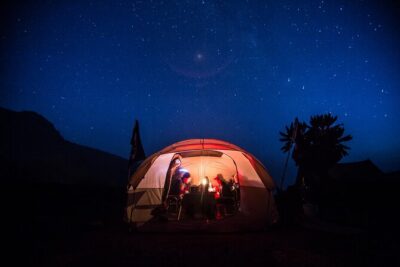
7-Day Machame Kilimanjaro Summit Tour from Arusha
Read our review →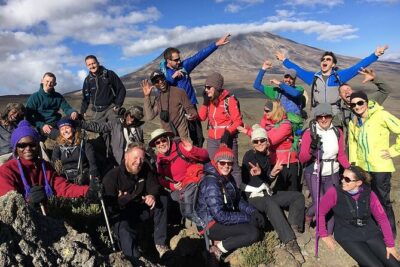
7 Days Kilimanjaro via Machame route affordable price
Read our review →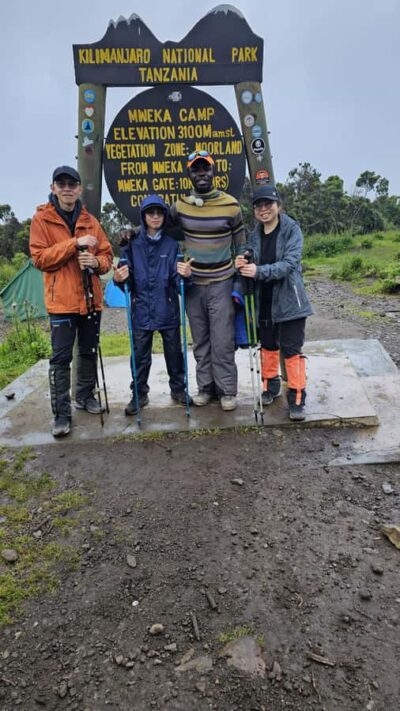
#1. Best Kilimanjaro Day hike Tour-Machame Route-ISMANI
Read our review →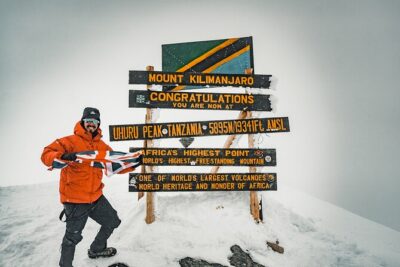
The Best of Machame Route in 6 Days: Your World’s Summit Guide
Read our review →Browse the lists this tour appears in