
Reviewed · MACHAME ROUTE CLIMBS
7-Day Mountain Climbing in Machame Route
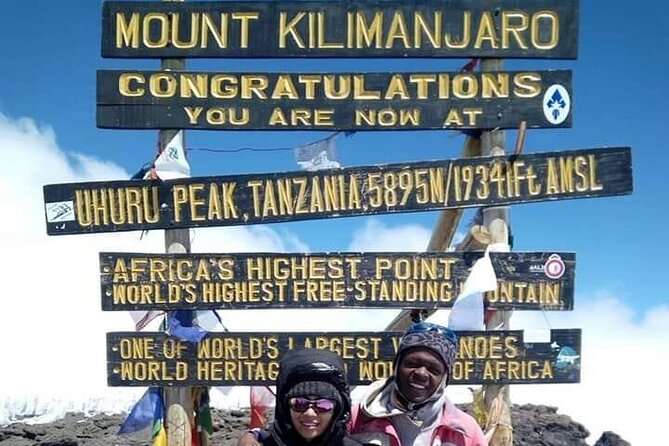
The mountain changes character every day. This seven-day Machame Route climb takes you from Kilimanjaro’s thick rainforest to open moorland, volcanic rock, alpine desert, and a sunrise summit. I like the route’s steady progression and the built-in acclimatization days, and I also like that your own private group travels with guides, porters, and a cook. The main caution is simple: summit night is very hard, and the written itinerary contains a few details you should confirm before booking.
I also appreciate the human side of the trip. Past climbers praised the support crew, good food, humor, and encouragement, with guides named John and Ellie receiving special praise. The $2,700 price includes park fees, meals, pickup, and private guiding, but tips, personal gear, and other possible costs are not included.
In This Review
- Key points at a glance
- What the $2,700 price really covers
- Day 1: Arusha to the Machame rainforest
- Day 2: From rainforest to Shira Camp
- Day 3: Volcanic rock and an itinerary detail to check
- Day 4: Barranco Wall and Karanga Valley
- Day 5: Barafu Camp and the wait for midnight
- Day 6: The midnight summit push
- Day 7: Descending through rainforest to Mweka Gate
- Food, camps, and the human side
- Who should book this climb?
- What to confirm before booking
- Should you book the Machame Route?
- FAQ
- Where does the climb begin?
- How long is the Machame Route experience?
- What level of fitness is required?
- Is this a private tour?
- What meals are included?
- Are park fees included?
- Are tips included?
- What happens if bad weather cancels the climb?
Key points at a glance
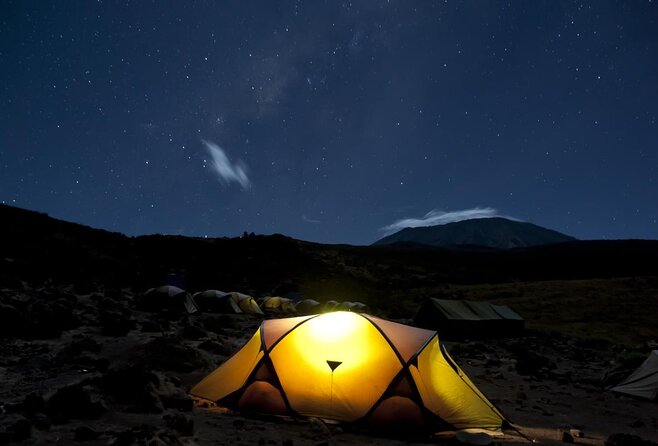
- Seven days on Machame Route: You move through rainforest, moorland, semi-desert, and alpine desert before the summit attempt.
- Private group experience: Only your party participates, so the pace and support are more personal than on a large group departure.
- A demanding summit night: You leave around midnight and hike in darkness for roughly five to six hours before reaching Stella Point, followed by another hour toward the peak.
- Porters and a cook included: Your support team carries luggage, prepares meals, and waits at camp with food and hot drinks.
- Strong value for a full-service climb: Park fees, breakfast, lunch, and dinner are included, along with pickup.
- Check the written details carefully: Day 3 lists Barranco Camp in the description but Shira Camp under accommodation, and several timing and elevation notes need clarification.
What the $2,700 price really covers
At $2,700 per person, this is not a bare-bones walking trip. The price includes Kilimanjaro National Park fees, breakfast for seven days, lunch for seven days, and dinner for six days. Pickup is offered, and the final transfer takes you to accommodation in Moshi or Arusha.
The support team is a major part of the value. The trip uses guides, porters, and a cook, so you are not carrying every item yourself or preparing meals after a long day at altitude. The itinerary also says the porters and cook wait at Machame Camp with hot baths and meals, though you should ask exactly what bathing facilities are provided.
The price does not include tips. Tipping is recommended at the end, with a farewell celebration at Mweka Gate for the guides, porters, and cook. Ask the operator for current tipping guidance before departure so you can budget fairly and avoid guessing at the end of an exhausting week.
The information provided does not spell out every piece of equipment. One past climber specifically praised the availability of trekking poles, sleeping bags, sleeping pads, warm clothes, and other useful items. Still, you should confirm which items are supplied, whether they are included in the $2,700 price, and what you must bring yourself.
More Machame Route climbs:
- 7-Day Machame Kilimanjaro Summit Tour from Arusha
★ 5.0 · 125 reviews - 6 Days: Hiking Kilimanjaro via Machame Route
★ 5.0 · 24 reviews - 6-Day Guided Tour in Machame Route Mt Kilimanjaro
★ 5.0 · 17 reviews
Day 1: Arusha to the Machame rainforest
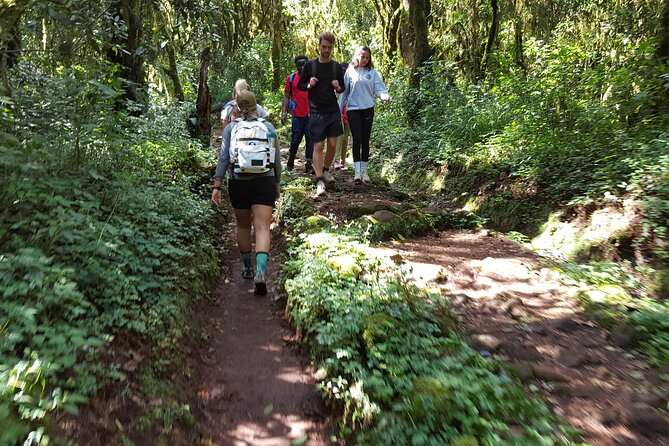
The first day begins with a 7:30 am start from Arusha and a transfer to Kilimanjaro National Park. Park formalities come first. Then you start walking through the thick rainforest that covers the lower slopes.
The stated hiking time is five to six hours, with an elevation gain from 1,811 meters to 3,021 meters. That is a meaningful first climb, not a gentle warm-up. The forest habitat gives the day a softer, greener feel, and you might spot blue colobus monkeys and several bird species along the trail.
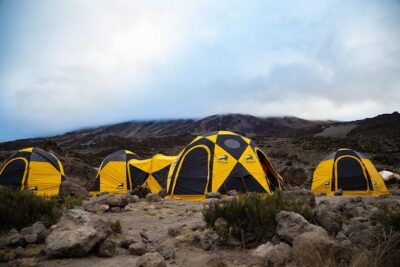
Machame Camp is your first overnight stop. The itinerary places camp at about 3,000 meters. Your porters and cook prepare meals while you recover, which matters because the climb begins gaining altitude immediately.
I like this opening because it gives you a real change of setting within one day. You leave town behind, enter the forest, and finish at a high mountain camp. The drawback is that the first day can feel long if your legs are not ready for five or six hours of uphill walking.
Breakfast, lunch, and dinner are included. The listed walking time is six hours, while the overall stop duration is about eight hours, so allow for breaks, park procedures, and the pace of the group.
Day 2: From rainforest to Shira Camp
Day 2 is shorter, with about four to five hours of hiking. The rainforest begins to give way to open moorland, changing both the scenery and the feel of the climb.
You rise from about 3,021 meters to 3,839 meters, gaining 818 meters. That is still a solid altitude increase, but the shorter walking day gives you more time to rest at Shira Camp in the afternoon.
The camp offers views toward Kibo Glacier, one of the major visual rewards of this route. This is also a useful day for paying attention to how your body handles altitude. The schedule is not a race. Walk slowly, drink regularly, eat your meals, and tell your guide if you feel unwell.
The value of this day lies in the change of habitat. You are no longer simply walking through forest. The mountain begins to feel more exposed and spacious, with moorland replacing the dense vegetation below.
Day 3: Volcanic rock and an itinerary detail to check
Day 3 is described as a five to six-hour hike through semi-desert terrain. The first challenge is a volcanic rock formation described as about 300 feet high. After this section, the route is supposed to descend toward Barranco Camp, described as one of the most beautiful camps on Kilimanjaro.
There is an important problem in the supplied schedule. The description says you descend to Barranco Camp at about 4,500 meters, but the accommodation line says Shira Camp. The listed elevation also runs from 3,839 meters to 3,986 meters, a modest gain rather than a clear description of the full day.
Do not treat this as a minor wording issue. Your camp location affects what you pack for the night, how much walking you do, and how the next day begins. Ask Serengeti Wildlife Safaris to provide a corrected day-by-day route plan before you pay the balance or begin the climb.
The idea behind the day is sound: climb high, then descend or settle at a suitable camp to help your body adjust. The actual schedule needs to be clear.
A few more options to weigh up in Arusha
- Balloon Safari & Bush Breakfast in Serengeti – Miracle Experience
★ 5.0 · 1,646 reviews - Tanzania Classic – 7 Days
★ 5.0 · 1,151 reviews - 4 Days Group Camping Safari
★ 5.0 · 1,101 reviews - 5 Days Group Camping Safari
★ 5.0 · 730 reviews
Day 4: Barranco Wall and Karanga Valley
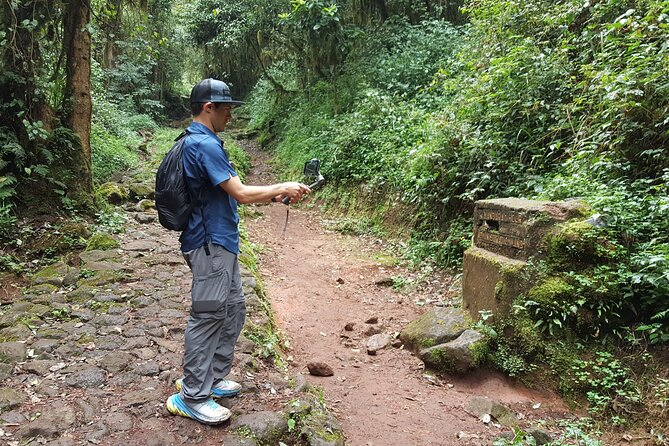
Day 4 brings the most recognizable hands-on section of the route, the Barranco Wall. The itinerary describes this as your first real taste of mountain climbing, with a stretch of rock scrambling rather than ordinary trail walking.
You then continue toward Karanga Valley. The stated elevation rises from 3,986 meters to 4,034 meters, a small net gain, and the walking time is about five hours. That modest altitude increase is useful. You are still working hard, but the route is not simply pushing you higher at full speed.
This is the sort of day where a calm guide matters. The description uses the phrase old-school rock climbing, but there is no claim that you need technical climbing experience. You do need a moderate level of fitness, steady footing, and the ability to follow instructions on uneven rock.
Karanga Camp is your overnight base. Meals include breakfast, lunch, and dinner. The best approach is to save energy, move carefully, and resist the urge to hurry through the wall simply because other people are nearby.
Day 5: Barafu Camp and the wait for midnight
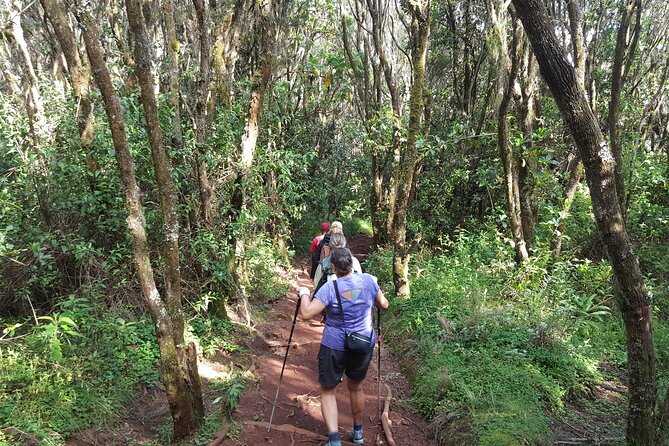
Day 5 takes you from Karanga Camp to Barafu Camp, rising from about 4,034 meters to 4,662 meters. The hike is listed at three to four hours, making it one of the shorter walking days.
This section completes the South Circuit and gives you views of the summit from different angles. Barafu is the staging point for the summit attempt, so the day is less about distance and more about preparation.
After breakfast and the climb, you have time to rest. The plan calls for an early mountain meal, plenty of water, and sleep before the midnight wake-up. That rest period is valuable, though sleeping at altitude can be difficult. Keep your evening simple. Organize your warm clothing, headlamp, water, and daypack before lying down.
The itinerary describes Barafu Camp as excited to see you, a cheerful touch in an otherwise serious part of the trip. In practical terms, this is where you need to conserve strength. The summit day begins before most people have had a full night’s sleep.
Day 6: The midnight summit push
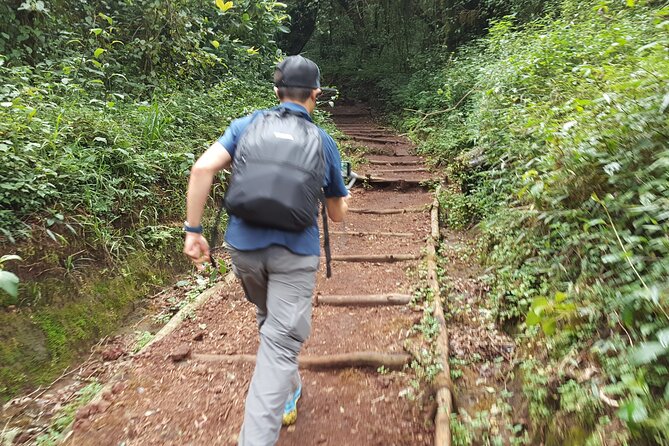
Summit night is the hardest part of the climb. Around midnight, your guides wake you with tea and a light meal. You dress in the dark, leave camp, and begin five to six hours of hiking by headlamp.
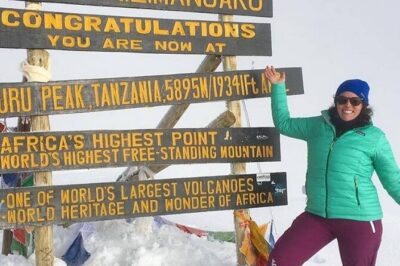
The route reaches Stella Point several hours before sunrise. From there, the plan allows another hour of difficult climbing toward the peak. The itinerary lists the summit at 5,985 meters. After reaching the top, you have time to watch sunrise and take photographs before beginning the descent.
This day is long because it combines the summit ascent with a major descent. You return to Barafu Camp for lunch and a celebration, rest there, and then continue downward toward the lower camp according to the route plan.
You should think of this as a test of endurance, not a quick photo stop. Cold, darkness, thin air, and fatigue all arrive together. The guides’ encouragement can make a real difference, and the feedback about John, Ellie, and their crew points to the importance of a supportive team.
The claim that Kilimanjaro is easier than many mountains needs careful reading. You do not need to be an expert climber, but you do need determination, a moderate fitness level, and the ability to cope with altitude. A seven-year-old to an 89-year-old has reportedly reached the summit on this mountain, but those examples do not replace honest preparation or a medical discussion if you have health concerns.
Day 7: Descending through rainforest to Mweka Gate
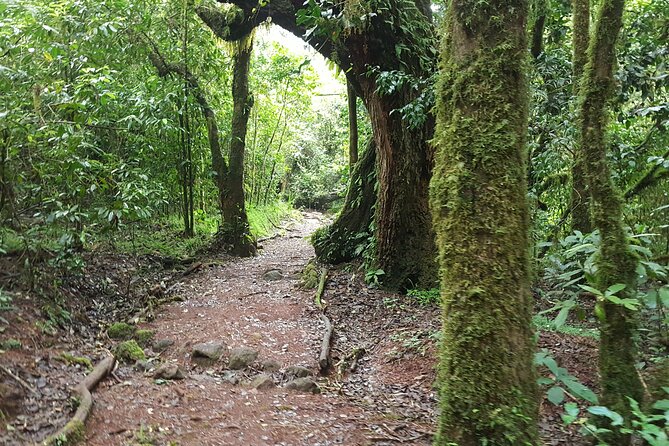
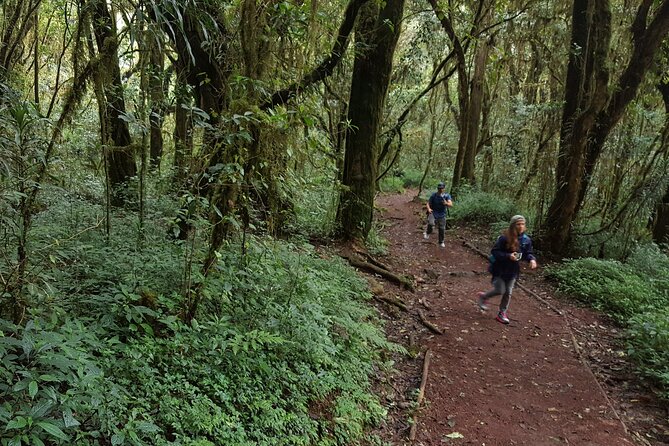
The last day is about getting down safely and celebrating properly. The itinerary lists a three to four-hour descent from approximately 3,106 meters to 1,633 meters, through rainforest, ending at Mweka Gate.
At the gate, you celebrate with the guides, porters, and cook. Tips are recommended here. Your driver then takes you to accommodation in Moshi or Arusha for a well-earned rest.
The schedule lists Forest Hill Carnival Hotel as the accommodation and includes breakfast and lunch. It also says breakfast is included for seven days, so ask how the final hotel night and meal arrangements work. The written details are not fully consistent on this point.
Descending can feel easy at first, but tired knees and feet may make the final hours uncomfortable. Use your poles if supplied, watch your footing, and keep drinking water. Reaching the gate is not an anticlimax. It is where the week’s effort becomes official and the support crew gets its due.
Food, camps, and the human side
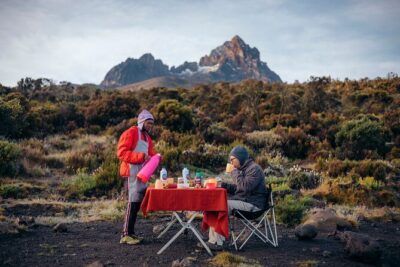
Meals are included throughout the climb, with breakfast, lunch, and dinner scheduled on Days 1 through 6. Day 7 includes breakfast and lunch. A cook travels with the group, which is a practical advantage after several hours of walking.
You should ask for a sample menu if food matters to you, since the supplied details do not list specific dishes. The trip does promise hot meals and a light tea and meal before the summit attempt.
Camping is part of the experience from Machame Camp through the high camps. The named camps include Machame, Shira, Barranco, Karanga, and Barafu, although the Day 3 accommodation line needs correction. The final night is connected with Forest Hill Carnival Hotel after the descent.
The human support sounds like one of the strongest parts of the trip. Personal feedback praises the guides, porters, and cook for carrying luggage, preparing food, keeping spirits high, and helping make a first climb feel manageable. That support is not decorative. On the hardest days, it is central to the experience.
Who should book this climb?
This trip suits you if you want a serious mountain goal without technical mountaineering. You need a moderate level of fitness and enough determination for long uphill days, a midnight start, and a full summit-and-descent day.
It also suits people who value a private arrangement. Only your group participates, so the experience should feel more personal than a large departure. The information does not state the maximum group size, so ask how many climbers, guides, porters, and support staff will be with you.
I would not choose this trip if you want a relaxed holiday with flexible mornings. The schedule is demanding, the summit night is cold and tiring, and the route reaches high altitude in stages. You should also be comfortable sleeping in mountain camps and following a fixed plan.
What to confirm before booking
The trip has a high recommendation rate, with a 5 rating based on 10 reviews, and the strongest praise centers on the scenery, the sense of achievement, the support crew, and the quality of the guiding. Still, good feedback should not stop you from checking the practical points.
Before booking, ask for:
- A corrected Day 3 camp and route description
- The exact Day 6 route after returning to Barafu
- The maximum private group size
- A complete packing list
- Details of supplied sleeping bags, sleeping pads, trekking poles, and warm clothing
- Current tipping guidance
- The exact hotel and meal plan after the descent
- Confirmation of pickup arrangements from Arusha
Free cancellation is available if you cancel at least 24 hours before the start time. Poor weather may lead to a different date or a full refund, according to the stated policy. Changes or cancellations made inside 24 hours are not accepted for a refund.
Should you book the Machame Route?
I would consider this a strong choice for a first Kilimanjaro climb if you want private guiding, porters, a cook, included park fees, and a seven-day route with several habitat changes. The scenery and the gradual move toward the summit are the main rewards, while the crew support adds real practical value.
Book it if you are ready to train, accept a difficult summit night, and confirm the unclear itinerary details in writing. If you want a gentler trip, more time for acclimatization, or a less demanding summit schedule, ask whether a longer route is available instead. For a determined climber seeking the roof of Africa without technical climbing, this package has a lot going for it.
FAQ
Where does the climb begin?
The tour begins with pickup and departure from Arusha at 7:30 am. You then travel to Kilimanjaro National Park for the required formalities before starting the trek.
How long is the Machame Route experience?
The experience lasts approximately seven days. Daily hiking times range from about three to six hours, with the summit day lasting about nine hours or more depending on the route and descent.
What level of fitness is required?
A moderate level of physical fitness is required. You do not need to be an expert mountain climber, but you need to manage uphill walking, high altitude, the Barranco Wall, and the difficult summit night.
Is this a private tour?
Yes. Only your group participates in this private tour or activity. The supplied information does not state the maximum group size.
What meals are included?
Breakfast is listed for seven days, lunch for seven days, and dinner for six days. The itinerary provides breakfast, lunch, and dinner on Days 1 through 6, with breakfast and lunch on Day 7.
Are park fees included?
Yes. Kilimanjaro National Park fees are included in the $2,700 price.
Are tips included?
No. Tips are not included, and tipping the guides, porters, and cook is recommended at the end of the climb.
What happens if bad weather cancels the climb?
If poor weather causes the experience to be canceled, you are offered a different date or a full refund. For your own cancellation, you must cancel at least 24 hours before the local start time for a full refund.
Just added in Arusha
- Safari “Kifaru” – 5 days in the most famous Parks in the world★ 5.0 · 4 reviews
- Saadani Day Trip★ 5.0 · 13 reviews
- 3 Days Tanzania Short and Spicy★ 5.0 · 6 reviews
- 5 Day Tanzania Safari Camping Adventure Private Tour★ 5.0 · 2 reviews
- Day Trip to Ngorongoro Crater from Arusha★ 5.0 · 1 review
- SERENGETI NATIONAL PARK Tour★ 4.5 · 5 reviews
- 3 Days Serengeti Park & Ngorongoro Crater Adventure Safari★ 5.0 · 8 reviews
- 6 Days Tanzania Bush Experience Safari★ 5.0 · 6 reviews
Machame Route Climbs, compared.
Climbing Kilimanjaro through 7 days Machame Route
Read our review →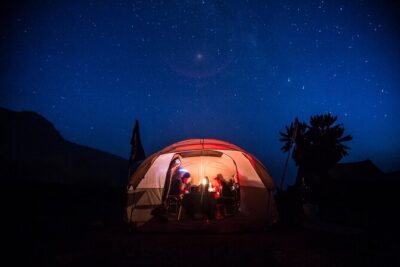
7-Day Machame Kilimanjaro Summit Tour from Arusha
Read our review →
7 Days Kilimanjaro via Machame route affordable price
Read our review →
#1. Best Kilimanjaro Day hike Tour-Machame Route-ISMANI
Read our review →
The Best of Machame Route in 6 Days: Your World’s Summit Guide
Read our review →Browse the lists this tour appears in