
Reviewed · MACHAME ROUTE CLIMBS
7 Days Kilimanjaro Trekking Machame Route
The roof of Africa takes patience. This seven-day Machame Route climb gives you changing habitats, strong mountain views, and a carefully paced summit attempt with Kiwoito Africa Safaris. I especially like the route’s acclimatization day through Lava Tower to Barranco, and the private format, where your group receives direct support from guides such as Sebastian Shirima and Henry. The main caution is simple: this is a demanding camping trek, not a gentle holiday walk.
I also like the way the route builds toward a full summit push rather than rushing you upward in fewer days. The tradeoff is that Machame uses steep trails, long hiking days, tents, and a midnight start for Uhuru Peak. You should arrive with a moderate level of fitness and some hiking experience, as the operator advises.
In This Review
- Key points to know before booking
- Why the Machame Route works for serious hikers
- Day 1: Machame Gate to Machame Camp
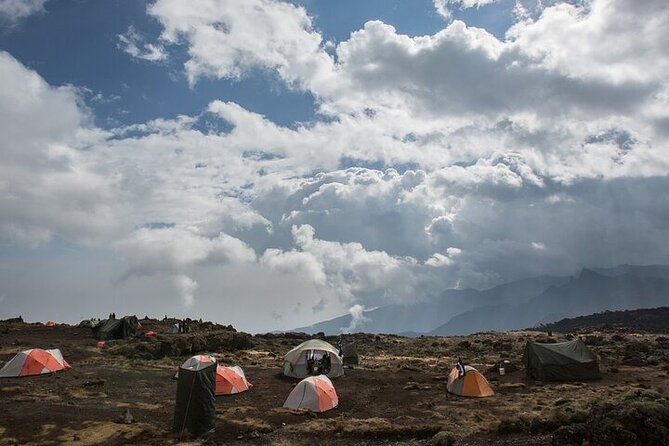
- Day 2: Machame Camp to Shira Camp
- Day 3: Shira Plateau, Lava Tower, and Barranco
- Day 4: The Barranco Wall to Karanga Camp
- Day 5: Karanga Camp to Barafu Base Camp
- Day 6: Barafu to Uhuru Peak and Mweka Camp
- Day 7: Mweka Camp to the park gate and Arusha
- What $2,500 per person represents
- Guide support and the human side of the climb
- Who should book this Machame trek
- Practical questions to ask before departure
- Should you book the seven-day Machame Route?
- FAQ
- Where does the Kilimanjaro trek start?
- How long is the Machame Route trek?
- What type of accommodation is used?
- How difficult is this trek?
- What time does summit day begin?
- How high is Uhuru Peak?
- Is this a private tour?
- What is the cancellation policy?
Key points to know before booking
- Machame covers about 62 kilometers from gate to gate, with steep sections and changing altitude.
- The route sleeps in tents, unlike the hut-based Marangu Route.
- Day three is crucial for acclimatization, climbing to Lava Tower before descending to Barranco.
- The Barranco Wall requires basic scrambling, although the route description does not present it as technical climbing.
- Summit day starts around midnight to 2:00 am, followed by a long descent to Mweka Camp.
- The private tour costs $2,500 per person, with pickup offered and a mobile ticket.
Why the Machame Route works for serious hikers
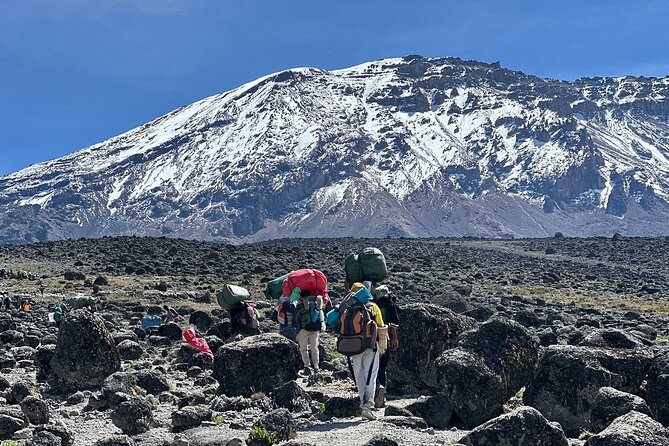
Machame is popular for good reason. You begin in montane forest, pass through moorland and high alpine country, and finish among the stark upper slopes of Kilimanjaro. That range gives the climb a sense of progress. You are not simply walking uphill for a week. The vegetation, air, trail shape, and views keep changing.
The route is also more demanding than Marangu. On Machame, you sleep in tents and tackle steeper paths over longer distances. That makes the experience feel more like a proper mountain trek, but it also means you need to be ready for basic camp life and tired legs.
The seven-day schedule is useful because it gives your body more time to adjust. The most important example comes on day three. You climb toward Lava Tower at roughly 12,500 feet, then descend to Barranco Camp at about 13,000 feet. Finishing near your starting elevation may seem odd, but this climb-high, sleep-lower pattern helps prepare you for the summit attempt.
More Machame Route climbs:
- Kilimanjaro climb, Machame Route (7-day)
★ 5.0 · 262 reviews - Climbing Kilimanjaro – Machame Route
★ 5.0 · 170 reviews - Climbing Kilimanjaro through 7 days Machame Route
★ 5.0 · 151 reviews
Day 1: Machame Gate to Machame Camp
Your morning begins after breakfast, with transfer to Machame Gate. The start time is listed as 7:00 am, so you should be ready early and keep your gear organized. At the gate, you sign in and prepare for the first trail section.
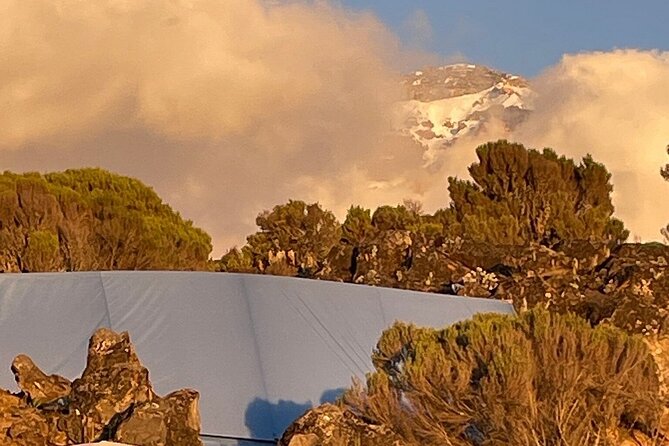
The route enters montane forest, with a gradual introduction to Kilimanjaro’s lower slopes. The day covers about 11 kilometers and takes five to seven hours. You finish at Machame Camp, around 3,000 meters.
This first day is not the highest or most dramatic, but it sets the rhythm for the week. You will hike, stop, eat, and settle into camp. The forest section can be wet, and the trail may feel busy at times because Machame is a popular route. Still, the trees provide a pleasant start before the more exposed upper zones.
I would treat this day as a test of pacing. Do not burn energy trying to prove your fitness in the first few hours. The mountain rewards a slow, steady approach, and your guide will likely encourage that style.
Day 2: Machame Camp to Shira Camp
After breakfast, you leave the forest behind and climb into heather and open moorland. The path becomes steeper, with a rocky ridge and a crossing toward the Shira Plateau. The distance is shorter than day one at about nine kilometers, but the altitude gain is greater.
You rise from roughly 3,000 meters to 3,850 meters, an increase of about 850 meters. Hiking time is listed as four to six hours. The open terrain changes the feel of the trek. You get wider views, less shelter, and a clearer sense that you are gaining height.
The route crosses a large river gorge before reaching Shira 2 Camp. The description also places the route toward the river’s gorge and Shira Campsite, so your exact camp name may depend on the operating plan for your departure. Ask for the confirmed camp location before you set out.
This day can be deceptively tiring. Nine kilometers sounds manageable, but the ascent and thinner air begin to matter. Walk slowly, drink regularly, and tell your guide early if you develop a headache or feel unusually weak. Good communication is more useful than trying to hide discomfort.
Day 3: Shira Plateau, Lava Tower, and Barranco
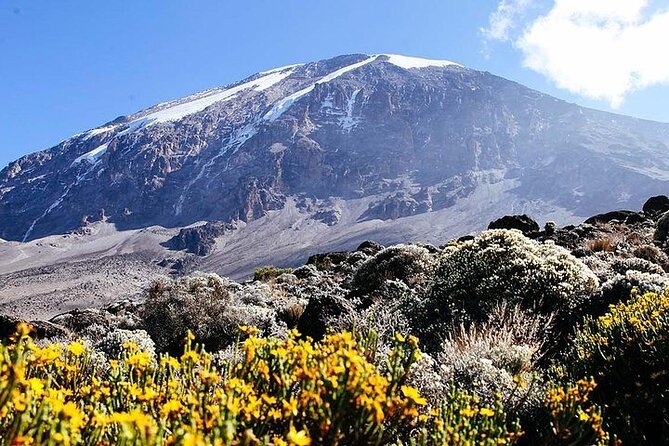
Day three is one of the best-designed parts of this itinerary. From the Shira Plateau, you head east along a ridge, passing the junction toward Kibo, the main summit cone. The trail then turns southeast toward Lava Tower, also called the Shark’s Tooth.
The day covers about 10 kilometers and takes six to eight hours. The habitat is described as semi-desert, and the route reaches approximately 16,000 feet near the Arrow Glacier junction before descending to Barranco Hut, around 13,000 feet. The itinerary also gives the day’s elevation as about 12,500 to 13,000 feet, so the exact high point and measurements should be confirmed with your guide.
The important point is not the number on the chart. It is the pattern. You climb high, spend time at altitude, then descend to camp. This gives your body a valuable adjustment period before the summit push.
Lava Tower can also be a mental checkpoint. The mountain feels more severe here, with fewer trees and a harder upper-world appearance. You then descend toward Barranco, where dinner and overnight camp provide a welcome reset.
More treks in Moshi:
- Private Kilimanjaro Hike 7 Day Lemosho Route
★ 5.0 · 60 reviews - Best Kilimanjaro hiking day trip tour with Kilinge Adventures
★ 4.5 · 54 reviews - #1. Best Kilimanjaro Day hike Tour-Machame Route-ISMANI
★ 4.2 · 47 reviews - Best Kilimanjaro Adventure 7 days Machame route Trekking
★ 5.0 · 42 reviews
Day 4: The Barranco Wall to Karanga Camp
The Barranco Wall is the day’s defining feature. It rises about 257 meters and requires basic scrambling skills. You use your hands in places, step carefully, and follow the guide’s instructions. It is not described as technical climbing, but it is more involved than ordinary trail walking.
After reaching the top, you continue through the Karanga Valley. The trail rises and falls several times before reaching Karanga Camp at about 3,960 meters. Distance is around seven kilometers, with roughly seven hours of hiking.
This is a good example of why distance alone does not tell you how hard a mountain day will be. Seven kilometers may sound short, yet the wall, repeated inclines, and altitude can make it a full day. Wear shoes with dependable grip and keep your hands free for balance.
The Barranco Wall can also become one of the most memorable sections because it breaks up the steady walking pattern. You get a physical challenge without needing specialist climbing equipment. If heights or scrambling make you nervous, tell the guide at the start rather than waiting until the wall.
Day 5: Karanga Camp to Barafu Base Camp
Day five is deliberately short. You follow the trail from Karanga Camp and join the Mweka route toward Barafu Camp, the base for the summit attempt. The distance is about six kilometers, and hiking time is listed as three hours.
Barafu sits at roughly 4,680 meters in the alpine desert zone. There is little vegetation at this height, and the camp’s main purpose is preparation. You should use the short day to rest, eat, organize summit clothing, and keep your movements easy.
The itinerary specifically recommends relaxed hiking. Take that advice seriously. Barafu is not the place to spend the afternoon wandering around to fill time. Your next start may come between midnight and 2:00 am, so conserving energy matters more than sightseeing.
A private trip is useful here because your guide can focus on your group’s pace and condition. The company’s strongest praise centers on support and encouragement, especially for Sebastian Shirima, Sebastian, Henry, and the wider guiding and porter team. That kind of steady human help matters most when the air is thin and the summit feels close but not yet guaranteed.
Day 6: Barafu to Uhuru Peak and Mweka Camp
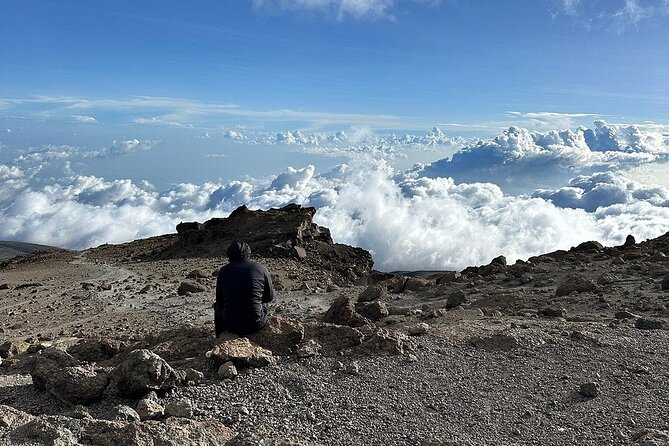
Summit day is the hardest day of the trek. You begin very early, between midnight and 2:00 am, climbing between the Rebmann and Ratzel Glaciers. The goal is to reach Stella Point at about 18,600 feet around sunrise, weather permitting.
At Stella Point, you can take a short rest and watch the sunrise. From there, the route continues for about another hour to Uhuru Peak. Snow may appear on this final section. Faster hikers may see sunrise from the summit itself, while others will experience it at Stella Point. Neither option is a failure. The mountain sets the timing.
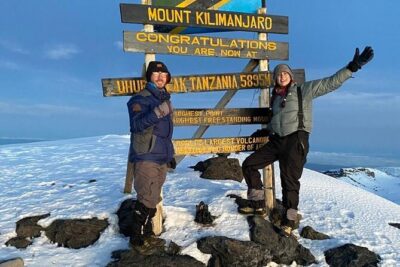
Reaching Uhuru Peak means standing at the highest point on Kilimanjaro and in Africa. Expect the final climb to feel slow. A very deliberate pace is normal at this altitude, and your guide’s encouragement can make a real difference.
The descent is long. You return toward Barafu for lunch, then continue down to Mweka Hut Campsite. Loose gravel makes the downhill section awkward, so gaiters and trekking poles are specifically recommended. The supplied itinerary cuts off partway through the clothing advice, but the practical message is clear: keep rain gear and warm layers accessible rather than buried in your pack.
This day combines the emotional high point with the greatest physical demand. Reaching the summit is only half of the day’s work. You still need to descend, so avoid treating Uhuru Peak as the moment to spend all your remaining energy.
Day 7: Mweka Camp to the park gate and Arusha
The final day returns to the rainforest. From Mweka Camp, around 10,000 feet, you descend to Mweka Park Gate at approximately 5,400 feet. The distance is about 10 kilometers, with three to four hours of hiking.
The lower trail may be wet and muddy. Gaiters and trekking poles remain useful, even though the altitude is dropping. Shorts and a T-shirt may be comfortable lower down, but keep rain gear and warmer clothes handy until you know what the weather is doing.
At the gate, you receive your summit certificates. The route then continues for about another hour to Mweka Village, where a vehicle meets you for the drive back to your hotel in Arusha.
This final vehicle transfer is worth clarifying before booking. The tour information lists Moshi as the location but says the return is to a hotel in Arusha. Ask exactly where pickup and drop-off occur, especially if your accommodation is in Moshi or you have an airport connection.
What $2,500 per person represents
At $2,500 per person, this is a major travel purchase. The value depends on what the operator includes beyond the trek itself. The supplied details confirm a private seven-day activity, pickup offered, mobile ticketing, and admission tickets included at the listed stops. They do not give a full breakdown of transport, meals, park fees, equipment, accommodation before or after the climb, or porter arrangements.
That means you should request the written inclusions before paying. Ask about hotel nights, airport or town transfers, tents, meals, drinking water, park and rescue fees, crew tips, and emergency procedures. Do not assume that a higher price automatically includes every extra.
The private format can justify a higher cost than a large shared departure. Your group can receive direct attention, and the company’s repeated praise focuses on punctual organization, quick communication, and support from guides and porters. People also describe the agency as small and locally run, which may appeal to you if personal contact matters more than a large international brand.
Guide support and the human side of the climb
The strongest part of this experience appears to be the people around the trek. Sebastian Shirima receives special praise, and Sebastian and Henry are also singled out for motivation, encouragement, and teaching. Charles is mentioned for agency coordination, while other team members named in feedback include William, Gift, and Amani.
You should still ask who your lead guide will be for your departure. Names can change, and the provided information does not promise a specific guide. It does show that the company places importance on an active support team rather than treating the climb as a self-guided walk.
The accounts also point to singing, dancing, good humor, and shared moments on the mountain. Those details are not a substitute for safety or fitness, but they can shape the mood of a long climb. A supportive crew helps you keep moving when the trail becomes repetitive and the summit morning feels endless.
Who should book this Machame trek
I would recommend this route to you if you have moderate fitness, some hiking experience, and a genuine interest in a mountain challenge. You need to accept steep trails, tent camping, cold and changing conditions, altitude, and a very early summit start.
It is less suitable if you want hut accommodation, short daily walks, or a predictable sleep schedule. It is also not ideal if you plan to rely on enthusiasm alone. The route description makes clear that Machame is designed for physically fit people with hiking experience.
Service animals are allowed, and the tour is near public transportation, but the main issue is physical readiness. The climb itself is the demanding part, not getting to the meeting area.
Practical questions to ask before departure
Confirm the meeting time and pickup location, since the start is listed as 7:00 am and pickup is offered. Ask if your hotel is in Moshi or Arusha and where the final transfer ends.
Request a day-by-day packing list. At minimum, the supplied guidance points to gaiters, trekking poles, rain gear, warm clothing, and clothing suitable for warmer rainforest conditions. You will want quick access to layers on summit day.
Also confirm the altitude plan with the guide. The day three figures contain slightly different measurements, so a clear briefing will help you understand the actual route and camp elevations.
Cancellation is free if you cancel at least 24 hours before the start time. Cancellations within 24 hours are not refunded, and late changes are not accepted.
Should you book the seven-day Machame Route?
Book it if you want a private, demanding Kilimanjaro climb with varied habitats, tent camping, a useful acclimatization schedule, and strong guide support. The seven-day plan gives you more time than a rushed ascent, while the Machame route offers more visual variety than a simple uphill road.
Before committing $2,500, get the inclusions in writing and confirm the Moshi to Arusha transfer details. If you are fit, comfortable with basic camping, and willing to work for the summit, this looks like a well-supported route. If you want comfort first, choose a less demanding style of trip.
FAQ
Where does the Kilimanjaro trek start?
The trek starts with a transfer to Machame Gate after breakfast. The listed start time is 7:00 am.
How long is the Machame Route trek?
The experience lasts approximately seven days. The route is about 62 kilometers from gate to gate.
What type of accommodation is used?
The Machame Route uses tents at campsites. It does not use the hut accommodation associated with the Marangu Route.
How difficult is this trek?
The route is designed for people with a moderate level of physical fitness and some hiking experience. It includes steep trails, long hiking days, altitude, basic scrambling at the Barranco Wall, and a difficult summit day.
What time does summit day begin?
The summit attempt begins very early, between midnight and 2:00 am.
How high is Uhuru Peak?
Uhuru Peak is the highest point on Mount Kilimanjaro and the continent of Africa. The itinerary lists Stella Point at about 18,600 feet, followed by roughly one more hour to the summit.
Is this a private tour?
Yes. Only your group participates in the private tour or activity.
What is the cancellation policy?
You can receive a full refund if you cancel at least 24 hours before the experience starts. Cancellations or changes made within 24 hours are not accepted and are not refunded.
Just added in Moshi
- Zanzibar: Stone Town tour and Nakupenda beach with Lunch★ 5.0 · 1 review
- day trip lake manyara★ 5.0 · 2 reviews
- Mt Kilimanjaro 6 days Marangu route hike★ 5.0 · 3 reviews
- machame route★ 5.0 · 16 reviews
- Private Cycle to Kilimanjaro Bike Park Safari★ 5.0 · 6 reviews
- West Kilimanjaro cycling Adventures★ 4.5 · 8 reviews
- Wildlife Extravaganza: Manyara, Tarangire & Ngorongoro in 3 Days★ 5.0 · 3 reviews
- 3 Days Private E-Bike Tour in West Kilimanjaro★ 5.0 · 3 reviews
Machame Route Climbs, compared.



Climbing Kilimanjaro through 7 days Machame Route
Read our review →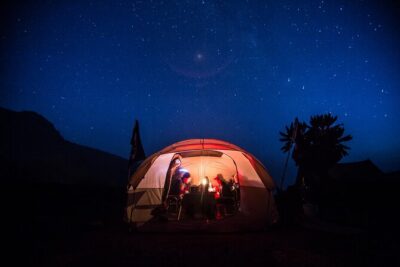
7-Day Machame Kilimanjaro Summit Tour from Arusha
Read our review →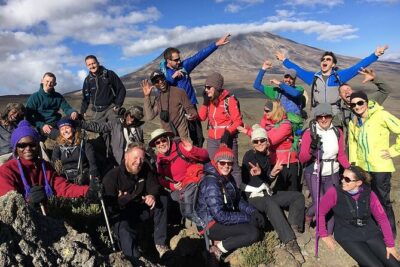
7 Days Kilimanjaro via Machame route affordable price
Read our review →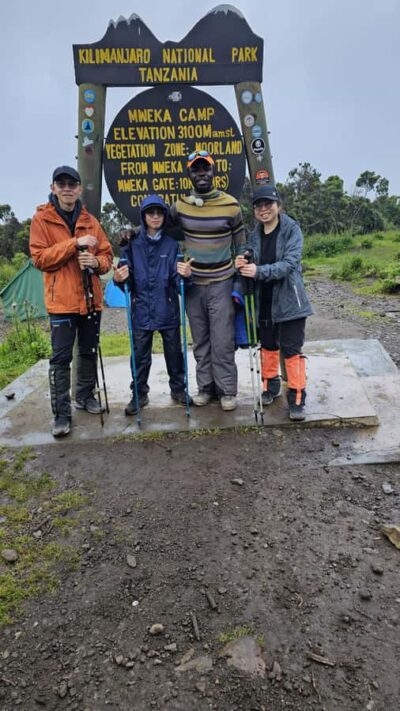
#1. Best Kilimanjaro Day hike Tour-Machame Route-ISMANI
Read our review →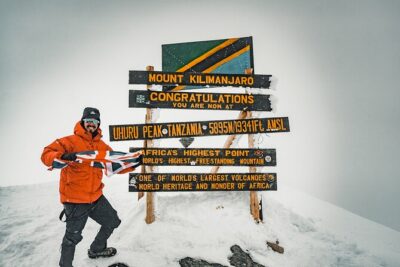
The Best of Machame Route in 6 Days: Your World’s Summit Guide
Read our review →Browse the lists this tour appears in