
Reviewed · MACHAME ROUTE CLIMBS
7 Days Mount Kilimanjaro Climbing via Machame Route
The mountain saves its hardest test for summit night. Kentau Safaris’ 7-day Machame Route climb gives you Kilimanjaro’s famous rainforest, high camps, Barranco Wall, Lava Tower, and Uhuru Peak in one demanding week. Departures begin in Moshi at 7:00 a.m., with pickup offered and a private format for your group.
I like the route’s changing scenery and the careful climb-high, sleep-lower day at Lava Tower and Barranco Camp. I also like that the price includes park fees, taxes, camping accommodation, and listed meals. The main caution is simple: seven days is a tight schedule, and Machame is steep and physically demanding, especially for anyone new to altitude or long mountain walks.
In This Review
- Key points to know before you book
- Why Machame is such a rewarding route
- Day 1: Moshi to Machame Gate and the rainforest
- Day 2: Leaving the trees for Shira Camp
- Day 3: Lava Tower and the descent to Barranco
- Day 4: Tackling the Barranco Wall
- Day 5: South Circuit views and Barafu Camp
- Day 6: Stella Point, Uhuru Peak, and the hardest hours
- Day 7: Mweka descent and the return to Moshi
- What the $2,200 price really covers
- Food, crew support, and the human side
- Gear and fitness: what you should take seriously
- Who should choose this seven-day climb
- Should you book Kentau Safaris?
- FAQ
- Where does the climb start?
- How long does the Kilimanjaro climb last?
- Which Kilimanjaro route does the tour use?
- Is this a private tour?
- What level of fitness is required?
- What is the highest point mentioned on the itinerary?
- Are meals and accommodation included?
- What costs are not included?
- Can I cancel for a full refund?
Key points to know before you book
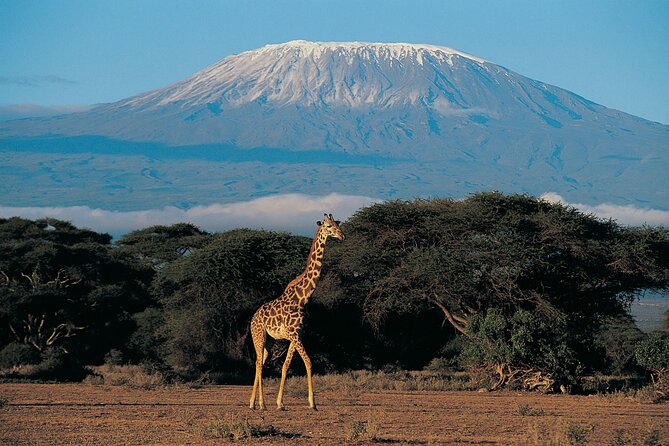
- Machame is Kilimanjaro’s scenic route: You move from rainforest to rocky ridges, high desert terrain, glaciers, and the crater rim.
- The Lava Tower day helps with acclimatization: You climb to about 4,650 meters before descending to Barranco Camp.
- Summit night begins around midnight to 2:00 a.m.: Expect the toughest physical and mental stretch on the trip.
- Barranco Wall is a real highlight: It is steep and adventurous, though the crew handles the route with impressive ease.
- The tour costs $2,200 per person: Park charges, taxes, hiking accommodation, and listed meals are included, while gear, visas, flights, insurance, and tips are extra.
- This is a private trip: Only your group participates, making it easier to set a shared pace and manage the climb as a team.
Why Machame is such a rewarding route
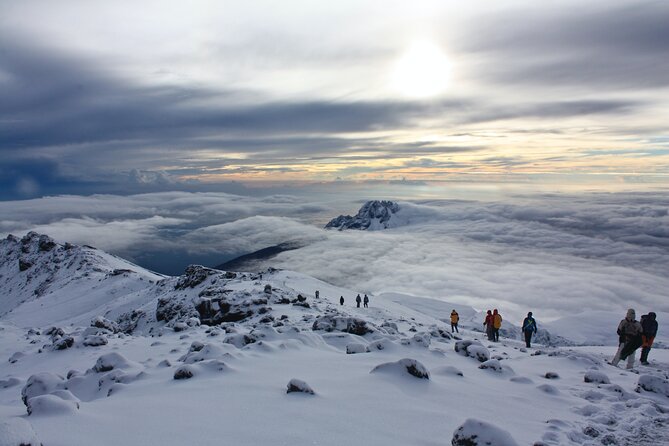
Machame is often called the Whiskey route, a nickname that hints at its tougher character compared with easier trekking options. Its appeal is not only the challenge. You also get a steady change of scenery, from thick forest to open high-altitude ridges and glacial views near the summit.
The route is designed around a seven-day schedule, but that does not make it gentle. Several days last five or six hours, followed by a summit push that starts in the middle of the night and continues for about seven hours. You need moderate physical fitness, a good attitude, and the patience to walk slowly when the air gets thin.
I especially like the way Day 3 is arranged. You climb to Lava Tower at 4,650 meters, then descend to Barranco Camp for the night. You do not finish much higher than where you started, but that climb and descent give your body useful time at altitude. It is one of the most sensible parts of the plan.
More Kilimanjaro climbs:
- Kilimanjaro climb by Lemosho Route (7-day)
★ 5.0 · 651 reviews - Kilimanjaro climb, Machame Route (7-day)
★ 5.0 · 262 reviews - Kilimanjaro Climbing Lemosho Route 8 Days.
★ 5.0 · 186 reviews
Day 1: Moshi to Machame Gate and the rainforest
Your morning starts in Moshi, followed by a drive of about 45 minutes through the village of Machame to the Kilimanjaro National Park Gate. The gate is more than a starting point. It is where permits are issued and climbing crews prepare supplies, equipment, and paperwork for the mountain.
You may spend some time waiting while the park process is completed. That pause is normal for a Kilimanjaro climb, and it gives you a first look at the working side of the expedition. The area can be active, with several groups getting ready at once.
Once on the trail, you enter the rainforest. The path is winding, green, and often muddy. The lower section can be slippery, so gaiters and trekking poles are useful from the first day, not just near the summit. Your guide is expected to explain local plants, animals, and the forest environment as you walk.
The listed walking time is about six hours. That is a full first day, particularly if wet ground slows your pace. Take care with footwear and do not treat the rainforest section as an easy warm-up. It is still a long uphill walk.
Day 2: Leaving the trees for Shira Camp
After breakfast, the route leaves the rainforest behind. The trail climbs across a valley and follows a steep, rocky ridge before turning west toward a river gorge. The scenery opens up, and the feeling changes quickly. You are no longer walking under a forest canopy. You are moving through more exposed mountain country.
The route reaches Shira Camp after about six hours. Temperatures begin to fall here, so warm layers should be easy to reach in your pack. You will want to change out of damp clothing and protect yourself from the colder evening air.
This day is physically direct: you keep ascending, and the rocky ground demands steady footwork. It is also an important mental change. The first day gives you forest and moisture. Day 2 gives you more open views and a clear reminder that the mountain is getting colder and higher.
Day 3: Lava Tower and the descent to Barranco
Day 3 is one of the most valuable parts of the route. From the Shira Plateau, you continue east along a ridge, pass the junction toward Kibo Peak, and head southeast toward Lava Tower, also called Shark’s Tooth.
The tower reaches about 4,650 meters, or 15,250 feet. That is high enough for the climb to feel serious, even though the day ends at a lower camp. After Lava Tower, the route passes a second junction toward Arrow Glacier before descending to Barranco Camp.
The walking time is about six hours. You should expect this to feel harder than the distance suggests because of the altitude. The climb-high, descend-to-sleep pattern is valuable, but it is not a magic shield against altitude sickness. Move at the guide’s pace, drink as instructed, and report unusual symptoms promptly.
Barranco Camp is a strong reward at the end of the day. You have reached a dramatic part of the mountain and positioned yourself for the Barranco Wall ahead. This is also where temperatures can feel much colder than in the forest, so keep a warm layer and head protection handy.
More Machame Route climbs:
- Climbing Kilimanjaro – Machame Route
★ 5.0 · 170 reviews - Climbing Kilimanjaro through 7 days Machame Route
★ 5.0 · 151 reviews - 7 Days Kilimanjaro via Machame route affordable price
★ 5.0 · 110 reviews - #1. Best Kilimanjaro Day hike Tour-Machame Route-ISMANI
★ 4.2 · 47 reviews
Day 4: Tackling the Barranco Wall
After breakfast, you climb the Barranco Wall. This is the most adventurous walking day before the summit push, with a steep ridge leading toward the Karanga Valley and the junction with the Mweka Trail.
The wall is not simply a flat uphill path. You need to use care, balance, and a steady pace. It can look more intimidating than it feels once you work through it slowly, but you should still expect hands-on, uneven terrain. Your crew’s skill becomes especially visible here, as they move over the wall with speed and confidence.
I like this day because it adds a bit of excitement without being the longest day. The walking time is listed at about five hours, giving you a shorter schedule after the high Lava Tower day. That matters because you need to preserve energy for Barafu Camp and summit night.
The junction with the Mweka Trail also gives you a preview of the route used for the descent. You continue to Karanga Valley, where the route remains high and exposed. Keep your daypack organized, since cold-weather gear and water should remain close at hand.
Day 5: South Circuit views and Barafu Camp
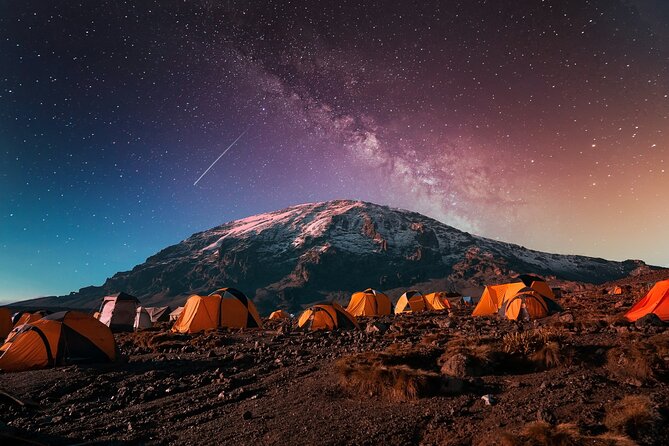
Day 5 takes you toward Barafu Camp. The walk is listed at about five hours, but the altitude can make even a moderate schedule feel slow. Once you reach Barafu, you have completed the South Circuit, which gives views of the summit from several angles.
Barafu is the staging point for the summit attempt. The plan calls for an early dinner and rest before the midnight-to-2:00 a.m. start. This timing is practical, though not comfortable. You will need to rest during the day, eat what you can, and organize your clothing and gear before trying to sleep.
Do not expect a relaxed evening. The camp is high, the air is thin, and the next section is the most demanding part of the entire trip. Your personal gear matters greatly here. The price does not include equipment, so you need to arrive with suitable clothing, footwear, and trekking accessories.
Day 6: Stella Point, Uhuru Peak, and the hardest hours
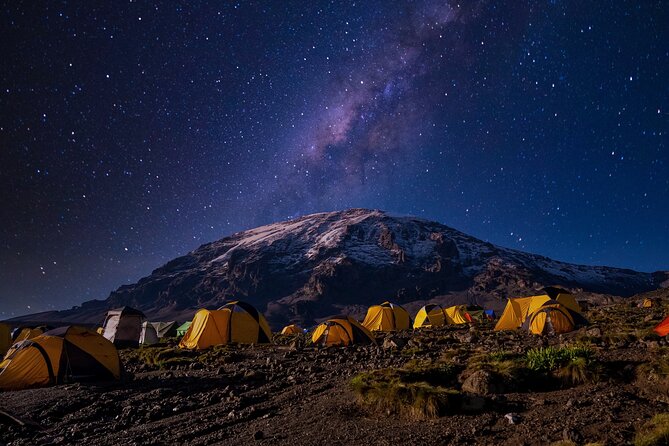
Summit day begins between midnight and 2:00 a.m. The early start is intended to get you to the crater rim around sunrise, although faster walkers may see the sunrise from the summit itself.
The route climbs between the Rebmann and Ratzel glaciers, then follows switchbacks northwest through heavy scree toward Stella Point. Scree is loose volcanic rock, and it can make each step feel less efficient. Slow movement is normal. At this stage, the goal is not speed. The goal is to keep moving safely and steadily.
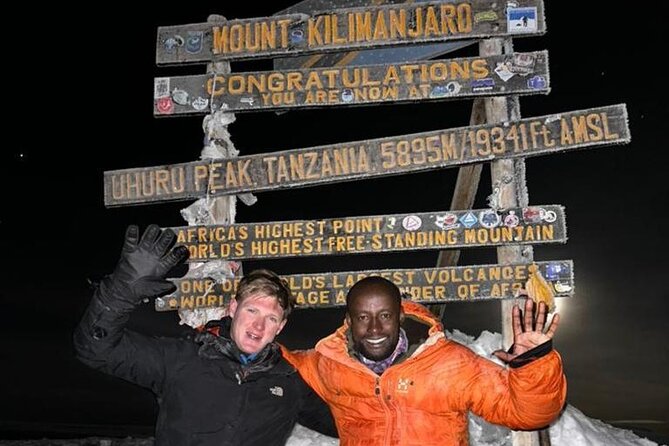
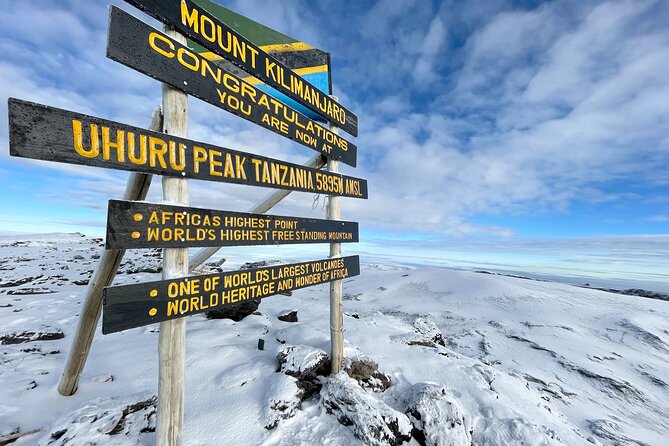
Reaching Stella Point puts you on the crater rim. The plan allows a short rest there and the chance to see sunrise. From Stella Point, you have about one more hour to Uhuru Peak, Kilimanjaro’s highest point. That final hour can feel long after the night’s climb, but it is also the clearest point of the entire expedition: you are close to the summit and can measure the finish in minutes rather than hours.
The listed time for this section is about seven hours. The description provided does not give the full schedule after reaching Uhuru Peak, so you should ask Kentau Safaris how the remainder of the summit day is organized, including the descent and overnight arrangements. That is an important practical question before booking.
Summit success is never guaranteed. Fitness helps, but altitude affects people differently. The company presents the itinerary as designed to support acclimatization, yet you should still treat the mountain with respect and follow your guide’s decisions.
Day 7: Mweka descent and the return to Moshi
After breakfast, you have a ceremony of appreciation and team bonding with the crew before starting the descent. This human part of the trip matters. A Kilimanjaro climb depends on the people who guide, carry, cook, organize, and encourage the group, so time to recognize the crew is a fitting end to the mountain portion.
The route descends to Mweka Park Gate in about five hours. The lower mountain can feel surprisingly different from summit day. As temperatures rise, the trail becomes wet, muddy, and steep. Gaiters and trekking poles are recommended again, and good control on the descent is just as important as strength on the climb.
At Mweka Gate, you receive summit certificates. A vehicle then meets you at Mweka village for the roughly 30-minute drive back to your Moshi hotel. After seven days of walking, that short vehicle ride will feel very welcome.
What the $2,200 price really covers
At $2,200 per person, this is not a budget walk, but the value depends on what is actually included. The listed price covers all fees and taxes, accommodation during the hike, and breakfast, lunch, and dinner, though the meal lines are marked optional in the supplied details. Confirm the meal arrangement in writing before you pay.
The price does not include personal gear, entry visas, airline tickets, travel insurance, or tips for the climbing crew. These are not minor extras. Proper mountain clothing and footwear can add a meaningful amount, and insurance should be treated as essential for an expedition at this altitude.
I would ask for a clear list of what the operator provides in camp. The supplied details confirm hiking accommodation, but do not specify the style of accommodation or the exact equipment supplied. This is where a few direct questions can prevent surprises.
The private format adds value for people who want their own group rather than a mixed departure. It may also make communication easier when deciding pace, rest stops, and how to handle a difficult day. The trade-off is that a private trip can offer less built-in social variety than a larger shared group.
Food, crew support, and the human side
The supplied feedback gives particular praise to hospitality, food, and service. Sobran Singh of India described the climb as a major personal achievement and said he would book Kentau Safaris again if returning to Africa. That is a useful sign, especially because food and crew support can shape your experience when you are tired and eating at altitude.
There is only one published rating in the information provided, so I would not treat it as a broad measure of performance. Still, the comments point to the areas that matter most on a mountain trip: meals, service, and the way the crew treats you.
Tips for the climbing crew are not included. Plan for them as a separate cost and ask the company how tipping is normally handled. Clear expectations help you recognize the crew fairly without confusion at the end.
Gear and fitness: what you should take seriously
You need a moderate level of physical fitness for this climb. That means being ready for repeated uphill walking, several five-to-six-hour days, steep rocky paths, a night start, loose scree, and a long summit effort.
The advice about gaiters and trekking poles is especially practical. You will use them in the muddy rainforest, and again on the wet, steep descent from Mweka. Personal gear is not included, so you should also clarify what protection you need for colder temperatures at Shira, Barranco, and Barafu.
I would prepare for changing conditions rather than packing only for warm Moshi. The route starts in a wet forest, reaches cold camps, and finishes on a warmer but muddy descent. Keeping spare layers dry is a small habit with a large payoff.
Who should choose this seven-day climb
This route suits an adventurous person who wants Kilimanjaro’s most scenic approach and is comfortable with a demanding schedule. Previous hiking, backpacking, or high-altitude experience would be useful, though the supplied requirements formally call for moderate physical fitness.
It is less suitable if you want short walking days, a relaxed pace, or a gentle introduction to mountain trekking. The steep Barranco Wall and early summit start require confidence, patience, and a willingness to accept that the mountain sets the pace.
The private format makes this a good match for couples, families with suitable fitness, or a group of friends who want to share the effort. Because only your group participates, everyone should discuss fitness, expectations, and comfort with the schedule before booking.
Should you book Kentau Safaris?
I would consider this climb if your priority is scenery, a private group, and a seven-day plan that includes the important acclimatization climb to Lava Tower. The strongest points are the varied route, the Barranco Wall, the South Circuit views, and the crew support praised for hospitality, food, and service.
I would pause if you have little hiking experience, dislike steep ground, or need a longer schedule for altitude adjustment. Before paying, confirm the meal details, camping arrangements, equipment support, summit-day descent plan, and expected crew tipping practice.
For a fit and determined climber who understands that seven days on Machame is a serious commitment, this package offers a clear path from Moshi to Uhuru Peak, with the practical essentials covered and the major extra costs identified.
FAQ
Where does the climb start?
The climb starts in Moshi, Tanzania. Pickup is offered, and the scheduled start time is 7:00 a.m.
How long does the Kilimanjaro climb last?
The experience lasts approximately seven days.
Which Kilimanjaro route does the tour use?
The climb uses the Machame Route, also known as the Whiskey route.
Is this a private tour?
Yes. Only your group participates in the activity.
What level of fitness is required?
The stated requirement is a moderate level of physical fitness. The route is also described as hard, steep, and challenging.
What is the highest point mentioned on the itinerary?
The itinerary includes Uhuru Peak and reaches Lava Tower at about 4,650 meters, or 15,250 feet, during the acclimatization day.
Are meals and accommodation included?
Accommodation during the hike is included. Breakfast, lunch, and dinner are listed, but each meal is marked optional in the supplied tour details, so you should confirm exactly what is covered before booking.
What costs are not included?
Personal gear, entry visas, airline tickets, travel insurance, and tips for the climbing crew are not included.
Can I cancel for a full refund?
Yes. You can cancel at least 24 hours before the experience start time for a full refund. Changes or cancellations made less than 24 hours before the start time are not accepted for a refund.
Just added in Moshi
- Zanzibar: Stone Town tour and Nakupenda beach with Lunch★ 5.0 · 1 review
- machame route★ 5.0 · 16 reviews
- day trip lake manyara★ 5.0 · 2 reviews
- Mt Kilimanjaro 6 days Marangu route hike★ 5.0 · 3 reviews
- Private Cycle to Kilimanjaro Bike Park Safari★ 5.0 · 6 reviews
- West Kilimanjaro cycling Adventures★ 4.5 · 8 reviews
- Wildlife Extravaganza: Manyara, Tarangire & Ngorongoro in 3 Days★ 5.0 · 3 reviews
- 3 Days Private E-Bike Tour in West Kilimanjaro★ 5.0 · 3 reviews
Machame Route Climbs, compared.



Climbing Kilimanjaro through 7 days Machame Route
Read our review →
7-Day Machame Kilimanjaro Summit Tour from Arusha
Read our review →
7 Days Kilimanjaro via Machame route affordable price
Read our review →
#1. Best Kilimanjaro Day hike Tour-Machame Route-ISMANI
Read our review →
The Best of Machame Route in 6 Days: Your World’s Summit Guide
Read our review →Browse the lists this tour appears in