
Reviewed · MOSHI TOURS
8 Days Tanzania Adventure Tented Camps Safari
Safari country, neatly stitched together. This eight-day private trip covers five major northern Tanzania parks, with game drives, meals, transfers, and tented camp nights included. I like the private guide arrangement, which gives your group more room to set the pace, and I like the smart route from Arusha to Tarangire, Manyara, Serengeti, and Ngorongoro. The main caution is that several days involve long drives, and the accommodation mix may feel less polished than a luxury safari.
The $3,400 price is substantial, but it covers nearly all of the costly pieces: park access, private transport, a professional guide, seven lunches and dinners, eight breakfasts, water, and seven nights of lodging. You should still budget for tips, confirm the exact flight schedule, and ask which vehicle and camp category will be used before paying.
In This Review
- Key details to know before booking
- Starting at Kilimanjaro Airport and settling into Arusha
- Arusha National Park brings a gentle first game drive
- Tarangire focuses on elephants, birds, and the river
- Lake Manyara packs birds and big mammals into one day
- Olduvai Gorge adds human history to the Serengeti route
- A full Serengeti day is the safari’s strongest feature
- Ngorongoro Crater offers a concentrated wildlife day
- The final morning leaves room for Arusha
- What the $3,400 price really covers
- Who will enjoy this private Tanzania safari?
- Should you book it?
- FAQ
- Where does the safari begin?
- How long is the tour?
- Which national parks and protected areas are included?
- Is this a private tour?
- Is accommodation included?
- Are meals included?
- Is airport transportation included at the end?
- Are park admission fees included?
- Can I cancel for a full refund?
Key details to know before booking
- Five northern Tanzania parks in eight days: Arusha, Tarangire, Lake Manyara, Serengeti, and Ngorongoro all feature in one route.
- A private safari vehicle and guide: Your group travels alone, allowing more personal guidance and fewer compromises over stops.
- Two nights in the Serengeti area: This gives you a full game-viewing day instead of treating the park as a quick pass-through.
- Comfortable lodge and tented camp nights: Moivaro Coffee Lodge, Eileen’s Trees Inn, Marera Valley Safari Lodge, Serengeti Kati Kati, and Ngorongoro Kirurumu are named accommodations.
- Airport pickup and return included: Transfers begin at Kilimanjaro International Airport and return there after the safari.
- Flexible cancellation: You can receive a full refund if you cancel at least 24 hours before the start time.
Starting at Kilimanjaro Airport and settling into Arusha
The trip begins with pickup at Kilimanjaro International Airport, commonly called JRO. A safari driver takes you to Moivaro Coffee Lodge in Arusha, where the rest of the first day is free.
Moivaro is set among coffee farms, which gives your first night a slower, greener feel than an airport hotel. That matters after a long flight. You can rest, eat dinner, and get ready for early starts without adding another park visit to the day.
A pre-safari briefing and equipment check take place at the hotel. The company also confirms that you have suitable medical coverage and travel insurance. This is useful, practical preparation, not filler. A safari can take you far from town, so sorting insurance before the vehicle heads into the parks is sensible.
The stated start time is 7:00 a.m., yet the first day says you may arrive at any time. I would confirm your arrival time and airport transfer in writing. If your flight lands late, you need to know how the pickup will work and whether the first-night schedule changes.
A few more options to weigh up in Moshi
- Kilimanjaro climb by Lemosho Route (7-day)
★ 5.0 · 651 reviews - Safari Serengeti And Ngorongoro
★ 5.0 · 288 reviews - Kilimanjaro climb, Machame Route (7-day)
★ 5.0 · 262 reviews
Arusha National Park brings a gentle first game drive
Day two begins with Arusha National Park, a compact park with a surprising mix of scenery and animals. The itinerary points to buffalo in Ngurdoto Crater, flamingos around the Momela Lakes, and views of Mount Meru.
This is a good first park because it introduces several sides of northern Tanzania at once. You may move from wooded areas to open savannah, with the mountain providing a dramatic backdrop. Giraffes, zebras, colobus monkeys, leopards, and hyenas are listed among the park’s wildlife.
The picnic lunch is served outdoors, with rolling hills and wooded country around you. That kind of stop gives the day a welcome pause. You are not simply driving from one sighting to the next.
The tradeoff is scale. Arusha National Park is much smaller than the Serengeti, so you should not expect the same broad plains or concentration of large animals. It works best as an introduction, not as the main wildlife event.
You return to Moivaro Coffee Lodge for a second night. Dinner is included, while the accommodation is listed on a half-board basis for these Arusha nights.
Tarangire focuses on elephants, birds, and the river
On day three, you drive to Tarangire National Park for game viewing and spend the night outside the park at Eileen’s Trees Inn Lodge. The park is smaller than the Serengeti, but its permanent Tarangire River can draw animals together during dry periods.
That seasonal detail is important. In dry weather, wildlife and birds gather near dependable water, which can make Tarangire especially rewarding. Elephants, buffalo, and many bird species are among the animals you might see, though no safari can promise a particular sighting.
Tarangire has a different feel from the open Serengeti plains. The river gives the park a clear focus, while the surrounding habitats offer a varied setting for a game drive. I like the way this stop breaks up the route with a park that has its own character rather than serving as a lesser copy of the Serengeti.
The drive from Arusha takes time, and the day is listed at about seven hours. That total includes transport and park activity, so expect a full day. Eileen’s Trees Inn is outside the park, which may mean a less immediate start to the next morning than staying inside the gates, but it also provides a defined overnight base.
Lake Manyara packs birds and big mammals into one day
Day four brings a full day at Lake Manyara National Park. This is one of Tanzania’s smaller parks, yet it offers a strong mix of lakeshore birdlife, large mammals, forested areas, and cliffs along the Rift escarpment.
The lakeshore is the star for bird watching. You might see flamingos and other water-associated species while keeping an eye out for larger animals nearby. The park is also known for the possibility of tree-climbing lions, though they are elusive and never guaranteed.
The itinerary points to elephants, buffalo, and other large mammals, with the escarpment forming a striking backdrop. The setting changes quickly, which makes Manyara a useful contrast to Tarangire and the Serengeti.
You spend the night at Marera Valley Safari Lodge after a short journey from the park. The day is listed at about seven hours, with lunch and dinner included. Since this is another fairly active day, I would treat the lodge as a chance to rest rather than plan extra evening activities.
A possible weakness is time. A full day sounds generous, but the route covers several parks in quick succession. If birdlife or Manyara’s forest zone matters greatly to you, ask the operator how much of the day is planned for this park rather than road travel.
A different kind of day out entirely:
- Kilimanjaro Climbing Lemosho Route 8 Days.
★ 5.0 · 186 reviews - Climbing Kilimanjaro – Machame Route
★ 5.0 · 170 reviews - Climbing Kilimanjaro through 7 days Machame Route
★ 5.0 · 151 reviews - Kilimanjaro climb, Lemosho Route (8-day)
★ 5.0 · 148 reviews
Olduvai Gorge adds human history to the Serengeti route
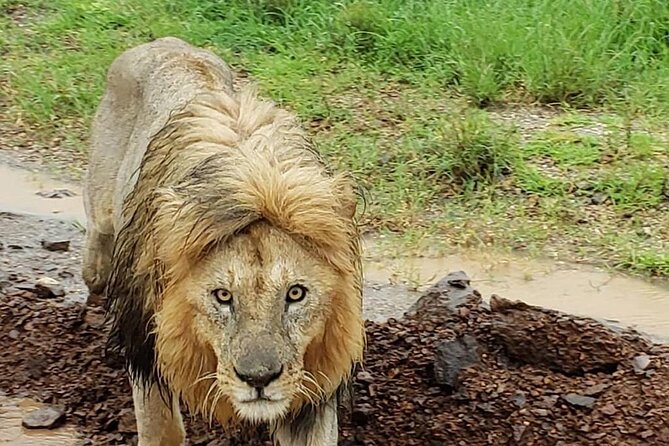
Day five points toward the Serengeti National Park, with an optional opportunity to visit Olduvai Gorge along the way. The gorge is linked to major archaeological discoveries by Louis and Mary Leakey in the 1950s, and a small museum displays evidence of early human ancestors dated as far back as 2.5 million years.
This stop gives the journey more meaning than a simple transfer between parks. You get a chance to consider the long human story behind the wildlife route. The museum is small, so do not expect a full-day cultural program, but it can be a worthwhile addition if you care about archaeology.
After lunch, the vehicle enters the Serengeti. The plains are broken by acacia trees and rocky kopjes, and the scale changes immediately. The Serengeti is the emotional center of this safari, and arriving in the afternoon gives you a first chance to begin searching for lions, elephants, giraffes, zebras, wildebeest, and other animals.
The itinerary notes that the wildebeest migration may be encountered in December, January, and February, with large groups of wildebeest and zebra. That seasonal note should guide your expectations. Wildlife is always present, but the location and timing of the migration vary.
The day is listed at about six hours, though road conditions and game stops can stretch the schedule. Olduvai Gorge is described as an opportunity rather than a guaranteed included visit, so confirm whether its entry fee and visit are part of your package.
A full Serengeti day is the safari’s strongest feature
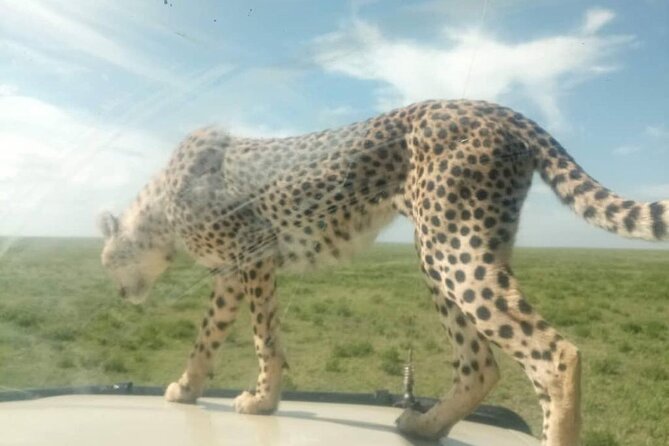
Day six is devoted to another full day in the Serengeti, beginning early to make the most of the park. This is one of the best choices in the plan. A single afternoon can produce wonderful sightings, but a full day gives you more time to search different areas and wait patiently when the guide spots something promising.
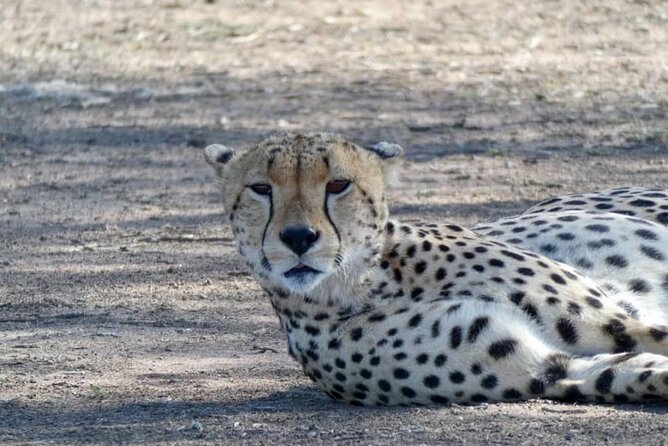
The target list includes elephants, giraffes, zebras, wildebeest, lions, leopards, and cheetahs. You may also see secretary birds, ostriches, and other birdlife. Leopards and cheetahs are never certain, so approach those sightings as lucky bonuses rather than promises.
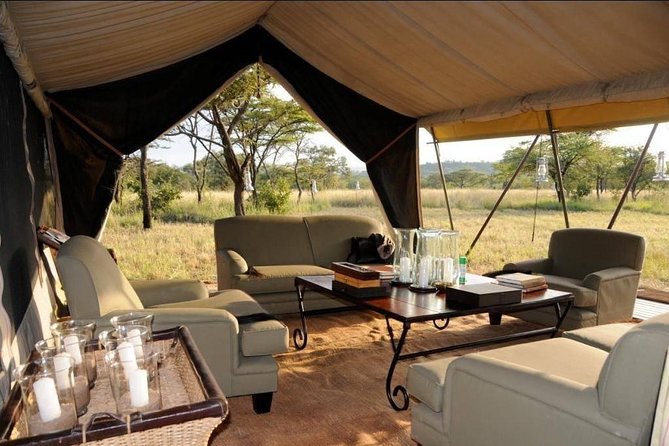
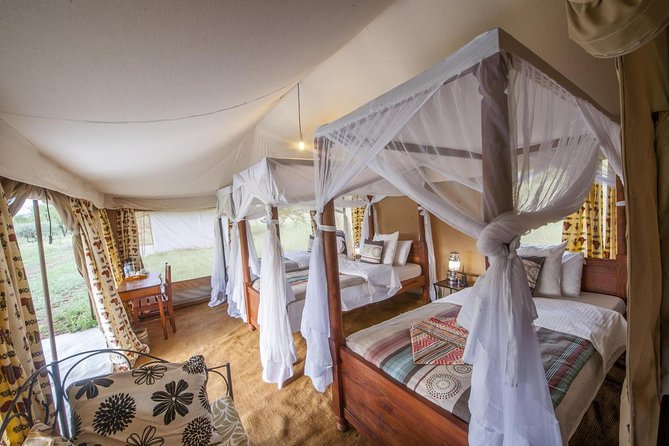
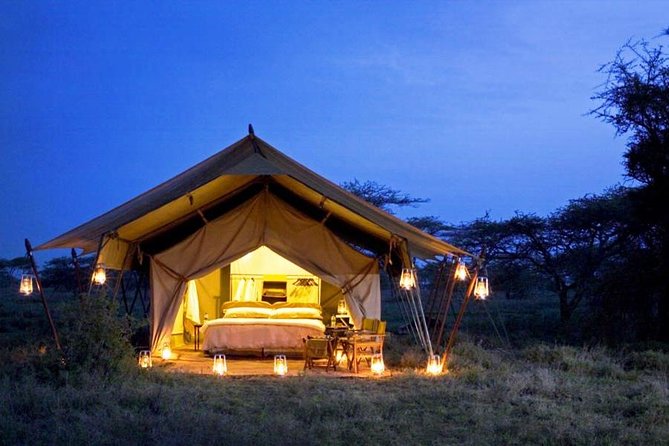
You return to Serengeti Kati Kati Tented Camp for the night. Tented accommodation can be one of the most memorable parts of a safari because it keeps you close to the setting while still providing a proper place to sleep. The information describes it as a special tented camp, but it does not specify room facilities, so ask about bathrooms, electricity, and charging arrangements if those details matter to you.
The early start will suit keen photographers and anyone who wants more hours in the park. It may be tiring for young children or anyone who prefers a slow holiday. Since this is a private trip, you have a better chance of discussing the pace with your guide than you would on a fixed group departure.
Ngorongoro Crater offers a concentrated wildlife day
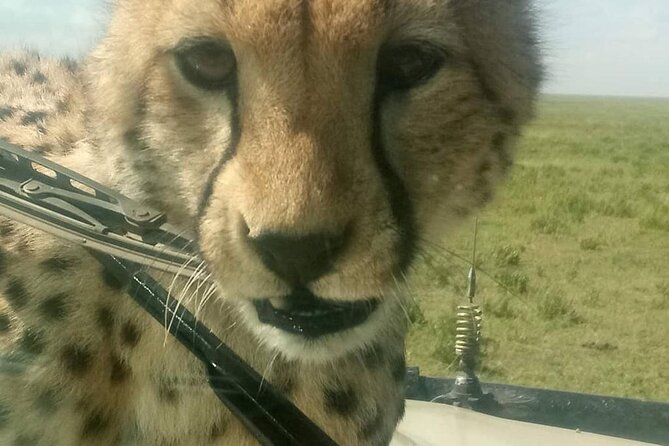
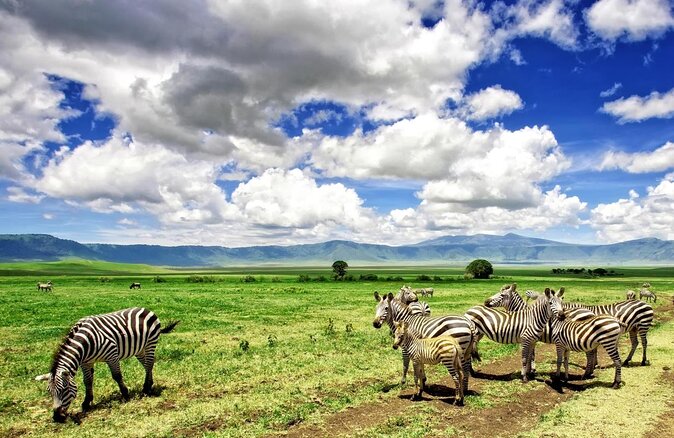
Day seven starts with an early Serengeti game drive before heading toward the Ngorongoro Conservation Area. You then descend into Ngorongoro Crater, a dramatic enclosed setting where the crater walls help keep many animals within a relatively compact area.
This is a strong final wildlife stop. The itinerary lists lions, elephants, buffalo, rhinos, and leopards as possible sightings. Rhinos are particularly difficult to find anywhere, so seeing one would be a special stroke of luck.
Giraffes are not expected inside the crater because the steep sides are difficult for them to manage. That detail is useful because it shows how geography shapes the animal list. You are not simply visiting a smaller park. You are entering a distinct habitat with its own limits.
The crater visit is listed at about four hours, shorter than the full Serengeti day. That may be enough for a productive circuit, but the descent, ascent, and onward transfer make this a busy day. You spend the night at Ngorongoro Kirurumu Tented Camp just outside the conservation area.
The camp location should make sense for the route, but comfort levels can vary between lodges and tented camps. If you want a particular standard of bedding, private bathroom, or power access, get those details before booking.
The final morning leaves room for Arusha
Day eight offers a free morning to rest after the northern safari or explore Arusha, including the Maasai market. An Arusha village experience is also listed, with a return transfer to Kilimanjaro International Airport included.
This open morning is welcome after several early starts. You can use it to slow down, see a little more of the city, or simply recover before your flight. The plan is not as tightly packed as the park days, though your available time depends on the departure schedule.
Confirm the airport transfer time carefully. A free morning sounds generous, but it may shrink if your flight leaves early. The itinerary says the return to JRO is included, which removes a major transport worry, but your exact pickup time still matters.
What the $3,400 price really covers
At $3,400 per person, this is not a budget trip. It is also not an apples-to-apples comparison with a self-drive holiday or a shared vehicle safari.
The price includes private transportation, all transfers, accommodation, a professional guide, game drives, park-related fees listed as included, mineral water, eight breakfasts, seven lunches, and seven dinners. Those costs add up quickly in Tanzania, especially when five national parks and two major conservation areas are involved.
The value is strongest if you want a private arrangement and prefer one booking to cover the main travel pieces. You are paying for route planning, a dedicated vehicle, park access, meals, and a guide who can explain the ecosystem and conservation work as you go.
The value is weaker if you want high-end lodges, a slow pace, or several nights in each park. This route covers a lot in eight days, and the accommodation ranges from a coffee farm lodge to traditional lodges and tented camps. Ask for the exact room and tent descriptions before you compare prices.
Tips are not included. Set aside money for your guide and support staff, and ask the operator what tipping practice they recommend.
Who will enjoy this private Tanzania safari?
I would recommend this trip to a first-time safari visitor who wants the classic northern circuit in one organized package. You see different habitats, get two Serengeti days, visit Ngorongoro Crater, and have airport transfers handled.
It also suits families and small groups who value privacy. One past eight-day family trip combined Tarangire, Serengeti, Ngorongoro, and Lake Manyara before continuing to Zanzibar, showing that the route can work as part of a longer holiday. Your own group would need to confirm any extension separately.
The safari may be less suitable if you dislike long road days, early departures, or changing hotels. It is also not the right choice if your main aim is luxury accommodation rather than wildlife coverage.
Communication appears to be a strong part of the planning process. Verah has been praised for handling changes and preferences through WhatsApp or email, while company staff including Clinton, James, and Sengoro have been associated with warmly managed trips. One note about Rama and Emmanuel praises their supportive, safety-focused guiding, though that feedback relates to a hiking trip, so you should confirm who your safari guide will be.
The activity is private, and most people can participate. The tour is near public transportation, but that matters less here because private transfers are supplied. Confirmation is sent at booking, and mobile tickets are accepted.
Should you book it?
Book this safari if you want a private, wildlife-focused route through Tanzania’s northern parks and you are comfortable with a full schedule. The two Serengeti days, Ngorongoro Crater, included meals, and airport transfers make the package easy to understand and potentially good value at $3,400.
Before you commit, confirm the guide’s name, vehicle setup, camp facilities, Olduvai Gorge costs, and airport timing. If you want more time in each park, remove a stop rather than trying to squeeze in even more. If you want broad coverage and a mix of lodges and tented camps, this eight-day plan is a solid choice.
FAQ
Where does the safari begin?
The safari begins with pickup at Kilimanjaro International Airport, also known as JRO, in Tanzania.
How long is the tour?
The tour lasts approximately eight days.
Which national parks and protected areas are included?
The route includes Arusha National Park, Tarangire National Park, Lake Manyara National Park, Serengeti National Park, and the Ngorongoro Conservation Area.
Is this a private tour?
Yes. Only your group participates in the private tour or activity.
Is accommodation included?
Yes. Accommodation is included, with nights at Moivaro Coffee Lodge, Eileen’s Trees Inn Lodge, Marera Valley Safari Lodge, Serengeti Kati Kati Tented Camp, and Ngorongoro Kirurumu Tented Camp.
Are meals included?
Yes. The package includes eight breakfasts, seven lunches, and seven dinners. The first and second nights at Moivaro Coffee Lodge are listed as half board, while the other named lodge and camp nights are listed as full board.
Is airport transportation included at the end?
Yes. The return transfer to Kilimanjaro International Airport is included after the safari.
Are park admission fees included?
All fees and taxes are included, and the itinerary specifically marks admission as included for Tarangire, Lake Manyara, and Ngorongoro. Olduvai Gorge is described as an optional opportunity, so confirm its admission details before visiting.
Can I cancel for a full refund?
You can cancel for a full refund if you do so at least 24 hours before the experience start time. Cancellations or changes made within 24 hours are not refunded or accepted.
Just added in Moshi
- Zanzibar: Stone Town tour and Nakupenda beach with Lunch★ 5.0 · 1 review
- day trip lake manyara★ 5.0 · 2 reviews
- Mt Kilimanjaro 6 days Marangu route hike★ 5.0 · 3 reviews
- machame route★ 5.0 · 16 reviews
- Private Cycle to Kilimanjaro Bike Park Safari★ 5.0 · 6 reviews
- West Kilimanjaro cycling Adventures★ 4.5 · 8 reviews
- Wildlife Extravaganza: Manyara, Tarangire & Ngorongoro in 3 Days★ 5.0 · 3 reviews
- 3 Days Private E-Bike Tour in West Kilimanjaro★ 5.0 · 3 reviews
Moshi Tours, compared.



Climbing Kilimanjaro through 7 days Machame Route
Read our review →
