
Reviewed · MOSHI TOURS
9 Days – Best of Tanzania Safari
Africa gets bigger every day. This nine-day private safari links Tarangire, Ngorongoro Crater, Lake Ndutu, and Serengeti in one well-planned northern Tanzania route, with a private 4×4, park fees, meals, and lodging included. I especially like the range of habitats, from elephant country to crater grassland and migration plains, and the fact that you travel with your own group rather than joining strangers.
I also like the timing of the wildlife program, with early starts, full-day drives, and a final morning in the Serengeti. The main consideration is cost: at $4,000 per person, this is a serious purchase, and the long driving days may feel demanding if you prefer a slow, resort-style holiday.
In This Review
- What makes this safari worth considering
- Arusha arrival and the first night
- Tarangire: elephants, baobabs, and a gentle start
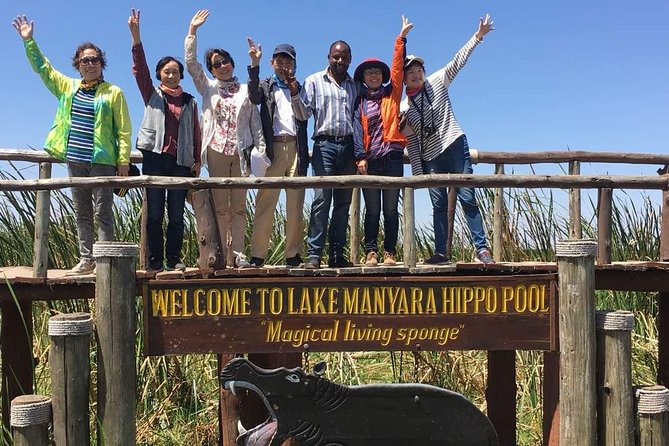
- Lake Manyara: a compact park with varied scenery
- Ngorongoro Crater: one concentrated wildlife day
- Lake Ndutu and the calving season
- Central Serengeti and the Seronera area
- The final dawn drive and flight home
- Vehicle, privacy, and daily comfort
- What the $4,000 price includes
- Guide service and the human side of the trip
- Who should book this safari?
- Should you book the Best of Tanzania Safari?
- FAQ
- How long is the Best of Tanzania Safari?
- Where does the safari start?
- Is airport pickup included?
- Which parks and areas are included?
- Is the safari private?
- Are meals and accommodation included?
- Are flights included in the price?
What makes this safari worth considering
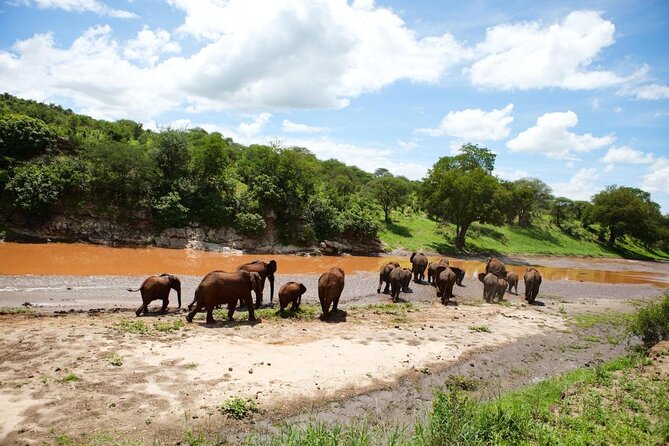
- Four major wildlife areas in nine days: You visit Tarangire, Lake Manyara, Ngorongoro Crater, Lake Ndutu, and central and northern Serengeti areas.
- A private 4×4 safari vehicle: Your group has its own vehicle with an open roof for game viewing, giving the trip a more personal feel.
- Migration timing built into the route: Ndutu is especially useful from December through April, while northern Serengeti sightings are favored from July through October.
- A mix of comfort-category lodging: Expect hotels, tented lodges, and tented camps, all described as having private bathrooms.
- Strong guide service matters here: Bariki is specifically praised for his patience, pleasant manner, and skill at helping find wildlife.
- A practical final transfer: After an early Serengeti game drive, you go to Seronera Airstrip for a flight toward Kilimanjaro, avoiding another long road trip.
Arusha arrival and the first night
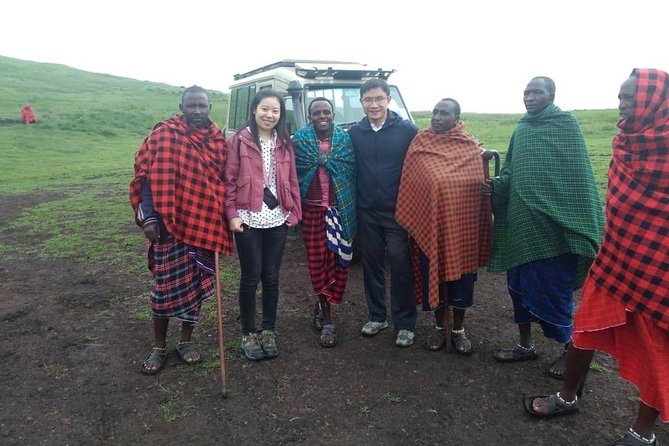
Your safari begins with pickup at Kilimanjaro International Airport and transfer to your selected hotel in Arusha. A driver-guide greets you, takes you into the city, and helps you get settled before the park circuit begins.
That first night is useful, not wasted time. You are not being rushed straight from an international flight into a long game drive. It also gives you a chance to sleep, organize your bags, and prepare for early departures.
The tour lists Arusha as the starting point, with an 8:00 am start time. Since the arrival transfer is included but your international flights are not, you should check carefully how your arrival time connects with the first overnight stay. You will also want to confirm the exact hotel before booking, since the accommodation is described by category rather than by named properties.
A few more options to weigh up in Kilimanjaro
- 7 Days Kilimanjaro via Machame route affordable price
★ 5.0 · 110 reviews - Great Migration Safari In Tanzania
★ 5.0 · 71 reviews - Kilimanjaro Airport taxi to/from Moshi town/Arusha town
★ 5.0 · 60 reviews
Tarangire: elephants, baobabs, and a gentle start
Day two heads south from Arusha to Tarangire National Park. You are expected to reach your lodge around midday, have lunch, and then begin an afternoon game drive.
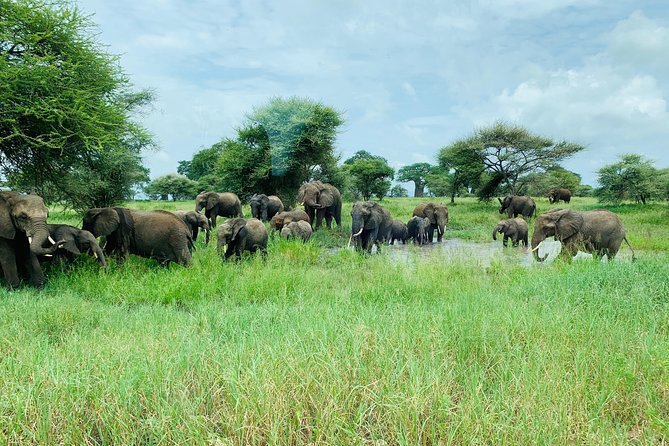
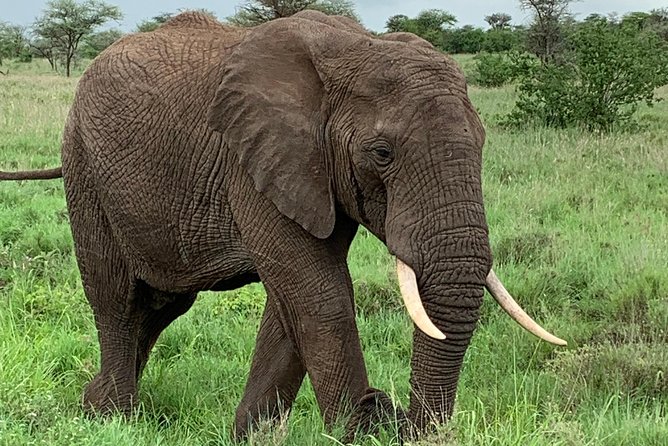
Tarangire is a smart opening park because it offers a strong chance of seeing animals without requiring you to begin with the most exhausting drive of the trip. The park is particularly associated with elephants, and the safari description also lists lions, cheetahs, leopards, zebras, wildebeest, buffalo, and several kinds of antelope.
Birdwatchers should pay attention here. Tarangire is presented as one of the best places on this route for spotting many bird species. That makes the afternoon drive useful even if the cats are hiding, since the park offers more than a single headline animal.
The tradeoff is that your first major game drive does not begin until the afternoon. You will still see plenty, but wildlife activity can change with heat and time of day. Your guide’s judgment will matter when choosing where to spend those hours.
Lake Manyara: a compact park with varied scenery
After breakfast on day three, you collect a picnic lunch and drive to Lake Manyara National Park. The route is relatively short compared with the longer Serengeti transfers, and you spend the morning exploring the park’s plains, acacia woodland, and lakeshore.
Lake Manyara is known here for its mix of animals in a small area. You might see buffalo, elephant, giraffe, impala, hippo, and a wide range of birds. The shallow alkaline lake sits below the Great Rift Valley Escarpment, creating striking scenery as you move between open ground, trees, and water.
The park is also associated with tree-climbing lions. That does not mean you will automatically see one draped over a branch, but the possibility adds a special reason to keep your eyes up rather than watching only the road.
Lake Manyara is a good contrast to Tarangire. Tarangire focuses strongly on elephants and broad game-viewing space, while Manyara gives you denser vegetation and a closer look at a lake environment. The limitation is time. The schedule gives you only one day, so this is a taste of the park rather than a relaxed stay.
Ngorongoro Crater: one concentrated wildlife day
Day four takes you toward the Ngorongoro Conservation Area and into Ngorongoro Crater. The planned game drive descends roughly 600 meters into the crater, where the steep walls help support a large resident animal population.
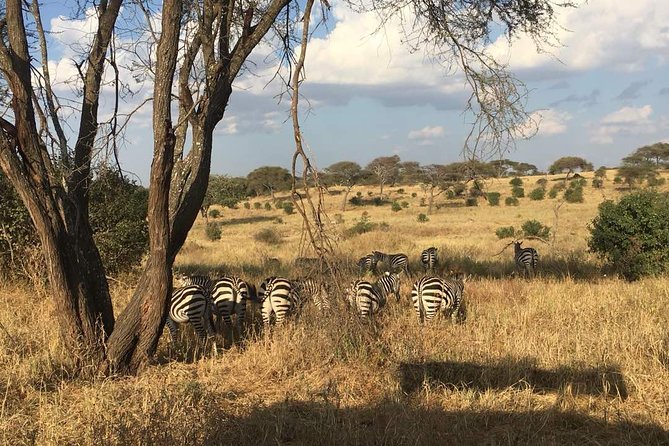
This is one of the most efficient wildlife days in the whole trip. The crater contains more than 30,000 animals, including lions, elephants, zebras, hippos, flamingos, jackals, antelope, many birds, and the rare black rhino. The possibility of seeing the Big Five in one game drive is a major reason this stop carries such weight.
I like the concentrated nature of the crater experience. You do not need to cover huge distances hoping to find every species. The enclosed setting offers a clear sense of place, and the high walls make the crater feel distinct from the open Serengeti.
Still, do not treat the Big Five as a guarantee. Wildlife is wild, and sightings depend on conditions, timing, and luck. The day can also feel busy because Ngorongoro is one of Tanzania’s best-known sights. Your private vehicle gives you more control over your pace, but it does not remove the park’s popularity.
Lunch is included, though the supplied schedule cuts off before stating exactly where it is served. Ask for the full day-by-day accommodation and meal plan before departure.
A different kind of day out entirely:
- 6 Days Tanzania Classic Safari
★ 5.0 · 52 reviews - 6 Days Climbing Mount Kilimanjaro Machame Route
★ 5.0 · 40 reviews - 8 Days Kilimanjaro Hike via Lemosho Route
★ 5.0 · 39 reviews - 7-Day Machame Route Kilimajaro
★ 5.0 · 28 reviews
Lake Ndutu and the calving season
On day five, you leave the crater area for Lake Ndutu, part of the southern Serengeti ecosystem within the Ngorongoro Conservation Area. After arriving around lunchtime, you take an afternoon game drive.
Ndutu is the most season-sensitive stop on the route. From December through April, large numbers of wildebeest usually gather on the short-grass plains. The area also attracts zebra, elephants, birds, and resident animals that remain after the herds move on.
February is often the key month for calving, with the main birth period lasting about three weeks. You may see young wildebeest soon after birth, when they are already able to run and gradually become strong enough to keep pace with the herd.
This is an important distinction for planning. If your main goal is the migration, the month matters more than the name of the package. Ndutu in February is a different experience from Ndutu in late spring or summer. Ask Silver Sky Travel for current seasonal expectations before choosing your dates.
Day six gives you a full game drive in the Ndutu area. You move through swamps, woodland, soda lakes, and short-grass plains. That variety improves your chances of seeing different animals, but the day may be tiring because you spend long hours outside in the vehicle.
Central Serengeti and the Seronera area
Day seven shifts north toward central Serengeti, known as the Seronera area. You arrive around lunchtime and take an afternoon drive near the Seronera River.
Water draws animals, so this part of the park is a useful base for finding a broad selection of species. The schedule describes Seronera as one of the park’s strongest wildlife areas, with habitats that support many of the Serengeti’s familiar animals.
Day eight is a full-day game drive in the Wagakuria area. The schedule highlights large resident lion prides, sometimes numbering up to 30 animals. This is also the part of the trip tied to the northern migration season, generally July through October, when wildebeest, zebra, and gazelles move through the Serengeti and toward the Masai Mara ecosystem.
Again, timing is everything. July through October is promoted as the best period for the northern movement, while December through April is stronger for Ndutu and calving. You cannot get every migration highlight at its peak during one short trip, so pick dates based on the sight you most want to see.
The central Serengeti days give the safari a useful second act. After the crater’s compact wildlife viewing and Ndutu’s seasonal plains, you return to broad open country with more time for patient observation.
The final dawn drive and flight home
Day nine begins before breakfast with an early morning drive in the Serengeti. This is a sensible choice. Predators may be returning from a night hunt, while other animals are leaving cover to feed.
You then return for a hot breakfast and transfer to Seronera Airstrip for your flight toward Kilimanjaro. The flight itself is not included in the listed package, so budget for it separately and confirm the destination, baggage rules, and departure time.
This final air transfer is a valuable feature. Without it, the journey back toward Kilimanjaro could take up much of the day by road. You get one last wildlife outing, breakfast, and a more efficient departure.
Vehicle, privacy, and daily comfort
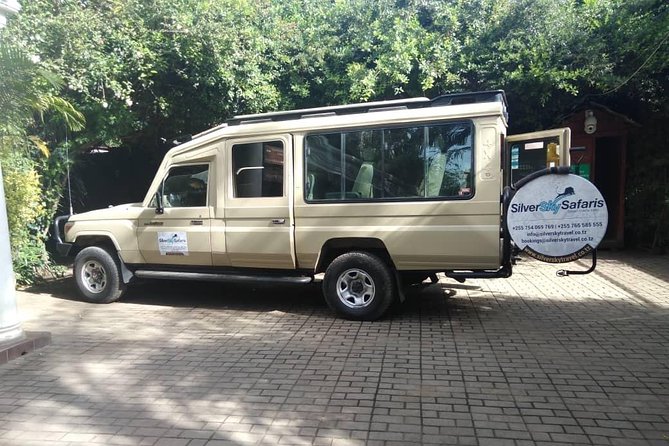
The safari uses a custom-designed 4×4 vehicle with an open roof for game viewing. You also receive bottled water, air conditioning, and WiFi on board. WiFi in a safari vehicle should be treated as a useful extra, not the main reason to book, since connection quality can vary by location.
The private format is more important. Only your group participates, so you can discuss stops with your guide, adjust your viewing time within practical limits, and avoid the fixed rhythm of a large coach group. This suits families and mixed-age groups especially well.
One past party used the safari for three generations and found that it met their shared goals. That detail matters because a private vehicle can make a long, varied route easier to manage for different ages and energy levels.
Accommodation is in the comfort category, combining hotels, tented lodges, and tented camps. All are described as having private bathrooms. This is not a basic camping trip, but it is also not a luxury lodge circuit. Expect the character of the accommodation to change as you move through the parks.
What the $4,000 price includes
At $4,000 per person, the price covers a substantial part of the trip:
- Private safari transport
- Bottled water
- Air conditioning
- WiFi on board
- Park entry fees and taxes
- Accommodation
- Listed meals
- Airport and airstrip transfers connected with the schedule
The listed meal count is eight dinners, eight lunches, and ten breakfasts. The breakfast number is unusual for a nine-day trip, so ask the operator to clarify the final count and exactly where meals are served.
The price becomes easier to judge when you remember how many parks are included. You are not paying for one lodge and a couple of short drives. You are covering park access, a private vehicle, a driver-guide, several accommodation types, and a route that reaches both Ndutu and the Serengeti.
You still need to pay for flights, visas, alcoholic drinks, phone calls, laundry, and personal expenses. Those extras can affect the final bill, especially the flight from Seronera Airstrip toward Kilimanjaro.
Guide service and the human side of the trip
A safari vehicle and park fees do not create a good trip by themselves. The guide determines how clearly you understand the animals, how safely you move, and how well you use each game-drive window.
Bariki is singled out for his friendly service and ability to help locate wildlife. Another guide named in the feedback is not provided, so you should request the name and qualifications of your assigned guide if that matters to you.
The company is also praised for quick responses and for solving problems when they arise. That is useful on a complicated route with changing accommodation and a final domestic flight.
You should still ask practical questions before paying: the exact lodges, the vehicle setup, the guide’s language skills, the flight details, and the expected group size inside your private vehicle. The tour is private, but the number of people in your own booking affects comfort.
Who should book this safari?
I would recommend this trip to you if you want a broad first look at northern Tanzania and prefer one private vehicle for your group. It suits families, couples, and multigenerational parties who want a clear route through the major parks rather than a single-location stay.
It is also a good match for photographers and wildlife fans who want both resident animals and a chance at seasonal migration scenes. Choose December through April for Ndutu and possible calving, or July through October for the northern Serengeti movement.
I would be more cautious if you dislike early mornings, long drives, changing hotels, or tented accommodation. The schedule is active, and the route covers a great deal of ground. You should also consider a shorter trip if your main goal is a relaxed lodge holiday.
Pickup is offered, confirmation is provided when you book, and most people can participate. The tour requires good weather and a minimum number of participants for operation, though cancellation up to 24 hours before the start time is free for a full refund under the stated policy.
Should you book the Best of Tanzania Safari?
Book it if you want variety, privacy, and strong wildlife coverage in nine days. Tarangire gives you elephants and birds, Manyara adds a lake setting, Ngorongoro concentrates animals in one remarkable place, Ndutu brings seasonal drama, and the Serengeti supplies the wide-open finish.
Before booking, settle three points: your travel month, the exact accommodation, and the separate cost of the Seronera flight. If those details fit your budget and you are comfortable with busy safari days, this is a well-rounded Tanzania choice with good practical value.
FAQ
How long is the Best of Tanzania Safari?
The safari lasts approximately nine days.
Where does the safari start?
The tour starts in Arusha, Tanzania, with an advertised start time of 8:00 am.
Is airport pickup included?
Pickup is offered, and the first day includes a welcome at Kilimanjaro International Airport followed by transfer to Arusha.
Which parks and areas are included?
The route includes Tarangire National Park, Lake Manyara National Park, Ngorongoro Crater, Lake Ndutu, central Serengeti around Seronera, and the Wagakuria area of the Serengeti.
Is the safari private?
Yes. Only your group participates in the private tour or activity.
Are meals and accommodation included?
Yes. Accommodation and listed meals are included. The package specifies eight dinners, eight lunches, and ten breakfasts, so you should confirm the meal schedule before departure.
Are flights included in the price?
No. Flights are listed among the items not included. On the final day, you are transferred to Seronera Airstrip to catch a flight toward Kilimanjaro.
Just added in Kilimanjaro
- Tanzania Wildlife Encounters – 6 Days★ 5.0 · 1 review
- Day Trip To Tarangire National Park★ 4.5 · 2 reviews
- Mount Kilimanjaro 7 Days – Machame Route★ 5.0 · 5 reviews
- 5 days Serengeti Wildebeest Migration Safari★ 5.0 · 3 reviews
- Mount Kilimanjaro 6 days – Machame route★ 4.0 · 5 reviews
- Marangu Cultural tour.★ 5.0 · 1 review
- Lemosho Route★ 5.0 · 21 reviews
- Airport Transfers at Kilimanjaro International Airport – JRO★ 5.0 · 2 reviews
Moshi Tours, compared.





Climbing Kilimanjaro through 7 days Machame Route
Read our review →
