
Reviewed · LEMOSHO ROUTE CLIMBS
Climb Kilimanjaro – Lemosho Route 7 Day Climb
Kilimanjaro rewards patience more than speed. This 9 day Kilimanjaro package, built around a 7 day Lemosho climb, gives you a scenic western approach, gradual altitude gain, full mountain support, and a strong chance to adjust before summit night. I especially like the quiet start through the Lemosho Glades and the smart acclimatization pattern that takes you high to Lava Tower before dropping you to Barranco.
I also like how much is included for the $2,280 price: airport pickup, two hotel nights, mountain transport, guides, porters, cooks, meals, tents, mattresses, and rescue fees. The main drawback is that this is still a hard climb, not a casual walking holiday. Summit day can run beyond 15 hours, and the route description includes a narrow, stony camp ridge that requires care after dark.
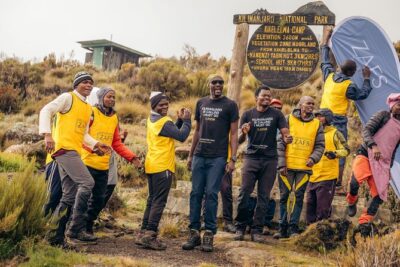
The human support receives the strongest praise. Gabriel handled pre-trip communication, while guides such as Izadin and Kimbi earned praise for their care and organization. Chef Salim also gets credit for keeping meals enjoyable on the mountain, no small job when everyone is tired and altitude has dulled the appetite.
In This Review
- Key points before you book
- Why the Lemosho Route is worth considering
- Arrival in Arusha and the first night
- Day 2: Londorosi Gate to Mti Mkubwa Camp
- Day 3: Moorland and the view of Kibo
- Day 4: Shira Camp 2 and gentle acclimatization
- Day 5: Lava Tower and the drop to Barranco
- Day 6: A rough camp and preparation for summit night
- Day 7: Stella Point, Uhuru Peak, and the long descent
- Day 8: Mweka Gate, shower, and certificates
- Day 9: Airport transfer and departure
- What the $2,280 price really covers
- The guide and porter team
- Who should choose this climb?
- Should you book the Lemosho climb?
- FAQ
- Is this a seven day or nine day experience?
- Where does the experience begin?
- What is the maximum group size?
- Is airport pickup included?
- Are meals included?
- Are tents and sleeping mattresses provided?
- Are flights included in the price?
- Do I need a Tanzania visa?
- Is travel insurance required?
- Can I hire mountain gear?
- How much should I budget for tips?
- What certificate do I receive after the climb?
Key points before you book
The Lemosho Glades start is remote and wildlife-rich: An armed ranger accompanies the group through forest where large animals may be present.
The route uses a useful altitude pattern: You climb to about 4,600 meters at Lava Tower, then sleep lower at Barranco.
The summit day is very long: Expect a midnight start, Stella Point, Uhuru Peak at 5,895 meters, and a descent to lower camp.
The package is well supported: Porters carry equipment, cooks prepare meals, and rescue fees are included.
The advertised seven day climb takes nine days overall: Arrival and departure hotel nights are built into the schedule.
Extra costs still matter: Flights, the $50 visa, insurance, gear hire, and an optional suggested tip of $250 to $350 per person are separate.
Why the Lemosho Route is worth considering
Lemosho is a good choice if you want a quieter, more scenic approach to Kilimanjaro. The western side begins in a remote area and crosses the Shira Plateau before joining the southern circuit toward Barranco, Karanga, and the Barafu side of the mountain.
The route is not simply a straight march uphill. Its most useful feature is the climb high, sleep lower pattern on Day 5. You reach Lava Tower at about 4,600 meters, then descend roughly 680 meters to Barranco. That temporary drop gives your body a better chance to adjust than a route that keeps pushing upward each day.
The opening forest section has an unusual feature: an armed ranger joins the group because wildlife is common around the Lemosho Glades. You should not book this expecting a safari, but the chance of seeing big game adds something special to the first drive and walk. It also explains why the access day takes so long, with about five hours on the road to the park gate.
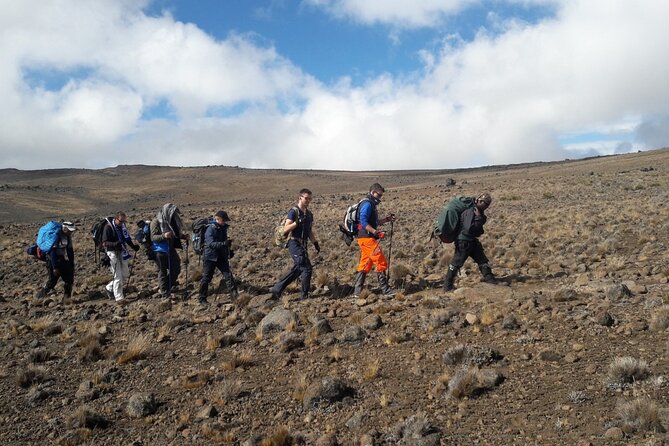
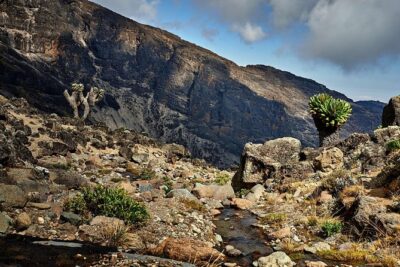
The route later changes character. Forest gives way to moorland, shrubs, wildflowers, open plateau, volcanic rock, scree, and finally snow near the summit. That variety is one of the strongest reasons to choose Lemosho over a less scenic approach.
More Kilimanjaro climbs:
- Mount Kilimanjaro Day Hike Through Marangu Route to Mandara Hut
★ 5.0 · 37 reviews - Mount Kilimanjaro Day Hike
★ 4.5 · 23 reviews - 7 Day Kilimanjaro Climb Lemosho Route & 2 Day Safari
★ 5.0 · 16 reviews
Arrival in Arusha and the first night
Your trip begins with pickup at Kilimanjaro International Airport and transfer to Springlands Hotel or a similar property. The first night includes bed and breakfast, giving you a place to rest before the mountain schedule begins.
The next morning starts around 9:00 am. The long drive to Londorosi Park Gate takes about five hours, so this is not a quick transfer followed by an immediate stroll. You will want to arrive with your daypack ready, water accessible, and any personal items you need during the drive.
Springlands appears again after the climb, when you receive a hot lunch, a shower, and a bed before the final airport transfer. That return night is valuable. After a summit attempt, a proper shower feels like a major attraction, and the hotel stop gives you time to recover instead of rushing straight to an airport.
A single room supplement costs $50 per person. The standard package includes two hotel nights with breakfast, but you should clarify the exact room arrangement if you are traveling alone.
Day 2: Londorosi Gate to Mti Mkubwa Camp
The mountain section starts at the Londorosi Park Gate, after the long drive from the hotel. The drive itself can be part of the experience, since the route across the Shira Plateau offers one of the better chances to see large wildlife on Kilimanjaro.
From the gate, you walk about 5 kilometers for roughly three hours, gaining altitude from about 2,200 to 2,600 meters. The destination is Mti Mkubwa Camp, where the crew sets up camp and serves dinner.
This first hike is short by Kilimanjaro standards. That is useful. You are not trying to prove anything on Day 1 of the mountain. The aim is to settle into the pace, meet the guide and porters, and begin adjusting to the altitude.
The ranger detail applies to the forest around the Lemosho Glades. Follow the guide’s instructions and stay with the group. The wildlife element is exciting, but this is still a managed mountain walk, not a free-roaming wildlife outing.
Day 3: Moorland and the view of Kibo
Day 3 covers about 10 kilometers in four to five hours, rising from roughly 2,600 to 3,600 meters. The route from Mti Mkubwa to Shira Camp moves into lower moorland, where large shrubs and wildflowers replace much of the forest.
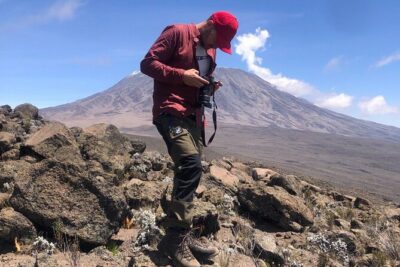
The west face of Kibo, Kilimanjaro’s main volcanic cone, comes into view above camp. That first clear sight of the summit area gives the day a strong sense of progress, even though Uhuru Peak remains several days away.
The pace should remain calm. You may have lunch at camp, set up your tent, rest, or take a short day walk. This is one of the quieter days, but do not treat it as wasted time. Rest and steady movement are part of the route’s altitude plan.
More Lemosho Route climbs:
- 8-Day Small-group Lemosho Kilimanjaro Summit Trekking
★ 5.0 · 186 reviews - 8 Days Mountain Kilimanjaro Lemosho Route
★ 5.0 · 22 reviews - Kilimanjaro Climb- Lemosho Route
★ 5.0 · 9 reviews - Lemosho Route 7 Days Trekking at Mount Kilimanjaro
★ 5.0 · 7 reviews
Day 4: Shira Camp 2 and gentle acclimatization
Day 4 is another relatively short acclimatization day. You walk about 10 kilometers for five to six hours, moving from 3,600 to 3,840 meters and sleeping at Shira Camp 2.
The practical benefit is clear: you gain only a modest amount of altitude while still spending several hours walking. That helps you learn how your body responds before the route becomes rockier and more demanding.
Shira’s open setting also changes the feel of the climb. You are no longer simply walking through forest. The route begins to feel broad, exposed, and volcanic, with Kibo occupying more of your attention.
Do not use this easier day to race ahead. The guides’ role is especially important here. The praised support from people such as Izadin and Kimbi matters because a good guide keeps the group moving slowly enough for acclimatization without allowing the day to become disorganized.
Day 5: Lava Tower and the drop to Barranco
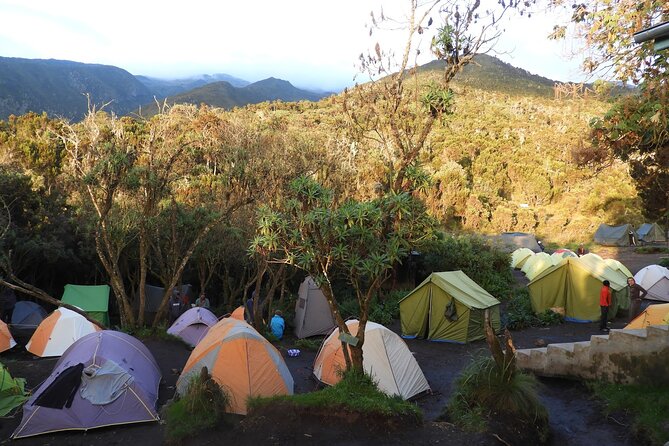
This is the route’s major acclimatization test. You cover about 11 kilometers in seven to eight hours, moving through semi-desert and rocky terrain toward Lava Tower.
After roughly five hours of walking, you reach about 4,600 meters. Some climbers first notice breathlessness, headaches, or irritability at this point. Take those symptoms seriously and tell your guide. The route is designed to make the high point useful, not to encourage you to ignore altitude trouble.
Lunch comes before the rocky scree climb to Lava Tower. This is described as the toughest day so far, and the loose rock can make each step feel slow. You should keep your pack light and use the pace set by the guide.
The payoff is the descent to Barranco Camp, around 680 meters lower. Arriving at a lower sleeping altitude after visiting Lava Tower is the key reason this day is so valuable. You may feel tired, but your body has had a meaningful high-altitude exposure without forcing you to sleep at the highest point reached.
Day 6: A rough camp and preparation for summit night
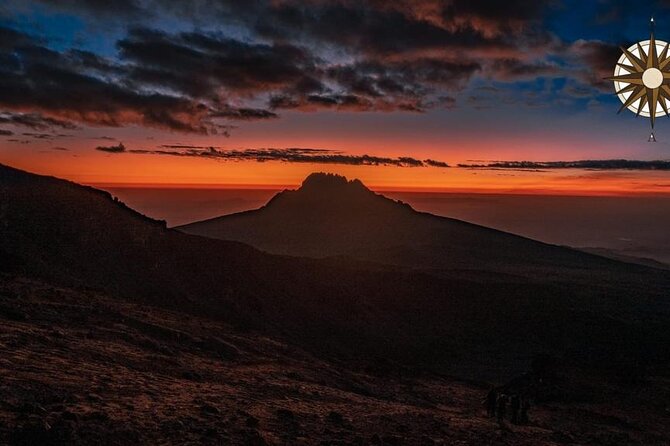
Day 6 covers about 11 kilometers in seven to eight hours. The stated altitude range is approximately 3,960 to 4,640 meters, and the route leads toward the high camp used before the summit attempt.
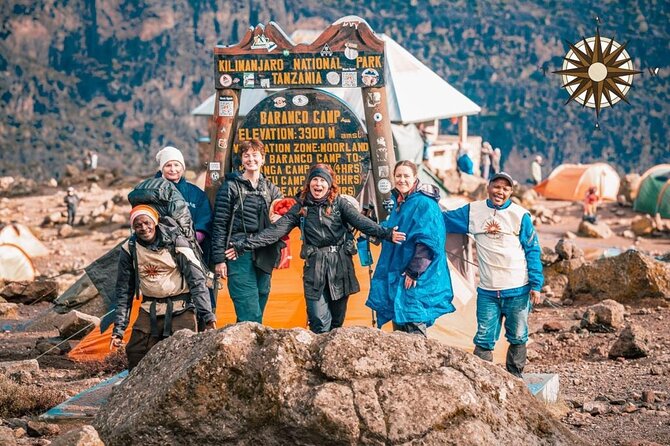
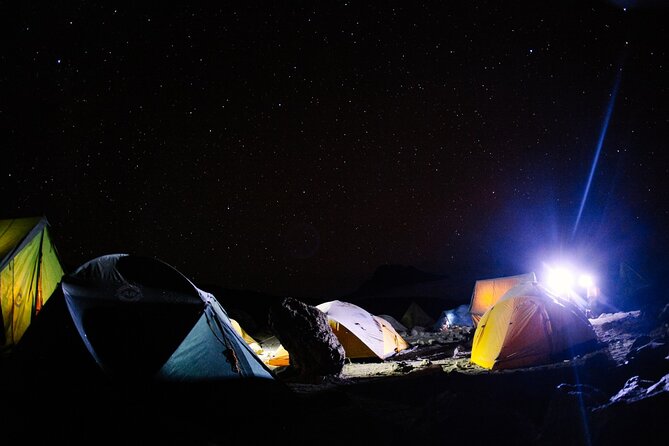
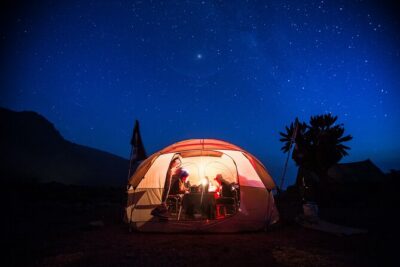
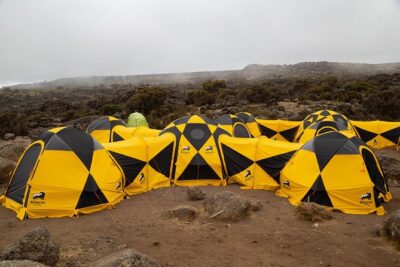
This section is exposed to strong winds. Tents are pitched on a narrow, stony ridge described as dangerous, so you should inspect the ground before darkness arrives and move carefully around camp. This is not the evening for wandering around in sandals while searching for a better photo angle.
The summit is still about 1,345 meters above camp. You prepare your thermal clothing, trekking poles, headlamp, and camera batteries for the night climb. Carry spare batteries, and keep your drinking water in a thermal flask so it is less likely to freeze.
Bedtime is around 7:00 pm, though you may get no more than five hours of rest before the midnight wake-up. The short sleep is one of the mental challenges of Kilimanjaro. Set out your clothing and equipment before lying down. At that hour, even finding a glove can feel like a major expedition.
Day 7: Stella Point, Uhuru Peak, and the long descent
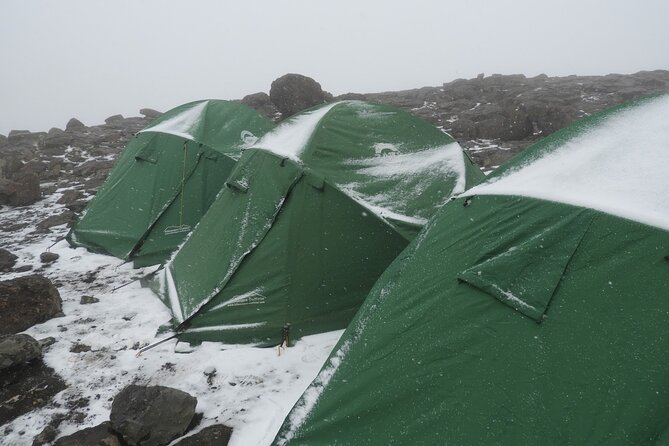
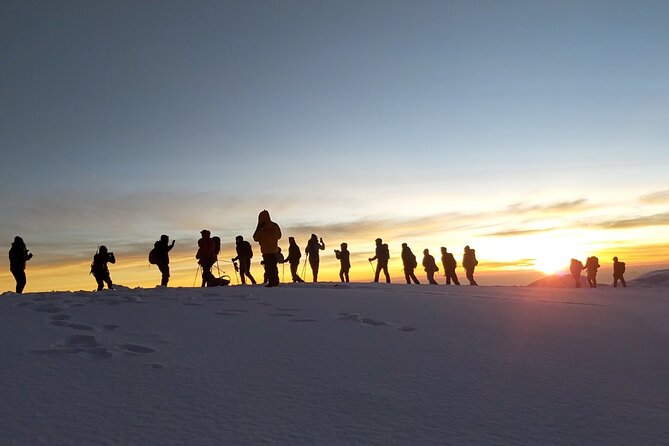
Summit day is the hardest part of the climb by a wide margin. You wake around 11:30 pm for tea and biscuits, then begin the slow ascent through heavy scree toward Stella Point.
The walk to Stella Point takes about six hours for many climbers. The footing is loose, the air is thin, and the darkness makes the climb feel longer. Your guide will set the pace, but you must also be honest about your condition. The goal is to reach the summit safely, not to win a race against the person ahead.
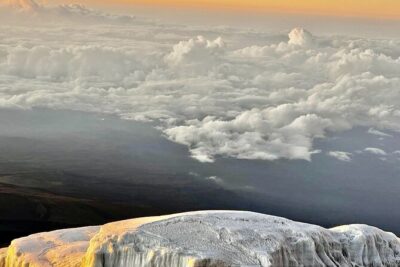
At Stella Point, about 5,685 meters, you can pause and watch sunrise if the weather allows. From there, the route normally reaches snow, with about two more hours to Uhuru Peak at 5,895 meters.
Time at the summit depends on weather conditions. Keep the stop sensible. Take your photos, absorb the view, and begin the descent before cold and fatigue take over.
The full day is listed at 17 kilometers and 15 or more hours, with the altitude range running from approximately 4,670 to 5,895 meters and then down to about 3,100 meters. That figure gives you a better idea of the strain than the distance alone. You climb in darkness, reach Africa’s highest point, and continue downhill while your legs are already tired.
After the summit, you descend to the lower camp area and continue toward the Mweka side of the mountain. This is where strong food, organized porters, and an experienced guide make a real difference. Chef Salim’s praised cooking is not a minor detail on a day like this.
Day 8: Mweka Gate, shower, and certificates
After breakfast, you walk from Mweka Gate toward Mweka village. The final section can be muddy and takes about an hour, although the day’s listed hiking time is five hours.
From the village, transport returns you to Springlands Hotel. You receive a hot lunch and a shower, then spend the night at the hotel. Tips can be given to the guide there, and successful climbers receive summit certificates.
Those reaching Stella Point receive green certificates. Those reaching Uhuru Peak receive gold certificates. The distinction is useful because Stella Point is a serious achievement in its own right, even though Uhuru is the main summit target.
The final hotel night is included in the package. Use it to rest, eat properly, and organize your luggage before the airport transfer.
Day 9: Airport transfer and departure
The final morning begins with an early breakfast followed by a roughly 30 minute transfer to Kilimanjaro Airport.
This schedule leaves little room for a delayed departure flight. Check your flight time carefully before booking, especially since the transfer is described as early. The package ends with the airport transfer, so extra nights or onward plans would need separate arrangements.
What the $2,280 price really covers
At $2,280 per person, the price is strong for a supported Kilimanjaro climb because many large expenses are already bundled together.
Included costs cover:
Airport pickup
Two nights of hotel accommodation with breakfast
Transport from Moshi to the mountain and back
Park entry fees and guide, porter, and cook accommodation
Guides’ and porters’ salaries
All mountain meals
Tents and sleeping mattresses
Rescue fees
- Six dinners and six lunches, plus nine breakfasts as stated in the package details
The price does not include international or domestic flights, the $50 Tanzania visa, travel and health insurance, or hired gear such as sleeping bags, clothing, and shoes. You may also need to pay a single room supplement of $50.
Tips are listed as optional at $250 to $350 per person. Optional does not mean unimportant in a porter-supported climb. Set that money aside when comparing the total cost, then confirm the company’s tipping method and how the amount is shared among the mountain crew.
The guide and porter team
The strongest praise focuses on the people running the trip. Gabriel receives particular credit for clear communication before departure, which is valuable when you are arranging airport pickup, hotel nights, gear, and a demanding climb from another country.
On the mountain, Izadin is praised for being helpful and well informed, while Kimbi is singled out as an excellent guide. The company also receives praise for supplying what climbers needed and maintaining a friendly staff.
You should still ask practical questions before paying: what gear is available for hire, how many people are in your group, and how tips are distributed. The maximum group size is 12, which is large enough to create a social atmosphere but small enough for a guide to monitor people more closely than on a huge commercial trek.
Who should choose this climb?
I would recommend this route to a fit first-time Kilimanjaro climber who wants a scenic approach and values a full support team. The gradual first days, the Shira Plateau, and the Lava Tower descent give you a sensible structure for adapting to altitude.
It also suits you if you want your trip to include airport transfers and hotel nights rather than arranging every piece yourself. The package removes much of the planning burden.
I would hesitate if you dislike camping, struggle with long uphill days, or need a flexible cancellation policy. The experience is non-refundable and cannot be changed for any reason. You also need moderate physical fitness, and summit day is far harder than the first few days suggest.
Should you book the Lemosho climb?
Book it if you want a well-supported western route with wildlife potential, varied scenery, and a useful acclimatization profile. The included transport, crew, meals, rescue fees, and hotel nights make the $2,280 price attractive, provided you budget for insurance, gear, flights, visa, and tips.
Before committing, confirm your room arrangement, equipment needs, airport timing, and tipping plan. If you accept the early mornings, rough camps, long summit night, and strict no-refund terms, this is a strong choice for reaching Kilimanjaro with an organized local team.
FAQ
Is this a seven day or nine day experience?
It is a nine day package overall, including arrival and departure hotel nights. The mountain climb itself is described as a seven day Lemosho climb.
Where does the experience begin?
Pickup begins at Kilimanjaro International Airport, followed by transfer to Springlands Hotel or a similar hotel. The stated start time is 9:00 am.
What is the maximum group size?
The group can include a maximum of 12 people.
Is airport pickup included?
Yes. Airport pickup is included, along with transport from Moshi to the mountain starting point and return transport to Moshi.
Are meals included?
Yes. Mountain meals are included, along with hotel breakfasts. The package details list six dinners, six lunches, and nine breakfasts.
Are tents and sleeping mattresses provided?
Yes. Tents and sleeping mattresses are included.
Are flights included in the price?
No. Domestic and international flights are not included.
Do I need a Tanzania visa?
The visa is not included. The stated cost is USD 50.
Is travel insurance required?
Travel and health insurance are not included. The package advises arranging insurance if you do not already have it.
Can I hire mountain gear?
Mountain gear such as sleeping bags, clothing, and shoes is available for hire at an additional cost.
How much should I budget for tips?
The stated optional tip amount is $250 to $350 per person for guides, porters, and the cook.
What certificate do I receive after the climb?
You receive a green certificate if you reach Stella Point at 5,685 meters. Reaching Uhuru Peak at 5,895 meters earns a gold certificate.
Just added in Arusha
- Safari “Kifaru” – 5 days in the most famous Parks in the world★ 5.0 · 4 reviews
- Saadani Day Trip★ 5.0 · 13 reviews
- 3 Days Tanzania Short and Spicy★ 5.0 · 6 reviews
- 5 Day Tanzania Safari Camping Adventure Private Tour★ 5.0 · 2 reviews
- Day Trip to Ngorongoro Crater from Arusha★ 5.0 · 1 review
- SERENGETI NATIONAL PARK Tour★ 4.5 · 5 reviews
- 3 Days Serengeti Park & Ngorongoro Crater Adventure Safari★ 5.0 · 8 reviews
- 6 Days Tanzania Bush Experience Safari★ 5.0 · 6 reviews
Lemosho Route Climbs, compared.
8-Day Small-group Lemosho Kilimanjaro Summit Trekking
Read our review →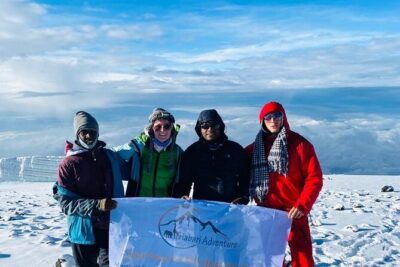
Climbing Kilimanjaro through 8 days Lemosho Route
Read our review →Browse the lists this tour appears in