
Reviewed · LEMOSHO ROUTE CLIMBS
Lemosho Route 7 Days Trekking at Mount Kilimanjaro
Kilimanjaro rewards patience more than speed. This 7-day Lemosho Route trek with Suricata Safaris gives you a quieter start, strong acclimatization days, and a carefully paced route toward Uhuru Peak, Africa’s highest point. I like the scenic rainforest and moorland approach, and I like that the group is limited to a maximum of eight people. The main concern is the summit schedule: waking around midnight for a long climb to 5,895 meters is tough, even if you are fit.
The trek begins and ends in Arusha, with transport in a 4×4 Land Cruiser or Land Rover. I also like the clear camp-to-camp plan, including a night near Lava Tower for altitude practice. You should know, though, that the seven days become much harder after Barafu Camp, and the price of $2,800 does not include international flights, departure taxes, or insurance.
In This Review
- Key points to know before booking
- Starting in Arusha and reaching Lemosho Gate
- Day 2: heath, moorland, and Shira One Camp
- Day 3: Lava Tower practice before Barranco
- Day 4: the Barranco Wall and a short Karanga day
- Day 5: Barafu Camp and the wait for midnight
- Day 6: Uhuru Peak, Barafu, and Mweka
- Day 7: rainforest descent and the return to Arusha
- What the $2,800 price really covers
- The guides and the human side of the climb
- Who should choose this seven-day route?
- Should you book Suricata Safaris for Lemosho?
- FAQ
- How long is the Lemosho Route trekking experience?
- Where does the trek begin?
- How high is Uhuru Peak?
- What is the hardest day of the trek?
- How many people can join the tour?
- Are meals included?
- Is airport transport included?
- Do I need travel insurance?
- What is the cancellation policy?
Key points to know before booking
- A quieter route into Kilimanjaro: Lemosho begins on the western side of the mountain and starts with a forest walk before joining the higher route.
- A small advertised group: The maximum group size is eight, although one past departure included a much larger support crew.
- Strong altitude practice: Day 3 reaches Lava Tower at 4,600 meters before dropping to sleep at Barranco Camp.
- The hardest day is summit day: You climb from Barafu to Uhuru Peak at night, then descend all the way to Mweka Camp.
- Experienced named guides: Fred, also called Freddy, Mike, Teacher, and Modest are praised in the supplied feedback.
- A demanding but organized package: Meals, a certified guide, park access, camp nights, transfers, and support staff are part of the arrangement.
Starting in Arusha and reaching Lemosho Gate
Your day begins in Arusha, where a guide meets you and drives you toward Kilimanjaro National Park. The ride to Londorossi Gate takes about an hour in a 4×4 Land Cruiser or Land Rover. At the gate, staff handle registration, payment, and the permit process. That wait is part of mountain travel, not wasted time. Kilimanjaro is a regulated national park, and the paperwork must be completed before your boots hit the trail.
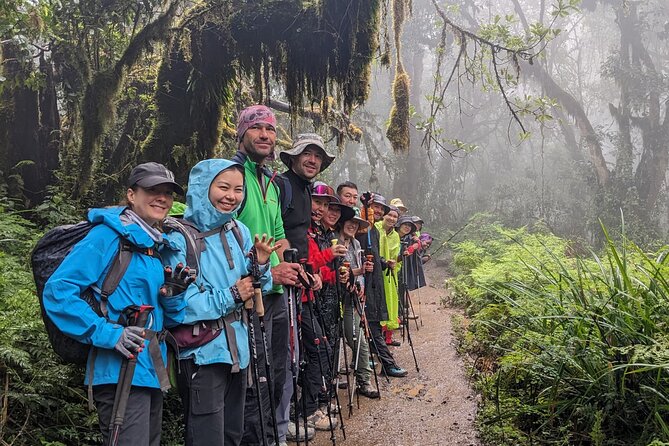
From Londorossi Gate, the vehicle continues to the Lemosho starting point at about 2,100 meters. The first walking section covers roughly six kilometers through rainforest and climbs to Mti Mkubwa Camp, also called Big Tree Camp, at 2,750 meters.
Allow about four hours for this first day. It is a useful introduction rather than a brutal test. The forest gives you shade, moisture, and a gradual start. You will still feel the climb, especially if you have just arrived in Tanzania, but the short distance leaves room to settle into the slow rhythm needed on Kilimanjaro.
Dinner and the night are at the campsite. The supplied meals include six breakfasts, seven lunches, and six dinners across the trek. That means lunch is covered on every walking day, including the final day.
More Kilimanjaro climbs:
- Mount Kilimanjaro Day Hike Through Marangu Route to Mandara Hut
★ 5.0 · 37 reviews - Mount Kilimanjaro Day Hike
★ 4.5 · 23 reviews - 7 Day Kilimanjaro Climb Lemosho Route & 2 Day Safari
★ 5.0 · 16 reviews
Day 2: heath, moorland, and Shira One Camp
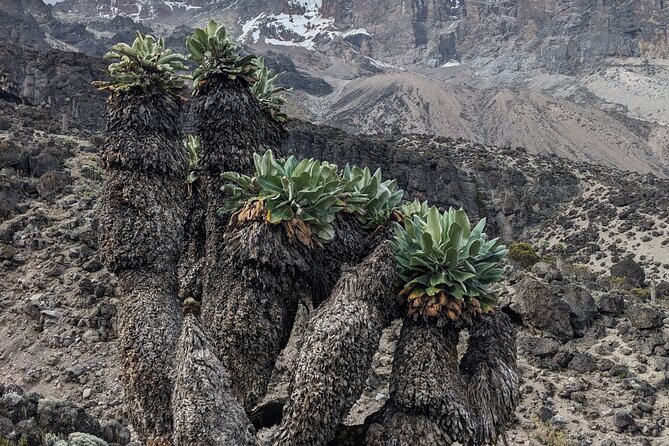
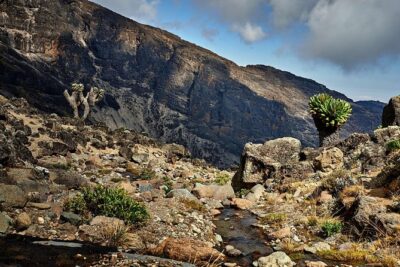
After breakfast, you leave the trees and enter the heath and moorland zone. The route to Shira One Camp covers about 13 kilometers and climbs approximately 1,100 meters, making this one of the longer early days.
The stated walking time is about six hours. The advice here is simple: go slowly. The route is described as steep in places, and a fast start can leave you tired before the high camps arrive. Your guide should set a measured pace, but you still need to speak up if you feel rushed.
Shira One sits at roughly 3,500 meters. This is where Kilimanjaro begins to feel like a high-altitude climb rather than a forest hike. The open ground gives you broad mountain views, but the exposure also means changing weather can matter more. Conditions may be cold, wet, or windy, and the feedback includes a trek in late November and early December with almost six days of continuous rain.
That detail matters. You are not buying a guaranteed sunny walk. You are buying a route and a support team, so pack and prepare for wet weather even if the forecast looks kind.
Day 3: Lava Tower practice before Barranco
Day 3 is one of the best-designed parts of this itinerary. You walk from the Shira area toward Barranco Camp, but first climb to Lava Tower at about 4,600 meters. After reaching that height, you descend to spend the night at Barranco Camp, at 3,940 meters.
The total walking time is listed at six to seven hours. The route covers about 10.75 kilometers, with a 750-meter climb to Lava Tower and a further stated gain of 660 meters from Lava Tower to Barranco. The figures in the schedule describe the route in stages, so focus less on adding every number and more on the practical point: you go high during the day, then sleep lower.
That pattern helps your body adjust to thin air. It does not remove the risk of altitude sickness, and no itinerary can promise that you will feel well. Still, this is a sensible day for acclimatization and gives you an important early test of how your body reacts above 4,000 meters.
A picnic lunch is provided. Barranco Camp is a memorable stopping point, surrounded by steep volcanic terrain and close to the Barranco Wall. After a full day, the camp may feel basic and tiring rather than postcard-perfect. That is normal. On this trek, comfort means a hot meal, a safe camp, and enough rest to continue.
Day 4: the Barranco Wall and a short Karanga day
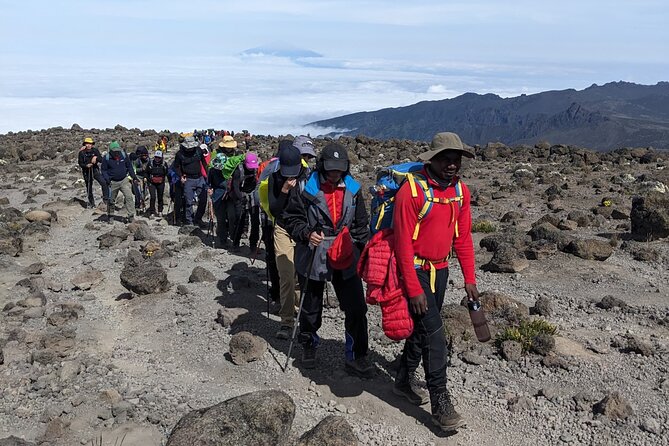
After breakfast, you tackle the Barranco Wall before continuing to Karanga Camp. The wall reaches around 4,250 meters, while Karanga Camp sits near 4,000 meters. The day covers about 4.25 kilometers and takes roughly three to four hours.
This is the shortest walking day on the route. That is good news, because it gives you time to recover after Lava Tower and before the high camps. A hot lunch is served at Karanga, followed by rest and an acclimatization walk.
The Barranco Wall can look intimidating from camp, but the schedule does not present it as a technical climbing section. You should expect a steep, hands-on mountain path rather than a casual stroll. Move carefully, keep your pack secure, and follow the guide’s instructions.
One small practical note: the supplied schedule shows a four-minute duration in one place, but the detailed description gives three to four hours. The longer figure is the sensible one for planning.
More Lemosho Route climbs:
- 8-Day Small-group Lemosho Kilimanjaro Summit Trekking
★ 5.0 · 186 reviews - 8 Days Mountain Kilimanjaro Lemosho Route
★ 5.0 · 22 reviews - Kilimanjaro Climb- Lemosho Route
★ 5.0 · 9 reviews - Kilimanjaro-lemosho Route 8 Days Itinerary
★ 5.0 · 6 reviews
Day 5: Barafu Camp and the wait for midnight
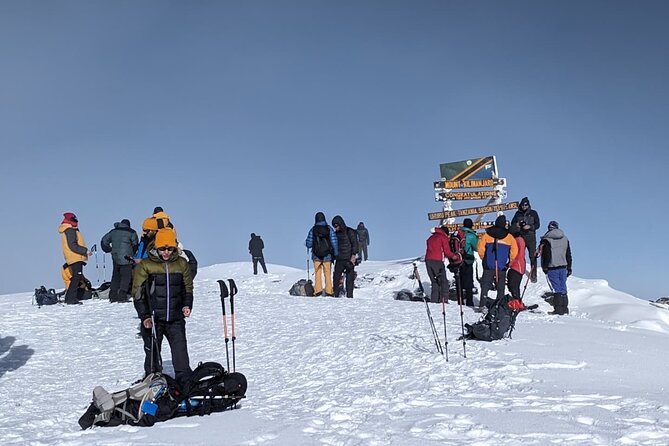
The path from Karanga to Barafu Camp crosses heath and moorland and climbs to 4,600 meters. It is another short day, about 4.25 kilometers and three to four hours, with a 600-meter gain.
You are scheduled to start around 8:30 in the morning. A hot lunch follows your arrival at Barafu, then you rest and eat an early dinner. The point is not to fill the afternoon with activity. You need to lie down, organize your summit clothing, and preserve energy for the night.
Barafu is the launch point for Uhuru Peak. At this altitude, even simple tasks can feel slow. Pack only what you need for the summit, keep essential clothing close, and use the rest period wisely. The itinerary allows only a few hours of sleep before the midnight wake-up, so do not count on a full night.
This is also the point where a seven-day schedule shows its limits. Lemosho provides useful acclimatization, but the route still moves at a firm pace. If you want more time to adjust, a longer Kilimanjaro itinerary may suit you better, though this particular package is fixed at seven days.
Day 6: Uhuru Peak, Barafu, and Mweka
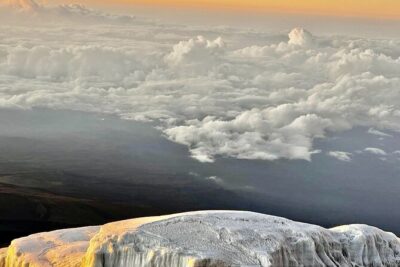
Summit day begins around midnight. You wake, pack essential items, have hot drinks and snacks, and start climbing toward Uhuru Peak at 5,895 meters.
The ascent is listed at six to seven hours over 4.86 kilometers, with a gain of about 1,295 meters. Those numbers look modest on paper. They are not. You are walking uphill in darkness, after several days of exertion, at extreme altitude. Your pace will be slow, and the cold can make the hours feel longer.
The high point is Uhuru Peak, the summit of Mount Kilimanjaro and the highest point in Africa. Reaching it is a major physical achievement, but do not treat the summit as the end of the day. You still descend to Barafu Camp, a three-hour drop where breakfast is scheduled.
After a few hours of rest and a hot lunch, you continue down through alpine desert, heath, and moorland to Mweka Camp at 3,100 meters. The combined distance from Uhuru Peak through Barafu to Mweka is about 11.5 kilometers, with an altitude loss of roughly 2,795 meters.
This is the hardest day by a wide margin. One group of three described the summit as very challenging despite being in good shape, while all three reached Uhuru with help from guides Mike and Fred. That is useful context: fitness helps, but altitude and pacing matter just as much.
You may also feel that the descent is hard in its own way. Knees, feet, and concentration take a beating after the summit. Good boots and careful foot placement matter more now than speed.
Day 7: rainforest descent and the return to Arusha
The final morning begins with breakfast at Mweka Camp. You then descend through rainforest to Mweka Gate at about 1,800 meters. The distance is around 9.1 kilometers, with a drop of about 1,400 meters, and the walking time is given as three to four hours.
The forest should feel warmer and more familiar than the high camps, but do not underestimate the descent. After summit day, your legs may be sore, and wet trail conditions can make the route slippery.
At Mweka Gate, successful summiteers receive a certificate. You then meet the vehicle and transfer back to Jevas Hotel in Arusha. This transfer closes the trip neatly, giving you a clear finish rather than leaving you to arrange your own way back after a demanding descent.
The full final-day schedule is listed as about six hours, which likely includes the gate process and onward transfer. Keep some patience for the paperwork and certificate arrangements before you settle into the vehicle.
What the $2,800 price really covers
At $2,800 per person, this is not a low-cost mountain walk. The value depends on what you want from a Kilimanjaro trip and how much support you need.
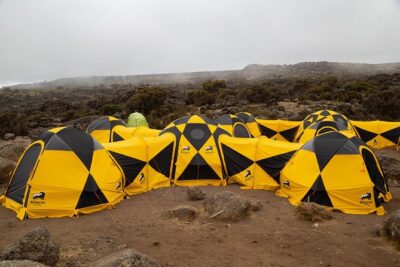
The package includes a certified guide, all listed breakfasts, lunches, and dinners, park admission for the itinerary, camp arrangements, transport from Arusha, and the organized return transfer. A mountain climb also requires a working support system, not just a person to point toward the trail. One past group traveled with Fred and Mike, a cook, and nine porters. Another departure had a support team of around 25 people.
That support explains why the price is higher than a simple guided hike. Porters move equipment, cooks prepare meals, and guides manage pacing and the route. I would ask Suricata Safaris for a current breakdown of porter and staff arrangements before booking, especially because the advertised maximum is eight people but past group support numbers have varied.
The price does not include international flights, departure taxes, medical insurance, travel insurance, or luggage insurance. Add those costs before comparing this trek with other operators. Free cancellation is available if you cancel at least 24 hours before the local start time. Within 24 hours, the amount paid is not refunded.
The guides and the human side of the climb
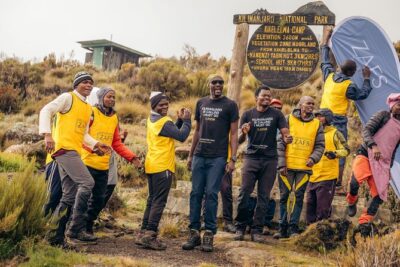
The strongest praise is directed at the mountain team. Fred, also called Freddy, Mike, Teacher, and Modest are named in the supplied feedback. Fred is described as experienced and wise, while Mike receives praise for mountain knowledge and calm support.
That matters most on summit night. A good guide does not make the altitude disappear, but can help you maintain a sensible pace, decide when to rest, and keep the group focused when the climb becomes uncomfortable.
The team also worked through difficult weather. Rain was reported on almost every day of one departure, and another late-November trek faced nearly six days of continuous rain. You should see this as a useful test of the operation. Kilimanjaro is not always a dry, sunny expedition, and the crew’s ability to keep meals, camps, and movement organized can make a major difference.
There is one point to clarify before you pay: the written tour information says a maximum of eight people, while one past group described a total support team of 25 people. These figures can both be true if the eight refers to paying climbers and the larger number includes guides, cooks, and porters. Ask directly so you know the size of your walking group and support team.
Who should choose this seven-day route?
This trek suits you if you want a quieter start than the busiest Kilimanjaro paths and can handle long walking days at altitude. You should have a moderate level of physical fitness, as stated by the operator, but you do not need to be an elite athlete.
You need patience, steady pacing, and a willingness to walk in poor weather. The summit morning is especially demanding. If you dislike cold, darkness, basic camps, or a tight schedule, this may not be the right mountain holiday.
I would also recommend it for people who value organized support. The route includes meals, a certified guide, a vehicle transfer, and a structured plan from Arusha to the gate and back. That removes many moving parts, though you still need to bring suitable clothing, footwear, insurance, and personal equipment.
Should you book Suricata Safaris for Lemosho?
I would consider this trek a strong choice if you want the Lemosho Route, a small advertised walking group, and a team with repeated praise for its guides. The itinerary uses Lava Tower well, gives you a shorter recovery day at Karanga, and includes the practical return to Arusha.
My caution is the seven-day schedule. The summit day is severe, and the descent continues long after you reach Uhuru Peak. Before booking, ask about current group size, porter arrangements, equipment expectations, and the exact inclusions behind the $2,800 price.
Book it if you are prepared for a serious high-altitude climb, not simply a scenic hike. Skip it if you want a relaxed mountain holiday or more time for acclimatization. For the right person, this offers a well-supported route through rainforest, moorland, alpine desert, and finally to the roof of Africa.
FAQ
How long is the Lemosho Route trekking experience?
The experience lasts approximately seven days, beginning and ending in Arusha.
Where does the trek begin?
You travel from Arusha to Londorossi Gate, then continue by vehicle to the Lemosho starting point at about 2,100 meters.
How high is Uhuru Peak?
Uhuru Peak is 5,895 meters above sea level and is the highest point in Africa.
What is the hardest day of the trek?
Day 6 is the hardest. You wake around midnight, climb from Barafu Camp to Uhuru Peak, descend to Barafu for breakfast, rest, and continue to Mweka Camp.
How many people can join the tour?
The tour information lists a maximum of eight people. Ask Suricata Safaris to confirm the current walking group size before booking.
Are meals included?
Yes. The package includes six breakfasts, seven lunches, and six dinners.
Is airport transport included?
The information specifies pickup from Arusha and transport to Kilimanjaro National Park, followed by a return transfer to Jevas Hotel in Arusha. International flights and departure taxes are not included.
Do I need travel insurance?
Medical, travel, and luggage insurance are not included in the price. You must arrange those separately.
What is the cancellation policy?
You can receive a full refund if you cancel at least 24 hours before the experience starts. Cancellations or changes made within 24 hours are not accepted for a refund.
More Treks in Arusha
- Mountain Kilimanjaro Day Hike
★ 5.0 · 102 reviews - Private Full Day Hiking Experience to Marangu Route
★ 5.0 · 61 reviews - 4 Days Mount Meru Trekking
★ 5.0 · 55 reviews - From Arusha/Moshi: Kilimanjaro Hike Marangu Route Day Trip
★ 4.5 · 54 reviews
Just added in Arusha
- Safari “Kifaru” – 5 days in the most famous Parks in the world★ 5.0 · 4 reviews
- Saadani Day Trip★ 5.0 · 13 reviews
- 3 Days Tanzania Short and Spicy★ 5.0 · 6 reviews
- 5 Day Tanzania Safari Camping Adventure Private Tour★ 5.0 · 2 reviews
- Day Trip to Ngorongoro Crater from Arusha★ 5.0 · 1 review
- SERENGETI NATIONAL PARK Tour★ 4.5 · 5 reviews
- 3 Days Serengeti Park & Ngorongoro Crater Adventure Safari★ 5.0 · 8 reviews
- 6 Days Tanzania Bush Experience Safari★ 5.0 · 6 reviews
Lemosho Route Climbs, compared.
8-Day Small-group Lemosho Kilimanjaro Summit Trekking
Read our review →
Climbing Kilimanjaro through 8 days Lemosho Route
Read our review →Browse the lists this tour appears in