Reviewed · GUIDED
From Arusha: 9 Days Private Guided Classic Game Drive in Tanzania
Migration country awaits. This nine-day private safari covers a remarkable sweep of northern Tanzania, from elephant country in Tarangire to flamingo breeding grounds at Lake Natron and the wide plains of the Serengeti. I especially like the varied route, which avoids simply driving back and forth, and the fact that your guide stays with your private group for the entire trip.
I also like the full-board plan, park fees, transport, and accommodation bundled into one price. The main consideration is the pace: you spend long hours on rough park roads and make several substantial road transfers, including the journey to Lake Natron and the return to Arusha. The Great Migration is seasonal and mobile, so no itinerary can promise a particular sighting.
In This Review
- Key details at a glance
- Why this northern Tanzania route works
- Day 1: Arusha to Tarangire’s elephant country
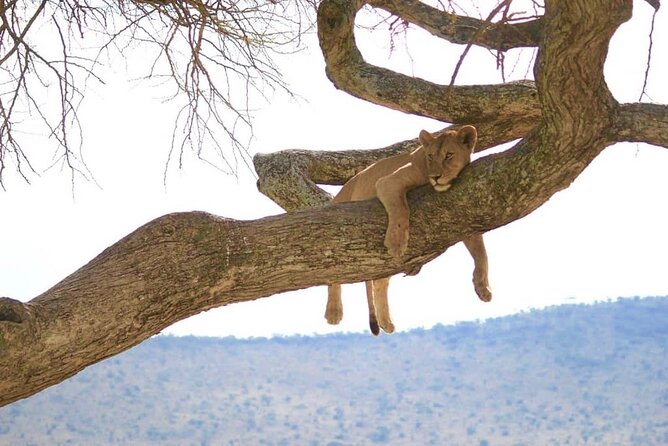
- Day 2: Lake Manyara’s forest, lake, and tree-climbing lions
- Day 3: Lake Natron and a flamingo walk with a Maasai guide
- Day 4: A wildlife transfer through Loliondo to Ololosokwan
- Days 5 to 7: Three full days following the Serengeti migration
- Day 8: Ngorongoro Crater and the Big Five
- Day 9: Karatu back to Arusha
- Accommodation, meals, and what the price covers
- What the strongest praise tells you
- Practical advice before you book
- Should you book this Tanzania safari?
- FAQ
- How long is the safari?
- Is pickup included?
- Is this a private tour?
- Are meals included?
- Is the Great Migration guaranteed?
- What extra charges should I expect?
Key details at a glance
- Three full days in the Serengeti: The central wildlife portion of the trip gives you time to search for wildebeest, zebra, lions, cheetahs, and other animals rather than relying on one rushed game drive.
- Lake Natron adds something different: A Maasai guide leads a flamingo walk to a major lesser flamingo breeding site, with volcanic scenery unlike the classic savanna parks.
- Private vehicle and guide: Only your group participates, allowing more room for questions and some flexibility in how you spend game-drive time.
- Ngorongoro is a major finale: A full-day crater drive offers one of Tanzania’s strongest chances for seeing the Big Five.
- Full board is included: Eight breakfasts, eight lunches, and eight dinners are covered, along with park fees and overnight stays.
- The route is ambitious: You cover Tarangire, Lake Manyara, Lake Natron, Loliondo, the Serengeti, Ngorongoro, and Arusha in nine days.
Why this northern Tanzania route works
At $4,114 per person, this is not a budget safari. But the price includes the costly parts of a northern Tanzania trip: park fees, a private vehicle, a driver-guide, eight nights of meals, and accommodation. If you arranged each piece separately, the arithmetic would quickly become complicated. Here, you pay for one organized route and spend less time sorting out permits, transfers, and park access.
The route also gives you more than a standard northern-circuit sampler. Many short safaris focus on Tarangire, Ngorongoro, and a few days in the Serengeti. This journey adds Lake Natron and the Loliondo area, giving you a stronger sense of how varied northern Tanzania can be.
The tradeoff is mileage. This is a touring safari, not a slow stay in one camp. You should expect early starts, long drives, and full days in a safari vehicle. That suits you if seeing several major regions matters more than having lazy afternoons.
Because the safari is private, your group is not sharing the vehicle with strangers. That matters on a nine-day trip. You can ask questions freely, discuss which animals you most want to see, and avoid the awkwardness of coordinating every stop with a large group. Past praise has focused heavily on guides such as Joe, John, Hamisi, Alphonse, Ladan, Peter, and Joseph. Their role is important here because the guide is both driver and interpreter of the parks.
A few more options to weigh up in Arusha
- Balloon Safari & Bush Breakfast in Serengeti – Miracle Experience
★ 5.0 · 1,646 reviews - Tanzania Classic – 7 Days
★ 5.0 · 1,151 reviews - 4 Days Group Camping Safari
★ 5.0 · 1,101 reviews
Day 1: Arusha to Tarangire’s elephant country
The trip begins with pickup at your accommodation or the airport at about 8:00 a.m. From Arusha, the drive to Tarangire takes roughly two to three hours. That opening transfer is manageable, and you reach a park with a very different feel from the Serengeti.
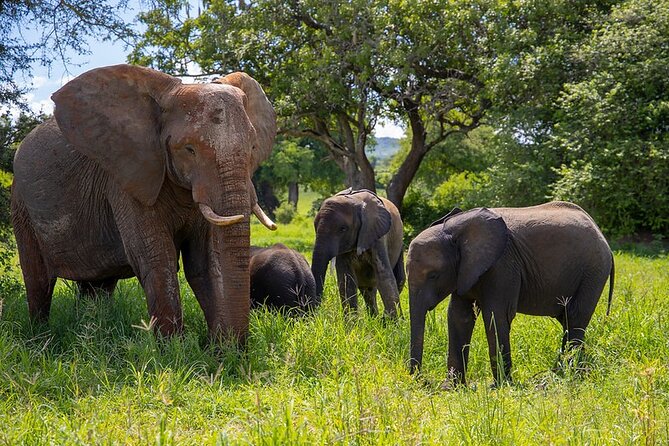
Tarangire is known for large elephant herds, and its relatively compact, open terrain can make animals easier to spot. You may see elephants at close range, along with wildebeest, zebra, buffalo, giraffe, gazelle, warthog, impala, lion, leopard, and more than 50 bird species.
The full-day game drive is a strong beginning because it gets you into wildlife country quickly. Tarangire covers about 2,850 square kilometers, yet its wildlife can feel concentrated, especially compared with the enormous Serengeti. I like this as an introduction to safari viewing: you get a good chance to see several species without spending the entire day searching across vast plains.
The drawback is that a full game drive after a morning transfer can make day one tiring. You will want a camera with spare batteries and a relaxed attitude toward time. Animals do not follow a schedule, and a quiet stretch of road can suddenly turn into an excellent sighting.
Day 2: Lake Manyara’s forest, lake, and tree-climbing lions
Lake Manyara National Park packs several habitats into a small area. The drive moves through groundwater forest, open grassland, and the alkaline lake zone. Baboons are often visible beside the road and in the trees, while wildebeest, giraffe, zebra, and buffalo graze near the lake.
Birdlife is a major reason to visit. More than 400 species have been identified in the park, and flamingos may gather around the soda lake. The park is also associated with tree-climbing lions, although seeing them depends entirely on timing and luck.
This day provides a useful contrast with Tarangire. Instead of mainly open woodland and dry-country wildlife, you get forest shade, water, birds, and a tighter sense of habitat change. It is a good stop for anyone who enjoys plants and birds as much as large mammals.
Still, you should keep expectations sensible. The tree-climbing lions are a possibility, not a guarantee. The same applies to large flamingo concentrations. The appeal of Manyara is the mix of habitats, not one promised photograph.
Day 3: Lake Natron and a flamingo walk with a Maasai guide
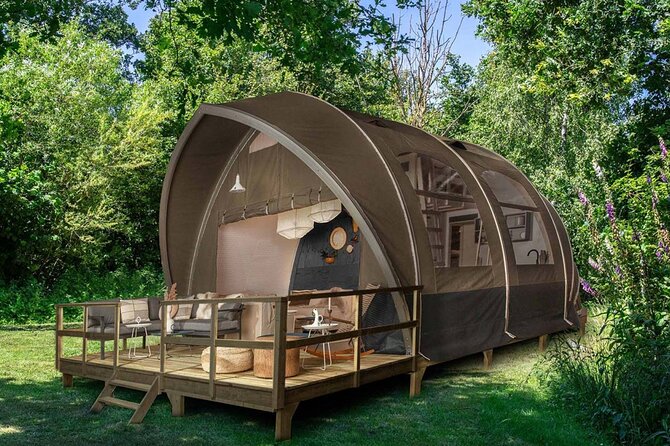
Lake Natron is the most unusual stop on the route. The drive from the previous area takes about three hours, and the setting changes to a stark volcanic scene that can feel almost otherworldly. This is not simply another savanna game drive.
After arriving, a Maasai guide leads a walk toward the lake. Lake Natron is a breeding site for millions of lesser flamingos, making this one of the tour’s most distinctive experiences. You get out of the vehicle and experience the area on foot, with the surrounding volcanic terrain as part of the attraction.
That walking element matters. Most safari days keep you inside a vehicle, so a guided flamingo walk changes the rhythm of the trip. It also gives the route a stronger connection to local guiding traditions through the Maasai guide.
You should be prepared for a more active day. The tour advises a moderate level of physical fitness, and the walk is not the same as looking at wildlife from a seat in a four-wheel-drive vehicle. Since the exact conditions around the lake can affect what you see, treat the flamingo sighting as a natural encounter, not a staged display.
A different kind of day out entirely:
- 5 Days Group Camping Safari
★ 5.0 · 730 reviews - Materuni Waterfalls, coffee tour & Kikuletwa Hot Springs
★ 5.0 · 643 reviews - 3 Days Serengeti & Ngorongoro Group Camping Safari
★ 5.0 · 574 reviews - 7-Day Premium Luxury Tanzania Safari All-Inclusive
★ 5.0 · 426 reviews
Day 4: A wildlife transfer through Loliondo to Ololosokwan
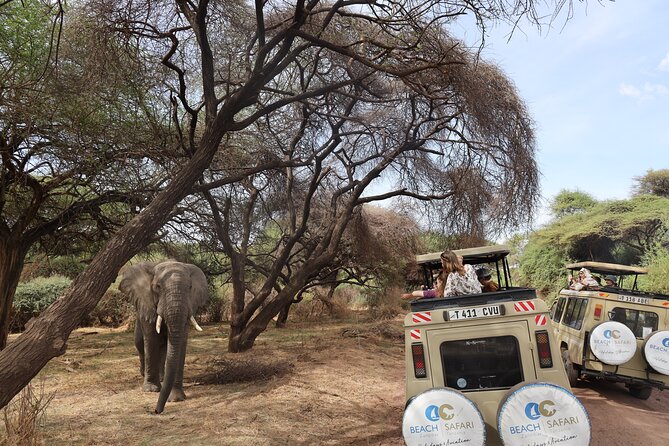
Day four takes you through the Game Controlled Area of Loliondo toward Ololosokwan. The day is described as a safari transfer, but wildlife viewing remains part of the journey. This area is presented as a less familiar route with strong game-drive potential.
The value of this day is the change of setting and the sense that wildlife is not confined to national park boundaries. Animals move through broad areas, and a transfer can become a productive viewing day when the guide knows where to look.
The limitation is that this is not described as a full, fixed game drive in the same way as Tarangire, Manyara, Serengeti, or Ngorongoro. Much depends on the route, timing, and what appears along the way. Think of it as a bridge between Lake Natron and the Serengeti, with wildlife opportunities built into the road journey.
Days 5 to 7: Three full days following the Serengeti migration
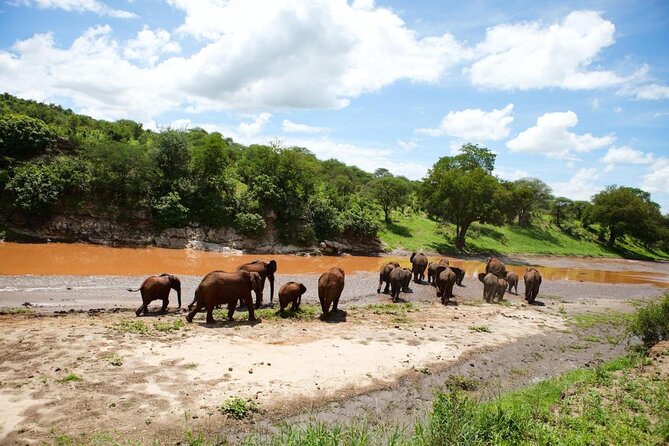
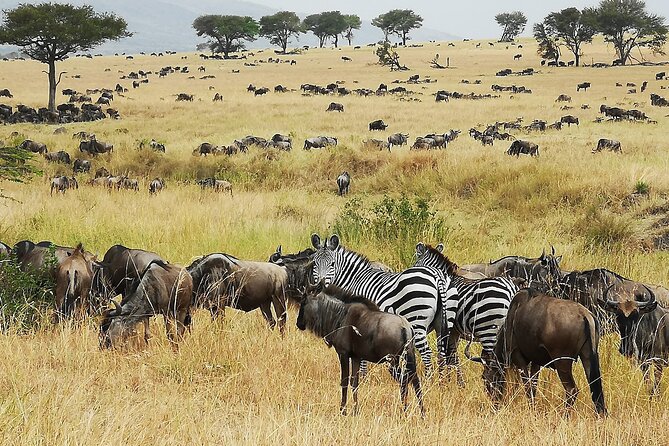
The Serengeti is the heart of the safari, and three full days give you the time this park deserves. The plan is to search for at least an impression of the Wildebeest Migration, with the exact area changing according to the season and the animals’ movement.
That seasonal flexibility is essential. The migration is not a permanent attraction sitting in one marked location. Wildebeest and zebra move in response to food and water, so the best area can vary during the year. A responsible expectation is a strong chance to see the Serengeti’s wildlife and a possibility of witnessing migration activity, not a guaranteed river crossing or a particular herd.
Three days improve your odds and your overall experience. You have more time to explore different parts of the park, pause for good sightings, and accept that one quiet drive does not define the safari. The Serengeti can offer huge herds, predators, open plains, and striking scenery, but every day has its own rhythm.
The full-day drives can be demanding. Six hours is the stated duration for each stop, although the broader day may feel longer once transfers, meals, and road conditions are included. If you dislike sitting in a vehicle for long periods, this is not the right holiday style. If you enjoy patient wildlife watching, the time is a major advantage.
The guide can make or break these days. Your guide is expected to handle navigation, animal spotting, safety, and explanations about local life and nature. Specific guides praised in the supplied feedback include Hamisi, John, Joe, Alphonse, Joseph, Ladan, Peter, and Englebert. Do not assume you will receive a particular person, but the repeated praise for guide service is one of the strongest reasons to take this operator seriously.
Day 8: Ngorongoro Crater and the Big Five
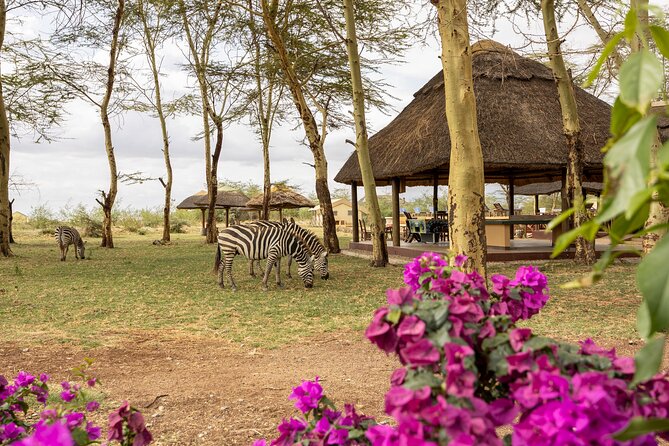
The Ngorongoro Crater provides a dramatic change after the open Serengeti. This enormous intact volcanic caldera holds a dense collection of wildlife within its natural walls. The crater viewpoint is part of the experience, with cool air, clouds near the rim, and a striking view down into the basin.
A full-day game drive gives you time to search for the Big Five: lion, leopard, elephant, rhinoceros, and buffalo. Several people who took closely related safaris reported seeing all five, but wildlife is never guaranteed. The crater’s enclosed geography does improve the possibility of finding a range of animals in one area.
I would treat Ngorongoro as one of the strongest days for first-time safari visitors. It offers scenery as well as animal viewing, and the crater is easy to remember as a single, powerful place. The downside is that it can feel busy compared with more remote areas, particularly when many vehicles gather around a notable sighting. The guide’s judgment and patience matter.
Day 9: Karatu back to Arusha
After breakfast, the driver-guide takes you from Karatu back to Arusha, a drive of roughly three hours. Drop-off is available in central Arusha, at your accommodation, or at the airport.
This final transfer is simple, but you should plan carefully around onward flights. The stated return drive takes about three hours, and road conditions or safari timing can affect the day. Give yourself breathing room rather than booking an immediately departing flight.
Accommodation, meals, and what the price covers
The package includes overnight stays in unique accommodation on a full-board basis. The specific properties are not named, but the available feedback describes the hotels and camps as comfortable, original, and well located for the safari. Food is generally described as good, and camp staff receive praise for being friendly and helpful.
Full board means breakfast, lunch, and dinner are included for eight days. Park fees, transportation, and the driver-guide are also covered. That makes the $4,114 price easier to assess because several large expenses are already built in.
You still pay the tourism development levy of $1.50 per person per night and village tax of $1 per person per night at check-in. Drinks, tips, and personal spending are extra. Bring a budget for those items, and carry some flexibility for gratuities if your guide and camp staff provide good service.
The package offers group discounts, but the activity itself is private. Ask for the exact discount before booking if you are traveling with several people. A private safari becomes better value when the vehicle cost is spread across a small group.
What the strongest praise tells you
The most repeated positive points are the guides, the amount of wildlife, the range of scenery, and the comfort of the accommodation. Several people describe the trip as a once-in-a-lifetime holiday, but the useful detail behind that praise is more practical: guides stayed with the group, answered questions, adapted the focus toward preferred animals, and helped make long drives enjoyable.
Families with teenagers have found the format suitable, especially with a guide who can keep younger passengers engaged. The private setup also works well for milestone birthdays and small groups who want to travel at their own pace.
There is one less positive note about value. One piece of feedback described the trip as expensive and suggested negotiating. That is fair advice. Compare the package with similar nine-day private safaris, paying close attention to whether park fees, meals, accommodation, and airport transfers are included. A lower headline price may not cover the same items.
Practical advice before you book
Bring clothing that works for cool mornings and warmer afternoons, since the route moves through different elevations and settings. Comfortable walking shoes matter most for Lake Natron, while a light jacket can be useful at the Ngorongoro rim.
Keep your expectations grounded. You may see thousands of animals and possibly all of the Big Five, but no honest safari can promise every species or a precise migration event. The strongest approach is to value the whole route, not just one animal sighting.
This experience requires moderate physical fitness. Most wildlife viewing happens from the vehicle, but the Lake Natron flamingo walk adds time on foot. If you need a slower schedule, ask about altering the itinerary before committing.
Pickup is offered, the start time is around 8:00 a.m., and confirmation is provided when you book. Free cancellation is available up to 24 hours before the local start time. After that point, the payment is not refunded and late changes are not accepted.
Should you book this Tanzania safari?
I would recommend this safari if you want a broad northern Tanzania journey with a private guide, three full Serengeti days, a real chance at the Big Five, and something unusual beyond the standard circuit. Lake Natron and the Maasai-led flamingo walk give the route character, while full board and included park fees simplify the planning.
I would hesitate if you want a relaxed holiday with short drives, guaranteed migration sightings, or a low-cost group safari. At $4,114 per person, value depends on using the included services and sharing the private vehicle with enough people to make the cost comfortable.
For a first major safari, this is an ambitious and rewarding choice. Book it for the variety, the guide service, and the time in the Serengeti, not for a promise that nature will perform on cue.
FAQ
How long is the safari?
The safari lasts approximately nine days, beginning and ending in Arusha.
Is pickup included?
Yes. Pickup is offered from your place of stay or the airport in Arusha.
Is this a private tour?
Yes. Only your group participates in the activity.
Are meals included?
Yes. The package includes eight breakfasts, eight lunches, and eight dinners as part of the full-board accommodation plan.
Is the Great Migration guaranteed?
No. The migration’s location changes throughout the year, so the itinerary adjusts according to the season. The Serengeti days aim to give you an impression of the migration.
What extra charges should I expect?
You pay a tourism development levy of $1.50 per person per night and village tax of $1 per person per night at check-in. Personal expenses, drinks, and tips are not included.
Just added in Arusha
- Safari “Kifaru” – 5 days in the most famous Parks in the world★ 5.0 · 4 reviews
- Saadani Day Trip★ 5.0 · 13 reviews
- 3 Days Tanzania Short and Spicy★ 5.0 · 6 reviews
- 5 Day Tanzania Safari Camping Adventure Private Tour★ 5.0 · 2 reviews
- Day Trip to Ngorongoro Crater from Arusha★ 5.0 · 1 review
- SERENGETI NATIONAL PARK Tour★ 4.5 · 5 reviews
- 3 Days Serengeti Park & Ngorongoro Crater Adventure Safari★ 5.0 · 8 reviews
- 6 Days Tanzania Bush Experience Safari★ 5.0 · 6 reviews
Guided, compared.
3 Hours Private Stone Town walking Tour with Guide
Read our review →
Stone Town Historical Cultural Walking Guided Tour
Read our review →
Arusha Guided Walking City Tour, Culture, Lifestyle & History
Read our review →
Stone Town’s Hidden History: Private Guided Walking Tour
Read our review →
Red Colobus Monkeys in Jozani Forest Guided Tour
Read our review →